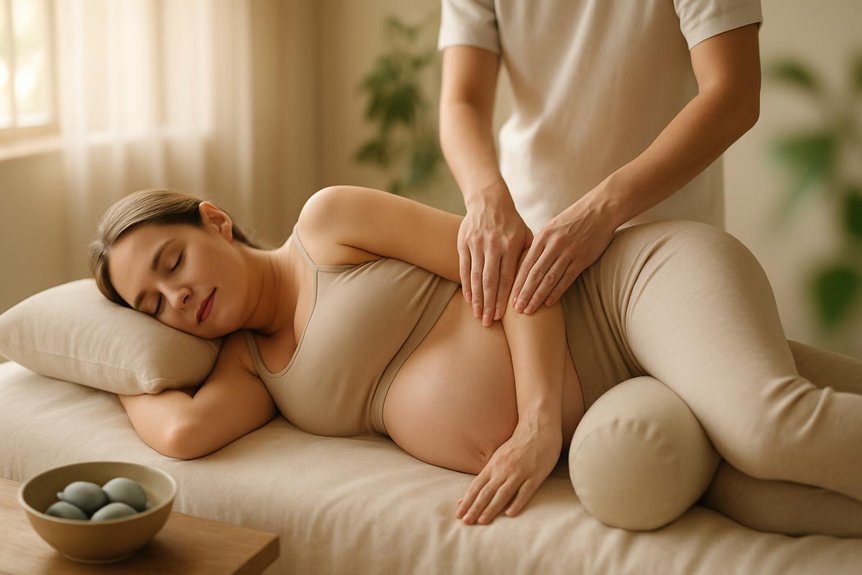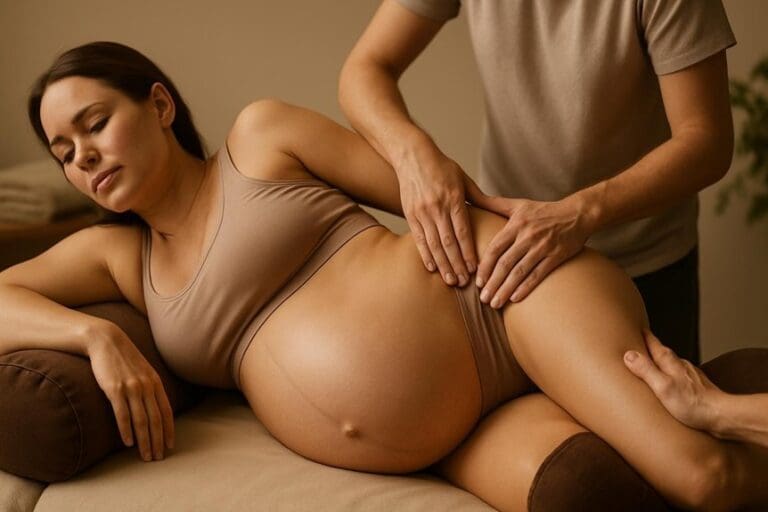
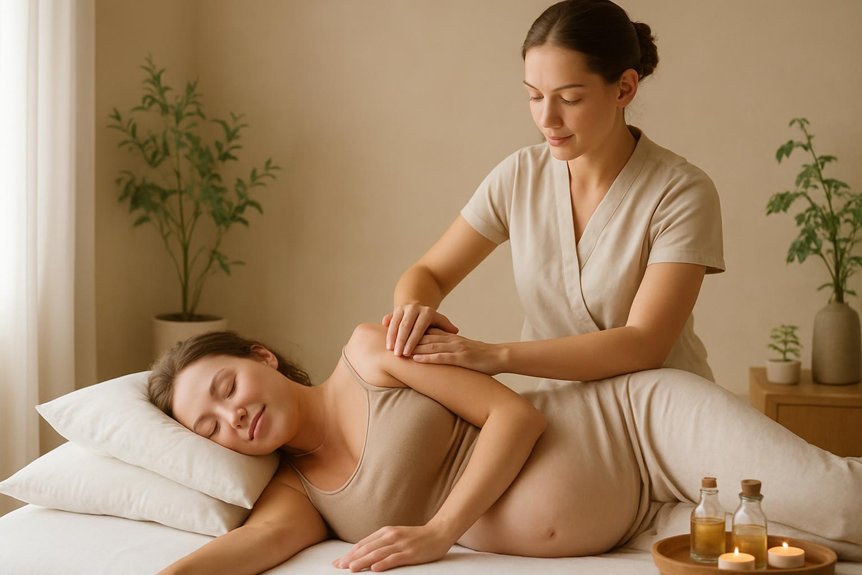
It is generally considered safe when performed by a qualified therapist trained in prenatal care and when tailored to the individual’s stage of pregnancy. Techniques and client positioning are adapted to support maternal comfort, circulation, and musculoskeletal relief, with careful assessment of contraindications such as high-risk conditions. Early pregnancy, particularly the first trimester, may warrant extra caution or postponement. Proper aftercare and symptom monitoring are essential. Further details outline safety considerations, benefits, and expert recommendations for expectant mothers.
Understanding Pregnancy Massage
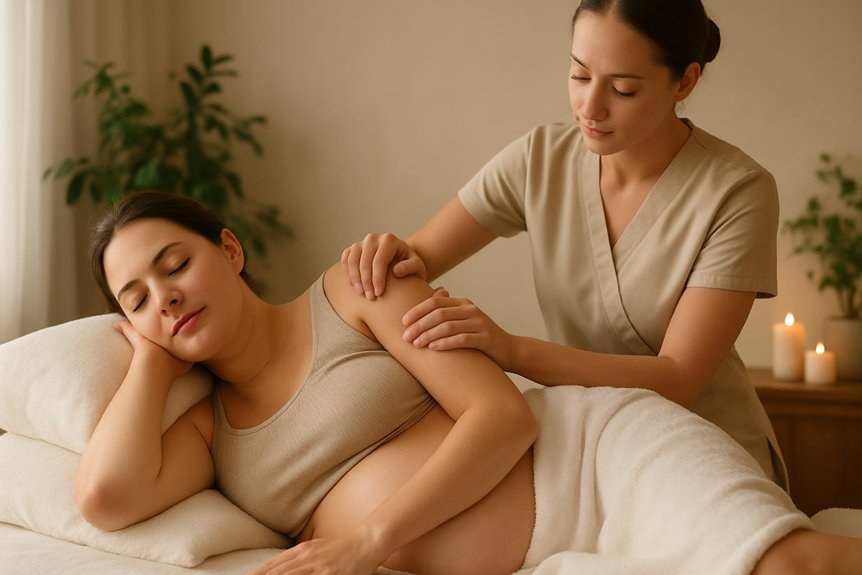
Although it is increasingly sought after for its reputed benefits, it requires specialised knowledge and careful application to guarantee maternal and foetal safety.
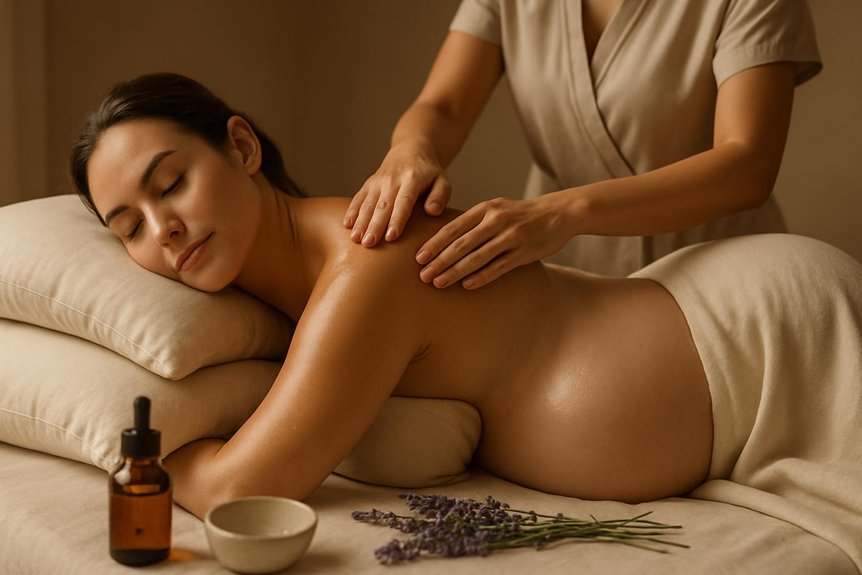
It is a therapeutic approach designed to address the unique physical and emotional needs of expectant mothers. At Spa & Massage, therapists are trained to adapt techniques to accommodate the physiological changes of pregnancy, such as altered posture, joint mobility, and muscular tension.
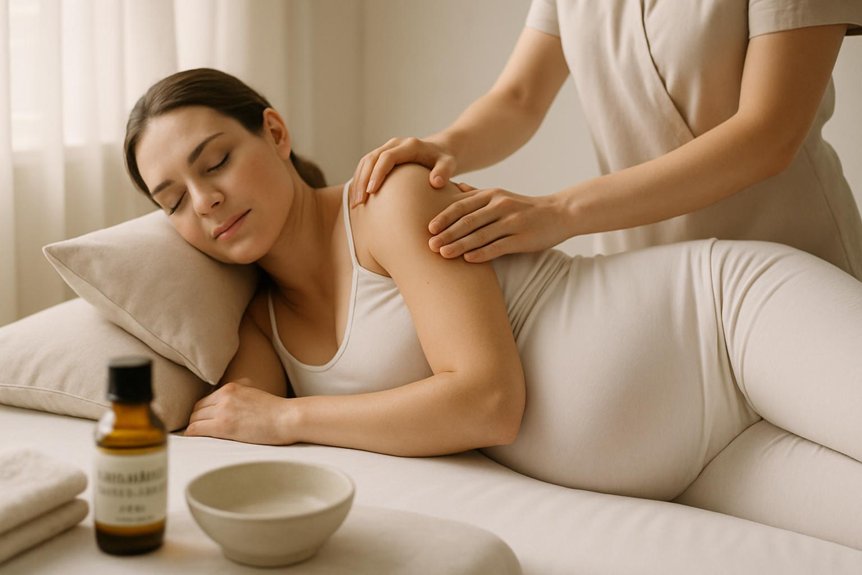
The use of gentle strokes, supportive positioning, and appropriate pressure aims to provide comfort, relieve musculoskeletal discomfort, and promote relaxation.
Evidence suggests that tailored massage may help reduce anxiety and swelling, enhance sleep, and improve overall wellbeing.
Every treatment is adjusted to the client’s stage of pregnancy and individual requirements, reflecting a commitment to personalised, respectful care.
Some principles of prenatal massage, like modifying pressure and working with sensitive areas, have similarities to deep tissue massage techniques, which also demand skilled adaptation for client safety and comfort.
Safety Considerations for Expectant Mothers
How can the safety of both mother and baby be prioritised during prenatal massage? At Spa & Massage, therapists follow evidence-based protocols to ensure every expectant mother receives care tailored to her unique needs.
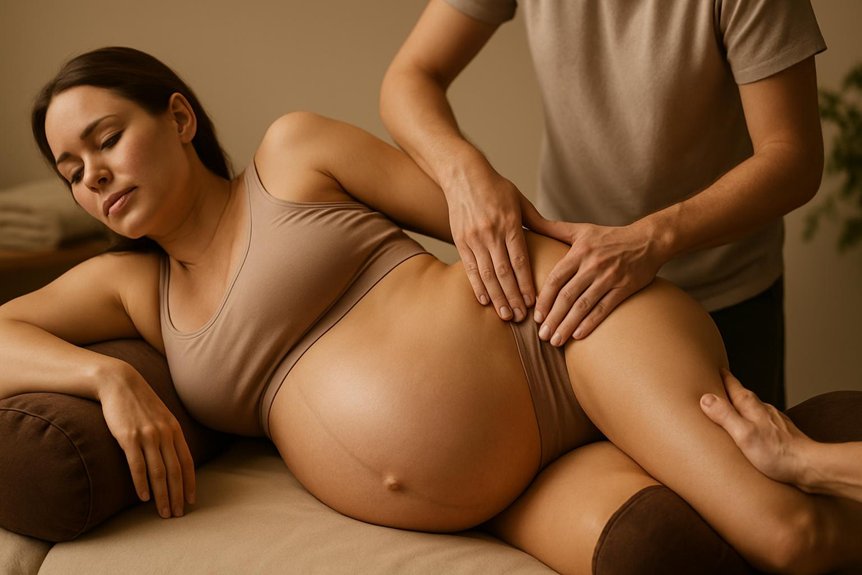
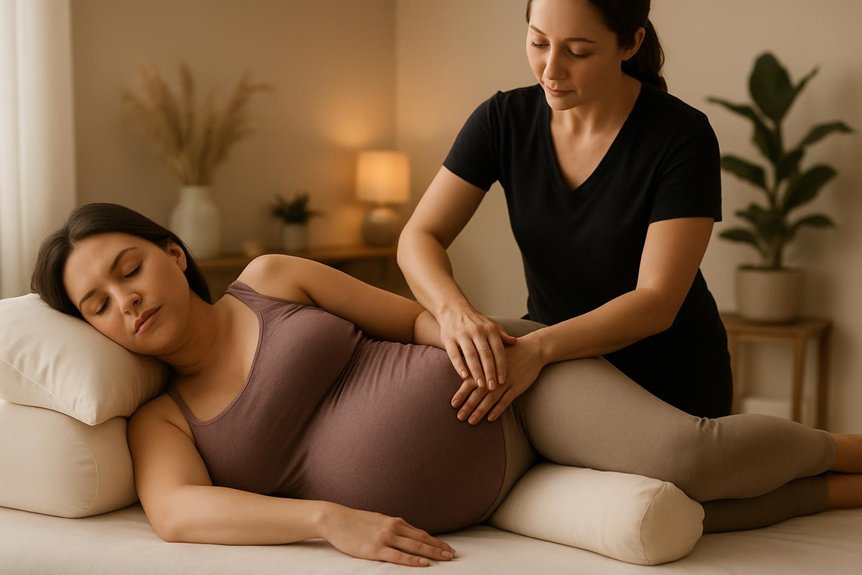
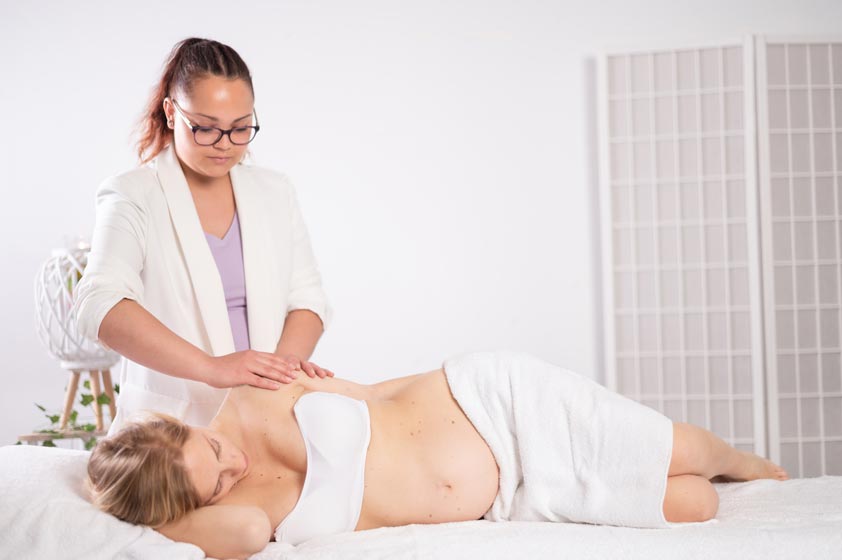
Special attention is given to body positioning; side-lying or semi-reclined postures prevent unnecessary pressure on the abdomen and support circulatory health.
Only gentle, pregnancy-appropriate techniques are employed, avoiding deep tissue manipulation and sensitive areas such as the lower abdomen.
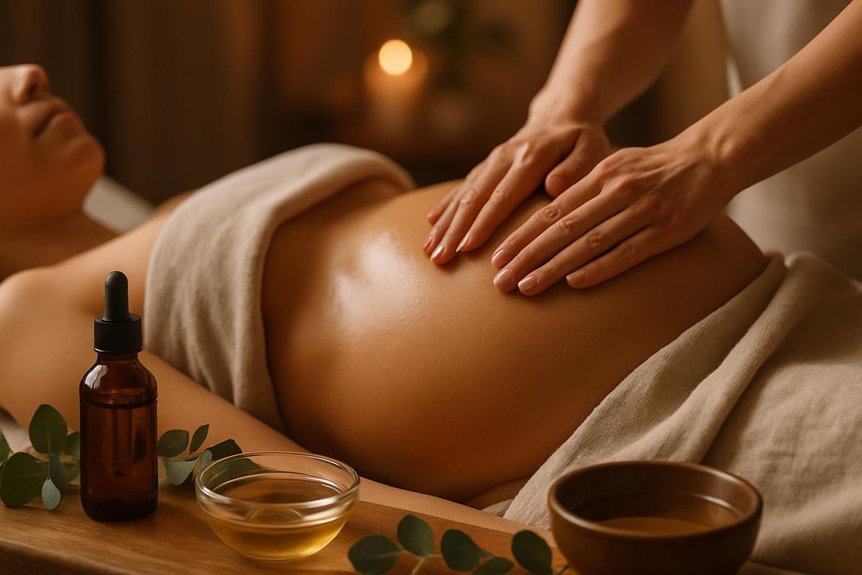
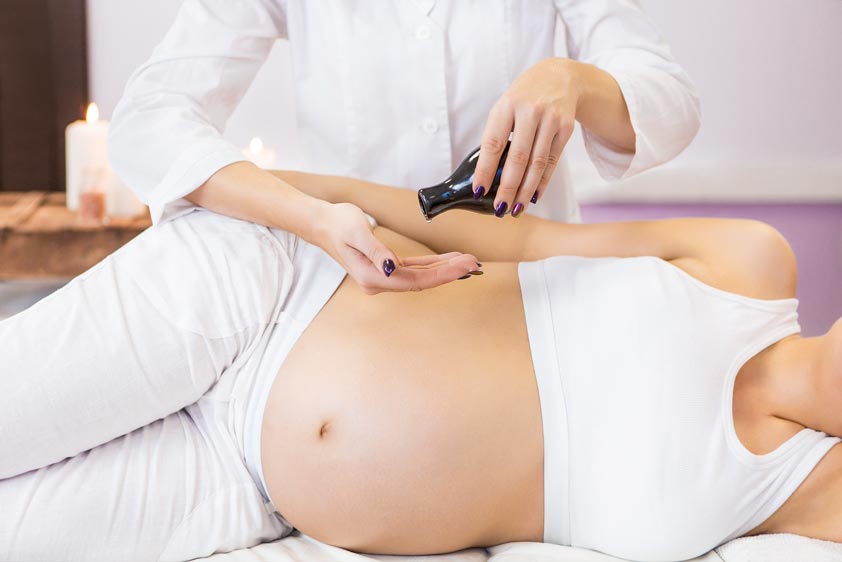
Therapists at Spa & Massage utilise hypoallergenic, unscented oils to minimise skin sensitivities and allergic reactions.
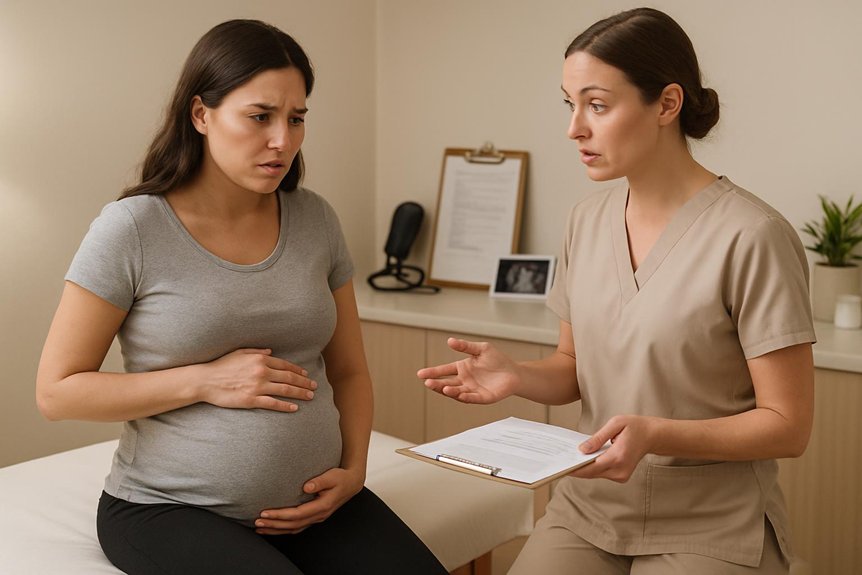
Prior to any session, a thorough consultation is conducted to assess health status and pregnancy progression.
When to Avoid Prenatal Massage
There are specific situations in which prenatal massage should be avoided, including the presence of high-risk pregnancy conditions, certain symptoms, or during the first trimester.
Clinical guidelines recommend careful assessment of contraindications such as preeclampsia, unexplained pain, or signs of preterm labor.
Spa & Massage therapists advise that clients consult their healthcare provider before booking a prenatal massage, especially if any concerns arise.
High-Risk Pregnancy Conditions
When considering prenatal massage, it is essential to recognise high-risk conditions that may necessitate caution or complete avoidance of this therapy.
Medical evidence indicates that conditions such as pre-eclampsia, placenta previa, severe hypertension, deep vein thrombosis, or significant bleeding in pregnancy require special attention.
In these cases, the risks associated with massage may outweigh the potential benefits.
At Spa & Massage, therapists always conduct a thorough consultation and recommend seeking clearance from a healthcare provider before proceeding if any high-risk factors are present.
The safety and well-being of both mother and baby are paramount, and a tailored approach is pivotal.
Respecting medical boundaries enables intimacy and care while prioritising health—a value at the core of every treatment at Spa & Massage.
First Trimester Considerations
Building on the importance of recognising high-risk pregnancy conditions, the first trimester presents unique considerations regarding massage therapy. During these initial weeks, the body undergoes rapid hormonal and physiological changes, and the risk of miscarriage is naturally higher.
Evidence-based guidelines suggest that, although massage can offer comfort, many practitioners—including those at Spa & Massage—recommend a cautious approach. In our clinics, therapists carefully assess each client’s situation and may suggest postponing massage until after the first trimester, especially for those with any complicating factors or concerns.
Our philosophy prioritises maternal well-being and informed consent. We encourage open dialogue between client and therapist. This ensures treatments are tailored to evolving needs, fostering a supportive environment while respecting the delicate early stages of pregnancy.
Contraindications and Symptoms
Although prenatal massage offers numerous benefits, certain conditions require careful consideration and may necessitate postponing or avoiding treatment altogether. At Spa & Massage, client safety is paramount.
Contraindications include pre-eclampsia, deep vein thrombosis, severe swelling, placental abnormalities, unexplained vaginal bleeding, or persistent abdominal pain.
If a client experiences fever, infection, or significant nausea, it is advisable to defer massage until symptoms resolve.
Women with high-risk pregnancies should consult their midwife or obstetrician before booking any session.
Our therapists are trained to recognize warning signs and will always prioritize maternal and fetal well-being.
If there is any uncertainty, open communication is encouraged, ensuring each treatment is tailored to current health needs.
Prioritizing these guidelines fosters a safe, nurturing environment for expectant clients.
Techniques and Positions Used in Our Clinics
Recognising the unique physiological changes that occur during pregnancy, Spa & Massage employs specialised techniques and carefully selected positions to guarantee both safety and comfort for expectant clients.
Therapists are trained to avoid deep pressure and certain trigger points that could pose risks.
Side-lying positions, supported by soft pillows or bolsters, are used to alleviate strain on the lower back and hips, while also supporting healthy circulation.
Prone positioning is strictly avoided to protect the abdomen, and supine positions are adjusted to minimise pressure on major blood vessels.
Gentle, nurturing strokes are prioritised, and hypoallergenic, unscented oils are commonly used to reduce sensitivity.
Each session is tailored, with ongoing communication to ensure client comfort and immediate response to any discomfort or concern.
Benefits of Prenatal Massage for Mother and Baby
With tailored techniques and positions designed for safety and comfort during pregnancy, the therapeutic benefits extend beyond relaxation.
Evidence suggests that prenatal massage may help alleviate common discomforts such as back pain, swelling, and muscle tension.
In clinical settings like Spa & Massage, carefully applied pressure and gentle strokes can promote improved circulation and reduce stress hormones, supporting a sense of calm and wellbeing.
Enhanced maternal relaxation is associated with improved sleep quality and may foster a nurturing bond between mother and baby.
Some research indicates that reduced maternal stress can positively influence fetal development.
All interventions are adapted to each stage of pregnancy, prioritising safety and individual needs.
While benefits are promising, Spa & Massage emphasises the importance of personalised assessment before initiating any treatment.
Choosing a Qualified Therapist
Selecting a qualified therapist is a critical factor in guaranteeing the safety and effectiveness of prenatal massage. Proper training in prenatal care is essential, as it enables therapists to understand the physical and emotional changes experienced during pregnancy.
At Spa & Massage, therapists providing prenatal massage possess specific certifications and ongoing education in this specialty. This expertise ensures each session is tailored to individual needs, with careful consideration given to positioning, pressure, and appropriate techniques.
A qualified therapist will always conduct a thorough consultation, seeking relevant medical history and current health status to further minimise any risks. This clinical approach, combined with compassionate care, fosters a safe, comfortable environment, allowing expectant mothers to experience the nurturing benefits of massage with confidence and reassurance.
Aftercare Tips for Pregnant Clients
Following a prenatal massage, Spa & Massage therapists advise clients to prioritize hydration and rest to support ideal recovery.
Gentle movement, such as light walking, is encouraged to maintain circulation and comfort.
Clients are also instructed to monitor for any unusual symptoms and to contact their healthcare provider if concerns arise.
Hydration and Rest Importance
Although prenatal massage offers notable benefits for physical and emotional wellbeing, ideal results depend on careful aftercare, particularly adequate hydration and rest.
Hydration facilitates the removal of metabolic byproducts released during massage, supporting perfect circulation and tissue recovery. At Spa & Massage, therapists consistently advise pregnant clients to increase water intake following a session, as this practice helps maintain fluid balance and supports the body’s natural detoxification processes.
Rest is equally important; the body may enter a state of deep relaxation after massage, and gentle recovery allows the therapeutic effects to integrate fully.
In clinical experience, fatigue or light-headedness is not uncommon, so clients are encouraged to avoid strenuous activity post-massage.
Prioritising both hydration and rest enhances safety and maximises the benefits of prenatal massage.
Gentle Movement Recommendations
Once adequate rest has been observed after a prenatal massage, gradual reintroduction of gentle movement is recommended to support circulation and reduce potential stiffness.
At Spa & Massage, therapists suggest beginning with slow, mindful stretches or light walking, tailored to the individual’s comfort level.
Gentle ankle rotations, shoulder rolls, and deep breathing exercises may further enhance relaxation and help maintain the benefits of massage.
Movement should always remain within a comfortable range, avoiding any abrupt or strenuous activity.
Evidence indicates that these gentle activities can assist in maintaining flexibility and promoting a sense of ease following treatment.
Clients are encouraged to listen closely to their bodies, allowing intuition to guide each movement.
Spa & Massage’s approach prioritizes safety and personalised care throughout the post-massage experience.
Monitoring for Unusual Symptoms
After gentle movement has been reintroduced post-massage, ongoing observation for any unusual symptoms is recommended to confirm safety and wellbeing.
At Spa & Massage, therapists encourage clients to be attentive to their bodies, particularly within the first 24 hours. Signs such as persistent dizziness, shortness of breath, abdominal pain, or unusual swelling should prompt immediate communication with a healthcare provider.
Slight fatigue or mild muscle tenderness is expected, but any escalation or new symptoms warrant further assessment.
Our approach is to prioritise client comfort and security, offering guidance tailored to each stage of pregnancy.
Spa & Massage therapists are available to discuss concerns after appointments, ensuring clients feel supported.
Close monitoring empowers individuals to enjoy the profound benefits of massage with confidence and peace of mind.
Conclusion
When conducted by highly trained, experienced therapists, prenatal massage is not merely safe—it is an unparalleled oasis of relief and wellbeing for expectant mothers. The meticulous precautions, precise techniques, and unwavering focus on maternal and fetal safety at Spa & Massage clinics create an environment where risks are minimized to the absolute extreme. With proper guidance and aftercare, the benefits of prenatal massage can be nothing short of transformative, supporting mothers through every phase of their remarkable journey.