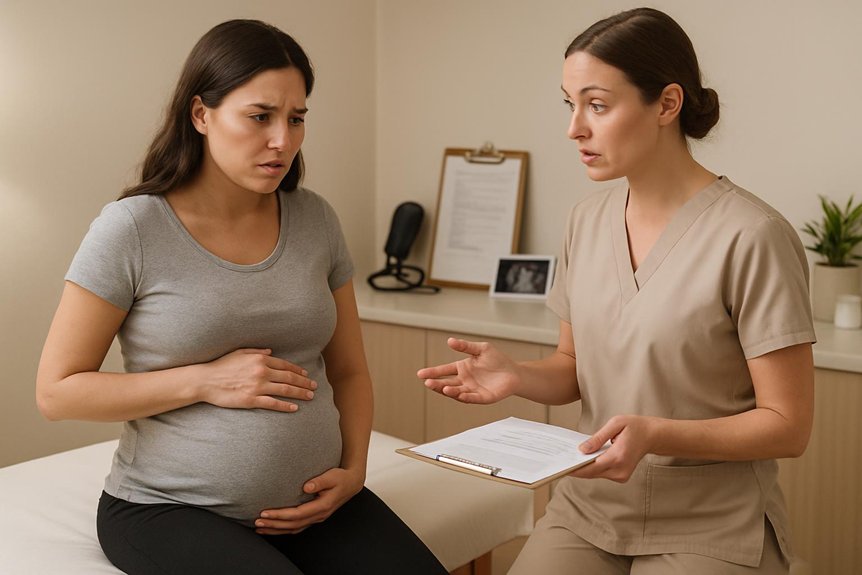
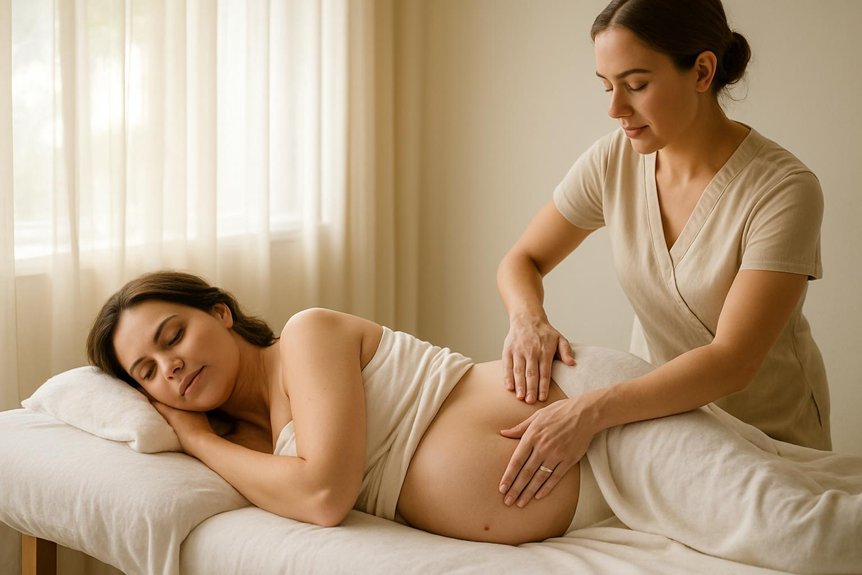
Back massage, when administered by a qualified professional adhering to pregnancy-specific protocols, is considered beneficial for most pregnant individuals. Clinical evidence supports its role in alleviating musculoskeletal discomfort, enhancing circulation, and reducing anxiety. Safety measures such as side-lying positioning and gentle, targeted techniques help minimise risks to mother and fetus. Consultation for high-risk pregnancies is essential. Further information explores specific advantages, treatment timings, safety considerations, and additional guidance relevant to prenatal massage care.
Understanding Back Pain During Pregnancy
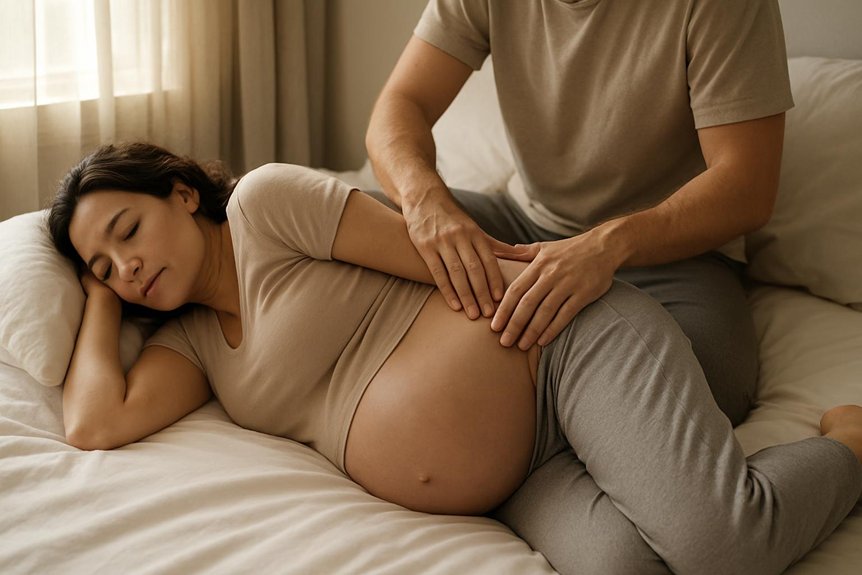
As pregnancy progresses, physiological and biomechanical changes frequently contribute to the onset of back pain. Hormonal shifts, particularly increased relaxin, promote ligamentous laxity, altering spinal alignment and pelvic stability.
The growing uterus shifts the center of gravity anteriorly, increasing lumbar lordosis and placing greater strain on paraspinal muscles and connective tissues. These changes can result in persistent discomfort, muscle fatigue, and restricted mobility.
Additionally, altered gait patterns and weight distribution heighten stress on the lower back, making daily activities more challenging. Persistent back pain during pregnancy is associated with sleep disturbances, elevated stress levels, and reduced quality of life.
At Spa & Massage, understanding these risk factors informs the tailored care provided to expectant clients, prioritizing both their physical and emotional wellbeing throughout pregnancy. Techniques such as deep tissue massage may offer targeted relief for muscle tension and discomfort commonly experienced during pregnancy.
How Back Massage Supports Prenatal Wellness
Clinical evidence indicates that professionally administered back massage during pregnancy can safely alleviate muscular tension, enhance peripheral circulation, and promote maternal comfort.
Techniques employed at Spa & Massage are specifically adapted to mitigate risks and accommodate physiological changes unique to pregnancy.
Additionally, these interventions may contribute to reduced stress and anxiety, supporting overall prenatal wellness.
Easing Muscular Tension Safely
While pregnancy induces significant physiological changes, increased muscular tension—particularly in the back—remains a frequent concern among expectant mothers. This tension often results from hormonal shifts, postural adaptations, and the additional weight of the growing uterus.
Clinical studies highlight that targeted back massage, when performed by trained therapists, can safely alleviate myofascial discomfort and reduce stress on paraspinal muscles.
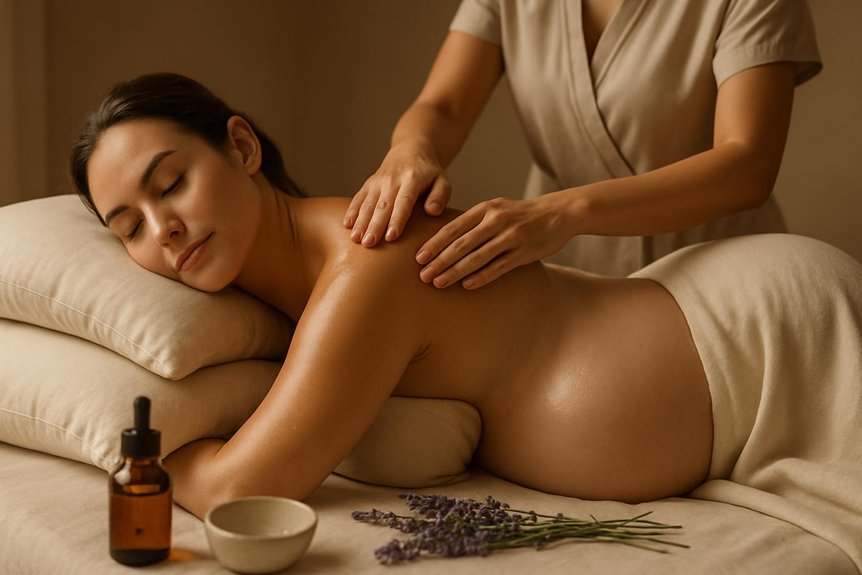
At Spa & Massage, therapists utilise gentle, pregnancy-specific techniques, prioritising maternal comfort and minimising risk of vascular compression or overstimulation.
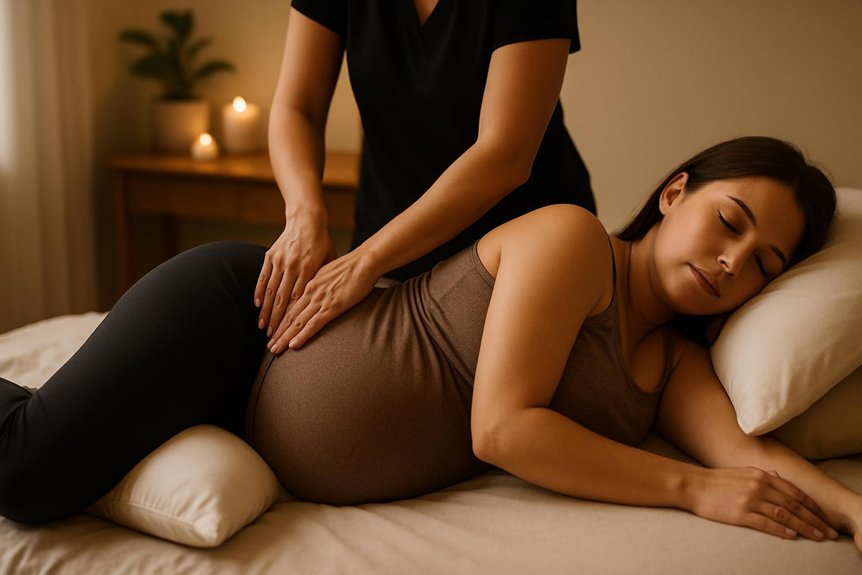
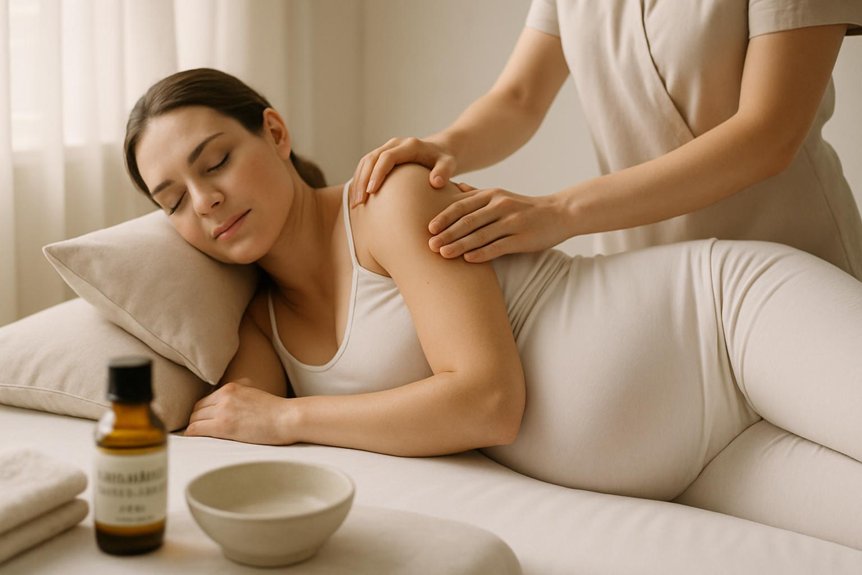
Careful positioning, such as side-lying support with cushions, is implemented to protect both mother and fetus.
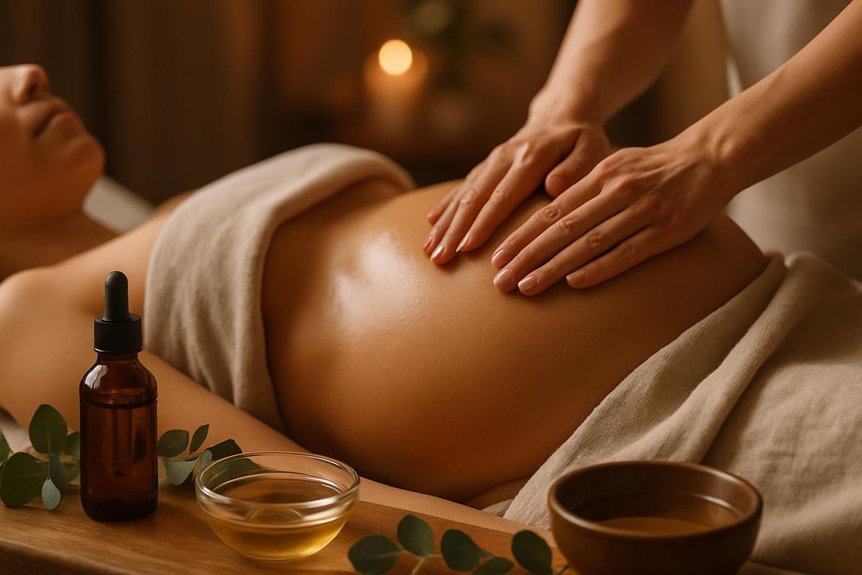
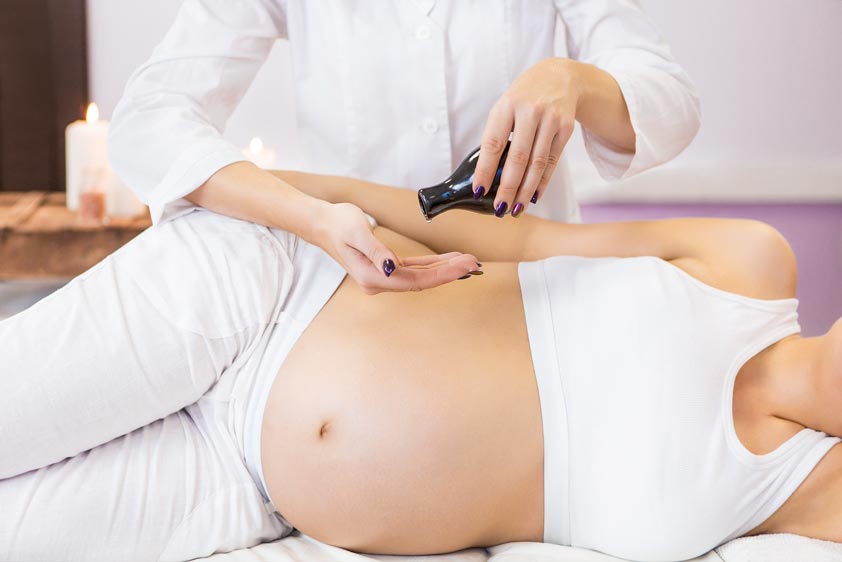
All oils used are hypoallergenic and selected for their safety profile in pregnancy.
Enhancing Circulation and Comfort
During pregnancy, physiological adaptations can impede venous return and contribute to lower limb swelling and discomfort.
Back massage, when administered by trained therapists at Spa & Massage, promotes circulation through gentle, targeted strokes. Enhanced blood flow helps mitigate fluid retention, supports tissue oxygenation, and alleviates sensations of heaviness in the lower extremities.
Clinical evidence suggests that improved circulation can reduce the risk of varicosities and deep vein thrombosis, both of which are heightened concerns during pregnancy.
Our therapists employ side-lying positions and hypoallergenic oils to guarantee maternal safety and comfort, while adapting pressure to accommodate vascular changes.
Clients often report a tangible sense of relief and connection, as therapeutic touch restores physical ease and fosters well-being.
Regular massage complements prenatal care and enhances overall comfort.
Reducing Stress and Anxiety
Beyond circulatory benefits, back massage exerts measurable effects on psychological well-being throughout pregnancy. Clinical studies indicate that targeted massage interventions can reduce levels of cortisol—the primary stress hormone—while promoting the release of serotonin and dopamine, neurotransmitters associated with mood stability and relaxation.
This neurochemical modulation supports a reduction in prenatal anxiety and emotional distress, both of which are linked to adverse pregnancy outcomes if left unmanaged. At Spa & Massage, therapists are trained to employ gentle, adaptive techniques and hypoallergenic oils, prioritising client safety and comfort.
Individualised sessions facilitate trust and emotional connection, providing a sanctuary for expectant mothers. However, risk screening remains essential; all treatments are tailored to minimise contraindications and optimise therapeutic benefit, fostering both immediate calm and longer-term psychological resilience.
Safety Guidelines for Pregnancy Massage

Although prenatal massage is widely regarded as beneficial for maternal comfort and stress reduction, adherence to strict safety protocols is essential to minimise risk to both mother and fetus.
At Spa & Massage, therapists are trained to recognise contraindications such as high-risk pregnancies, pre-eclampsia, or unexplained bleeding, and will always seek client consent and medical clearance when necessary.
Positioning is carefully managed, especially in the second and third trimesters, utilising side-lying or semi-reclined postures to avoid vena cava compression.
Only hypoallergenic, pregnancy-safe oils are used to prevent dermal sensitivity or adverse fetal exposure.
Direct pressure on the abdomen, deep tissue manipulation in the lower back, and stimulation of certain acupressure points are strictly avoided.
This clinical vigilance guarantees a nurturing, secure environment for every expectant mother.
Techniques Used by Our Therapists for Expectant Mothers
At Spa & Massage, therapists employ gentle pressure techniques to minimise musculoskeletal strain and reduce the risk of adverse maternal responses.
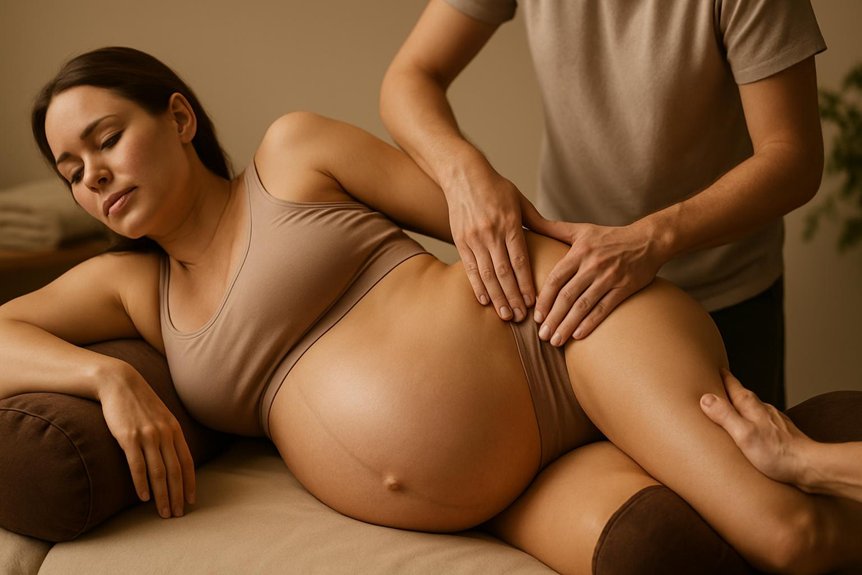
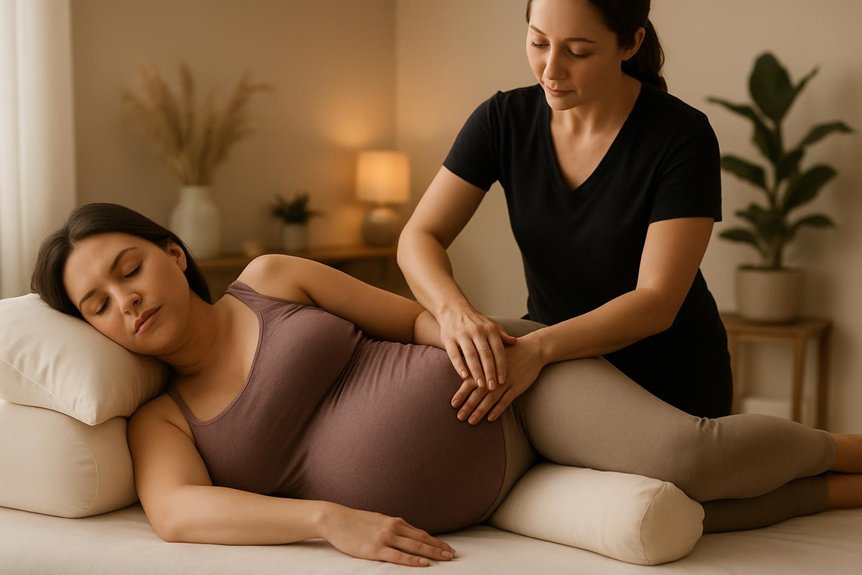
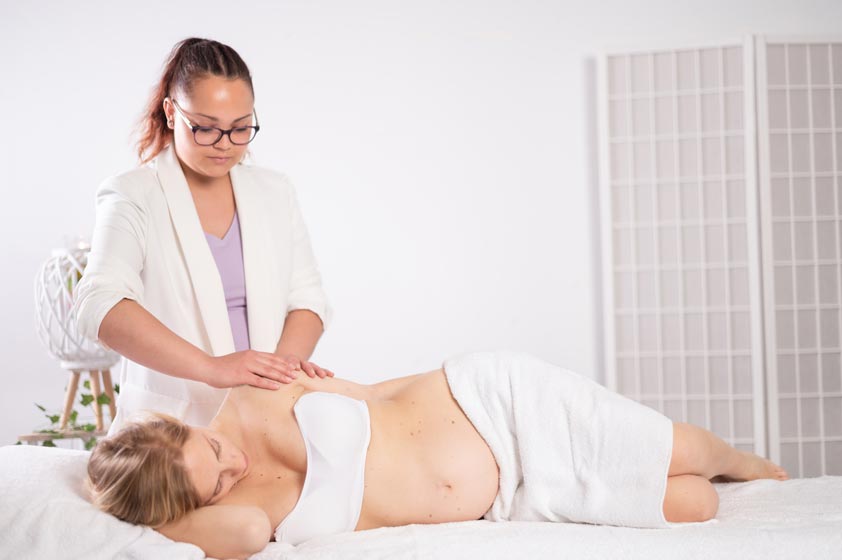
Expectant mothers are positioned in a side-lying posture, which mitigates vena cava compression and enhances maternal-fetal safety.
Specialised support cushions are utilised to guarantee ideal spinal alignment and comfort throughout the session.
Gentle Pressure Application
During pregnancy, the physiological changes in musculoskeletal and vascular systems necessitate careful modulation of massage techniques. At Spa & Massage, therapists implement gentle pressure application, prioritising maternal and fetal safety while addressing the evolving needs of the expectant body.
Clinical studies underscore the importance of avoiding deep tissue pressure, especially over the lumbar region and areas with increased venous congestion. Gentle, rhythmic strokes are utilised to promote relaxation, reduce muscular tension, and support circulation without overstimulating sensitive tissues.
Therapists receive specialised training to identify contraindications and adapt their approach, ensuring each session remains both soothing and risk-averse. This tailored methodology fosters trust and comfort, allowing expectant mothers to experience the therapeutic benefits of massage in a nurturing, expertly guided environment.
Side-Lying Positioning
Why is side-lying positioning prioritised for expectant mothers during massage therapy?
This technique is clinically recommended due to its ability to optimise maternal haemodynamics and minimise uterine compression, particularly as pregnancy progresses. Supine positioning has been associated with decreased venous return and potential hypotension, which can compromise both maternal and fetal wellbeing.
In Spa & Massage clinics, therapists utilise side-lying positioning to enhance safety, comfort, and therapeutic effectiveness.
This method reduces musculoskeletal strain, allowing access to the lumbar and sacral regions without exerting pressure on the abdomen.
Therapists employ supportive bolstering to stabilise joints and maintain spinal alignment throughout the session.
For clients seeking nurturing touch, side-lying massage provides intimacy and reassurance, fostering a sense of relaxation while addressing physical discomfort safely.
Specialised Support Cushions
Because anatomical and physiological changes during pregnancy alter musculoskeletal support and increase joint laxity, the use of specialised support cushions becomes essential in massage therapy for expectant mothers. These cushions are designed to provide targeted lumbar and pelvic support, reducing undue strain on the sacroiliac joints and alleviating pressure on the abdomen.
In our Spa & Massage clinics, therapists employ ergonomically contoured bolsters and wedge cushions to maintain ideal spinal alignment and enhance maternal comfort. This approach minimises the risk of nerve compression and venous congestion, especially important for clients experiencing back pain or oedema.
Benefits of Back Massage for Pregnant Clients
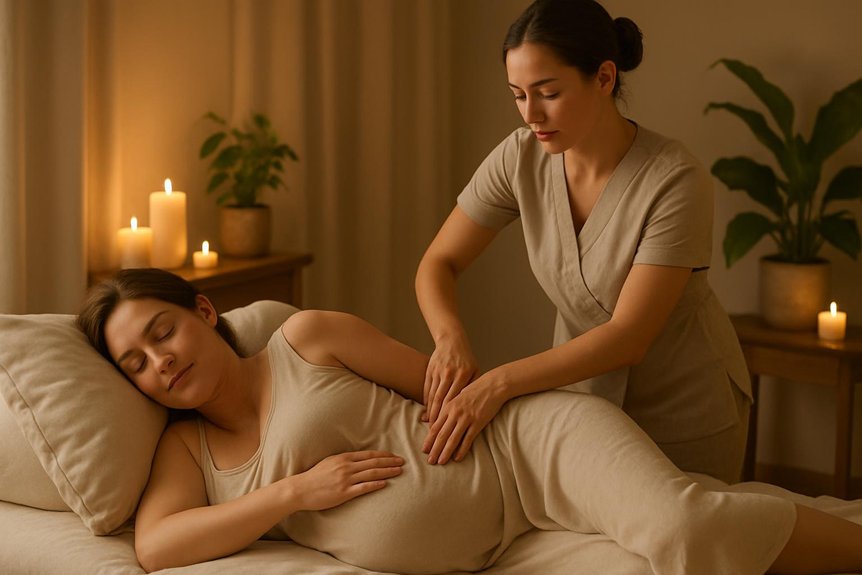
While pregnancy induces significant physiological and musculoskeletal changes, targeted back massage offers clinically recognised benefits for expectant clients.
Alleviation of lumbar discomfort is commonly reported, as prenatal massage can reduce muscle tension, improve circulation, and decrease oedema. These outcomes contribute to enhanced maternal comfort and support postural adaptations associated with pregnancy.
In Spa & Massage clinics, therapists employ gentle, evidence-based techniques that are specifically adapted to avoid undue pressure on vulnerable areas and reduce the risk of adverse outcomes.
Additionally, regulated back massage sessions may lower cortisol levels, promoting deep relaxation and supporting emotional wellbeing during a transformative period.
Many clients describe a sense of nurturing intimacy, safely delivered within a structured, risk-mitigated environment.
Consistent application of these modalities can contribute to a more positive pregnancy experience, both physically and emotionally.
Choosing the Right Time for Prenatal Massage
Ideal timing for initiating prenatal massage is clinically significant due to physiological changes and varying risk profiles across pregnancy trimesters. In the first trimester, heightened miscarriage risk and fluctuating hormones necessitate caution; many clinicians recommend delaying massage until after 12 weeks’ gestation.
The second trimester is generally considered preferable, as maternal discomfort increases and the risk profile stabilizes. During this period, professional therapists at Spa & Massage tailor techniques and positioning to accommodate anatomical shifts, prioritizing maternal and fetal safety.
In the third trimester, while massage remains beneficial for alleviating back pain and swelling, vigilance regarding maternal positioning and pressure is essential to avoid vascular compression.
Thorough consultation ensures individualised assessment, allowing clients to experience intimacy, connection, and comfort with their evolving bodies under expert care.
Aftercare Tips Following Your Pregnancy Back Massage
Following a pregnancy back massage, appropriate aftercare is fundamental to maximising therapeutic outcomes and mitigating potential risk factors such as postural dizziness, dehydration, or muscular sensitivity.
At Spa & Massage, therapists advise clients to rise slowly from the treatment table, allowing time for circulatory adjustment. Increased fluid intake is recommended to facilitate metabolic waste elimination, reducing the likelihood of post-massage headaches or fatigue.
Gentle stretching may support muscular relaxation and prolong the benefits of the session. Clients are encouraged to avoid strenuous activity immediately following treatment to minimise the risk of overstressing tissues that have undergone manipulation.
Should any discomfort or adverse reactions arise, prompt communication with the therapist is advised.
This measured approach embraces both clinical safety and a nurturing, personalised experience for every expecting mother.
Conclusion
Overall, the evidence underscores that, when administered by trained professionals adhering to prenatal safety protocols, back massage serves as a clinically beneficial intervention for pregnant clients—alleviating musculoskeletal discomfort, modulating stress responses, and enhancing overall well-being. Yet, is not vigilance the cornerstone of maternal care? Rigorous screening, tailored techniques, and ongoing risk assessment remain essential, ensuring that each session maximises therapeutic outcomes while minimising potential complications throughout the continuum of pregnancy.