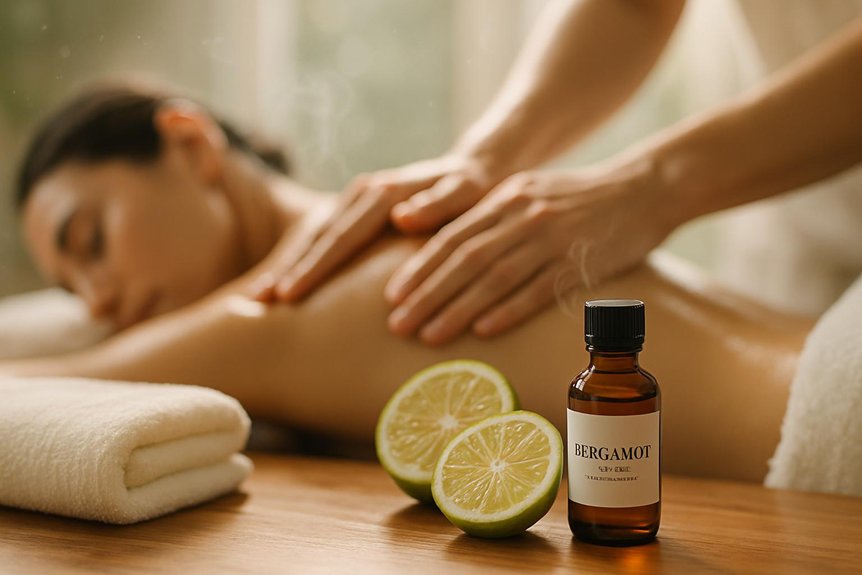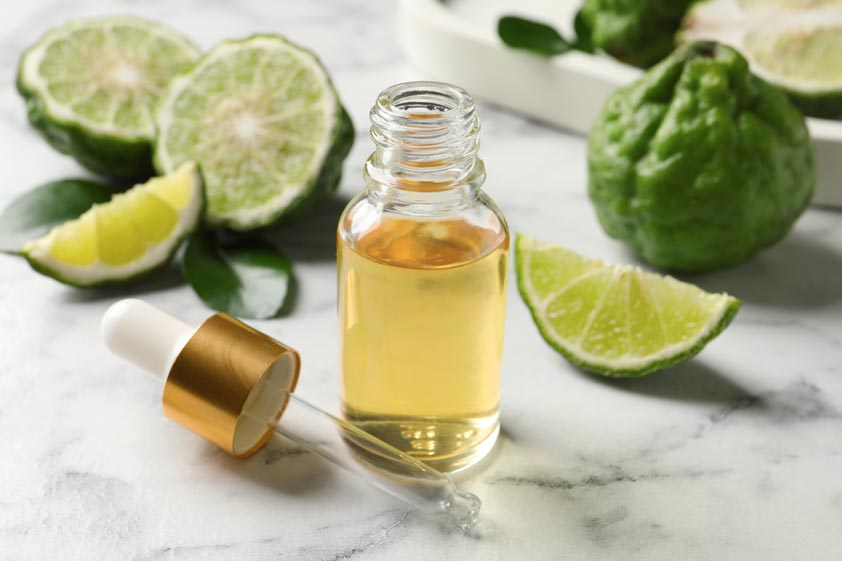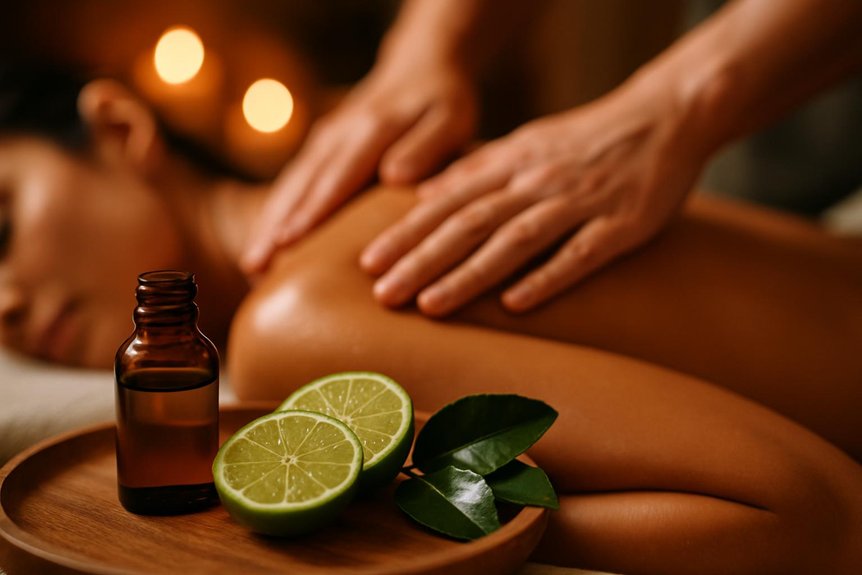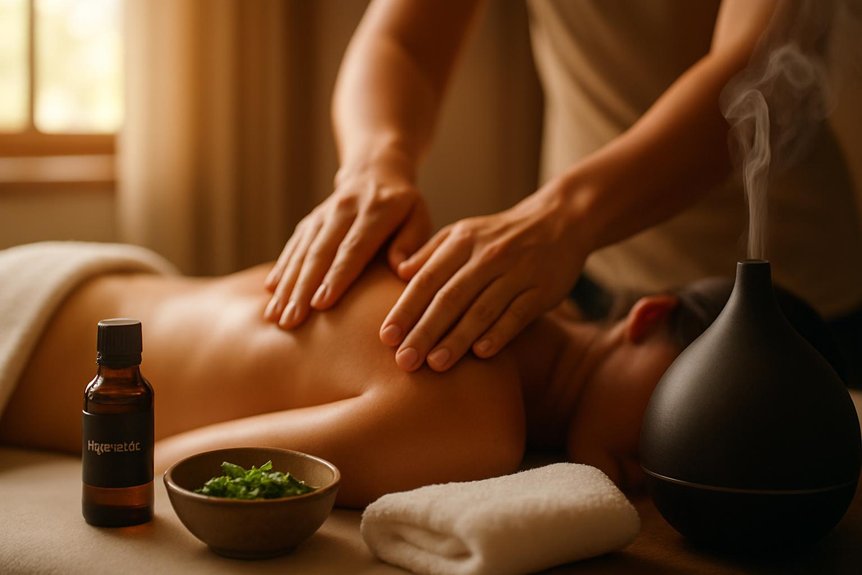
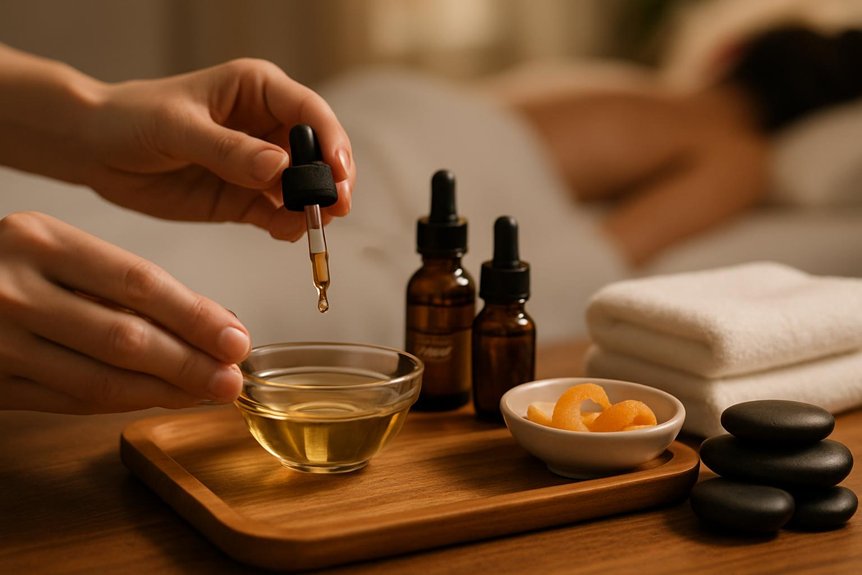
Bergamot essential oil can be safe in aromatic massage when it is properly sourced and diluted, with client screening and clear aftercare. Because cold‑pressed bergamot may contain phototoxic furocoumarins (bergapten), many therapists prefer FCF (bergapten‑reduced) types for leave‑on body work. Conservative dilutions (often 0.5–1%) and patch testing support sensitive skin. Clients are usually advised to avoid UV exposure for 12–24 hours; more guidance follows.
Is Bergamot Oil Safe in Aromatic Massage?
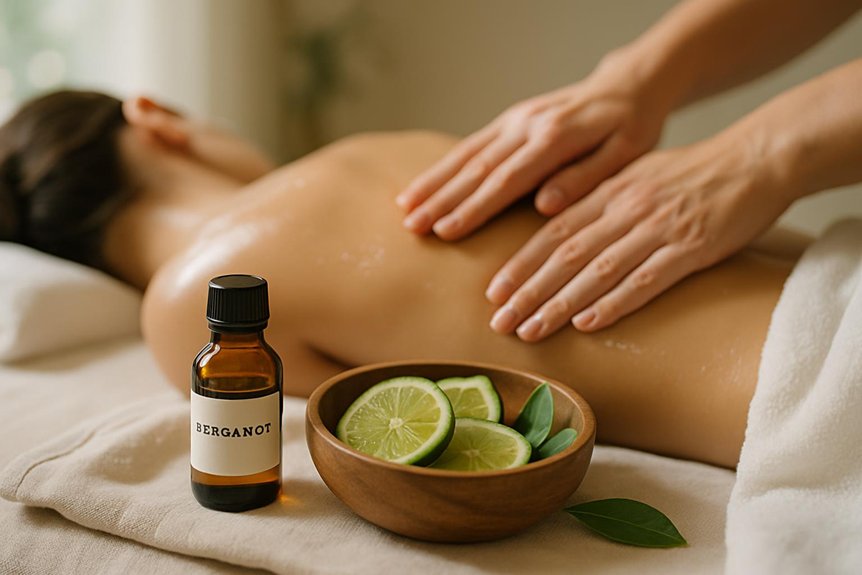
Often, bergamot oil can be safe and effective in aromatic massage when it is properly diluted, sourced to a suitable specification, and applied with clear attention to contraindications—particularly its potential to cause skin irritation and photosensitivity.
In Spa & Massage clinics, therapists typically keep dilution low, blend into a neutral carrier, and perform a brief consultation to check for eczema, highly reactive skin, asthma triggers, pregnancy considerations, and current medications.
Patch testing may be advised for first-time clients or those with prior reactions to citrus oils.
Sessions are adjusted to the client’s comfort: pressure, temperature, and scent intensity are kept gentle, with clear consent and options to pause or change oils.
It can also support relaxation and comfort when paired with aromatherapy massage best practices.
Aftercare includes monitoring for redness, itching, or discomfort and seeking advice if symptoms persist.
Does Bergamot Oil Make Skin Sun-Sensitive?
Bergamot essential oil can increase sun-sensitivity because some types are phototoxic, raising the risk of UV-related redness or pigmentation when applied to skin before sunlight or tanning.
At Spa & Massage, therapists manage this risk by using conservative dilutions and selecting appropriate bergamot preparations based on the treatment area and the client’s exposure plans.
Client-centred aftercare typically includes advising avoidance of direct sun/UV on treated skin for a set period and adjusting the blend if same-day outdoor time is expected.
Phototoxicity And UV Risk
Because certain citrus essential oils contain photoactive compounds, bergamot oil can increase skin sensitivity to UV light (phototoxicity) when applied topically, raising the risk of redness, burning, and longer-lasting pigmentation after sun exposure.
The main concern is furocoumarins (notably bergapten), which can react with UVA and cause phototoxic dermatitis.
Risk rises with higher concentrations, leave-on products, and large areas of application, and it is particularly relevant for fair or easily pigmented skin.
In Spa & Massage clinics across London, therapists screen for recent sun exposure, tanning plans, and photosensitising medicines before selecting oils.
Clients seeking close, skin-to-skin aromatherapy should know that even brief daylight exposure through windows can include UVA, so timing matters.
Fragrance sensitivity can also coexist and complicate reactions.
Safe Dilution And Aftercare
Before any bergamot essential oil touches the skin in an aromatic massage, safety hinges on two fundamentals: conservative dilution and clear aftercare to reduce the chance of UV-related irritation.
Evidence links some bergamot oils to phototoxicity, so Spa & Massage therapists typically choose low dilutions (often 0.5–1%) and can request bergapten-free (FCF) bergamot when appropriate.
A patch test is advised for sensitive or reactive skin, and higher-risk areas (décolletage, forearms, legs) may be avoided or treated with extra caution.
Aftercare matters: clients should avoid sunbeds and direct UV exposure on treated areas for 12–24 hours, longer if higher dilution was used.
Gentle cleansing, loose clothing, and moisturising support comfort and intimacy.
Clients should disclose retinoids, acids, and recent peels too.
What’s the Safest Dilution for Bergamot Massage Oil?
For bergamot massage oil, a conservative dilution is typically 0.5–1% for full-body use, adjusted to the client’s skin tolerance and the treatment area.
Phototoxicity risk depends on bergapten (furocoumarin) content, so Spa & Massage therapists preferentially use bergapten-reduced/FCF bergamot when appropriate and keep dilution lower when UV exposure is likely.
Because irritation and sensitisation can still occur even at low percentages, a patch-test approach and clear aftercare advice are used to protect sensitive skin and support safe outcomes.
Recommended Dilution Range
Most bergamot essential oil blends used for aromatic massage are safest when kept within a low dilution range—typically around 0.5–1% in a suitable carrier oil—with a cautious upper limit of 2% only when a therapist has assessed the client’s skin sensitivity, medical history, and sun-exposure risk.
At Spa & Massage, therapists generally begin at 0.5% for first-time clients, facial/neck work, or anyone prone to sensitivity, then adjust only if comfort and skin response remain calm.
A 1% blend suits most full-body treatments, offering a soft, uplifting aroma without overwhelming the senses.
The 2% ceiling is reserved for short, targeted areas and never for broken, freshly shaved, or inflamed skin.
Patch testing and clear aftercare guidance are recommended.
Phototoxicity-Safe Bergapten Levels
Even small amounts of bergamot essential oil can raise phototoxicity risk because bergapten (5‑MOP) sensitises skin to UV exposure.
For massage, the safest approach is choosing bergapten‑free (FCF) bergamot, which removes most phototoxic furocoumarins while preserving the soft citrus aroma many clients find sensual and comforting.
When non‑FCF bergamot is used, evidence-based dermal limits are very low; Spa & Massage therapists keep dilution conservative and avoid applying it to areas likely to see daylight soon after treatment.
Client aftercare is built in: skin exposed to bergamot should be protected from UV (sun or sunbeds) for at least 12 hours, ideally 24.
This supports intimacy without compromising safety and comfort.
Skin Sensitivity Considerations
Often, the safest bergamot dilution for aromatic massage depends on the client’s skin sensitivity, treatment area, and whether the oil is bergapten‑free (FCF), so Spa & Massage therapists typically start low (around 0.25–0.5% in a carrier) and only increase cautiously when there is a clear therapeutic reason, no history of fragrance reactions, and robust aftercare guidance can be followed.
In practice, higher dilutions raise irritancy risk, especially on the décolletage, inner arms, or freshly shaved skin.
A careful intake screens eczema, rosacea, fragrance allergy, and photosensitising medication, then a patch test may be advised.
In Spa & Massage clinics, therapists favour FCF bergamot, limit leave‑on exposure, and offer soothing aftercare: gentle cleansing, barrier moisturiser, and avoiding heat, exfoliation, and sun for 24 hours.
Cold-Pressed vs FCF Bergamot: Which Is Safer?
How can two bergamot oils with the same name have very different safety profiles in massage?
Cold-pressed bergamot contains furocoumarins (notably bergapten), which are linked to phototoxic reactions when skin is exposed to UV after application. For client safety, this means greater caution with daytime appointments, holidays, and any sunbed use.
FCF bergamot (“furocoumarin-free”) is distilled or fractionated to remove these compounds, making it generally safer for leave-on massage in areas likely to see light.
In Spa & Massage clinics, therapists typically choose FCF for full-body aromatherapy and reserve cold-pressed only for low dilution, covered areas, and with clear aftercare: avoid UV exposure for at least 12–24 hours. Patch testing may be advised for sensitised skin.
What Are Bergamot Oil’s Benefits in Massage Blends?
Because bergamot oil combines a bright citrus profile with calming aromatic compounds (notably linalyl acetate and linalool), it is frequently used in massage blends to support stress reduction, uplift low mood, and encourage a smoother shift into relaxation during treatment.
In Spa & Massage clinics, therapists often select it when a client wants comfort without heaviness, pairing it with slower, grounding strokes to settle the nervous system.
Emerging evidence suggests bergamot aroma may ease perceived anxiety and support heart-rate and cortisol modulation, helping the body soften into touch.
In blends, its crisp top note can also reduce cloying sweetness, making close, skin-to-skin work feel fresher and more intimate.
For safety, practitioners favour precise dilution, fresh storage, and patch-awareness, tailoring intensity to sensitive clients.
Who Should Avoid Bergamot Oil in Massage?
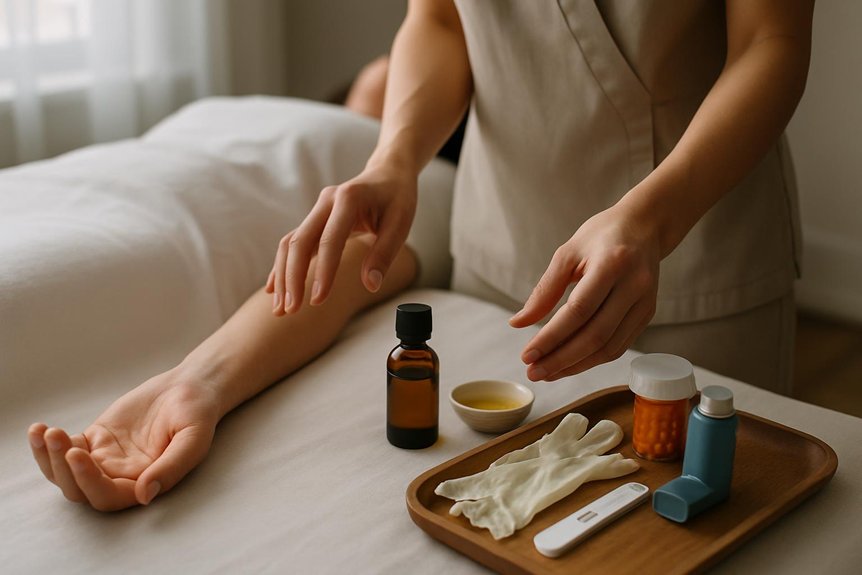
When might bergamot oil be the wrong choice in a massage blend? Spa & Massage advises avoiding it for clients with very sun-sensitive skin, a history of melasma, or anyone planning UV exposure within 12–24 hours, because expressed bergamot can be phototoxic.
It may also be unsuitable for clients with fragrance allergies, eczema flares, or reactive skin, where essential oils can sting or trigger dermatitis.
Extra caution is warranted in pregnancy, breastfeeding, and for children; in these cases, therapists typically choose gentler, well-studied alternatives.
Clients taking photosensitising medicines (for example some antibiotics, retinoids, or diuretics) should disclose this, as risk can compound.
In intimate, close-contact massages, clear consent matters if a client dislikes citrus aromas.
How to Patch Test Bergamot Oil Before Massage?
A simple patch test is the safest way to check whether bergamot oil will suit a client’s skin before it is used in an aromatic massage.
At Spa & Massage, a therapist dilutes bergamot to a massage-safe level in a carrier oil, then applies a pea-sized amount to the inner forearm or behind the ear, covering it with a small plaster.
The area is left undisturbed for 24 hours, avoiding washing, heat, and friction.
Any redness, swelling, itching, burning, blistering, or spreading rash indicates sensitivity and the oil should not be used.
If no reaction occurs, the therapist can proceed conservatively, still monitoring comfort during the treatment and adjusting the blend immediately if stinging develops.
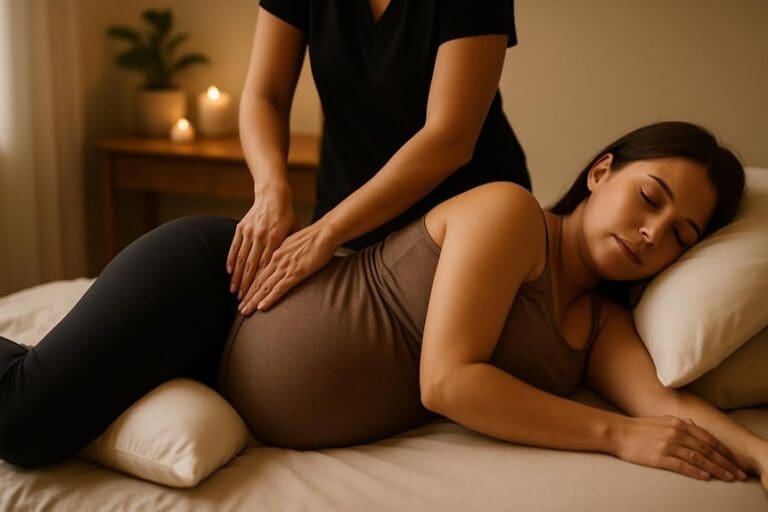
Is Bergamot Oil Safe in Pregnancy or Breastfeeding?
Patch testing helps screen for local skin sensitivity, but pregnancy and breastfeeding introduce additional safety considerations with bergamot oil beyond irritation alone.
Evidence on topical aromatherapy exposure in pregnancy is limited, so a precautionary approach is generally advised, especially in the first trimester.
Bergamot oil can be phototoxic if it contains furocoumarins (bergapten), increasing sun-sensitivity; this matters when skin is already more reactive.
During breastfeeding, essential oils should not be applied on or near the chest, as residues may transfer to the baby’s mouth or skin.
Spa & Massage advises clients to discuss pregnancy or lactation status before any aromatic massage and to seek midwife or GP guidance when unsure.
Unscented options remain a gentle, intimate choice.
How We Use Bergamot Oil Safely in Our Clinics
Prioritising safety, Spa & Massage uses bergamot oil only within conservative, evidence-informed dilution ranges and after a brief client consultation screens for factors that increase risk (for example, sun exposure plans, a history of fragrance sensitivity, or pregnancy/breastfeeding).
In the treatment room, therapists favour FCF (furocoumarin-free) bergamot where available to reduce phototoxicity, and avoid application on areas likely to be sun-exposed. A patch-test approach is offered for sensitive clients, and blends are adjusted to minimise total fragrance load.
During massage, the oil is applied with slow, grounded strokes, supporting calm without overwhelming the senses.
Aftercare is clear and personal: clients are advised to avoid UV exposure for 12–24 hours, monitor skin, and report any irritation promptly.
Conclusion
Bergamot can be a bright, balancing addition to aromatic massage when used with prudent, professional practice. Choosing FCF or properly diluted bergamot, verifying quality, and performing patch tests helps protect sensitive skin. Because cold‑pressed bergamot may be phototoxic, clients should be clearly counselled to avoid UV exposure after treatment. Special populations—pregnant or breastfeeding clients, those with allergies, active skin conditions, or interacting medications—require cautious, customised care, ensuring soothing scent without preventable side effects.