Breast massage during pregnancy, when performed gently and with proper technique, may reduce tenderness, improve skin elasticity, and support lactation preparation. However, heightened vascularity and sensitivity require careful assessment, as massage is contraindicated with infections, certain breast symptoms, or high-risk pregnancies. Choice of hypoallergenic oils and strict attention to hygiene are essential. Individual risks and benefits should be weighed with professional guidance. Further information outlines techniques, safety measures, and self-care protocols for expectant mothers.
Understanding Breast Changes During Pregnancy
During pregnancy, physiological changes in breast tissue are primarily driven by hormonal fluctuations, particularly increased levels of estrogen, progesterone, and prolactin. These hormones stimulate ductal and lobular proliferation, increased vascularisation, and heightened sensitivity.
Glandular tissue expands to prepare for lactation, while the areola may darken and Montgomery glands become more prominent.
Fluid retention and increased blood flow often result in tenderness, swelling, and a sensation of fullness.
Some individuals may experience stretch marks or pruritus as skin elasticity is challenged by rapid growth.
Understanding these transformations is essential, as they can heighten vulnerability to discomfort, infection, and tissue trauma if not managed carefully.
At Spa & Massage, therapists recognise the importance of addressing these changes with sensitivity and clinical awareness, ensuring safe, evidence-based support for expectant mothers. Incorporating some principles from deep tissue massage can sometimes help improve circulation or alleviate discomfort during pregnancy, though techniques must always be modified for safety and appropriateness.
Potential Benefits of Breast Massage for Expectant Mothers
Clinical evidence suggests that breast massage during pregnancy may help alleviate common discomforts such as tenderness and swelling.
It can also promote skin elasticity as the breasts change.
Additionally, gentle massage techniques can encourage lymphatic circulation, potentially reducing fluid retention.
However, it is essential to apply appropriate pressure and consult with qualified therapists, such as those at Spa & Massage, to minimise any associated risks.
Easing Breast Discomfort
As hormonal fluctuations increase vascularity and glandular development, many pregnant women experience breast tenderness, swelling, and discomfort.
Gentle, evidence-based breast massage may alleviate these symptoms by enhancing local circulation and supporting lymphatic drainage, thereby reducing congestion and associated pain.
At Spa & Massage, therapists trained in pregnancy care use light, non-invasive techniques to minimise risk and respect sensitive tissue.
Clients are advised that all movements should avoid direct pressure on the nipple and areola to prevent overstimulation.
Clinical guidance highlights the importance of comfortable positioning and the use of hypoallergenic oils to decrease friction.
While many women report relief and a sense of nurturing touch, it is essential to consult a healthcare provider before initiating massage, particularly if there are concerns about high-risk pregnancy or complications.
Supporting Skin Elasticity
How might breast massage influence skin integrity for expectant mothers? During pregnancy, the breasts undergo rapid expansion, placing significant mechanical stress on the skin and increasing the risk of stretch marks and dermal microtears.
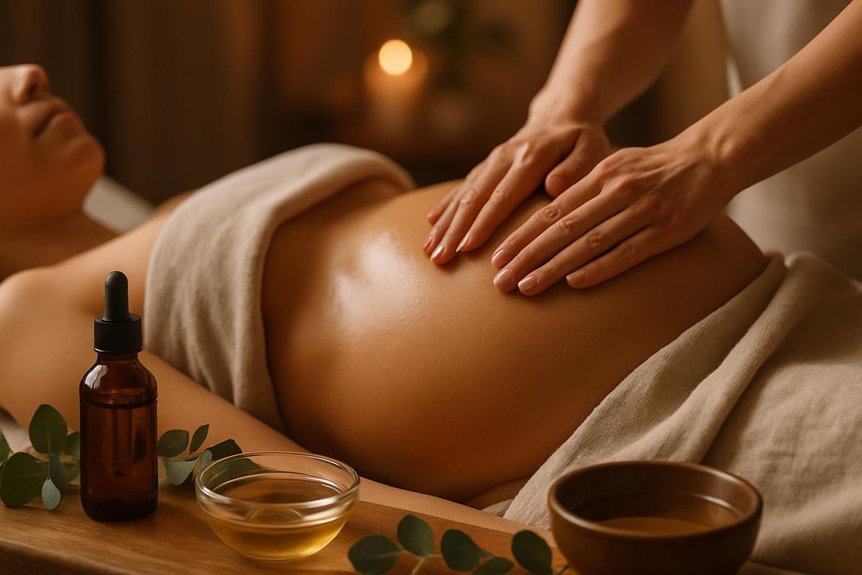
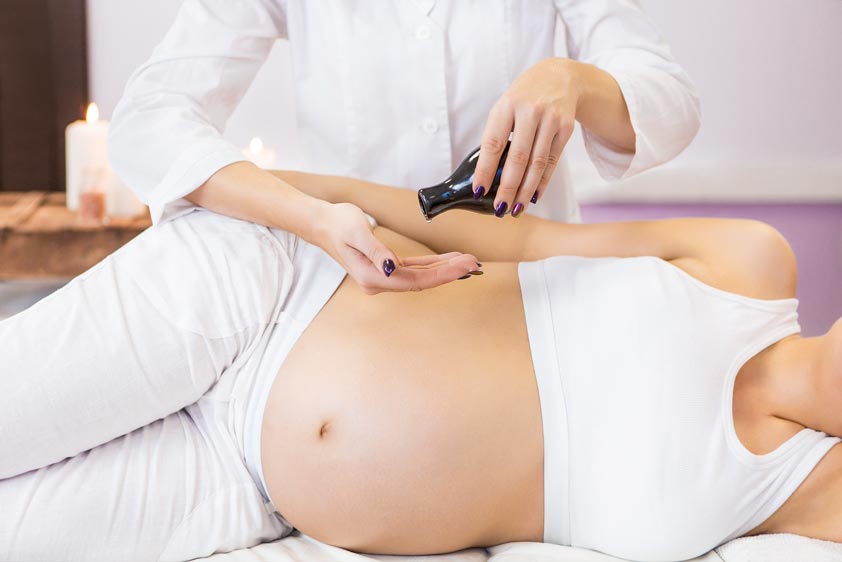
Evidence suggests that gentle, regular breast massage—performed with hypoallergenic, nutrient-rich oils as recommended in Spa & Massage clinics—may help sustain skin hydration and pliability. Enhanced hydration supports collagen and elastin fibers, potentially mitigating the appearance of striae gravidarum (stretch marks).
However, expectant mothers should be aware that no intervention guarantees complete prevention of stretch marks; genetic factors and hormonal changes also play substantial roles.
Spa & Massage therapists emphasize safe, light-pressure techniques to avoid overstimulation and ensure comfort, always tailoring their approach to each client’s sensitivity and specific needs.
Encouraging Lymphatic Circulation
Beyond maintaining skin elasticity, gentle breast massage during pregnancy may assist in promoting lymphatic circulation. The lymphatic system plays a critical role in fluid balance and immune function, both of which can be impacted during pregnancy due to physiological changes and increased breast tissue.
At Spa & Massage, therapists use light, rhythmic strokes to support lymphatic drainage, helping reduce mild swelling and promoting tissue health. This technique, when performed correctly, enhances the removal of interstitial fluid and metabolic waste, contributing to overall breast comfort.
However, all techniques are adapted to avoid excessive pressure or stimulation, minimizing any potential risk of discomfort or tissue injury. Expectant mothers are encouraged to consult with their healthcare provider before seeking massage therapy for ideal safety and reassurance.
Safety Considerations for Breast Massage in Pregnancy
A thorough assessment of safety is essential before considering breast massage during pregnancy. Physiological changes in breast tissue—including increased vascularity, heightened sensitivity, and glandular development—warrant a cautious approach.
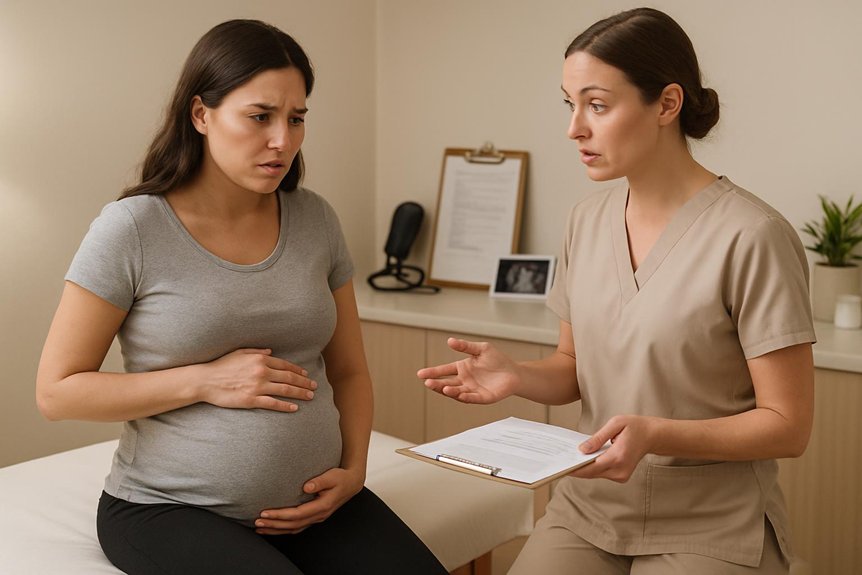
At Spa & Massage, therapists are trained to recognise contraindications such as active infections, unexplained lumps, or a history of breast complications, which may necessitate medical clearance.
Gentle, non-invasive techniques are prioritised to minimise discomfort and avoid stimulating the nipples, as excessive stimulation may theoretically trigger uterine contractions.
Hygiene and the use of hypoallergenic oils further reduce the risk of irritation or adverse reactions.
Open communication regarding comfort levels and concerns is encouraged, supporting the client’s physical wellbeing while respecting the desire for intimacy and connection during this transformative period.
Techniques Used by Our Therapists for Gentle Breast Massage
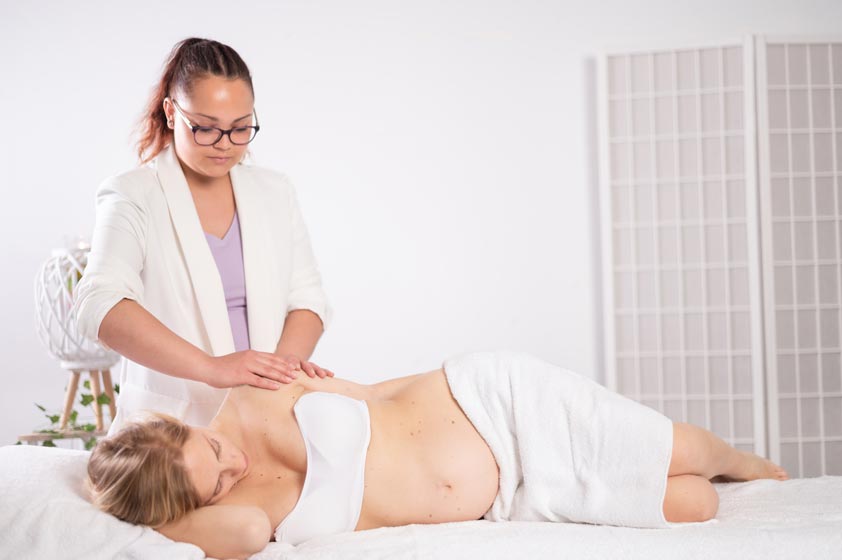
During pregnancy, Spa & Massage therapists employ specialised, evidence-based techniques designed to address the unique physiological changes in breast tissue. Gentle effleurage—using light, rhythmic strokes—maximises lymphatic drainage and minimises oedema risk.
Palpation is conducted with open hands, avoiding pressure on ducts or sensitive areas, to reduce discomfort and prevent vascular congestion. Thermoneutral, hypoallergenic oils are selected to maintain skin integrity and support the delicate barrier function of the areolar complex.
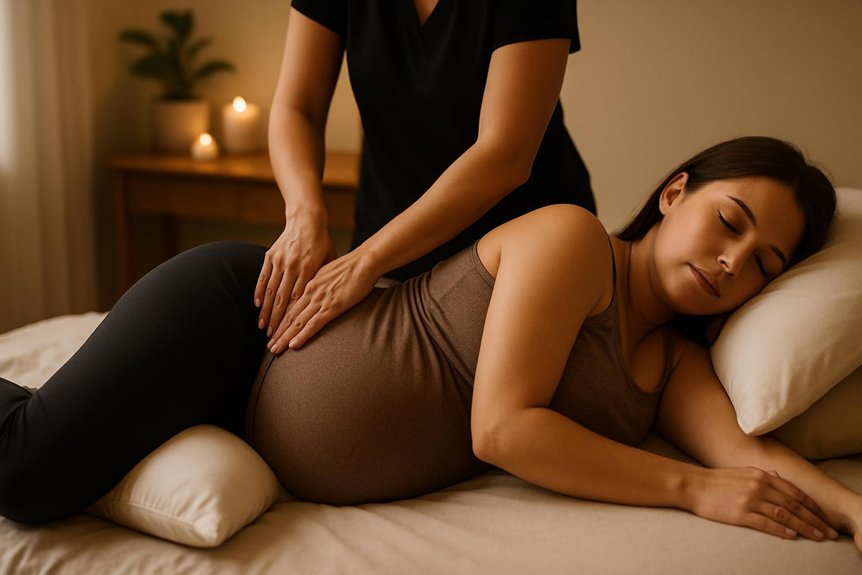
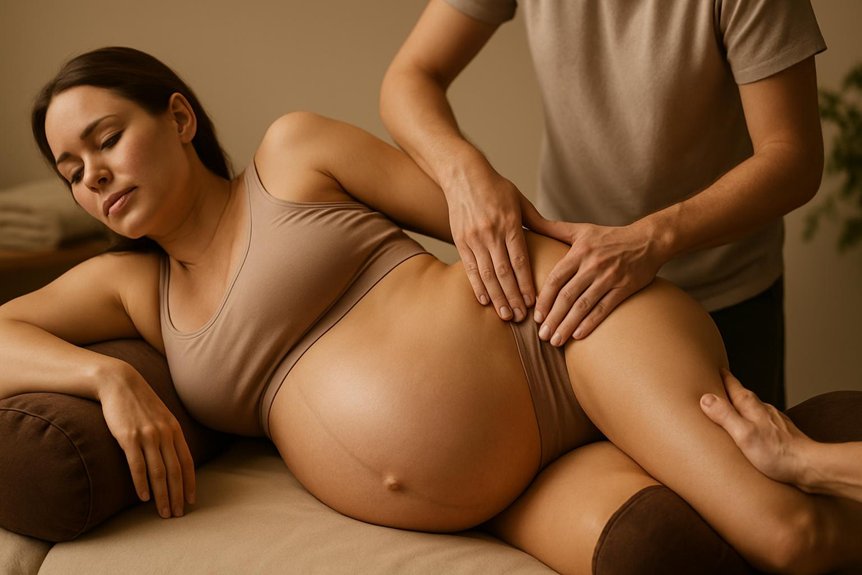
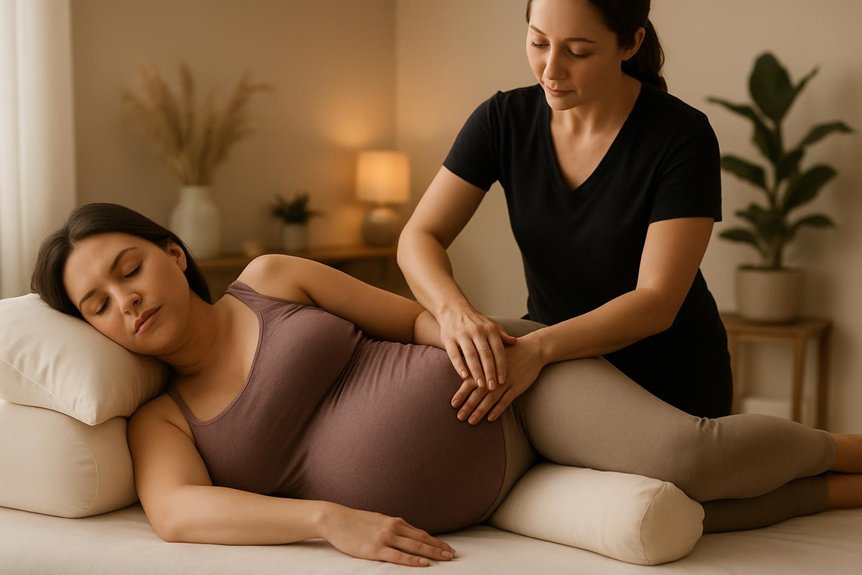
Positioning is meticulously adjusted, often using lateral recumbency with supportive cushions, ensuring ideal comfort and circulatory safety. All interventions are adapted to gestational stage and individual sensitivity, with ongoing communication guiding pressure and technique.
The approach at Spa & Massage is deeply mindful, prioritising maternal wellbeing while enhancing feelings of trust, relaxation, and bodily connection.
When to Avoid Breast Massage During Pregnancy
Breast massage should be avoided during pregnancy in cases of high-risk conditions, such as preterm labor risk, placenta previa, or unexplained vaginal bleeding.
Clinical evidence also suggests pausing massage if there is breast pain, skin changes, or signs of infection.
At Spa & Massage, therapists conduct thorough assessments and recommend deferring treatment when any contraindications or concerning symptoms are present.
High-Risk Pregnancy Considerations
Although breast massage can offer therapeutic benefits in pregnancy, specific high-risk conditions necessitate caution or complete avoidance of this practice.
Clinical evidence highlights that women with a history of preterm labor, placenta previa, or unexplained vaginal bleeding should not undergo breast massage, as stimulation can increase oxytocin levels and potentially trigger uterine contractions.
Additionally, those with signs of threatened miscarriage or multiple gestations may be more vulnerable to adverse outcomes.
Individuals with preeclampsia or clotting disorders are at elevated risk for complications related to circulatory changes during massage.
At Spa & Massage, therapists always conduct thorough consultations and collaborate with healthcare providers to ensure safety, personalising care based on each client’s medical profile.
Prioritising maternal and fetal wellbeing guides every clinical decision in our pregnancy massage protocols.
Signs to Pause Massage
If clinical symptoms such as localized breast pain, redness, swelling, or abnormal discharge arise, immediate cessation of breast massage is warranted to mitigate potential complications such as mastitis or infection.
These signs may indicate underlying inflammation or an early infectious process, both of which require prompt medical evaluation.
At Spa & Massage, therapists are trained to recognise these warning symptoms and advise clients accordingly, prioritising maternal and fetal well-being above all.
Clients are encouraged to communicate any discomfort or abnormalities experienced during or after massage.
While gentle breast massage can be beneficial in pregnancy, vigilance for adverse responses ensures safety.
Should any of these symptoms develop, seeking assessment from a healthcare provider is essential before resuming further massage or self-care routines.
How Breast Massage May Support Breastfeeding Preparation
How can targeted massage techniques influence breastfeeding outcomes during pregnancy?
Evidence suggests that gentle, structured breast massage may enhance tissue elasticity, stimulate lymphatic circulation, and potentially support the development of milk ducts in preparation for breastfeeding.
At Spa & Massage, therapists utilize light, non-invasive strokes to optimize comfort, always respecting the client’s boundaries and sensitivity. These methods may reduce engorgement risk and help familiarize expectant mothers with their changing bodies, fostering confidence and intimacy ahead of nursing.
Clinical literature highlights that regular, appropriate touch can improve nipple suppleness and support emotional wellbeing—key factors for successful lactation.
However, it remains essential to avoid excessive pressure or deep manipulation, as this could increase discomfort or introduce risk.
Professional guidance guarantees techniques are safe and individually tailored.
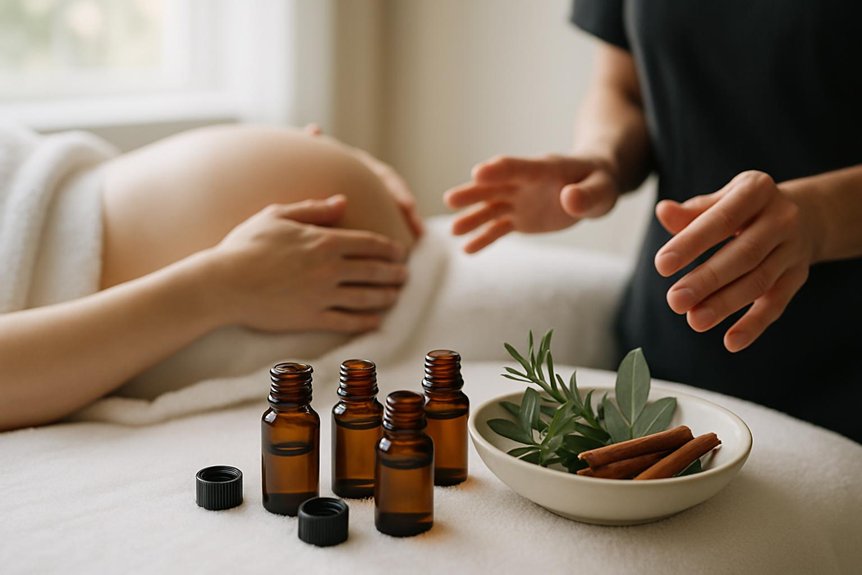
Recommended Oils and Products for Sensitive Skin
During pregnancy, skin sensitivity and reactivity often increase due to hormonal changes, necessitating careful selection of massage oils and topical products.
At Spa & Massage, therapists prioritize hypoallergenic, fragrance-free oils such as pure grapeseed or sweet almond, which possess low allergenic potential and are well-tolerated by most individuals.
These choices help minimise the risk of contact dermatitis or irritation, especially in the delicate breast area.
Clients with a history of allergies or highly reactive skin are encouraged to request patch testing prior to treatment.
Additionally, Spa & Massage avoids essential oils and additives known to cause sensitisation.
The emphasis remains on gentle, non-comedogenic formulations, providing a nurturing touch while safeguarding maternal comfort and skin integrity throughout pregnancy.
Self-Care Tips and Aftercare Following Breast Massage
Proper aftercare is vital for maintaining skin integrity and minimising adverse reactions following breast massage, particularly given the heightened sensitivity discussed previously.
Spa & Massage therapists recommend gentle cleansing with lukewarm water and a mild, fragrance-free cleanser to remove residual oils without stripping the skin’s natural barrier. Application of a hypoallergenic, emollient moisturiser can enhance cutaneous hydration and reduce irritation.
Clients are advised to avoid tight clothing and direct heat exposure post-massage to prevent friction and thermal sensitivity. Monitoring for erythema, tenderness, or unusual discomfort is important; should these symptoms persist, medical advice is warranted.
Our clinics emphasise the importance of hydration and rest to facilitate tissue recovery. Embracing these self-care strategies may support intimacy and comfort during pregnancy, contributing to overall wellness.
Conclusion
In the landscape of pregnancy wellness, breast massage emerges as a gentle tide—capable of soothing discomfort, supporting tissue integrity, and fostering breastfeeding readiness when approached with clinical prudence. Evidence underscores the importance of individualized assessment, meticulous technique, and careful product selection to mitigate risks. Like any intervention, breast massage during pregnancy requires thoughtful navigation of potential contraindications, ensuring maternal safety remains the North Star. With expert guidance, this practice may become a nurturing component of holistic prenatal care.