The use of electric massagers during pregnancy is generally not recommended without professional guidance due to potential risks such as uterine stimulation, circulatory changes, and the possibility of triggering contractions. Strong vibrations or sustained pressure may negatively affect maternal or fetal well-being, especially when applied to sensitive regions. Safer alternatives and specific precautions exist for expectant mothers seeking relief from discomfort. Extensive safety considerations, preferred techniques, and suitable focus areas can further clarify best practices for maternal wellness.
Understanding the Needs of Pregnant Women
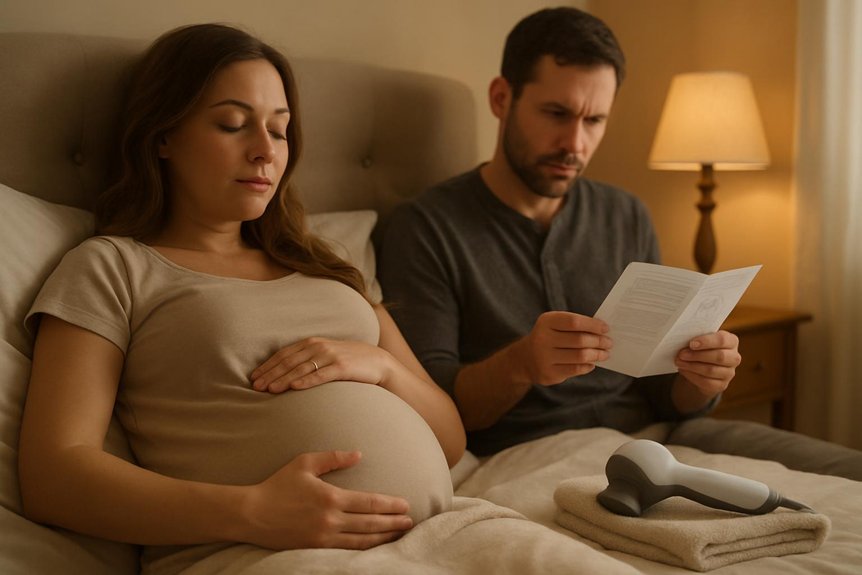
During pregnancy, physiological and hormonal changes markedly alter a woman’s musculoskeletal, circulatory, and emotional health, requiring careful consideration in therapeutic interventions.
Increased ligament laxity, joint instability, and altered weight distribution can contribute to back pain, pelvic discomfort, and muscle fatigue.
Vascular adaptations—such as increased blood volume and reduced venous return—may predispose individuals to swelling and varicosities, while hormone fluctuations can heighten emotional sensitivity and stress.
Recognising these complexities is essential for safe, personalised care.
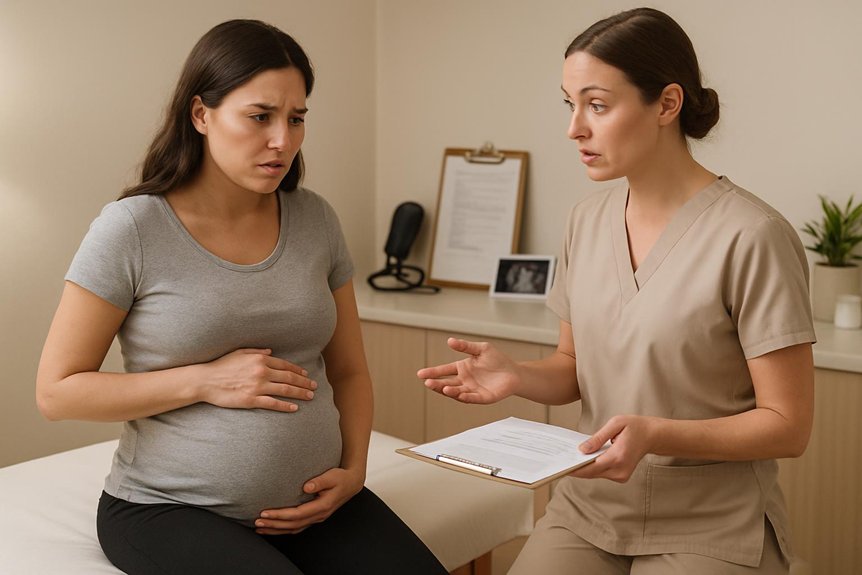
In Spa & Massage clinics, therapists carefully assess for contraindications, prioritising maternal and fetal well-being.
Interventions are adapted to avoid deep pressure in vulnerable areas, minimise risk of vascular compromise, and address psychological needs.
This evidence-based, risk-aware approach fosters comfort, safety, and trust during every stage of pregnancy.
It is also helpful to understand that deep tissue massage techniques, while providing therapeutic benefits, require modification during pregnancy to ensure the safety of both mother and baby.
Common Types of Electric Massagers
Electric massagers commonly used by pregnant individuals include handheld vibrating devices and electric massage cushions.
Each type employs mechanical vibrations or oscillating movements to target muscle tension.
These techniques may introduce specific safety considerations during pregnancy.
Clinical evaluation of their effects and potential risks is essential prior to use, particularly in populations with altered physiological states such as pregnancy.
Handheld Vibrating Devices
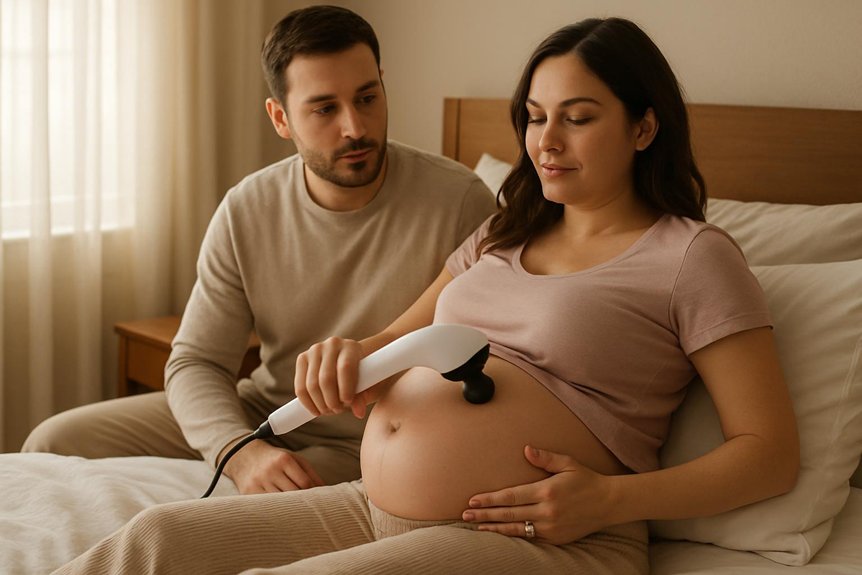
Although commonly marketed for muscle relaxation and pain relief, handheld vibrating devices represent one of the most prevalent types of electric massagers available for home use. These devices typically deliver localised vibration or percussive stimulation to soft tissues, which may temporarily increase circulation and reduce muscle tension.
However, during pregnancy, risk assessment is vital. Vibrational intensity, frequency, and application site may influence maternal and fetal safety. Clinical literature suggests that excessive or prolonged vibration—especially over the abdomen, lower back, or thighs—could potentially stimulate uterine activity or inadvertently target pressure points associated with labour induction.
At Spa & Massage, our therapists prioritise evidence-based, gentle manual techniques over mechanical devices, ensuring each session is tailored for comfort and safety, especially for expectant clients seeking intimate, nurturing care.
Electric Massage Cushions
While often marketed for convenience and targeted muscle relief, massage cushions employ integrated motors to deliver sustained pressure, vibration, or kneading movements to the back, neck, or thighs. Clinical literature suggests that such devices can enhance local circulation and provide temporary alleviation of muscle tension.
However, during pregnancy, their safety remains uncertain due to the potential for excessive mechanical stimulation, especially over the lumbar and pelvic regions. Prolonged or intense use may increase intra-abdominal pressure or inadvertently stimulate sensitive acupressure points.
At Spa & Massage, therapists advise pregnant clients to avoid unsupervised use of electric massage cushions. Instead, individualised, hands-on pregnancy massage—delivered by qualified professionals—offers a safer, more controlled environment, prioritising maternal and fetal wellbeing while maintaining the nurturing human touch essential for relaxation and emotional connection.
Potential Risks of Using Electric Massagers During Pregnancy
How might electric massagers impact maternal and fetal safety during pregnancy?
Evidence indicates that improper use of electric massagers may pose certain risks for expectant mothers. Excessive vibration or pressure, especially over the abdomen, lower back, or specific acupressure points, can theoretically increase the risk of uterine contractions or disrupt placental blood flow.
Elevated core body temperature from prolonged localized heat may also present a concern for fetal development.
Additionally, use on swollen limbs could exacerbate underlying conditions such as deep vein thrombosis.
At Spa & Massage, therapists are trained to recognise these clinical considerations, prioritising maternal and fetal safety above all.
Expert supervision is vital, as unsupervised use of electric devices does not replicate the tailored, gentle approach required during prenatal massage.
Safe Massage Practices for Expectant Mothers
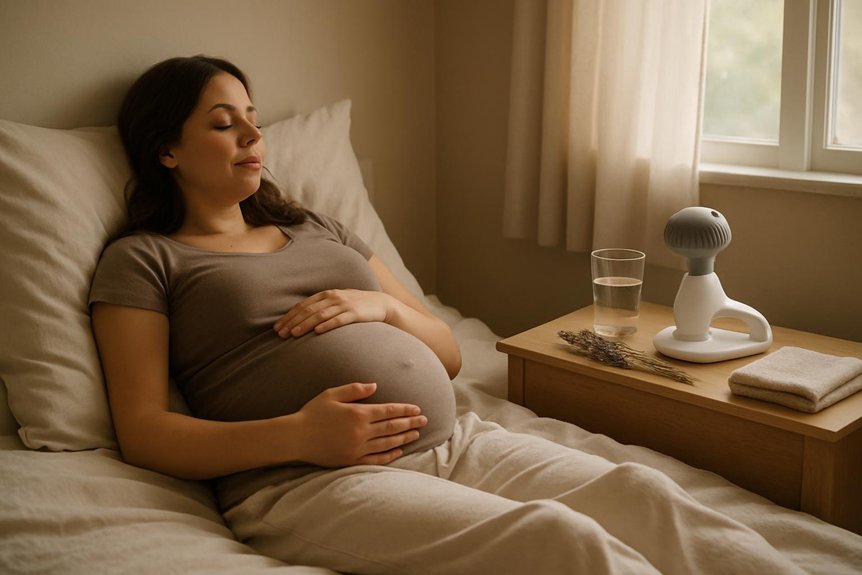
Safe massage practices for pregnant individuals require the involvement of therapists with specialized training in prenatal massage, as improper techniques may increase the risk of adverse outcomes.
Clinical guidelines emphasize the necessity of adapting pressure, positioning, and modalities to accommodate physiological changes during pregnancy.
At Spa & Massage, therapists implement evidence-based protocols to minimize risk and promote maternal comfort.
Choosing Experienced Pregnancy Therapists
Given the unique physiological changes during pregnancy, selecting a therapist with specialised training in prenatal massage is critical to guarantee both maternal and fetal safety.
At Spa & Massage, therapists undergo advanced education to recognise contraindications, adapt techniques, and understand pregnancy-specific risks such as deep vein thrombosis, preeclampsia, and ligament laxity.
Clinical evidence highlights that improper massage application can exacerbate these risks; thus, only therapists with verified prenatal expertise should perform pregnancy treatments.
This approach reassures expectant mothers, fostering trust and comfort throughout the session.
Individual consultation and continuous risk assessment are standard practice at Spa & Massage, ensuring the safety and wellbeing of both mother and child.
Families seeking a nurturing, expert-led environment benefit from dedicated therapists attentive to changing physiological needs.
Adapting Massage Techniques Safely
Building on the importance of specialised prenatal expertise, adapting massage techniques during pregnancy requires meticulous attention to anatomical and physiological changes. Increased blood volume, ligament laxity, and altered posture place expectant mothers at unique risk for circulatory complications and musculoskeletal strain.
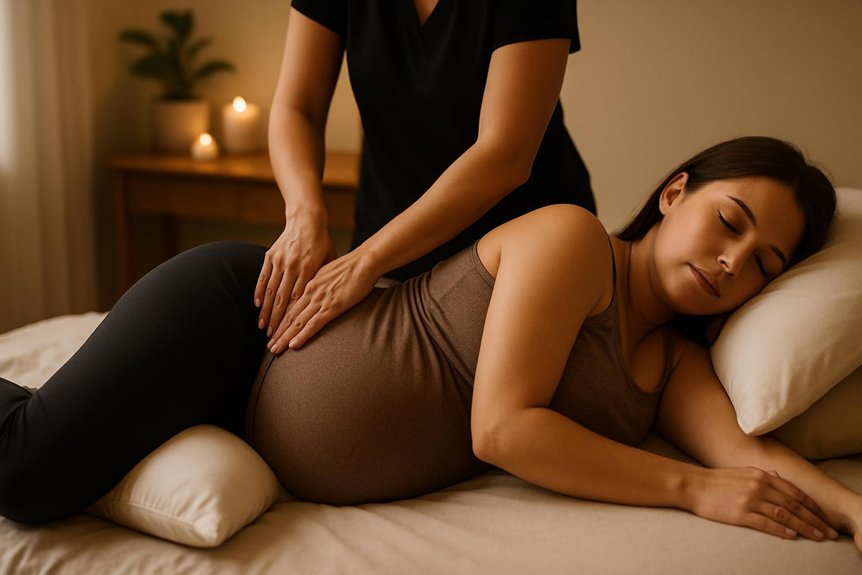
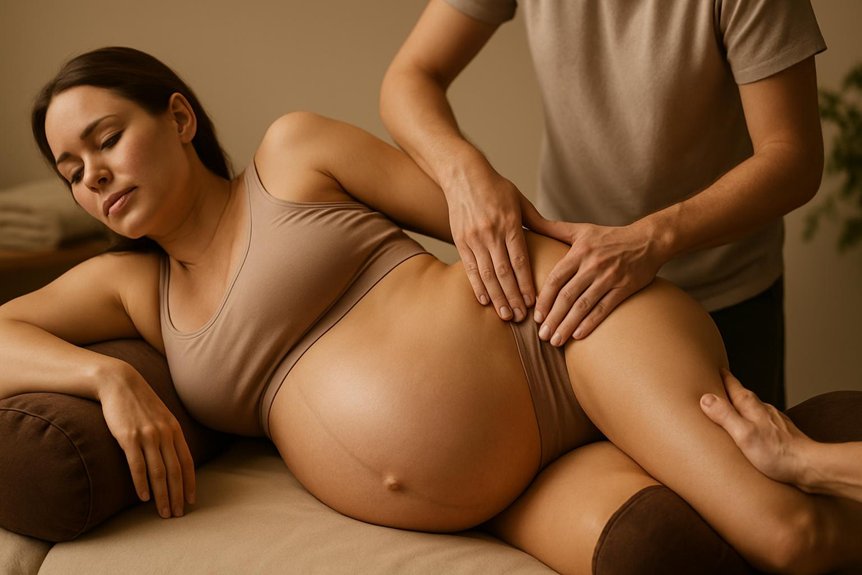
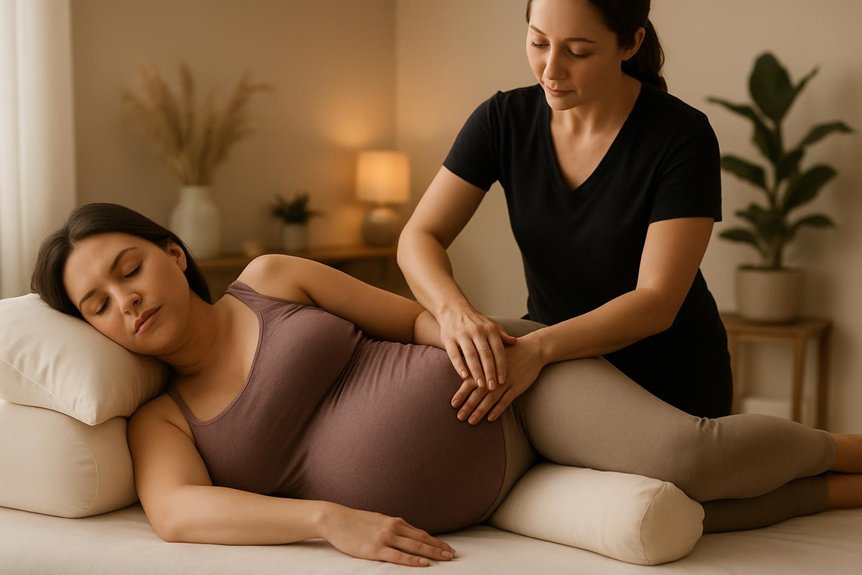
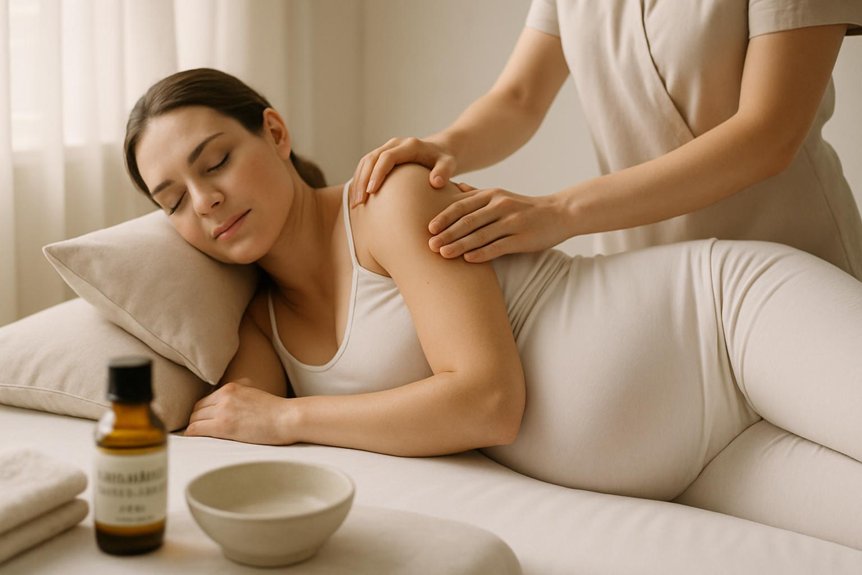
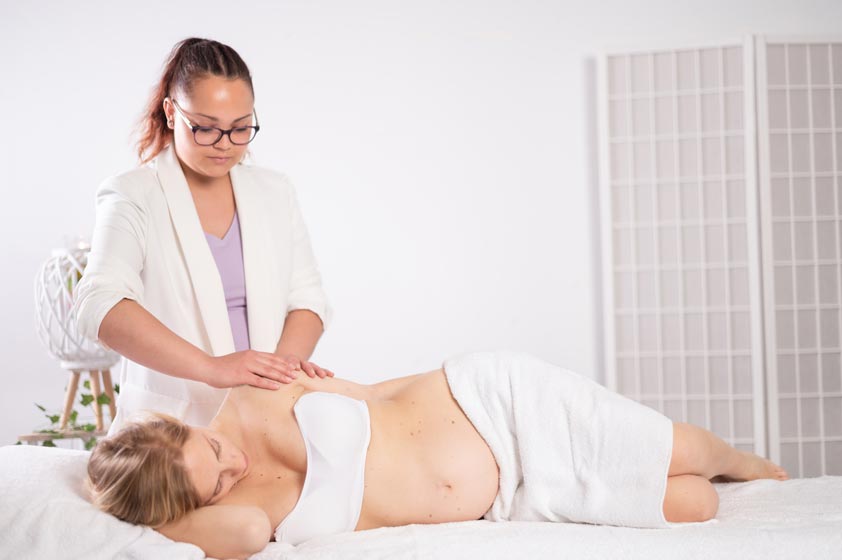
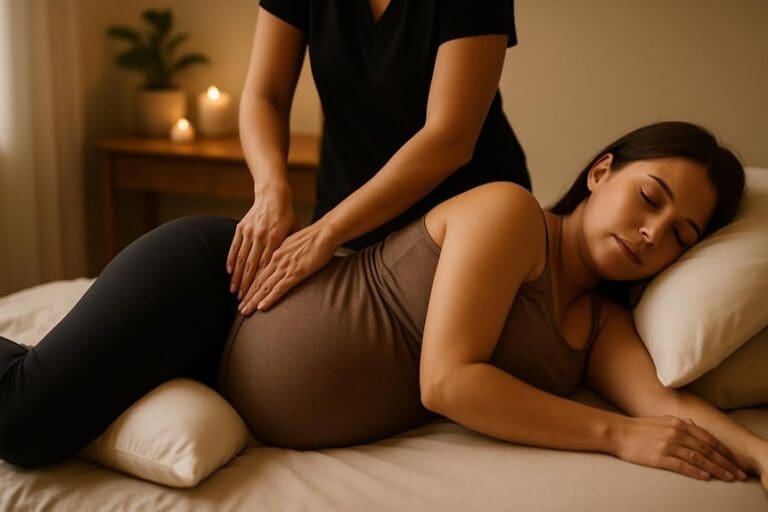
At Spa & Massage, therapists employ side-lying positioning, gentle effleurage, and targeted support of joints to minimise pressure on the abdomen and reduce venous congestion.
Deep tissue or percussive modalities are avoided in areas prone to oedema or varicosities, while careful consideration is given to pressure points known to stimulate uterine activity.
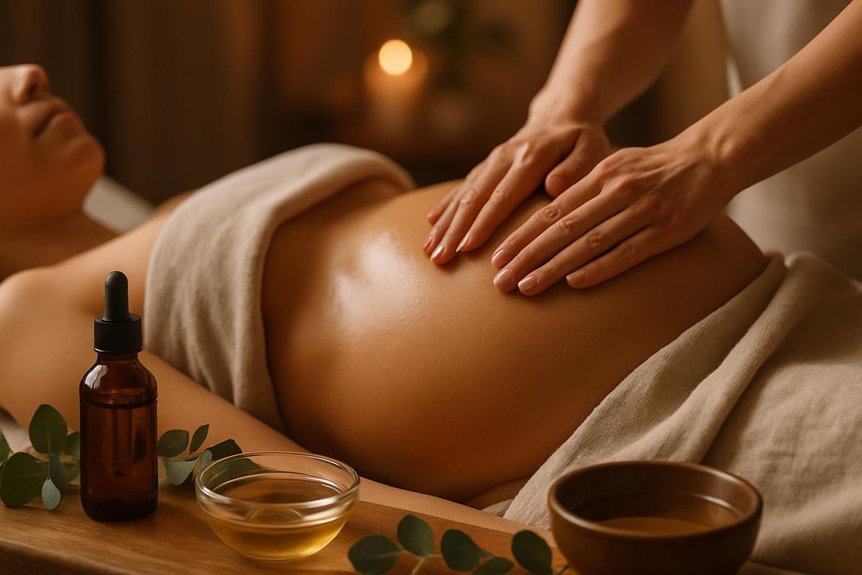
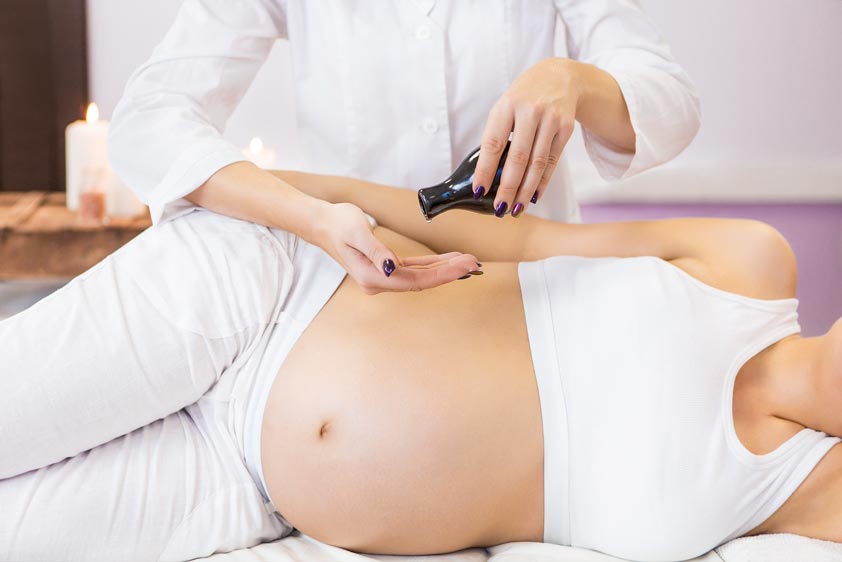
The use of hypoallergenic oils and continuous client feedback further enhance safety and comfort.
These evidence-based adaptations reflect Spa & Massage’s commitment to nurturing touch while safeguarding maternal and fetal wellbeing.
Areas to Avoid and Areas to Focus On
While considering the use of electric massagers during pregnancy, it is critical to identify anatomical regions that may pose increased risk if stimulated.
Evidence suggests that the abdomen, lower back (particularly over the uterus), and specific acupressure points on the ankles and wrists should be avoided, as excessive stimulation may theoretically trigger uterine contractions or compromise maternal-fetal well-being.
In contrast, safer focus areas include the upper back, shoulders, neck, arms, and calves, where tension commonly accumulates and circulation can be improved without undue risk.
Spa & Massage therapists are trained to respect these boundaries, ensuring each treatment is tailored to promote comfort and relaxation while prioritizing maternal safety.
This careful approach nurtures intimacy and connection, supporting both physical and emotional wellness throughout pregnancy.
Recommended Massage Techniques at Spa & Massage
Spa & Massage clinics prioritise maternal safety by adhering to evidence-based massage protocols specifically designed for pregnancy. Therapists are trained to utilise gentle, rhythmic effleurage and passive stretching, avoiding deep tissue or percussive techniques that may increase risk.
In these clinics, lateral positioning with supportive bolsters is standard, minimising compression of major blood vessels and promoting maternal comfort. The use of hypoallergenic oils further reduces the risk of irritation or adverse skin reactions.
Special attention is given to areas prone to tension, such as the lower back, shoulders, and legs, while avoiding vigorous manipulation near the abdomen, inner thighs, or pressure points associated with uterine stimulation.
Each technique is selected to enhance physiological relaxation, support circulation, and foster a secure, nurturing environment for both mother and baby.
Consulting With Professionals Before Use
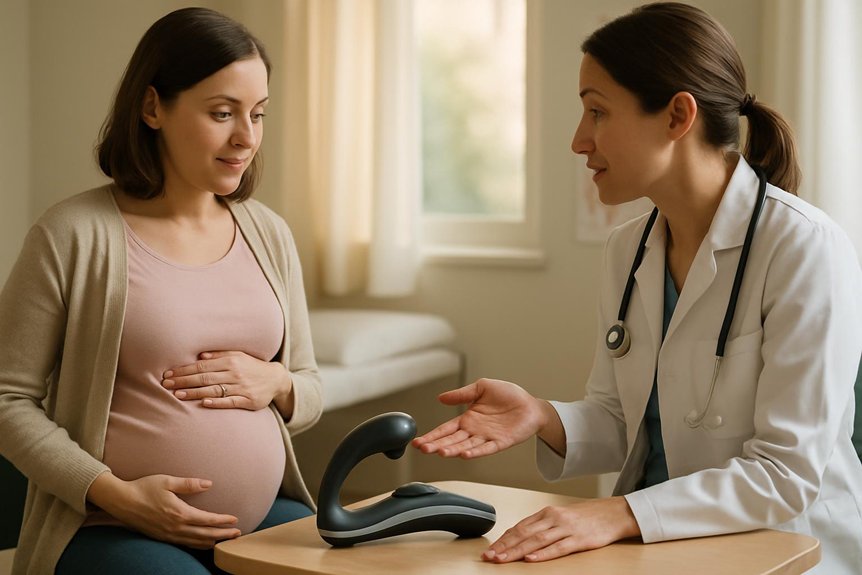
Prior to utilising any electric massager during pregnancy, consultation with a qualified healthcare provider is essential to assess individual risk factors and contraindications.
Each pregnancy presents unique physiological changes, such as altered vascular function, increased risk of thromboembolism, and heightened sensitivity to pressure, which may influence the safety of vibration or deep tissue stimulation.
A clinical evaluation ensures that underlying conditions—placental issues, hypertension, or musculoskeletal concerns—are identified and addressed.
Spa & Massage therapists consistently recommend that expectant clients share their full health history and pregnancy details before any massage treatment.
This collaborative approach fosters trust and safety, allowing personalised guidance aligned with the client’s wellbeing.
Professional input ensures that relaxation and relief are achieved without compromising maternal or fetal health during this transformative period.
Alternative Therapies and Support for Pregnancy Wellness
How can expectant mothers safely address musculoskeletal discomfort and stress during pregnancy? Clinical evidence suggests that manual therapies, including prenatal massage, can help alleviate back pain, joint tension, and edema while reducing anxiety.
At Spa & Massage clinics, therapists employ specialised prenatal techniques, avoiding high-risk areas and positions to guarantee maternal and fetal safety.
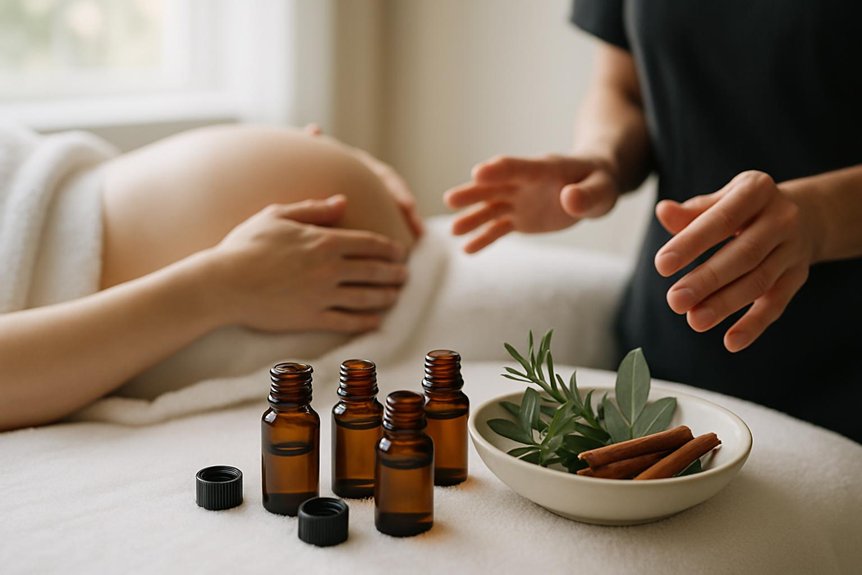
Aromatherapy using pregnancy-safe essential oils may further support relaxation, but application is always guided by established safety protocols. Reflexology is another modality frequently requested, targeting specific pressure points to promote systemic balance.
Non-pharmacological interventions—such as guided breathing, gentle stretching, and hydrotherapy—are also encouraged for holistic wellness.
Individualised care plans, informed by clinical guidelines and therapist expertise, prioritise risk mitigation while nurturing emotional connection and physical comfort throughout pregnancy.
Conclusion
In conclusion, while some may believe all electric massagers are harmless during pregnancy, evidence highlights the need for caution. Certain devices and modes can pose risks such as overstimulation or inadvertent pressure on contraindicated areas. Spa & Massage recommends that expectant mothers prioritise clinically approved massage techniques, consult healthcare professionals, and avoid unsupervised use. By making informed, risk-aware decisions, pregnant women can safely alleviate discomfort while protecting both maternal and fetal wellbeing.