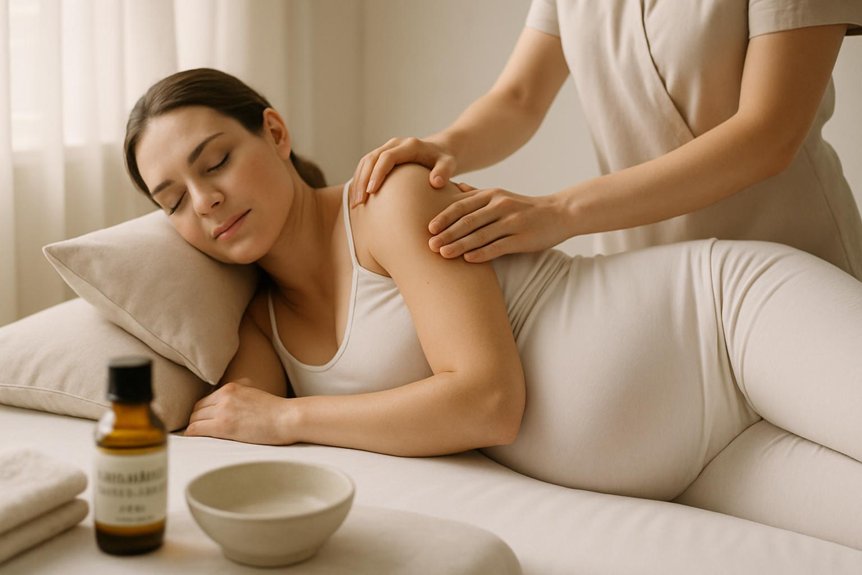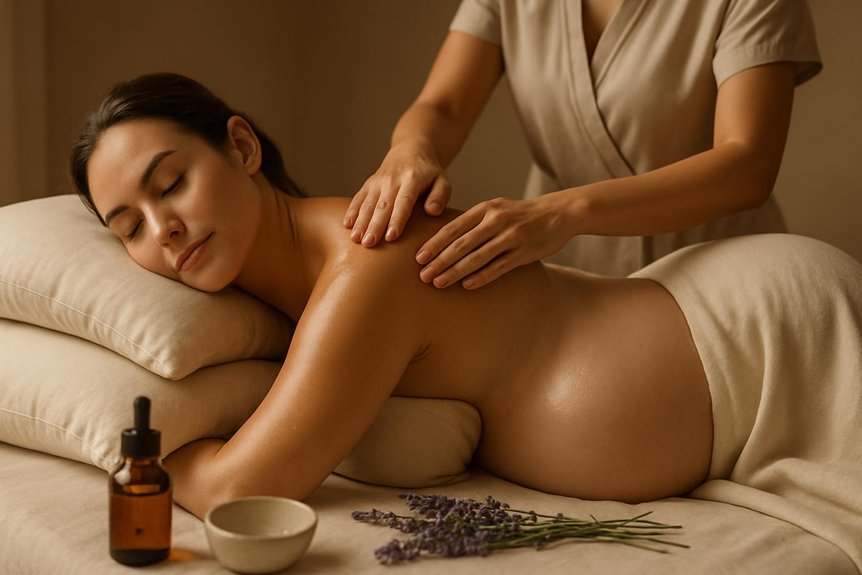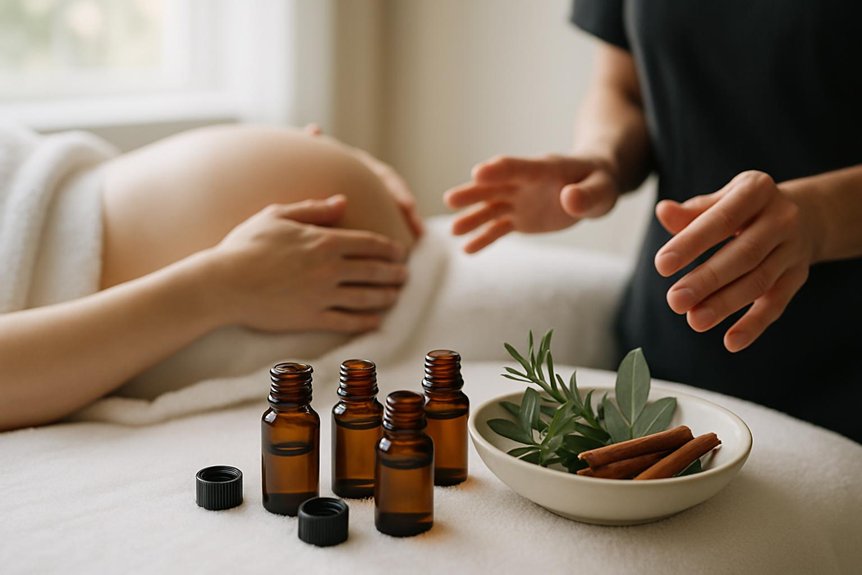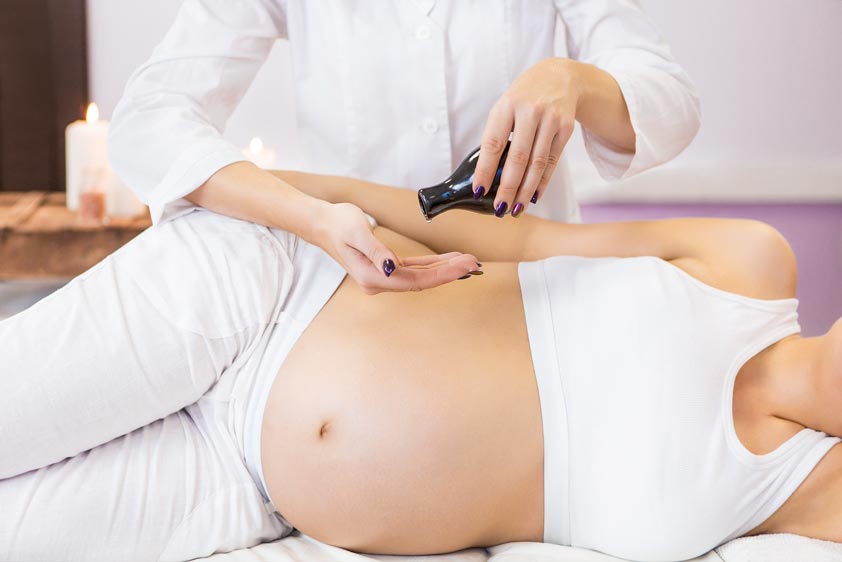
Eucalyptus oil is not usually a first-line choice for prenatal massage because pregnancy-specific safety data are limited and its volatile compounds can irritate sensitive skin and airways. Many therapists avoid it in the first trimester, in high-risk pregnancies, and for anyone with asthma, migraines, or fragrance sensitivity. If used, it should be very dilute (about 0.25–0.5%, roughly 1–3 drops per 20 ml carrier), applied sparingly and away from the face. Further guidance covers safer alternatives and warning signs.
Is Eucalyptus Oil Safe for Pregnancy Massage?

Eucalyptus oil is not routinely considered a first‑line choice for prenatal massage because its strong, bioactive constituents can increase the likelihood of irritation or unwanted systemic effects when absorbed through the skin or inhaled. Safety depends on dose, dilution, application area, and individual sensitivity, and research in pregnancy remains limited.
At Spa & Massage clinics across London, therapists typically prioritise gentler aromatherapy options and, when eucalyptus is requested, would only consider it in very low dilution, applied sparingly, and never close to the face to reduce inhalation intensity. Using aromatherapy massage tips that emphasise relaxation can help keep the experience soothing and non‑stimulating. A patch test and a clear discussion of asthma, migraines, skin reactivity, and scent aversions support comfort and consent.
When used cautiously, the aim is calm closeness without overwhelming sensation or tenderness.
When to Avoid Eucalyptus Oil in Pregnancy
Eucalyptus oil may be best avoided in prenatal massage during the first trimester, when a more conservative approach to essential oils is commonly recommended.
It should also be avoided for clients with asthma, fragrance sensitivities, or a history of adverse reactions, as inhaled vapours can trigger symptoms even at low concentrations.
In higher-risk pregnancies—such as those with bleeding, preeclampsia concerns, or other complications—Spa & Massage therapists typically opt for unscented carrier oils and advise consultation with the client’s midwife or obstetric team before any aromatherapy is used.
First Trimester Caution
During the first trimester, caution is generally advised with essential oils—including those high in 1,8-cineole—because early pregnancy is a period of heightened sensitivity and the safety evidence for topical aromatherapy use remains limited.
For this reason, eucalyptus oil is often avoided in massage at this stage, particularly on the abdomen, lower back, and areas close to the face.
If a client is experiencing nausea, headaches, or skin reactivity, added fragrance may feel overwhelming and may not support comfort.
At Spa & Massage, therapists typically prioritise unscented, pregnancy-appropriate carriers and gentle techniques in early sessions, and recommend that any essential oil use be discussed with a midwife or GP.
When in doubt, choosing no eucalyptus is the safer, calmer option.
Asthma Or Sensitivities
Sensitivity to scent and airway irritants can be more pronounced in pregnancy, so respiratory conditions such as asthma—along with fragrance-triggered headaches, nausea, or previous reactions to aromatherapy—are common reasons to avoid eucalyptus oil in massage.
Eucalyptus contains volatile compounds that may provoke coughing, tightness, or wheeze in susceptible people, especially in warm treatment rooms where vapour disperses.
For clients with asthma, allergic rhinitis, or heightened smell sensitivity, Spa & Massage therapists generally select fragrance-free carriers and maintain gentle ventilation rather than “opening” the chest with mentholated aromas.
If any throat scratchiness, dizziness, or nausea appears during treatment, the safest approach is to stop the oil, cleanse the skin, and switch to neutral products. Medical advice is appropriate when symptoms persist.
High-Risk Pregnancy Factors
Where pregnancy is classed as high-risk, essential oils are typically approached with added caution, and eucalyptus oil is often best avoided in massage. Higher-risk factors may include a history of preterm labour, recurrent miscarriage, placenta praevia or bleeding, pre-eclampsia or hypertension, gestational diabetes requiring medication, cervical insufficiency, multiple pregnancy, or significant fetal growth concerns.
Although topical use is usually low dose, robust pregnancy safety data for eucalyptus constituents remain limited, and individual sensitivity can be heightened. At Spa & Massage clinics across London, therapists ask about obstetric risk and current symptoms, and will defer aromatherapy until a midwife or obstetrician has advised it is appropriate. In high-risk cases, unscented, hypoallergenic carrier oils and gentle, side-lying techniques support calm, close comfort.
Why Scents and Skin React More in Pregnancy
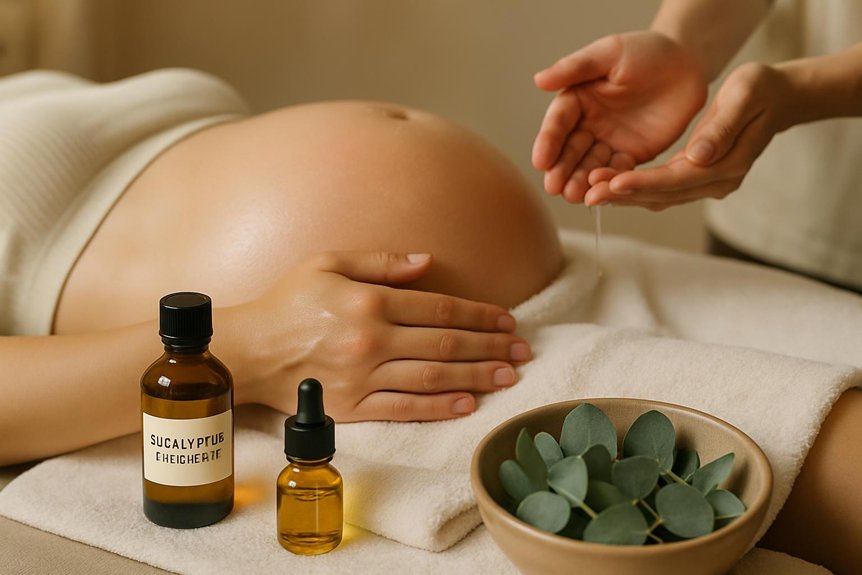
Although pregnancy is not an illness, it brings predictable hormonal, circulatory, and immune shifts that can make both scent perception and skin responses feel amplified.
Changes in the olfactory system and nausea pathways can heighten sensitivity to strong aromas, so even familiar oils may feel overpowering or trigger headache or queasiness.
Increased blood flow and warmth can also intensify how quickly a scent is perceived during a close, relaxing massage.
At the skin level, barrier function may fluctuate, and heightened reactivity can show up as itching, redness, or contact dermatitis, especially on the abdomen and breasts as skin stretches.
At Spa & Massage, therapists take a careful history, patch-test when appropriate, and prioritise comfort, consent, and easy breathing throughout the treatment.
Pregnancy-Safe Dilution for Eucalyptus Oil
A practical starting point for prenatal massage is to keep eucalyptus oil either avoided or diluted to a very low concentration, because pregnancy can amplify both fragrance intensity and the likelihood of skin irritation.
In clinical aromatherapy practice, pregnancy use is generally kept at 0.25–0.5% (about 1–3 drops per 20 ml carrier), and only when there is no history of asthma, migraine triggers, or fragrance sensitivity.
Patch testing on the inner forearm for 24 hours is prudent.
It should never be applied neat, used on broken skin, or placed near the face.
At Spa & Massage clinics, therapists would favour unscented bases and invite clients to choose comfort first—breath, warmth, and gentle touch—so the experience stays soothing and close, not overwhelming.
How Our Therapists Choose Pregnancy-Safe Oils
At Spa & Massage clinics across London, therapists select pregnancy-safe oils through systematic safety screening, conservative dilution, and clear documentation of ingredients and concentrations.
Each session begins with a brief, patient-centred consultation to review gestational stage, medical history, sensitivities, and any contraindications before any aromatic oil is considered. Where appropriate, a small patch test is used to minimise the risk of irritation or allergic response, and the plan is adjusted immediately if any reaction or concern arises.
Safety Screening And Dilution
In prenatal massage, safety screening and strict dilution are central to how Spa & Massage therapists select and apply oils.
Each essential oil is checked for pregnancy-specific cautions, skin-sensitising potential, and inhalation intensity, with eucalyptus considered only when it fits conservative parameters.
In the clinics across London, therapists prioritise gentle, low-aroma blends and often favour unscented or lightly scented carriers to support calm, close-to-the-body comfort.
When an essential oil is used, dilution is kept very low, measured precisely, and applied to limited areas to minimise systemic exposure.
Products are sourced with clear ingredient labelling, batch consistency, and freshness controls, reducing oxidation risks.
This method supports soothing touch while keeping maternal and fetal safety foremost.
Client Consultation And Patch-Testing
Before any pregnancy-safe oil is selected, consultation and patch-testing guide the decision: therapists review gestational stage, current symptoms (e.g., congestion, headaches, nausea), medical history (including asthma, allergies, eczema, migraine triggers, and hypertension), and any clinician advice, then choose the mildest appropriate option—often an unscented carrier first—while documenting preferences and prior reactions to fragranced products.
At Spa & Massage clinics, a small diluted sample is applied to the inner forearm and left for 24 hours where feasible; same-day treatments rely on conservative choices and careful observation.
Any itching, redness, warmth, tightness, wheeze, or headache leads to immediate removal and switching to fragrance-free options.
This step protects sensitive skin, supports comfortable breathing, and keeps touch soothing and reassuring.
Safer Alternatives to Eucalyptus Oil in Pregnancy
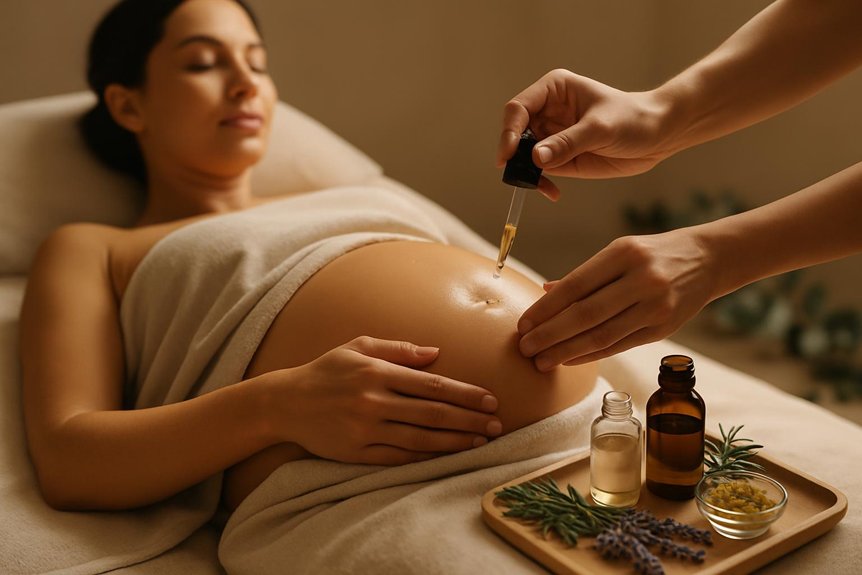
For many pregnant clients, the safest approach is to avoid eucalyptus oil altogether and choose gentler options with a longer track record of tolerability in pregnancy.
In Spa & Massage clinics, therapists often favour fragrance-free, pregnancy-suitable carrier oils (such as sweet almond, grapeseed, or jojoba) to support glide and comfort without unnecessary sensitisation risk.
Where a client wants a subtle scent, a cautious option is to use pre-blended, pregnancy-labelled aromatherapy at very low dilution, or to offer an unscented treatment instead.
Many clients find that simple, slow massage techniques, warm towels, and careful positioning deliver the sense of closeness and calm they’re seeking without essential oils.
As always, individual allergies, asthma, migraines, and skin conditions should guide choices and aftercare advice too.
Congestion in Pregnancy: Is Eucalyptus Safe?
Gentler, fragrance-free approaches are often preferred during pregnancy, yet nasal congestion can still prompt questions about whether eucalyptus is “safe” when breathing feels restricted.
Evidence is limited, and essential oils can irritate airways, trigger headaches, or worsen nausea. For this reason, Spa & Massage takes a cautious view: undiluted eucalyptus should not be inhaled directly, and strong diffusion in small rooms is best avoided, especially in the first trimester or with asthma.
If a client wishes to use eucalyptus, a clinician-led check is sensible, and only very low, well‑diluted exposure should be considered.
Often, simpler options—steam, saline spray, hydration, and elevated pillows—provide relief without scent load.
During prenatal massage, neutral carrier oils are preferred.
What to Tell Us Before Your Prenatal Massage
In the interest of safety and comfort, clients are advised to share key pregnancy details with Spa & Massage ahead of treatment—gestational age, any complications (such as bleeding, high blood pressure, pre‑eclampsia risk, gestational diabetes, placenta concerns, or a history of preterm labour), current symptoms (nausea, headaches, dizziness, swelling, pelvic or back pain), relevant medical conditions (including asthma or migraine), medications, and any sensitivities to fragrance or essential oils such as eucalyptus—so the therapist can select appropriate positioning, pressure, and products and, where needed, recommend medical clearance or a fragrance‑free approach.
They should also mention prior massage experience, preferred modesty, and areas that feel tender or off-limits.
If under midwife or consultant care, details of recommendations help align treatment with clinical guidance.
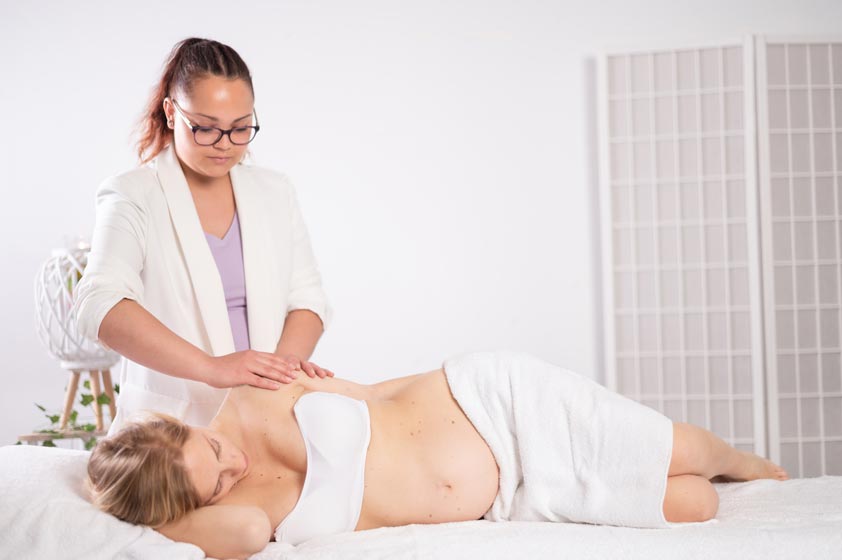
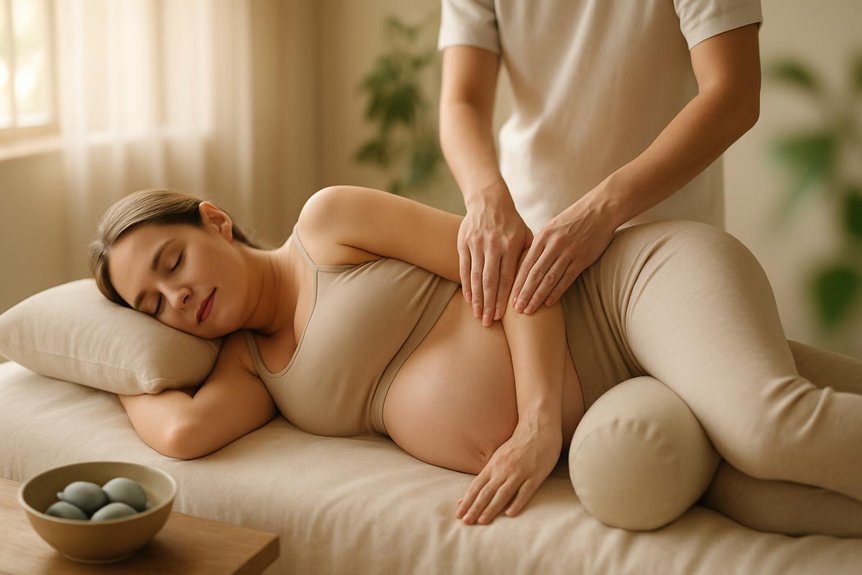
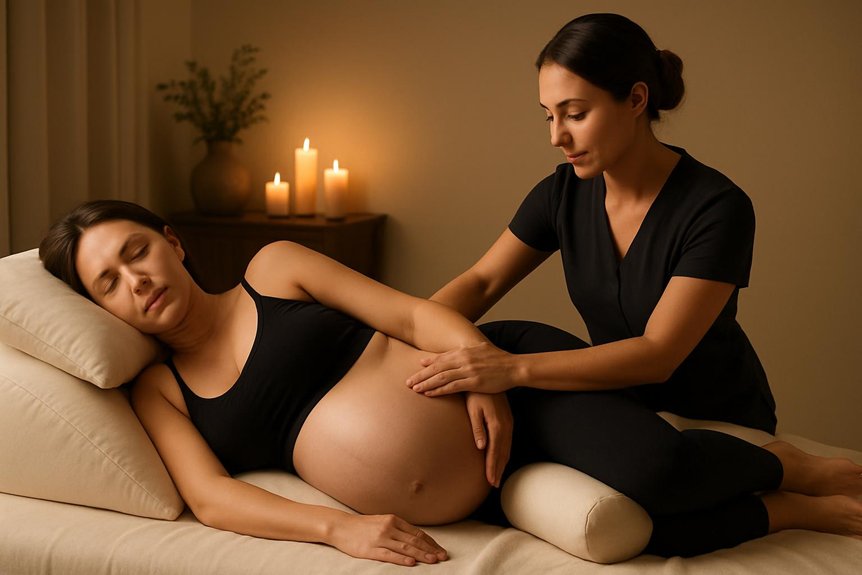
At Spa & Massage clinics, this information supports safer side‑lying set‑up, gentle bolstering, and a calm, reassuring pace throughout.
Signs Eucalyptus Oil Isn’t Right During Pregnancy
Sharing fragrance sensitivities and medical history before a prenatal massage helps guide safe product choices; the next step is recognising when eucalyptus should be avoided altogether.
During pregnancy, eucalyptus may not suit those who notice stinging eyes, throat irritation, nausea, headache, dizziness, or a “tight chest” sensation, especially in warm rooms where aroma intensifies.
Skin warning signs include itching, redness, hives, tingling, or a spreading rash after brief contact.
Any wheeze, swelling of lips or face, or shortness of breath warrants immediate medical help.
Caution is also advised with asthma, migraine, reflux, or a history of fragrance allergy.
In Spa & Massage clinics, therapists stop the oil, ventilate, cleanse the skin, and switch to unscented, pregnancy-appropriate carriers to keep touch soothing and close.
Conclusion
Eucalyptus oil in prenatal massage is not a universal yes; it is a case-by-case decision guided by trimester, symptoms, and exposure. Because pregnancy can heighten skin sensitivity and scent response, best practice favours minimal dilution, limited area use, and avoidance when asthma, allergy, or uterine irritability is present. The aim is consistent: reduce risk, reduce uncertainty, reduce discomfort. With clear disclosure, careful selection, and safer alternatives, massage remains supportive, soothing, and appropriately cautious.