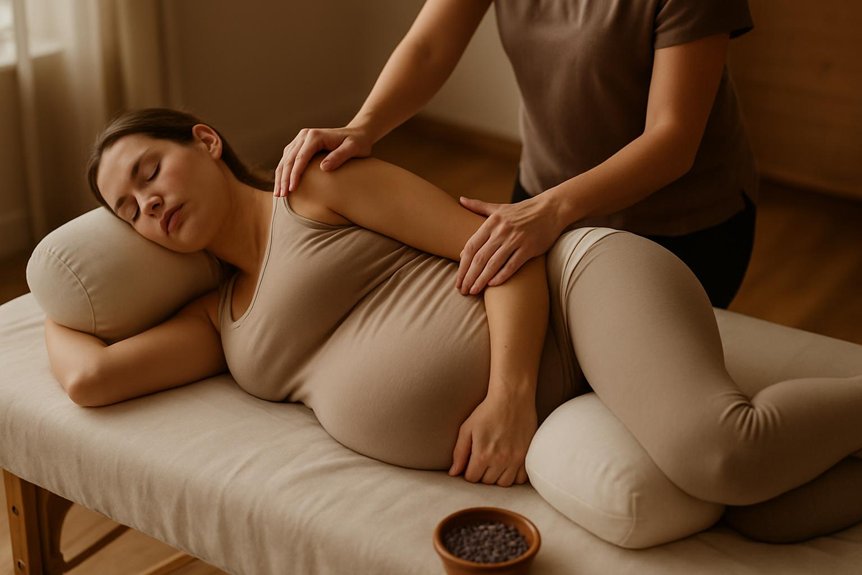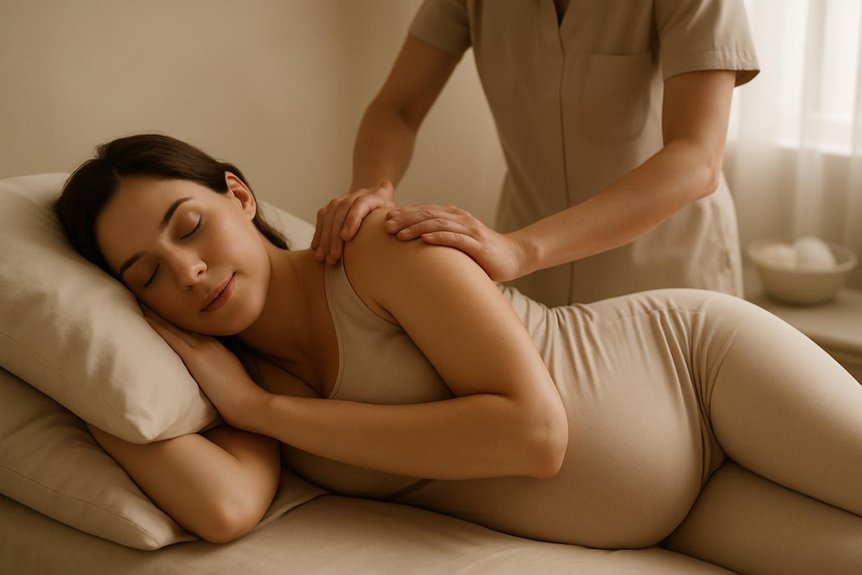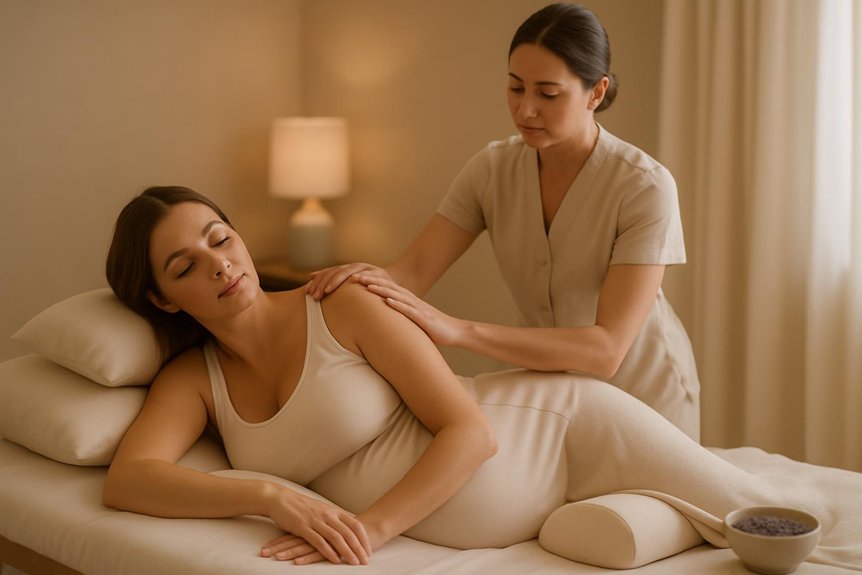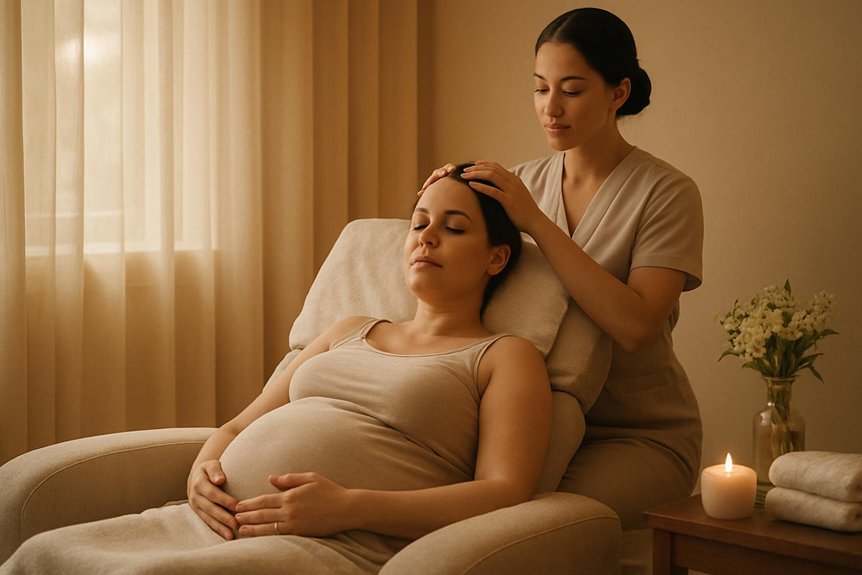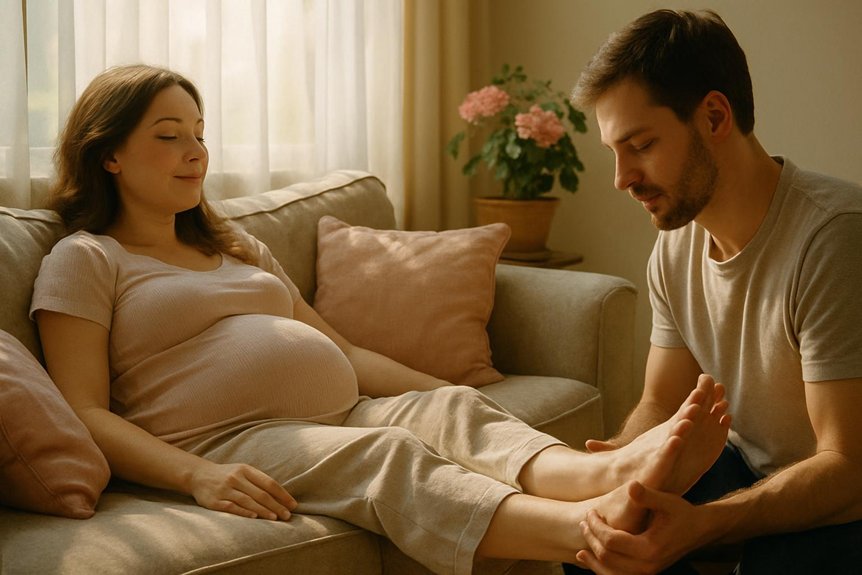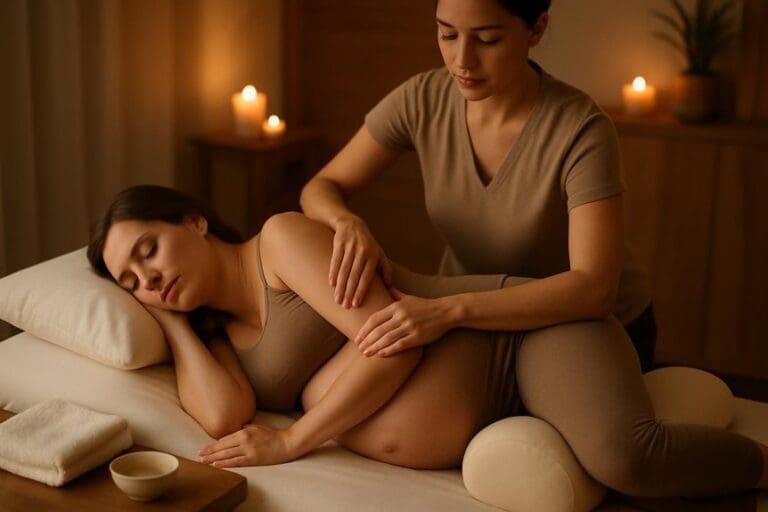
Foot massage is generally considered safe during pregnancy when administered by trained professionals using gentle, suitable techniques. Proper assessment of medical history and health profile is vital, as certain conditions—such as preeclampsia or gestational diabetes—may require medical clearance. Specific pressure points, especially near the inner ankle, should be avoided to prevent adverse effects. Professional therapists adapt their approach to guarantee maternal safety and comfort. For those seeking further guidance, more insight into precautions and benefits is available below.
Understanding Foot Massage and Pregnancy
A thorough understanding of foot massage during pregnancy requires consideration of both physiological changes and potential therapeutic benefits. Pregnancy induces significant alterations, including increased blood volume, fluctuating hormone levels, and heightened ligament laxity.
These shifts can contribute to lower limb oedema and discomfort, particularly in the feet and ankles. Expert therapists at Spa & Massage recognise that gentle, targeted techniques must be tailored for expectant mothers, avoiding excessive pressure or stimulation of specific reflex points linked to uterine activity.
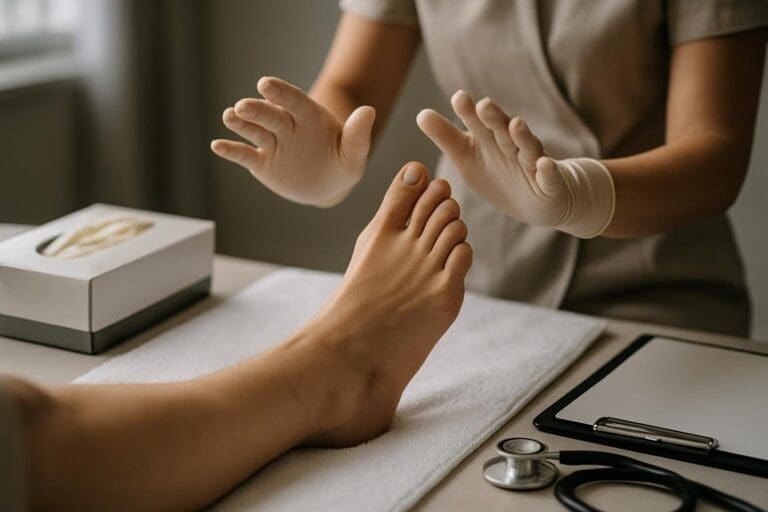
Clinical evidence supports the need for a cautious approach, prioritising maternal and fetal well-being. Therapists are trained to assess contraindications, such as preeclampsia or deep vein thrombosis, before commencing treatment.
It’s noteworthy that some of the therapeutic benefits offered by deep tissue massage are distinct from those of gentle foot massage and require a different level of pressure and caution during pregnancy.
This careful, individualised assessment ensures foot massage remains a safe, nurturing experience during pregnancy when administered by qualified professionals.
Potential Benefits of Foot Massage for Expectant Mothers
Clinical evidence suggests that foot massage during pregnancy may assist in reducing peripheral oedema and alleviating muscular discomfort.
Additionally, gentle massage techniques are associated with improved relaxation and enhanced sleep quality in expectant mothers.
At Spa & Massage, therapists tailor pregnancy massage protocols to prioritise safety while addressing these common concerns.
Reducing Swelling and Discomfort
While pregnancy naturally leads to physiological changes such as fluid retention and increased pressure in the lower extremities, targeted foot massage may assist in alleviating mild swelling (oedema) and discomfort.
Clinical studies suggest that gentle, rhythmic movements applied to the feet can stimulate venous and lymphatic return, thereby reducing fluid accumulation and associated heaviness.
At Spa & Massage, therapists employ carefully adapted techniques—avoiding deep pressure and focusing on soothing, upward strokes—to promote conducive comfort for expectant mothers.
Clients often report a sense of lightness and reduced tightness following sessions.
It is recommended, however, that any signs of severe swelling or pain be promptly discussed with a healthcare provider before seeking massage.
Each session is tailored to individual needs, prioritising safety, nurturing touch, and professional expertise.
Promoting Relaxation and Sleep
How does foot massage influence relaxation and sleep in pregnancy? Clinical evidence suggests that targeted foot massage can activate the parasympathetic nervous system, promoting physiological relaxation and reducing stress hormone levels.
For expectant mothers, this may translate into improved sleep quality and decreased anxiety.
At Spa & Massage, therapists employ gentle, tailored techniques that focus on comfort and safety, avoiding contraindicated pressure points.
Many clients report a sense of calm and enhanced sleep following sessions, which can be attributed to both the release of muscular tension and the soothing environment of our clinics.
While these benefits are promising, our therapists advise that any massage during pregnancy should be discussed with a healthcare provider, especially for those with high-risk pregnancies or pre-existing medical conditions.
Safety Considerations and Contraindications
When providing foot massage to pregnant clients, clinical guidelines advise careful attention to sensitive pressure points that may be contraindicated during pregnancy.
Individuals with high-risk pregnancies require additional precautions and should seek medical clearance before pursuing massage therapy.
Clear communication between the client and therapist is essential to guarantee a safe and individualized approach, as practiced at Spa & Massage clinics.
Sensitive Pressure Points Awareness
Although foot massage can offer considerable relief during pregnancy, heightened awareness of sensitive pressure points is vital to guarantee safety for both mother and baby.
Clinical evidence indicates that certain areas, such as the medial malleolus (inner ankle) and specific acupressure points, may be associated with uterine stimulation if subjected to intense or prolonged pressure.
At Spa & Massage, therapists receive specialised training in prenatal anatomy to avoid manipulation of these sensitive regions.
Gentle techniques, with light-to-moderate pressure, are employed to prioritise comfort and minimise any potential contraindication.
Clients are always encouraged to communicate sensations or discomfort throughout the session.
This mindful, evidence-based approach ensures that therapeutic benefit is achieved while reducing any risk.
Personal comfort and safety remain at the heart of every treatment.
High-Risk Pregnancy Precautions
In cases of high-risk pregnancy, clinical guidance dictates heightened vigilance regarding any form of massage therapy, including foot massage. Conditions such as preeclampsia, gestational diabetes, placenta previa, or a history of preterm labor require careful consideration before any hands-on treatment.
Evidence suggests that even gentle foot massage may present risks in these scenarios, including the potential for thromboembolic events or exacerbation of underlying complications. At Spa & Massage, therapists are trained to recognize contraindications and adhere to strict safety protocols, always prioritizing the well-being of expectant mothers.
Any massage intervention for high-risk pregnancies should only proceed following medical clearance. Clients are encouraged to disclose all relevant health information, allowing a tailored approach that respects both clinical best practice and the individual’s comfort and safety.
Therapist Communication Importance
Open, two-way communication between client and therapist forms the foundation of safe and effective foot massage during pregnancy. It is crucial that clients disclose all relevant medical history, current pregnancy status, and any discomforts or concerns prior to treatment.
Therapists, in turn, must ask targeted questions to identify potential contraindications such as pre-eclampsia, gestational diabetes, or deep vein thrombosis.
At Spa & Massage, therapists prioritise ongoing dialogue during each session, monitoring client comfort and adapting techniques accordingly.
This collaborative approach ensures that pressure, positioning, and duration align with individual needs and safety protocols.
Clear communication also fosters trust and relaxation, which are integral to therapeutic benefit and client well-being.
For ideal results, clients are encouraged to voice preferences, sensations, or changes at any stage.
Techniques Used by Therapists at Spa & Massage
Recognising the physiological changes that occur during pregnancy, therapists at Spa & Massage employ specialised foot massage techniques designed to maximise safety and comfort for expectant clients. Gentle effleurage and light petrissage are commonly utilised, focusing on promoting circulation and reducing oedema while avoiding excessive pressure.
Pressure is carefully moderated to accommodate increased fluid retention and heightened sensitivity, using slow, rhythmic movements to soothe and relax. Only hypoallergenic, pregnancy-safe oils are selected in Spa & Massage clinics, minimising the risk of skin irritation.
Therapists are trained to adapt their techniques based on trimester and individual health profiles, ensuring each session is tailored. This evidence-based approach fosters both physical relief and emotional reassurance, supporting maternal wellbeing throughout the pregnancy journey while prioritising client safety at every stage.
Areas to Avoid and Pressure Points of Concern
While foot massage offers notable benefits during pregnancy, certain anatomical regions and pressure points require careful avoidance to mitigate potential risks.
Evidence suggests that excessive stimulation of specific zones—such as the medial malleolus (inner ankle), the area between the first and second metatarsals, and the region above the heel—may correspond with reflex points associated with uterine or pelvic activity.
At Spa & Massage, therapists are trained to avoid sustained or deep pressure on these areas, instead focusing on gentle, supportive techniques that promote relaxation without inadvertently triggering contractions or discomfort.
Clinical prudence also dictates avoiding vigorous manipulation of swollen or sensitive tissues, as these may be susceptible to injury or exacerbated edema.
Individual assessment and communication remain essential for safe, nurturing foot massage during pregnancy.
Preparing for Your Pregnancy Foot Massage Session

Prior to attending a pregnancy foot massage session, individuals benefit from understanding key preparatory steps to optimise safety and therapeutic outcomes.
Spa & Massage recommends that expectant clients consult their midwife or healthcare provider to confirm suitability, particularly if the pregnancy is high-risk or complications exist.
Hydration is encouraged before the session to support tissue health and promote relaxation.
Wearing comfortable, loose clothing allows unobstructed access and enhances comfort during the massage.
Clients are advised to communicate all medical conditions, allergies, and pregnancy-related symptoms to their therapist, ensuring an individualised approach.
At Spa & Massage, therapists conduct a thorough intake to review client history and tailor techniques accordingly, prioritising gentle pressure and avoiding contraindicated zones.
Open dialogue fosters trust and maximises the restorative potential of every session.
Aftercare Advice for Pregnant Clients
Following a pregnancy foot massage, appropriate aftercare is essential to optimise therapeutic benefits and minimise potential adverse responses.
At Spa & Massage, therapists recommend clients rest for a short period post-treatment to facilitate circulatory adjustments and integration of relaxation effects. Hydration is advised, as increased fluid intake supports metabolic waste elimination mobilised during massage.
Clients should monitor for unusual symptoms, such as persistent swelling, dizziness, or discomfort, and report these promptly to their healthcare provider. Foot elevation, when possible, can help reduce residual oedema.
Gentle movement is preferred over vigorous activity immediately after a session. In our clinics, therapists may suggest specific home care practices, including light stretching and continued self-awareness of body changes.
This approach nurtures comfort, safety, and ongoing wellbeing throughout pregnancy.
Conclusion
To conclude, with expert guidance and appropriate modifications, foot massage during pregnancy can be as soothing as a gentle tide, offering comfort while prioritizing safety. Clinical evidence supports its potential benefits, yet caution remains paramount—individual health status and trimester must always guide treatment decisions. At Spa & Massage, therapists employ tailored techniques, mindful of contraindications and sensitive areas, ensuring both maternal and fetal wellbeing are safeguarded. Consultation with healthcare professionals is always advised before initiating massage therapy.