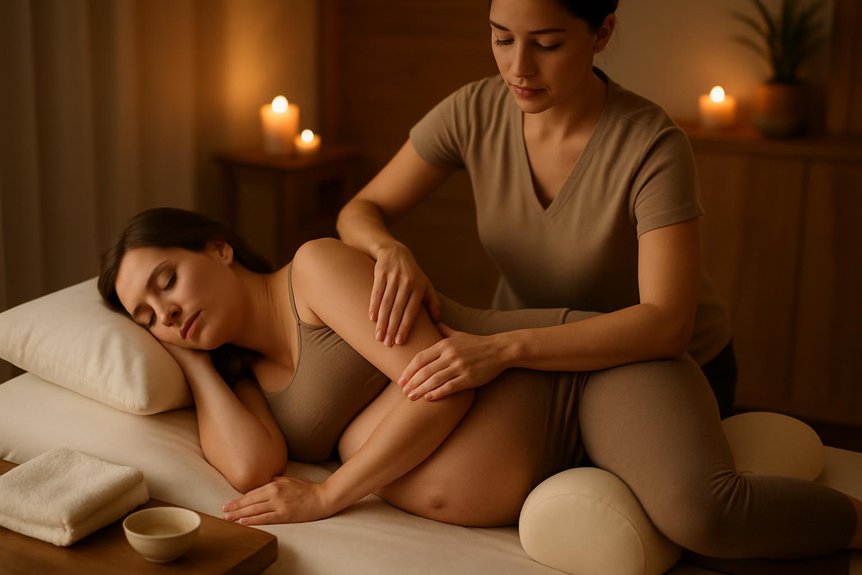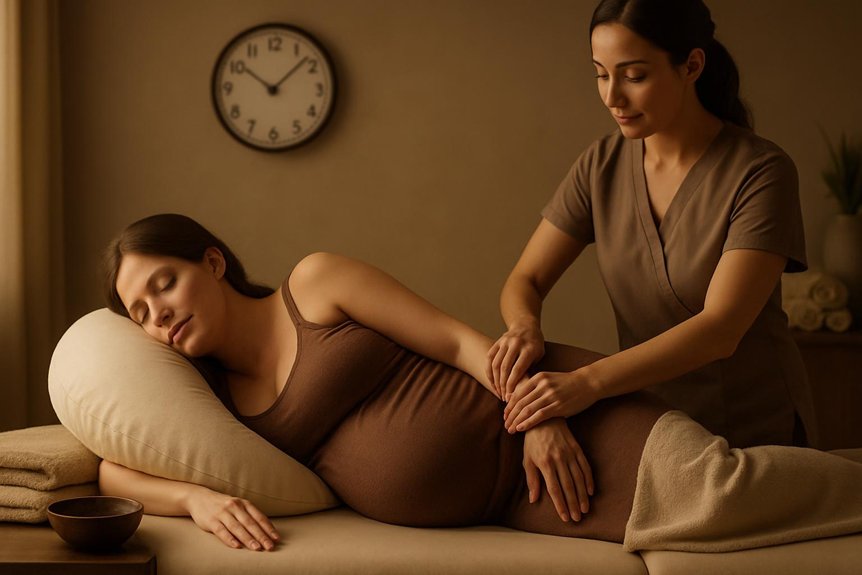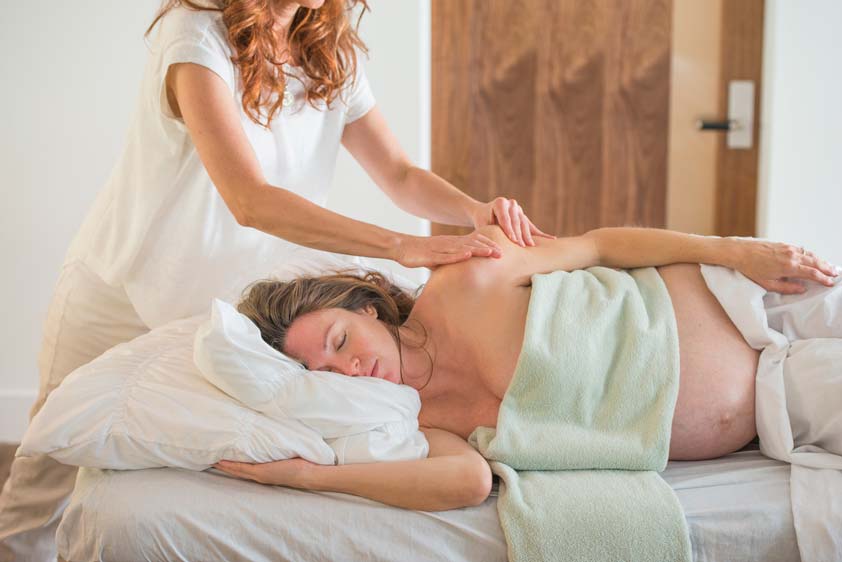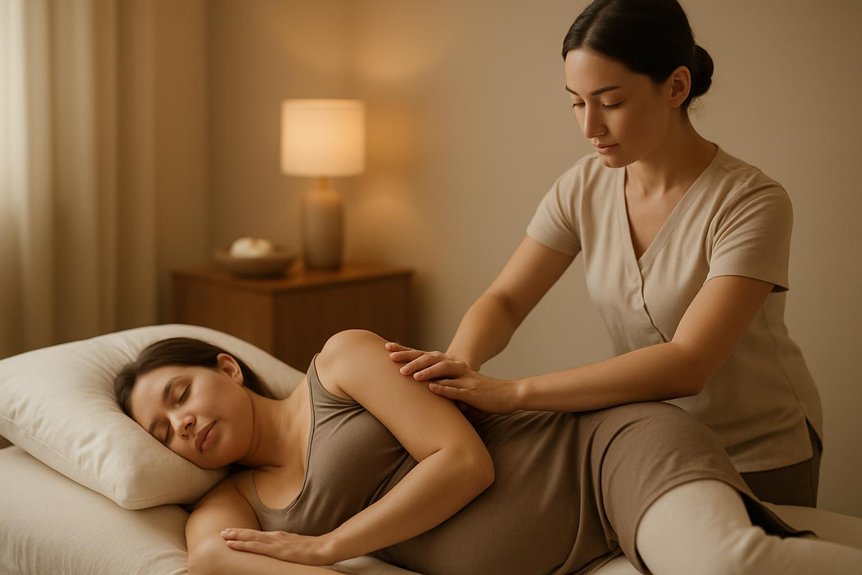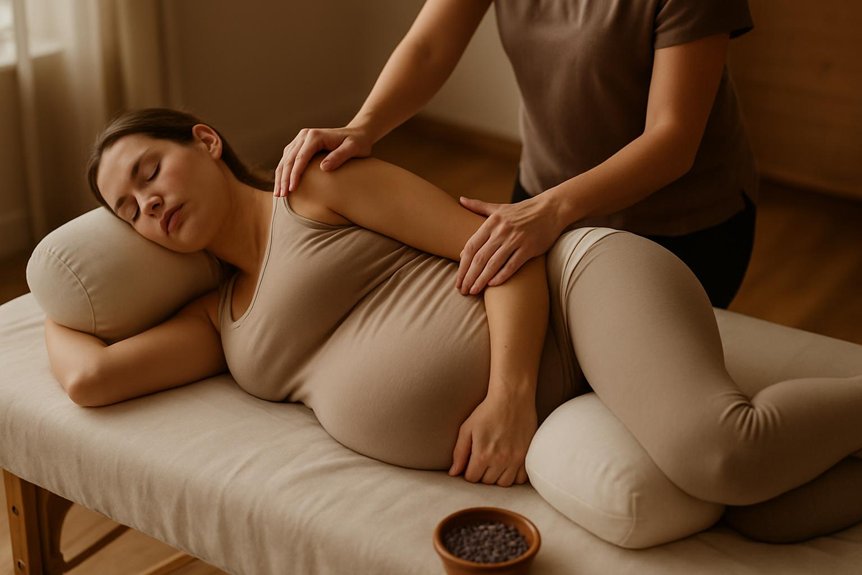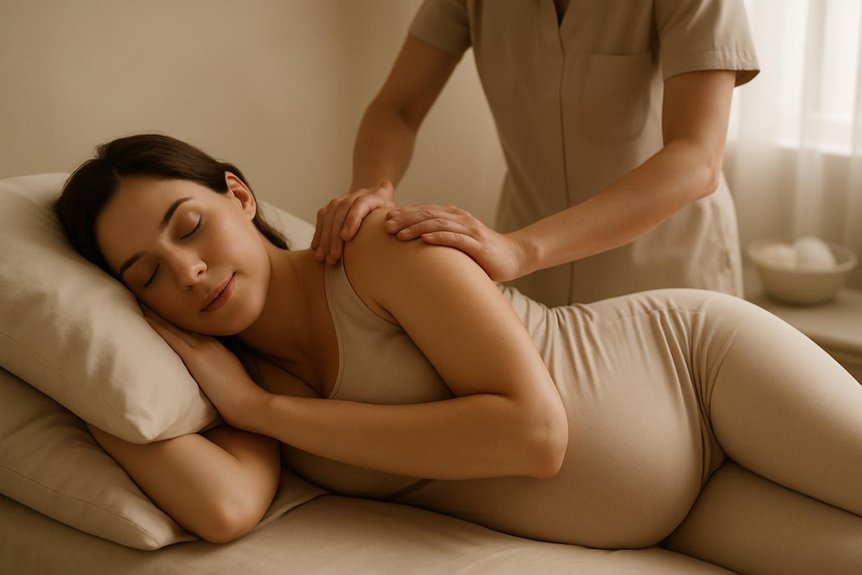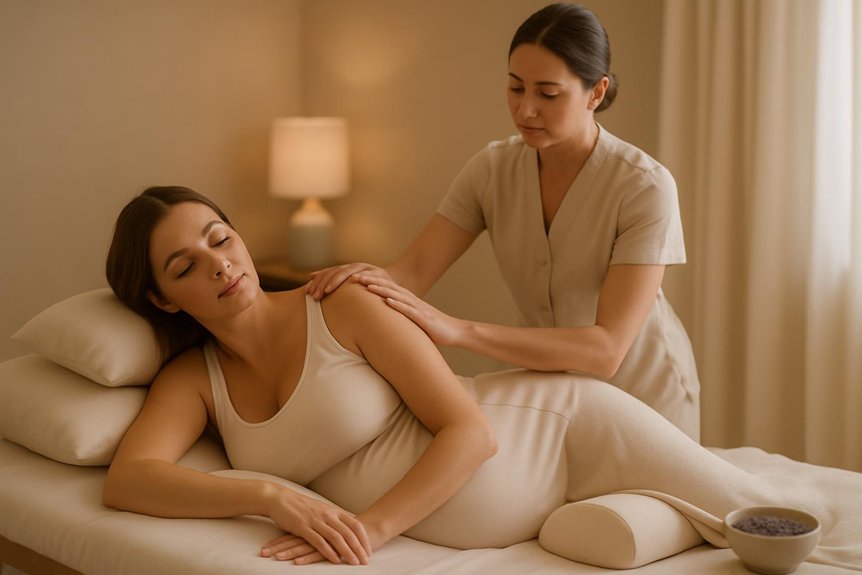
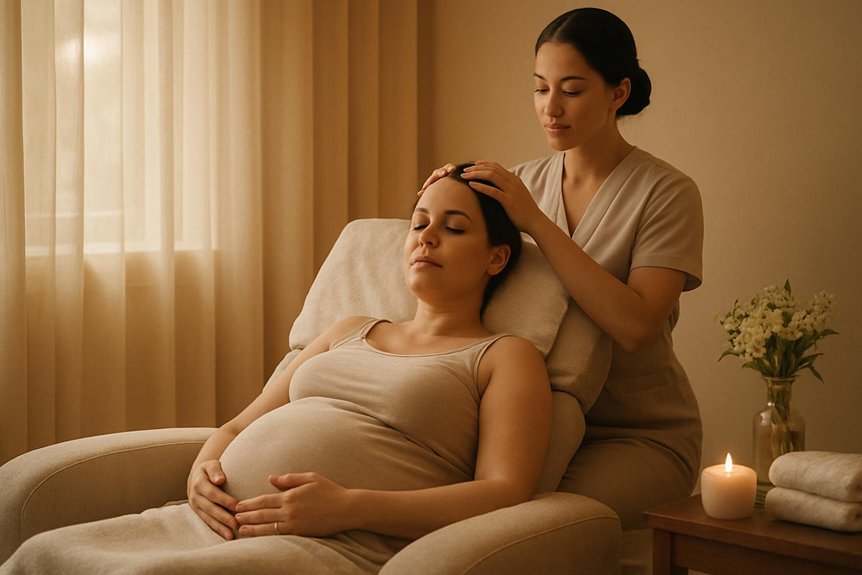
Head massage during pregnancy is generally safe when performed by a trained professional who adapts techniques for each trimester and considers individual health status. Therapists use gentle pressure, avoid sensitive acupressure points, and select pregnancy-safe oils to reduce risk. Careful positioning, such as semi-reclined or side-lying, further supports maternal comfort and circulation. Pregnant individuals should communicate any health concerns to their therapist. For further insight into precautions, benefits, and strategies, more detailed guidance is available.
Understanding Head Massage During Pregnancy
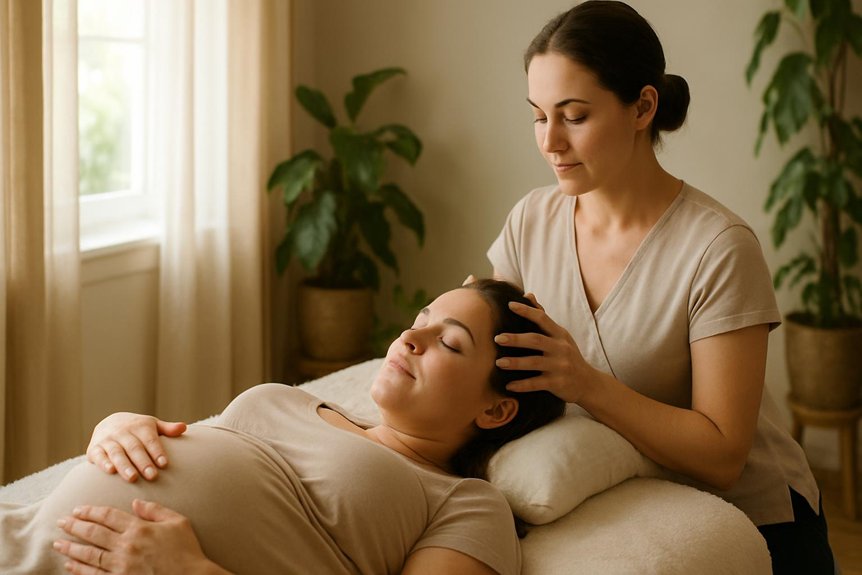
How does pregnancy impact the safety and efficacy of head massage? During pregnancy, physiological changes—such as increased blood volume, hormonal fluctuations, and heightened sensitivity—may influence how a woman responds to head massage.
Clinical evidence suggests that head massage, when performed by a trained therapist familiar with prenatal care, carries minimal risk if tailored appropriately.
Spa & Massage ensures therapists are trained to avoid excessive pressure, particularly on vascular areas, and to use hypoallergenic oils suitable for sensitive skin.
Pregnant clients may experience altered thresholds for touch and temperature, necessitating attentive, adaptable techniques.
Extensive consultation and open communication are essential to identify contraindications, such as preeclampsia or certain skin conditions.
Additionally, integrating the soothing elements of aromatherapy massage can further promote relaxation and well-being for expectant mothers during their pregnancy journey.
Common Benefits of Head Massage for Expectant Mothers
Evidence suggests that head massage may help reduce stress and muscular tension, both of which are commonly experienced during pregnancy.
Some expectant mothers also report improvements in sleep quality following regular, professionally administered head massage sessions.
At Spa & Massage, therapists are trained to adapt techniques and pressure to accommodate pregnancy-specific needs, with careful attention to safety and individual response.
Stress and Tension Relief
During pregnancy, physiological and hormonal changes can increase susceptibility to stress and muscular tension, particularly in the scalp, neck, and shoulders.
Evidence suggests that targeted head massage may help reduce perceived stress levels by promoting localized circulation and easing muscle tightness.
At Spa & Massage, therapists employ gentle, pregnancy-safe techniques to address these areas, ensuring each session is tailored to the client’s comfort and safety.
Clinical observations indicate that regular head massage can decrease the severity of tension headaches and may offer temporary relief from anxiety symptoms.
However, all interventions are carefully adapted to avoid excessive pressure and contraindicated points.
Expectant mothers are encouraged to communicate openly with their therapist, ensuring that every touch is both therapeutic and nurturing, while minimizing any potential risks.
Improved Sleep Quality
Restorative sleep can become increasingly elusive for expectant mothers due to hormonal fluctuations, physical discomfort, and heightened anxiety.
Clinical studies indicate that gentle head massage may facilitate improved sleep quality by promoting relaxation and reducing muscle tension, both of which are linked to difficulty falling and staying asleep.
At Spa & Massage, therapists use slow, rhythmic techniques tailored to each client’s needs, focusing on areas often associated with tension-induced insomnia, such as the scalp, neck, and shoulders.
While many clients report deeper, more restful sleep following sessions, it is essential to assess for any contraindications, such as high-risk pregnancy or pre-existing scalp conditions.
Our therapists always prioritise safety, adapting treatment to maximise benefits and minimise any risks to mother and baby.
Safety Considerations for Pregnant Clients
How can head massage be provided safely to pregnant clients? Safety during pregnancy requires careful attention to maternal comfort, gestational stage, and pre-existing medical conditions.
At Spa & Massage, therapists conduct thorough consultations to identify any contraindications, such as high-risk pregnancy, hypertension, or recent complications.
Gentle positioning—often seated or semi-reclined—reduces pressure on the abdomen and supports circulation.
Therapists avoid excessive pressure and refrain from stimulating acupressure points linked to uterine contractions.
Only hypoallergenic, pregnancy-safe oils are used to minimise risk of skin sensitivity.
Continuous communication ensures immediate feedback and adjustment of technique.
Evidence supports that, with these precautions, head massage can be a safe, nurturing experience for most pregnant clients, provided it is administered by a qualified, attentive professional in a controlled setting.
Techniques Used by Therapists at Spa & Massage
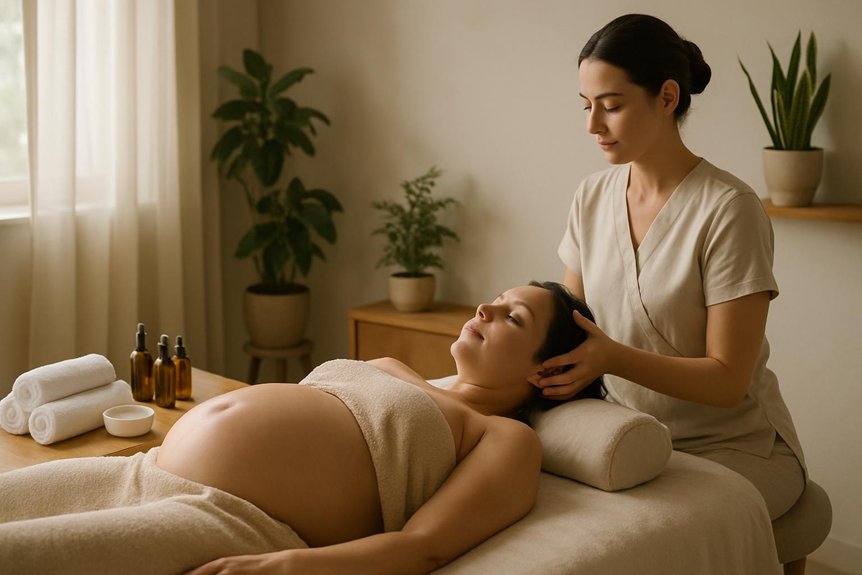
Following a thorough safety assessment, Spa & Massage therapists implement specialised techniques designed to accommodate the physiological changes of pregnancy and minimise any risk. Therapists use gentle, rhythmic movements and light to moderate pressure, focusing primarily on the scalp, neck, and shoulders to promote relaxation while avoiding excessive stimulation.
In Spa & Massage clinics, only pregnancy-appropriate oils are selected, guaranteeing that all products used are hypoallergenic and free from contraindicated essential oils. Client positioning is carefully adjusted to maximise comfort and safety, typically utilising supportive cushions to prevent strain.
Therapists maintain clear communication throughout, adapting touch and pressure based on real-time feedback to offer a personalised experience. This methodical, evidence-based approach ensures the head massage remains both soothing and clinically appropriate for expectant clients.
Precautions and Contraindications to Be Aware Of
When providing head massage during pregnancy, therapists must exercise caution regarding sensitive pressure points that may induce discomfort or trigger unwanted physiological responses.
Clinical best practice also requires assessment of suitability according to the client’s trimester, as certain techniques may not be appropriate throughout all stages of pregnancy.
At Spa & Massage, therapists are trained to identify contraindications and adapt treatments to guarantee maternal and fetal safety.
Sensitive Pressure Points Awareness
Why is awareness of sensitive pressure points essential during pregnancy massage?
During pregnancy, certain cranial, cervical, and acupressure points may be more reactive due to physiological and hormonal changes. Evidence suggests that overstimulation of specific pressure points—particularly at the base of the skull and around the neck—can potentially induce discomfort, dizziness, or, in rare cases, influence uterine activity.
At Spa & Massage, therapists are meticulously trained to recognise and avoid excessive pressure on these areas, ensuring both maternal and fetal safety.
Careful technique adaptation minimises risk, fosters a sense of trust, and allows for safe relaxation. This risk-aware, nurturing approach is fundamental, as intimacy in therapeutic touch must always align with clinical safety, especially for expectant mothers seeking comfort and reassurance.
Suitability for Each Trimester
Although head massage is generally considered safe during pregnancy, its suitability can vary markedly across the three trimesters due to distinct physiological changes and associated risks.
In the first trimester, caution is paramount, as this is a period of heightened sensitivity and increased miscarriage risk. Gentle, non-invasive techniques are preferred, and any signs of dizziness or nausea should prompt immediate cessation.
During the second trimester, most clients tolerate head massage well, yet therapists at Spa & Massage remain vigilant regarding blood pressure fluctuations and positional comfort.
In the third trimester, careful positioning—often upright or side-lying—is essential to avoid vena cava compression.
Across all trimesters, contraindications include severe headaches, hypertension, or unexplained symptoms, warranting consultation with a healthcare provider before proceeding with treatment.
Recommended Oils and Products for Pregnancy Head Massage
Given the heightened sensitivity of skin and olfactory senses during pregnancy, careful selection of oils and products for head massage is vital to minimise risks of irritation or adverse reactions.
Spa & Massage therapists recommend hypoallergenic, unscented, or mildly scented carrier oils such as sweet almond or grapeseed, which are generally well-tolerated and less likely to trigger sensitivities.
Essential oils are used with caution, if at all, and only those demonstrated to be safe in pregnancy—such as lavender in low concentrations—may be considered after individual assessment.
All products are patch-tested prior to use, and client preferences are respected to ensure comfort.
Avoidance of synthetic fragrances, parabens, and harsh chemicals further reduces the likelihood of adverse outcomes, supporting a nurturing and safe massage experience.
How to Communicate Your Needs to Your Therapist
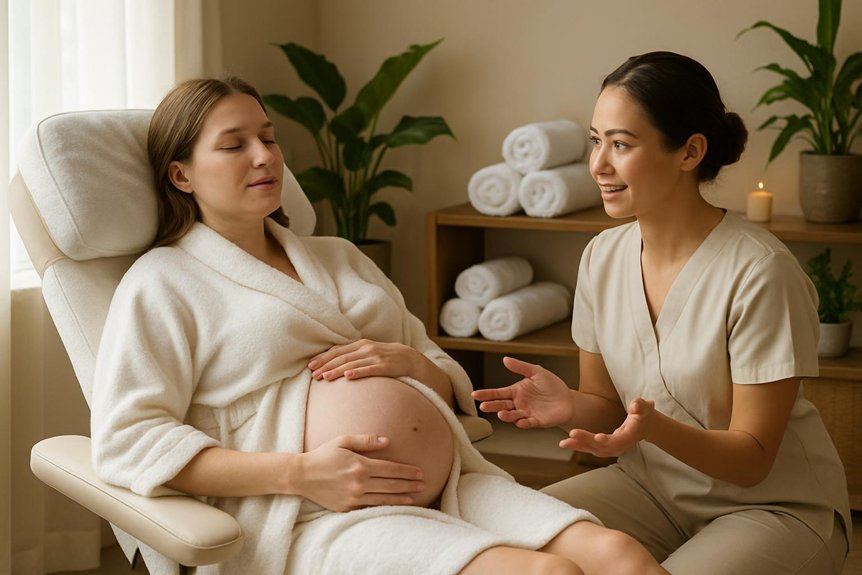
Clear communication between client and therapist is crucial to guarantee safety and effectiveness during pregnancy head massage.
At Spa & Massage, therapists encourage clients to disclose all relevant health details, including pregnancy stage, medical history, and any discomfort or sensitivities.
Evidence suggests that individual risk profiles may impact massage safety, so sharing information regarding prior complications or current symptoms is essential.
Clients are urged to specify preferred pressure, areas of tension, and any aversions to scents or oils.
This tailored dialogue allows therapists to adapt techniques and select appropriate, pregnancy-safe products.
Open, honest discussion cultivates trust and ensures that the experience remains nurturing and risk-mitigated, enhancing both comfort and therapeutic benefit in a manner aligned with Spa & Massage’s client-focused philosophy.
Aftercare Tips Following a Head Massage During Pregnancy
Following a head massage during pregnancy, appropriate aftercare is essential to minimise potential risks and optimise therapeutic benefits. Spa & Massage recommends clients remain hydrated, as massage may increase fluid movement and promote toxin release.
It is advised to rest for a short period post-treatment, allowing the body to fully integrate the calming effects. Should dizziness or sensitivity occur, clients are counselled to sit or lie down until symptoms resolve.
Gentle stretching of the neck and shoulders can enhance circulation without overstimulation. In our clinics, therapists select hypoallergenic oils to reduce the risk of skin irritation, but clients should monitor for delayed reactions.
If unusual discomfort, headache, or swelling persists, medical consultation is advised. These practices support both immediate comfort and ongoing maternal wellbeing.
Conclusion
In essence, head massage during pregnancy, when performed by a qualified therapist following proper protocols, is generally considered safe and beneficial. Like tending a garden—where careful attention fosters healthy growth—individualised assessment, clear communication, and adherence to clinical recommendations are essential. Expectant mothers should remain vigilant for contraindications and consult with healthcare providers as needed. Ultimately, evidence supports head massage as a valuable component of prenatal care when safety guidelines are meticulously observed.