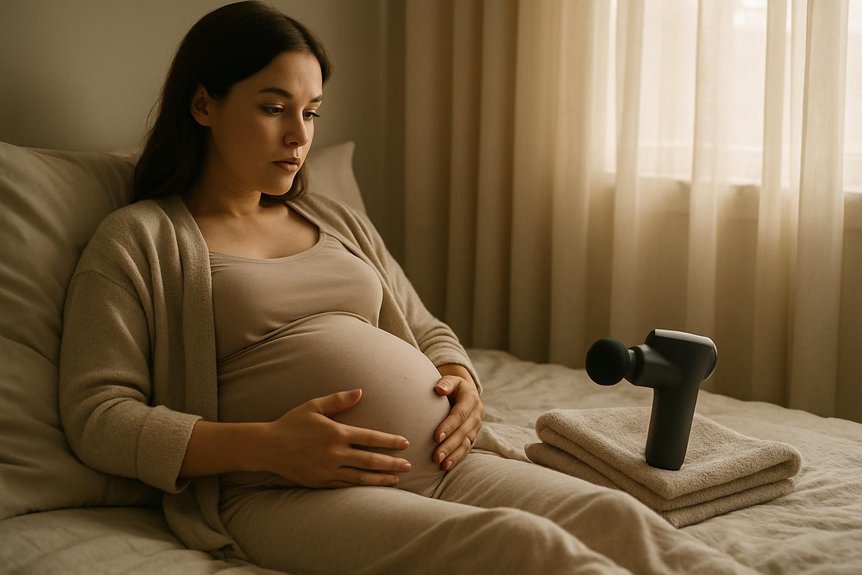
Current clinical evidence does not support the routine use of massage guns during pregnancy. Due to physiological changes, including increased tissue sensitivity, vascularity, and joint laxity, percussive devices may pose risks such as maternal trauma or inadvertent stimulation of sensitive regions. Gentle, manual techniques by trained therapists are strongly preferred, and any intervention should be tailored with careful medical oversight. Those seeking detailed information on safe practices and alternatives may benefit from further exploration of related guidelines.
Understanding Pregnancy Massage: What Changes During Pregnancy
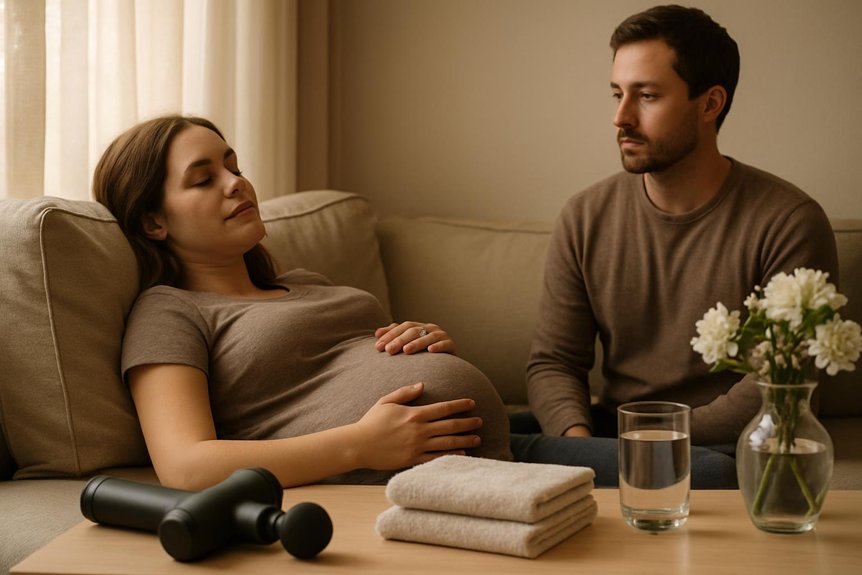
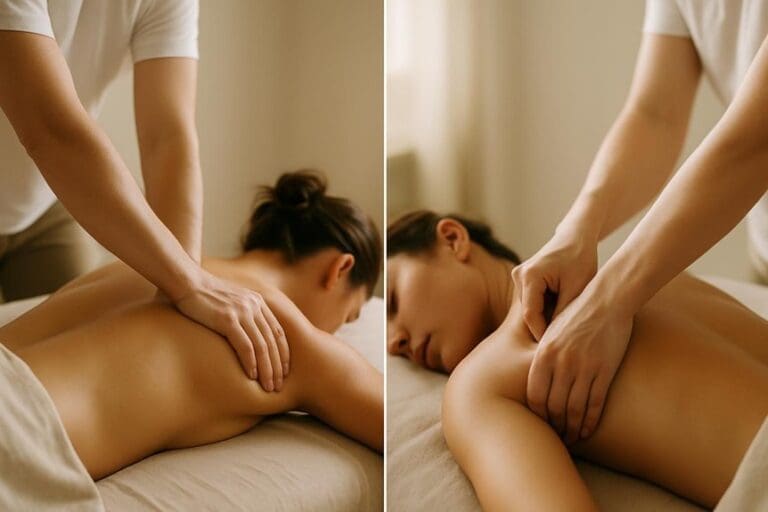
How does pregnancy alter the body’s response to therapeutic touch? Pregnancy induces significant physiological and hormonal changes, increasing blood volume, altering connective tissue elasticity, and redistributing body weight, all of which influence how the body perceives and responds to massage stimuli. Increased vascularity and the tendency for edema heighten sensitivity, while joint laxity raises susceptibility to strain. At Spa & Massage, therapists employ gentle, adaptive techniques, focusing on comfort and safety, particularly avoiding deep or percussive pressure over certain anatomical regions. Evidence suggests massage may alleviate musculoskeletal discomfort and promote emotional well-being during pregnancy, but only when tailored to these unique needs. Individual assessment, open communication, and professional expertise are essential to guarantee both nurturing connection and clinical safety throughout prenatal massage sessions. Some of the techniques used in prenatal care are adapted from Deep Tissue Massage methods, but are modified to prioritize safety and comfort for expectant mothers.
How Massage Guns Work and Their Intended Use
Widely utilised in sports and rehabilitation settings, massage guns deliver rapid, concentrated percussive movements to targeted muscle groups. This mechanism, termed percussive or vibration therapy, aims to increase local blood flow, reduce muscle tension, and promote tissue relaxation.
Devices are engineered for self-administration, offering users the ability to modulate intensity and frequency, theoretically providing relief from muscular discomfort and post-exertional soreness.
The intended use of massage guns involves short applications to large muscle groups, such as the thighs, back, or shoulders, typically after physical activity.
Clinical studies indicate potential benefits for delayed onset muscle soreness and general muscle tightness.
At Spa & Massage, hands-on techniques remain the gold standard, as they allow for nuanced pressure adjustment and continuous assessment of client comfort and safety.
Potential Risks of Using Massage Guns While Pregnant
While massage guns can provide targeted percussive therapy to alleviate muscle tension, their application during pregnancy presents specific safety concerns. The rapid, repetitive force delivered by these devices may increase the risk of trauma to vascular structures, especially in areas prone to swelling such as the lower limbs.
There is also potential for inadvertent stimulation of pressure points that could theoretically induce uterine contractions or discomfort. Spa & Massage advises that, due to physiological changes during pregnancy—including increased blood flow, ligament laxity, and heightened sensitivity—clients should exercise caution with any percussive device.
Clinical evidence remains limited regarding massage gun safety in pregnancy, so best practice involves seeking guidance from a qualified therapist.
Personalised, gentle approaches remain preferable to mitigate potential maternal and fetal risks.
Safe Alternatives for Pregnancy Pain Relief
For individuals seeking pregnancy pain relief, evidence supports the use of gentle prenatal massage techniques, as practiced by qualified therapists at Spa & Massage, to promote musculoskeletal comfort and relaxation.
Safe self-care practices, such as proper positioning and the use of supportive pillows, are also recommended to minimize strain.
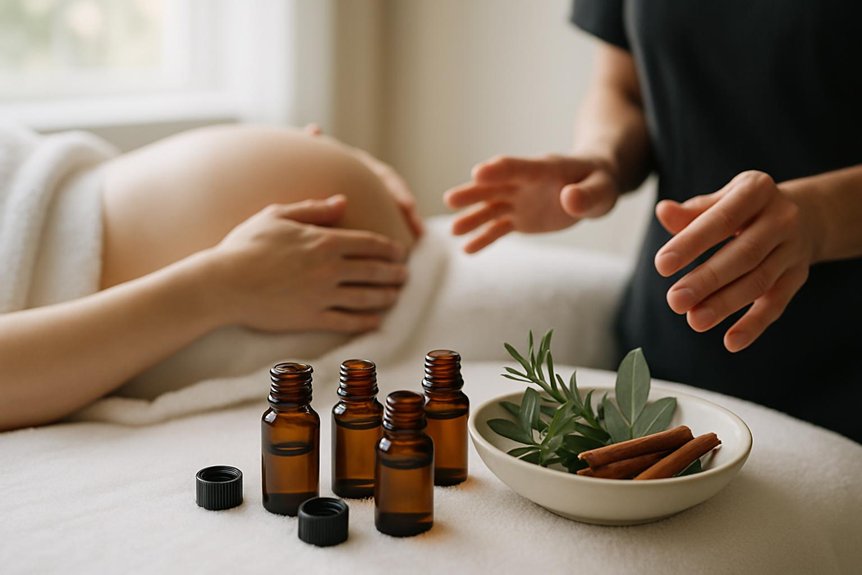
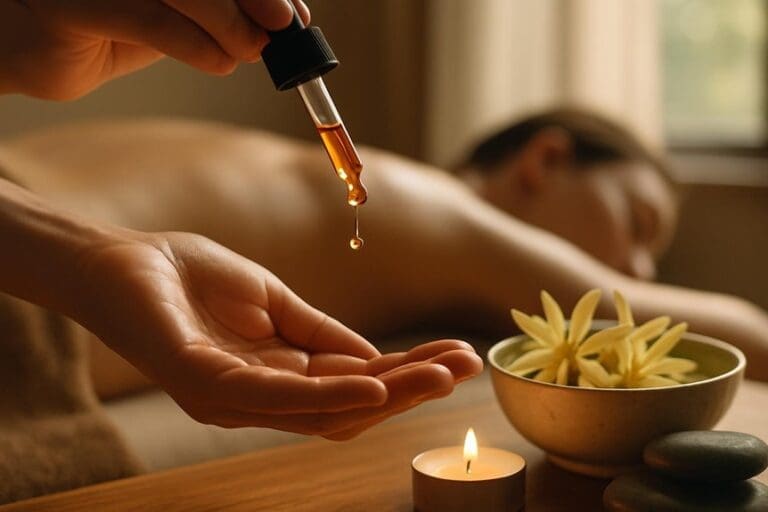
Additionally, soothing therapies like aromatherapy with pregnancy-safe essential oils may provide adjunctive relief when administered under professional guidance.
Gentle Prenatal Massage Techniques
Although pregnancy often brings a range of musculoskeletal discomforts, research supports that gentle, targeted massage techniques can safely alleviate pain and promote relaxation when administered by trained professionals.
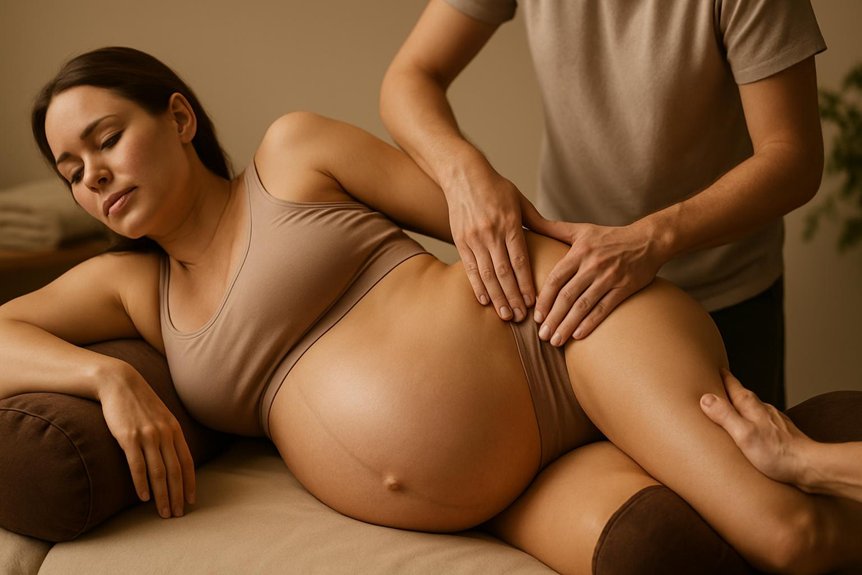
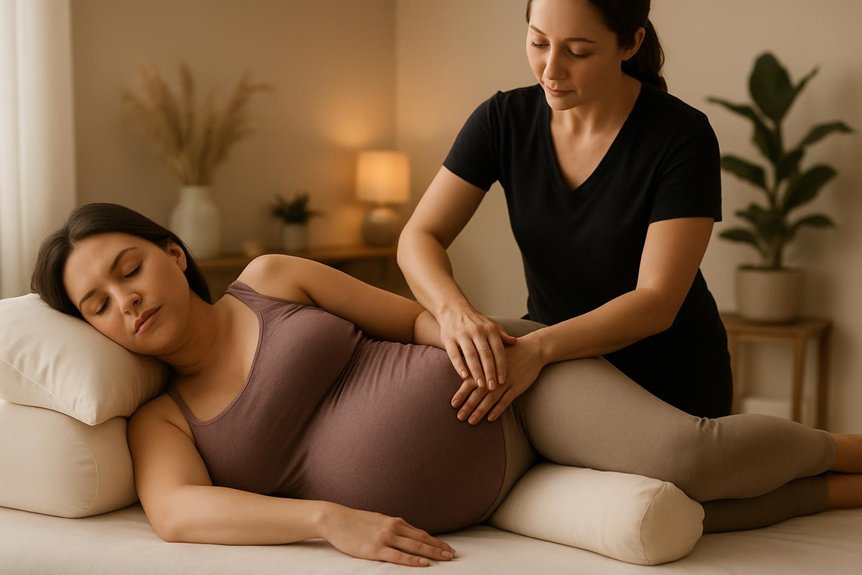
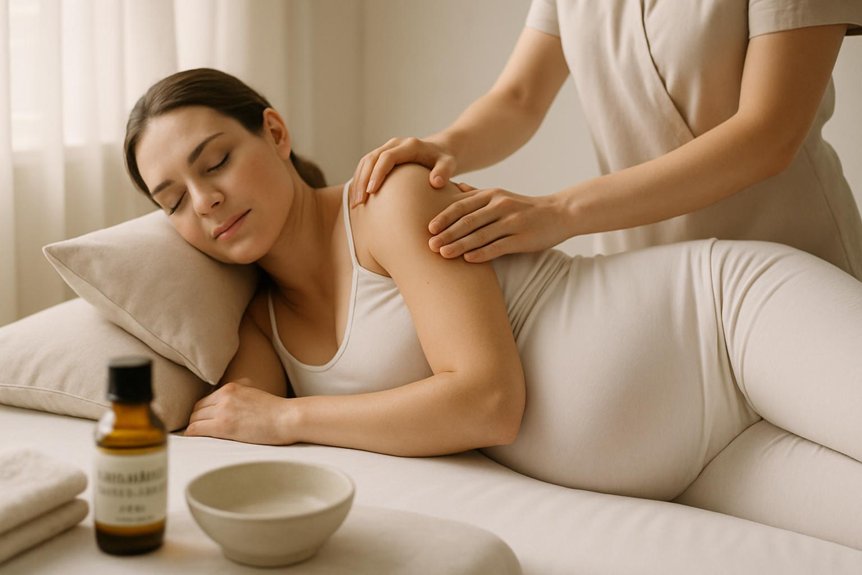
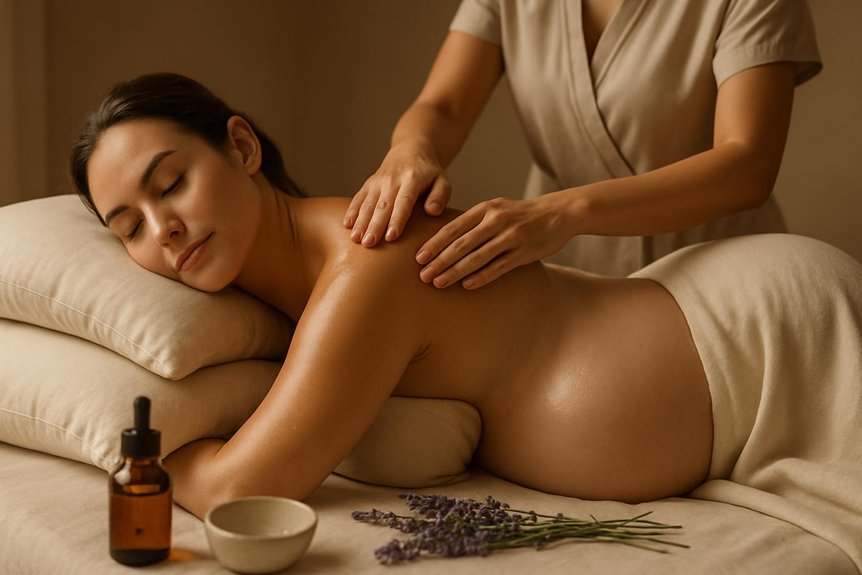
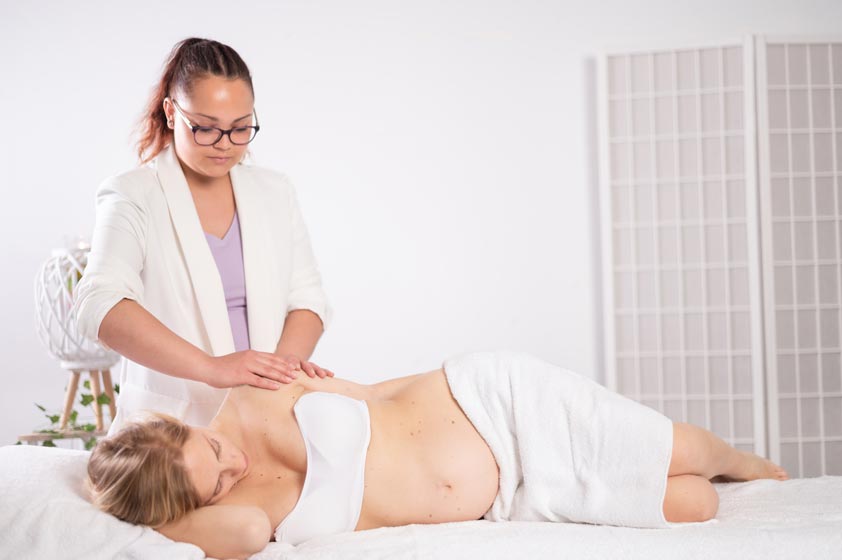
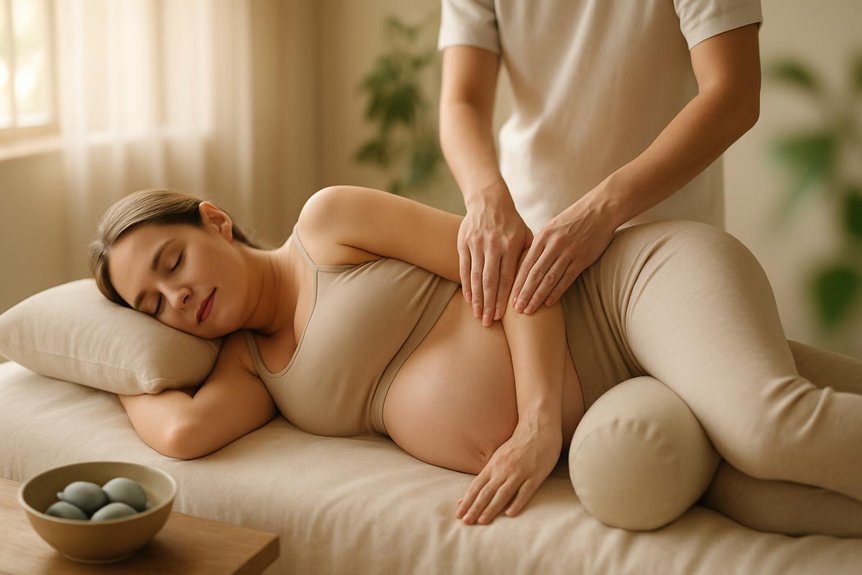
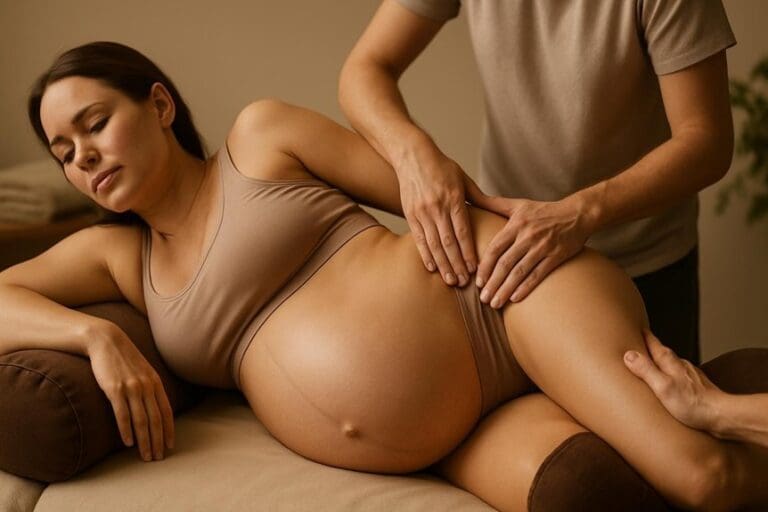
In Spa & Massage clinics, therapists employ specialised prenatal techniques, including side-lying positioning, light effleurage, and gentle kneading, focusing on areas prone to tension such as the lower back, hips, and shoulders.
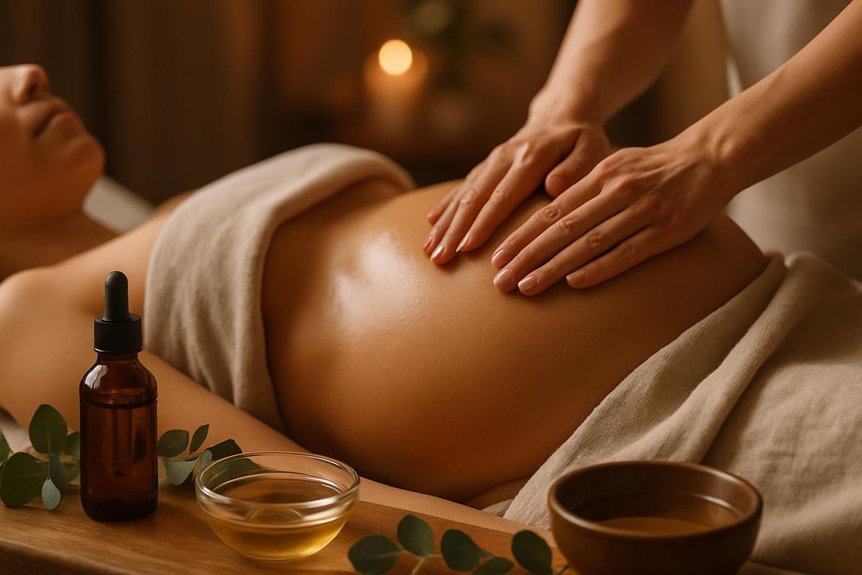
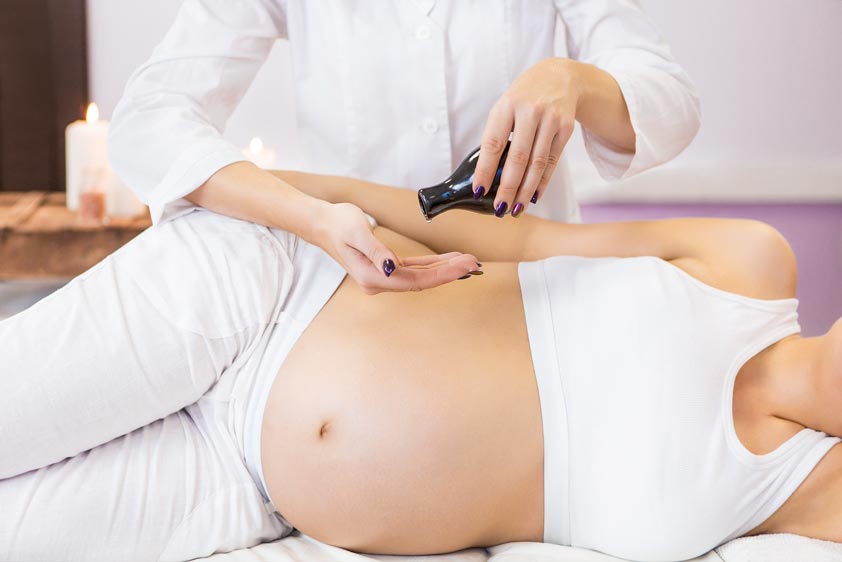
Only hypoallergenic, non-irritating oils are used to protect sensitive skin and support a soothing experience.
Pressure is carefully modulated, avoiding deep tissue work and contraindicated areas, particularly around the abdomen and inner thighs.
Evidence indicates these approaches may reduce stress hormones and improve maternal well-being.
Regular consultation with healthcare providers is recommended to guarantee massage remains a safe, nurturing complement throughout pregnancy.
Safe Self-Care Practices
Prenatal massage administered by qualified therapists offers clear therapeutic benefits; however, ongoing self-care between sessions remains important for managing musculoskeletal discomforts during pregnancy.
Evidence supports gentle, non-invasive strategies such as application of cold or warm compresses, guided prenatal stretching, and the use of pregnancy-supportive cushions for posture optimization.
At Spa & Massage clinics, therapists recommend daily mobility exercises and mindful breathing techniques to alleviate tension, improve circulation, and promote relaxation.
Self-massage with light pressure—using hypoallergenic oils appropriate for pregnancy—may offer additional localized relief, provided abdominal and deep tissue areas are avoided.
It is imperative for individuals to monitor for any adverse responses, such as increased pain or swelling, and to consult healthcare providers before initiating new self-care routines.
Recommended Soothing Therapies
While massage guns are generally not recommended during pregnancy due to potential risks, a variety of evidence-based therapies can safely address common musculoskeletal discomforts.
At Spa & Massage, certified therapists frequently recommend prenatal massage, which utilises gentle, targeted techniques to alleviate tension in the lower back, hips, and legs.
Manual lymphatic drainage, another safe modality, supports circulation and minimises swelling.
Guided aromatherapy, using pregnancy-safe essential oils, helps reduce anxiety and promote relaxation when administered by trained professionals.
Reflexology, focusing on specific pressure points in the feet, may also provide relief from pregnancy-related discomforts.
All interventions are carefully adapted, with client comfort and safety as priorities.
Spa & Massage therapists encourage open communication, ensuring each session aligns with individual needs and medical guidance.
Recommended Massage Techniques for Expectant Mothers
For expectant mothers, Spa & Massage therapists employ gentle touch techniques with an emphasis on the lower back to address common musculoskeletal discomforts of pregnancy.
Evidence supports the use of light to moderate pressure, carefully monitored to guarantee safety and comfort throughout each session.
Clinical protocols at our clinics prioritize individualized assessment to guide safe pressure application and ideal therapeutic outcomes.
Gentle Touch Techniques
Although physiological changes during pregnancy require special consideration, gentle touch techniques remain central to safe and effective massage therapy for expectant mothers.
At Spa & Massage, therapists adopt light effleurage, gentle kneading, and soothing strokes to promote relaxation, reduce peripheral edema, and improve maternal comfort without overstimulating sensitive tissues.
Clinical evidence supports the use of these non-invasive methods to help alleviate muscular tension while minimizing risk to both mother and fetus.
Therapists carefully avoid excessive pressure and percussive movements, particularly with devices like massage guns, prioritizing tailored, hands-on care.
Each session is adapted to the client’s trimester and unique needs, ensuring an environment of trust and nurturing.
Such cautious, expert application fosters a sense of connection, safety, and well-being during this transformative period.
Focused Lower Back
A significant proportion of pregnant individuals report lower back discomfort due to postural adaptations and increased lumbar lordosis.
In clinical practice at Spa & Massage, targeted lower back techniques are adapted to accommodate gestational anatomical changes. Therapists employ gentle effleurage and superficial petrissage along the paraspinal and sacral regions, prioritizing maternal comfort and safety.
Utilization of supportive bolsters and side-lying positioning minimizes strain and optimizes relaxation.
Evidence suggests that consistent, focused manual therapy in these areas may alleviate muscular tension, promote circulation, and foster a sense of nurturing connection.
Caution is exercised to avoid direct pressure over the lumbar vertebrae and sacrum.
Clients are encouraged to communicate openly regarding sensation and preferences, allowing for individualized adjustments throughout each session.
Safe Pressure Application
When considering massage interventions for expectant mothers, how is ideal pressure determined to guarantee safety and therapeutic benefit?
Evidence indicates that during pregnancy, gentle to moderate pressure, applied with care and constant feedback, is safest.
In Spa & Massage clinics, therapists employ slow, controlled strokes, avoiding abrupt or excessive force that could provoke discomfort or circulatory changes.
Pressure is meticulously adjusted according to each client’s feedback, anatomical changes, and gestational stage.
High-intensity devices, such as massage guns, may deliver inconsistent or excessive pressure, increasing risk.
Instead, Spa & Massage therapists favour hands-on techniques or softer massage tools, focusing on relaxation and symptom relief.
The philosophy is to foster trust, safety, and well-being for mother and baby, always prioritising gentle, attentive touch tailored to individual needs.
How Our Therapists at Spa & Massage Ensure Safety and Comfort
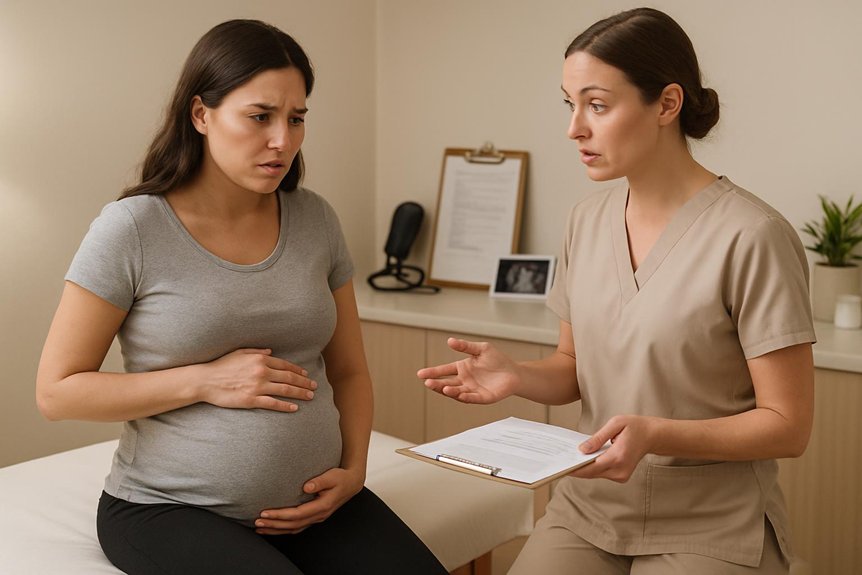
Recognising the unique physiological changes that occur during pregnancy, therapists at Spa & Massage implement rigorous protocols to prioritise client safety and comfort. Each treatment session begins with a thorough assessment, evaluating gestational age, medical history, and any contraindications.
Therapists employ evidence-based modifications, such as sidelying positioning and careful avoidance of high-risk anatomical areas, notably the abdomen and lower back. Only gentle manual techniques or specifically calibrated massage devices are considered, in strict accordance with current clinical guidelines.
Continuous client feedback is encouraged to monitor well-being throughout the session. All therapeutic interventions are tailored, with pressure, duration, and technique adjusted responsively to individual needs.
This vigilant, personalised approach ensures that every expectant client at Spa & Massage experiences maximum relaxation, within a clinically safe and nurturing environment.
Conclusion
In conclusion, while massage guns—much like the steam-powered contraptions of yesteryear—offer muscular relief for many, their application during pregnancy is not universally endorsed due to insufficient clinical evidence and potential risks. Expectant mothers should prioritise safer, evidence-based interventions such as prenatal massage administered by trained professionals. Spa & Massage therapists emphasise personalised care, ensuring foetal and maternal well-being remain paramount. Consultation with healthcare providers is strongly recommended before introducing any percussive therapy during gestation.