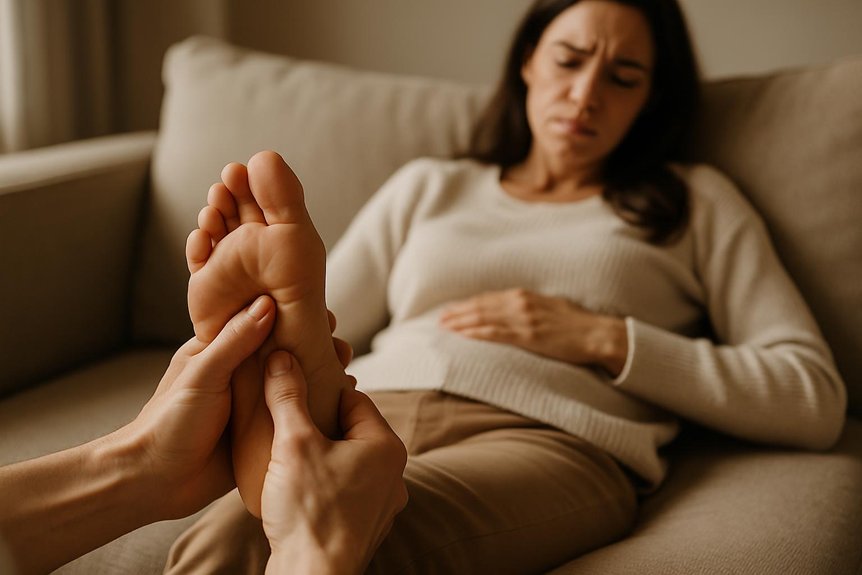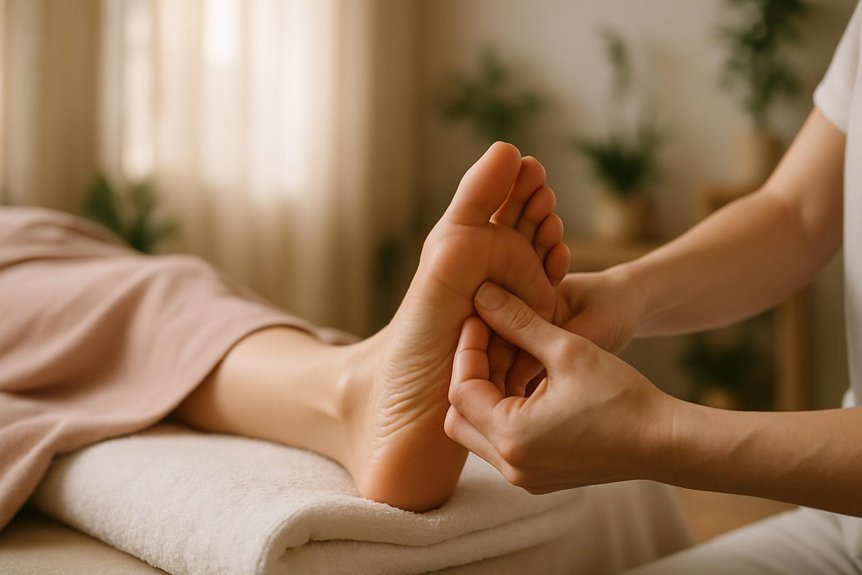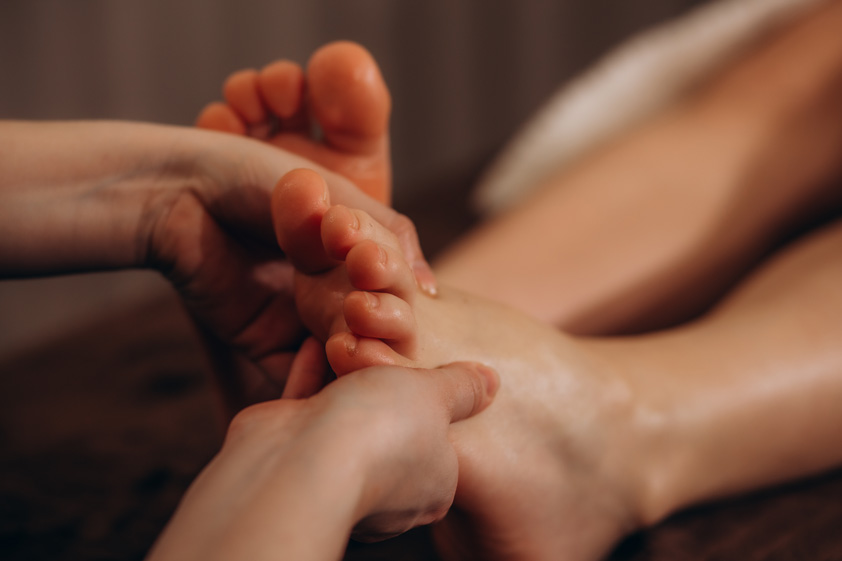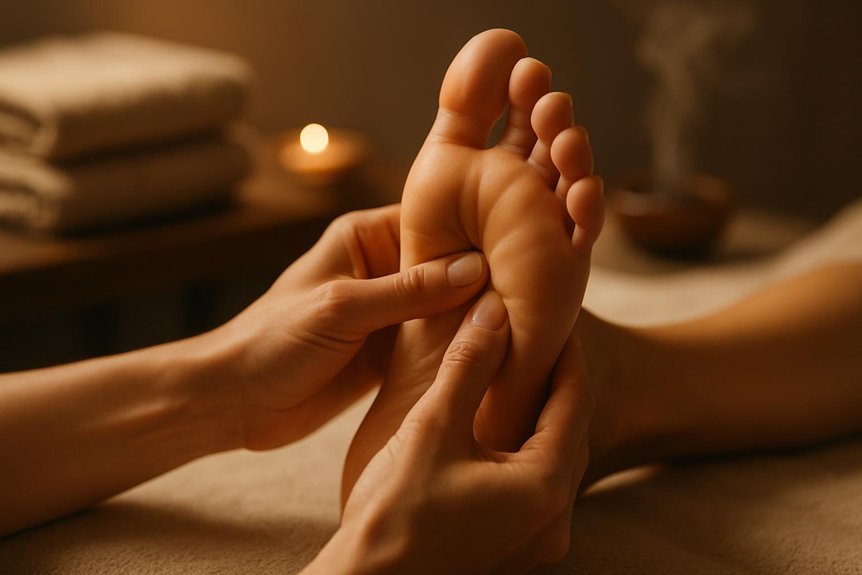
It is generally safe for most healthy adults when delivered by a properly trained practitioner, as it is low impact and non-invasive. It is mainly used for relaxation, stress modulation, and sleep support, while evidence for treating specific medical conditions remains limited. Mild, short-lived effects such as foot tenderness, fatigue, or headache can occur. Caution or medical clearance is advised with unstable heart disease, blood clots, severe circulation problems, infection, or reduced sensation; further guidance follows.
Is It Safe for Most People?
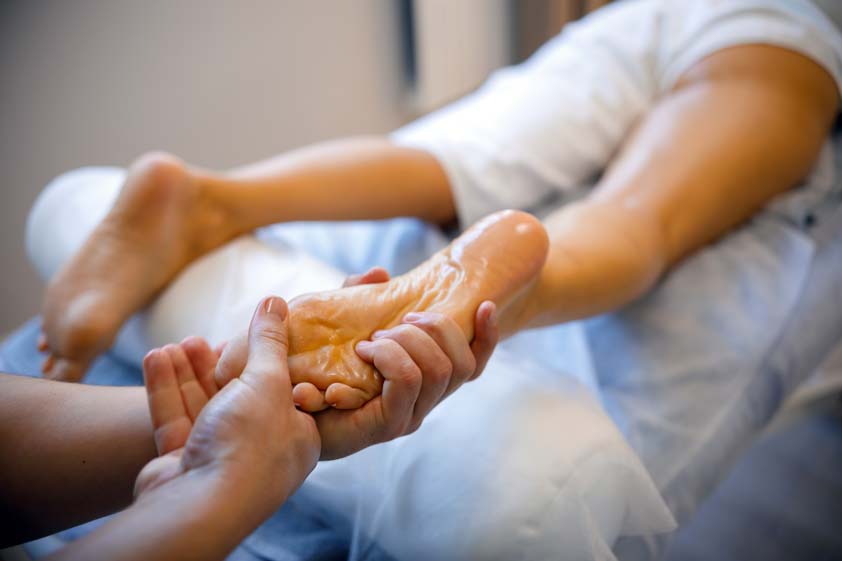
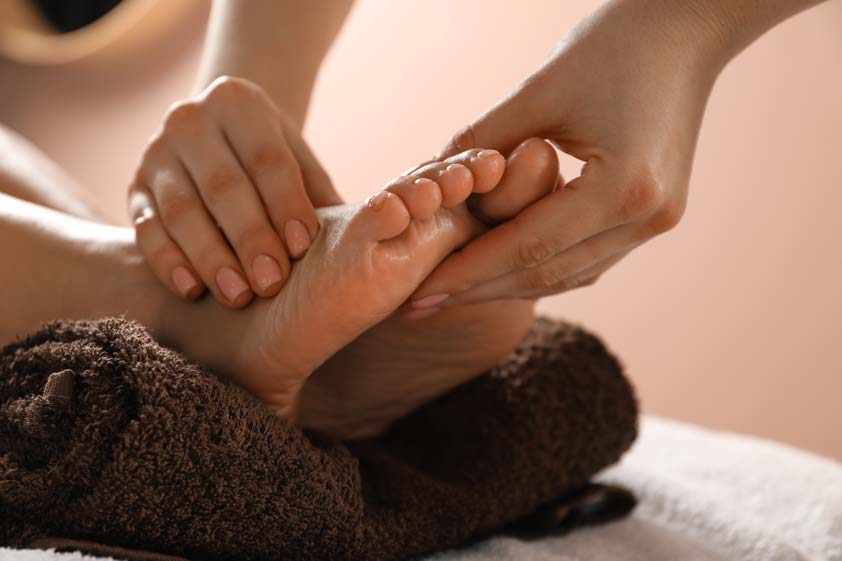
In general, it is considered safe for most healthy adults when it is delivered by a properly trained therapist and tailored to the individual. It is a low-impact, non-invasive approach that typically uses measured pressure on the feet, hands, or ears, with the client fully clothed and comfortably supported. Reported adverse effects are usually mild and short-lived, such as temporary tenderness, light fatigue, or a sense of release. Many people also explore the healing power of zone therapy as part of their wider wellbeing routine.
Evidence for specific medical outcomes remains limited, yet many people seek reflexology for relaxation, stress modulation, and improved sleep. At Spa & Massage clinics across London, therapists begin with a brief health check, agree pressure preferences, and adjust techniques to keep sensations soothing, not sharp, while maintaining clear consent throughout.
Who Should Avoid This Therapy(Key Contraindications)?
At Spa & Massage, it is not recommended for clients with certain high‑risk medical conditions without prior medical clearance, as targeted pressure may be inappropriate alongside acute illness, unstable cardiac status, or recent surgery.
Pregnancy also warrants caution—particularly in the first trimester or where complications are present—so treatment should be modified and approved by the client’s maternity care team.
People with circulation concerns such as deep vein thrombosis, severe varicose veins, or significant peripheral vascular disease may need to avoid this altogether due to potential risk of exacerbation.
High-Risk Medical Conditions
Given it’s circulatory and nervous-system effects, certain high‑risk medical conditions warrant avoidance or prior medical clearance. People with unstable cardiovascular disease (recent heart attack, uncontrolled arrhythmia, severe heart failure), acute deep‑vein thrombosis or known clotting disorders, or severe peripheral vascular disease should not book without a clinician’s approval.
Acute infections with fever, sepsis risk, or active cellulitis may worsen with close contact and should be deferred. It is also contraindicated with open wounds, unhealed fractures, or significant neuropathy where protective sensation is reduced.
Clients receiving anticoagulants, chemotherapy, or immunosuppressants require individual risk assessment. At Spa & Massage clinics across London, therapists screen confidentially, adjust pressure, and will recommend medical clearance and gentler alternatives when safety is uncertain.
Pregnancy And Circulation Concerns
Although it is commonly used for relaxation during pregnancy, it should be approached cautiously where pregnancy-related circulation changes or obstetric risk factors are present. Pregnancy increases venous pooling and clot risk; clients with previous DVT/PE, known thrombophilia, significant varicose veins, or leg swelling with pain should avoid foot work until medically cleared.
It should also be deferred in cases of pre-eclampsia, unexplained vaginal bleeding, placenta praevia, threatened preterm labour, or reduced fetal movements, as these require urgent obstetric assessment. At Spa & Massage, therapists screen thoroughly and may recommend pregnancy massage or gentle, non-compressive relaxation focused away from the lower legs and feet.
Any sudden warmth, tenderness, or one-sided swelling warrants same-day clinical review.
Is It Safe in Pregnancy (and When)?
During pregnancy, it is generally considered low risk when delivered by a suitably trained therapist and adapted to the individual’s gestational stage, but it is not appropriate for everyone.
Most clinicians advise extra caution in the first trimester, when nausea, fatigue, and miscarriage risk are higher and evidence is limited.
From the second trimester onward, many people tolerate gentle, supportive sessions well, particularly for stress, sleep disturbance, and lower-limb discomfort.
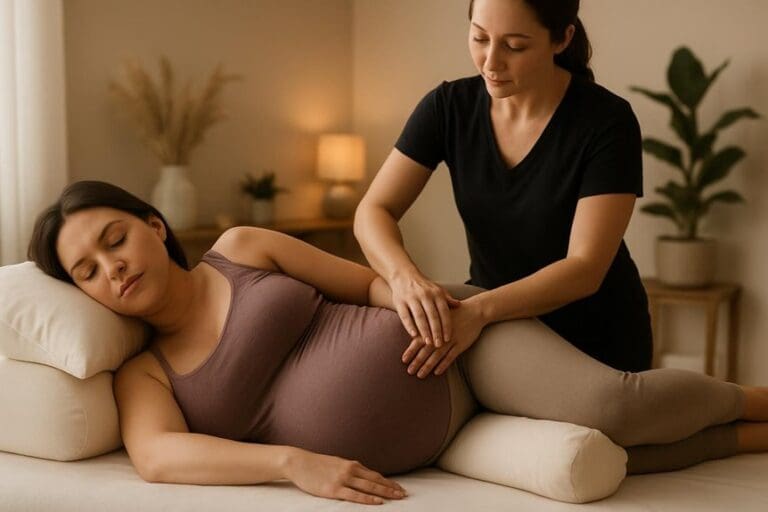
At Spa & Massage, therapists modify pressure, avoid prolonged stimulation of sensitive points, and prioritise comfortable side-lying positioning with careful bolstering.
Sessions should be stopped if there is dizziness, cramping, bleeding, reduced fetal movements, or unusual pain, and medical advice sought.
It should complement, not replace, antenatal care and routine monitoring.
Is It Safe With Health Conditions or Medication?
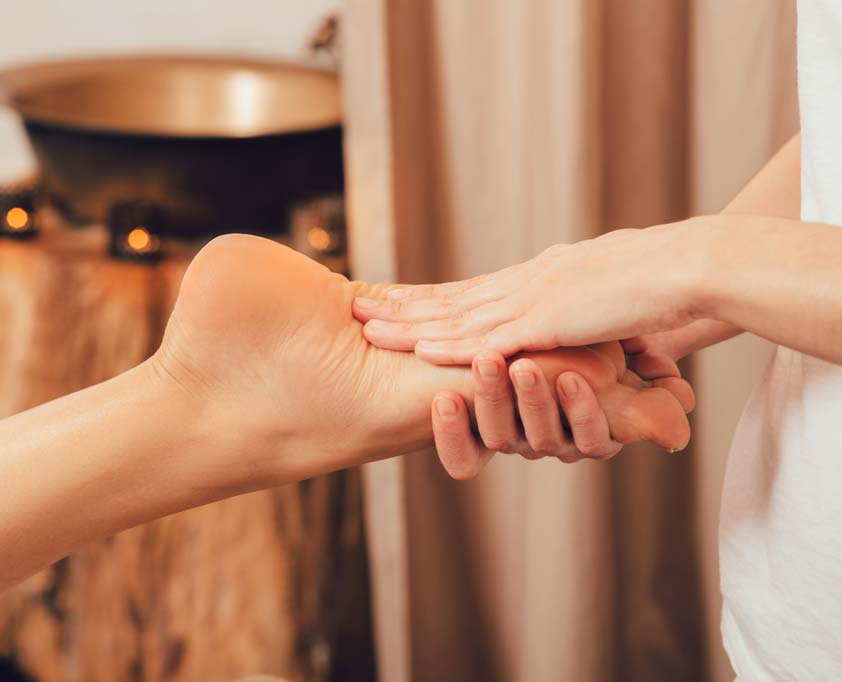
For people living with long-term conditions or taking regular medication, it is often low risk when it is adapted appropriately, but it warrants careful screening and, in some cases, medical clearance. Evidence remains mixed for disease treatment, so it is best framed as supportive care for comfort, stress, and sleep.
Caution is advised with diabetes (reduced sensation, skin fragility), peripheral vascular disease, neuropathy, recent surgery, active infection, or uncontrolled blood pressure. People on anticoagulants or antiplatelets may bruise more easily; those on steroids may have delicate skin. Heart, kidney, or liver failure can alter fluid balance and fatigue thresholds. Epilepsy, cancer care, and autoimmune flare-ups may require clinician approval.
At Spa & Massage, clients are asked to share diagnoses, medicines, and recent changes so pressure and session length can be adjusted safely.
What Makes a Session Safe in Practice?
Safety in zone therapy depends less on the theory of “reflex points” and more on consistent clinical practices: thorough health screening, clear consent, hygienic setup, and pressure that is adapted to tissue tolerance and current symptoms.
A safe session begins with a brief but specific intake, including pregnancy status, skin integrity, circulation issues, neuropathy, recent surgery, and anticoagulant use, so risks can be reduced and referral advised when appropriate.
The client should agree on goals, boundaries, and modesty preferences, and can stop or change pressure at any time.
In Spa & Massage clinics across London, therapists use clean linens, hand hygiene, and foot cleansing, and avoid broken skin.
Technique remains slow, communicative, and symptom-led, not forceful.
What Side Effects Are Normal After having this Therapyy?
Some clients report transient, mild reactions such as foot tenderness, temporary fatigue, headache, light-headedness, or increased urination, which typically resolve within 24–48 hours.
At Spa & Massage clinics across London, therapists treat these as expected, non-specific post-session effects and recommend hydration, rest, and monitoring of symptoms.
Medical advice should be sought if symptoms are severe, persist beyond 48 hours, or include red flags such as fainting, shortness of breath, chest pain, new neurological symptoms, or signs of allergic reaction.
Common Post-Session Reactions
In the hours following a session, mild and short‑lived reactions can occur as the body responds to targeted pressure on the feet or hands. Common reports include drowsiness, a sense of calm, light headedness, or transient emotional release, which may feel surprisingly personal yet non‑alarming.
Some people notice temporary foot tenderness, warmth, tingling, or mild aching in areas that were worked. Headache, nausea, or a brief “washed out” feeling can also occur, often alongside increased thirst.
A short-term increase in urination or bowel activity is sometimes described, likely reflecting hydration changes and relaxation responses rather than detoxification. At Spa & Massage clinics across London, therapists encourage gentle rest, water intake, and avoiding intense exercise immediately after treatment to support comfortable recovery.
When To Seek Advice
With most clients, post‑reflex therapy effects remain mild and settle within 24–48 hours; however, advice should be sought if symptoms are severe, worsening, or prolonged, or if red‑flag features appear—such as fainting, chest pain, new shortness of breath, persistent vomiting, fever, spreading redness/heat or marked swelling in the foot or ankle, new numbness or weakness, or an allergic‑type reaction to products used.
Spa & Massage advises clients to contact their GP, NHS 111, or emergency services if any red flag occurs.
For non‑urgent concerns—headache, light‑headedness, unusual fatigue, bruising, or pain beyond expected tenderness—clients should speak with the treating therapist to review pressure, hydration, medications, and recent illness.
In Spa & Massage clinics, aftercare guidance is personalised and documented for continuity.
When to Stop and Seek Medical Advice After this Therapy?
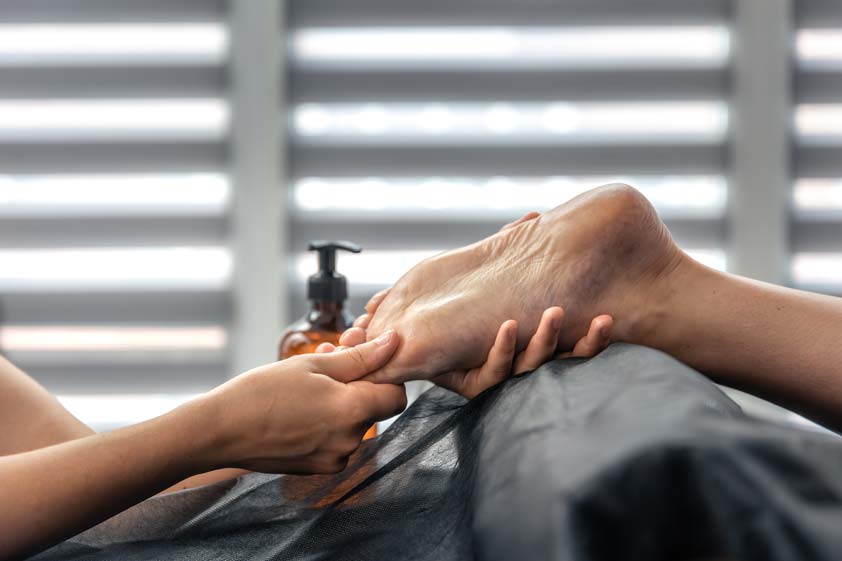
As a precaution, it should be paused and medical advice sought if symptoms appear that are severe, progressive, unusual for the individual, or persist beyond the expected short-lived post-treatment responses.
Red flags include fainting, chest pain, new breathlessness, severe headache, weakness, facial droop, confusion, or heavy bleeding.
Medical review is also indicated for fever, spreading redness, warmth, or swelling of the feet, sudden calf pain (possible thrombosis), or an allergic reaction such as hives or throat tightness.
For pregnancy, urgent assessment is appropriate for abdominal pain, reduced foetal movement, fluid leakage, or vaginal bleeding.
At Spa & Massage clinics, therapists advise clients to speak up immediately if touch feels wrong or symptoms intensify, so care can be stopped and referral encouraged.
Aftercare Tips for Safe, Lasting Results
Often, the safety and durability of zone therapy outcomes depend as much on aftercare as on the session itself. Spa & Massage therapists advise clients to hydrate, eat lightly, and avoid alcohol for 24 hours to support normal circulation and reduce headache or nausea.
Gentle walking and warmth can maintain comfort; strenuous exercise and very hot baths are best deferred if tenderness, dizziness, or fatigue occurs. Any new bruising, swelling, rash, faintness, or escalating pain warrants stopping self-care and seeking medical advice.
Clients should note changes in sleep, mood, and symptoms, then share them at the next appointment so pressure and timing can be adjusted. For intimacy, quiet rest, slow breathing, and respectful foot self-touch may extend calm without overstimulation.
Conclusion
It is generally well tolerated, but safety is situational. It is safest when assessed, adapted, and monitored: assessed through clear screening for contraindications, adapted for pregnancy or comorbidities, and monitored for unexpected reactions. It is most appropriate when delivered by trained practitioners using hygienic practice and graded pressure. Mild, short-lived effects may occur; persistent pain, neurological change, or systemic symptoms warrant medical review. Used cautiously, it can support comfort without replacing clinical care.