Gentle, pain-free stretching can help maintain comfort and short-term range-of-motion gains after a therapeutic tissue massage, but aggressive stretching immediately afterward is often poorly tolerated because tissues may be temporarily sensitised. In the first 24 hours, light walking and easy range-of-motion movements are typically better than sustained end-range holds. If soreness is settling, brief low-intensity stretches (15–30 seconds, mild pull only) may start after 24–48 hours. Further guidance outlines timing, red flags, and best options.
Should You Stretch After Therapeutic Tissue Massage?
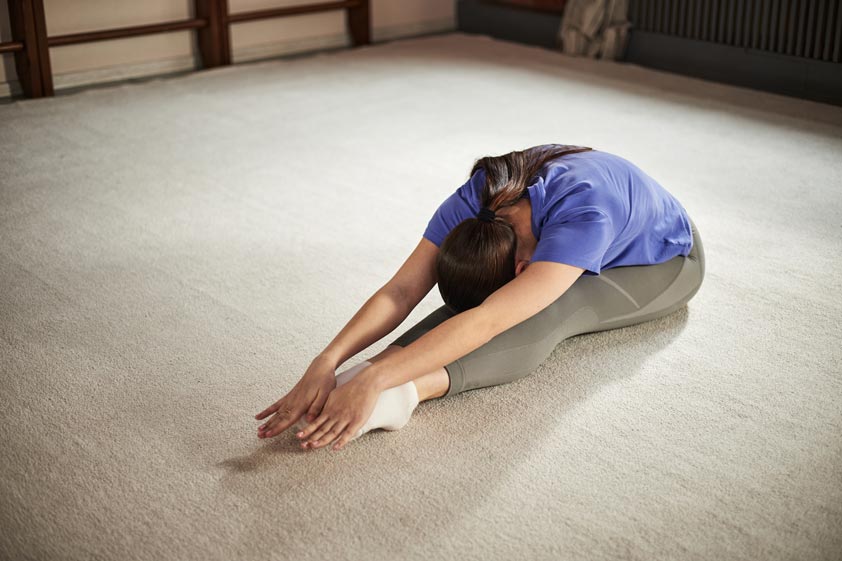
In most cases, gentle stretching after a deep tissue massage is appropriate and can help maintain the short-term gains in range of motion and comfort achieved during treatment.
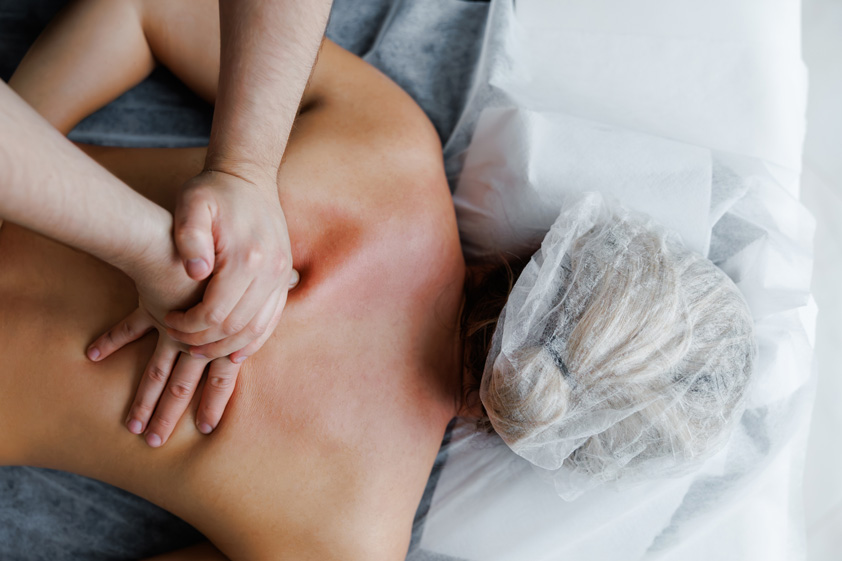
Deep tissue work often targets deeper layers of muscle and fascia to ease persistent tightness, so following up with deep pressure techniques can make gentle stretching feel more effective and comfortable.
At Spa & Massage clinics across London, therapists typically advise low-intensity, pain-free stretches, held 15–30 seconds, focusing on areas worked (e.g., hips, hamstrings, chest, neck).
Stretching should be avoided or delayed if there is sharp pain, marked tenderness, dizziness, acute injury, inflammation, or new neurological symptoms.
Clients seeking a more intimate reset may pair stretching with slow nasal breathing, allowing the body to soften rather than “push” range.
Hydration and warm layering can support comfort.
When unsure, clients are encouraged to ask their therapist for personalised aftercare matched to treatment goals and daily demands.
What Happens to Your Muscles After Deep Tissue?
Therapeutic tissue massage triggers a short-term, measurable shift in how muscle and surrounding fascia behave: local tissues warm, circulation increases, and protective muscle tone often decreases as pressure and slow strokes influence the nervous system.
This can reduce perceived tightness and improve ease of movement, while also sensitising tender spots where trigger points or adhesions were addressed.
Micro-level tissue stress may occur, similar to training load, so mild soreness can appear for 24–48 hours, alongside a feeling of “open” softness. Hydration status and sleep can influence recovery sensations.
At Spa & Massage clinics across London, therapists tailor depth and pacing to the client’s comfort, aiming for therapeutic intensity without overwhelm.
Clients may notice fuller breathing, calmer arousal, and improved body awareness, supporting safer, more intimate self-care choices.
Right After Deep Tissue: Stretch or Take a Walk?
Immediately after a therapeutic tissue massage, stretching is not routinely advised, as tissues may be temporarily sensitised and forceful range-of-motion can aggravate soreness.
Gentle walking is typically better tolerated and can support circulation and reduce post-treatment stiffness.
At Spa & Massage clinics across London, therapists generally recommend a short, easy walk first and reserving stretching for later, using only light, pain-free movements based on the client’s response.
Stretching Immediately: Yes/No
When is stretching advisable after a therapeutic tissue massage—right away, or later? In most cases, Spa & Massage recommends waiting.
Immediately post-treatment, tissues can be sensitised and micro‑irritated; aggressive stretching may amplify tenderness and provoke protective muscle guarding rather than lengthening.
A brief, very gentle range‑of‑motion check can be appropriate if it feels soothing, never forced, and kept well below discomfort. Clients should avoid long holds, end‑range positions, ballistic movement, or “pushing through” intensity.
Those who bruise easily, take anticoagulants, have acute inflammation, or were treated for a fresh strain should skip immediate stretching altogether.
In Spa & Massage clinics, therapists guide timing based on palpation findings and the client’s after‑feel, aiming for comfort and safety.
Gentle Walking Benefits
Post‑massage mobility, such as a gentle 10–20 minute walk, is typically preferable to stretching straight after deep tissue work because it supports circulation, maintains comfortable range of motion, and reduces the likelihood of reactive muscle guarding.
Light walking encourages venous and lymphatic return, which may help disperse local metabolic by‑products and ease post‑treatment soreness without stressing sensitised fibres.
It also preserves the neuromuscular “reset” achieved in session, allowing the nervous system to settle while the body stays warm and supple.
At Spa & Massage clinics across London, therapists often suggest an unhurried stroll—breathing slowly, keeping steps short, and letting the hips and shoulders swing naturally.
This gentle rhythm can feel grounding and reassuring, promoting calm connection to the body.
What We Recommend
In most cases, right after a therapeutic tissue massage, a short, gentle walk is recommended over static stretching. Light movement supports circulation, helps tissues adapt to the work, and reduces the chance of provoking protective spasm in recently softened areas.
At Spa & Massage clinics across London, therapists commonly advise 5–15 minutes of easy walking, steady breathing, and warm layers, then hydration and rest.
Static stretching immediately after deep pressure can feel intense and may irritate sensitised muscle or fascia, especially if soreness is present. If stretching is desired, it is usually safer later the same day or the next day: low-load, pain-free holds, no bouncing, and stopping at the first sign of sharpness.
Clients should choose the option that keeps the body calm and comfortably open.
When Stretching After Deep Tissue Helps Most
Stretching after therapeutic tissue massage tends to help most when clients present with postural tightness and day-to-day stiffness, as gentle lengthening can support the improved tissue pliability achieved during treatment.
It is also commonly beneficial for sport recovery and mobility, helping reinforce range-of-motion gains and reduce the likelihood of protective muscle guarding after intensive work.
At Spa & Massage clinics across London, therapists advise timing and intensity based on the client’s assessment findings so stretching supports recovery without aggravating sensitised tissue.
Postural Tightness And Stiffness
For many Londoners, prolonged desk work and commuting create predictable patterns of postural tightness—most commonly across the neck, upper trapezius, chest, hip flexors, and lower back—that therapeutic tissue massage can help decompress. Stretching is most useful here because shortened tissues tend to re‑adopt the same resting length within hours if movement habits remain unchanged.
After treatment, gentle, slow stretches (20–30 seconds, low intensity) can help “set” the new range, reduce guarded muscle tone, and support comfortable alignment. At Spa & Massage clinics across London, therapists often suggest pairing chest opening, hip flexor lengthening, and neck side‑bending with calm nasal breathing to downshift the nervous system. Stretching should feel intimate and relieving, not sharp; soreness, tingling, or joint pinching signals backing off.
Sport Recovery And Mobility
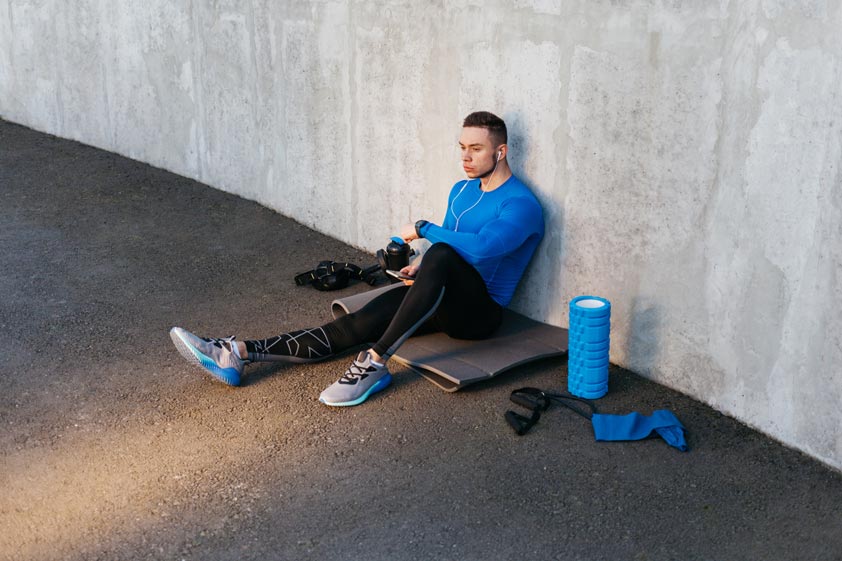
Similar principles apply beyond desk-related stiffness: after deep tissue work, targeted stretching can also support sport recovery and mobility by reinforcing improved tissue glide and joint range. This is most useful after sessions addressing heavy training load, delayed-onset soreness, or recurring restriction in hips, calves, hamstrings, or shoulder girdle—common in runners, lifters, and racket sports.
At Spa & Massage clinics across London, therapists often advise brief, low-intensity stretches within a comfortable, pain-free threshold for 20–30 seconds, focusing on the exact tissues treated. Evidence-informed practice favours gentle range work over aggressive end-range holds immediately post-treatment, as sensitivity can be temporarily heightened.
Clients are guided to pair stretching with hydration and light walking to sustain circulation. If sharp pain, instability, or swelling is present, stretching is deferred and clinical assessment recommended.
When Not to Stretch After Deep Tissue
Immediately after a deep tissue session, stretching should be avoided when there is sharp or escalating pain, marked tenderness, visible swelling or bruising, dizziness, numbness or tingling, or any sudden loss of range of motion. These signs can indicate excessive tissue irritation, neurovascular sensitivity, or an inflammatory response that stretching may aggravate.
Stretching is also inappropriate with acute injury, suspected muscle tear, joint instability, recent surgery, or active flare-ups of conditions such as sciatica or disc symptoms. At Spa & Massage clinics across London, therapists advise clients to keep movement gentle and non-provocative, prioritising breath, warmth, and hydration.
If discomfort feels hot, stabbing, or protective, the body is asking for softness, not lengthening. Persistent symptoms warrant clinical assessment before any self-directed mobility work.
How Soon Can You Stretch After Deep Tissue?
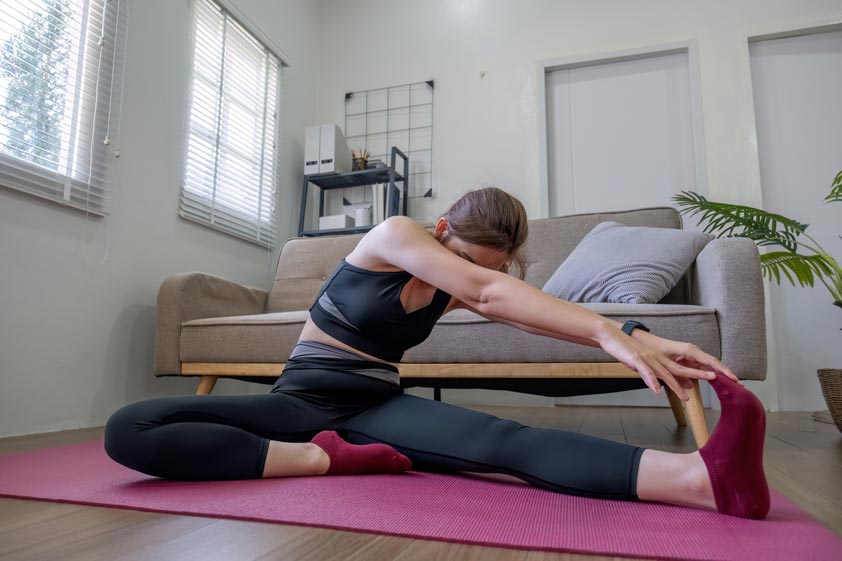
Within the first 24 hours after a therapeutic tissue massage, stretching is typically best kept to gentle, pain-free range-of-motion rather than sustained end-range holds, because treated tissues may be temporarily sensitised and more prone to reactive soreness.
From 24–48 hours, most clients can gradually increase duration and intensity if tenderness is settling and movement feels easier. A practical rule is to stretch only to mild sensation, then back off; sharp pain, guarding, or a “pulling” burn suggests waiting longer.
At Spa & Massage clinics across London, therapists advise reassessing the next day: if sleep, hydration, and warmth have reduced stiffness, stretching can progress; if bruised or inflamed, defer.
Full-intensity flexibility work is usually best resumed after 48–72 hours, depending on individual response and goals.
Best Gentle Stretches After Intensive Tissue Massage
After deep tissue work, gentle stretching can help maintain the improved range of motion achieved in treatment without overloading recently sensitised tissues.
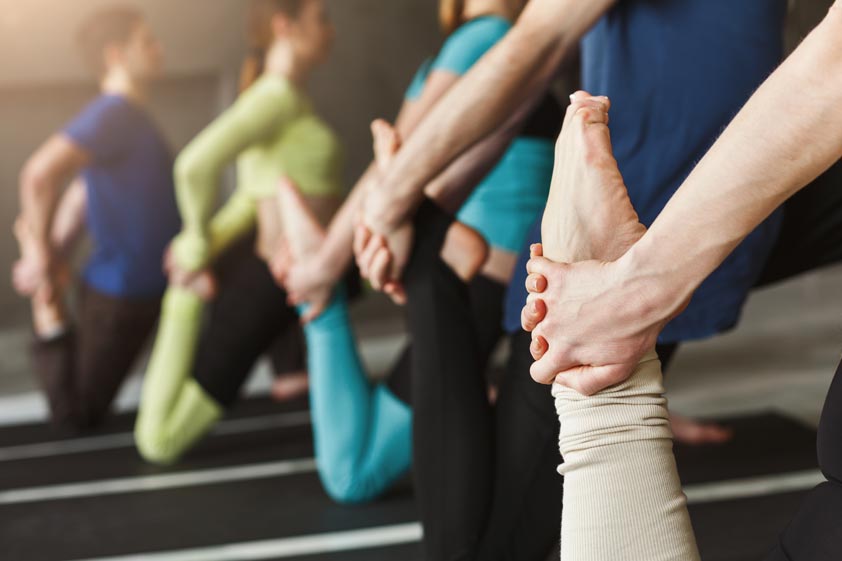
At Spa & Massage clinics, therapists commonly suggest simple, comforting options: diaphragmatic breathing with a soft chest opener; a neck side-bend and rotation performed slowly; doorway pec stretch to ease anterior shoulder tension; seated or supine hamstring stretch with a strap; figure-four glute stretch to soothe hips; and a child’s-pose variation for lumbar decompression.
For lower legs, a wall calf stretch can reduce post-treatment tightness.
Stretches are best paired with steady nasal breathing and relaxed jaw and shoulders, aiming for a mild, warm lengthening sensation rather than strain.
Stop if pain, tingling, or sharp pulling appears.
How Hard Should You Stretch (and for How Long)?
For most people, post–deep tissue stretching should be kept low intensity and short in duration to avoid provoking soreness in recently sensitised tissues.
Intensity is best guided by a mild, pleasant pull—around 2–3/10 discomfort—without sharpness, tingling, or a “tearing” sensation. Breathing should stay slow, and the jaw, shoulders, and pelvic floor should remain soft; guarding suggests the stretch is too strong.
Duration is typically 15–30 seconds per stretch, repeated 1–2 times, with relaxed pauses between. Total time can stay under 5–10 minutes.
Evidence supports gentle, sustained holds for improving tolerance and range of motion, while aggressive stretching can increase post-treatment tenderness. At Spa & Massage, therapists advise stopping if pain rises or symptoms radiate.
Your Personalised Aftercare Plan at Spa & Massage
Following a deep tissue session, Spa & Massage provides a personalised aftercare plan based on the client’s presentation on the day—tissue response, symptom behaviour, training load, and any relevant health factors.
Therapists specify whether stretching is indicated, which muscles to target, and the appropriate intensity, typically favouring gentle, pain-free ranges to support neuromuscular down-regulation rather than “forcing” length.
When tenderness is high, clients may be advised to prioritise hydration, light walking, warmth, and sleep, delaying stretching 12–24 hours.
If movement quality is restricted, brief mobility drills and diaphragmatic breathing may be prescribed to ease guarding.
Clear red flags are reviewed (e.g., escalating pain, pins and needles, unusual swelling).
Plans are revisited at follow-up across London clinics.
Conclusion
After intensive tissue massage, stretching can act like a soft brace, helping preserve newly gained mobility without reopening micro‑irritations. Evidence-informed aftercare typically favors a brief walk, hydration, and gentle, pain‑free stretches once tenderness has settled—often later the same day or within 24 hours. When soreness, bruising, or acute inflammation is present, rest is the safer prescription. Like wet cement, tissues need time to set; forceful stretching can distort the outcome.