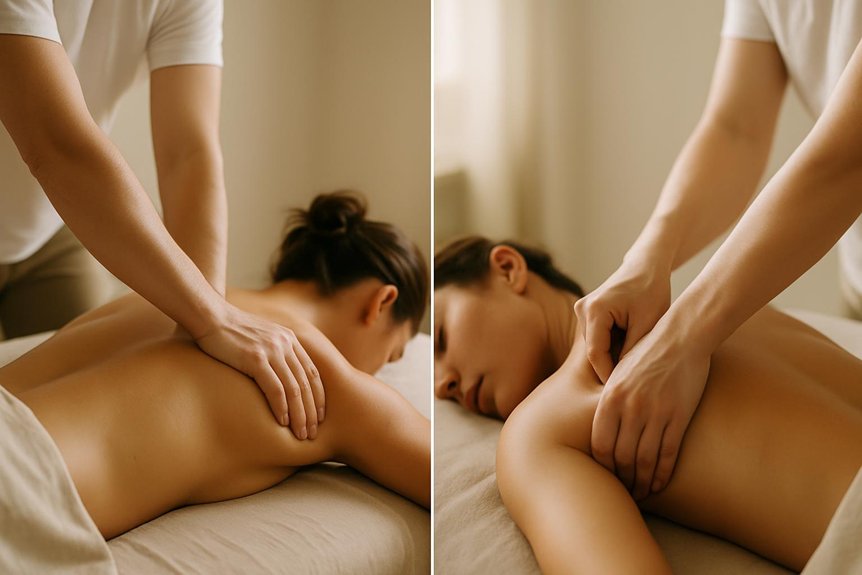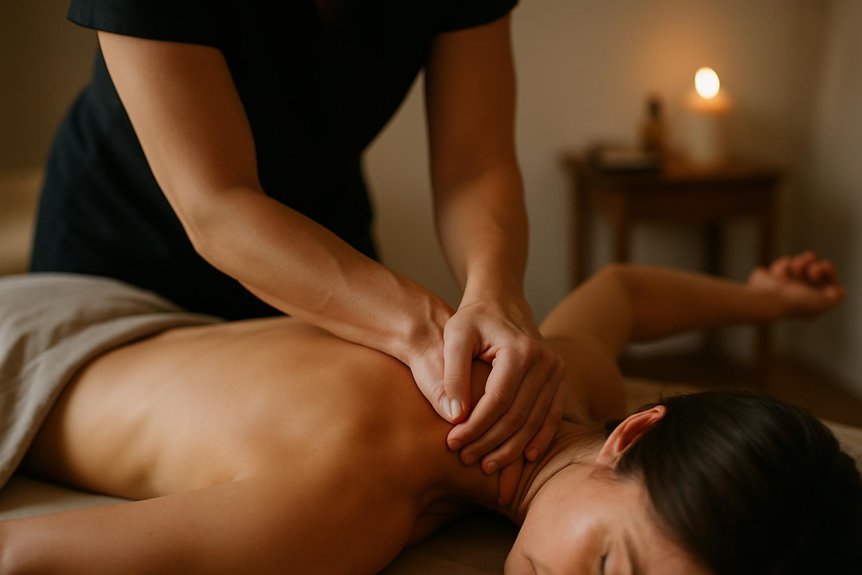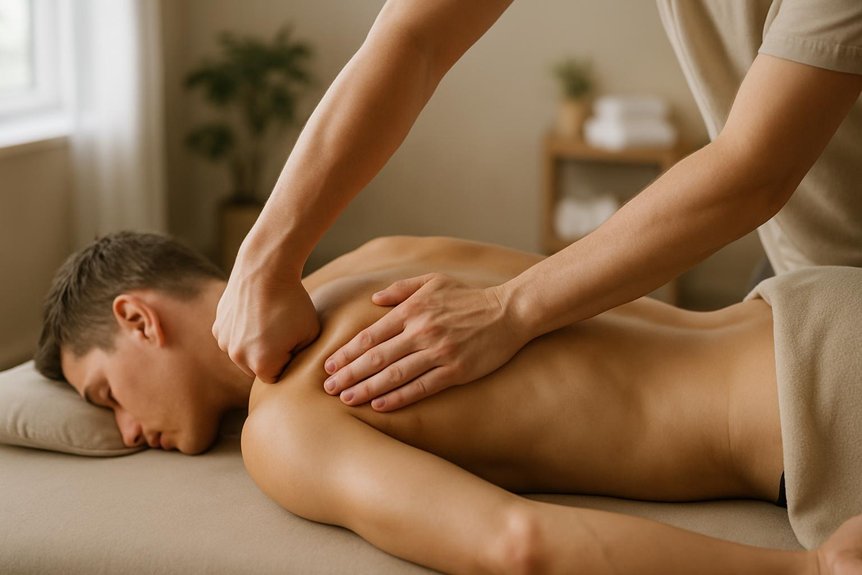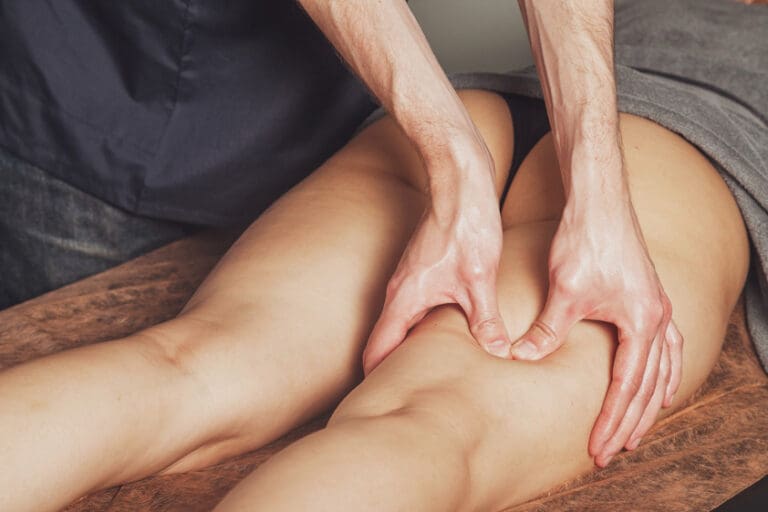
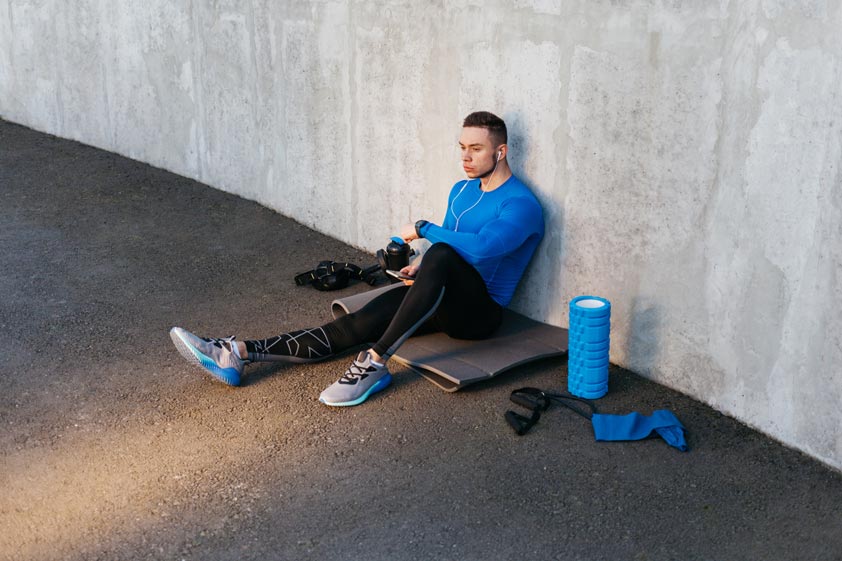
Strenuous exercise is generally discouraged on the same day as an intensive tissue massage, as treated muscles and connective tissue may be temporarily tender and more susceptible to irritation. A 12–24 hour pause is commonly advised, with 24–48 hours preferable after very firm work or when delayed soreness is expected. Gentle activity such as easy walking or light mobility can be acceptable if pain-free. Training should be avoided if sharp pain, swelling, spreading bruising, numbness, or weakness occurs. Further guidance covers timing, warning signs, and safer options.
Can You Work Out After Deep Tissue Massage?
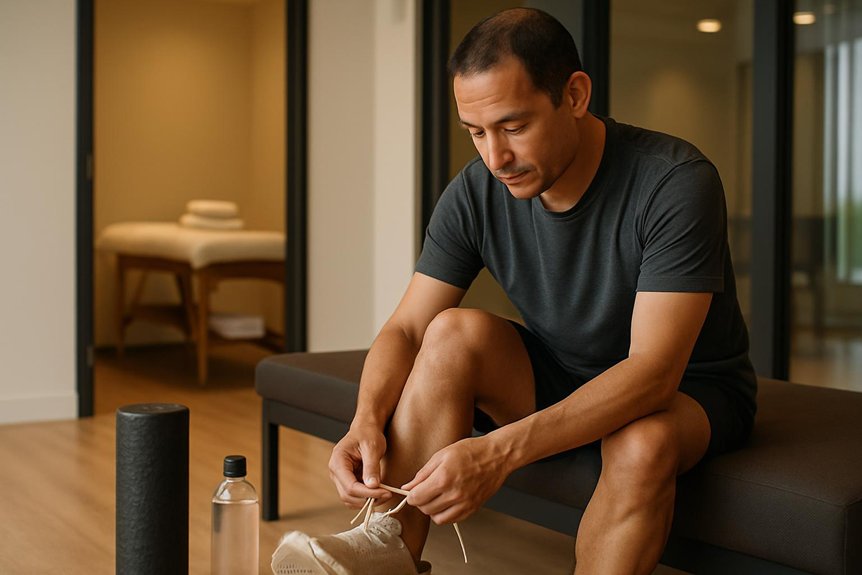
Delay strenuous exercise after an intensive tissue massage: most people can move gently the same day, but high-intensity training is best postponed for at least 24 hours to allow muscle fibres and connective tissue to recover from the mechanical stress of treatment.
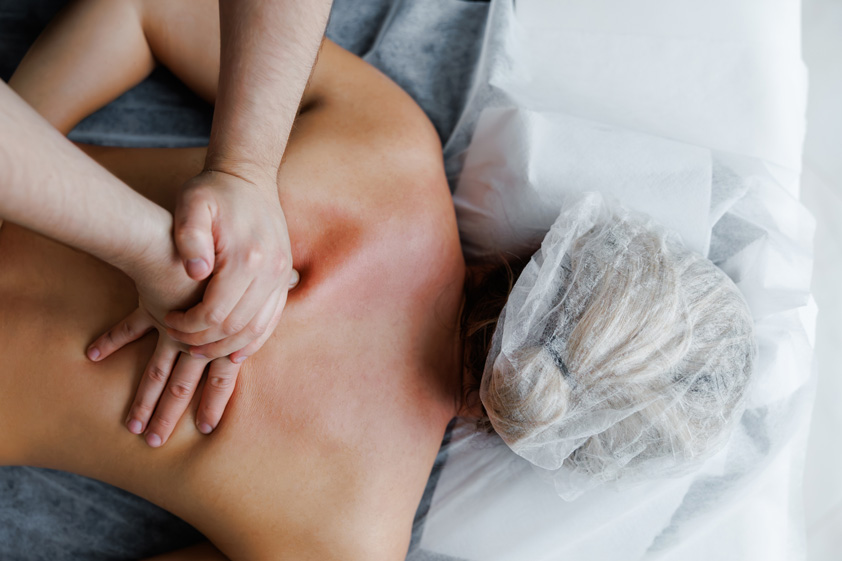
It uses firm pressure techniques to target deeper layers of muscle and connective tissue.
At Spa & Massage clinics across London, therapists note that post-treatment soreness, transient inflammation, and reduced proprioception can increase strain risk if clients lift heavy or sprint.
Light walking, mobility work, or easy yoga may support circulation and comfort, provided pain stays minimal.
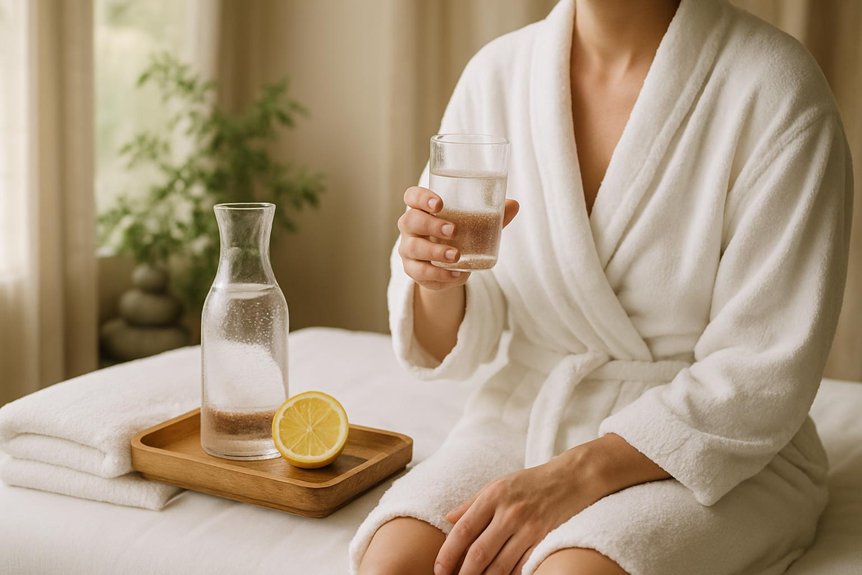
Hydration, warmth, and slow breathing can help the body settle.
Clients should avoid exercising through tenderness, bruising, dizziness, or headache, and should pause if symptoms escalate.
Those with acute injury, bleeding disorders, or anticoagulant use should seek individual clearance.
How Long Should You Wait to Exercise After Deep Tissue?
In the 24 hours after an intensive tissue massage, most individuals should wait before returning to moderate-to-high intensity exercise, as the treated muscles and fascia may be temporarily sensitised and less able to tolerate additional load. A minimum of 12–24 hours is commonly appropriate, with 24–48 hours often preferable after a very firm session or when delayed-onset soreness is present.
Light movement the same day—easy walking, gentle cycling, or mobility work—can support circulation without over-stressing tissues. At Spa & Massage clinics across London, therapists typically advise using soreness, range of motion, and tenderness as practical markers: if pressure feels “bruised” or tight, training should remain low intensity.
Hydration, warm showering, and unhurried stretching help comfort and recovery.
When You Should Avoid Training After Intensive Tissue Massage
Training should be avoided after an intensive tissue massage when post-treatment signs indicate that tissues are not yet tolerating load. Red flags include escalating soreness, sharp or localised pain, bruising that spreads, swelling, reduced range of motion, numbness, tingling, or unusual weakness.
Lightheadedness, nausea, headache, fever, or a flare of migraine symptoms also warrant rest and hydration. If the session addressed an acute strain, recent injury, or significant trigger-point referral pain, delaying training lowers risk of aggravation.
At Spa & Massage clinics, therapists advise avoiding exercise after very intense work or when tenderness persists beyond 24–48 hours. Anyone on anticoagulants, with bleeding disorders, suspected rhabdomyolysis, or pregnancy complications should seek medical guidance before resuming activity.
Best Low-Impact Workouts After Intensive Tissue Massage
After an intensive tissue massage, low-impact activity is generally preferred to support circulation while minimising additional mechanical load on sensitised tissues.
Spa & Massage therapists typically suggest gentle walking or easy cycling at a conversational pace, stopping if pain, dizziness, or unusual swelling occurs.
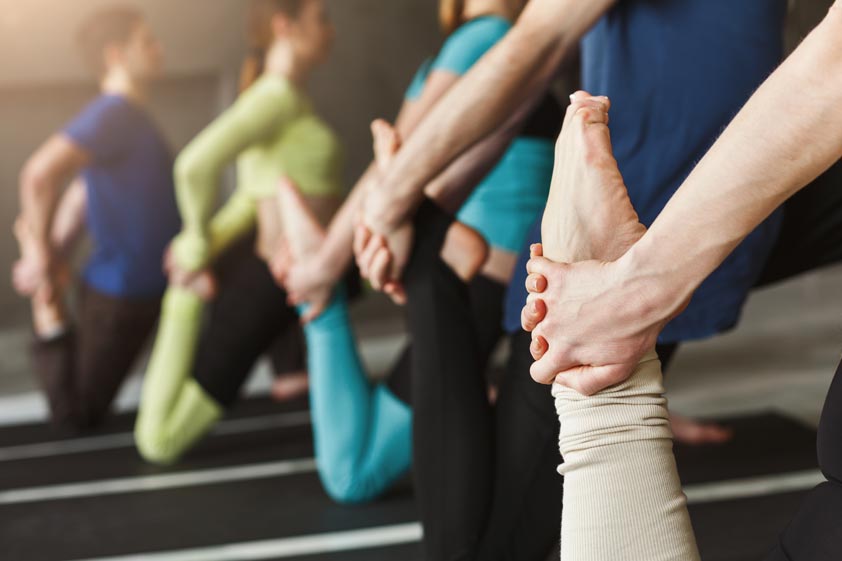
Yoga-based stretching and mobility work can be appropriate when kept slow and pain-free, with emphasis on controlled range of motion rather than intense end-range holds.
Gentle Walking Or Easy Cycling
For many people, gentle walking or easy cycling provides an appropriate first return to movement following an intensive tissue massage, as both options increase circulation and joint mobility without adding high mechanical load to sensitised muscle fibres.
At Spa & Massage, therapists typically advise keeping intensity in a “comfortably light” range for 10–30 minutes, prioritising smooth cadence and relaxed breathing.
Walking should feel unhurried, with short strides and minimal hills; cycling is best on flat routes or low resistance to avoid gripping and bracing through the treated areas.
Hydration and warm layers support tissue perfusion, particularly after evening appointments.
Any sharp pain, escalating soreness, dizziness, or unusual swelling warrants stopping and resting. If symptoms persist, clients are encouraged to contact their therapist for personalised aftercare guidance promptly.
Yoga Stretching And Mobility
Prioritising yoga-based stretching and controlled mobility can support a gradual return to movement following an intensive tissue massage by promoting circulation, parasympathetic downregulation, and gentle range-of-motion without high tissue load. At Spa & Massage clinics across London, therapists often suggest 10–20 minutes of slow flow, breath-led holds, and joint circles later the same day, provided tenderness is mild.
Emphasis should remain on comfort: child’s pose, supine twist, cat–cow, and hip openers performed at 3–4/10 intensity, avoiding end-range forcing. Poses that load tissue heavily (deep lunges, strong backbends, long planks) are best deferred for 24–48 hours. Hydration, warm layers, and a calm finish in savasana can help settle the nervous system. Any sharp pain, tingling, or bruising warrants rest and clinician advice.
Therapeutic Tissue Massage After a Workout: When to Book It
For most clients, Spa & Massage therapists advise booking a therapeutic tissue massage after a workout once acute fatigue has settled—typically within 24–48 hours—so tissues can be treated without compounding inflammation.
Ideal timing is supported by readiness signs such as normalised soreness (no sharp pain), stable range of motion, no new swelling or bruising, and adequate hydration and sleep.
If pain is escalating, a strain is suspected, or there is marked tenderness to touch, a gentler treatment or clinical assessment is recommended before deep tissue work.
Ideal Post-Workout Timing
After a workout, the best time to book a therapeutic tissue massage depends on training intensity, current muscle tenderness, and the purpose of treatment (recovery support versus addressing specific restrictions).
For most clients, Spa & Massage therapists advise allowing 6–24 hours after moderate training to let acute inflammation settle while tissues remain warm and pliable.
After heavy strength work, long runs, or high-impact sessions, a 24–48 hour window is typically safer to reduce added soreness and protect sensitised fibres.
If the aim is circulation and relaxation rather than deep corrective work, a lighter session can be scheduled sooner, with pressure scaled carefully.
Hydration, gentle mobility, and avoiding alcohol support a calmer, more comfortable experience.
In London clinics, booking is tailored to training logs.
Signs You’re Ready
In most cases, readiness for a therapeutic tissue massage post‑workout is indicated by settled acute symptoms rather than peak soreness. Appropriate signs include normalised breathing and heart rate, restored range of motion, and muscle tenderness that feels diffuse rather than sharp or localised. Hydration should be adequate, urine pale, and there should be no dizziness, nausea, heat illness, or cramping.
Any swelling, bruising, or joint pain suggests delaying and considering clinical assessment. At Spa & Massage clinics, therapists screen for recent strains and ask clients to describe discomfort during slow, mindful movement; pain that worsens with light palpation is treated as a red flag.
Many clients feel ready when touch is welcome and recovery feels receptive. Booking is best when sleep is steady and soreness is plateauing.
How to Recover Faster After Therapeutic Tissue Massage
With appropriate aftercare, recovery from a therapeutic tissue massage is typically faster and more comfortable, reducing post-treatment soreness and supporting tissue repair.
Clients should hydrate, prioritise sleep, and eat protein-rich meals to support recovery.
Gentle movement (easy walking, light mobility) can aid circulation without re-irritating treated fibres; strenuous training is best delayed if tenderness persists.
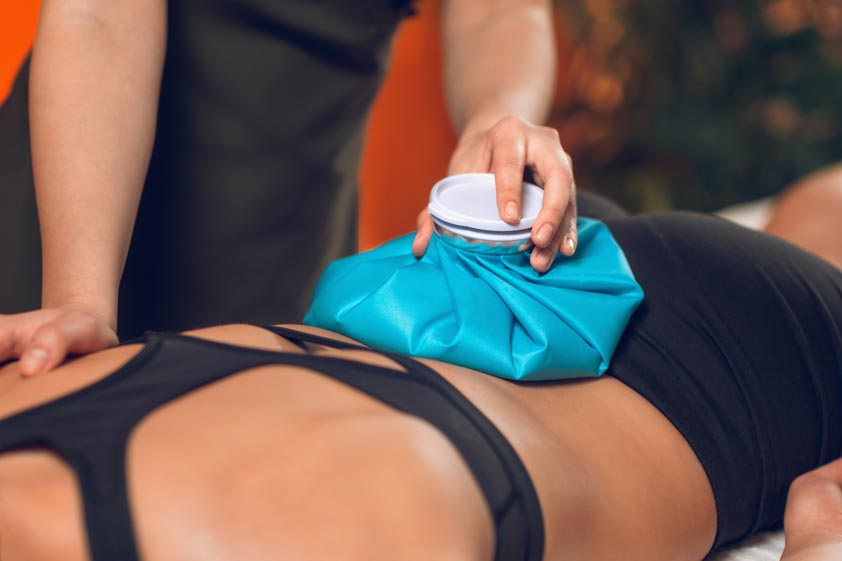
Warm showers may ease stiffness, while brief cold packs can calm localised inflammation; heat should be avoided over areas that feel hot or swollen.
In Spa & Massage clinics, therapists advise slow, diaphragmatic breathing to downshift the nervous system and reduce protective guarding.
Light self-massage with a neutral oil is acceptable if it does not increase pain.
Persistent bruising, numbness, or worsening pain warrants clinical review.
Conclusion
It may complement conditioning when carefully coordinated with training load and timing. Post‑treatment fibres can be temporarily tender; consequently strenuous sessions the same day may amplify soreness and raise strain risk. Light locomotion—low‑impact cycling, controlled mobility, or calm walking—can support circulation without overloading tissue. When performance is paramount, booking massage after key workouts or allowing 24–48 hours before heavy lifting is prudent. Hydration, heat‑avoidance, and symptom‑led scaling support safer recovery.