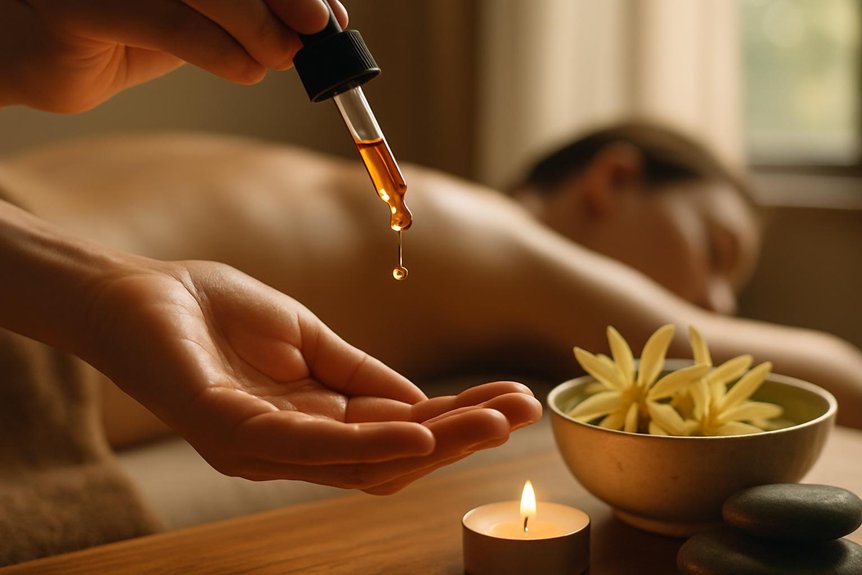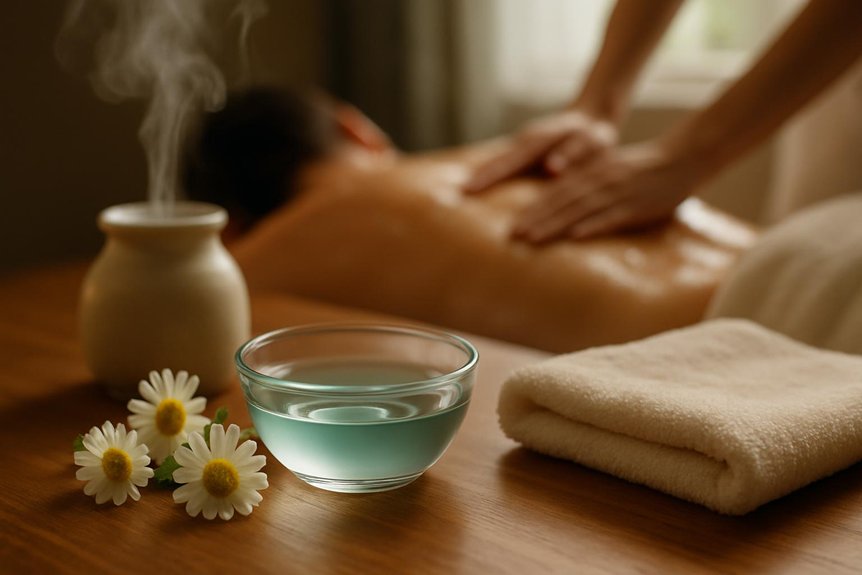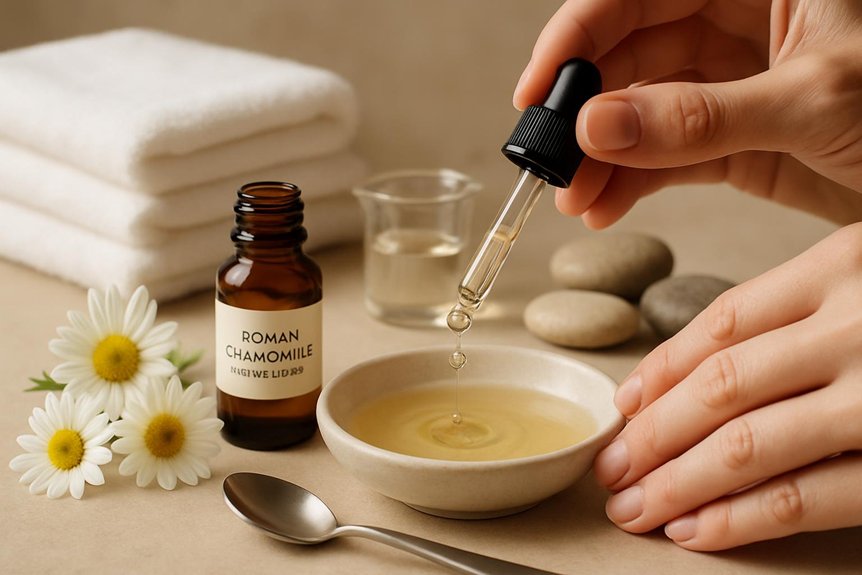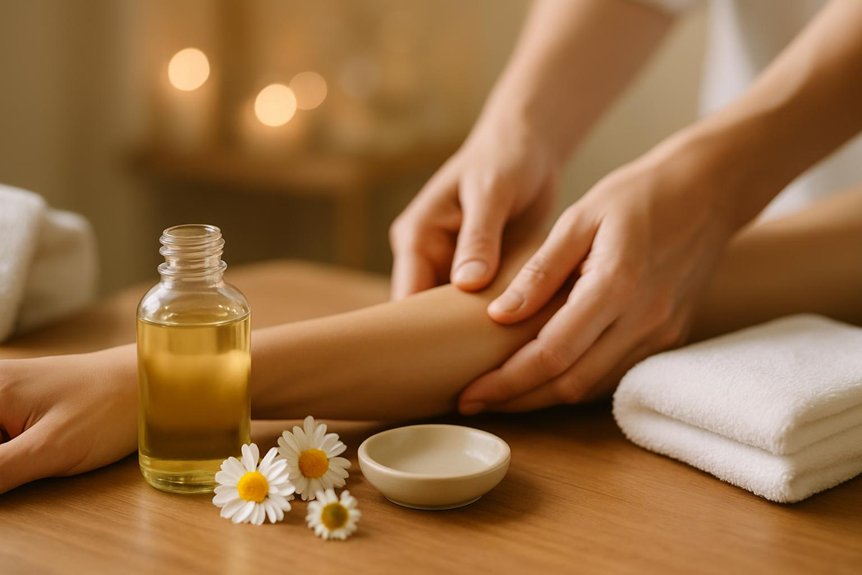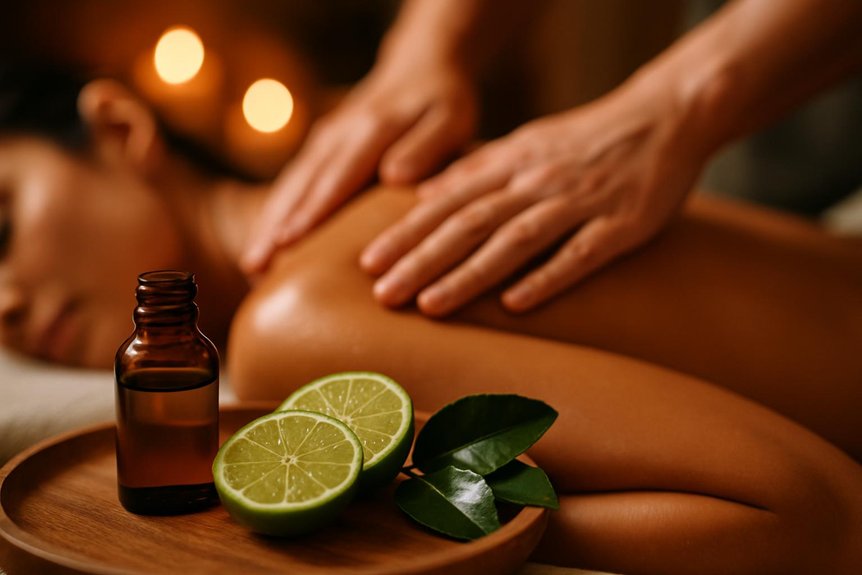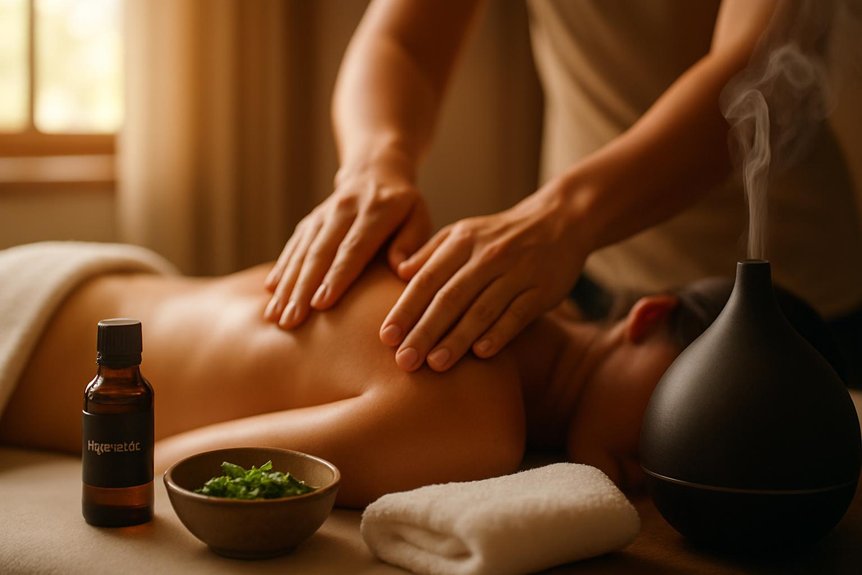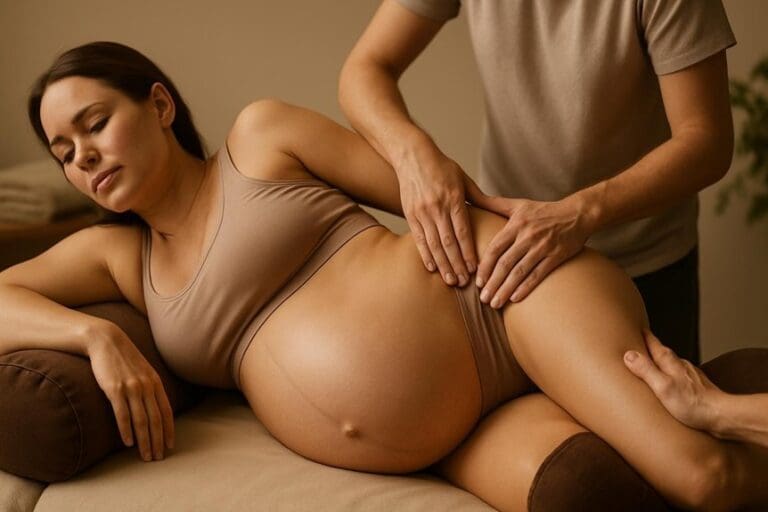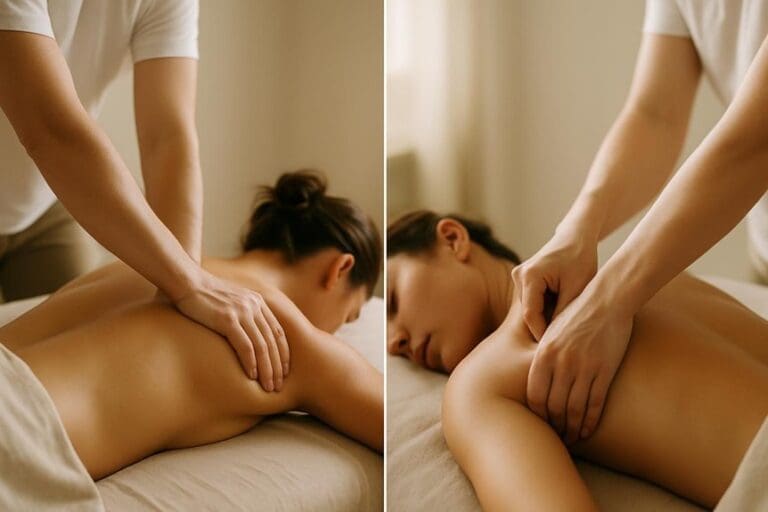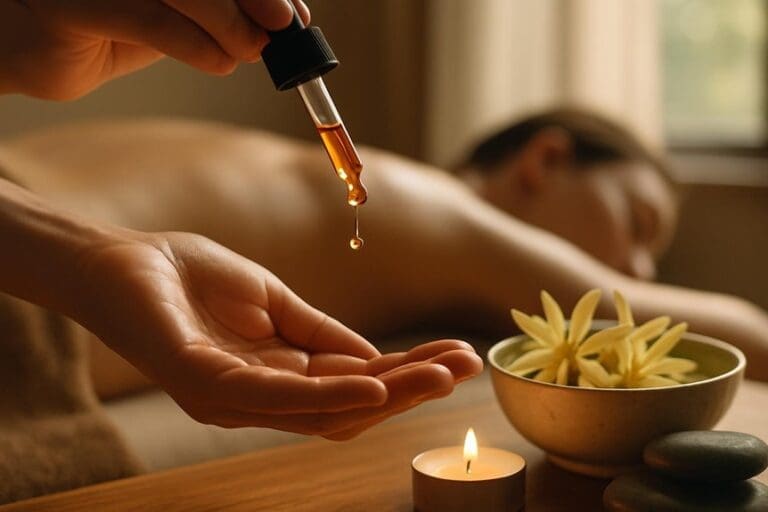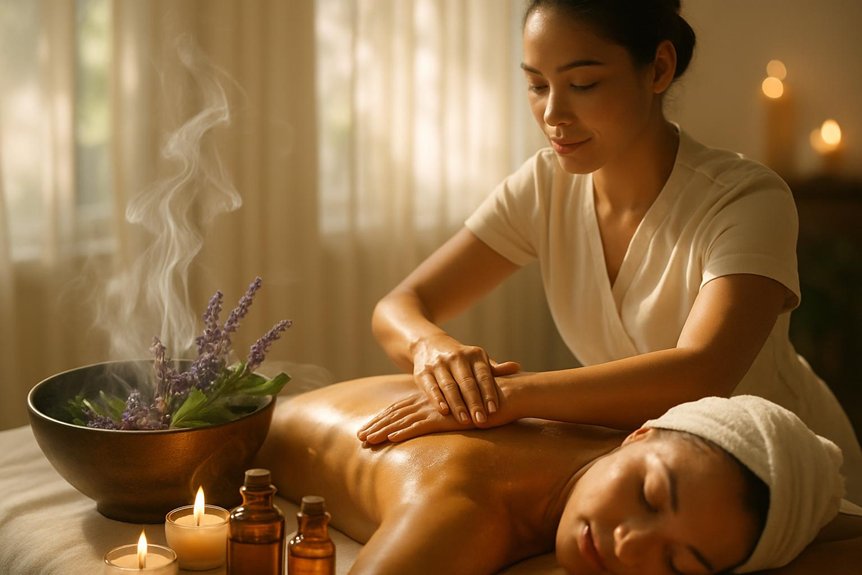
It combines therapeutic manual techniques with professionally diluted essential oils, harnessing botanical compounds such as linalool and limonene to support relaxation, circulation, and emotional balance. Essential oils are carefully selected based on client sensitivities, ensuring safety and efficacy. During the treatment, compounds are delivered through both dermal and olfactory absorption, engaging the body’s microcirculation and limbic pathways. This approach provides benefits for both physical comfort and mental wellbeing, with further insights into methods, oils, and aftercare steps to follow.
The Core Principles of Aromatherapy Massage
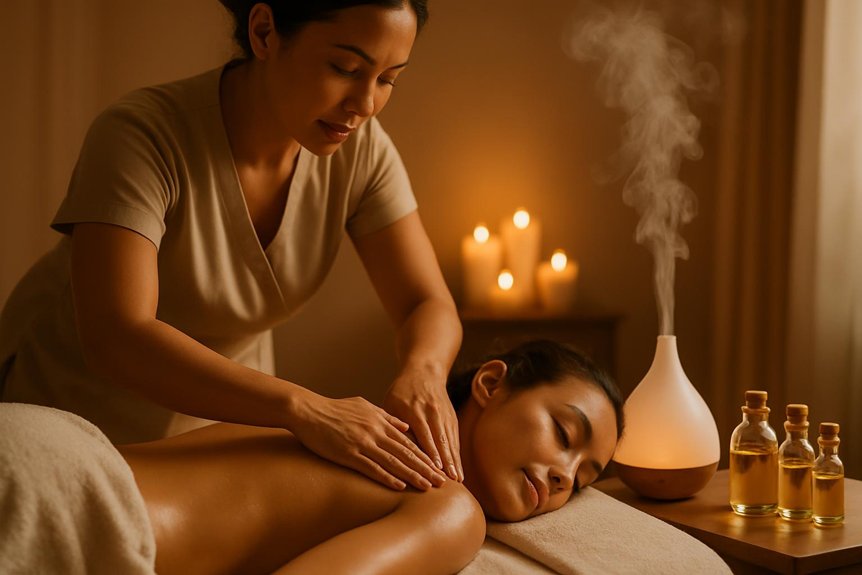
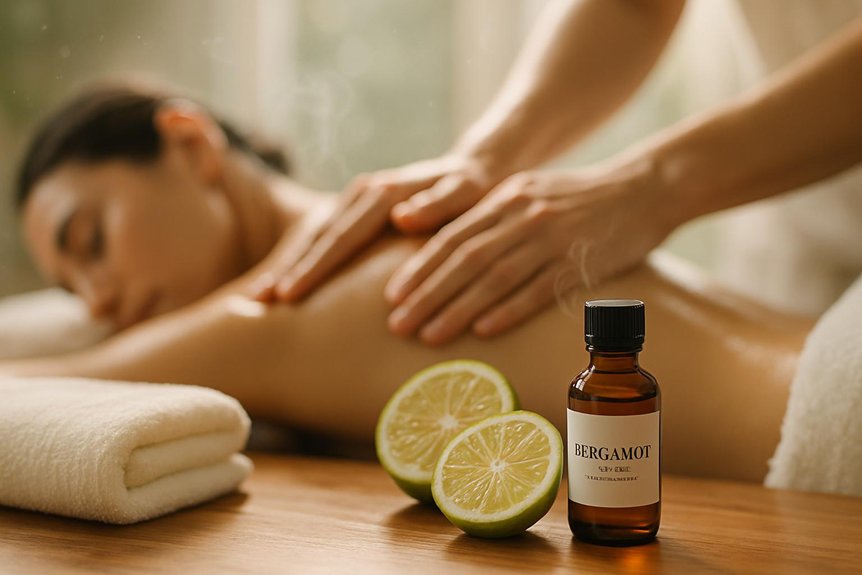
How does aromatic massage therapy harness the power of botanicals for therapeutic effect? Essential oil massage integrates the precise application of essential oils—volatile, highly concentrated extracts from aromatic plants—into professional bodywork. At Spa & Massage, therapists blend these botanicals with carrier oils, ensuring proper dilution for both safety and efficacy. This approach maximizes the benefits of compounds such as linalool, limonene, and eucalyptol, present in selected plant essences. The gentle, rhythmic movements of massage support absorption through the skin, while the inhalation of aromatic molecules engages the olfactory system. Each session is tailored to the client’s emotional and physical state, with careful attention to contraindications and sensitivities. This botanical synergy forms the heart of essential oil massage, fostering profound relaxation and intimate well-being within a safe, nurturing space. Many clients experience the ability to relax and heal as a result of the unique combination of touch and fragrance in essential oil massage.
How Essential Oils Work During Massage
When essential oils are introduced during massage, their volatile compounds interact with both the skin and the olfactory system, initiating a dual pathway of absorption and sensory stimulation.
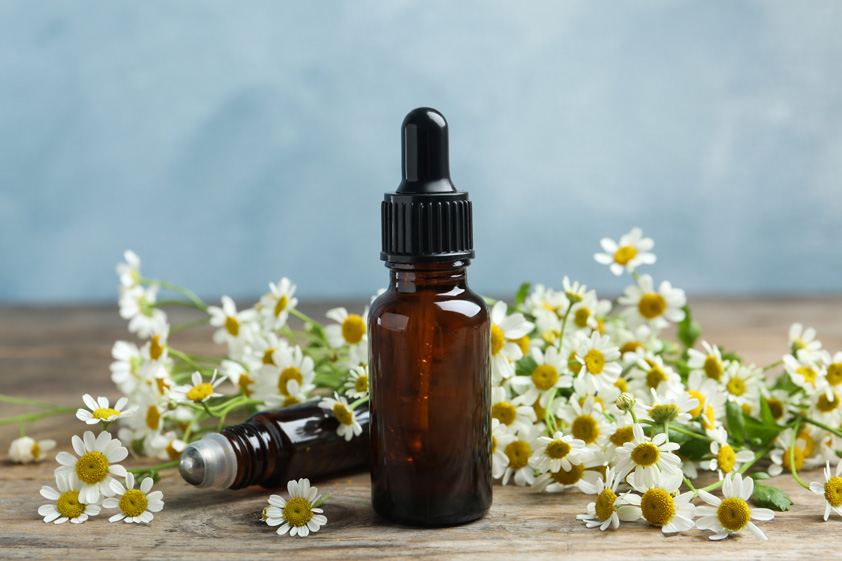
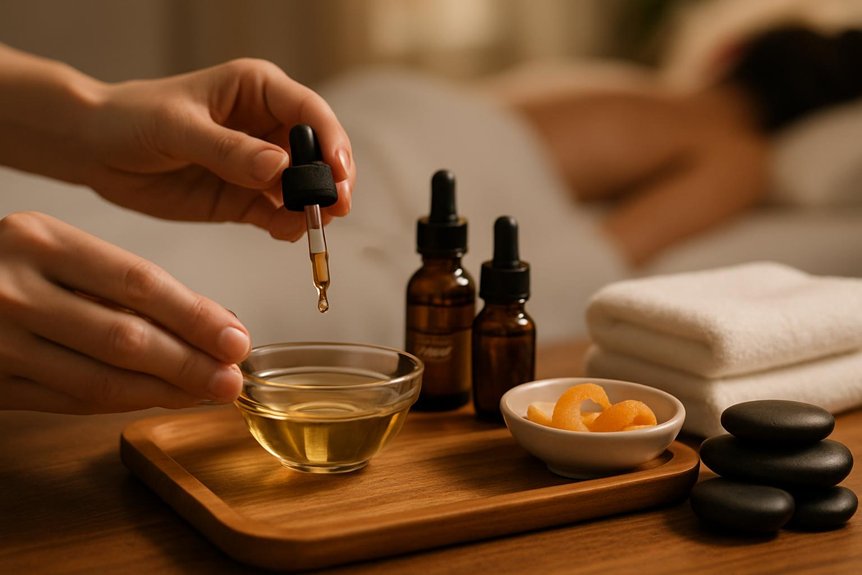
As practiced at Spa & Massage, select oils—such as lavender, chamomile, or eucalyptus—are carefully diluted in carrier oils to guarantee dermal safety and ideal diffusion.
The skin absorbs lipophilic constituents, which may enter the microcirculation, while inhalation of aromatic molecules conveys signals to the limbic system, influencing mood and emotional states.
Our therapists apply gentle, rhythmic strokes to facilitate even distribution, mindful of contraindications and sensitivities.
Precise botanical selection and blending allow for a tailored sensory experience, designed to nurture connection and comfort while maintaining safety standards that protect both skin integrity and overall wellbeing.
Physical Benefits You Can Expect
Through the integration of essential oils with structured manual techniques, essential oil massage provides a distinct array of physical benefits, grounded in both biochemical and biomechanical mechanisms.
When expertly applied by therapists at Spa & Massage, botanical extracts such as lavender, eucalyptus, or chamomile interact with the skin’s lipid barrier, encouraging localized vasodilation and facilitating nutrient exchange.
The massage itself enhances lymphatic drainage, reduces muscular tension, and supports joint mobility.
In our clinics, individualized oil blends are selected to align with each client’s health objectives, always adhering to safe dilution practices to mitigate dermal sensitivity.
This meticulous approach fosters improved circulation, accelerated tissue recovery, and a gentle yet profound sense of physical ease—qualities especially valued by those seeking attentive, restorative touch.
Emotional and Mental Wellbeing Effects
Aromatic massage therapy exerts measurable influence on emotional and mental wellbeing by leveraging the neuroactive properties of selected essential oils alongside structured tactile stimulation. Through careful selection of botanicals such as Lavandula angustifolia or Citrus sinensis, therapists at Spa & Massage address concerns like stress, low mood, or mental fatigue.
These volatile plant extracts interact with olfactory and limbic pathways, supporting neurochemical balance linked to mood regulation. The gentle, expert touch of massage further encourages the parasympathetic response, quieting tension and fostering a sense of connectedness.
Safety remains paramount; all essential oils are professionally diluted and selected for individual suitability. Clients are encouraged to communicate any sensitivities or preferences, ensuring a personalised, restorative experience that supports emotional equilibrium and mental clarity throughout their session.
The Role of Scent in Enhancing Relaxation
Volatile aromatic compounds released from essential oils interact with olfactory receptors, modulating neural pathways linked to mood and stress regulation.
At Spa & Massage, therapists carefully select botanically derived oils such as Lavandula angustifolia (lavender) or Citrus sinensis (sweet orange) to suit individual preferences and sensitivities. They always prioritize safe dilution and contraindication checks.
A thoughtfully scented treatment environment promotes a multisensory relaxation response, amplifying the calming effects of massage therapy.
How Scents Affect Mood
Why does the scent of certain essential oils evoke immediate feelings of calm or uplifted mood? Botanical compounds within essential oils—such as linalool in lavender or limonene in citrus—interact with olfactory receptors in the nasal cavity.
This neural signaling rapidly transmits to the limbic system, the brain’s center for emotion and memory.
In Spa & Massage clinics, therapists harness this physiological response to create a deeply soothing atmosphere, enhancing both psychological well-being and physical relaxation.
The selection and diffusion of oils are approached with care to *guarantee* safety and comfort, avoiding irritants or excessive concentrations.
Aromatic molecules, when used professionally, can ease tension, promote tranquility, or stimulate clarity—integrating science and intimacy to foster a sense of sanctuary and emotional balance during each essential oil massage session.
Essential Oil Selection
How do therapists determine which botanical extracts best facilitate relaxation? At Spa & Massage, selection begins with a careful assessment of each client’s needs, sensitivities, and preferences. Essential oils such as Lavandula angustifolia (lavender), Citrus sinensis (sweet orange), and Boswellia carterii (frankincense) are frequently chosen for their calming phytochemical constituents.
The olfactory system’s direct link to the limbic region of the brain allows these volatile aromatic compounds to modulate emotional states and promote tranquility. Therapists at Spa & Massage are trained to dilute essential oils in carrier oils, ensuring dermal safety and minimizing risk of sensitization or irritation.
Individualized blends are created to cultivate a sense of comfort and intimacy, always respecting contraindications and client consent for a truly bespoke relaxation experience.
Scented Environment Benefits
When aromatic compounds diffuse throughout a treatment room, they interact with olfactory receptors, initiating neural pathways that influence mood and physiological states.
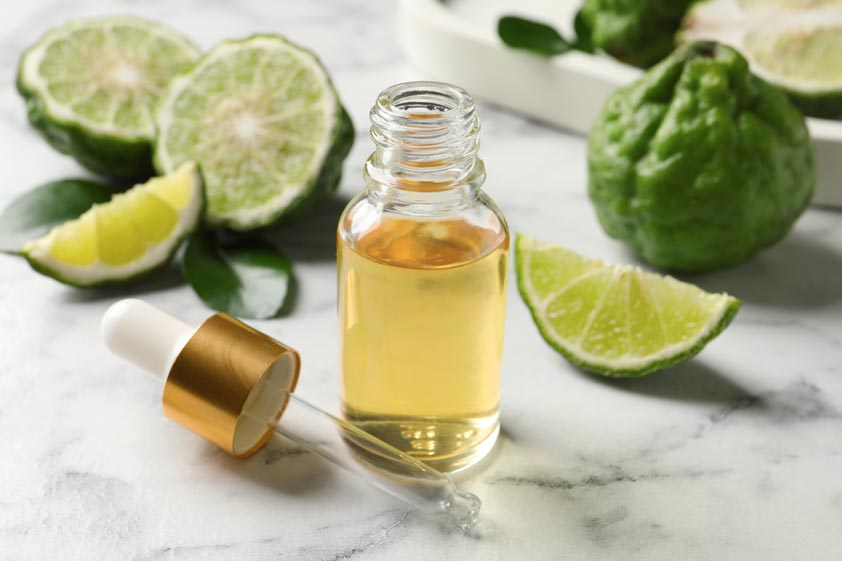
Volatile molecules from botanically-derived essential oils such as lavender, bergamot, or sandalwood, when properly diffused, can prompt the limbic system to promote relaxation and emotional well-being.
At Spa & Massage clinics, therapists carefully select and disperse oils to create a safe, soothing environment, always considering client sensitivities and contraindications.
This ambient aroma enhances the sensory dimension of the massage, helping individuals unwind more deeply and fostering a sense of intimacy and trust.
Proper ventilation and dilution ratios are prioritized to avoid overwhelming the senses, ensuring both safety and comfort.
A thoughtfully scented environment becomes an integral part of the holistic therapeutic experience.
Popular Essential Oils and Their Purposes
It utilises a curated selection of essential oils, each possessing distinct botanical properties and therapeutic actions.
At Spa & Massage, therapists frequently select oils such as lavender (Lavandula angustifolia) for its calming and anxiolytic effects, or sweet orange (Citrus sinensis) to uplift mood and instil gentle warmth.
Eucalyptus (Eucalyptus globulus) is chosen for its invigorating and respiratory-supportive qualities, while geranium (Pelargonium graveolens) assists in balancing emotional states.
For muscular relaxation, marjoram (Origanum majorana) is often incorporated.
All essential oils are meticulously diluted in carrier oils to guarantee dermal safety and minimise sensitisation risk.
The selection process is highly personalised, with careful attention to each client’s sensitivities, preferences, and therapeutic goals—reflecting Spa & Massage’s commitment to comfort, trust, and well-being.
What to Expect During an Aromatic Massage Therapy Session
During a massage session at Spa & Massage, clients can expect a personalised essential oil selection based on individual needs and sensitivities. This process involves careful consideration of botanical properties and contraindications.
The treatment is conducted in a calming environment designed to support relaxation and sensory comfort.
Therapists employ specialised massage techniques and a consistent, therapeutic flow to optimise both absorption of essential oils and overall wellbeing.
Personalised Essential Oil Selection
An initial step in a massage at Spa & Massage involves a detailed consultation, allowing therapists to select essential oils based on each client’s health profile, preferences, and therapeutic goals. This process guarantees the botanical extracts chosen—such as Lavandula angustifolia (lavender) or Citrus sinensis (sweet orange)—are both safe and personally resonant.
Therapists inquire about sensitivities, allergies, and recent medical conditions to avoid contraindications. The essential oil blends are then carefully diluted in carrier oils for ideal dermal absorption and olfactory benefit.
Each formulation is tailored to evoke specific emotional or physiological responses, whether calming, uplifting, or balancing. This personalised selection forms the foundation for a deeply intimate and effective essential oil massage, reflecting Spa & Massage’s commitment to client safety and holistic care.
Relaxing Treatment Environment
How does the treatment environment influence therapeutic outcomes? The ambient setting of an essential oil massage is fundamental for both psychological comfort and ideal absorption of botanical extracts.
At Spa & Massage, each treatment room is curated to guarantee gentle lighting, calm acoustics, and a controlled temperature, supporting vasodilation and relaxation. The diffusion of pure essential oil vapours—such as Lavandula angustifolia or Citrus sinensis—enhances olfactory pathways, priming the limbic system for emotional balance.
Hygienic linens and meticulously cleaned surfaces safeguard client safety, while soft textures foster a sense of intimacy and trust. Clients are encouraged to communicate preferences regarding music or lighting, allowing the environment to become a cocoon that deepens the therapeutic effect of the massage and essential oil synergy throughout the session.
Therapist Techniques and Flow
Once a tranquil environment has been established, the focus shifts to the therapist’s technique and session structure.
At Spa & Massage, therapists begin by selecting essential oil blends appropriate for the client’s needs, considering botanical properties and potential sensitivities.
The massage typically starts with gentle effleurage to distribute the oils, followed by rhythmic strokes designed to promote lymphatic drainage, muscular relaxation, and enhanced aromatic absorption.
Techniques such as petrissage, friction, and light acupressure are employed, always respecting the client’s comfort and safety.
Therapists monitor client feedback, adjusting pressure and flow to maintain a seamless, nurturing experience.
This individualized approach, grounded in anatomical knowledge and botanical safety, fosters an atmosphere of trust and intimacy, ensuring both relaxation and therapeutic benefit throughout the session.
Aftercare Tips for Prolonging the Benefits
Following an essential oil massage, ideal aftercare is essential to extend and enhance the therapeutic effects of essential oils and manual techniques.
Spa & Massage therapists recommend allowing botanical extracts to remain on the skin for several hours, maximizing absorption and aromatic impact.
Clients are encouraged to hydrate well, as increased lymphatic activity aids toxin elimination.
To preserve the benefits, avoiding immediate bathing or exfoliation prevents disruption of the oil’s phytochemical profile.
Resting in a calm environment supports ongoing relaxation and nervous system balance.
If any skin sensitivity arises, gentle cleansing with lukewarm water is advised.
Prioritizing these measures not only prolongs the delicate fragrances but also encourages deeper intimacy with one’s own senses, aligning with Spa & Massage’s holistic approach to lasting wellness.
Why Clients Choose Aromatic Massage Therapy at Spa & Massage
Because it aintegrates therapeutic manual techniques with the pharmacological properties of essential oils, clients at Spa & Massage select this treatment for targeted physiological and psychological outcomes.
The precise application of botanically-derived oils—such as Lavandula angustifolia (lavender) for relaxation or Citrus sinensis (sweet orange) for mood enhancement—offers tailored sensory experiences.
In Spa & Massage clinics, therapists carefully select and dilute essential oils, following rigorous safety protocols to avoid dermal sensitivity and assure maximum absorption.
Clients often pursue this massage to address muscular tension, stress, and disrupted sleep cycles, seeking a multisensory approach that promotes intimacy and restoration.
The tranquil clinic environment and personalized oil selection foster a sense of trust and care, enhancing both emotional comfort and physical well-being.
Conclusion
Essential oil massage, like a carefully tended garden, cultivates harmony between body and mind by blending the botanical potency of essential oils with therapeutic touch. Through precise application and respect for each oil’s chemotype, this practice safely nurtures both physical and emotional landscapes, encouraging resilience and renewal. At Spa & Massage, clients discover not just temporary relief, but the seeds of lasting wellness, sown with expertise and mindful attention to individual needs for safe, holistic care.