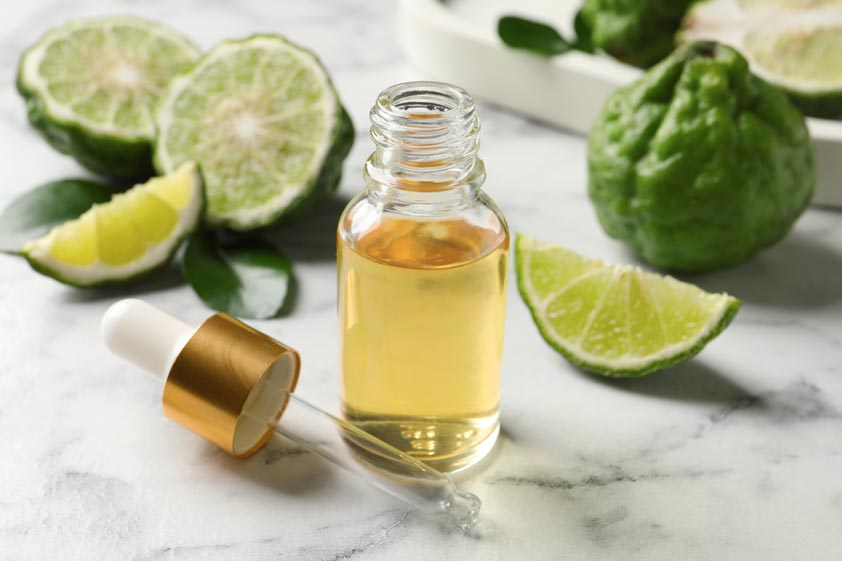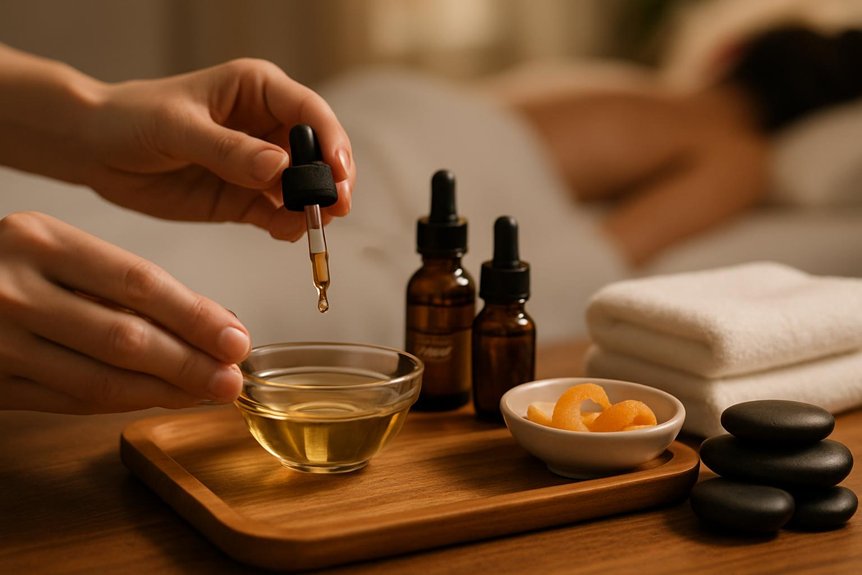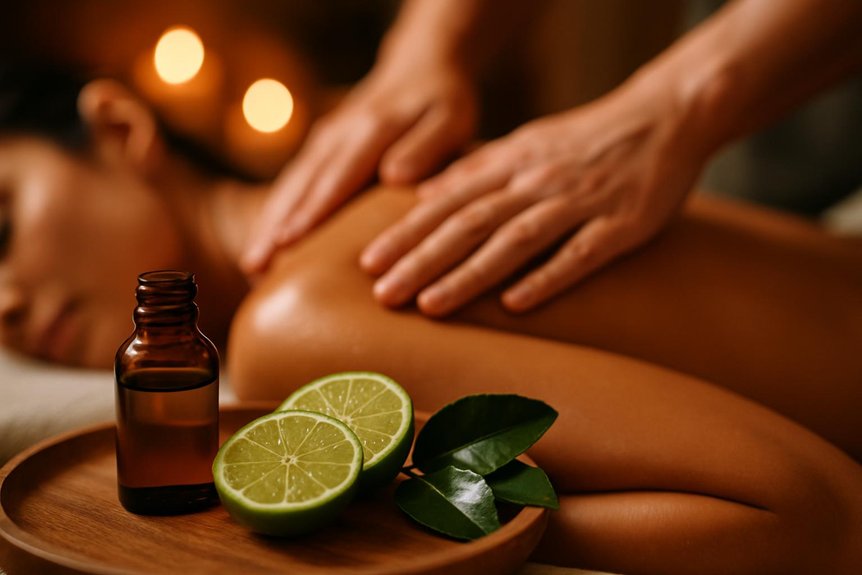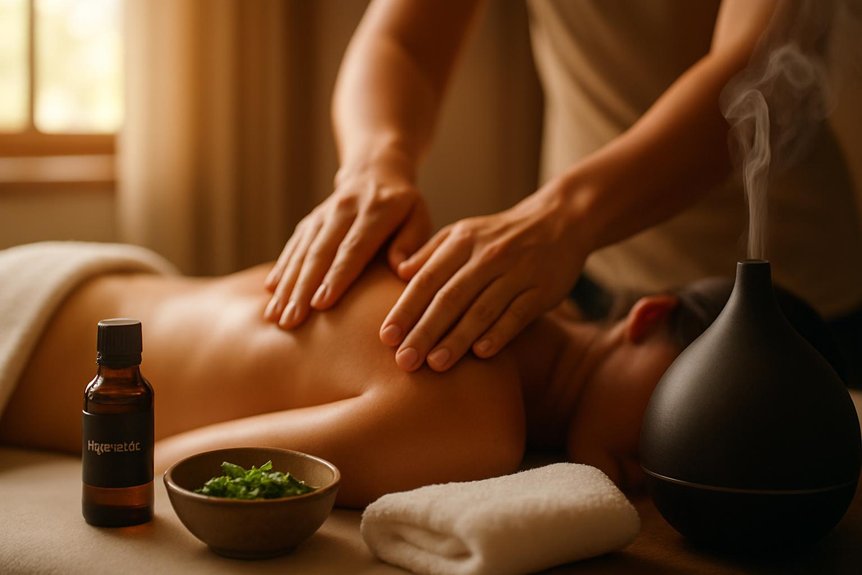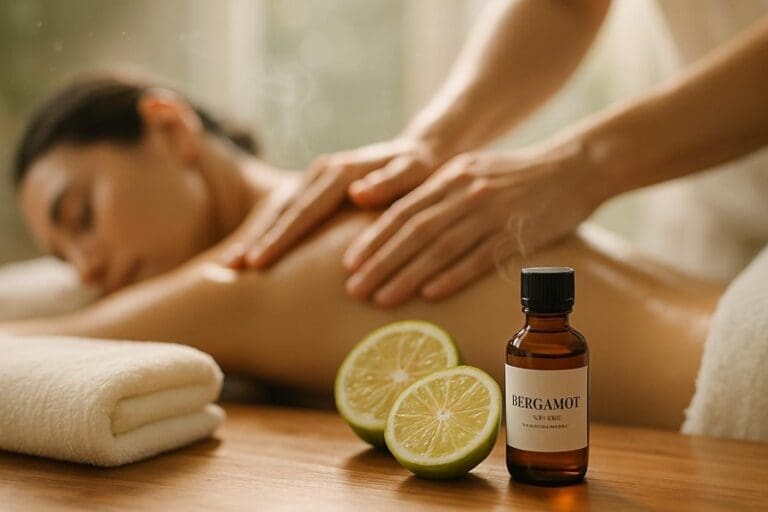
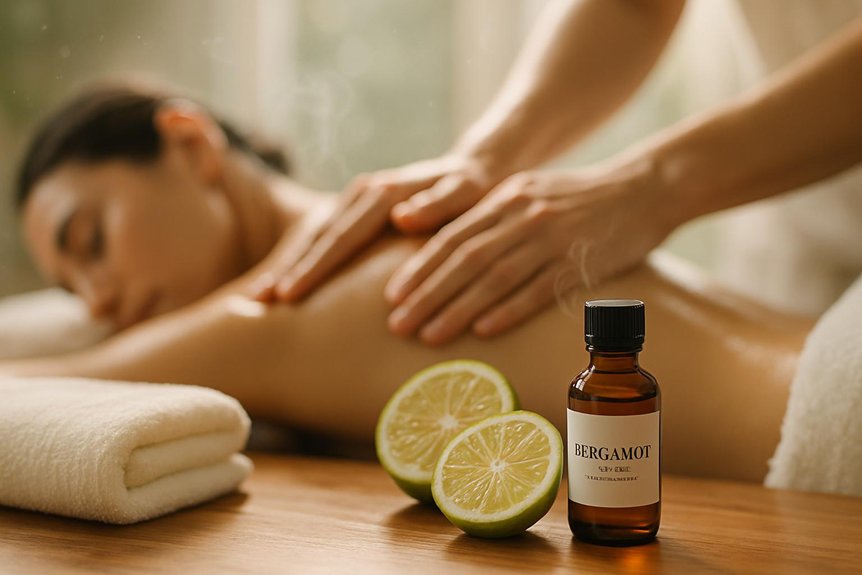
In aromatic massage, bergamot typically smells bright and citrus-forward, similar to fresh orange peel and lemon zest. As it warms on skin, it becomes rounder and slightly tea-like, with a gentle floral lift and clean herbal warmth that stays close rather than loudly projecting. Many clients describe it as “freshly showered” comfort that encourages slower breathing and relaxation without heavy sedation. Skin type, layering, and sun-safety considerations can change the experience, and there is more to explore.
What Does Bergamot Smell Like in a Massage?
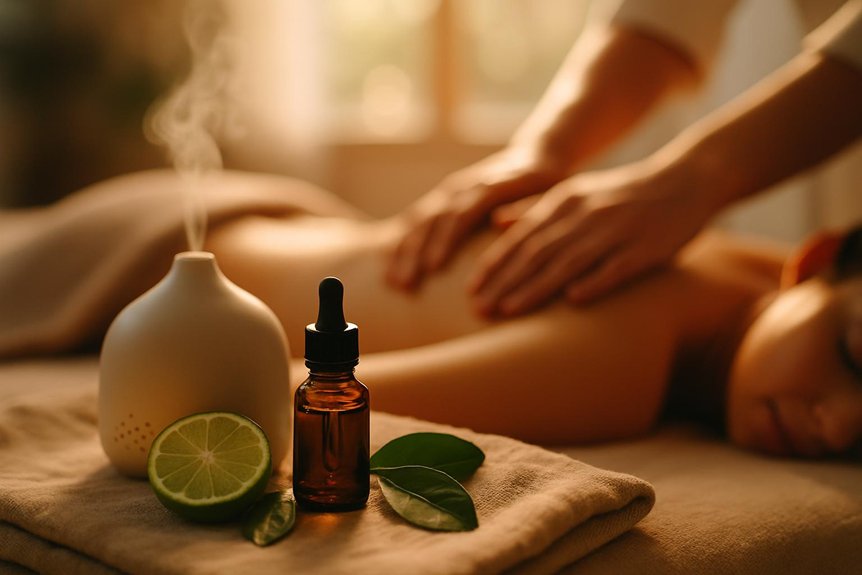
In an aromatic massage setting, bergamot typically presents as a bright, citrus-forward aroma—reminiscent of fresh orange peel and lemon zest—softened by a gentle floral note and a subtle, clean herbal warmth.
As the oil warms under skilled hands, the scent can feel more rounded and slightly tea-like, with a whisper of neroli and green peel that invites slower breathing.
Many people use it to relax and reset with aromatherapy massage as part of a calm, restorative routine.
At Spa & Massage clinics across London, therapists often diffuse or blend bergamot to support relaxation; research suggests citrus aromatics may ease perceived stress and improve mood.
Clients commonly describe a clean, intimate “freshly showered” comfort that lingers close to the skin without heaviness, making it suitable before deep tissue, sports, or pregnancy sessions.
What Does Bergamot Smell Like on Different Skin Types?
On dry skin, bergamot oil often projects as softer and more rounded—citrus-bright at first, then quickly settling into a clean, gentle floral-tea nuance as the top notes evaporate faster.
On oily skin, the same aroma can last longer and read more vivid and sparkling, with a slightly greener, more herbaceous edge as the oil’s lighter molecules are released more gradually.
In Spa & Massage aromatherapy treatments, therapists consider these skin-type differences when selecting dilution and blending so the bergamot scent stays balanced and comfortable throughout the massage.
Bergamot On Dry Skin
Dry-skin chemistry tends to make bergamot read softer and more fleeting: the first impression is bright, citrus-peel freshness with a gentle floral lift, but it can settle quickly into a clean, tea-like note rather than staying vividly sparkling.
With lower surface lipids, volatile molecules can evaporate faster, so the aroma may feel like a brief kiss of sunshine rather than a lingering glow.
At Spa & Massage, therapists often blend bergamot into a richer carrier to slow evaporation and support comfort, then use long, unhurried effleurage to warm the skin and let the scent bloom.
Clients who crave closeness may notice bergamot becoming more skin-scented—soft, intimate, and airy—especially on wrists, décolletage, and along the spine.
Aftercare includes unscented moisturiser to extend the experience.
Bergamot On Oily Skin
Oily skin often makes bergamot smell brighter and more persistent than it does on drier complexions, with the top notes holding their sparkle for longer. The citrus feels more effervescent—like freshly peeled zest—before softening into a lightly floral, tea-like warmth that lingers close.
This happens because natural skin oils can slow evaporation of aromatic molecules, extending diffusion and helping the scent cling. In Spa & Massage aromatherapy sessions, therapists often notice that clients with oilier skin experience a clearer “lift” at first contact, followed by a smooth, sensuous dry-down rather than a quick fade. To keep the aroma balanced and comfortable, they may use lighter carrier blends and adjust dilution, especially on the chest and neck, where heat amplifies projection.
How Does Bergamot Scent Affect Mood During Massage?
Often described as bright and softly citrus-floral, bergamot’s aroma can shift mood during massage by supporting relaxation without feeling sedating. In aromatherapy research, citrus notes are linked with reduced perceived stress and improved affect; in practice, many clients report feeling calmer, clearer, and more emotionally “held” as the scent settles into warm skin and slow breath.
At Spa & Massage clinics across London, therapists often notice bergamot helping nervous energy soften at the start of a session, allowing touch to feel safer and more receptive. The fragrance can create a gently intimate atmosphere—fresh, clean, and slightly sweet—supporting ease without dulling alertness. Clients seeking grounding after a busy commute may find it encourages exhale, quiets mental chatter, and restores a sense of connection to the body.
What Oils Pair Best With Bergamot in Aromatic Massage?
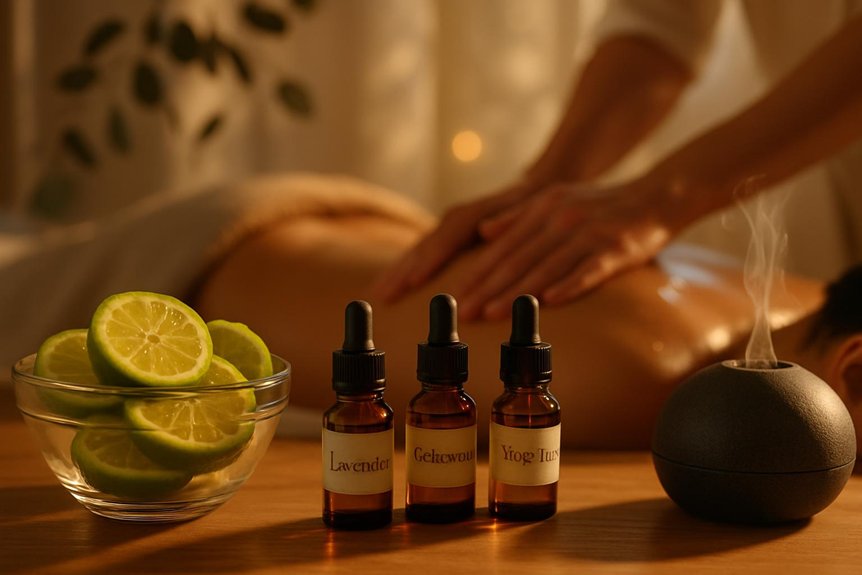
In Spa & Massage clinics, bergamot is often paired with bright citrus and soft florals (such as sweet orange and lavender) to create an uplifting, clean scent profile that many clients find supportive for relaxation and positive mood.
For a more grounding massage experience, therapists may blend bergamot with herbal and woody oils (such as rosemary and cedarwood) to add crisp, resinous depth that suits clients seeking steadiness and muscle-focused work.
Pairing choices are typically guided by the client’s goal, scent tolerance, and skin sensitivity, with dilution tailored for comfort and safety.
Citrus And Floral Blends
For a brighter, more balanced aromatherapy experience, bergamot pairs best with citrus oils that lift the mood and floral oils that soften its sharpness, creating a clean, sun-warmed scent that still feels calming on the skin.
At Spa & Massage clinics across London, therapists often blend bergamot with sweet orange or mandarin for a juicy, optimistic top note that many clients find gently energising without feeling sharp. Grapefruit can add a crisp sparkle, useful when the aim is to feel refreshed and clear-headed.
For intimacy and comfort, lavender smooths bergamot’s edges and supports relaxation, while neroli or ylang ylang adds a plush, skin-close floral warmth. These combinations tend to feel both bright and tender, ideal for slow, flowing aromatic massage.
Herbal And Woody Pairings
Alongside citrus and floral companions, bergamot also performs exceptionally well with herbal and woody oils that add structure, depth, and a steadier calm to the blend. Lavender or clary sage softens bergamot’s sparkling edge into a clean, skin-close hush, while rosemary can lend clarity for clients feeling mentally tired.
For grounding, cedarwood and frankincense deepen the aroma into warm, resinous stillness; patchouli adds an earthy, velvety base when emotional comfort is the goal. Evidence suggests bergamot and lavender support relaxation, and many clients report easier breathing and a quieter mind with gentle woody notes. In Spa & Massage clinics, therapists typically keep these pairings low-dose, allowing bergamot to lead while the base notes linger on the skin.
When Might Bergamot Scent Not Suit You (or Irritate)?
Used thoughtfully, bergamot’s bright, citrus-floral aroma is often well tolerated, but it may not suit everyone—particularly those with sensitive skin, fragrance sensitivities, asthma or allergy-prone airways, or a history of headaches triggered by strong scents.
In aromatic massage, irritation can show up as tingling, redness, itch, or a tight, “too much” feeling in the chest or throat; occasionally, nausea or lightheadedness follows.
Evidence notes bergamot oil may contain allergenic components, and cold-pressed versions can be phototoxic if left on skin before UV exposure.
At Spa & Massage clinics across London, therapists screen for sensitivities, dilute precisely, and can switch to gentler, low-odour blends or unscented oils.
A small patch-test and slower inhalation often keeps the experience sensual, safe, and steady.
How to Make Bergamot Aroma Last After Your Massage
After an aromatic massage, bergamot’s crisp citrus top notes can fade quickly unless they are “anchored” to skin, fabric, and the nervous system through simple aftercare. At Spa & Massage clinics across London, therapists advise keeping the oil on: skip hot showers for 6–8 hours, and blot—don’t scrub—so the silken residue remains close to pulse points.
For longer wear, a client can layer with an unscented body lotion or balm; occlusion slows evaporation and helps the scent feel warm, skin-close, and intimate. Soft cotton clothing and fresh bedding hold bergamot gently, while a brief mindful inhale before sleep reinforces scent-memory pathways. If sunlight is expected, therapists recommend avoiding bergamot leave-on products unless used with a suitable, non-phototoxic blend.
Conclusion
Bergamot in aromatic massage often lands like morning light through clean linen—citrus-bright, then softly floral, with a faint herbal spice that settles close to the skin. As body warmth lifts the top notes and anchors the base, many clients report a calmer, clearer mood without feeling dulled. Thoughtful blending and patch-aware use helps reduce irritation risk. When suited, the aroma lingers like a quiet afterglow, extending the massage’s restorative ease.