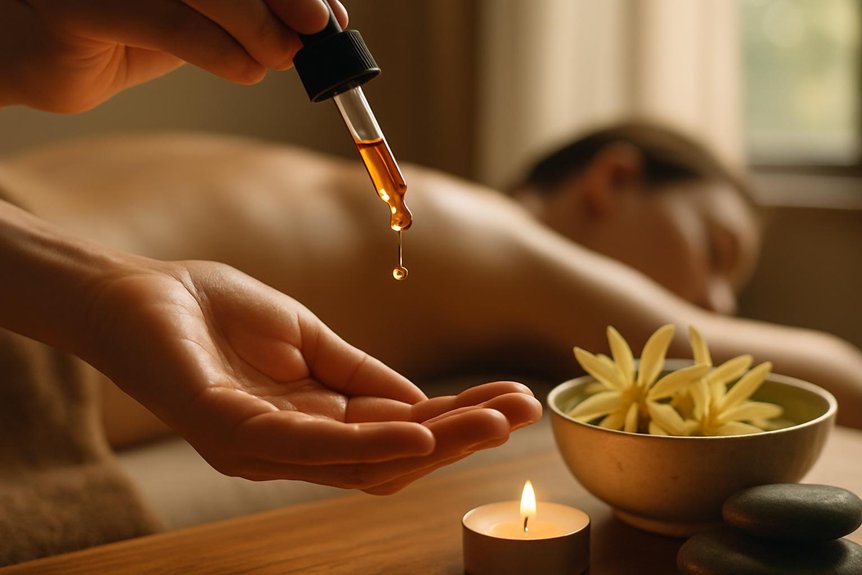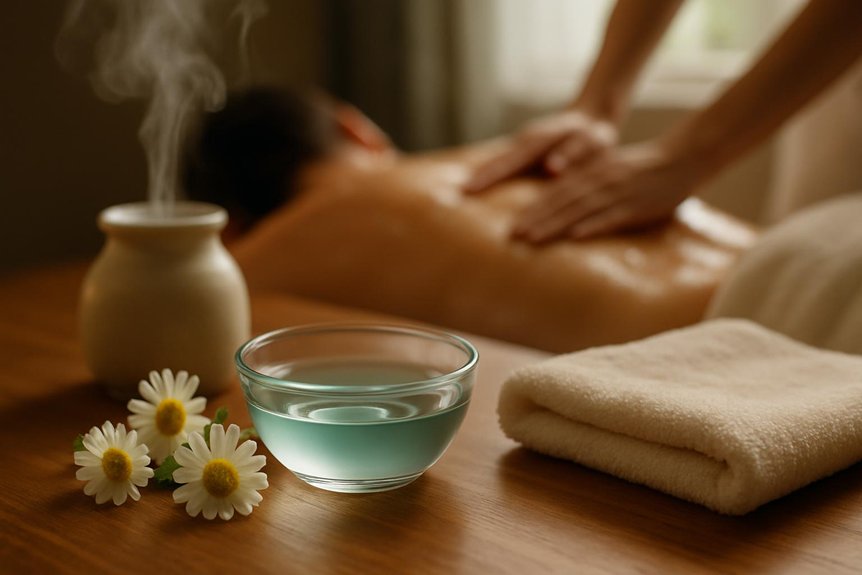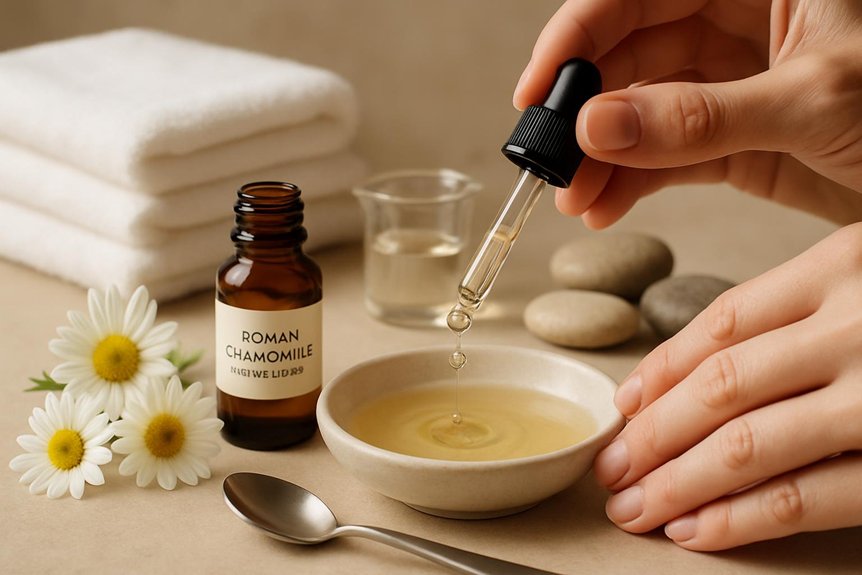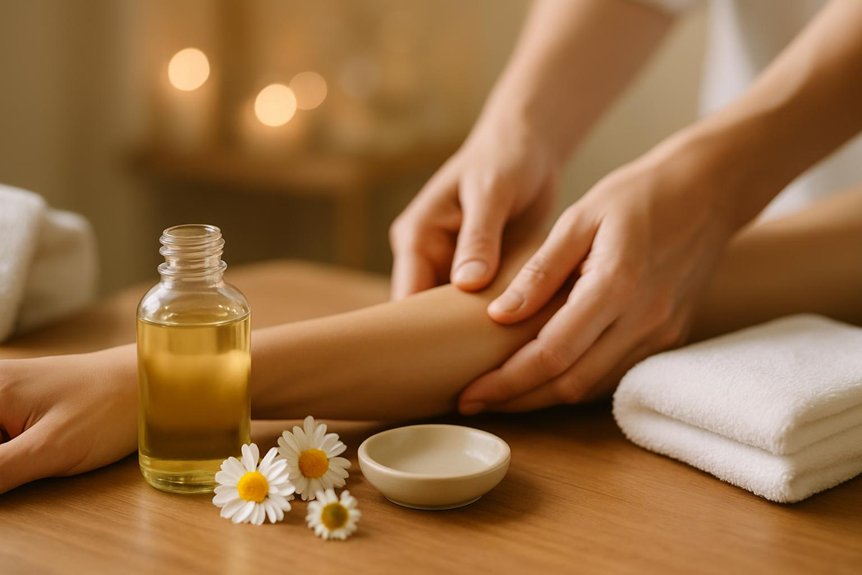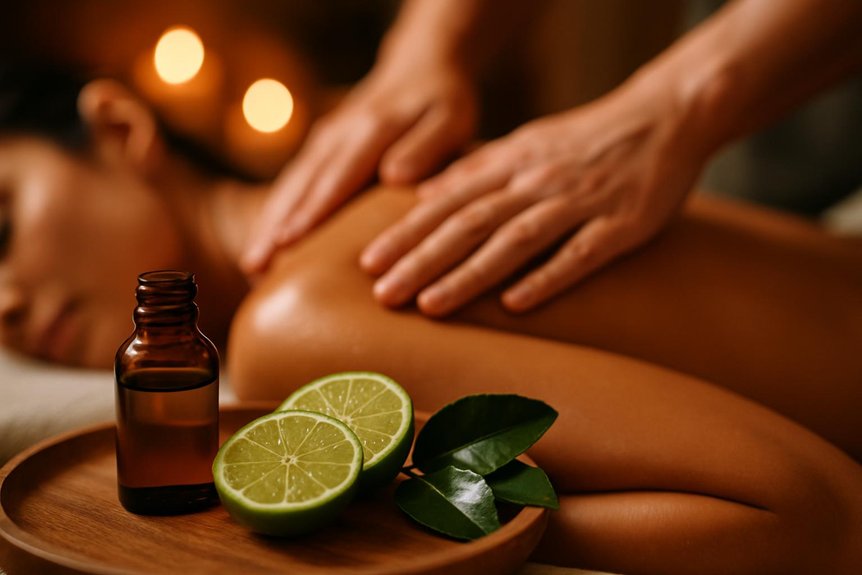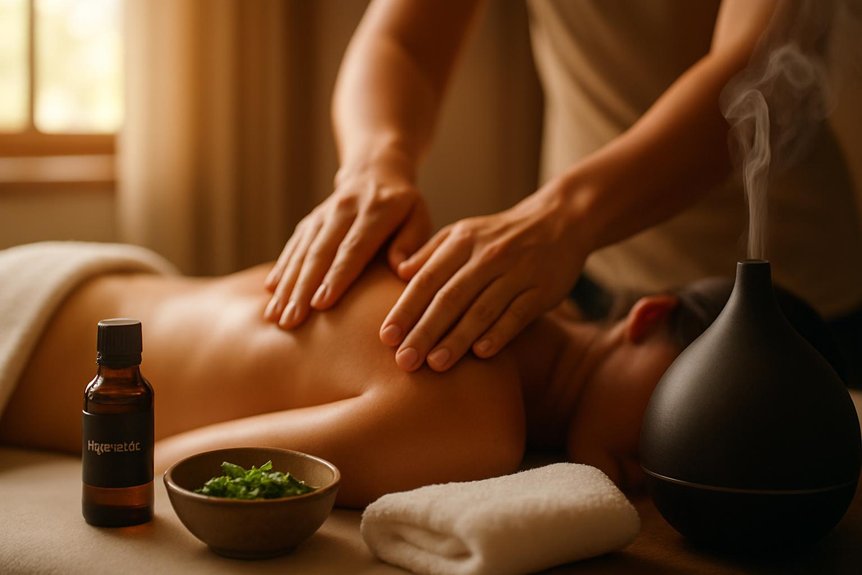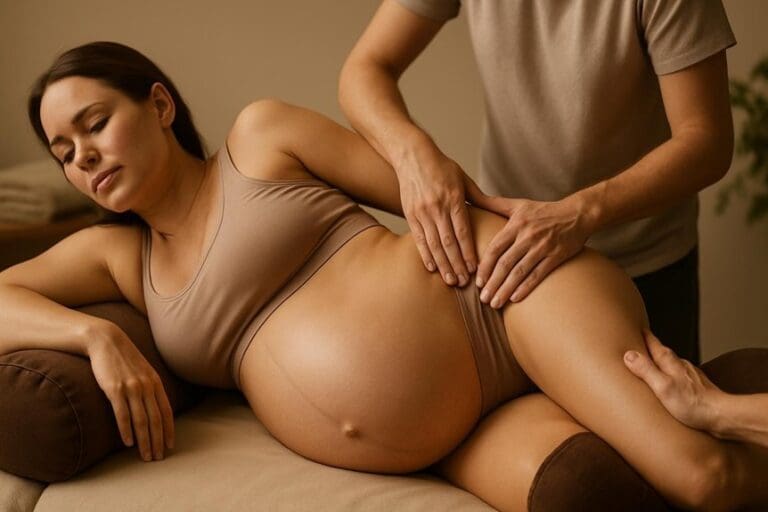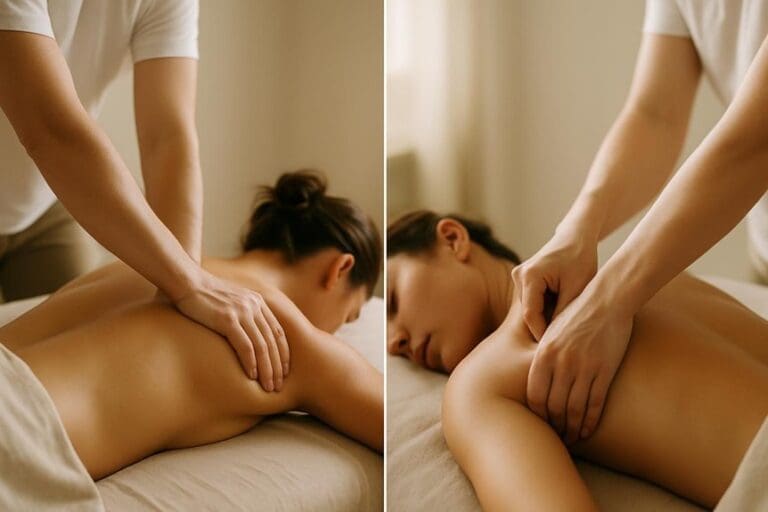
Eucalyptus oil in it is used for its crisp 1,8‑cineole aroma, which can support perceived nasal airflow through scent-driven cooling receptor effects. When diluted in a carrier oil and applied to the upper back, neck, shoulders, and chest-adjacent areas, it may help reduce protective muscle guarding and improve comfort after training or long desk hours. It is not a treatment for asthma or infection, and screening plus patch testing are advised. Further details clarify sensations, contraindications, and best-use practices.
Eucalyptus Oil in Massage: What Are the Benefits?
In aromatic massage, eucalyptus essential oil is commonly selected to support respiratory comfort, ease sensations of muscular stiffness, and promote a clearer, more alert mental state. At Spa & Massage, therapists dilute it appropriately and apply it with slow, attentive strokes that invite the body to soften while maintaining clinical safety.
Evidence suggests eucalyptus’ aroma can influence perceived congestion and mental fatigue, while massage supports circulation and reduces pain sensitivity; together, many clients report easier movement and a calmer, more focused mood. It is often chosen after intense training or long desk hours, when shoulders, calves, and lower back feel guarded. To relax and heal, some practitioners incorporate aromatherapy massage tips such as steady breathing cues and a quiet, low-stimulation setting to deepen comfort. Therapists check for asthma triggers, skin sensitivity, pregnancy status, and medication use, and may recommend a patch test and hydration afterwards for comfort and glow.
Can Eucalyptus Oil Massage Help You Breathe Easier?
Many clients who choose eucalyptus in aromatic massage are seeking more than muscular ease—they also want a clearer, less “blocked” feeling in the chest and sinuses.
Evidence suggests eucalyptus (rich in 1,8‑cineole) can support perceived nasal airflow by modulating airway irritation and loosening sensations of congestion, largely through scent-driven and cooling receptor effects rather than “opening” the airways physically.
In Spa & Massage clinics, therapists typically diffuse the aroma through controlled inhalation while applying diluted oil to the upper chest, neck, and shoulders, avoiding the face.
Clients often report easier, deeper breaths during slow, grounded strokes that cue parasympathetic relaxation.
It is not a treatment for asthma or infection; those with respiratory conditions should disclose this beforehand.
Always perform a patch test first.
Does Eucalyptus Oil Help With Sore Muscles After Exercise?
At Spa & Massage clinics across London, therapists typically blend eucalyptus at a low, skin‑safe dilution and pair it with slow, reassuring effleurage and targeted sports-massage techniques to encourage circulation and ease protective muscle guarding.
Clients are advised that the oil is not a shortcut for tissue repair; it is best used alongside hydration, sleep, gentle active recovery, and appropriately timed deep work.
Those with asthma, pregnancy, or sensitivities should request an alternative.
What Does Eucalyptus Oil Feel Like on Skin?
On first contact, eucalyptus oil typically produces a brisk cooling or tingling sensation on the skin, often followed by a mild warming “afterglow” as circulation increases with massage. The feel is clean and lightly numbing, helping many clients settle into deeper pressure and slower breathing.
In Spa & Massage clinics, therapists dilute eucalyptus essential oil into a carrier oil to support glide and reduce irritation; this creates a silky, non-greasy finish that absorbs gradually. Sensations are usually most noticeable over tight shoulders, calves, and the upper back, where warmth and pressure amplify the cooling effect. A subtle, medicinal-fresh aroma rises with skin heat, encouraging a sense of closeness and calm. Skin may look slightly flushed from massage, not from “burning.” Clients should request lighter dilution if sensations feel too strong.
Who Should Avoid Eucalyptus Oil in Massage?
That brisk cooling/tingling sensation can be pleasant for some clients, but it also signals that eucalyptus oil is relatively stimulating and may be inappropriate for certain groups.
Clients who are pregnant or breastfeeding, those with asthma or reactive airways, and anyone with a history of seizures should avoid it unless cleared by a clinician.
It may also aggravate very sensitive, broken, recently shaved, or inflamed skin, and is best avoided with eczema or dermatitis flares.
Children should not receive eucalyptus oil massage.
People taking multiple medications or managing chronic liver disease should be cautious, as essential oils can be systemically absorbed in small amounts.
At Spa & Massage, therapists screen for allergies, migraines triggered by scent, and hypertension before selecting oils.
How We Use Eucalyptus Oil at Spa & Massage
At Spa & Massage clinics across London, therapists select eucalyptus oil blends based on the client’s goals, medical considerations, and skin tolerance, using conservative dilution and patch-awareness where indicated.
Application is targeted to specific areas—commonly the upper back, chest, and legs—while avoiding sensitive regions and adjusting pressure and technique to the treatment plan.
After the session, clients are given clear aftercare guidance and, where appropriate, home-use recommendations focused on safe dilution, timing, and signs to stop use.
Therapist Blend Selection
Therapists at Spa & Massage select eucalyptus oil blends deliberately, aligning aroma strength and dilution with the client’s goals, sensitivities, and treatment type. Intake questions cover respiratory comfort, headache history, skin reactivity, pregnancy status, and preference for a more or less invigorating scent, supporting informed, client-led choices.
For aromatic massage, eucalyptus is typically paired with softer notes to keep the profile close and comforting rather than sharp; carrier oils are chosen for glide and barrier support. Dilution remains conservative, consistent with professional safety guidance, and is adjusted for first-time clients or those with sensitive skin. Patch-awareness and clear consent are emphasised, with clients invited to pause, breathe, and request changes at any moment to maintain a calm, intimate therapeutic atmosphere.
Targeted Application Areas
Blend selection sets the foundation; targeted placement determines how eucalyptus is experienced during an aromatic massage at Spa & Massage.
Therapists typically apply diluted eucalyptus to the upper back, chest-adjacent pectoral area, and neck-shoulder line to support a clearer breathing sensation while maintaining comfort and consent.
For tension patterns, small amounts are worked into forearms, calves, and plantar fascia, where cooling perception can complement deeper pressure.
When headaches are reported, application stays to the suboccipital area and temples are avoided to reduce irritation risk.
In pregnancy massage, eucalyptus is generally omitted unless clinically appropriate and agreed.
Across clinics in London, therapists use slow, close contact, warming strokes to moderate volatility, and adjust placement based on skin response and client preference.
Aftercare And Home Use
After an aromatic massage, eucalyptus oil continues to feel active on the skin and in the airways, so aftercare focuses on hydration, gentle pacing, and minimising further sensory load.
At Spa & Massage, clients are advised to drink water, keep the body warm, and avoid vigorous exercise or very hot showers for 6–12 hours to reduce post-treatment sensitivity.
If the oil remains on the skin, a soft rinse is preferred to preserve comfort.
For home use, therapists recommend diffusion only in well‑ventilated rooms and brief sessions (10–20 minutes).
Topical application should be diluted in a carrier oil and patch‑tested.
It is avoided around eyes, mucosa, and during pregnancy unless clinically assessed.
Those with asthma should proceed cautiously.
Conclusion
Eucalyptus oil in aromatic massage is typically used to create an invigorating, “clear-breathing” sensory effect while supporting relaxation and perceived muscular ease. When properly diluted, it may feel cooling and can be useful for clients seeking a refreshed, lighter sensation, especially after fatigue or exercise. For example, a desk-based commuter with post-gym shoulder tightness may report easier nasal breathing and reduced discomfort after a eucalyptus blend and gentle effleurage. Screening remains essential for asthma sensitivity, pregnancy, or skin reactivity.