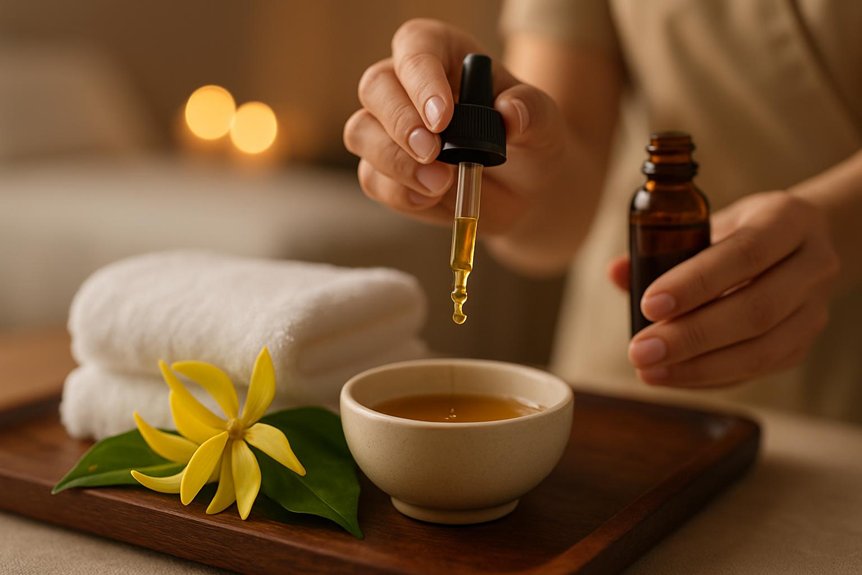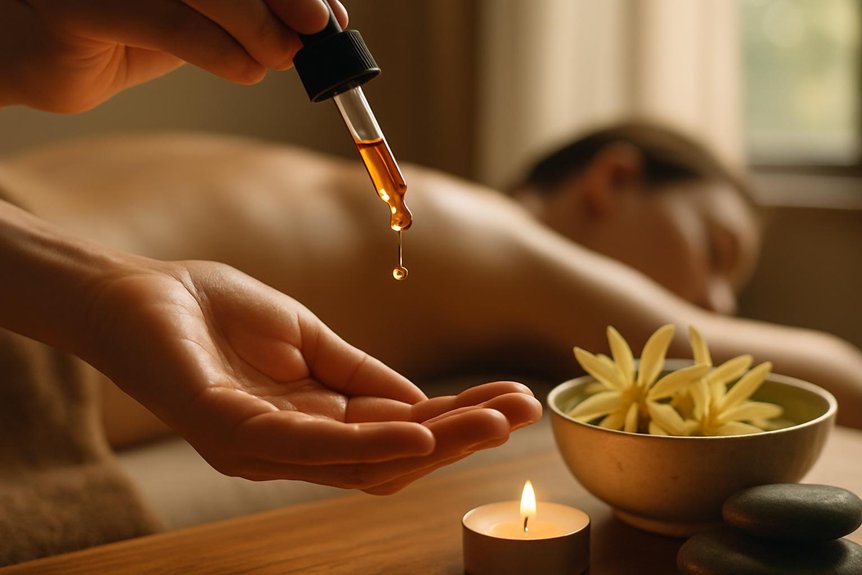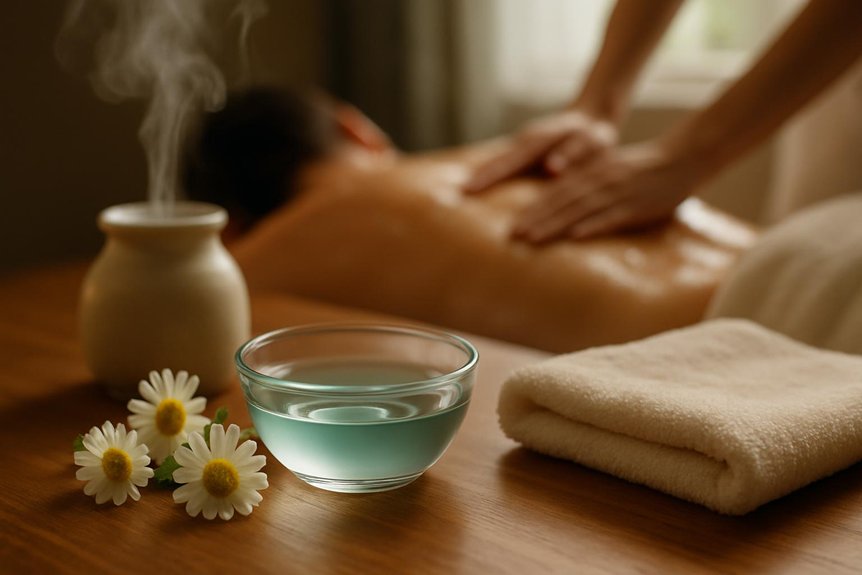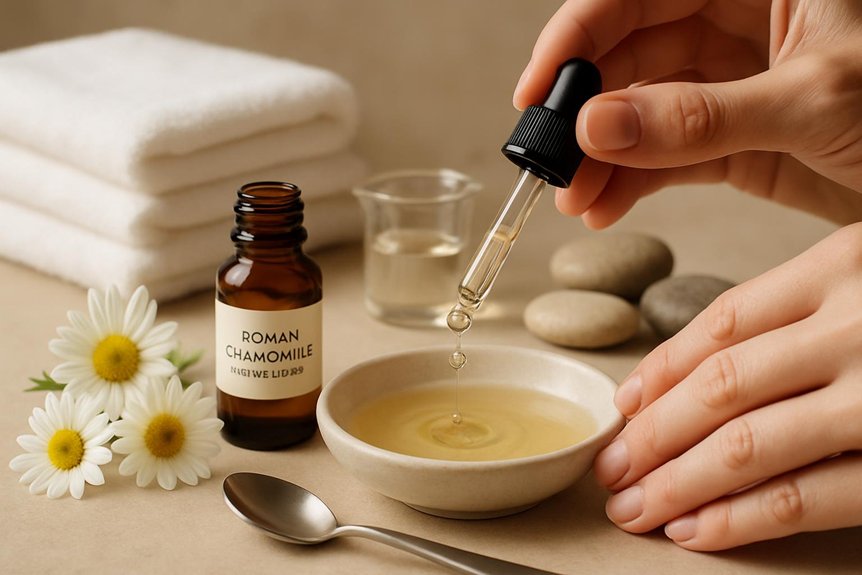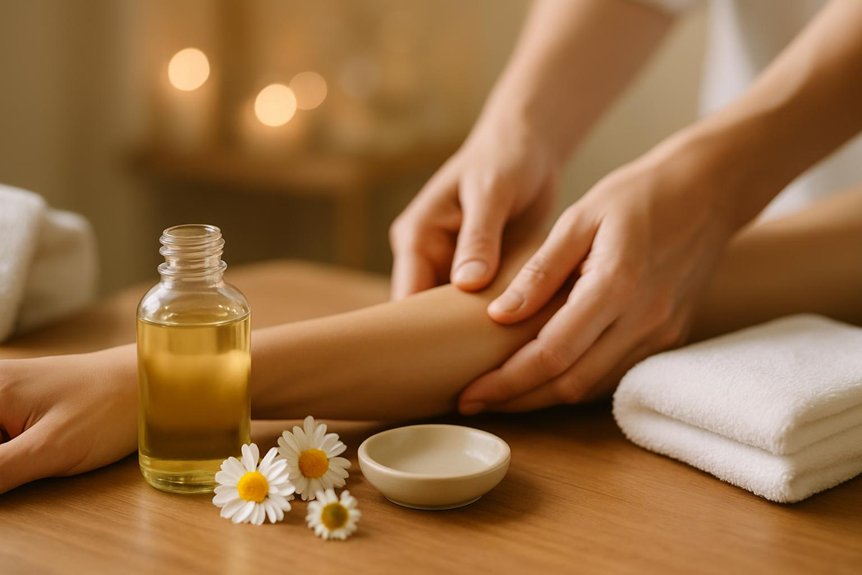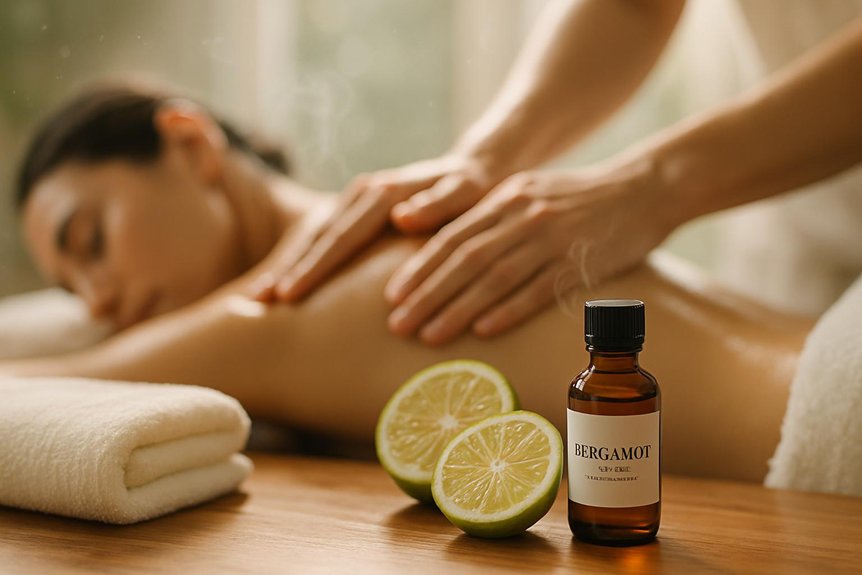
In an essential oil massage, lavender typically presents as a clean, herbaceous floral with soft, sweet top notes and a faint woody, camphor-like clarity. It often feels airy and fresh on first inhale, then warms on the skin into a smoother, linen-clean softness with a gentle medicinal edge. As heat and rhythmic pressure diffuse the oil, the scent can become more intimate and quietly enveloping, and it may shift with body chemistry and dilution choices. Additional nuances and blend options can further refine the experience.
What Does Lavender Smell Like in an Aromatherapy Massage?
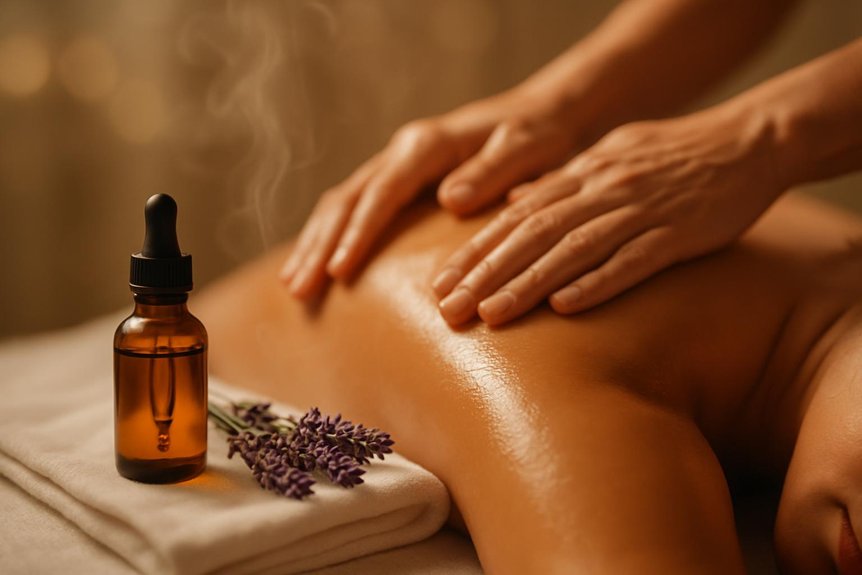
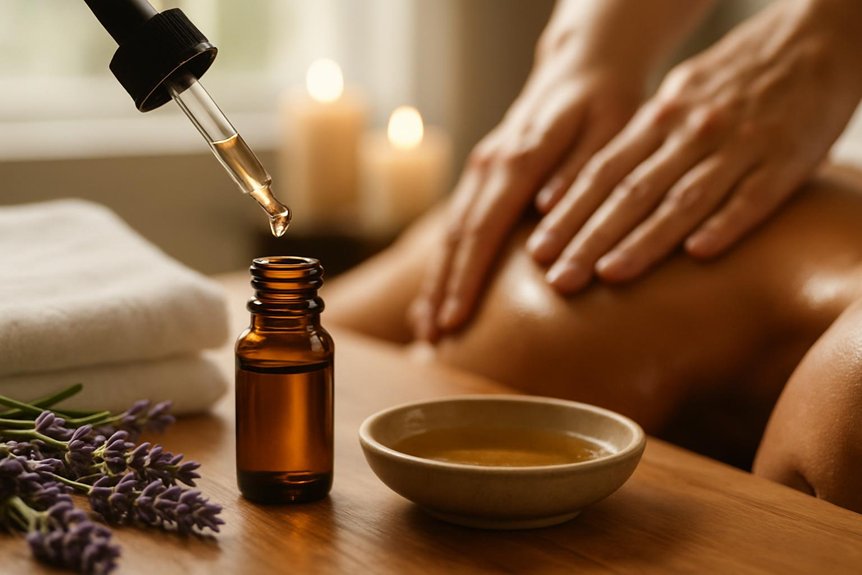
Often described as instantly recognisable, lavender in an essential oil massage presents as a clean, herbaceous floral scent with soft, sweet top notes and a faintly woody, camphor-like undertone that becomes more rounded as the oil warms on the skin.
In Spa & Massage clinics, it tends to read as airy and fresh at first inhale, then settles into a smooth, comforting floral that can feel quietly enveloping.
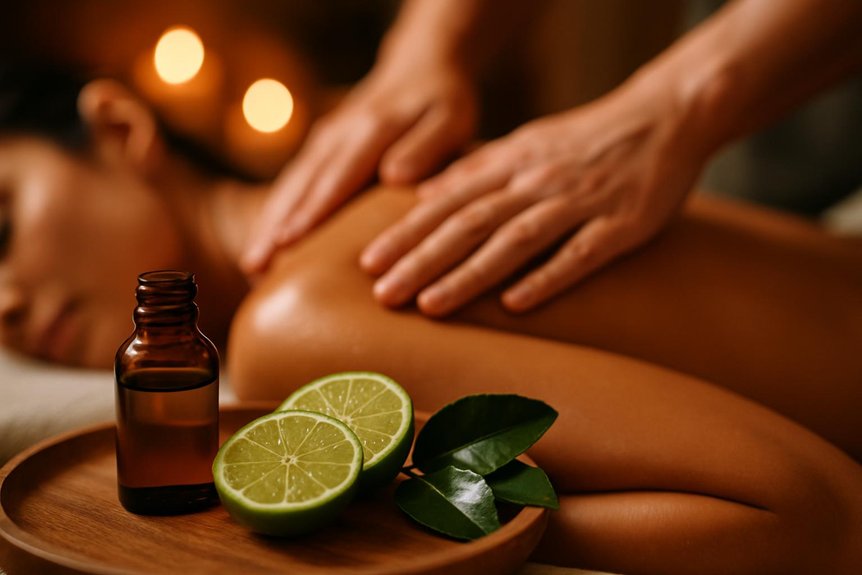
The aroma often lifts during broad effleurage strokes, where heat and rhythmic pressure diffuse the oil evenly, then becomes closer and more intimate as the therapist works slower, deeper passes across shoulders, back, and neck.
Many clients describe a “linen-clean” softness, with a gentle medicinal edge that signals clarity rather than sharpness, leaving a calm, close-to-skin finish.
These sensory shifts are often highlighted in essential oil massage tips designed to help you relax and heal as the scent unfolds throughout the session.
Why Does Lavender Smell Different on Each Person?
Why can the same lavender essential oil register as crisp and airy on one person, yet warmer or more herbaceous on another? Individual body chemistry subtly reshapes aroma perception. Natural skin oils, pH, and microflora interact with volatile lavender molecules, shifting which notes lift first and which linger close to the skin.
Heat distribution and circulation can make the scent bloom quickly or unfold slowly, changing its apparent sweetness, camphor edge, or green softness. Personal olfactory memory also colours interpretation: one client may read “clean linen,” another “garden stems,” another “night-time comfort.”
In Spa & Massage clinics, therapists notice these differences during consultation, then adjust dilution and placement so lavender stays intimate, soothing, and consistently pleasant throughout the treatment.
What Affects Lavender’s Scent During an Essential Oil Massage?
Lavender may already read differently from one client to the next, and during an essential oil massage its character can continue to shift minute by minute.
Warmth from the therapist’s hands volatilises lighter notes first, so the opening can feel airy and herbal before settling into soft, sweet floral depth.
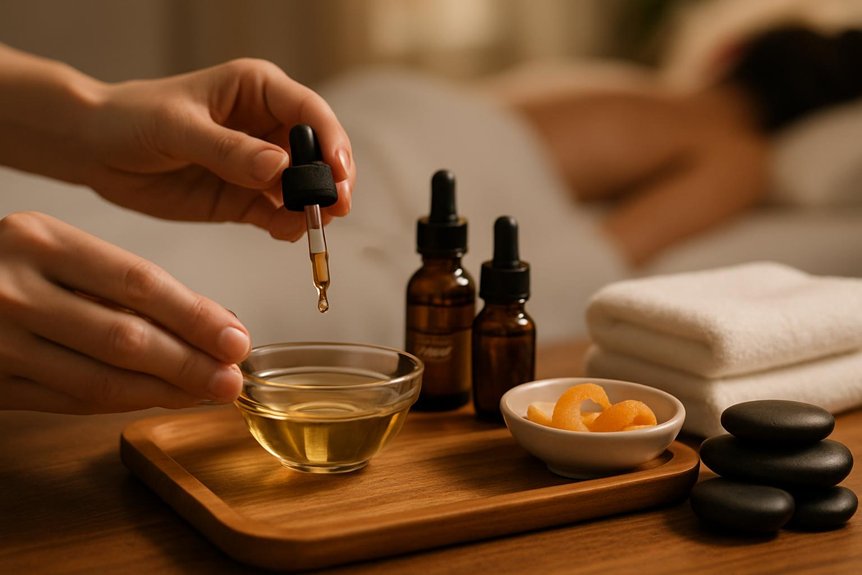
In Spa & Massage clinics, dilution, carrier oil choice, and fresh blending also matter: grapeseed keeps it crisp, while jojoba can make it rounder on skin.
Room temperature, humidity, and towel warmth subtly steer diffusion.
Pressure and pace change circulation and skin temperature, amplifying or quieting the aroma.
Finally, recent shower products, perfume, and laundry detergent can layer over lavender, turning it powdery, clean, or unexpectedly sharp mid-treatment.
How Does Lavender Aromatic Massage Help You Unwind?
In a quiet treatment room, lavender essential oil massage supports unwinding through a paired effect: steady, pressure-based touch that eases muscular guarding, and a slow, floral-herbal aroma that encourages calmer breathing. As inhalation lengthens, the chest softens and the jaw often unclenches, while warmth from oiled strokes reduces friction and invites tissues to yield.
In Spa & Massage clinics, therapists modulate pace, pressure, and contact to help the nervous system shift from alertness toward rest, without abrupt changes that can startle. The scent’s clean, slightly sweet note can act as an anchor, drawing attention inward when thoughts race. Many clients report quieter internal dialogue, lighter shoulders, and a lingering sense of being held and safely settled.
How to Choose the Right Lavender Oil Blend at Spa & Massage
After the mind quiets and breathing settles, the next variable that shapes the session is the specific lavender-led blend used on the skin and in the air.
At Spa & Massage clinics across London, therapists select blends by goal, sensitivity, and pressure style. For sleep support, lavender is paired with soft, resinous notes that feel warm and cocooning. For anxious overthinking, it may be lifted with a clean citrus edge, sharpening exhale and reducing heaviness. For muscle fatigue after sport, lavender is anchored with herbal, camphor-like accents that read crisp and cooling under deep tissue strokes.
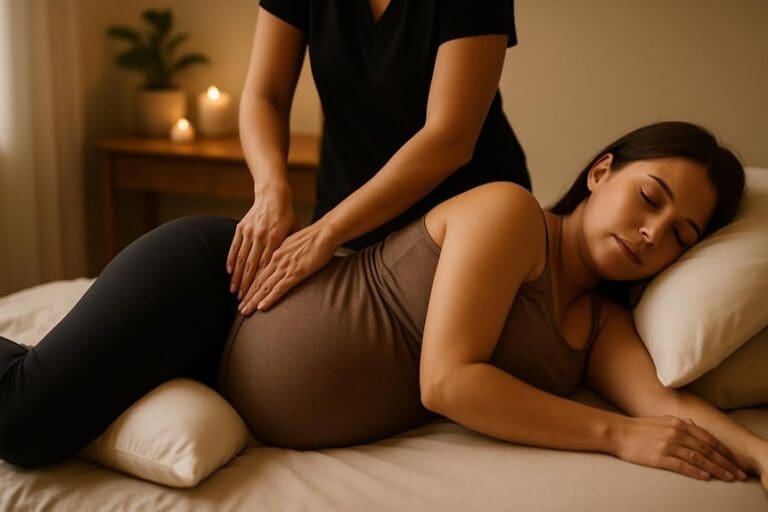
Clients are advised to share allergies, pregnancy status, migraines, and scent aversions. A brief scent test guides intensity, so intimacy remains soothing, never intrusive.
Conclusion
Lavender in essential oil massage is typically perceived as a soft floral-herbal aroma with clean, lightly woody freshness that supports relaxation without feeling heavy. Because skin chemistry, temperature, and blending ratios alter volatility, the same oil can smell sweeter, greener, or more powdery between clients and sessions. Significantly, a National Sleep Foundation poll reported that 45% of adults said stress affects their sleep, aligning with lavender’s common use for settling the nervous system and encouraging rest.