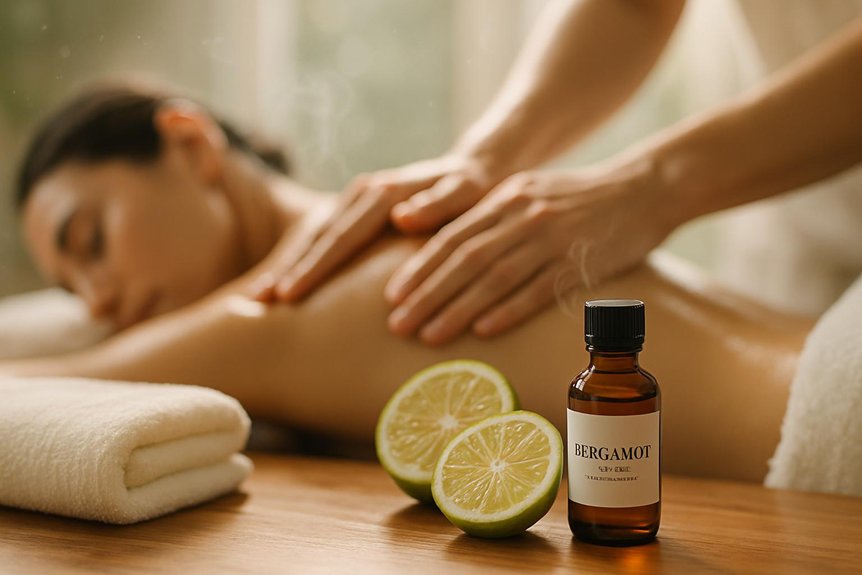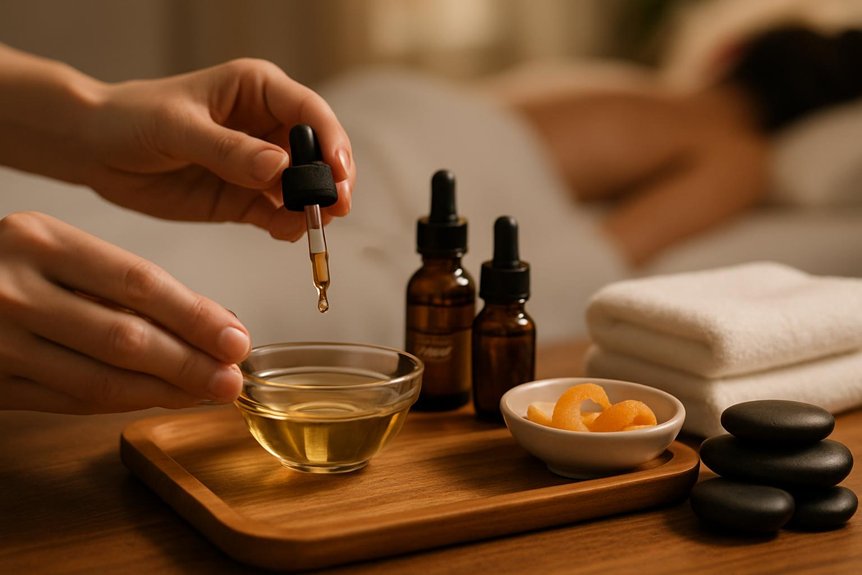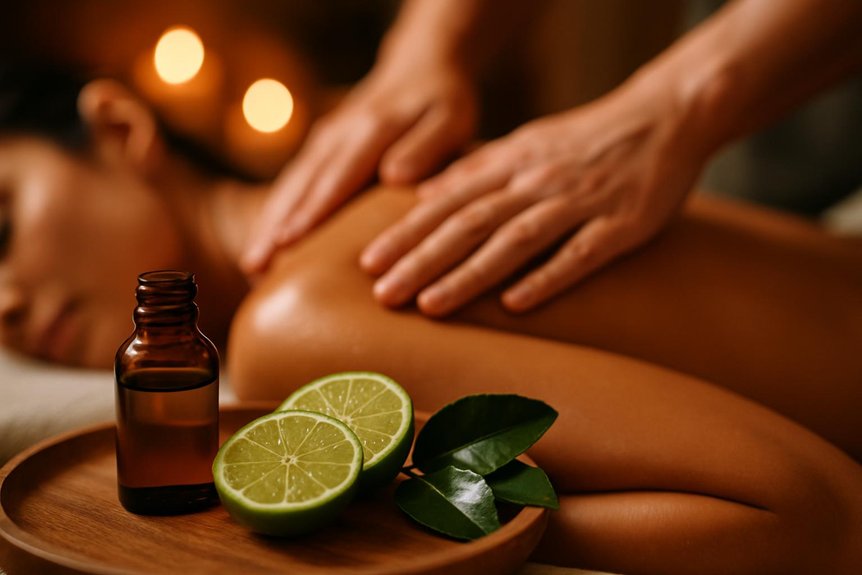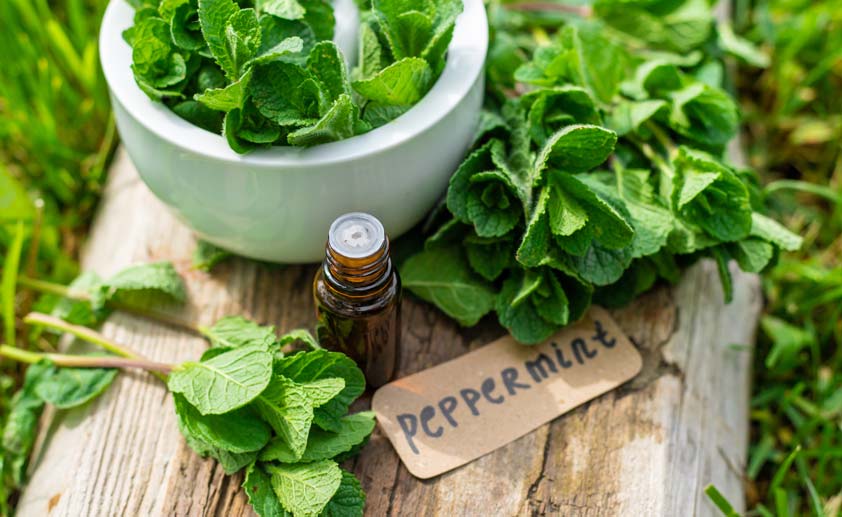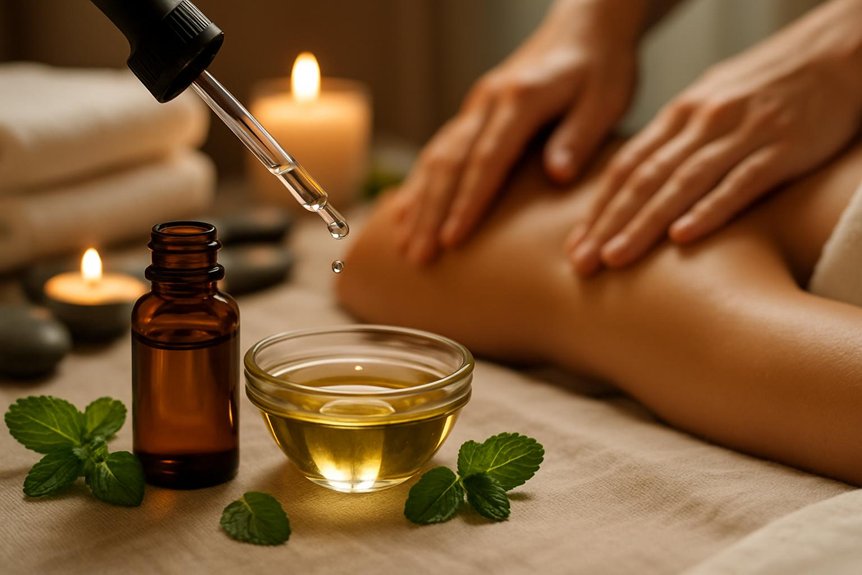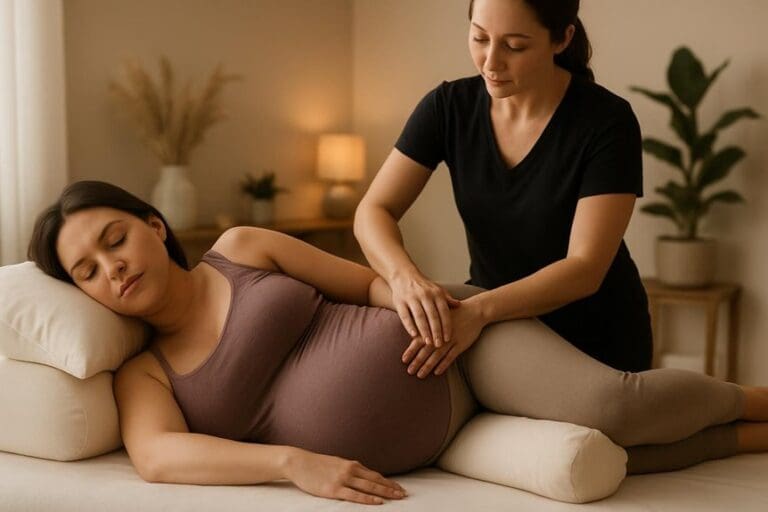
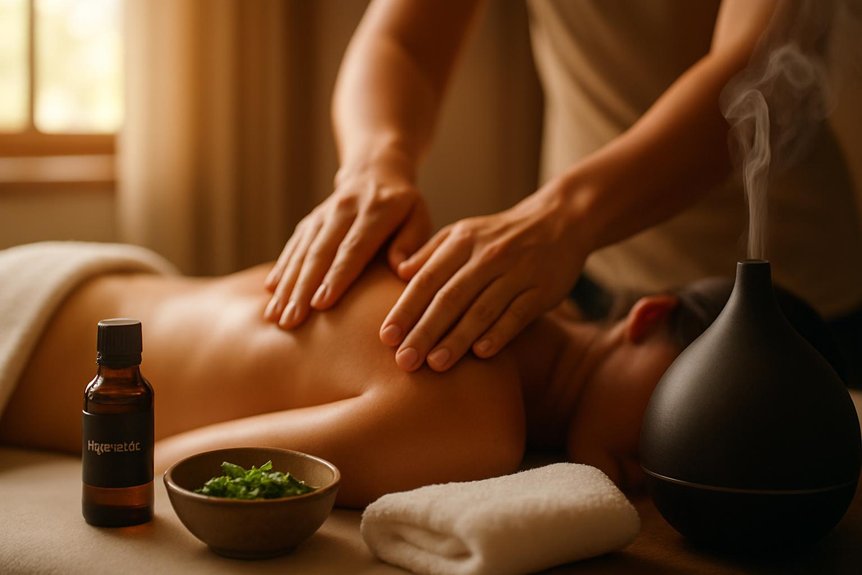
Peppermint in aromatic massage smells crisp and cooling, with clean mint brightness, a faint green herbal sharpness, and a gentle camphor edge that creates a cool “halo” around the breath. The aroma often projects more strongly as the oil warms in the therapist’s hands, then softens and sits closer to the skin as it absorbs. Used properly diluted, it feels fresh rather than harsh; if it turns sharp, throat-catching, or headache-provoking, it is too strong. Further guidance follows.
What Does Peppermint Smell Like in a Massage?
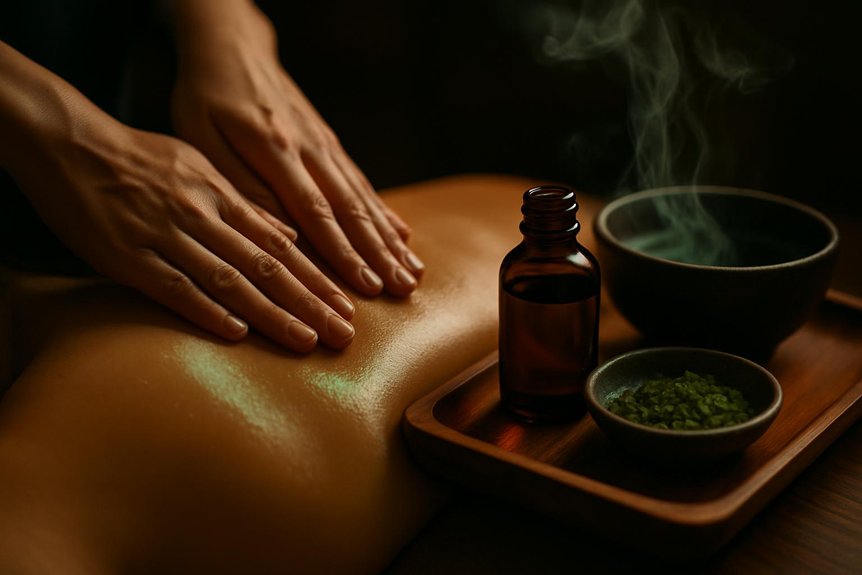
Inhale peppermint during an aromatic massage and the scent typically registers as crisp and cooling—an immediate, high-note aroma that reads clean, minty, and slightly sweet, with a faint herbal sharpness.
As the session settles, it can unfold into a smoother, green undertone, reminiscent of crushed leaves and a gentle camphor edge, felt as a cool halo around the breath.
For deeper relaxation, some sessions pair peppermint with aromatherapy massage techniques that encourage slow breathing and a calm, grounded body response.
At Spa & Massage clinics, therapists keep dilution conservative and avoid placing peppermint blends near eyes, mucous membranes, or freshly shaved skin, where the aroma may feel too intense.
The scent may seem brighter when warmed in the hands, then soften as it disperses through linens.
Clients are invited to request lighter application if sensitivity, headache, or nausea appears.
What Are Peppermint Massage Benefits (Scent + Mood)?
In Spa & Massage clinics, peppermint aromatic massage is often selected for its crisp, cooling scent that many clients find immediately uplifting and fresh on inhalation.
Clinically, this aroma is associated with improved perceived focus and mental clarity, while supporting stress relief without the heavy, sedating feel some oils can create.
Therapists use low, skin-safe dilutions and screen for sensitivity (especially in pregnancy, asthma, or migraine-prone clients) so the energising effect remains comfortable and well-tolerated.
Uplifting, Fresh Scent
Often described as crisp and cooling, peppermint in aromatic massage delivers an immediately fresh, menthol-bright scent that many clients associate with mental “reset,” improved alertness, and a cleaner, lighter mood.
In Spa & Massage clinics, therapists may diffuse a low concentration or blend peppermint into a carrier oil so the aroma sits close to the skin—clean, airy, and subtly sweet—without overpowering the senses.
This uplifting profile can feel emotionally clarifying in a close, private treatment setting, supporting a sense of freshness in breath and body.
Because peppermint can be sensitising, therapists patch-test when appropriate, avoid mucous membranes, and keep dilution conservative, especially for pregnancy, asthma, or very reactive skin. Clients are advised to hydrate and report any tingling, burning, or headache immediately.
Focus And Mental Clarity
Why does peppermint seem to “clear the head” so quickly during an aromatic massage?
Menthol-rich vapours stimulate cool receptors in the nose and skin, creating a crisp, airy sensation that many clients interpret as sharpened attention. In Spa & Massage clinics, therapists diffuse the aroma subtly while using slow, close contact and grounded pressure, helping the mind track a single, clean sensory signal rather than scattered thoughts.
This clarity often feels like a widened breath, brighter inner space, and steadier decision-making during the session. For safety, peppermint is always diluted in carrier oil and kept away from eyes and mucous membranes. It may be unsuitable for pregnancy, asthma, or sensitive skin; therapists screen carefully and can switch to a gentler blend. Clients should mention migraines or allergies too.
Stress Relief And Energy
Peppermint aroma can cut through stress quickly, delivering a cool, bright sensory “reset” that many clients experience as both calmer nerves and cleaner energy during an aromatic massage.
In Spa & Massage clinics, therapists often notice slower breathing and softened jaw tension as the menthol-fresh scent opens the senses and supports steadier mood during close, reassuring touch.
For energy, peppermint can feel like a crisp inhale across the chest and temples, helping clients feel more alert without jitteriness.
It is typically paired with grounding strokes to avoid overstimulation.
Safety matters: use only properly diluted oils, avoid eyes and mucous membranes, and discontinue if skin tingles or flushes.
Clients who are pregnant, asthmatic, or scent-sensitive should request a gentler blend and patch testing.
Does Peppermint Smell Different on Warm Skin?
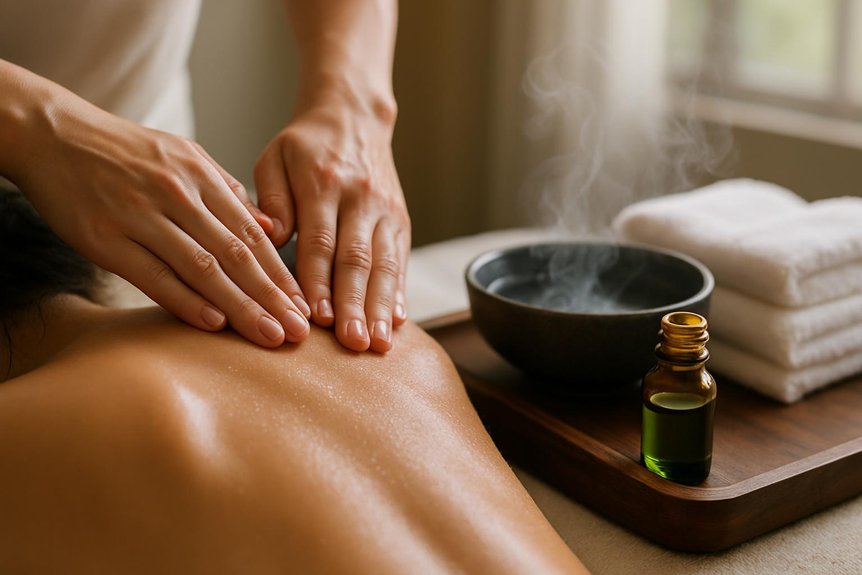
Warming the skin can subtly reshape how peppermint presents to the nose. Heat increases evaporation of aromatic molecules, so the first impression may feel brighter and more immediate, with a cleaner, greener lift.
As the oil disperses, softer herbal notes can appear, and the scent may seem rounder and closer to the body—often perceived as more personal in intimate settings.
In Spa & Massage clinics, therapists observe that warmed tissue and increased circulation can amplify projection, meaning less oil is needed to achieve a clear aroma. Dilution and placement matter: thinner skin and the neck can intensify the smell.
Safety remains central; peppermint should be professionally diluted, avoided near eyes and mucous membranes, and patch-tested for sensitive clients.
Does Peppermint Massage Feel Cooling or Tingly?
In a peppermint aromatic massage, the skin may register a clean cooling effect, a fine tingling, or a mild prickle—sensations primarily driven by menthol’s action on cold-sensitive nerve receptors rather than a true drop in temperature.
At Spa & Massage clinics, therapists monitor intensity closely, as concentration, pressure, and heat from the hands can shift the experience from soothing coolness to sharper tingling, especially near mucous membranes or freshly shaved skin.
Response varies by skin type: robust or oilier skin often reports a gentle “breeze-like” cool, while sensitive, dry, or reactive skin may feel stronger tingling and should be patch-tested or diluted for safety.
Cooling Vs. Tingling Sensations
On first contact, a peppermint-infused aromatic massage typically registers as a clean, cooling wash across the skin, followed by a light, fizzy tingling as circulation increases and the oil absorbs.
In Spa & Massage clinics, clients often describe a “breeze-like” freshness that settles into a gentle prickle, especially over shoulders, calves, and the back of the neck.
Cooling tends to feel broad and smoothing, like temperature dropping under the therapist’s palms; tingling is more pinpoint, sparkling, and rhythmic with strokes.
Sensations may intensify on freshly showered skin or after exercise.
For comfort and safety, therapists keep the blend low and avoid eyes, mucous membranes, and broken skin; anyone prone to sensitivity should request a patch test or a milder, unscented option.
What Causes The Feel
Why does peppermint massage feel cool at first, then lightly tingly? Peppermint’s key aromatic, menthol, activates cold-sensitive receptors (TRPM8) in the skin. This produces a crisp, airy “cooling” impression even when the room and hands are warm.
As the oil is worked in, increased circulation and gentle friction can add a delicate fizzing or prickle, often felt along the shoulders, neck, and calves. In Spa & Massage clinics, therapists dilute peppermint carefully in a carrier oil and monitor intensity throughout, keeping the sensation intimate yet controlled.
Over-application, broken skin, or contact with eyes and mucous membranes can shift comfort into stinging. Anyone with asthma, pregnancy, or sensitivity should request a milder blend.
Sensation By Skin Type
Peppermint massage most often reads as clean cooling on resilient, well-hydrated skin, while thinner, drier, or newly exfoliated areas tend to register a sharper tingle sooner.
On the chest, neck, inner arms, and behind knees, the sensation can feel brighter and more immediate; on thicker skin such as upper back, shoulders, and calves, it may unfold as a slow, spacious chill.
Oil absorption, barrier integrity, and circulation influence intensity, so dehydrated or sensitive skin may perceive prickling or mild sting rather than calm freshness.
At Spa & Massage clinics, therapists dilute peppermint appropriately, avoid mucous membranes and broken skin, and check in often so the cooling remains comfortable and intimate.
Aftercare: moisturise, avoid hot showers, and report lingering irritation promptly.
When Does Peppermint Oil Smell “Too Strong”?

At what point does a cooling, minty note tip into sensory overload? It becomes “too strong” when the aroma feels sharp or medicinal, catches in the throat, or overwhelms touch—making breath shallow, skin awareness jittery, or the room feel cold. In aromatic massage, scent should hover close to the body, not dominate the space.
At Spa & Massage clinics, therapists treat intensity as a safety signal: watering eyes, headache, nausea, dizziness, or coughing indicate immediate dilution or removal. Sensitivity can rise with heat, enclosed rooms, and prolonged exposure. Peppermint may also feel excessive when it masks a client’s natural cues—relaxation, warmth, and trust—replacing them with alertness. A quieter blend supports intimacy: clean, present, and breathable.
What Does Peppermint Pair With in Massage?
In aromatic massage, the cool, bright edge of peppermint is typically best when buffered by oils that add warmth, softness, or grounding depth. At Spa & Massage, therapists often pair it with lavender for a smoother, hush-toned finish, or with geranium and sweet orange to round the sharpness into something gently uplifting and skin-comforting.
For a more intimate, cocooned feel, peppermint can be anchored with frankincense or cedarwood, creating a quieter, resinous base that keeps the mind clear without feeling chilly. Blends are kept conservative: peppermint is used in low dilution, avoided on broken skin, and kept away from eyes and mucous membranes. Therapists also screen for pregnancy, sensitivity, and asthma, and adjust pressure and airflow to prevent overwhelming intensity.
Can Peppermint Aromatic Massage Help Headaches?
When peppermint is softened with calming or grounding oils, its cooling profile can be directed toward head pain support rather than feeling sharp or over-stimulating.
In aromatic massage, the crisp, menthol-like aroma can feel as if air is opening around the temples and brow, encouraging slower breathing and reduced sensory load.
At Spa & Massage clinics, therapists may apply a highly diluted blend to the neck, shoulders, and scalp-adjacent areas, using gentle pressure and unhurried strokes to ease tension patterns linked with headaches.
Direct application near eyes is avoided, and clients are screened for migraine sensitivity, pregnancy, asthma, or skin reactivity.
Hydration, low light, and quiet aftercare help the cooling effect settle comfortably against the body.
Is Peppermint Massage Good After Sport and Workouts?
After a hard training session, peppermint aromatic massage can be a useful post-workout option for easing perceived heaviness and heat in overworked muscles while supporting calmer breathing.
Its cool, clean aroma often reads as crisp on the skin, while mentholated notes create a gentle “freshened” sensation that pairs well with recovery-focused touch.
At Spa & Massage clinics across London, therapists may blend a low dilution of peppermint into a carrier oil and apply slow effleurage with targeted sports-style work to calves, hamstrings, shoulders, and lower back.
This can encourage comfort, body awareness, and a quieter nervous system without feeling sedating.
Aftercare typically includes hydration, a warm layer over treated areas, and avoiding vigorous training for the rest of the day if tenderness persists.
Who Shouldn’t Choose Peppermint Massage in London?
Which clients should avoid peppermint in an aromatic massage? Clients who are pregnant, breastfeeding, or trying to conceive should usually choose gentler oils, as peppermint can feel strongly stimulating.
Those with asthma, fragrance sensitivity, migraines, or a history of faintness may find the crisp, menthol vapour tightens the chest or sharpens head pressure.
Clients with very sensitive skin, eczema, rosacea, or broken skin can experience stinging, cooling burn, or redness, especially if heat is used.
People taking anticoagulants, managing uncontrolled hypertension, or living with epilepsy should seek medical clearance first.
In Spa & Massage clinics across London, therapists screen these risks and may recommend an alternative blend for close, unhurried touch without irritation or overstimulation.
Conclusion
Peppermint in aromatic massage tends to smell clinically clean—mint-bright, lightly sweet, and herbal—with a “reset button” sharpness that politely informs the nervous system it is now under review. On warmed skin it can bloom, intensify, and feel cooling or faintly tingly, especially if over-applied. In balanced dilution, it supports alertness, post-exercise comfort, and headache-adjacent relief for some. If it dominates the room, it is not “extra therapeutic”; it is a dosing error—avoid in sensitivities.