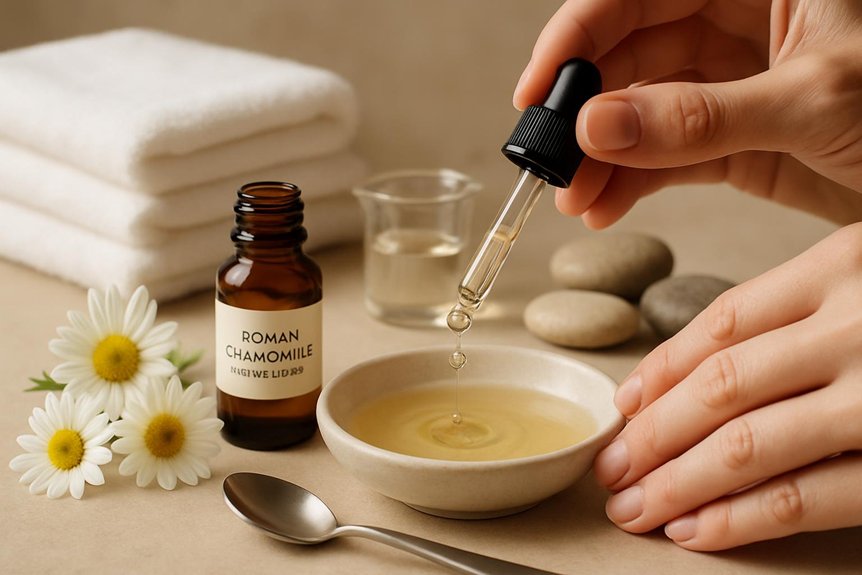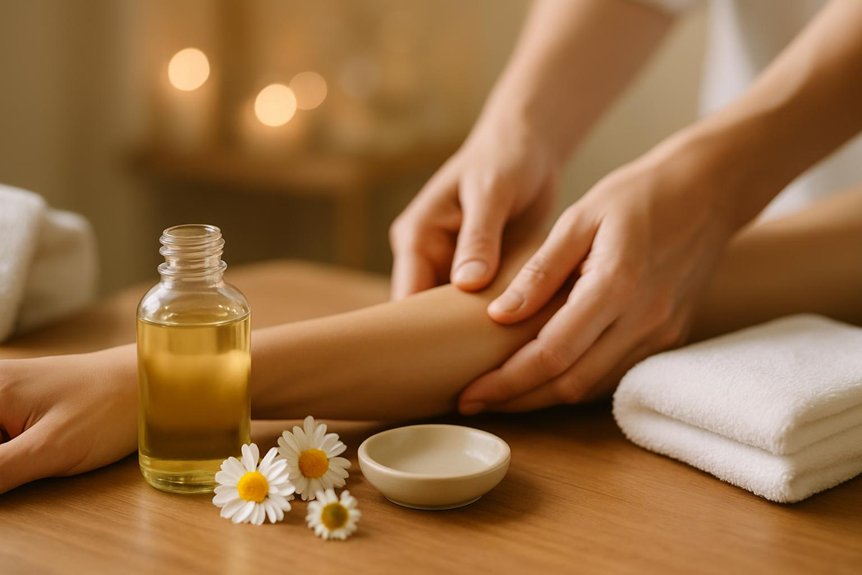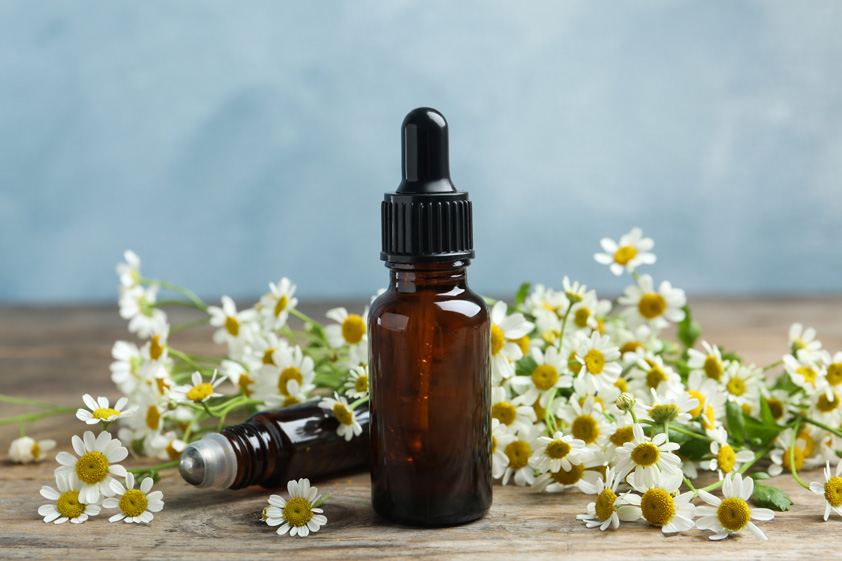
In aromatic massage, Roman chamomile typically smells soft and apple-like, with a gentle honeyed floral sweetness and a faint green-herbal edge. It has rounded fruity top notes that settle close to the skin, then dry down into a warm, hay‑ or straw‑like, tea‑tinged undertone that feels clean and comforting rather than sharp. The scent can shift with dilution, carrier oil, room warmth, and skin chemistry, so patch-testing and conservative use are advised. Further guidance follows.
What Does Roman Chamomile Smell Like?
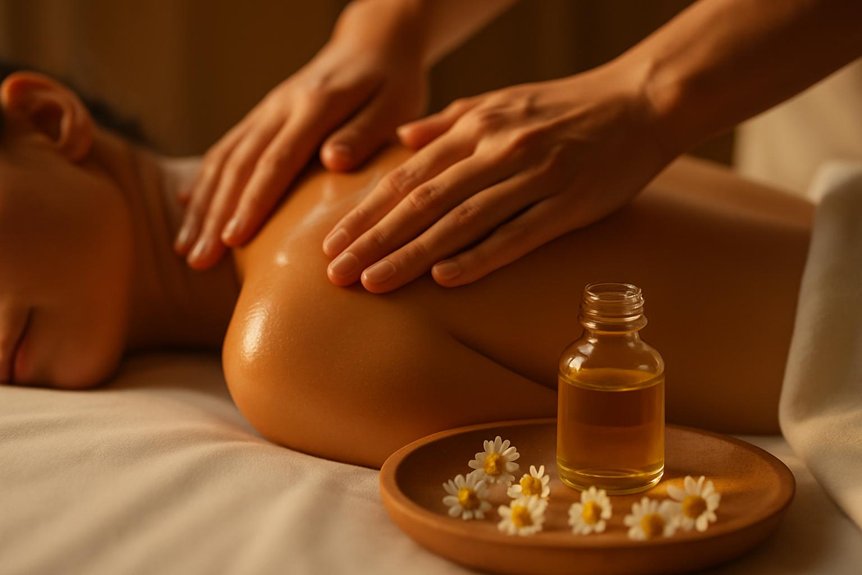
In aromatherapy practice, Roman chamomile is typically described as having a soft, apple-like sweetness layered with gentle herbal and hay-like notes. In massage, this reads as warm, rounded, and quietly comforting, with a smoothness that sits close to the skin rather than filling the room.
Many clients at Spa & Massage notice it encourages slower breathing and a sense of being gently “held,” which can support relaxation during a deeply nurturing treatment.
For those looking to relax and heal, aromatherapy massage can help the scent feel even more grounding and restorative during the session. Scent perception varies with dilution, skin chemistry, and room temperature, so therapists adjust the blend to keep it subtle and intimate. Safety matters: Roman chamomile should be properly diluted in a carrier oil, patch tested for sensitive skin, and avoided if there is a known allergy to daisy-family plants.
What Are Roman Chamomile’s Main Scent Notes?
Roman chamomile’s main scent notes are typically described as apple-like florals—soft, sweet, and lightly fruity—supported by warm, hay-like herbal undertones.
In Spa & Massage aromatherapy sessions, therapists use these notes to guide blending choices and to set client expectations, as perception can vary with dilution, carrier oil, and individual sensitivity.
As with any essential oil, the aroma should be introduced gradually and used at skin-safe concentrations, with extra caution for pregnancy, allergies, or reactive skin.
Apple-Like Floral Notes
At first impression, the scent of Roman chamomile is defined by soft, apple-like sweetness layered with gentle floral notes—often described as fresh, hay-tinged, and lightly herbaceous rather than sharp or perfumey.
In aromatic massage, these top notes tend to read as clean and comforting, helping a client feel held rather than overwhelmed.
At Spa & Massage, therapists typically notice a “rounded” fruity-floral character that settles close to the skin, supporting a calm, intimate atmosphere in the treatment room.
For safety, Roman chamomile essential oil is used only when properly diluted in a carrier oil and never applied to broken or irritated skin.
Clients with known plant allergies or very sensitive skin are advised to request a patch test or choose an unscented blend.
Warm Herbal Undertones
Beyond the initial apple-floral lift, the aroma typically settles into warm herbal undertones that read as straw-like, gently green, and faintly earthy, giving Roman chamomile a grounded, “tea-like” finish rather than a bright perfume.
In aromatic massage, this phase can feel quietly enveloping—like warm linen and steeped herbs—supporting a sense of softness without heaviness.
At Spa & Massage clinics, therapists often describe the dry-down as smooth and comforting, which many clients find suitable for evening appointments and nervous-system downshifting.
Because essential oils are potent, Roman chamomile is typically used well-diluted in a carrier oil and patch-tested when skin is reactive.
Those with ragweed-family sensitivities, pregnancy considerations, or anticoagulant use should seek professional guidance first.
What Does Roman Chamomile Feel Like in Aromatherapy Massage?
In aromatic massage at Spa & Massage, Roman chamomile is typically blended into a carrier oil to support a smooth glide with steady absorption, helping therapists maintain controlled pressure without leaving the skin feeling overly greasy.
On the skin, most clients report a gentle, comforting feel rather than a sharp cooling or warming sensation, and therapists monitor closely for any signs of irritation or sensitivity.
As the massage continues, the soft apple‑herbal aroma is often associated with increased relaxation and comfort, with safe dilution and patch‑test precautions used for clients who are pregnant, have sensitive skin, or are managing allergies.
Texture And Absorption
For many clients, Roman chamomile in an aromatic massage feels light and cushiony on the skin, with a gentle “glide” that supports slow, controlled strokes without leaving a heavy, greasy residue.
In Spa & Massage clinics, therapists typically dilute Roman chamomile essential oil into a well-balanced carrier blend, which helps the oil spread evenly and absorb at a measured pace.
Absorption is usually described as moderate: enough slip for sustained contact, yet it sinks in gradually so the skin feels supple rather than slick.
This makes it suitable for longer sessions where comfort and neatness matter. As with any essential oil, careful dilution and patch-awareness are advised, particularly for sensitive or reactive skin.
Clients are often encouraged to pause after treatment before dressing, allowing the blend to settle without irritation or staining.
Sensation On Skin
On contact, a properly diluted Roman chamomile blend tends to feel soft and soothing, with a gentle warmth that develops as the therapist’s hands increase circulation and maintain steady pressure.
The glide is typically silky rather than greasy, allowing slow, close strokes without tugging at hair follicles or sensitised areas.
Many clients describe a light “cushioning” effect, where the skin feels protected while deeper pressure remains comfortable.
At Spa & Massage clinics, therapists dilute Roman chamomile to skin-safe levels and patch-check if a client has reactive skin, eczema, or allergy history.
A brief, mild tingle can occur if the skin is freshly shaved or compromised; stinging, redness, or itching signals the oil should be removed and the blend adjusted.
Avoid eyes, mucous membranes, and broken skin.
Relaxation And Comfort
Beyond the skin-level softness and silky glide, Roman chamomile in aromatic massage is most often perceived as a steadying, comforting presence that supports whole-body relaxation.
Many clients notice the exhale deepening, jaw unclenching, and shoulders settling as the rhythm of strokes becomes slower and more enveloping.
In Spa & Massage clinics, therapists often pair chamomile with grounding, moderate-pressure techniques to encourage parasympathetic “rest-and-digest” responses associated with calm and safety.
The felt experience can be subtly warming and cocooning, like being held without heaviness, helping the mind soften when emotional load is high.
For comfort and skin tolerance, dilution is kept conservative and patch-awareness is advised, especially for sensitive skin, pregnancy, or known plant allergies.
Aftercare typically includes hydration and unhurried rest.
Why Roman Chamomile Can Smell Different on Skin
Noticing Roman chamomile shift from crisp, apple-like sweetness to a softer, more herbaceous warmth during an aromatic massage is common and usually reflects normal skin chemistry rather than oil quality.
Skin lipids, natural microbes, and individual pH can subtly change how volatile aromatics evaporate, so the first inhale may feel bright, then settle into a rounded, skin-close veil.
Heat from hands and increased circulation during massage also speed diffusion, altering the scent’s tempo.
Unscented products on the body, recent bathing, and hydration levels can further influence projection and longevity.
In Spa & Massage clinics, therapists blend at low, skin-safe dilutions and recommend patch testing, as sensitivities can make any aroma feel sharper.
Pregnant clients should seek professional guidance.
Roman vs German Chamomile: How the Aromas Differ
Why do Roman and German chamomile—often grouped together in aromatherapy—smell so distinct in massage blends? Chemistry drives the contrast: Roman chamomile (Chamaemelum nobile) is typically apple-like, soft, and honeyed with a green-herbal edge, while German chamomile (Matricaria recutita) is deeper, more herbaceous, and tea-like, often carrying a medicinal-balsamic note.
German’s blue-tinted oil reflects chamazulene formation, which can shift perceived warmth and “inkier” depth; Roman’s ester-rich profile tends to read sweeter and more rounded.
In Spa & Massage clinics, therapists choose Roman when clients want a tender, close-to-the-skin sweetness, and German when a more grounding, herbal seriousness is preferred.
Both require dilution and patch-testing, especially for sensitive skin.
What Roman Chamomile Smells Like in the Treatment Room
In practice, that ester-led sweetness of Roman chamomile shows up in the treatment room as a soft, apple-skin aroma with honeyed warmth and a faint green-herbal lift, usually perceived as closer-to-the-skin and less “tea-like” than German chamomile.
In Spa & Massage clinics, it tends to sit low in the air rather than “filling” the room, so the client notices it most when breathing near the wrist, neck, or chest during slow effleurage. The scent often reads as comforting and cocooning, supporting a sense of safety without feeling sedating.
Because aroma perception is dose-dependent, therapists keep dilution conservative and ventilation steady, especially for pregnancy massage or scent-sensitive clients. A patch test is advised where allergy history suggests caution.
Roman Chamomile Blends Our Therapists Use Most
Often, the Roman chamomile blends selected by Spa & Massage therapists are built to preserve its soft apple‑honey sweetness while controlling intensity for sensitive noses and skin.
A common pairing is Roman chamomile with lavender: the aroma becomes smoother, like warm linen with a faint orchard note, supporting slower breathing and calmer touch.
For clients seeking grounded comfort, therapists often add a trace of frankincense, lending a resinous hush that keeps the blend intimate rather than sleepy.
When muscles feel overworked, a minimal lift of sweet marjoram can read as gently herbal, rounding the finish without sharpness.
In pregnancy massage, therapists keep profiles simple and low, prioritising comfort and patch‑test awareness.
In all treatments, Spa & Massage uses measured dilution and avoids eye‑area application.
How to Choose Roman Chamomile Oil for Massage
For massage work, choosing a Roman chamomile oil starts with verifying authenticity and skin suitability, then evaluating whether its soft apple‑honey aroma sits comfortably at low dilution.
Spa & Massage therapists look for botanical name (Chamaemelum nobile), plant part, extraction method, and batch testing to reduce adulteration risk and support consistent scent.
A quality oil should smell gentle, rounded, and calming—never sharp, solvent‑like, or overly sweet.
For intimate, close‑contact aromatherapy, they favour fresh, well‑stored oil in dark glass, with a recent distillation date and clear safety guidance.
Patch testing and conservative dilution (often 0.5–1% in carrier oil) help protect sensitive skin; extra caution is advised in pregnancy, asthma, or allergy history.
In clinics, client comfort and consent guide intensity.
Conclusion
Roman chamomile in aromatic massage typically presents as softly sweet and apple-like, with gentle herbal, hay and honeyed nuances that stay close to the skin and bloom with warmth and slow strokes. Some may object that chamomile “should” smell sharp or medicinal; that expectation often reflects oxidation, overdosage, or confusion with German chamomile’s deeper, blue-toned profile. In well-diluted, fresh oil, the aroma remains rounded and soothing—supporting relaxation without overwhelming sensitive clients.