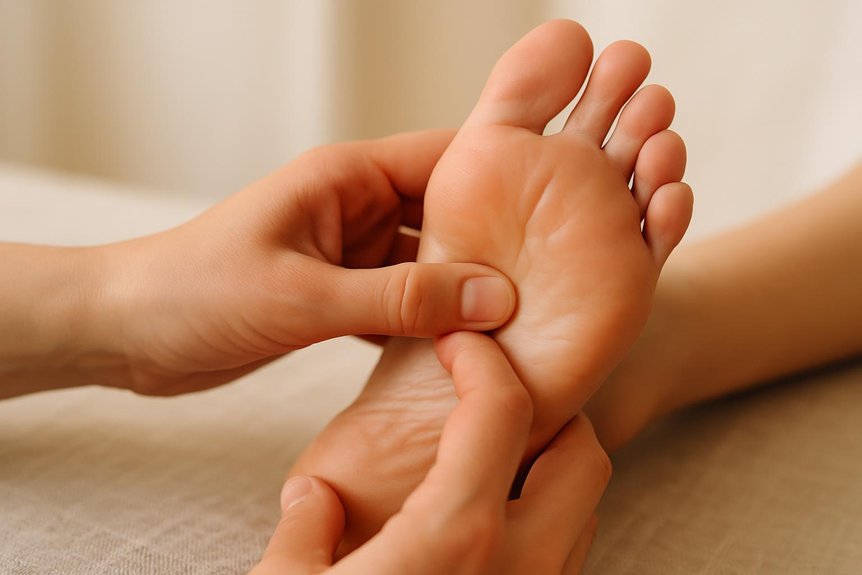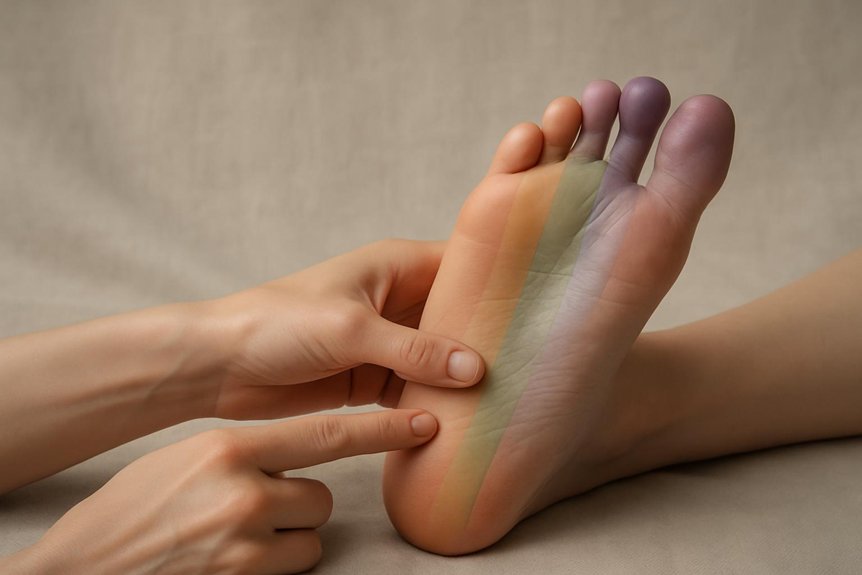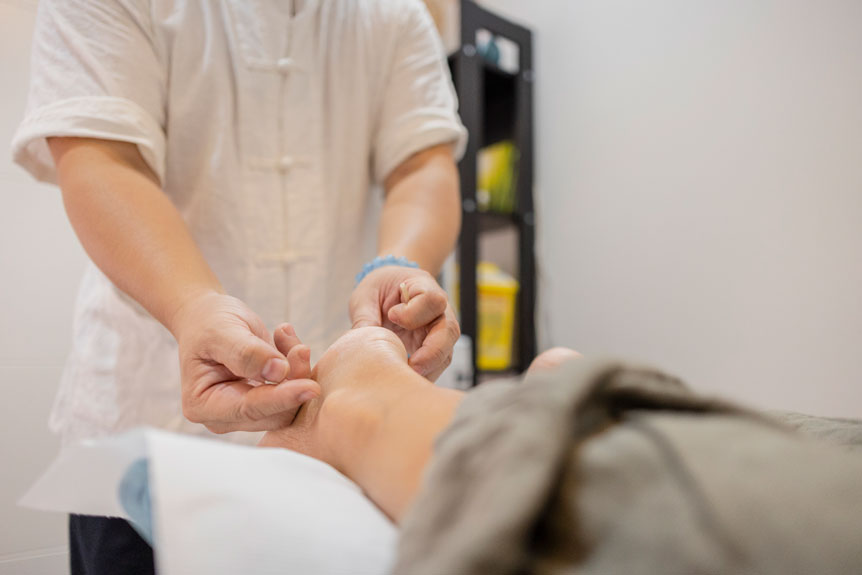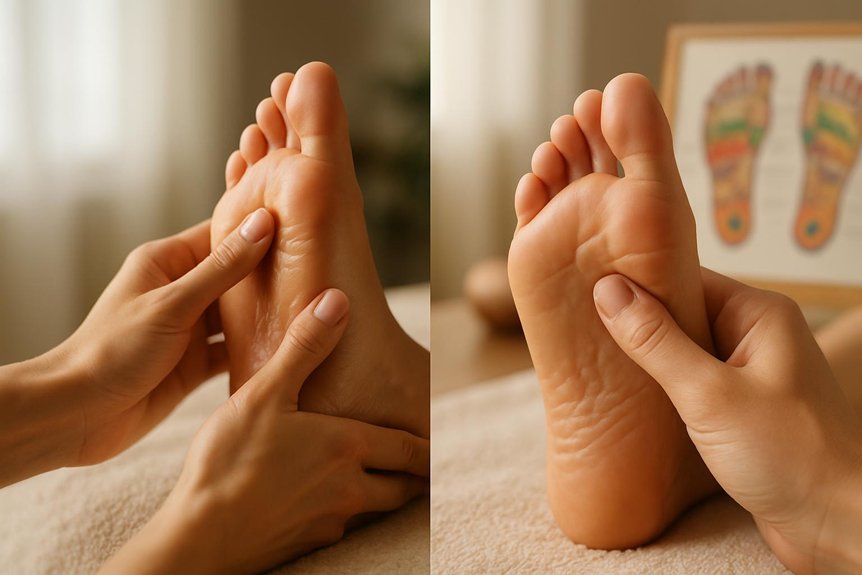
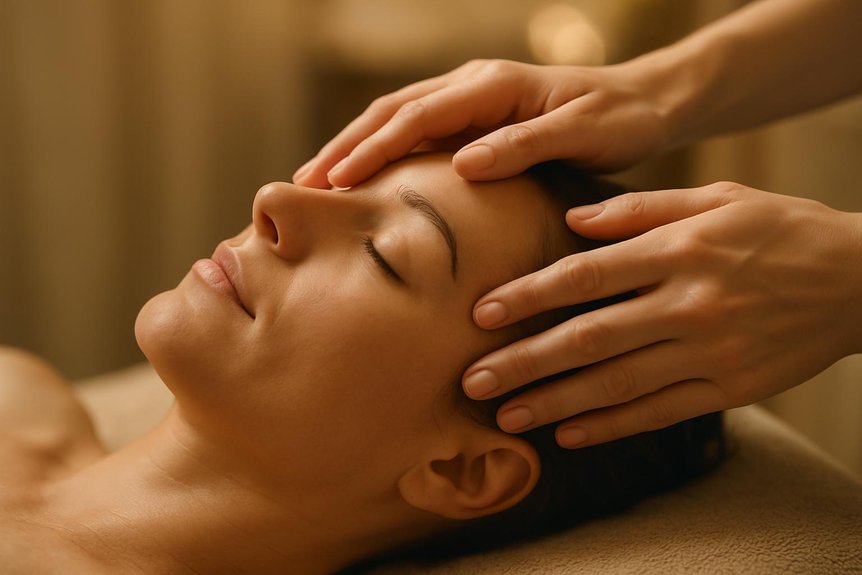
Facial reflex therapy is a non-invasive therapy that applies controlled, precise pressure to specific mapped zones on the face. These zones are used as clinical guides to structure point-specific holds and small movements, usually with minimal product for accuracy. Sessions are delivered supine after a brief health consultation and include visual and tactile assessment for tenderness, texture, and temperature changes. Evidence is strongest for short-term reductions in perceived stress and improved subjective wellbeing, with some reports of easier breathing and sleep. Further sections explain reflex zones, session flow, and suitability.
What Is Facial Reflex Therapy?
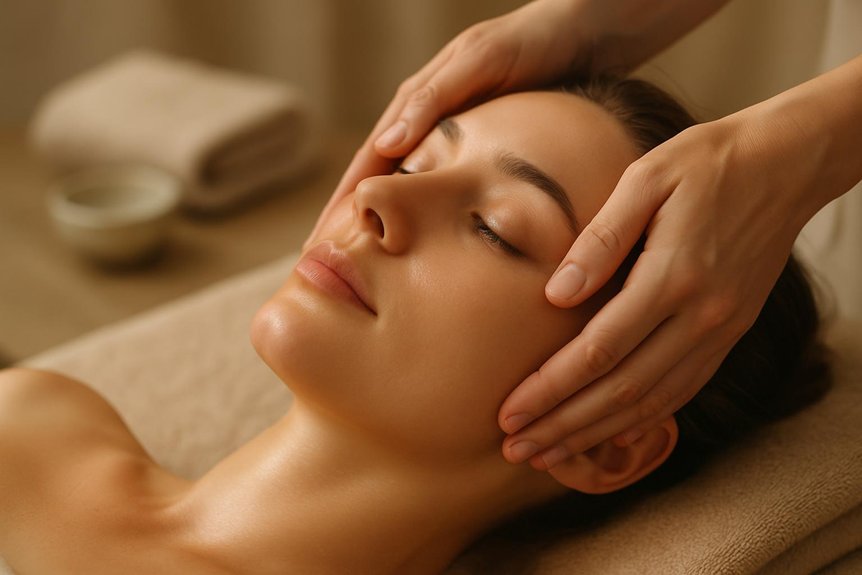
Facial reflex therapy is a manual therapy in which specific points and zones on the face are stimulated with controlled pressure and small, precise movements, based on maps that associate these areas with corresponding body systems.
Sessions are typically delivered with the client supine, in a quiet room, using clean hands and minimal product to maintain tactile accuracy.
At Spa & Massage clinics across London, therapists begin with a brief consultation, then apply measured, rhythmic touch to support relaxation and comfort while monitoring breath, facial tension, and sensitivity.
Evidence is strongest for short-term reductions in perceived stress and improvements in subjective wellbeing; it is not a substitute for medical care.
It also reflects the broader tradition of healing power often associated with reflexology approaches.
Treatment is adapted for skin integrity, recent procedures, and pain thresholds, keeping the experience close, respectful, and unhurried.
How Do Facial Reflex Therapy Reflex Zones Work?
Reflex zones on the face are understood as mapped regions that practitioners use to guide where and how pressure is applied, with each region proposed to correspond to particular organs, musculoskeletal areas, or physiological systems. In practice, a therapist assesses tenderness, texture, and temperature changes, then applies graded, comfortable pressure with fingertips or knuckles to specific points, often following a set sequence for consistency.
Within an evidence-informed framework, these maps are treated as clinical guides rather than anatomical certainties; effects are plausibly mediated by cutaneous mechanoreceptors, trigeminal nerve pathways, and autonomic modulation. At Spa & Massage clinics in London, therapists typically use slow, attentive contact, adjusting depth to the client’s breathing and feedback, and may integrate gentle drainage strokes to support local circulation without overstimulation.
What Are the Benefits of Facial Reflex Therapy?
In clinical practice, benefits are most consistently reported in areas such as stress reduction, perceived relaxation, and improved comfort in the face and jaw. At Spa & Massage clinics across London, therapists observe that gentle pressure on facial reflex points can downshift sympathetic arousal, helping clients feel calmer, grounded, and more at ease in their bodies.
Many clients also describe reduced tension around the temples, brows, and masseter, which may support easier breathing patterns and improved sleep quality. Some report fewer stress-related headaches and a softer, less “held” expression after sessions. While high-quality evidence remains limited for specific medical claims, outcomes are commonly tracked through client-reported pain scales, sleep notes, and jaw-clenching awareness. Post-treatment, clients are advised to hydrate, avoid excessive caffeine, and notice subtle changes in mood and facial comfort.
Facial Reflex Therapy vs Facial Massage: What’s the Difference?
Facial reflex therapy and facial massage differ primarily in technique and the use of mapped pressure points, with reflex therapy applying targeted stimulation and massage using broader, tissue-focused strokes.
Their goals and benefits also diverge: it is typically selected to support systemic balance and stress regulation, while facial massage is more often chosen for muscular release, circulation support, and visible softening of facial tension.
In Spa & Massage clinics, therapists note a distinct feel between the two—it is precise and point-specific, whereas massage is generally more flowing and relaxing across the whole face.
Technique And Pressure Points
From a technique standpoint, facial reflex therapy differs from facial massage primarily in how touch is organised and what it aims to influence. It uses mapped zones and specific points, applying deliberate, sustained pressure with thumbs or fingertips in small increments; massage uses broader strokes, kneading, and rhythm to work soft tissue directly.
In Spa & Massage clinics, therapists typically begin with light contact, then progress to point-work along the brow line, bridge of the nose, temples, jaw hinge, and areas beside the nostrils, adjusting depth to the client’s comfort. Pressure is held, released, and re-applied to the same point to create a clear stimulus.
Massage techniques, by contrast, move continuously across cheeks, forehead, and neck with gliding movements and minimal point fixation.
Goals, Benefits, And Feel
Why do facial reflex therapy and facial massage feel so different, even when both involve touch on the same areas of the face? Facial reflex therapy is goal-led toward systemic regulation: therapists apply small, sustained pressures to mapped points, aiming to influence stress responses and promote calm. Evidence suggests touch can modulate autonomic tone and perceived anxiety, so the “feel” is often focused, tender, and quietly intimate, with occasional sensitivity at reactive points.
Facial massage is primarily local: gliding strokes, kneading, and gentle lifting support circulation, ease muscular tension, and soften jaw or brow tightness. In Spa & Massage clinics, reflex therapy typically uses minimal oil for precision, while facial massage may use light, skin-friendly oils for seamless contact.
Both can improve relaxation; objectives differ.
What Happens in a Facial Reflex Therapy Session at Spa & Massage?
In practice, a facial reflex therapy session at Spa & Massage begins with a brief, structured consultation to confirm health history, current symptoms, and treatment aims, followed by a short visual and tactile assessment of the face and jaw to identify areas of tension and sensitivity.
The client is then positioned comfortably, with breathing guided to settle the nervous system.
A light, fragrance-free balm or tailored oil may be applied to support glide and skin comfort.
Using clean, deliberate pressure, the therapist works reflex points across the forehead, temples, cheeks, nose, ears, and along the jawline, adjusting intensity to feedback and tissue response.
Techniques alternate between sustained holds, small circular movements, and gentle drainage strokes.
The session typically ends with a grounding hold and brief, practical aftercare advice.
Who Should Avoid Facial Reflex Therapy (and Who It Helps Most)?
Facial reflex therapy is generally well tolerated, but it may be unsuitable where there is facial skin infection, acute inflammation, recent facial surgery or injectables, significant bruising, or uncontrolled medical conditions, and it should be approached cautiously in pregnancy or when anticoagulants are used.
It tends to benefit clients seeking non-invasive support for stress regulation, sleep quality, tension-related headaches, jaw tightness, and facial muscle overactivity, alongside broader wellbeing goals.
At Spa & Massage, suitability and safety are assessed through brief screening and adaptation of pressure and technique, with referral to medical advice when symptoms are red-flagged or outside scope.
When To Avoid It
Before booking, suitability should be screened carefully: facial reflex therapy is generally well tolerated, but it is not appropriate for everyone and may need to be postponed or adapted in certain clinical situations.
It should be deferred with fever, contagious illness, or active cold sores.
Recent facial surgery, injectables, dental procedures, or skin trauma require clearance and adequate healing.
Uncontrolled hypertension, unstable cardiovascular disease, clotting disorders, or current anticoagulants warrant medical advice and gentler pressure.
Active eczema, rosacea flares, severe acne, or suspected infection may be aggravated by touch and product use.
Pregnancy is not an automatic exclusion, but timing and technique should be adjusted.
At Spa & Massage, therapists complete a confidential consultation and can shorten sessions, avoid sensitive zones, or refer to a clinician.
Who Benefits Most
Who tends to benefit most from facial reflex therapy, and who should approach it cautiously? At Spa & Massage clinics across London, it tends to suit clients seeking gentle, non-invasive support for stress load, sleep quality, jaw tension, or headache patterns linked to muscle tightness.
People who prefer a nurturing, face-focused session—rather than deep pressure—often report improved ease, calmer breathing, and a softer expression. It can also complement bodywork for those with neck and shoulder tension, because facial muscles commonly co-activate with postural strain.
A cautious approach is advisable for clients with very reactive skin, acute sinus or dental pain, recent facial procedures, or complex medical histories, where touch may aggravate symptoms. In such cases, therapists may recommend alternative areas or lighter techniques.
Suitability And Safety
In practice, suitability for facial reflex therapy is determined by skin integrity, recent facial interventions, infection risk, and any condition where light pressure to the face could exacerbate symptoms.
It is typically deferred with active acne cysts, open wounds, cold sores, contagious rashes, conjunctivitis, sinus infection with fever, or recent injectable/filler work, peels, laser, or surgery until medically cleared.
Caution is advised with migraines triggered by touch, facial neuralgia, bleeding disorders, or anticoagulants.
It may help most when a client seeks calm, improved sleep, or tension release in jaw, brow, and scalp, including stress-related headaches.
At Spa & Massage clinics across London, therapists screen history, use gentle, clean techniques, and adapt pressure; clients are advised to hydrate, avoid exfoliants, and monitor skin reactions.
Facial Reflex Therapy Aftercare: What to Do Next
After a facial reflex therapy session, structured aftercare helps stabilise the nervous system response and supports the skin’s short-term recovery.
At Spa & Massage clinics, therapists advise slow rehydration, limiting alcohol and caffeine for 12–24 hours, and eating lightly to reduce autonomic load.
Skin should be treated gently: avoid exfoliants, retinoids, strong acids, and heat (sauna, steam, hot yoga) for 24 hours, and use a bland moisturiser and SPF.
Light flushing or tenderness can occur; cool compresses and quiet time are appropriate.
Clients are encouraged to notice shifts in sleep, digestion, and mood over the next 48 hours, as reflex points may modulate stress perception.
If symptoms persist, worsen, or include headache, dizziness, or swelling, clinical review is advised.
Conclusion
Facial reflex therapy is positioned as a low-risk, non-invasive method for promoting relaxation and perceived systemic balance. Mechanistically, it combines light acupressure-style stimulation with massage to support comfort, circulation, and reduced facial muscle tone. Evidence for broad health claims remains limited, so it is best framed as a wellbeing adjunct rather than treatment. Importantly, stress physiology is measurable: acute psychological stress can increase heart rate by ~10–20 beats per minute, a useful benchmark for visualising downregulation.