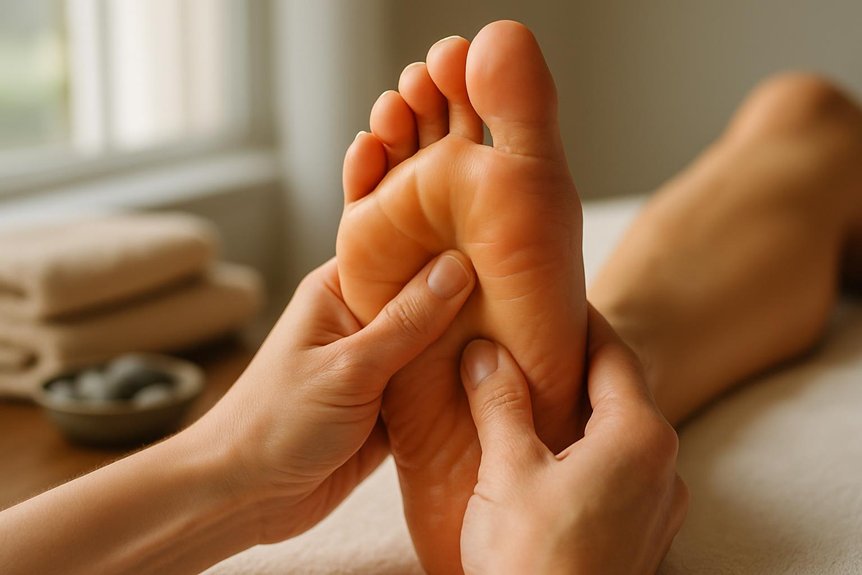
It is a structured, non-invasive manual therapy that applies targeted pressure to reflex points on the feet, hands, or ears to support relaxation and overall wellbeing. It is considered complementary care, not a medical treatment, and it does not diagnose or cure disease. Sessions are typically delivered clothed, with pressure adjusted to comfort and consent. Proposed effects include calming the nervous system and modulating pain through touch and context. Further details cover benefits, safety, and who it suits.
What Is It (and What It Isn’t)?
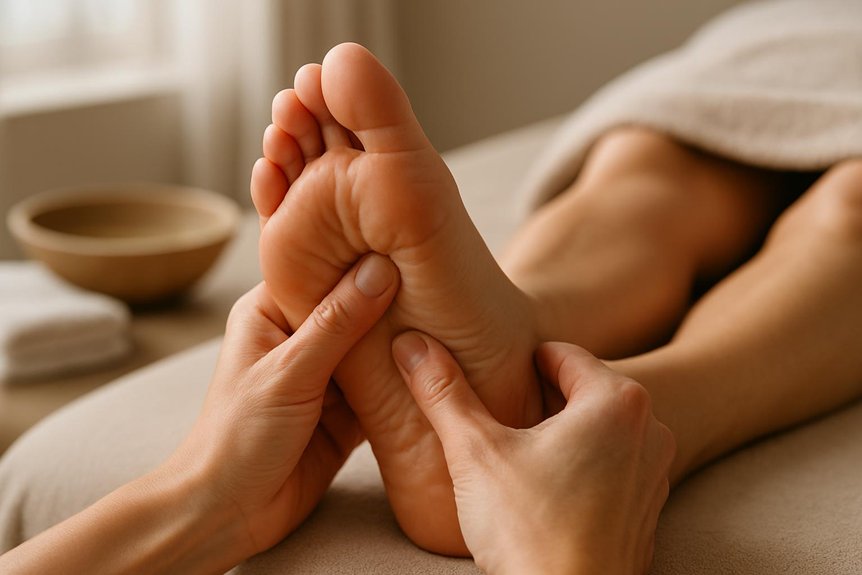
In clinical terms, it is a structured, non-invasive therapy in which a trained practitioner applies specific pressure techniques—most commonly to the feet, and sometimes to the hands or ears—based on mapped “reflex” areas thought to correspond with different body systems. At Spa & Massage clinics across London, it is positioned as a supportive wellbeing treatment, not a medical intervention.
It is often explored for its potential healing power as part of a broader wellbeing approach. Evidence suggests that it may help some people feel calmer, sleep better, and perceive less stress, likely through relaxation and autonomic nervous system modulation; it is not proven to diagnose disease, “detox” organs, or replace clinical care. It should not be described as manipulating bones or curing conditions.
A client-centered approach prioritises consent, comfort, and boundaries, allowing a person to feel safely held while remaining fully in control of touch and pressure.
What Happens in a Reflexology Session?
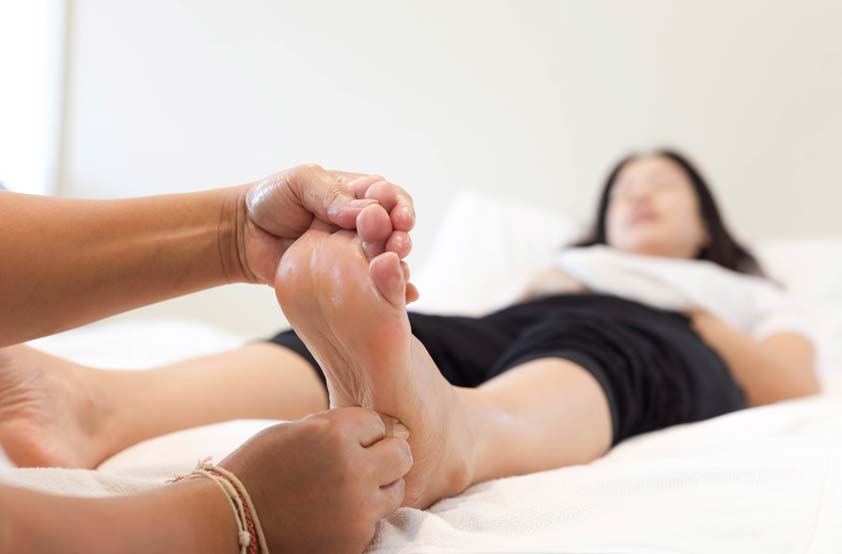
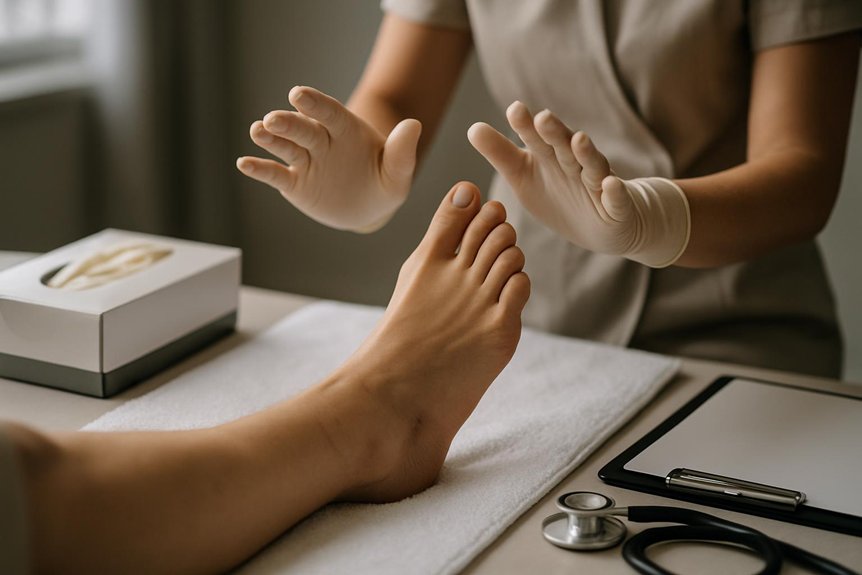
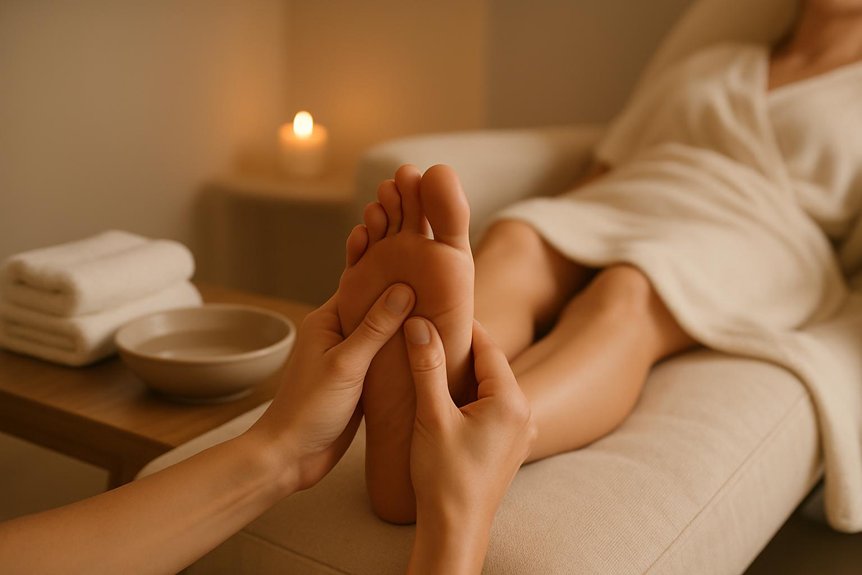
Most massage sessions follow a consistent, client-led structure: a brief consultation to review goals, health history, and any contraindications, followed by a comfortable, clothed treatment on a reclining chair or massage table.
At Spa & Massage clinics across London, the therapist then supports slow breathing and checks comfort, warmth, and privacy, explaining each step and agreeing consent for touch and pressure.
The session typically begins with gentle warm-up strokes to settle the nervous system, then progresses to firmer, sustained techniques, adjusted continuously to feedback.
Sensations may include tenderness, heat, or deep relaxation; discomfort is kept within a tolerable range.
Sessions end with a brief recheck-in, hydration advice, and simple aftercare, such as rest and noting any changes over 24–48 hours.
Pressure Points: Feet, Hands, and Ears
After the consultation and warm-up strokes have settled the client and established an appropriate pressure level, the therapist’s focus shifts to specific reflex points mapped on the feet, hands, and ears.
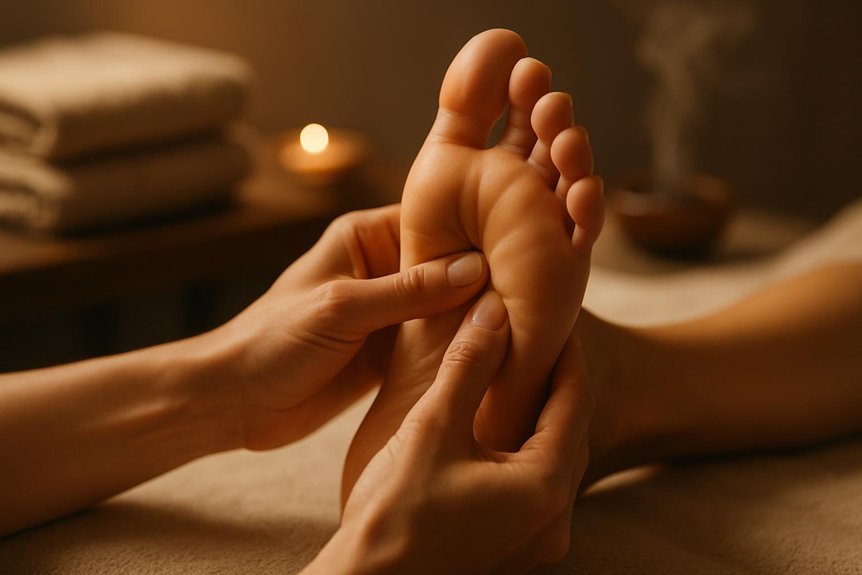
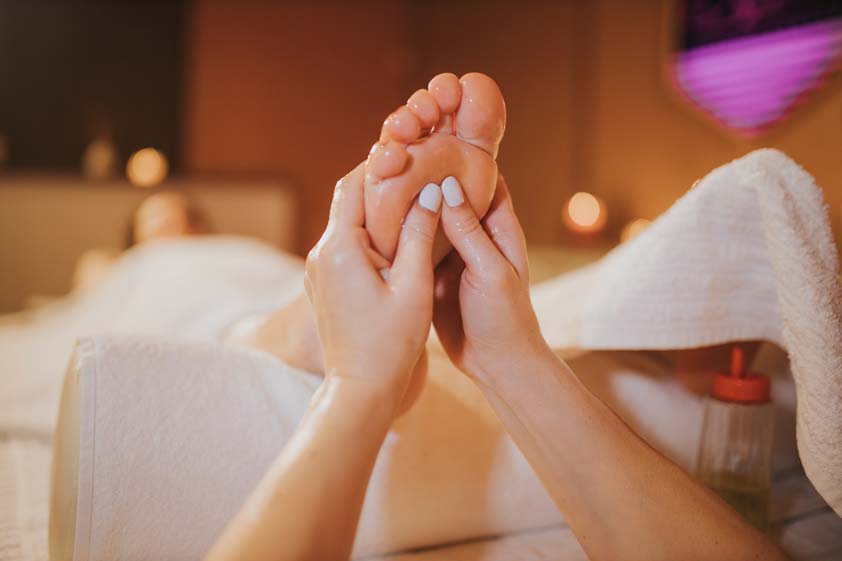
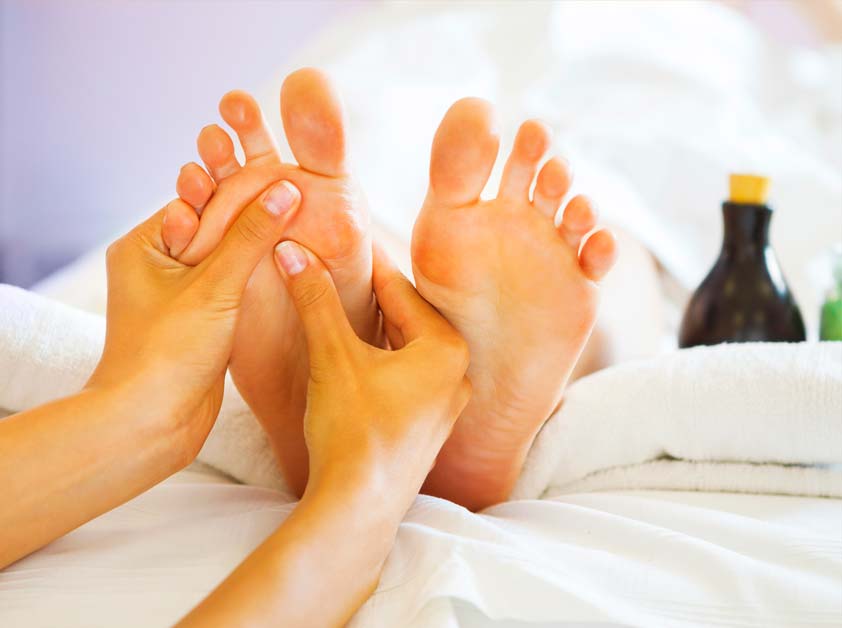
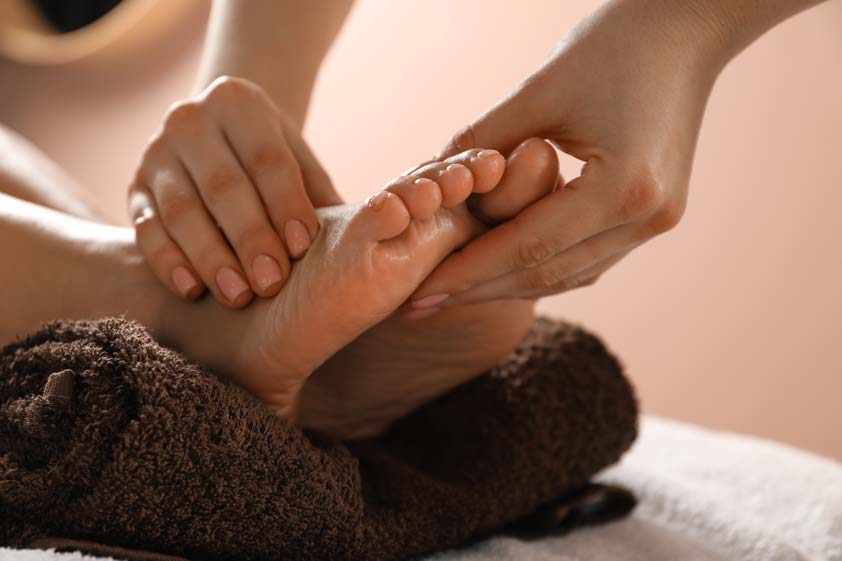
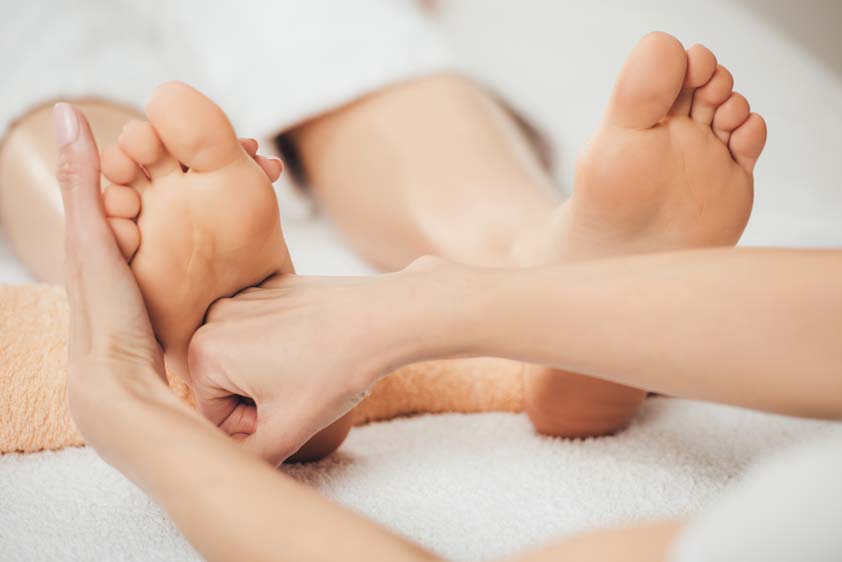
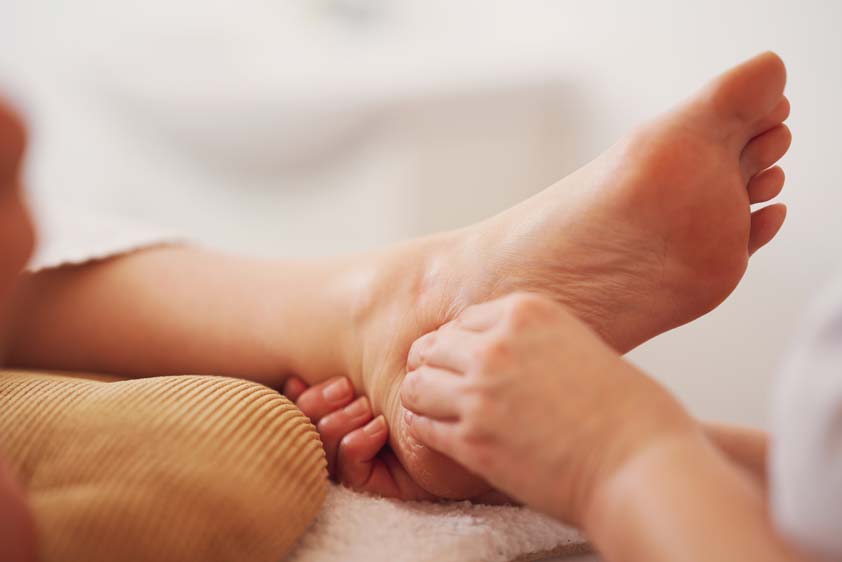
In Spa & Massage clinics, the feet are most commonly treated, using thumb-walking and steady holds along the arch, heel, and toes, with pacing adjusted to the client’s breath and feedback.
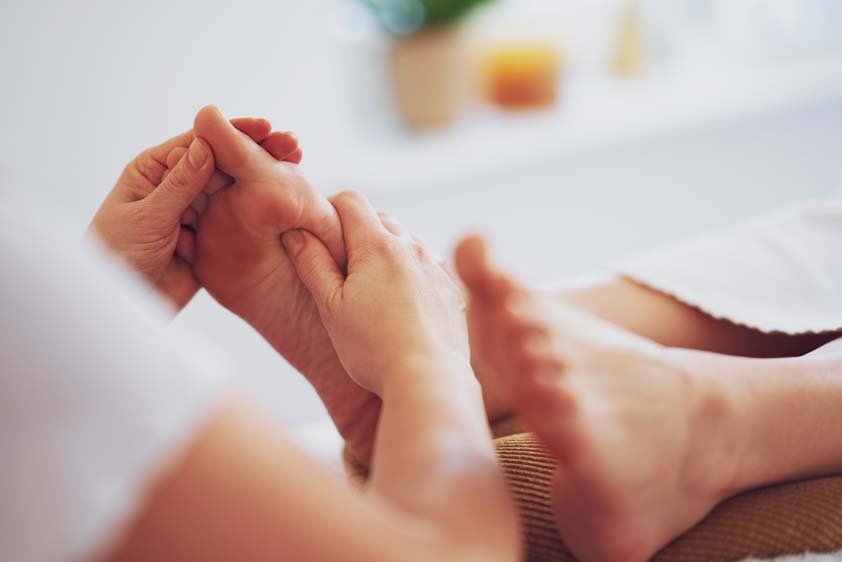
The hands offer a discreet option for those preferring minimal undressing, targeting the palm, knuckles, and thumb base.
Ear reflex therapy uses gentle circular pressure along the outer rim and concha, suitable for clients who want a light, close-contact approach.
Pressure is kept within a comfortable “good pain” range, with frequent check-ins and consent-led pauses throughout.
How Might It Work in the Body?
How, then, might reflex therapy produce effects beyond the local tissues of the feet, hands, or ears? Proposed mechanisms include stimulation of cutaneous and deep mechanoreceptors, modulating pain processing via spinal gating and descending inhibitory pathways.
Gentle, sustained pressure may also shift autonomic balance toward parasympathetic activity, supporting slower breathing, reduced muscle guarding, and a felt sense of safety.
From Spa & Massage’s clinical perspective, the therapeutic context matters: warmth, attentive pacing, and consent-led touch can reduce threat signals and enhance interoceptive awareness. Some clients notice changes in circulation-like sensations, sleepiness, or emotional release, which may reflect stress physiology rather than direct organ effects.
Effects are expected to be individualized, dose-dependent, and most noticeable when goals and pressure preferences are clearly discussed.
Zone Therapy Benefits: What the Evidence Shows
Clinical evidence suggests reflex therapy may help reduce perceived stress and anxiety for some individuals, with client-reported improvements commonly noted in Spa & Massage clinics across London.
Research also indicates potential benefits for sleep quality and certain pain outcomes, although findings vary by condition and study design.
The discussion below outlines what current studies support, where evidence remains limited, and the key safety considerations used to guide client-centred care.
Stress And Anxiety Relief
It is often used as a non-pharmacological option for stress and anxiety relief, with evidence suggesting it can reduce self-reported stress levels and promote short-term relaxation. Proposed mechanisms include modulation of autonomic activity and supportive touch, though causality and optimal dosing remain under study.
In Spa & Massage clinics across London, therapists begin with a brief consultation to understand stress triggers, boundaries, and preferred pressure. Sessions typically emphasise steady, rhythmic work on the feet, coordinated with slow breathing to encourage a sense of safety and groundedness.
Many clients report feeling calmer, less mentally “busy,” and more able to reset after demanding days. Reflex therapy is positioned as an adjunct to, not a replacement for, psychological care; referral is advised when anxiety is persistent, escalating, or impairing functioning.
Sleep And Pain Outcomes
Lower stress levels often go hand-in-hand with better sleep and a reduced perception of pain, which is why it is frequently explored for these outcomes.
Small clinical studies report improvements in sleep quality and reductions in pain intensity, particularly when sessions are delivered regularly and paired with consistent sleep routines.
Proposed mechanisms include downshifting sympathetic arousal, easing muscle guarding, and supporting a calmer body-wide pain response.
In Spa & Massage clinics, therapists tailor pressure and pacing to the client’s comfort, often focusing on a slow, grounding sequence that helps the nervous system settle.
Many clients describe falling asleep more easily, waking less, and feeling less “wired” around discomfort.
Outcomes tend to be most meaningful when goals are defined and progress is tracked over time.
Evidence Limits And Safety
Often, the strongest takeaway from the research is that reflex therapy evidence remains mixed and methodologically limited, so benefits should be framed as plausible rather than guaranteed and reviewed against individual goals over a series of sessions.
Trials often vary in technique, dosage, and outcomes, making firm conclusions difficult; effects may reflect relaxation, touch, and therapeutic attention.
At Spa & Massage clinics across London, therapists position reflex therapy as supportive care for stress, comfort, and self-regulation, not a substitute for medical diagnosis or treatment.
Safety is generally good when delivered by trained professionals, yet caution is advised with acute injury, infection, thrombosis risk, or uncontrolled circulatory issues.
Pregnancy, diabetes, neuropathy, and anticoagulant use warrant tailored pressure and medical clearance where appropriate.
Clients are guided to share history, sensations, and aftercare needs openly.
Who Should Try This Therapy: and Who Should Avoid It?
In many London clinics, this therapy is most appropriate for clients seeking a non-invasive, relaxation-focused approach to stress reduction, sleep support, and general wellbeing. At Spa & Massage, it can suit those who prefer clothed, touch-light sessions and want gentle support alongside medical care, especially during busy periods or recovery from fatigue. It may also appeal to clients who find full-body massage overstimulating yet still value calming, attentive contact.
It should be avoided or postponed with fever, contagious illness, acute inflammation, or undiagnosed severe pain. Caution is advised with recent surgery, fractures, active thrombosis/DVT risk, significant circulatory disease, uncontrolled diabetes, or neuropathy. Pregnancy clients should book pregnancy-specific pressure point therapy and disclose complications. Therapists adapt pressure, and advise medical review when red flags appear.
Conclusion
It is presented as a structured, touch-based therapy that applies calibrated pressure to mapped points on the feet, hands, or ears. In practice, sessions typically combine brief assessment with methodical techniques designed to support relaxation and comfort. Like a quiet current moving through the nervous system, reported effects often include reduced stress and improved sleep, though evidence remains mixed and condition-specific. It is best considered a complementary option, selected with informed consent and appropriate contraindication screening.