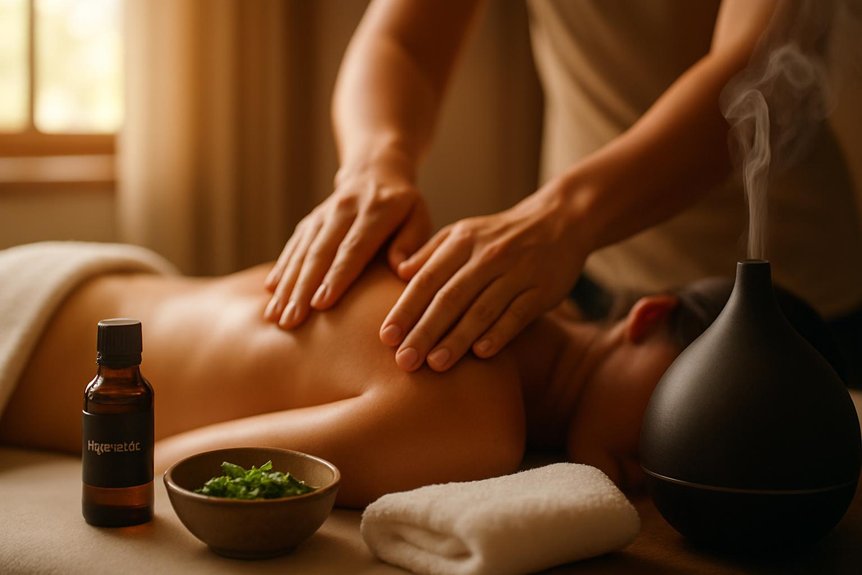
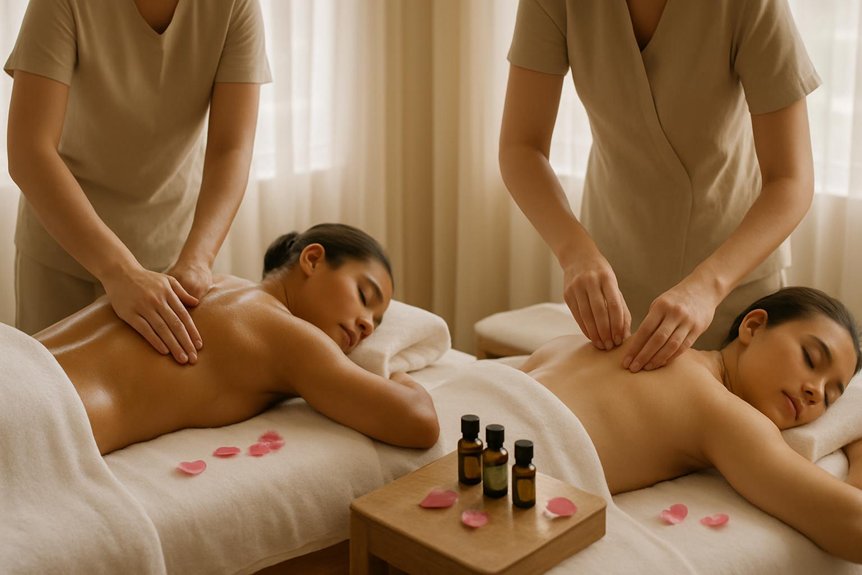
Swedish massage utilizes structured techniques such as effleurage, petrissage, and friction to promote circulation, relieve muscular tension, and induce relaxation using neutral oils. Aromatic massage therapy employs similar strokes but with lighter touch and integrates essential oils selected for specific therapeutic and aromatic effects, enhancing emotional well-being through sensory stimulation. The choice of modality depends on individual wellness goals, desired sensory experience, and specific physical or emotional needs. Further exploration will clarify each approach’s unique benefits and applications.
Origins and Principles of Swedish Massage
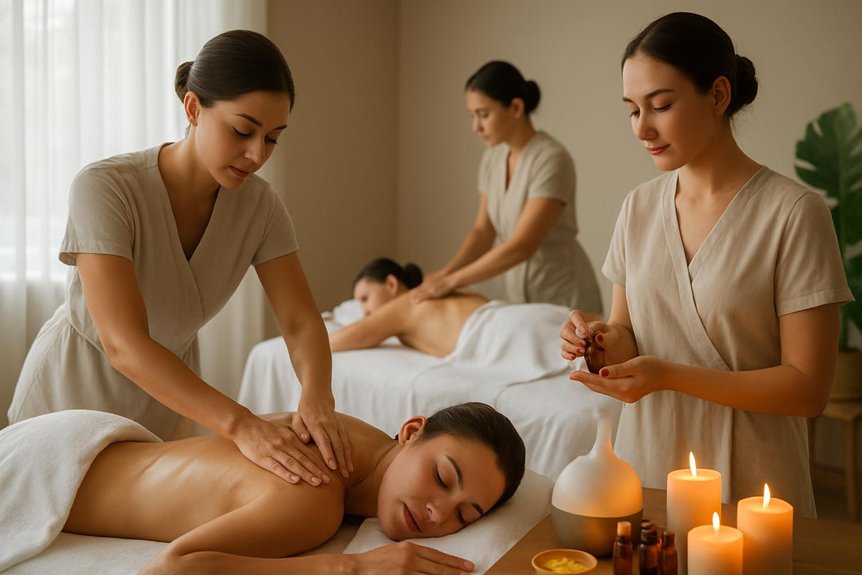
How did Swedish massage become a foundational technique in modern therapeutic practices? Its roots trace back to early 19th-century Sweden, developed by Per Henrik Ling, who integrated anatomical knowledge with structured manual therapy.
Swedish massage is characterized by five principal strokes—effleurage, petrissage, friction, tapotement, and vibration—each designed to promote circulation, enhance tissue pliability, and foster relaxation.
At Spa & Massage clinics, therapists employ these techniques methodically, tailoring pressure and rhythm to individual client needs.
Evidence supports Swedish massage’s efficacy in reducing muscular tension, lowering stress hormones, and facilitating parasympathetic nervous system activation.
This method’s emphasis on skilled touch, mindful pacing, and client-centered care creates an environment where both physical wellbeing and emotional comfort are prioritized, fostering a profound sense of connection and trust.
Unique to aromatic massage therapy is the incorporation of essential oils, which further enhances relaxation and healing through olfactory stimulation and therapeutic properties.
Foundations of Aromatherapy Massage
What distinguishes aromatic massage from traditional techniques is its integration of targeted essential oils with therapeutic touch. This modality is rooted in both manual therapy and the physiological effects of plant-derived essences, carefully selected for their documented influence on mood, stress, and the nervous system.
At Spa & Massage, therapists utilize pure essential oils, blending them to address individual client concerns such as anxiety, muscle tension, or fatigue.
Oils are absorbed through the skin and inhaled, engaging both olfactory and systemic pathways, which studies suggest can enhance relaxation and emotional well-being. The environment is curated to heighten sensory intimacy, supporting a holistic experience.
Personalised consultations ensure each session is tailored, reflecting Spa & Massage’s commitment to evidence-based, client-centred care.
Techniques Used in Each Massage Style
Swedish and aromatic massage each employ distinct techniques, characterized by their signature strokes, levels of pressure, and integration of massage oils.
At Spa & Massage, therapists adapt their approach based on the modality. Swedish massage focuses on structured movements and variable pressure, while aromatic massage incorporates essential oils and lighter, rhythmic touch.
The therapist’s focus in each session is aligned with specific therapeutic goals, whether targeting muscle tension or promoting relaxation through sensory pathways.
Signature Strokes and Pressure
While both Swedish and aromatic massage are designed to promote relaxation and well-being, each employs distinct techniques and pressure levels to achieve their therapeutic outcomes.
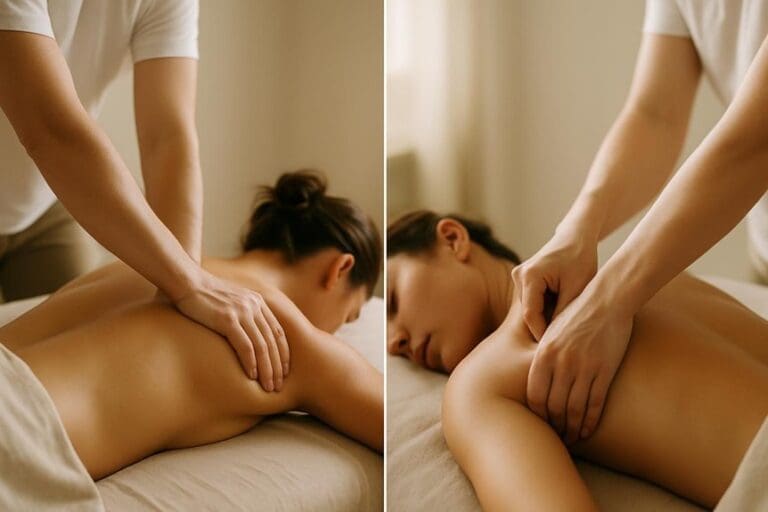
Swedish massage is characterised by its five foundational strokes: effleurage (long, gliding movements), petrissage (kneading and rolling), friction (deep circular movements), tapotement (rhythmic tapping), and vibration (gentle shaking). These strokes are delivered with moderate pressure, systematically addressing muscle tension and enhancing circulation.
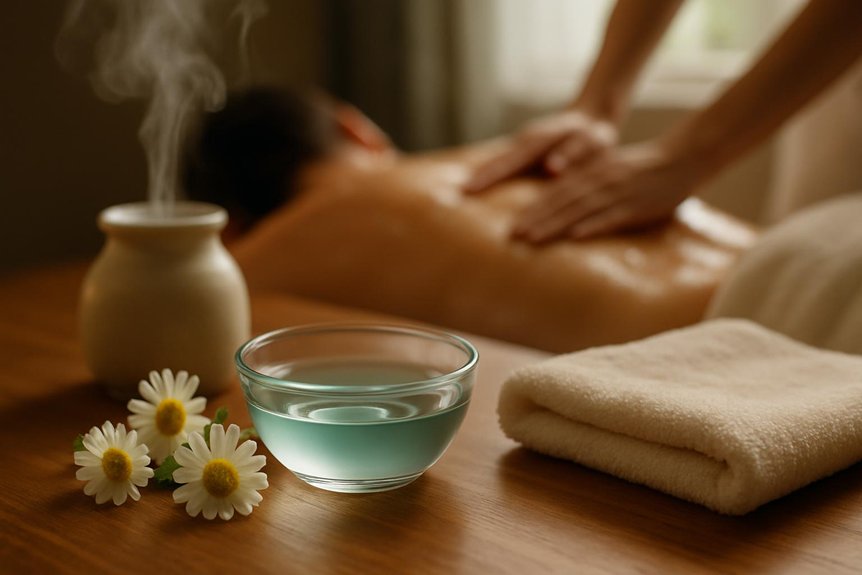
In contrast, aromatic massage at Spa & Massage incorporates similar foundational strokes but typically employs lighter, more nurturing pressure. The focus is on gentle, calculated movements that facilitate the absorption of essential oils and foster a deeply calming sensory experience.
Each approach is tailored by our therapists to suit individual preferences and therapeutic goals, ensuring personalised care.
Use of Massage Oils
How do massage oils influence the therapeutic outcomes of different massage modalities?
At Spa & Massage, the selection and application of oils are integral to both Swedish and aromatherapy techniques.
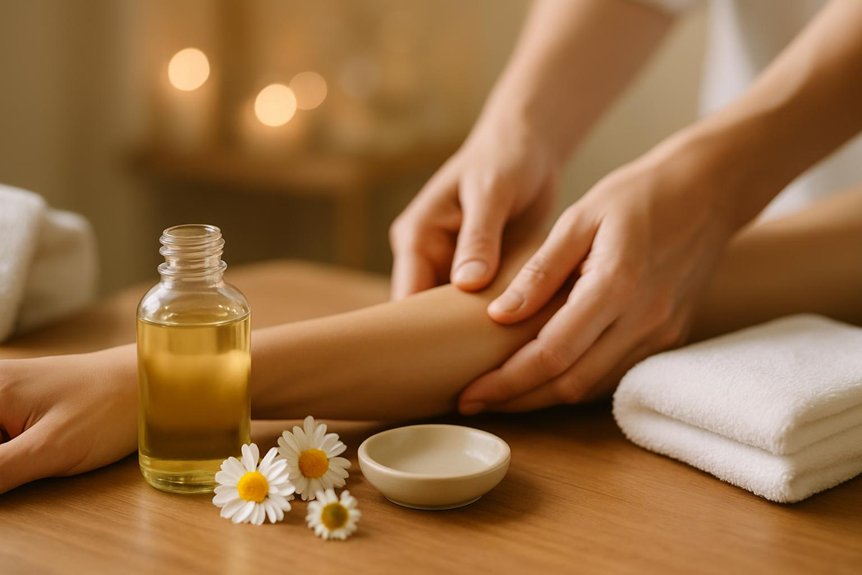
In Swedish massage, therapists typically use neutral, hypoallergenic oils to guarantee smooth, gliding strokes while minimizing skin irritation. These oils create an ideal slip, facilitating fluid, rhythmic movements that enhance relaxation and tissue mobilization.
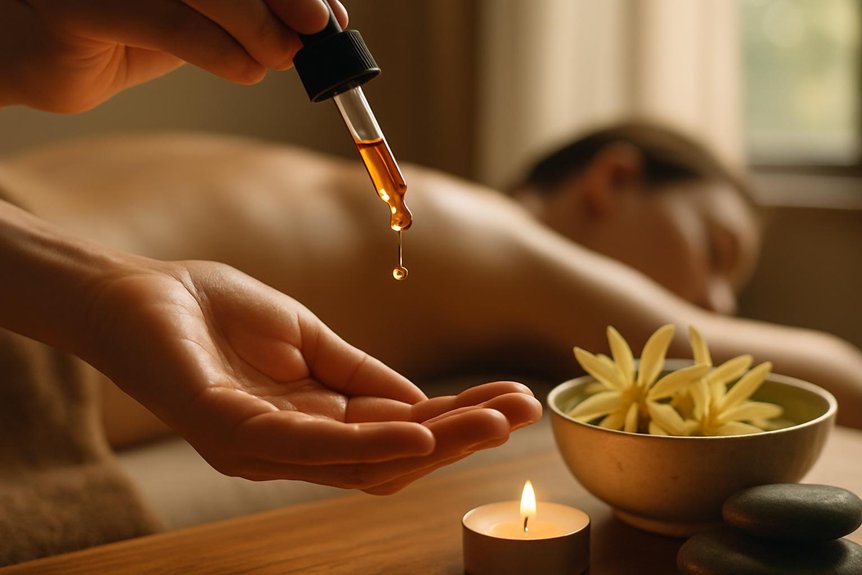
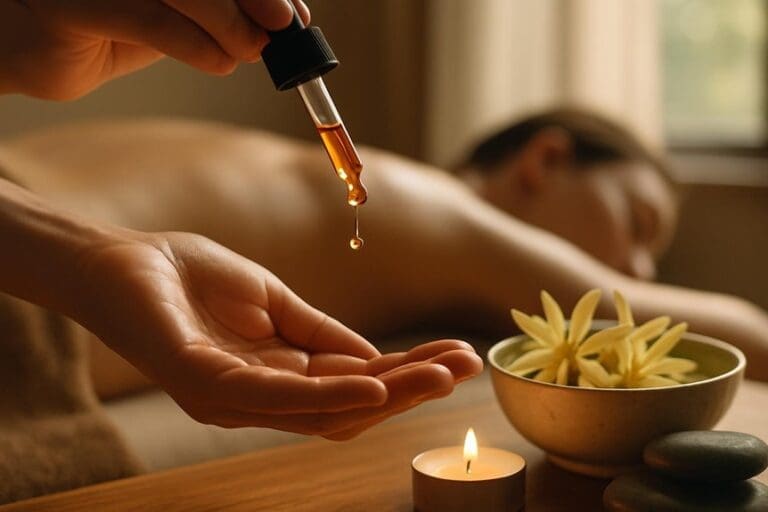
In contrast, aromatic massage incorporates essential oils, each chosen for specific therapeutic properties such as calming the nervous system, uplifting mood, or reducing muscle tension.
The olfactory stimulation from essential oils adds an additional layer of sensory intimacy, deepening the client’s relaxation response.
Our therapists carefully consider client sensitivities and preferences, tailoring oil blends to support individualized outcomes and maximize the benefits of each session.
Therapist’s Approach and Focus
Distinct therapeutic objectives inform the techniques utilised in each massage modality at Spa & Massage.
In Swedish massage, therapists employ structured strokes—effleurage, petrissage, friction, tapotement, and gentle vibration—to systematically manipulate superficial muscle layers. This approach prioritises circulatory enhancement, muscular relaxation, and relief of tension, using rhythmic, methodical movements to establish a nurturing sense of physical connection.
Conversely, aromatic massage integrates the application of essential oils with gentler, flowing strokes and light pressure, focusing on both physiological and emotional well-being. Here, therapists tailor the sensory experience, harmonising touch with the aromatic properties of custom-blended oils.
Across both modalities, Spa & Massage therapists maintain attentive presence and precision, ensuring each client’s comfort and fostering an atmosphere that supports meaningful relaxation and holistic restoration.
The Role of Massage Oils and Essential Oils
In Swedish massage, neutral carrier oils are typically used to reduce friction and facilitate smooth manual techniques, enhancing tissue manipulation and client comfort.
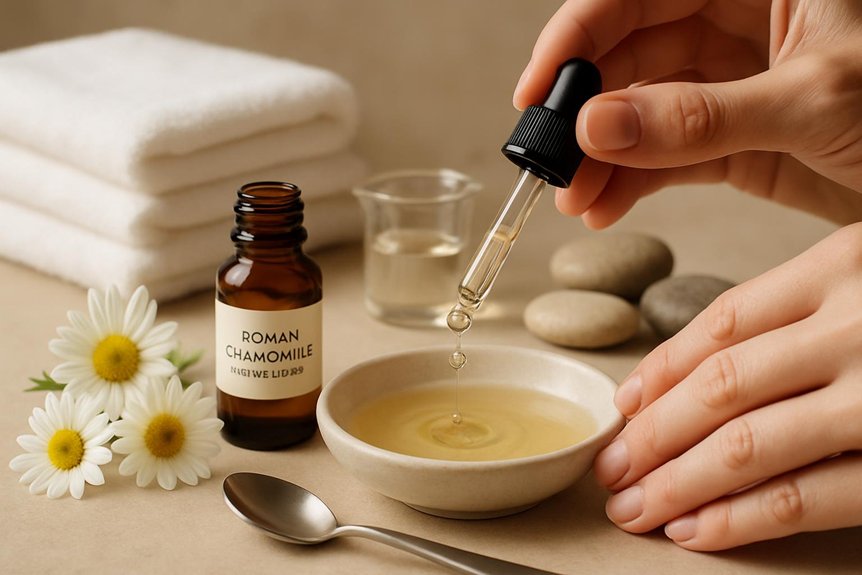
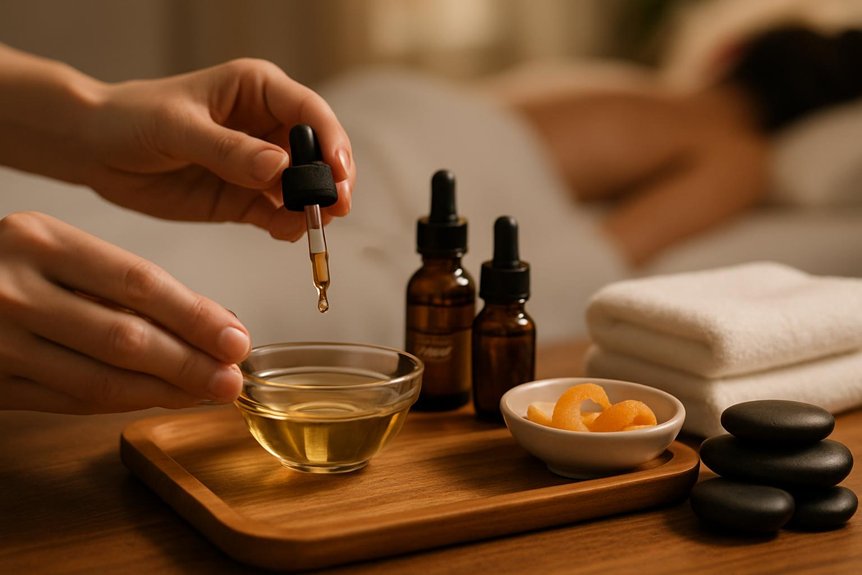
In contrast, aromatic massage incorporates essential oils, selected for their therapeutic properties and blended with carrier oils to support specific wellness goals.
At Spa & Massage, therapists apply evidence-based protocols in choosing and blending oils, ensuring both safety and efficacy for individual client needs.
Massage Oils in Swedish
A fundamental component of Swedish massage is the use of high-quality massage oils, which facilitate smooth, gliding strokes and reduce friction on the skin.
In Spa & Massage clinics, therapists select oils that are hypoallergenic, lightweight, and non-comedogenic to guarantee comfort and skin compatibility. These oils enable the practitioner’s hands to move seamlessly across the body, amplifying the sensation of connection between therapist and client.
The gentle application of oil not only enhances tactile pleasure but also supports efficient muscle manipulation and improved circulation. Evidence suggests that proper lubrication prevents skin irritation while allowing for deeper, therapeutic techniques.
At Spa & Massage, every Swedish massage session incorporates oil tailored to individual skin types, fostering a nourishing, intimate, and deeply relaxing experience for each client.
Essential Oils in Aromatherapy
How do essential oils influence both the physiological and psychological effects of aromatic massage? Essential oils, derived from botanical sources, act through olfactory and dermal pathways to modulate mood, stress response, and somatic relaxation.
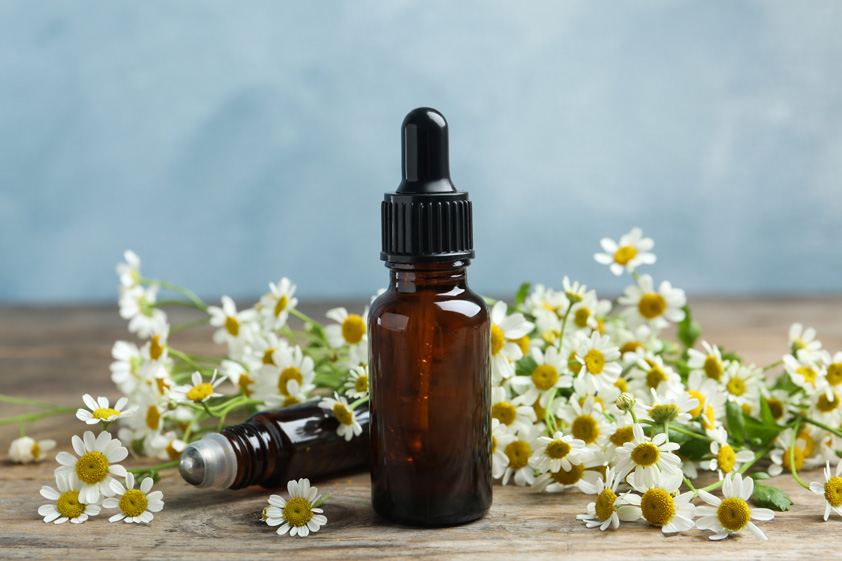
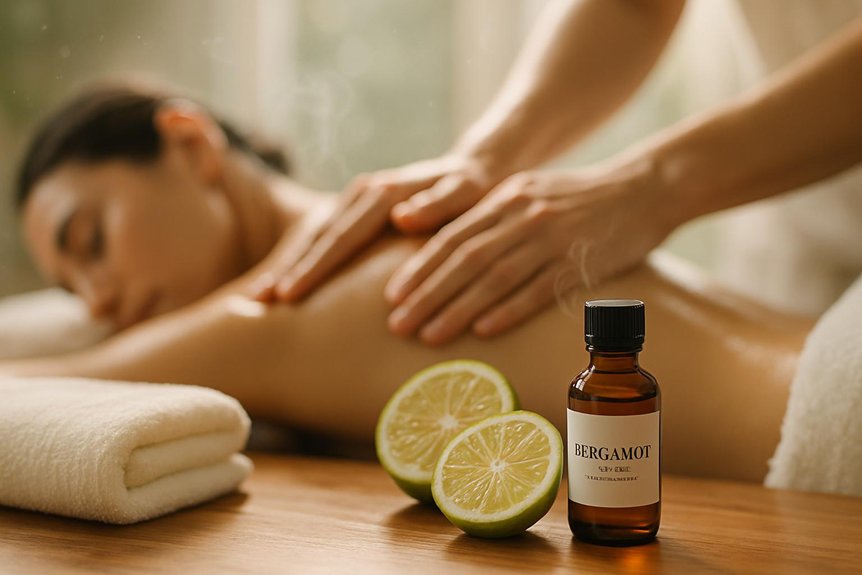
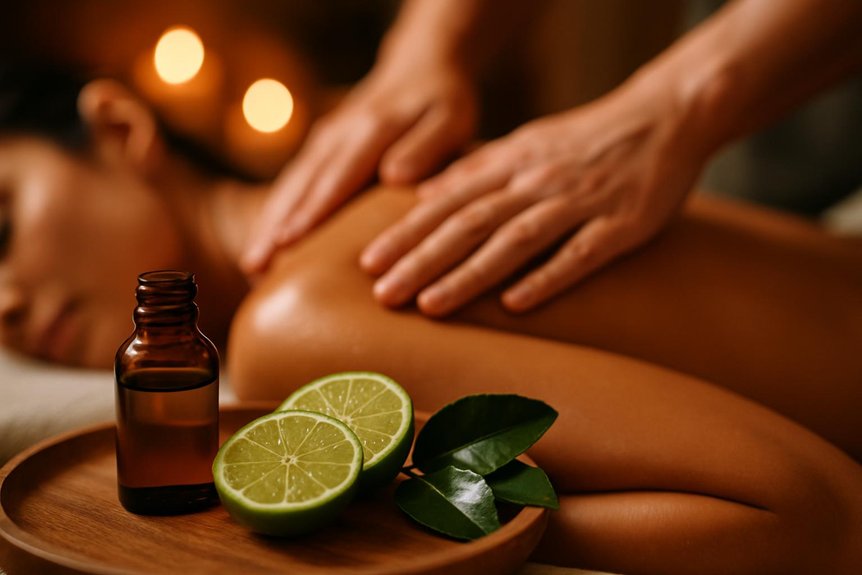
In aromatic massage at Spa & Massage clinics, therapists incorporate carefully selected essential oils—such as lavender, eucalyptus, or bergamot—diluted in carrier oils to maximize both safety and efficacy.
Inhalation of these volatile compounds activates the limbic system, influencing emotional state, while topical absorption may promote vasodilation or localized analgesia.
Evidence indicates that individualized blends can enhance relaxation, improve sleep quality, and reduce anxiety.
Therapists at Spa & Massage recommend discussing personal preferences and sensitivities to guarantee an intimate, tailored experience that aligns with each client’s emotional and physical wellness goals.
Key Benefits for Body and Mind
Swedish and aromatic massage modalities both deliver measurable physiological and psychological benefits, though each employs distinct mechanisms of action. Swedish massage utilises systematic effleurage, petrissage, and friction techniques to enhance circulation, reduce muscular tension, and facilitate lymphatic drainage. These effects contribute to lowered stress hormone levels and improved somatic relaxation. Aromatic massage, as practiced at Spa & Massage, incorporates these traditional manual techniques with carefully selected essential oils. The olfactory stimulation from essential oils is known to modulate the limbic system, influencing mood, emotional regulation, and perceived anxiety. Clients at Spa & Massage frequently report a sense of profound calm, heightened emotional balance, and deeper connection with their own bodies. Both treatments support restorative processes, but aromatherapy provides an additional sensory and emotional dimension.
What to Expect During Your Treatment
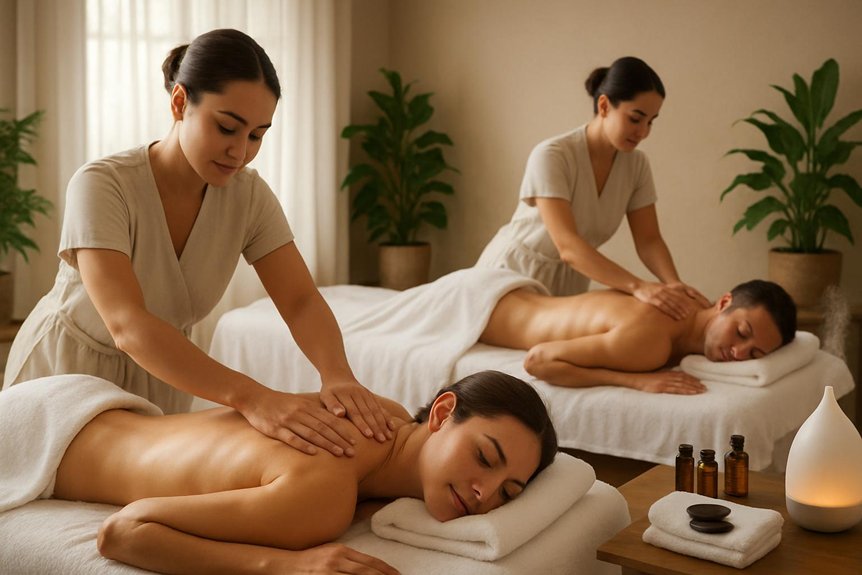
Following the established benefits of both Swedish and aromatic massage, clients attending treatments at Spa & Massage can anticipate a structured, client-centered approach designed to maximise therapeutic outcomes.
Upon arrival, clients are welcomed into a tranquil environment where initial consultation ensures individual goals, sensitivities, and preferences are thoroughly addressed.
For Swedish massage, therapists employ systematic effleurage, petrissage, and tapotement techniques, focusing on muscle relaxation and circulation.
Aromatherapy sessions incorporate carefully selected essential oils, diffused or applied via gentle, rhythmic strokes, enhancing both physiological and emotional effects.
Throughout each session, therapists at Spa & Massage maintain open communication, adjusting pressure, temperature, and atmosphere to support client comfort and intimacy.
Each treatment concludes with tailored aftercare advice, fostering ongoing relaxation and well-being beyond the clinic.
Choosing the Right Massage for Your Needs
Selecting an appropriate massage modality depends on a thorough assessment of individual health objectives, physical conditions, and desired therapeutic outcomes. At Spa & Massage, therapists conduct detailed consultations to determine the most suitable approach for each client.
For those seeking relaxation, stress relief, or gentle muscle tension release, Swedish massage is often recommended due to its traditional techniques and focus on calming the nervous system.
In contrast, individuals desiring a more immersive sensory experience or targeted emotional support may benefit from aromatic massage, which incorporates essential oils selected for their therapeutic properties.
The clinic’s expertise ensures that both modalities can be customized to personal preferences, with careful consideration of any sensitivities or contraindications, fostering a safe and intimate therapeutic environment conducive to holistic well-being.
Conclusion
While some may perceive aromatic massage as less effective than Swedish massage for muscular tension, evidence suggests that the integration of essential oils can enhance both physiological and psychological outcomes. Swedish massage offers proven benefits in relieving tension and improving circulation, while aromatic massage provides holistic effects through the therapeutic properties of essential oils. By understanding these distinctions, clients at Spa & Massage can confidently select a treatment tailored to their specific needs and wellness objectives.