Swedish massage utilizes structured manual techniques, such as effleurage and petrissage, to promote musculoskeletal relaxation and improve circulation. It builds upon these basic movements by incorporating essential oils, chosen for their specific therapeutic properties, to address both physical tension and emotional well-being through olfactory and topical effects. While both treatments use massage oils, aromatherapy emphasizes multisensory benefits for holistic wellness. A detailed exploration of techniques, benefits, and aftercare provides further understanding of each modality.
Understanding Swedish Massage
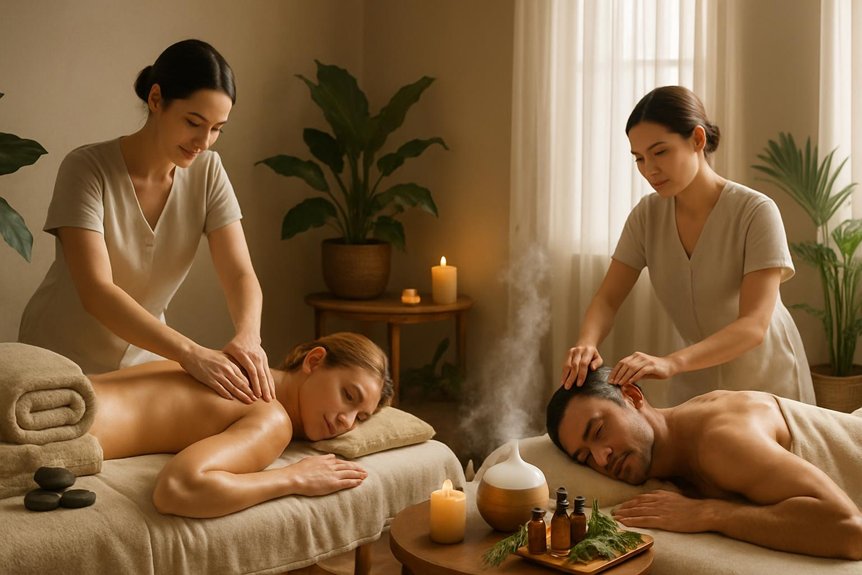
Developed in the early nineteenth century, Swedish massage is a foundational therapeutic technique characterised by systematic application of five primary strokes: effleurage (long, gliding movements), petrissage (kneading), friction, tapotement (rhythmic tapping), and vibration.
This modality aims to enhance circulation, reduce muscular tension, and promote overall relaxation. At Spa & Massage clinics, therapists tailor each session to the client’s preferences, ensuring the pressure and rhythm encourage both physiological and emotional comfort.
The methodical movements facilitate lymphatic drainage and support the body’s natural healing processes. Clients often experience a gentle sense of warmth and connection as tissues are meticulously worked.
Swedish massage offers an accessible introduction to professional touch, providing a safe, nurturing environment that fosters a sense of closeness and well-being.
In contrast, deep tissue massage techniques are designed to address chronic muscle tightness and target deeper layers of muscle and connective tissue, offering additional benefits for those with persistent discomfort.
Exploring Aromatherapy Massage
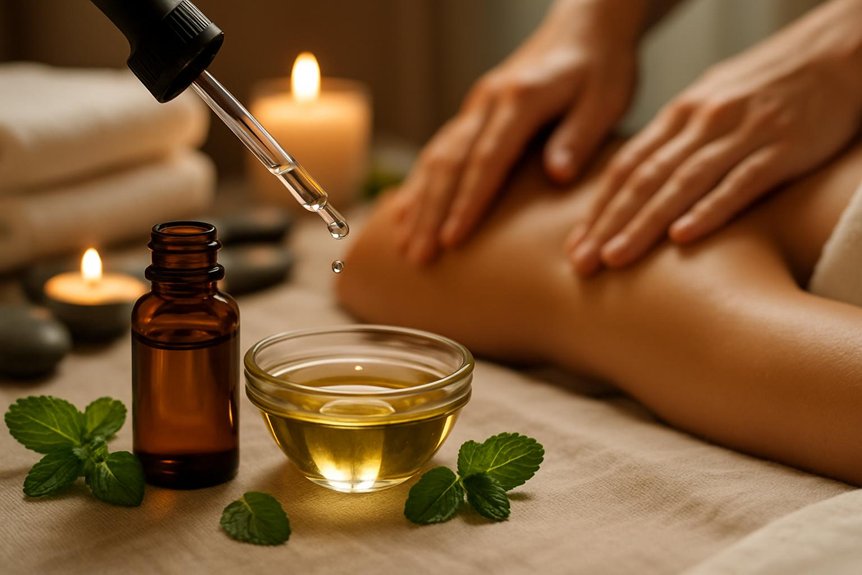
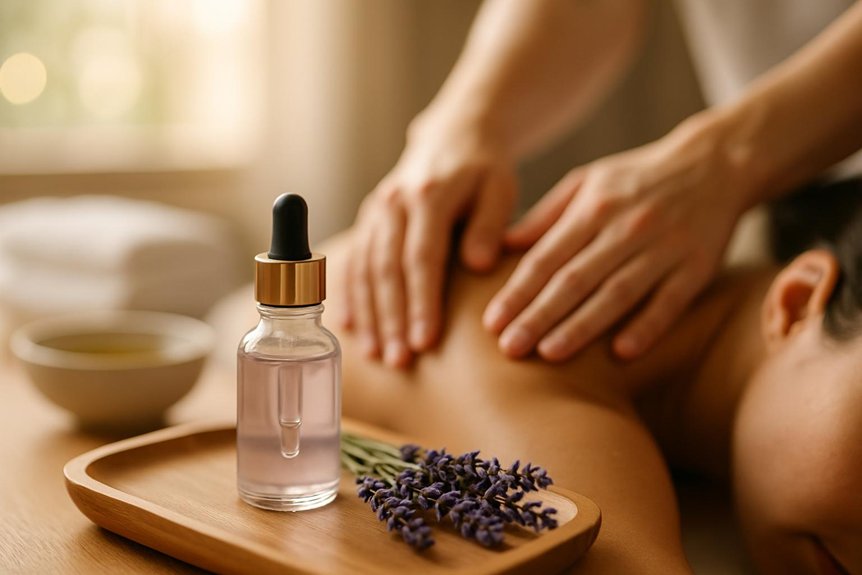
How does the addition of essential oils alter the massage experience? Essential oil massage integrates the topical and inhalational benefits of pure essential oils, selected for specific therapeutic properties.
At Spa & Massage, therapists tailor oil blends to address physical and emotional needs, such as stress relief, invigoration, or deep relaxation.
Evidence indicates that essential oils can modulate mood, reduce perceived stress, and enhance the physiological effects of massage through the olfactory system and skin absorption.
The ambient aroma and gentle application foster a multisensory environment conducive to intimacy and tranquillity.
Clients often describe a heightened sense of connection and comfort during these sessions, as the therapeutic scents envelop their senses.
This method is ideal for those seeking a holistic approach to both body and mind wellness.
Key Techniques and Movements
While the therapeutic use of essential oils sets essential oil massage apart in regards to sensory experience, the effectiveness of both Swedish and essential oil massage primarily depends on the application of specific manual techniques.
Swedish massage is characterized by long effleurage strokes, gentle kneading (petrissage), rhythmic tapping (tapotement), friction, and passive joint movements. These foundational movements are designed to enhance circulation, reduce muscular tension, and foster deep relaxation.
In essential oil massage, therapists often incorporate these same Swedish techniques, but adapt pressure and rhythm to maximize the absorption of essential oils and accommodate individual sensitivities.
At Spa & Massage clinics, therapists are trained to adjust each movement’s depth and tempo, ensuring treatments are both effective and attuned to each client’s comfort, facilitating a sense of trust and profound relaxation.
The Role of Massage Oils
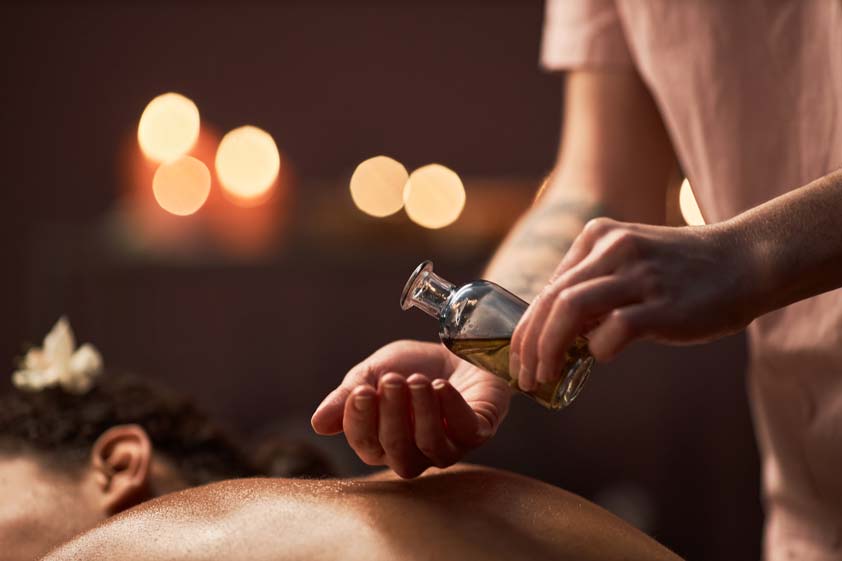
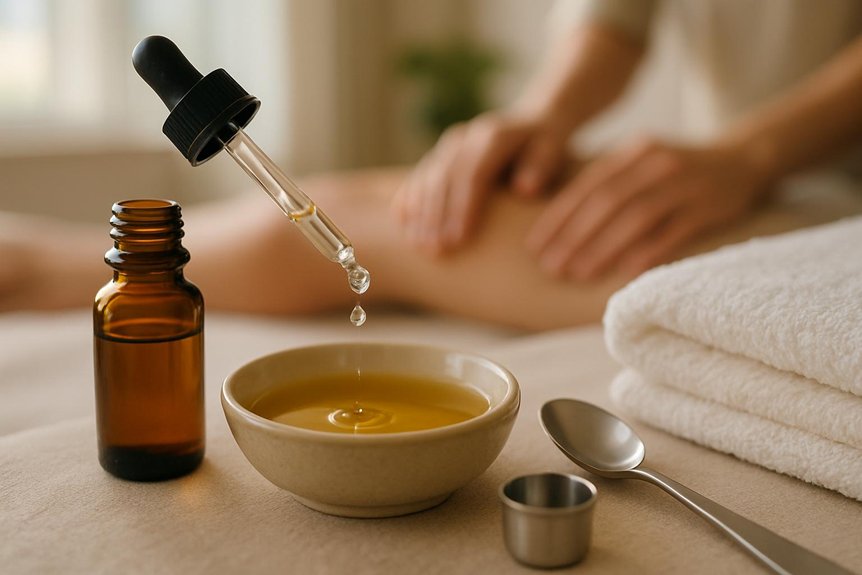
Integral to the effectiveness of both Swedish and essential oil massage is the selection and application of massage oils, which serve not only as a medium to reduce friction but also as a vehicle for specific therapeutic benefits.
In Swedish massage, Spa & Massage therapists typically employ neutral, hypoallergenic oils designed to facilitate long, gliding strokes and promote a seamless tactile connection.
Essential oil massage, however, utilises carefully selected essential oils blended with carrier oils, allowing the absorption of aromatic compounds through the skin and olfactory pathways.
The choice of oil is tailored to each client’s sensitivities and preferences, fostering a personalised sensory experience.
At Spa & Massage clinics, strict attention is paid to oil quality, purity, and suitability, ensuring both safety and an ideal sense of comfort during each session.
Benefits for Body and Mind
Both Swedish and essential oil massage deliver measurable physiological and psychological benefits, attributable to their targeted techniques and therapeutic applications. Swedish massage, using systematic effleurage, petrissage, and tapotement, enhances circulation, promotes lymphatic drainage, and alleviates musculoskeletal tension. This supports improved tissue oxygenation and accelerates recovery processes.
In Spa & Massage clinics, therapists observe reduced cortisol levels and heightened feelings of relaxation among clients post-session.
Essential oil massage integrates these manual techniques with carefully selected essential oils, intensifying the effects through olfactory stimulation. Evidence suggests this dual approach modulates the autonomic nervous system, fostering deeper states of tranquility and emotional balance.
Many clients report improvements in sleep quality, mood, and overall well-being following aromatherapy sessions. Both modalities are expertly tailored at Spa & Massage to nurture a sense of intimacy, comfort, and holistic wellness.
Sensory Experience and Environment
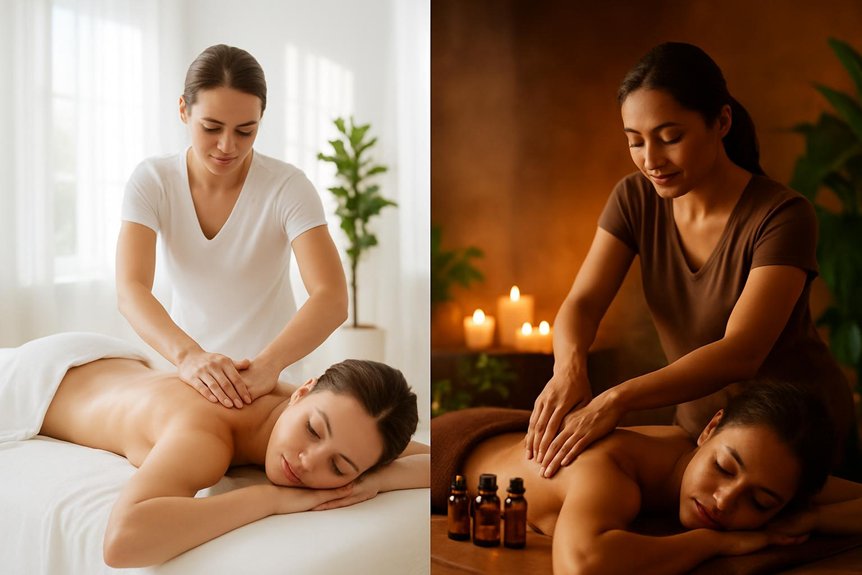
Sensory experience in massage is notably influenced by the use of aromatic oils and the overall atmosphere of the treatment environment. It typically incorporates essential oils selected for their therapeutic properties, creating a multisensory setting that enhances relaxation and mood.
In contrast, Swedish massage emphasizes tactile techniques within a calming ambience, with less focus on olfactory stimuli, as observed in the treatment protocols at Spa & Massage clinics.
Aromatic Oils and Scents
It incorporates the deliberate use of essential oils, each selected for their distinct therapeutic properties and aromatic profiles, to enhance physiological and psychological wellbeing.
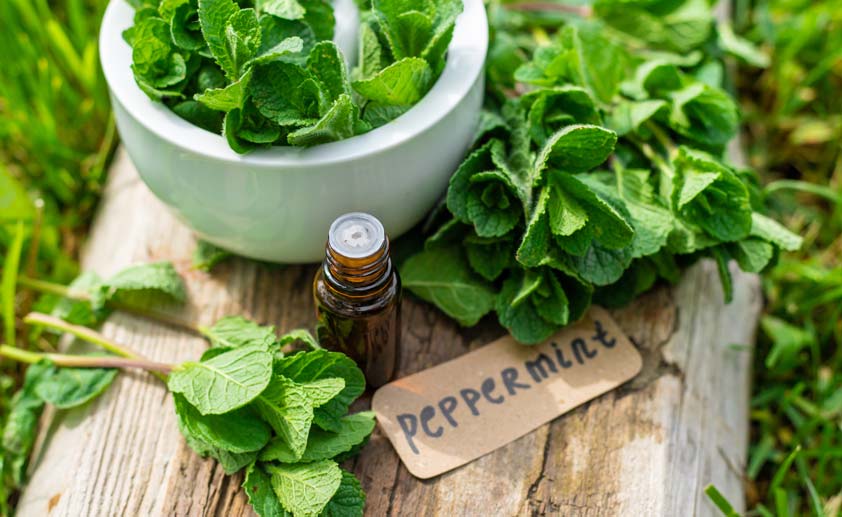
In Spa & Massage clinics, certified therapists choose oils such as lavender for relaxation, eucalyptus for respiratory clarity, or bergamot for mood elevation, tailoring the blend to the client’s individual needs.
The olfactory system transports these aromatic cues directly to the limbic region of the brain, facilitating emotional modulation and stress reduction. This targeted sensory stimulation differentiates aromatherapy from Swedish massage, where neutral, hypoallergenic oils or lotions are primarily used to reduce friction and support manual techniques.
For clients seeking an immersive, multisensory experience, the nuanced aromas in essential oil massage create a uniquely intimate and restorative environment in every session.
Atmosphere and Ambience
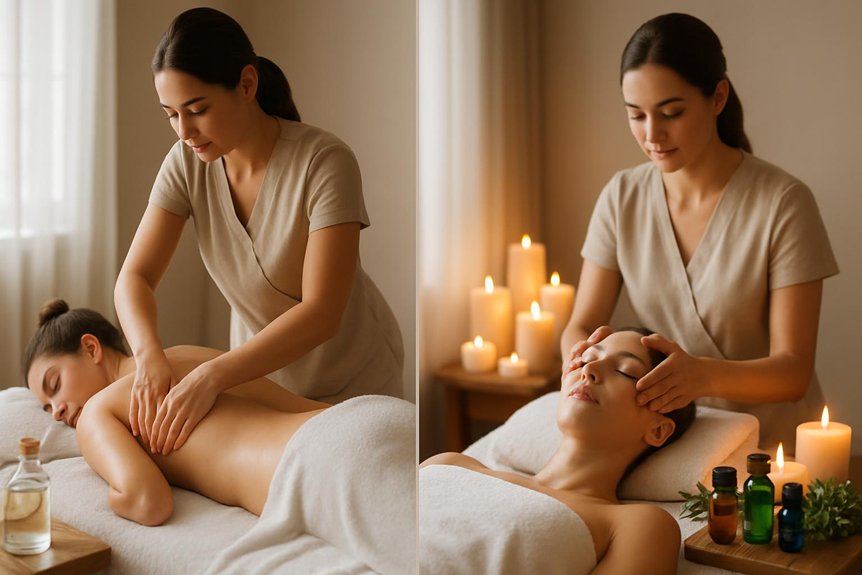
How do environmental cues shape the massage experience? In therapeutic settings, the interplay of lighting, sound, temperature, and aromatic diffusion profoundly influences the client’s sensory perception and physiological response.
For Swedish massage at Spa & Massage, a serene, softly lit environment with minimal sensory stimulation fosters deep relaxation and enhances parasympathetic activation. In contrast, essential oil massage incorporates not only calming visual and auditory elements but also purposeful olfactory cues through essential oil diffusion, intensifying the immersive experience.
Evidence suggests that multisensory ambiences modulate stress biomarkers and promote emotional intimacy with oneself. At Spa & Massage clinics, therapists meticulously curate these environmental variables—utilizing warming blankets, tranquil music, and tailored scent profiles—to create a sanctuary where clients can experience profound comfort and a heightened connection to their own bodies.
Who Can Benefit Most From Each Massage
When considering which massage modality is most suitable, understanding the unique therapeutic objectives of Swedish and essential oil massage is essential. Swedish massage is indicated for individuals seeking relief from muscular tension, improved circulation, or enhanced relaxation through structured manual techniques.
Clients experiencing stress, mild musculoskeletal discomfort, or those new to massage often benefit markedly from this approach.
Essential oil massage, by contrast, integrates the physiological effects of massage with the psychological benefits of essential oil inhalation and dermal absorption.
This method is particularly advantageous for clients desiring emotional balance, mood enhancement, or support with sleep disturbances.
At Spa & Massage, therapists assess each client’s needs sensitively, recommending either modality to cultivate a sense of profound intimacy and holistic well-being tailored to the individual’s physical and emotional landscape.
Aftercare Recommendations
Why is aftercare essential following a massage session? Proper aftercare enhances the therapeutic benefits of both Swedish and essential oil massage by supporting physiological recovery and prolonging relaxation effects.
Spa & Massage therapists recommend clients hydrate adequately post-treatment to facilitate metabolic waste removal and reduce potential muscle soreness. Engaging in gentle stretching and maintaining rest allows the body’s parasympathetic response to persist, deepening the sense of calm.
For essential oil massage, clients are advised to leave essential oils on the skin for several hours to maximise absorption, unless skin sensitivity develops. Avoiding strenuous activity immediately after either massage type helps maintain circulatory improvements and muscular relaxation.
These evidence-based practices, endorsed at Spa & Massage, foster intimacy with oneself and promote sustained well-being between treatments.
Choosing the Right Massage at Spa & Massage
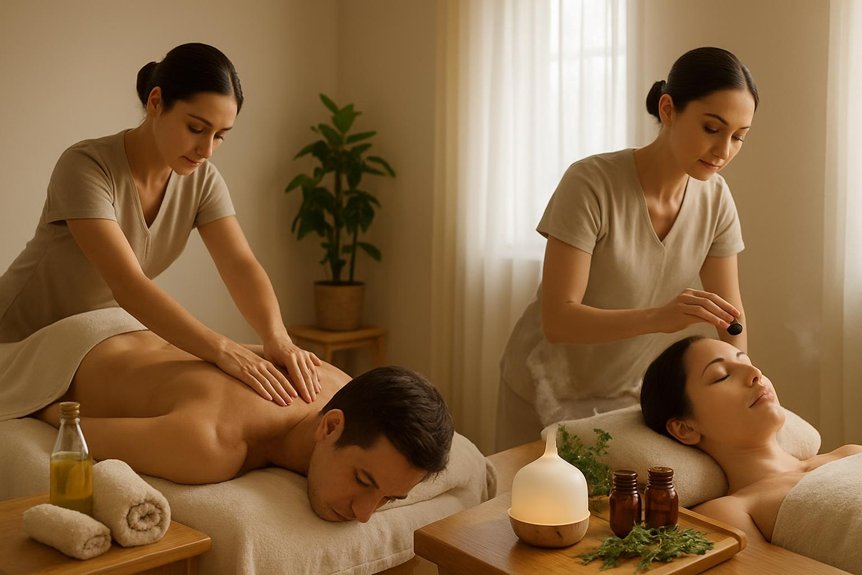
Ideal aftercare strategies amplify the therapeutic outcomes of massage, yet selecting the most suitable modality is a foundational step in achieving individual wellness goals. At Spa & Massage, therapists employ an in-depth consultation process, evaluating musculoskeletal concerns, stress levels, and personal preferences to guide clients toward either Swedish or essential oil massage.
Swedish massage is recommended for those seeking systematic muscle relaxation and circulatory enhancement through structured effleurage, petrissage, and tapotement.
In contrast, essential oil massage integrates targeted essential oils, chosen for their psychophysiological benefits, to modulate mood and induce profound relaxation. The clinic’s evidence-based approach ensures each session aligns with the client’s needs, whether addressing muscular tension or emotional wellbeing.
This individualized pathway fosters maximum therapeutic intimacy and sustained wellness outcomes.
Conclusion
In conclusion, Swedish and essential oil massages offer distinct therapeutic modalities tailored to individual preferences and health goals. Especially, studies reveal that approximately 80% of clients report a significant reduction in stress after just one session of either massage type, underscoring their efficacy. For those seeking targeted muscle relief or multisensory relaxation, understanding these differences enables informed choices. Spa & Massage clinics in London provide expert guidance, ensuring that each client receives an evidence-based, personalized treatment aligned with their wellness objectives.