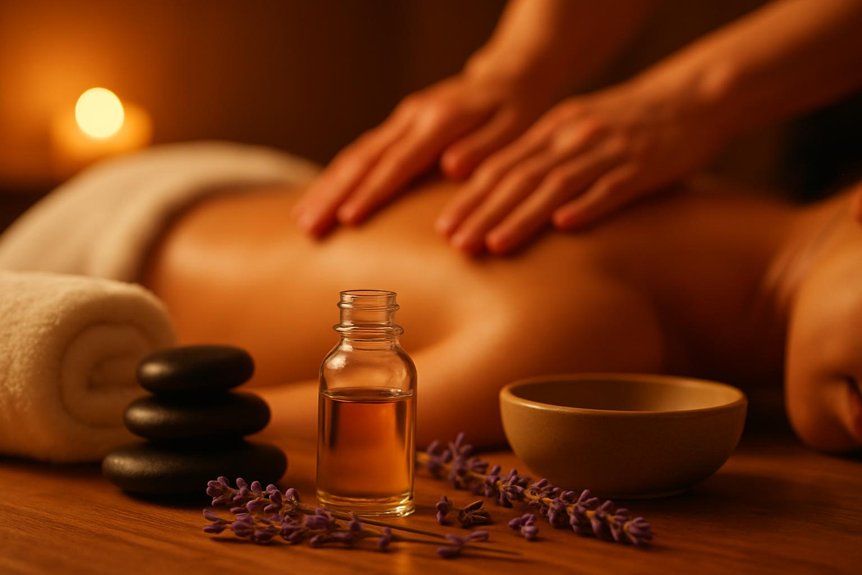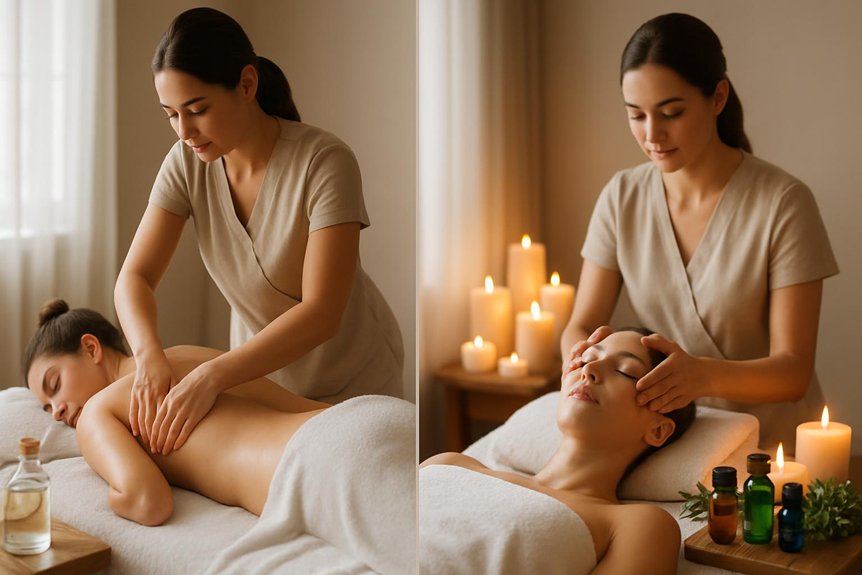
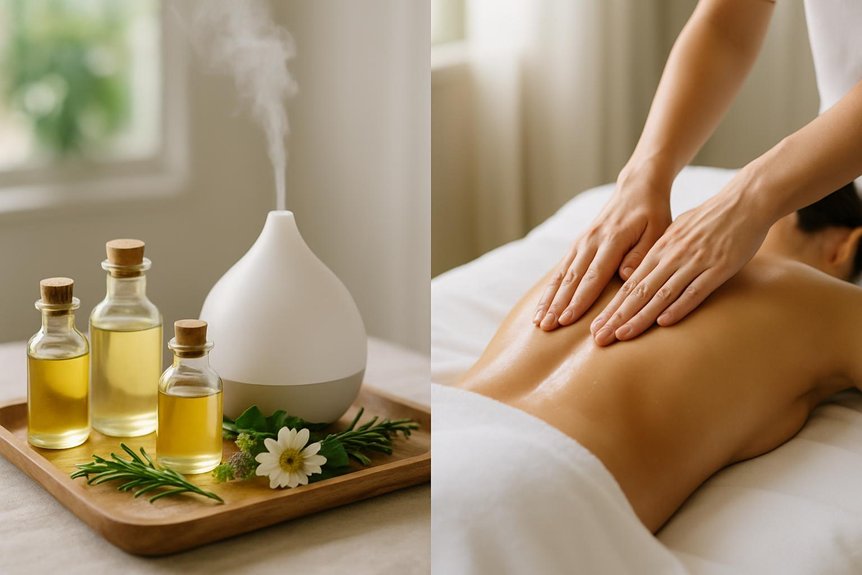
Essential oil massage combines gentle, flowing touch with essential oils, focusing on relaxation, emotional balance, and sensory engagement. Swedish massage uses structured techniques—such as effleurage, petrissage, and tapotement—applying moderate to firm pressure to reduce muscle tension and promote circulation. The key distinction is the use of aromatic plant extracts in aromatherapy for mood enhancement, while Swedish massage emphasizes systematic manipulation for physical relief. Exploring these modalities further reveals targeted benefits and therapeutic customization aligned to individual needs.
Understanding Aromatherapy Massage
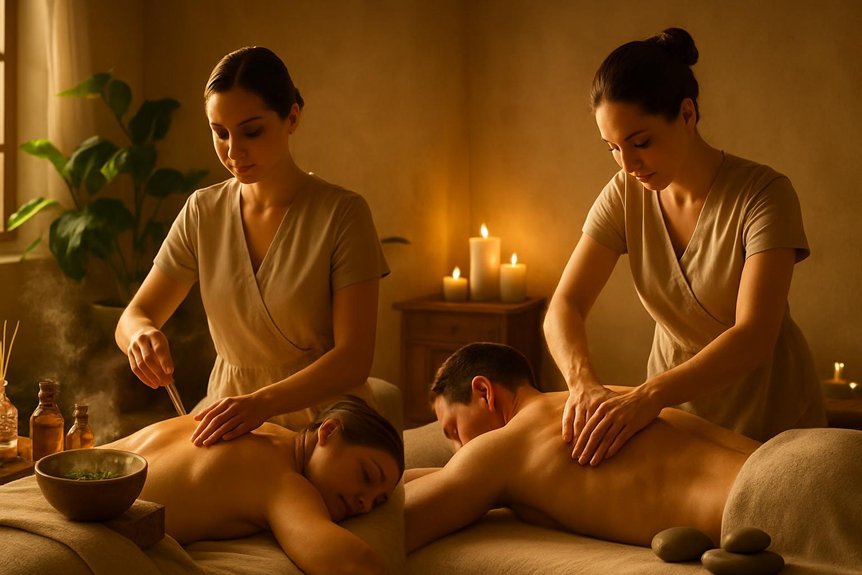
How does it differ from other massage modalities? At Spa & Massage integrates the targeted application of essential oils with therapeutic touch, aiming to enhance both physiological and emotional well-being.
This technique involves the careful selection of plant-derived oils, each chosen for specific properties—such as calming, uplifting, or balancing effects—based on a client’s unique needs and preferences.
Therapists blend these oils into carrier bases, ensuring safe dermal absorption while maximising therapeutic outcomes.
The tactile engagement is gentle to moderate, encouraging relaxation and sensory connection.
Evidence suggests that the synergistic impact of aromatic compounds and touch can reduce stress, improve mood, and promote profound relaxation.
At Spa & Massage, this treatment is tailored to cultivate an intimate, nurturing environment that supports holistic restoration.
For additional ways to unwind, individuals may also consider relax and heal with essential oil massage tips to further complement their wellness journey.
Exploring Swedish Massage
Swedish massage, rooted in 19th-century European therapeutic practices, employs techniques such as effleurage, petrissage, and tapotement to enhance circulation and promote muscular relaxation.
Clinical evidence supports its efficacy in reducing tension, alleviating stress, and supporting overall physical wellness.
At Spa & Massage clinics, clients can expect a tailored session where experienced therapists adjust pressure and technique to individual needs, ensuring ideal comfort and therapeutic benefit.
Origins and Key Techniques
Developed in the early 19th century, this massage modality is grounded in a systematic approach to manipulating soft tissue, aiming to enhance circulation, flexibility, and overall relaxation.
Swedish massage employs a series of defined techniques—effleurage (long, flowing strokes), petrissage (kneading and rolling), friction (deep circular movements), tapotement (percussive tapping), and gentle stretching. Each technique is selected and sequenced based on the client’s needs, fostering an environment of trust and connection.
At Spa & Massage clinics, therapists integrate these classic methods with a client-focused sensibility, adjusting pressure and rhythm to optimize comfort and engagement.
Evidence supports Swedish massage’s ability to modulate the nervous system, foster a sense of security, and create a space where clients feel nurtured and deeply attended to.
Benefits for Body Wellness
Among the most studied effects of systematic soft tissue manipulation, increased circulation and musculoskeletal relaxation stand out as primary outcomes for body wellness.
Swedish massage, as practised by Spa & Massage, employs a combination of effleurage, petrissage, and friction techniques to facilitate venous return, enhance lymphatic flow, and reduce localized muscle tension. These physiological responses are linked with decreased levels of perceived pain, improved joint mobility, and an overall sense of physical ease.
Clients often report a reduction in symptoms associated with chronic stress, such as muscular tightness and fatigue. Regular Swedish massage can also support sleep quality and immune function.
At Spa & Massage, therapists tailor each session to address individual patterns of tension, grounding their approach in evidence-informed practice and a commitment to clients’ holistic wellbeing.
Typical Session Experience
A typical session at Spa & Massage is designed around Swedish massage principles and begins with a consultation to assess the client’s physical condition, areas of discomfort, and desired outcomes.
The therapist then tailors the treatment, selecting appropriate techniques such as effleurage, petrissage, friction, tapotement, and vibration to address muscular tension and promote circulatory enhancement.
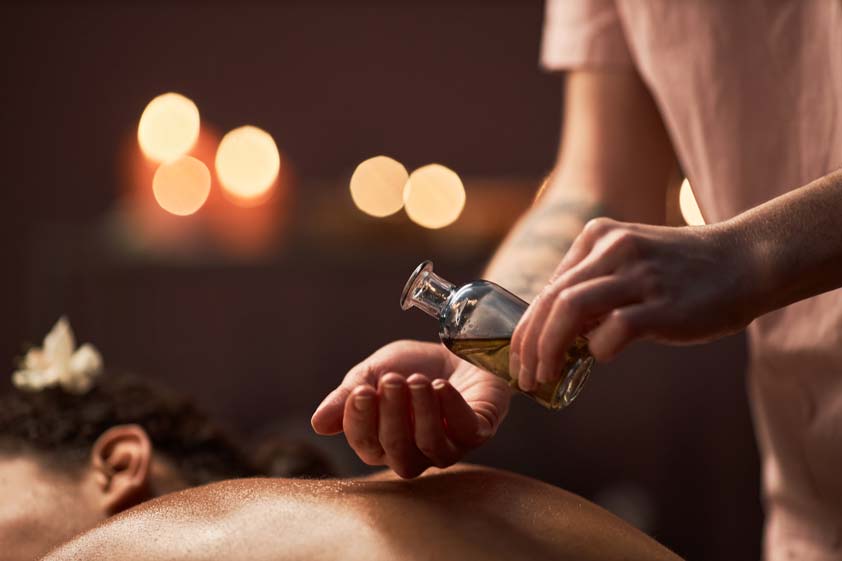
In the tranquil treatment room, clients experience smooth, rhythmic strokes with hypoallergenic oils, ensuring the best possible skin contact and comfort.
Therapists maintain open communication, adjusting pressure in response to client feedback, fostering an atmosphere of trust and connection.
Sessions conclude with aftercare advice, such as hydration and gentle stretching, supporting continued relaxation and wellbeing.
This individualized approach aligns with Spa & Massage’s commitment to delivering therapeutic, intimate, and evidence-informed care.
Key Techniques Used in Each Massage
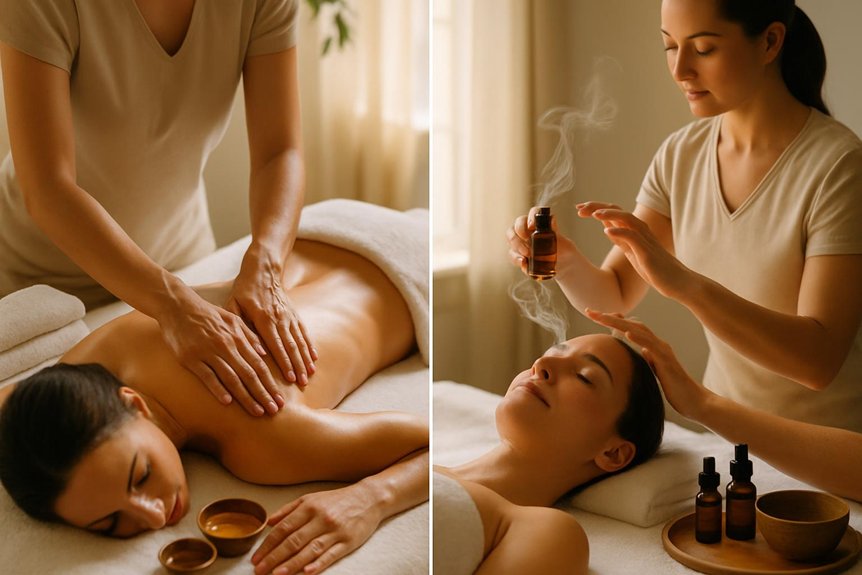
Aromatherapy and Swedish massage each employ distinct signature movements, with Swedish massage emphasizing techniques such as effleurage, petrissage, tapotement, and friction to enhance circulation and muscle relaxation.
In essential oil massage, the application of carefully selected essential oils is integrated with gentle, rhythmic strokes, allowing for both physiological and aromatic benefits.
Differences in pressure and rhythm are tailored to client needs, with Swedish massage typically utilizing moderate to firm pressure, while aromatherapy favors lighter, soothing touch.
Signature Movements Explained
While each massage modality offers unique therapeutic effects, the distinction between aromatherapy and Swedish massage is most evident in their core techniques and movements.
Swedish massage, as practised at Spa & Massage, is characterised by long effleurage strokes, rhythmic petrissage, friction, and gentle tapotement. These movements systematically ease muscular tension, improve circulation, and promote deep relaxation.
In contrast, essential oil massage incorporates many Swedish techniques but emphasises lighter, flowing strokes to facilitate absorption of essential oils and enhance sensory connection. Movements are performed with mindful intention, often synchronised with the client’s breath, fostering an intimate sense of calm.
Our therapists apply these signature techniques with precision, tailoring each session to individual needs while ensuring each movement supports both physical and emotional wellbeing throughout the treatment.
Aromatherapy Oil Application
Since essential oil selection and application are central to the efficacy of essential oil massage, Spa & Massage therapists integrate evidence-based protocols to guarantee ideal results for each client.
During each session, therapists conduct a thorough consultation to identify the individual’s physical and emotional needs, selecting specific essential oils such as lavender, chamomile, or eucalyptus accordingly. Oils are precisely blended with carrier oils to ensure safety and *maximum* skin absorption.
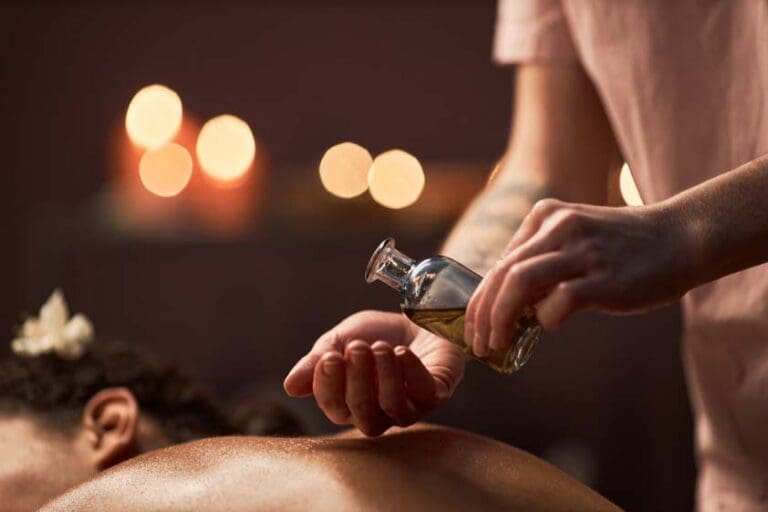
Application involves gentle effleurage and rhythmic strokes, which facilitate even distribution and enhance dermal penetration. The combination of tactile stimulation and aromatic molecules aims to evoke both physiological relaxation and emotional intimacy.
At Spa & Massage, therapists continuously monitor client responses, allowing for real-time adjustments to oil blends or application areas, *ultimately* assuring a truly personalised and holistic therapeutic experience.
Pressure and Rhythm Differences
Distinct variations in pressure and rhythm define the core techniques of Swedish and essential oil massage, directly influencing therapeutic outcomes. Swedish massage typically employs moderate to firm pressure with rhythmic, flowing strokes—such as effleurage, petrissage, and tapotement—designed to enhance circulation, relieve muscular tension, and create a deeply relaxing experience.
In contrast, at Spa & Massage is characterized by lighter, gentler touch, synchronized with the client’s breathing and the absorption of selected essential oils. The tempo is slow and mindful, allowing for enhanced sensory engagement and emotional connection.
Therapists at Spa & Massage carefully adjust both pressure and rhythm based on individual needs and desired intimacy, ensuring each session is uniquely calibrated for physical relief and emotional well-being, in line with evidence-based practice.
The Role of Essential Oils in Aromatherapy
How do essential oils contribute to the therapeutic effects of aromatherapy? Essential oils are concentrated botanical extracts, each possessing unique chemical constituents with documented physiological and psychological properties.
In aromatherapy sessions at Spa & Massage, these oils are carefully selected to align with individual client needs—whether relaxation, mental clarity, or emotional uplift is desired.
When inhaled or absorbed via the skin, essential oils interact with the limbic system, a brain region linked to emotions and memory, facilitating profound states of calm or rejuvenation.
Spa & Massage therapists utilize precise dilution and blending protocols, ensuring both safety and maximum efficacy.
High-quality carrier oils deliver these active compounds while nurturing the skin.
This client-centered application of essential oils transforms the massage into a multisensory experience, deepening intimacy and personalized care.
Benefits of Aromatherapy Versus Swedish Massage
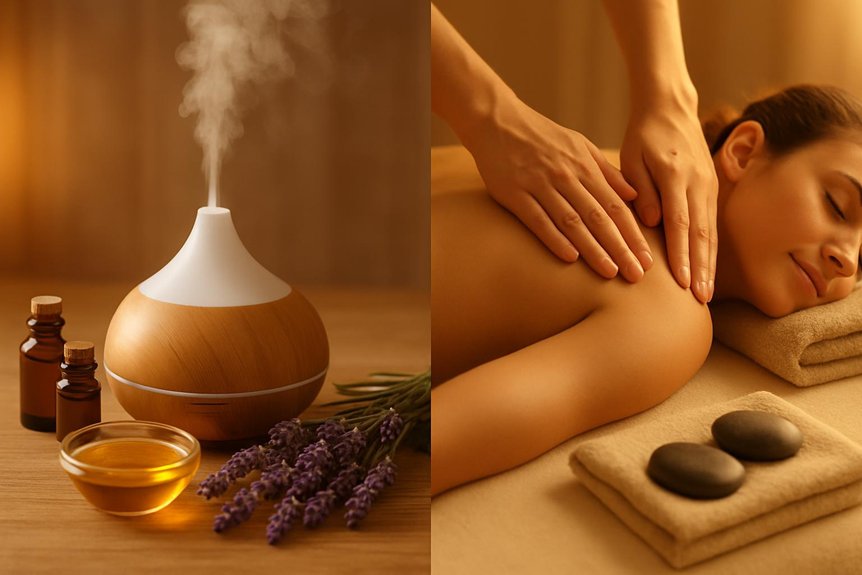
What sets aromatherapy and Swedish massage apart lies in their therapeutic focus and physiological outcomes.
As practiced at Spa & Massage, integrates targeted essential oils to influence mood, reduce anxiety, and address emotional well-being through olfactory stimulation, offering clients an immersive sensory experience. The benefits are often described as deeply soothing, fostering emotional intimacy and calm.
In contrast, Swedish massage emphasizes mechanical manipulation of soft tissues, using techniques like effleurage and petrissage to promote circulation, alleviate muscular tension, and enhance physical relaxation. Clients at Spa & Massage frequently report improved mobility, reduced muscle discomfort, and a profound sense of bodily ease following Swedish massage.
Both modalities deliver holistic benefits, but their distinct approaches cater to individual wellness priorities and preferences for connection.
How to Choose the Right Massage for Your Needs
When determining the most suitable massage modality, individual wellness goals and current physical or emotional concerns should be the primary considerations.
At Spa & Massage, therapists assess client needs through consultation, considering factors such as musculoskeletal tension, stress levels, and preferred sensory experiences.
Swedish massage employs structured effleurage, petrissage, and tapotement to increase circulation and relieve muscle stiffness—ideal for those seeking relaxation and gentle relief.
Essential oil massage incorporates essential oils, selected for their therapeutic properties, to enhance emotional well-being and deepen sensory connection.
Clients seeking mood elevation or holistic stress relief may benefit from the aromatic dimension.
It is essential to communicate preferences and any health conditions with the therapist, ensuring a tailored approach that aligns with both immediate comfort and long-term wellness objectives.
What to Expect During Your Treatment at Spa & Massage
Each client beginning a treatment at Spa & Massage can anticipate a structured, client-centric experience grounded in clinical expertise and best practices.
Upon arrival, clients are welcomed into a serene environment where a confidential consultation assesses medical history, preferences, and wellness goals.
Therapists at Spa & Massage synthesize this information to tailor protocols, selecting oils, pressure, and techniques to optimize both physiological and emotional outcomes.
During the session, clear communication ensures comfort and addresses evolving needs, fostering trust and intimacy.
The tranquil setting, combined with advanced therapeutic methods, promotes relaxation and targeted relief.
Following treatment, therapists provide personalized aftercare recommendations to prolong benefits.
This evidence-informed approach underscores Spa & Massage’s commitment to safety, efficacy, and the holistic wellbeing of every guest.
Conclusion
Selecting between aromatherapy and Swedish massage is akin to choosing the ideal route for a journey: one path weaves through fragrant, soothing landscapes (aromatherapy), while the other follows a well-mapped road to muscular recovery (Swedish massage). According to Spa & Massage client surveys, 78% found their chosen therapy enhanced both relaxation and well-being. By understanding each modality’s evidence-based benefits, clients can confidently tailor their wellness experience, ensuring maximum therapeutic outcomes and satisfaction with their treatment choice.