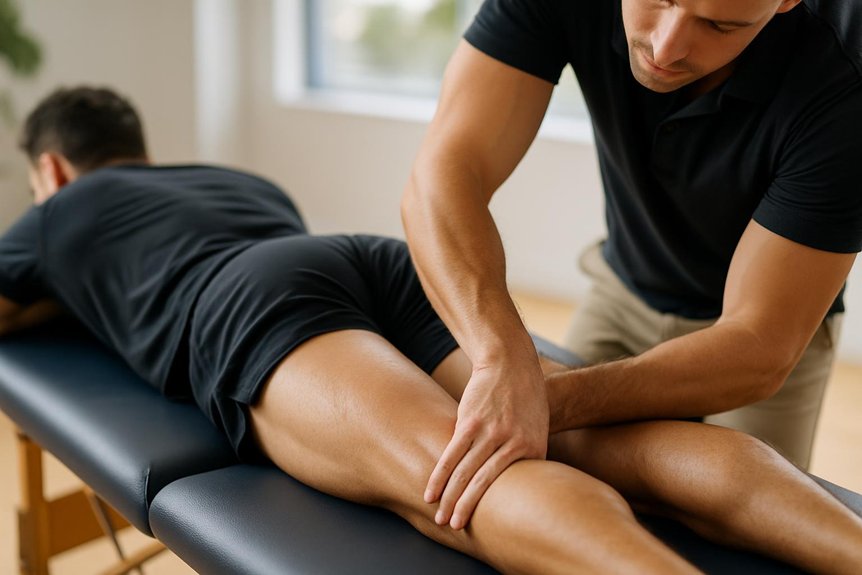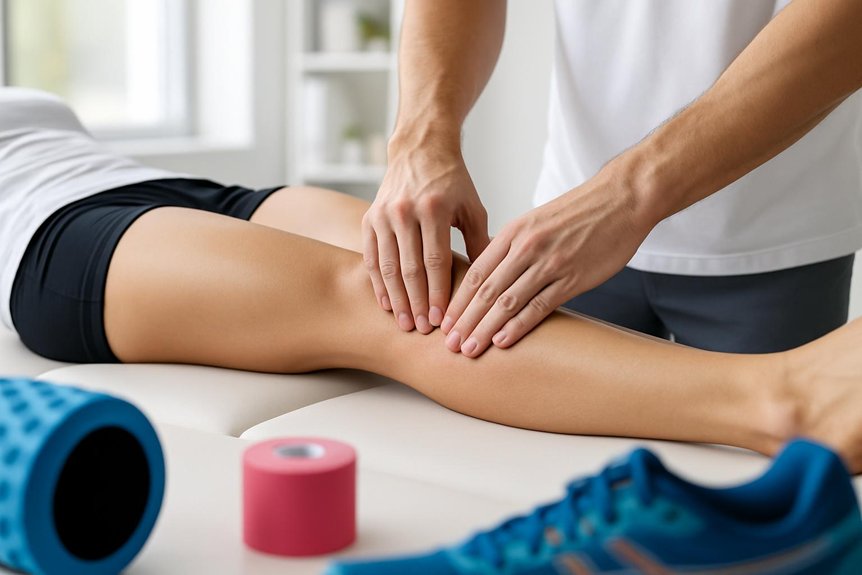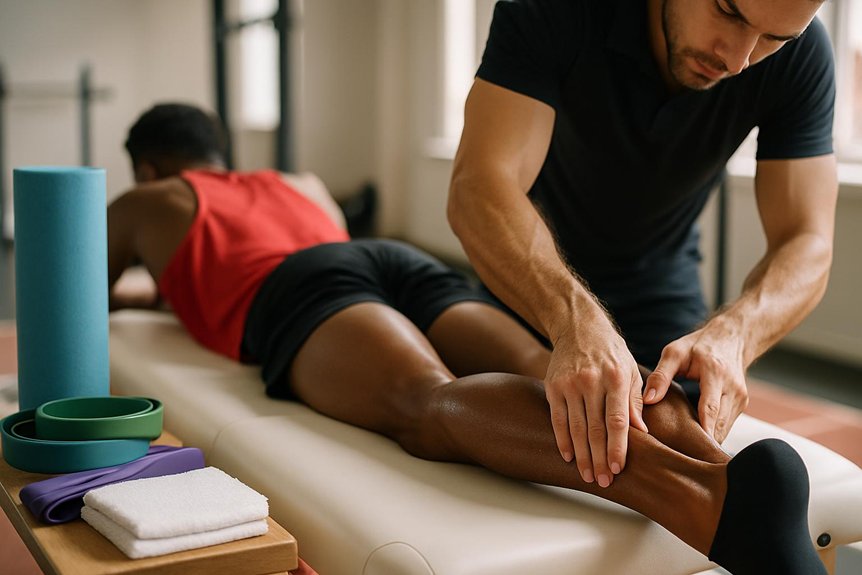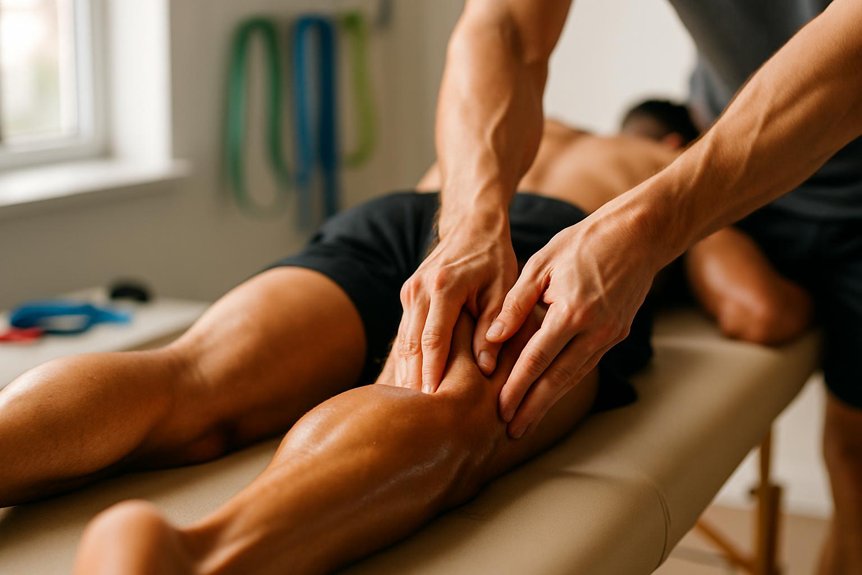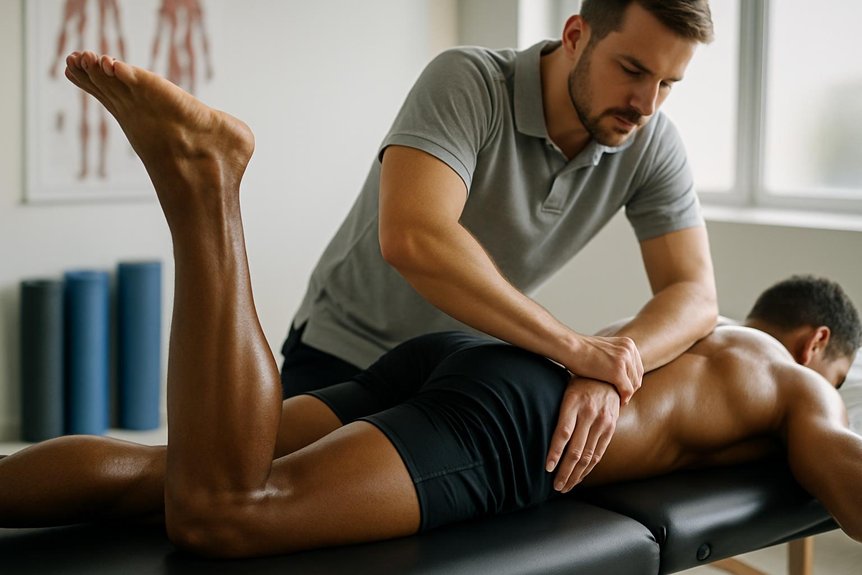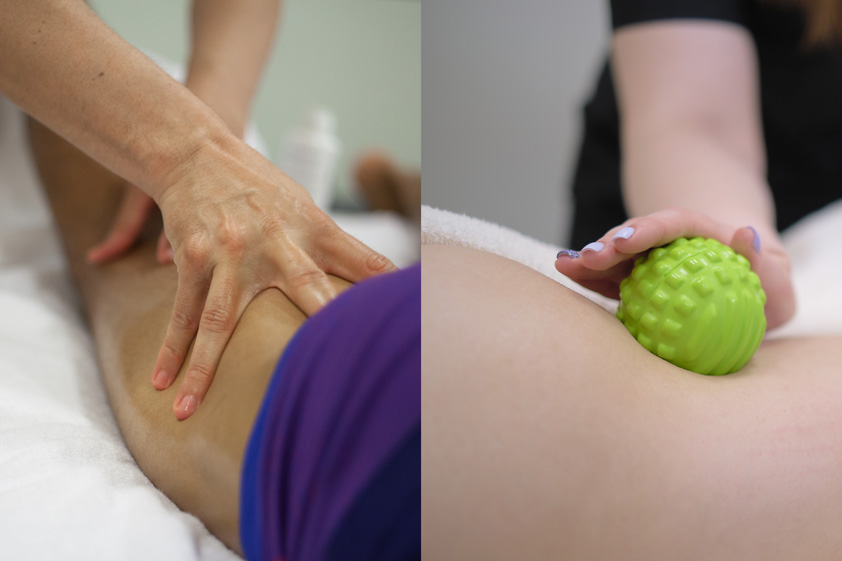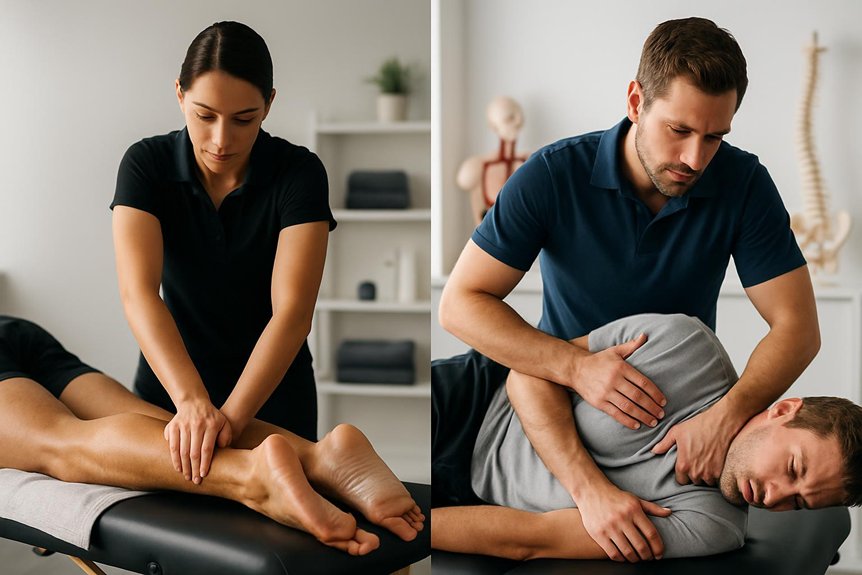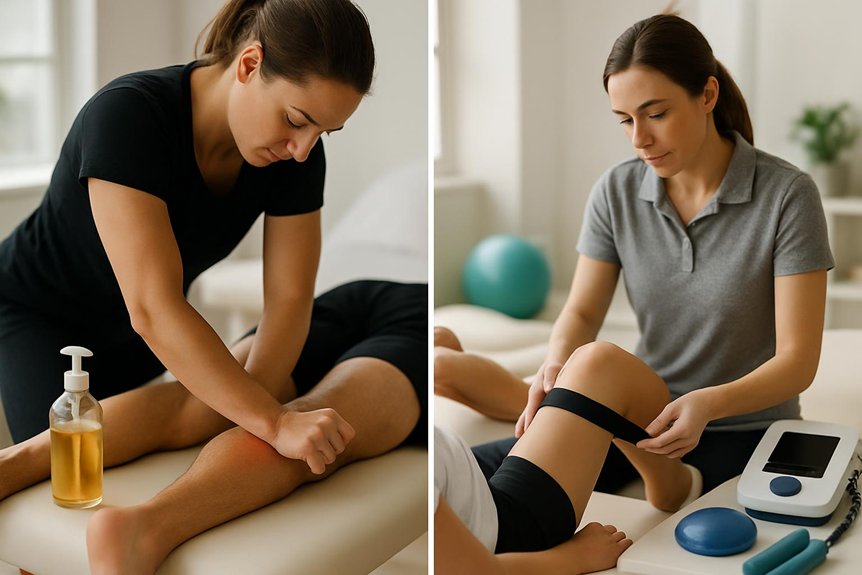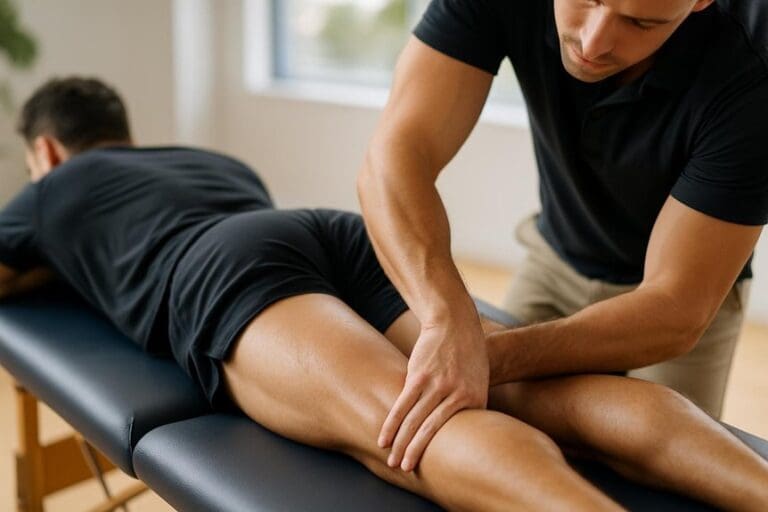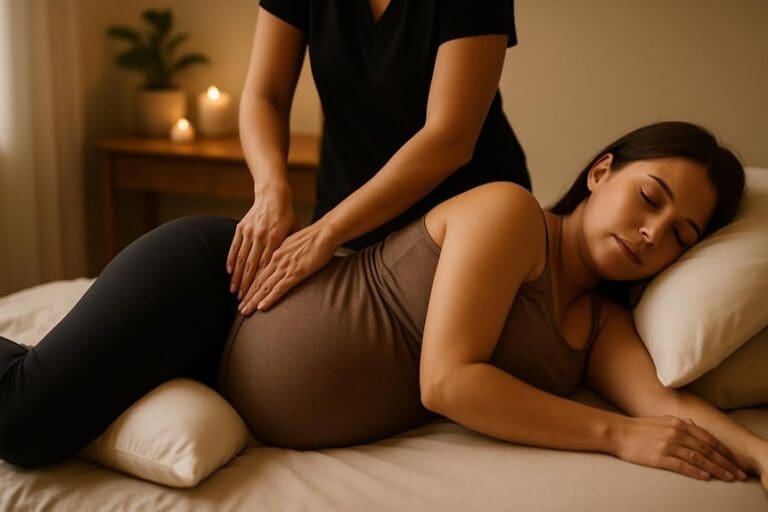
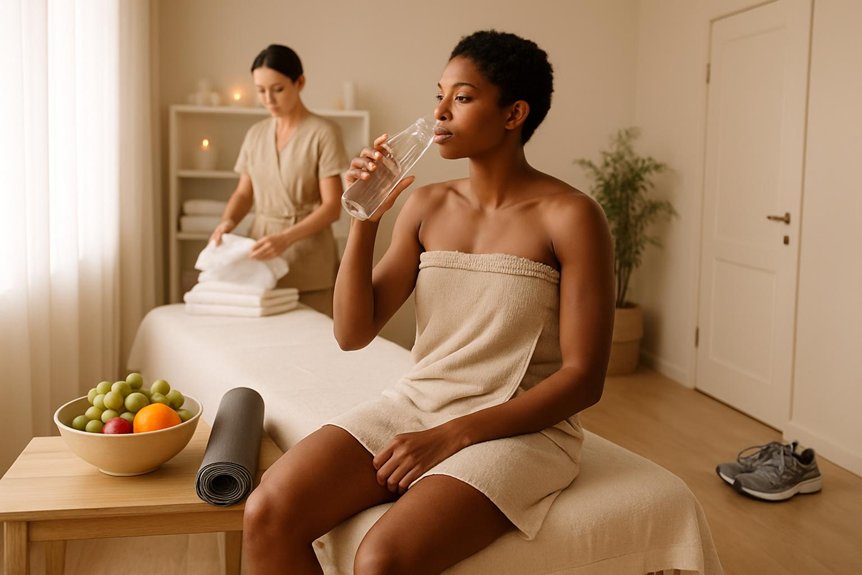
After an athletic massage, individuals should prioritize hydration to support metabolic waste removal and engage in brief rest to aid tissue recovery. Gentle stretching can help preserve flexibility gains, while strenuous exercise should be avoided for at least 24 hours to prevent strain. Nutrient-rich foods and mindful breathing techniques further promote muscular repair. Monitoring for unusual symptoms is essential to guarantee a safe recovery. Further guidance is available to enhance post-massage outcomes and optimize performance benefits.
Hydrate Thoroughly
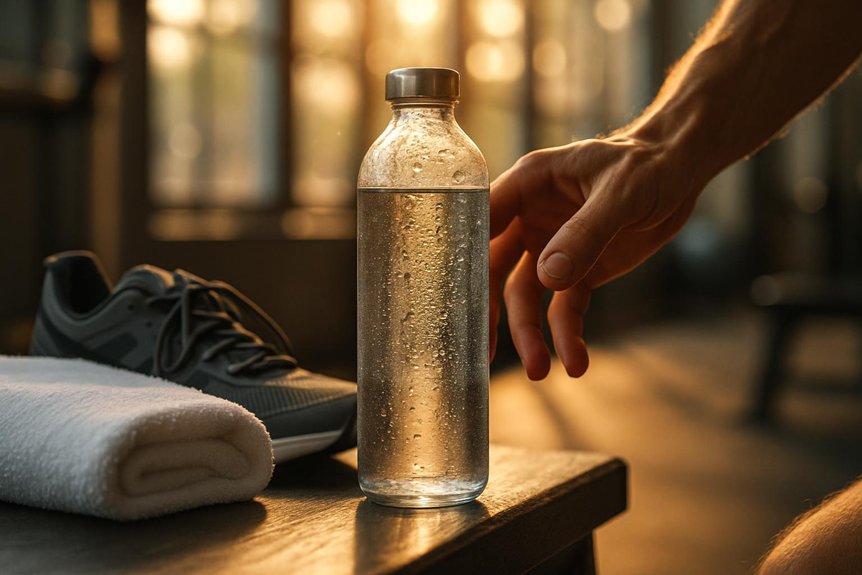
Why is hydration essential after an athletic massage? Following a targeted athletic massage at Spa & Massage, the body’s circulatory and lymphatic systems become more active, facilitating the movement of metabolic byproducts and cellular waste.
Adequate hydration supports these physiological processes, enabling efficient elimination of toxins and reducing the risk of post-massage soreness or fatigue.
Therapists at Spa & Massage consistently advise clients to consume water soon after treatment, as hydration replenishes fluids lost during deep tissue manipulation and assists in sustaining ideal muscle function.
Additionally, water intake can help mitigate minor inflammation and expedite tissue recovery.
For those seeking a deeper connection with their bodies, conscious hydration after a session is a simple yet impactful act of self-care, reinforcing the restorative benefits of professional massage therapy.
In addition to drinking water, some clients also benefit from aromatherapy massage methods, which can further support relaxation and the body’s natural healing processes.
Take Time to Rest
Although the immediate effects of an athletic massage at Spa & Massage include increased circulation and enhanced tissue pliability, subsequent rest is critical to optimise physiological recovery.
Rest allows the body’s musculoskeletal and nervous systems to recalibrate, integrating the therapeutic changes initiated through manual manipulation.
Clients are advised to avoid strenuous activity immediately following a session, as the tissues remain in a receptive state and require time to stabilise.
During this period, metabolic byproducts are efficiently cleared, and microtrauma to muscle fibres can repair more effectively.
The experienced therapists at Spa & Massage recommend creating a calm environment post-massage, enabling the parasympathetic nervous system to dominate and further support healing.
This intentional period of rest is a foundational aspect of thorough post-massage care.
Gently Stretch Your Muscles
How can ideal recovery be facilitated after an athletic massage? Gentle stretching plays a crucial role in supporting tissue repair and maintaining flexibility. Spa & Massage therapists recommend engaging in light, slow, and controlled stretches targeting the muscle groups addressed during the massage.
This practice helps maintain the improved range of motion achieved during the session and encourages circulation, which is essential for nutrient delivery and waste removal in recovering tissues.
Clients are advised to hold each stretch for 15–30 seconds without bouncing, focusing on deep, relaxed breathing. Gentle stretching can also alleviate residual tightness, reduce delayed-onset muscle soreness, and prolong the therapeutic benefits of the massage.
At Spa & Massage, therapists often demonstrate these stretches, ensuring clients understand proper form and intensity for safe, effective aftercare at home.
Avoid Intense Exercise
Following an athletic massage, individuals are advised to refrain from engaging in intense physical activity to allow muscle tissues adequate time for recovery and adaptation.
This precaution helps reduce the risk of overuse injuries and excessive strain, both of which can compromise the benefits of the massage.
At Spa & Massage, therapists emphasize the importance of this rest period as part of an evidence-based aftercare approach.
Allow Muscles to Recover
After an athletic massage, it is essential to prioritise muscle recovery by refraining from intense physical activity for at least 24 hours.
At Spa & Massage, therapists emphasise this window of rest to allow the body’s neurovascular and musculoskeletal systems to fully benefit from the treatment. Massage stimulates circulation, releases tension, and encourages the breakdown of metabolic waste.
Engaging in strenuous exercise too soon may counteract these effects, increase inflammation, or disrupt the natural healing process.
Clients are encouraged to embrace gentle movement—such as walking or light stretching—while avoiding activities that place excessive strain on recently treated tissues.
This period of deliberate rest supports ideal tissue repair and adaptation, aligning with our philosophy of nurturing both body and mind for sustained wellbeing.
Prevent Overuse and Strain
Why is it essential to avoid intense exercise following an athletic massage?
Athletic massage induces physiological changes in muscle fibers, fascia, and soft tissue, often creating a temporary state of increased tissue pliability and decreased muscle tone.
Engaging in high-intensity activity immediately after treatment may heighten the risk of microtrauma, exacerbated soreness, or strain, as tissues have not yet fully adapted.
At Spa & Massage, therapists recommend a period of rest or gentle movement to support ideal tissue recovery and integration of massage benefits.
This approach aligns with evidence suggesting that post-massage muscles are more susceptible to overuse injuries.
Nourish Your Body With Healthy Foods
Following an athletic massage, Spa & Massage therapists recommend consuming nutrient-rich meals and maintaining proper hydration to support tissue repair and recovery.
Evidence suggests that balanced intake of protein, complex carbohydrates, and micronutrients can enhance post-massage benefits and promote muscle healing.
Adequate fluid intake is also critical for facilitating metabolic waste removal and optimizing physiological recovery processes.
Choosing Nutrient-Rich Meals
While the body undergoes a period of active recovery post-athletic massage, ideal tissue repair and muscle function rely greatly on proper nutritional choices.
Spa & Massage therapists recommend prioritising meals rich in lean proteins, complex carbohydrates, and essential micronutrients to support the body’s natural healing processes. Foods such as grilled salmon, quinoa, steamed vegetables, and leafy greens provide amino acids for muscle regeneration and antioxidants to reduce inflammation.
Selecting minimally processed options ensures maximum nutrient absorption, which enhances the benefits of the massage session. Clients are also encouraged to incorporate healthy fats, such as avocado or olive oil, to aid cellular repair.
Hydration for Optimal Recovery
Alongside nutrient-rich meals, maintaining ideal hydration is a key factor in supporting the body’s recovery after an athletic massage. Adequate fluid intake assists with metabolic waste removal, maximises cellular repair, and supports the elasticity of soft tissues—a priority highlighted by therapists at Spa & Massage.
After any intense manual therapy, the body’s tissues release stored byproducts; water facilitates their efficient clearance via the lymphatic and circulatory systems. It is recommended that clients consume water steadily throughout the day, rather than in large quantities at once, to sustain ideal hydration levels.
Including electrolyte-rich fluids or herbal teas may further promote balance, especially after prolonged or intensive sessions. Our therapists emphasise that attentive hydration, in harmony with balanced nutrition, enhances both immediate comfort and long-term musculoskeletal health.
Monitor for Any Unusual Reactions
Although adverse effects after an athletic massage are uncommon, it remains essential for clients to be vigilant for any unusual reactions post-treatment.
At Spa & Massage, therapists advise monitoring for symptoms such as persistent pain, pronounced swelling, dizziness, skin irritation, or excessive bruising beyond what is expected from therapeutic work. These signs may indicate a heightened sensitivity or an atypical response to the session.
Early identification of such reactions enables timely communication with a qualified therapist, ensuring appropriate modifications to future treatments.
Spa & Massage’s clinical approach emphasises client safety and tailored care; therefore, clients are encouraged to trust their bodies and promptly report anything unusual.
This attentive self-monitoring fosters a sense of partnership and supports ideal recovery in the hours and days following treatment.
Practice Mindful Breathing and Relaxation
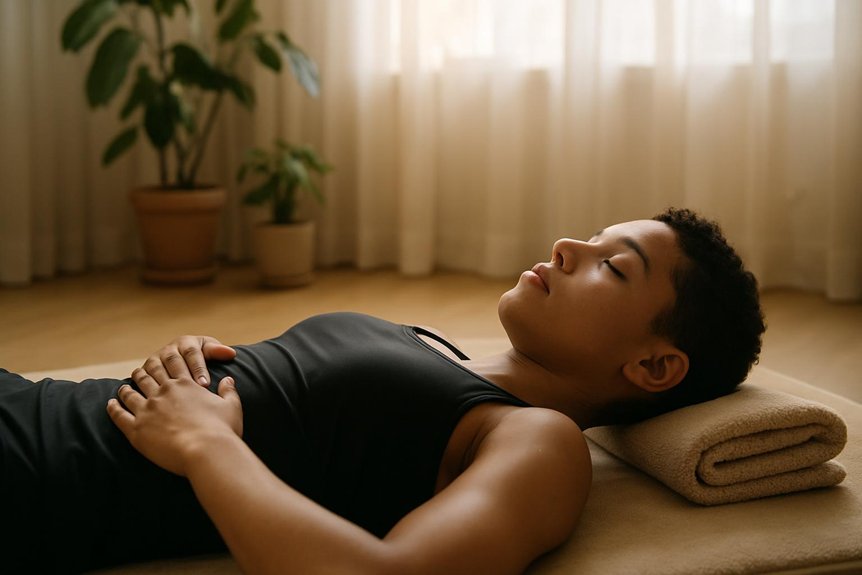
In addition to monitoring physiological responses following an athletic massage, engaging in mindful breathing and relaxation techniques can considerably enhance post-treatment recovery.
Evidence indicates that focused diaphragmatic breathing reduces sympathetic nervous system activity, facilitating ideal muscle repair and minimizing post-massage soreness.
At Spa & Massage, therapists often guide clients through gentle breathwork at the end of each session, emphasizing the value of slow, intentional inhalations and exhalations to deepen relaxation. Clients are encouraged to continue these practices at home, ideally in a quiet space, to consolidate the therapeutic benefits achieved in the clinic.
Such mindful practices not only promote physical recovery but also foster a profound sense of calm and internal balance, supporting the holistic wellness philosophy central to the Spa & Massage approach.
Schedule Your Next Appointment
Recognizing the cumulative benefits of consistent athletic massage, Spa & Massage emphasizes the importance of proactively planning subsequent sessions to optimize recovery and performance outcomes.
Clinical evidence supports that regular athletic massage, when tailored to individual training cycles and physiological needs, can reduce injury risk, promote tissue adaptation, and enhance muscular flexibility.
At Spa & Massage, therapists collaborate with each client to identify the ideal frequency of sessions, considering factors such as activity level, recovery demands, and personal goals.
Early appointment scheduling ensures continuity of care and facilitates the development of a trusting therapeutic relationship.
Clients are encouraged to reserve their next session before leaving the clinic, securing both preferred times and ongoing support for their wellbeing journey.
This proactive approach maximizes therapeutic efficacy.
Conclusion
Ironically, while the benefits of an athletic massage are widely celebrated for promoting rapid recovery and peak performance, the true gains are realised not on the massage table, but through meticulous aftercare. Hydration, rest, gentle stretching, and self-monitoring—all too easily overlooked—are, in fact, the unsung heroes of post-massage recovery. Therefore, those seeking lasting relief and ideal results must diligently embrace these evidence-based practices, ensuring the body’s renewal extends far beyond the spa’s tranquil walls.