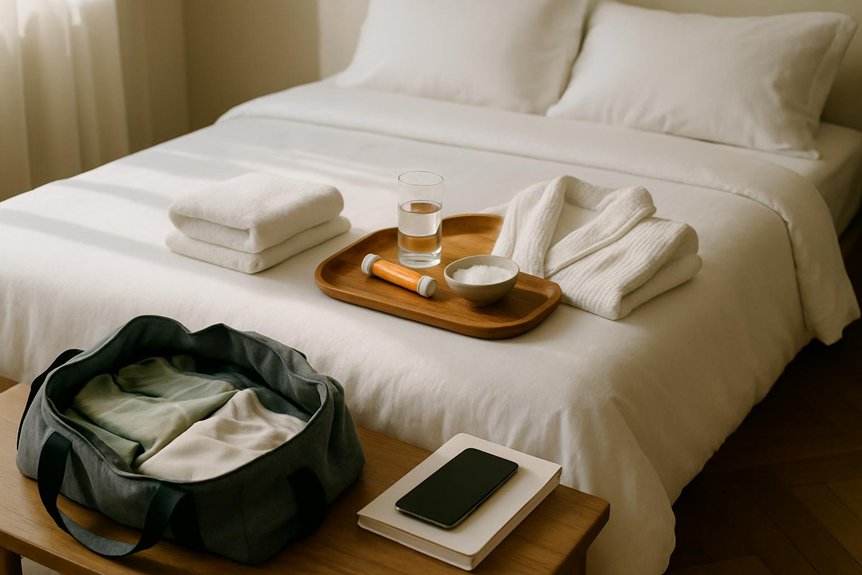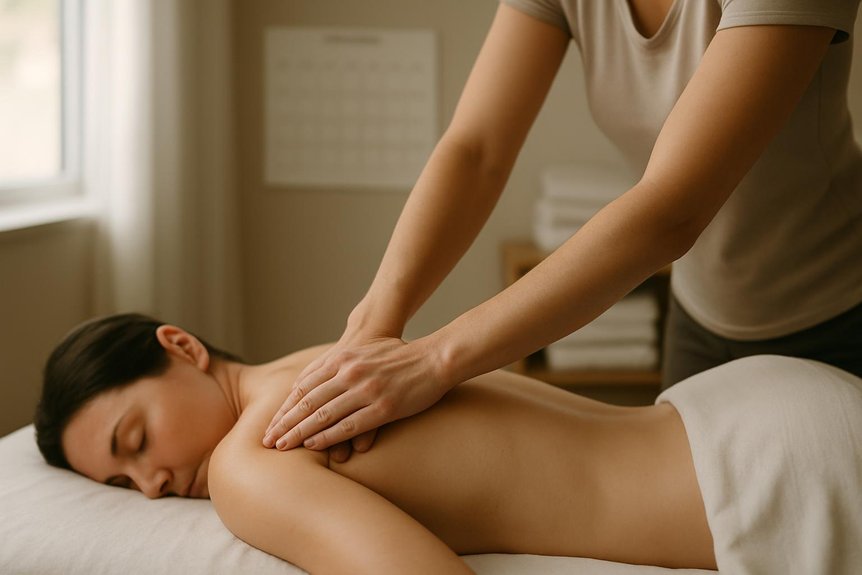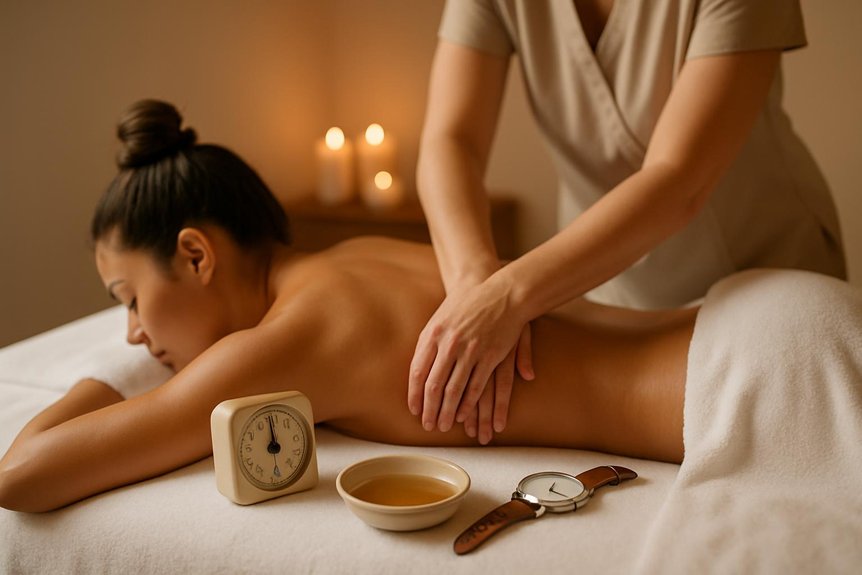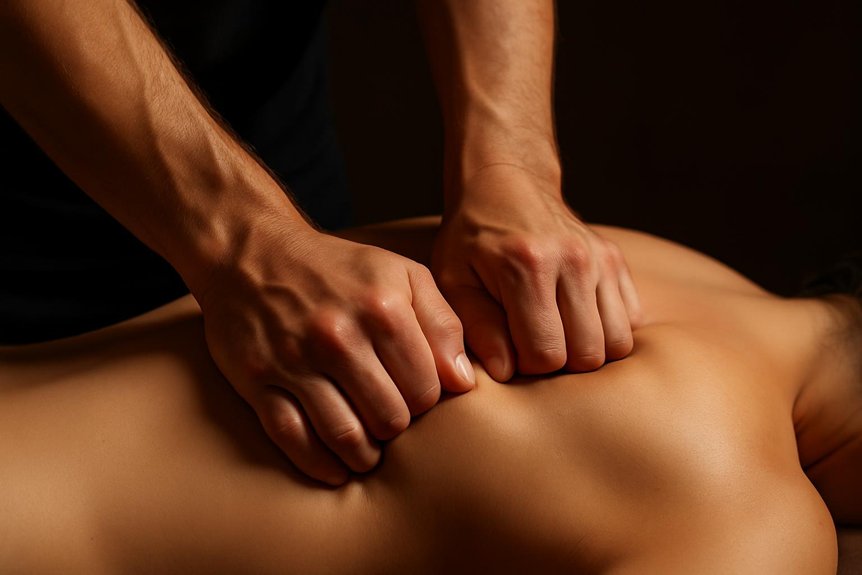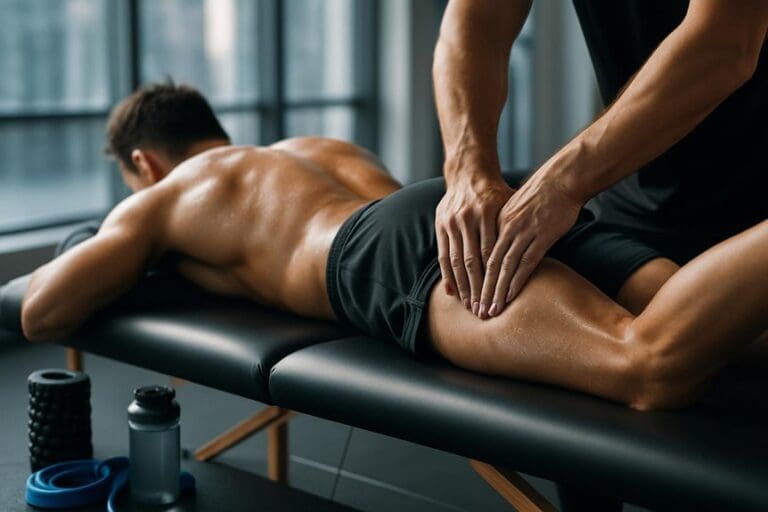
Before a intensive tissue massage, choose a session length that matches goals, symptoms, and medical history, and expect a brief consultation on tight areas, training load, and contraindications. Hydrate steadily (about 500–750 ml in the prior 2–3 hours) and eat a light meal 1–2 hours beforehand. Avoid alcohol, hard workouts, and NSAIDs that can affect bruising and pain perception. Communicate pressure using a 1–10 scale and flag sharp or burning pain. More practical tips follow.
Choose the Right Intensive Tissue Massage Session

Before booking, the right deep tissue massage session is selected by matching the treatment length and intensity to the client’s goals, current symptoms, and medical history.
At Spa & Massage clinics across London, therapists begin with a brief consultation to understand areas of tightness, training load, stress patterns, and any contraindications such as anticoagulant use, recent injury, pregnancy, or uncontrolled hypertension.
Shorter sessions suit focused work on one region; longer appointments allow unhurried attention to multiple muscle groups while maintaining comfort and consent.
Clients are advised to disclose pain referral, numbness, skin sensitivity, and past surgeries so techniques can be adapted safely.
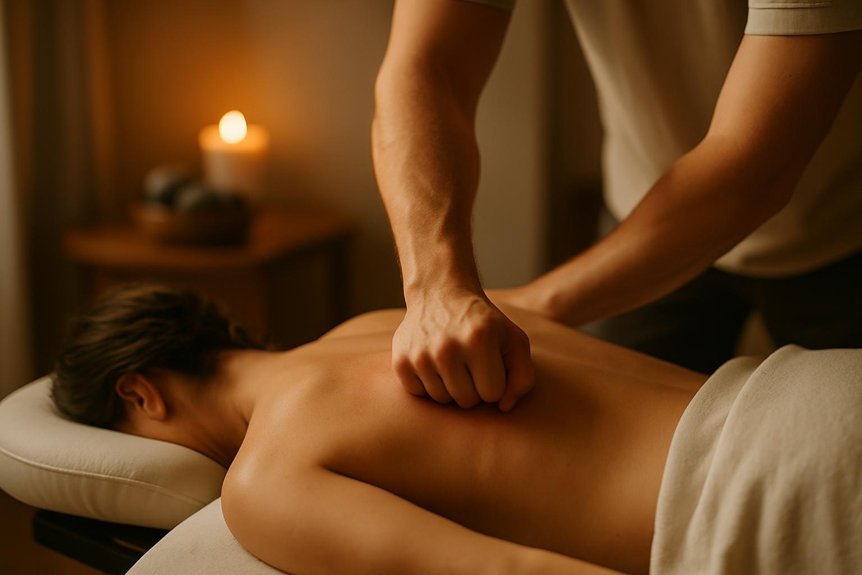
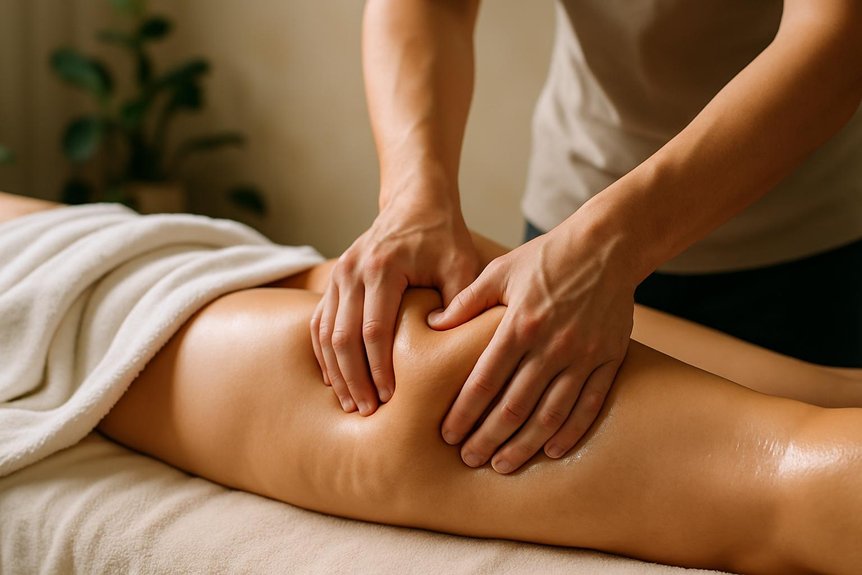
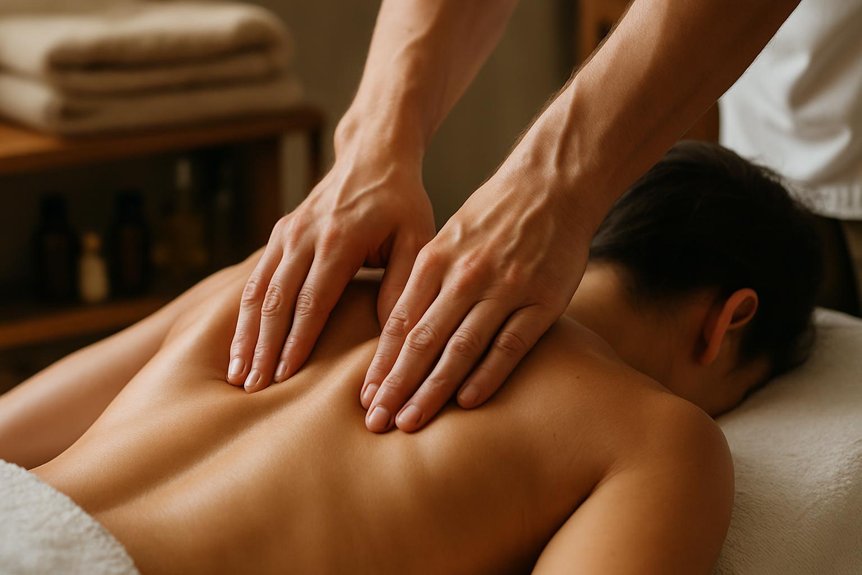
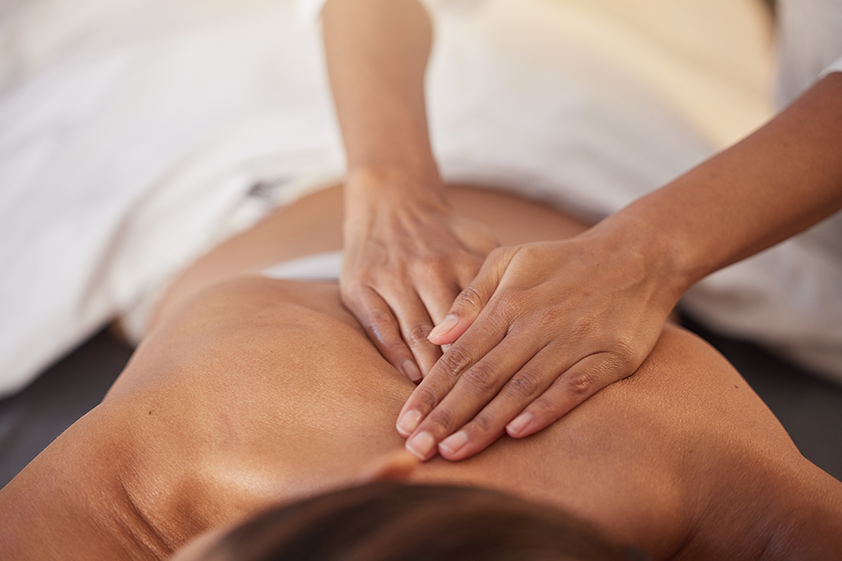
Deep tissue work targets deeper muscle layers using slow, firm pressure to release chronic tension and adhesions.
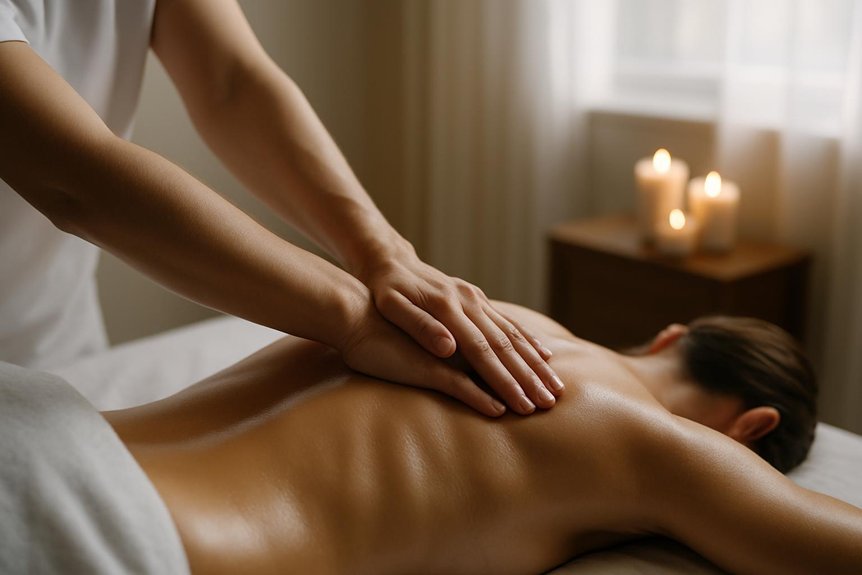
For intimate relaxation, a calm environment, clear draping, and respectful communication help clients feel secure and cared for throughout.
Set Pressure Goals (and What “Too Much” Feels Like)
How much pressure is “right” in a intensive tissue massage depends on the client’s goal—reducing persistent muscle tone, improving mobility, or easing postural strain—while staying within a safe, tolerable range that allows the nervous system to soften rather than brace.
At Spa & Massage clinics across London, therapists encourage clients to set a simple pressure target: “effective and relieving,” not “endured.” Productive intensity often feels like a strong, steady stretch or deep ache that stays manageable, with slow breathing and relaxed jaw.
“Too much” commonly shows up as sharp, electric, stabbing, or burning sensation, involuntary guarding, breath-holding, or tension that spreads away from the area. Choosing a number on a 1–10 scale can help keep touch confidently intimate and controlled.
Tell Your Therapist About Pain, Injuries, and Meds
Even a small detail about current pain, past injuries, or medications can materially change how an intensive tissue massage should be assessed and delivered.
Before the session, the client should share where pain is felt, what movements aggravate it, and any recent flare-ups, surgeries, fractures, nerve symptoms, or pregnancy-related concerns.
At Spa & Massage clinics across London, therapists use this information to select safer techniques, adjust depth and pace, and avoid vulnerable tissues.
Medication matters: blood thinners, anti-inflammatories, steroids, and painkillers can alter bruising risk, inflammation, or pain perception.
Skin changes, infections, or unexplained swelling should also be disclosed.
Clear communication supports comfort and consent, helping the therapist work close to the edge of “good” intensity without crossing into harm.
Hydrate Before Your Intensive Tissue Massage
Adequate hydration supports circulation and soft‑tissue pliability, which can help an intensive tissue massage feel more comfortable and may reduce post‑treatment soreness.
Spa & Massage therapists typically advise arriving well hydrated by sipping water regularly in the hours beforehand, rather than rapidly drinking a large volume immediately before the appointment. Alcohol and high‑caffeine drinks can be dehydrating for some people, so it is generally safer to limit these on the day and prioritise water instead.
Why Hydration Matters
Before an intensive tissue massage, why does hydration matter so much? Adequate fluid supports blood volume and microcirculation, helping warmed tissues respond more comfortably to slow, sustained pressure.
When a client is under-hydrated, muscles and fascia can feel less pliable, and sensitivity may increase—making deep work feel sharper rather than satisfyingly intense. Hydration also supports thermoregulation and stable blood pressure, reducing the chance of light‑headedness when turning on the table.
At Spa & Massage clinics across London, therapists encourage clients to arrive well-hydrated so the session can stay focused on safe, effective release. Good hydration complements calming breath and clear communication, allowing touch to feel grounded, connected, and deeply restorative while respecting personal comfort boundaries throughout.
How Much Water To Drink
Hydration supports tissue pliability and steadier circulation during deep tissue work, so the next practical question is how much water to drink ahead of a session.
For most healthy adults, Spa & Massage suggests aiming for 500–750 ml in the 2–3 hours before the appointment, topped up with small sips if thirsty. This amount supports comfort without creating urgency on the table, helping the body stay relaxed and present during close, hands-on work.
Those arriving already well hydrated may simply maintain normal intake; those who have exercised, been in heated environments, or feel dry-mouthed may benefit from the upper end.
People with kidney or heart conditions, or fluid restrictions, should follow clinician guidance. After the session, continue drinking to thirst.
Avoid Dehydrating Drinks
Alongside water intake, it is sensible to limit drinks that promote fluid loss or irritate the stomach—particularly alcohol and high-caffeine options—in the hours leading up to intensive tissue massage.
Alcohol can increase urination, impair temperature regulation, and heighten bruising risk; it may also dull communication about pressure and comfort.
Large coffees, energy drinks, and strong teas can raise heart rate and anxiety, making it harder to soften into slow, close-contact work.
Sugary fizzy drinks may trigger bloating, reducing ease when lying prone.
At Spa & Massage clinics across London, therapists encourage clients to choose water or non-caffeinated herbal tea instead, and to stop alcohol at least 12–24 hours prior for safer, more responsive tissues and calmer, more intimate relaxation.
Eat Light 1–2 Hours Before Your Appointment
To support comfort and safety during intensive tissue massage, it is generally recommended to eat a light meal 1–2 hours beforehand.
Heavy or greasy foods can increase the likelihood of nausea, reflux, or abdominal discomfort when lying prone and receiving sustained pressure.
At Spa & Massage clinics across London, therapists typically advise a small, easily digested snack—rather than a large meal—so the body can relax and treatment can proceed without distraction.
Choose A Light Meal
Why does timing matter? Eating a light meal 1–2 hours beforehand supports comfortable, unhurried breathing and reduces the chance of nausea when pressure is applied to the abdomen and ribcage during deep tissue work.
It also helps stabilise blood sugar, which may reduce light‑headedness when moving from the massage table to standing.
Spa & Massage therapists advise simple, familiar foods in modest portions—such as yoghurt, oats, a banana, soup, or a small sandwich—paired with water.
This approach helps clients relax into close, sustained therapist contact without distraction, allowing deeper work through the back, hips, and shoulders.
Those with reflux, diabetes, or pregnancy should follow personalised clinical guidance and mention any symptoms on arrival to support safe positioning and pressure choices.
Avoid Heavy Or Greasy Foods
A light pre‑massage meal supports comfort, and food choice matters as much as timing.
Heavy or greasy foods can slow gastric emptying and increase reflux, nausea, or bloating when lying prone or when deeper pressure is applied to the abdomen and ribs. They may also promote post‑meal sleepiness, reducing awareness of pressure and limiting clear feedback during deep tissue work.
Spa & Massage therapists advise eating lightly 1–2 hours before an appointment: a small portion of yoghurt, fruit, oats, soup, or a banana with nuts.
Clients who prefer something savoury can choose lean protein and cooked vegetables while avoiding fried foods, rich sauces, and large portions.
Anyone with reflux, IBS, or gallbladder issues should be especially cautious and mention symptoms during intake for comfort.
Avoid Alcohol, Hard Workouts, and NSAIDs
In the 24 hours before an intensive tissue massage, alcohol, hard workouts, and non‑steroidal anti‑inflammatory drugs (NSAIDs such as ibuprofen or naproxen) are best avoided to support safe, effective treatment.
Alcohol can increase dehydration and bruising risk, while intense training may leave muscles inflamed and hypersensitive, making focused pressure feel sharper and less restorative.
NSAIDs can mask pain and reduce protective feedback, increasing the chance of excessive pressure; they may also affect bleeding and bruising in some people.
At Spa & Massage clinics across London, therapists rely on clear sensation cues to tailor depth precisely, creating a safer, more connected experience.
If pain relief is needed, clients should consult a pharmacist or GP and disclose all medicines and supplements.
Wear Comfortable Clothing (and What to Expect)
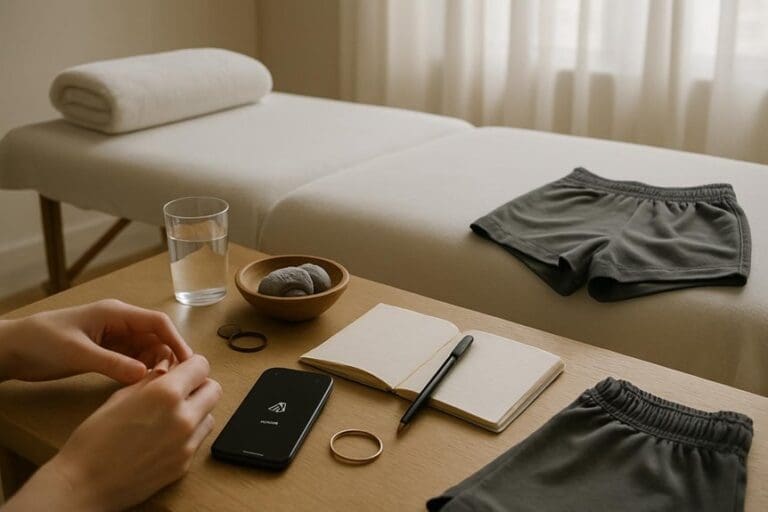
After minimising factors that can distort pain signals or increase bruising risk, practical preparation continues with clothing choices and a clear understanding of how the session typically runs. Spa & Massage advises arriving in loose, breathable clothes that are easy to change out of; avoid tight waistbands that can irritate treated areas.
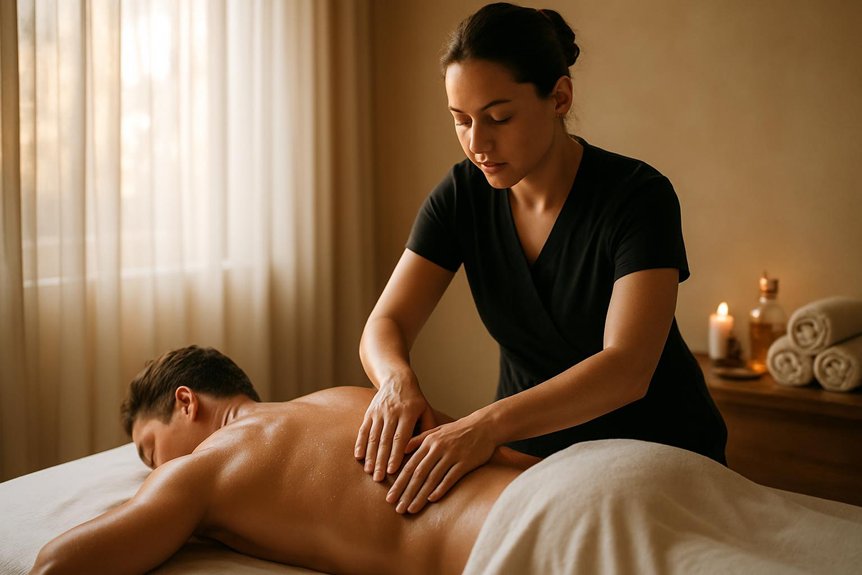
In the treatment room, clients are typically asked to undress to their comfort level and are professionally draped throughout, with only the area being worked exposed.
Deep tissue work may involve slow, sustained pressure and targeted techniques; sensation should feel intense yet tolerable, never sharp or alarming. Therapists at Spa & Massage check in regularly and encourage clear consent-based communication about pressure, tender points, and boundaries, supporting both safety and a sense of calm intimacy.
Arrive Early and Plan Time to Rest Afterward
Before the appointment time, arriving 10–15 minutes early allows essential health questions to be reviewed, preferences and consent around pressure and focus areas to be confirmed, and the body to settle so the therapist can assess tissue tone accurately.
At Spa & Massage clinics across London, this calm buffer supports privacy, reduces rushing, and helps breathing and circulation steady—factors associated with better tolerance of deeper work.
It also provides time to note medications, recent injuries, pregnancy, or skin sensitivities, improving safety.
After the session, scheduling 20–30 minutes to rest helps the nervous system shift from guarded to relaxed, and allows tenderness or lightheadedness to pass.
Gentle hydration, warmth, and unhurried travel home support recovery and maintain an intimate sense of ease.
Conclusion
Preparing for an intensive tissue massage can feel like the difference between merely “getting worked on” and unleashing a near-surgical level of precision in muscle relief—without the risks of guesswork. When clients set clear pressure limits, disclose injuries, medications, and pain patterns, hydrate, eat lightly, and avoid alcohol, heavy training, and unnecessary NSAIDs, therapists can work more safely and effectively. Arriving early, dressing comfortably, and planning recovery time afterward helps the body adapt and reduces post-treatment soreness.