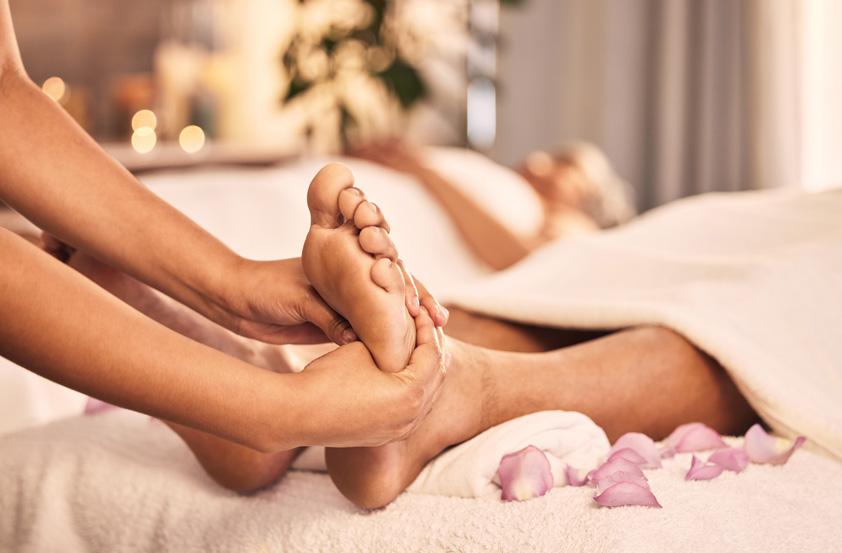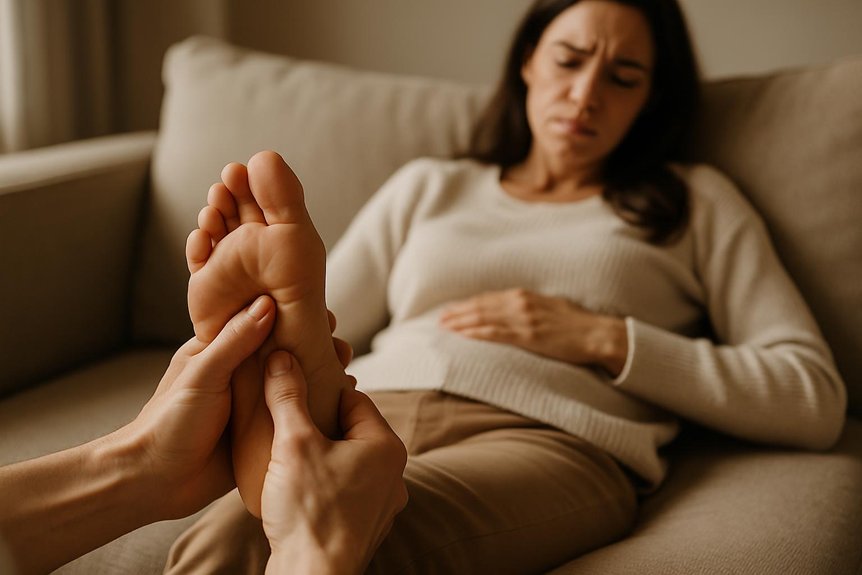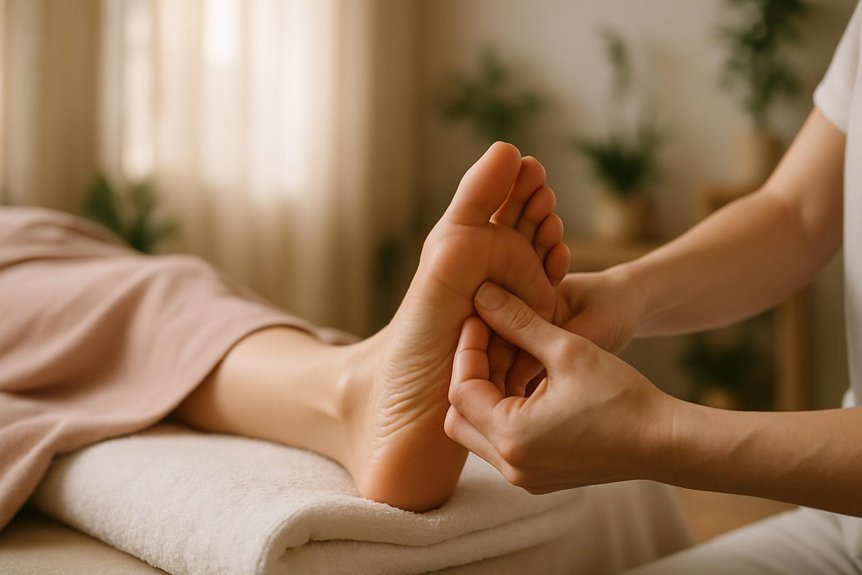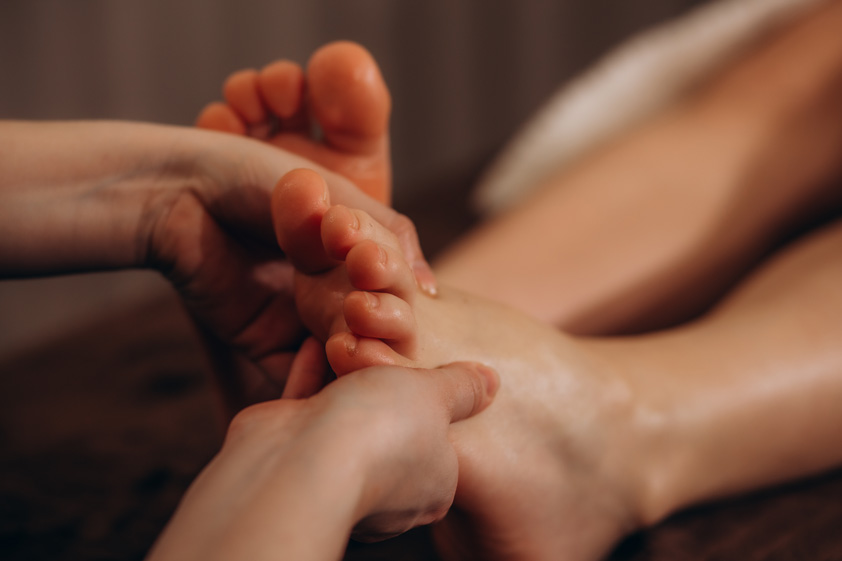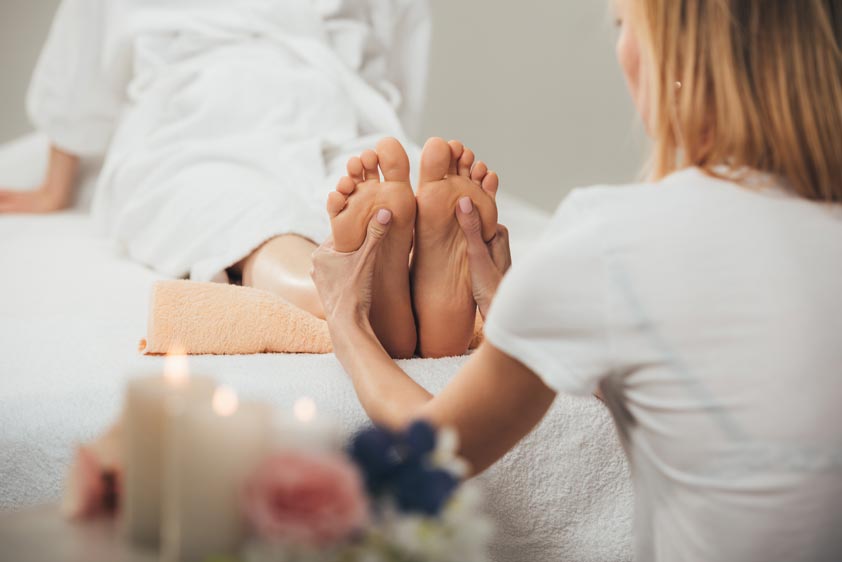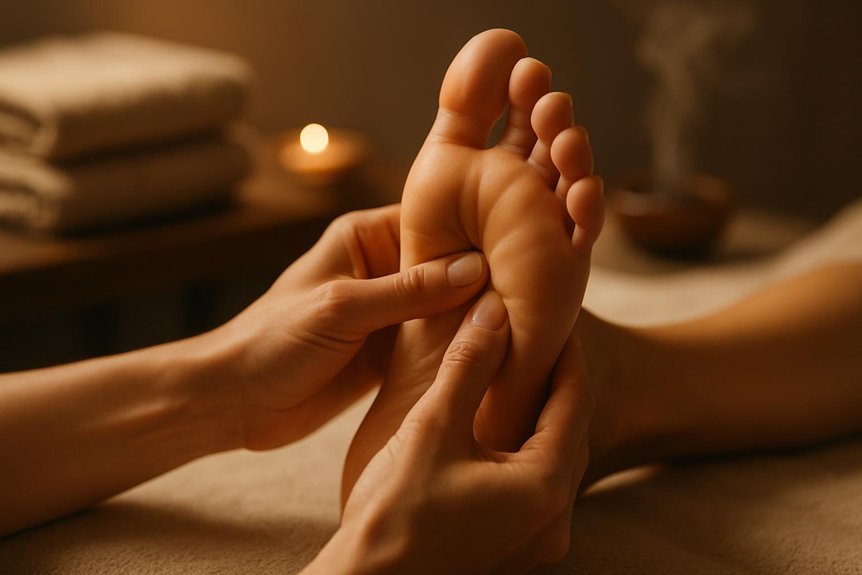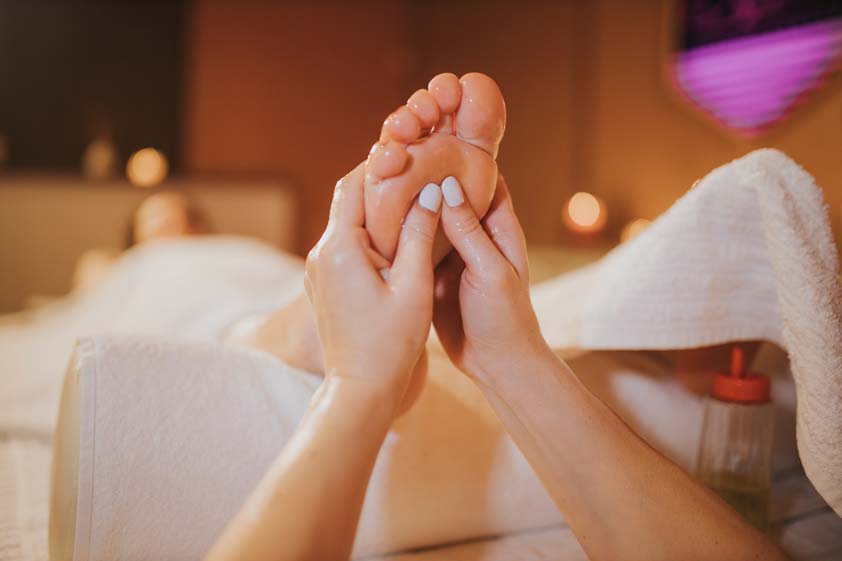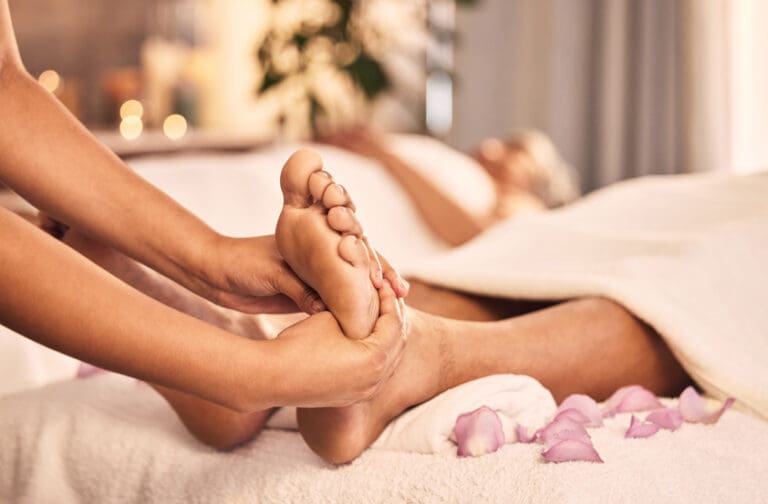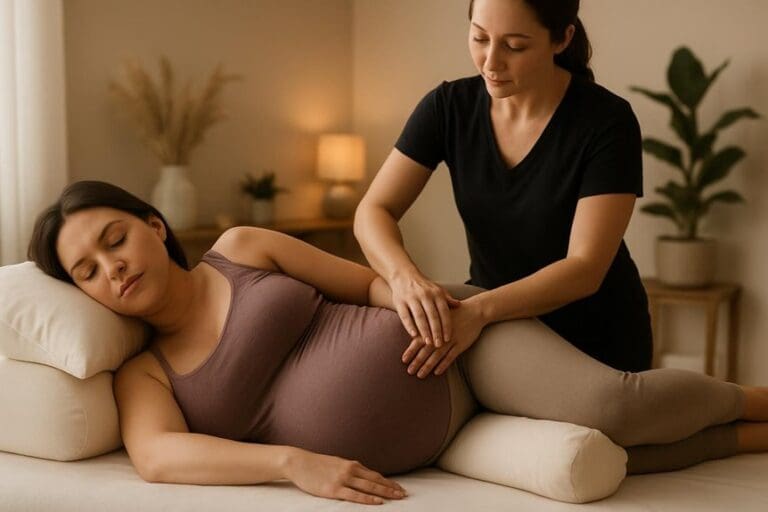
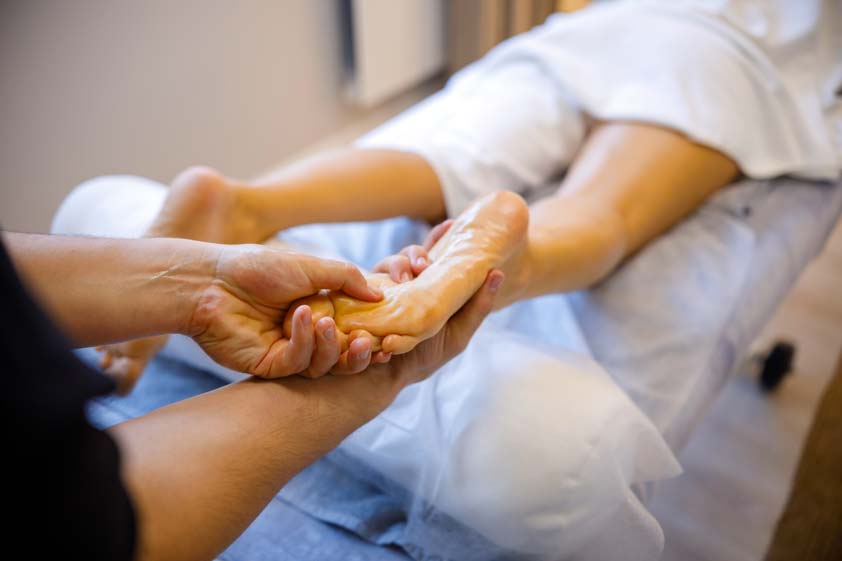
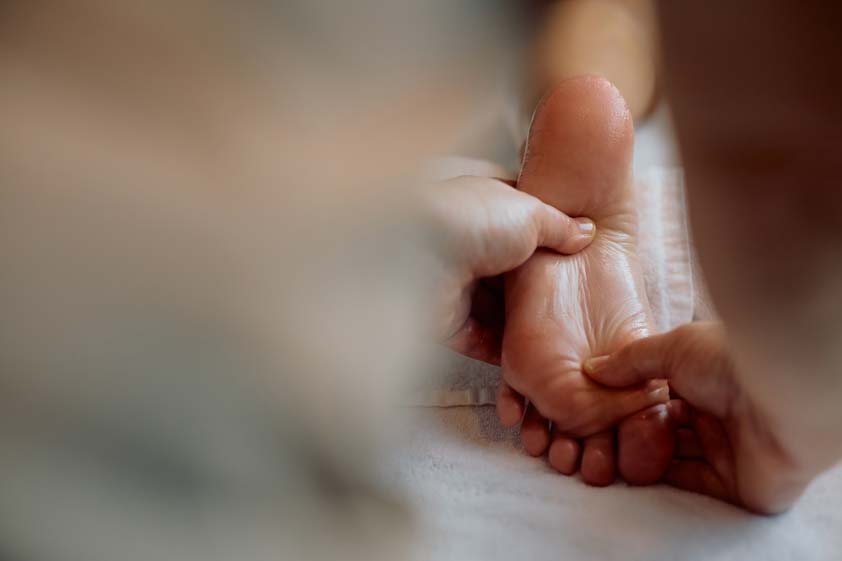
A reflex therapy session usually starts with a brief consultation and health screening to confirm safety and agree goals such as relaxation, sleep support, or easing tension. The client remains clothed while gentle to firm, adjusted pressure is applied to specific points on the feet linked to different body areas. Sensations may include warmth, tingling, or brief tenderness that often eases as the feet relax. Afterward, hydration and a calm evening are advised, with more guidance available below.
Reflexology: What It Is, Benefits, and Who It’s For
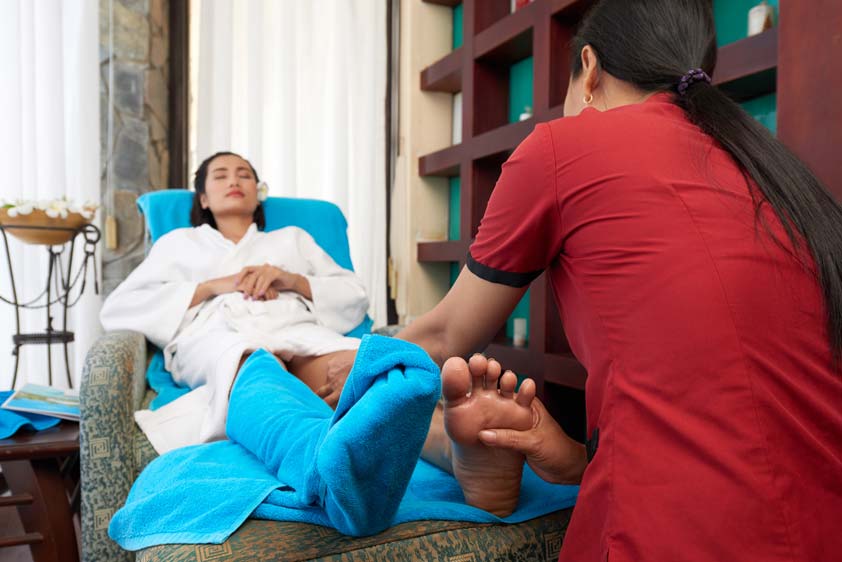
Often described as a targeted, pressure-based therapy, reflex therapy focuses on specific points on the feet (and sometimes the hands) that correspond with different areas of the body, with the aim of encouraging relaxation and supporting overall wellbeing.
At Spa & Massage clinics across London, therapists use calm, attentive touch and carefully adjusted pressure to help settle the nervous system, ease tension, and promote a sense of grounded comfort.
Many clients report improved sleep, reduced stress, and a lighter, more balanced feeling after treatment; some also find it supportive alongside recovery-focused bodywork such as deep tissue or sports massage.
It may suit people seeking gentle, non-invasive care, those feeling overstretched or emotionally drained, and anyone wanting quiet, restorative time in a welcoming space.
Many people explore the healing power of reflex therapy as a gentle way to support relaxation and wellbeing.
Before Your Session: What to Wear and Avoid
It is valued for its calming, non-invasive approach, and a little preparation can help clients feel comfortable and get the most from the treatment. At Spa & Massage clinics across London, clients are advised to wear loose, easy-to-roll-up trousers or a skirt, and a soft top that allows the body to settle and breathe. Minimal jewellery and a light fragrance help keep the room soothing and skin contact unimpeded.
Before arriving, it is best to avoid heavy meals, excess caffeine, and alcohol, as these can leave the body restless or dehydrated. Strong foot creams, self-tan, or oily balms should be skipped so the therapist’s touch feels secure. Arriving a few minutes early supports a quiet, unhurried start to the session.
Your Reflex Therapy Consultation: Health Checks and Goals
At Spa & Massage clinics across London, each reflex therapy appointment begins with a brief health history and screening to guarantee the treatment is safe and appropriate.
The therapist then agrees clear treatment goals and priorities with the client, such as stress support, sleep quality, or easing tension, so the session stays focused.
Based on this, a tailored session plan is outlined alongside straightforward aftercare guidance to help maintain results between visits.
Health History And Screening
Before the treatment begins, a brief health history and screening helps the therapist understand relevant medical conditions, current symptoms, medications, and any recent injuries or pregnancies. At Spa & Massage, this check-in is handled quietly and respectfully, creating a calm sense of safety and trust from the start.
The therapist may ask about circulation issues, diabetes, neuropathy, skin conditions, recent surgery, infections, blood-thinning medication, or pain that feels unusual. Allergies and sensitivities are also noted, including reactions to balms or lotions used on the feet. Where appropriate, blood pressure, swelling, bruising, or tenderness may be observed.
This information helps determine whether it is suitable today, and whether any medical clearance or postponement is advisable. Privacy is maintained throughout.
Treatment Goals And Priorities
A clear set of treatment goals helps the therapist focus the session on what matters most, whether that is stress reduction, sleep support, easing everyday tension, or targeting specific discomfort.
At Spa & Massage, the consultation gently clarifies what the client hopes to feel in body and mind, and what feels most pressing today. Priorities may include calming an overactive nervous system, supporting energy, helping the body unwind after long workdays, or addressing recurring areas of strain.
The therapist also explores preferences around pressure and touch, and any emotional or lifestyle factors that may influence comfort.
When several concerns are present, they agree an order of importance so the client feels heard, safe, and cared for throughout the treatment.
Session Plan And Aftercare
With the consultation complete, the therapist outlines a clear session plan based on relevant health checks and the client’s goals, explaining which reflex points will be prioritised and why.
At Spa & Massage clinics across London, this plan may include gentler work for sensitive areas, focused sequences for stress, sleep, or digestion, and pacing that supports comfort and trust. Pressure is agreed in advance and checked throughout, so the experience stays grounded, safe, and personal.
Aftercare is simple and supportive: hydration, light meals, and a calm evening help the body integrate. Mild tiredness or increased urination can occur, typically settling within 24 hours.
Clients are advised to note changes in mood, sleep, and tension, and to book follow‑up sessions if goals are ongoing or evolving.
What a Reflex Therapy Session Feels Like (Pressure Levels)
During a massage session at Spa & Massage, pressure typically ranges from gentle to firm, adjusted to the client’s comfort and sensitivity.
Clients may notice sensations such as warmth, tingling, a pleasant ache, or brief tenderness in specific points, which often eases as the feet relax. Therapists check in throughout and adapt technique so the work remains effective, reassuring, and manageable.
Pressure From Gentle To Firm
How much pressure should be expected in reflex therapy? At Spa & Massage, pressure typically ranges from gentle to firm, depending on comfort, sensitivity, and goals. The therapist begins with lighter contact to warm the feet and establish trust, then gradually increases depth on specific reflex points when appropriate.
Firm work should feel purposeful rather than overwhelming, and pressure is always adjustable. Clients are encouraged to speak up early if anything feels too sharp, ticklish, or intense; the therapist can soften, change angle, or pause.
Some people prefer a nurturing, feather-light touch throughout, while others enjoy a deeper, steady hold. In Spa & Massage clinics across London, therapists prioritise consent, clear communication, and a calm pace so the experience stays close and reassuring.
Sensations You May Notice
Starting from the first few minutes, a reflex therapy session may feel like a soothing blend of warmth, gentle stretching, and steady, targeted pressure across the soles, arches, heels, and toes.
As Spa & Massage therapists work, sensations often shift between deeply relaxing and pleasantly intense, especially on tender reflex points. A brief “good ache” or zing can appear, then soften as the tissue yields and breath settles.
Some clients notice a spreading heat, light tingling, or a gentle pulsing that travels up the legs. Others feel unexpectedly sleepy, emotionally softened, or quietly energised.
Pressure is adjusted in the moment, so discomfort should never feel sharp or alarming.
Afterwards, feet may feel lighter, grounded, and comfortably loose, with calm lingering for hours.
Pressure Points Therapy We’ll Focus on and Why
Which pressure points receive the most attention will depend on the client’s goals and any areas of tension noted in the initial consultation.
At Spa & Massage, therapists often begin with calming points linked to the nervous system and diaphragm to encourage steady breathing and a sense of safety.
For stress and poor sleep, attention may move to head, neck, and spine reflexes, supporting mental quiet and gentle release.
If the body feels heavy or sluggish, digestive and lymphatic-related points can be worked to promote ease and lightness.
Where clients report hormonal or cycle-related discomfort, pelvic and endocrine reflexes may be approached with extra care and modest pressure.
Throughout, pressure is adjusted, and tender spots are treated slowly, keeping the experience grounded, respectful, and deeply personal.
Massage Session Length and How Often to Book
Most clients book a 60-minute reflex therapy session, as it typically allows enough time for a brief consultation, unhurried work across key reflex zones, and a calm shift back to everyday life.
At Spa & Massage clinics across London, 30 minutes can suit a focused reset for tired feet, while 90 minutes supports deeper, full-body pacing without feeling rushed.
How often to book depends on goals and sensitivity. For ongoing wellbeing or stress support, many clients choose weekly sessions for 3–6 weeks, then move to fortnightly or monthly maintenance.
For a specific concern, a therapist may suggest a short series close together before spacing appointments out. If touch feels intense, starting with longer gaps can help the body settle. Scheduling is always tailored after the first visit.
Massage Aftercare: Hydration, Rest, Next-Day Effects
After a session, clients are often advised to prioritise simple aftercare—hydration, a calmer pace, and attentive listening to how the body feels over the next 24 hours.
At Spa & Massage clinics across London, therapists commonly suggest drinking water soon after treatment and continuing steadily through the evening to support comfort and circulation.
Rest can deepen the session’s soothing effect; a quiet walk, early night, and lighter meals are often well tolerated.
Next-day effects vary: some clients feel calmer, sleepier, or pleasantly “lighter,” while others notice temporary tenderness in the feet or mild fatigue as the nervous system settles. These responses are typically short-lived.
If symptoms feel intense or persist, clients are encouraged to contact the clinic for tailored guidance and reassurance.
Conclusion
A reflex therapy session is designed to feel simple, safe, and restorative: a brief consultation, comfortable positioning, and tailored pressure that responds to the body’s cues. Some points may feel tender, yet most clients experience deep relaxation. Like a quiet reset button, the treatment supports balance without disruption. With sensible aftercare—water, rest, and attention to next-day sensations—clients can leave informed and reassured, knowing what to expect and how to book with confidence.