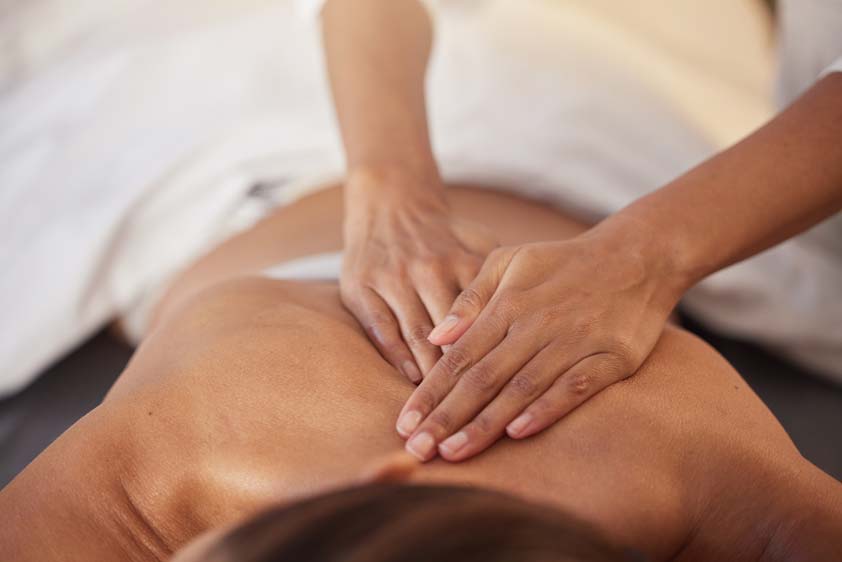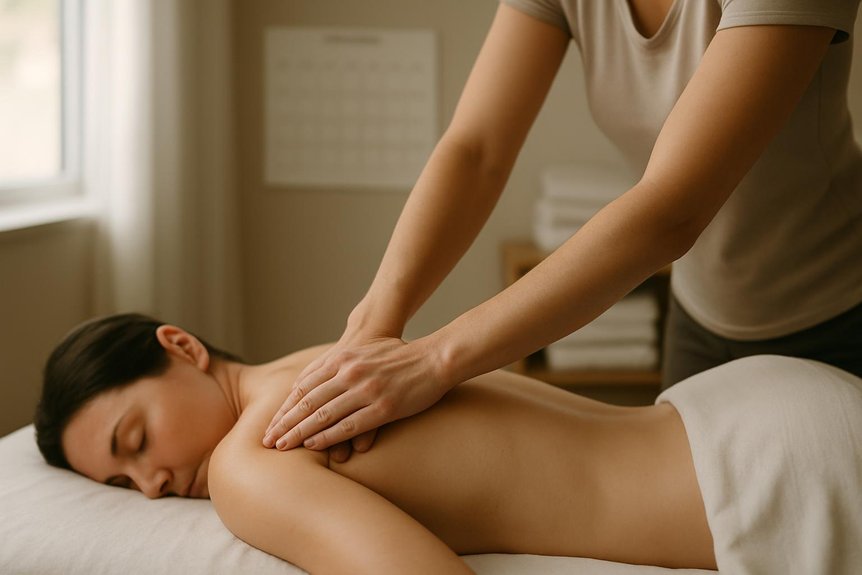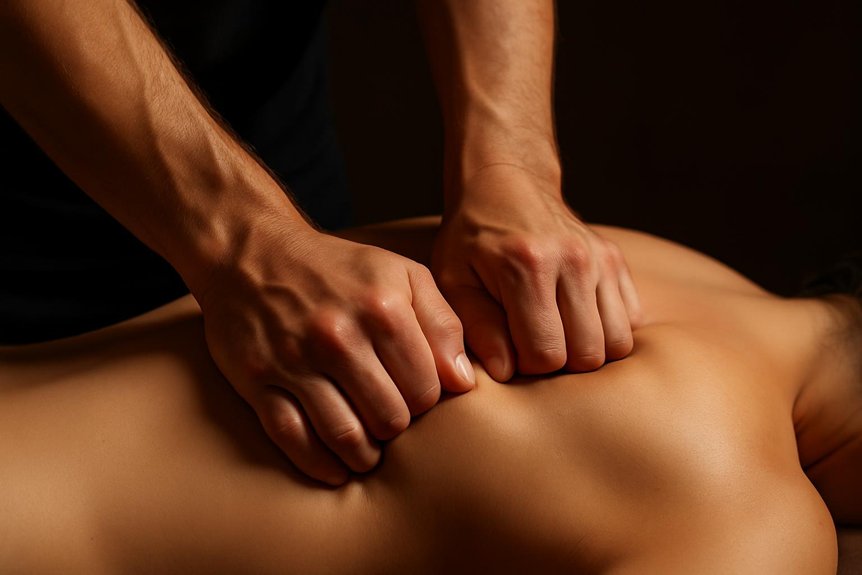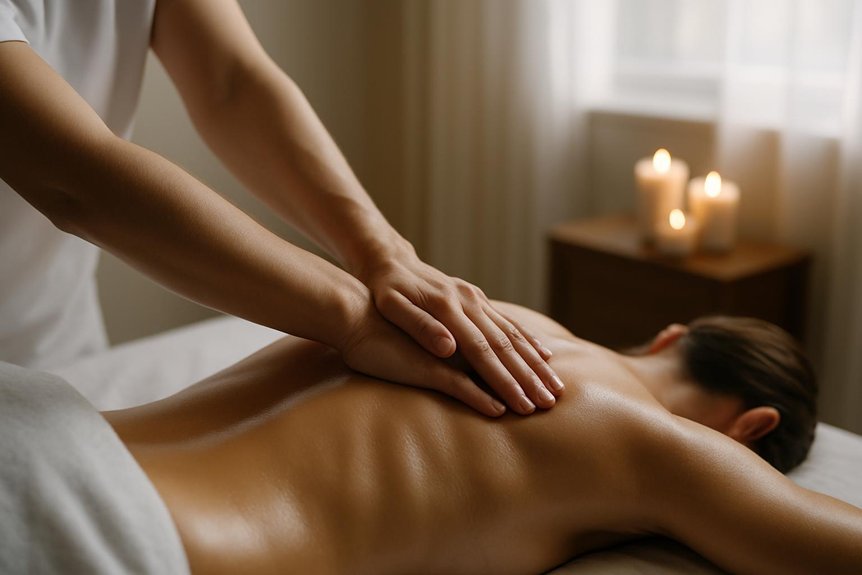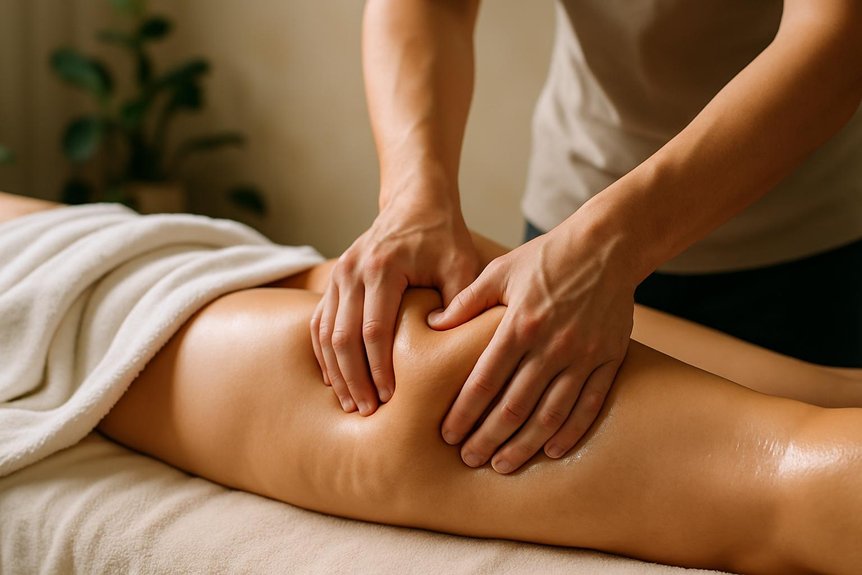
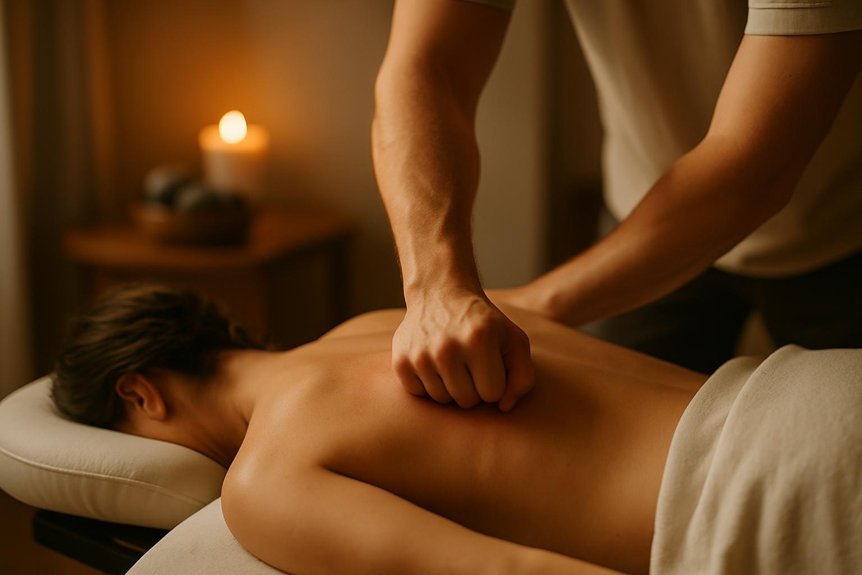
A intensive tissue massage typically starts with a brief consultation and safety screening, including pain patterns, injuries, medications, and pressure preference. The therapist confirms consent, areas to treat or avoid, and draping. Treatment begins with broad warming strokes, then progresses to slow, firm, targeted pressure and brief trigger-point holds, staying below sharp pain. Mild tenderness for 24–72 hours is common; hydration, gentle movement, and heat later may help. Further guidance follows below.
Is It Right for You?

For many people with persistent muscular tension, a intensive tissue massage can be an appropriate option when the goal is targeted relief rather than general relaxation. It is typically suited to those who tolerate firm pressure and want focused work on specific areas, such as neck, shoulders, lower back, hips, or legs.
A suitable candidate first identifies the main restriction: ache, tightness, or limited movement. Next, they confirm there is no acute injury, fever, skin infection, uncontrolled inflammation, or recent surgery in the area. They then plan for intensity: pressure should feel strong, private, and controlled, never sharp or breath-holding.
In Spa & Massage clinics across London, therapists proceed slowly, using sustained, intimate contact and incremental depth. This approach uses deep tissue techniques to address deeper muscle layers and chronic tension patterns. Afterwards, clients should expect localized tenderness and prioritize hydration, warmth, and gentle movement.
Your Consultation: What We Ask and Check
Choosing intensive tissue massage based on tolerance and goals is only the starting point; a structured consultation is used to confirm suitability and set safe, realistic expectations.
At Spa & Massage clinics, the therapist first asks about pain patterns, stress load, preferred pressure, and the kind of close, focused contact the client finds comfortable. Medical screening follows: injuries, surgeries, medications, clotting risk, pregnancy, inflammation, skin conditions, and any numbness or radiating symptoms. Range of motion and tissue sensitivity may be checked through gentle palpation, observing breathing, guarding, and asymmetry. Consent is then clarified for areas to treat, areas to avoid, draping preferences, and communication cues for “more,” “less,” or “stop.” Finally, the plan is agreed: target muscles, intensity, and boundaries.
How to Prepare for a Deep Tissue Massage
Before the session begins, preparation focuses on reducing avoidable discomfort and improving treatment safety. Clients should hydrate well, eat a light meal 1–2 hours beforehand, and avoid alcohol or heavy exercise on the day. They should arrive a few minutes early to settle and regulate breathing.
At Spa & Massage clinics, therapists advise noting key goals (pain relief, mobility, stress release) and bringing relevant medical details, including medications, recent procedures, pregnancy status, skin conditions, bruising tendency, and clotting risks. Any fever, infection, new swelling, or unexplained pain should prompt rescheduling.
Clients should shower if possible and avoid strong fragrances to protect sensitive skin. A brief, private self-check of comfort boundaries helps communicate pressure preferences clearly.
What to Wear, Draping and Privacy In-Session
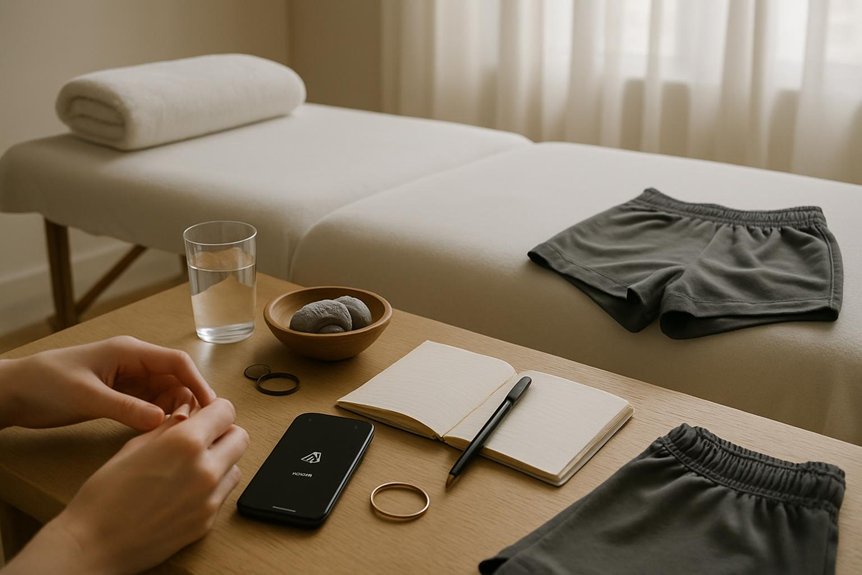
At Spa & Massage clinics, the client is first advised on what to wear (usually underwear or comfortable shorts) based on the areas being treated.
The therapist then applies professional draping standards, exposing only the working area while keeping the rest of the body covered and secure.
Privacy and comfort are maintained step-by-step through clear consent checks, a private space to undress, and adjustments to positioning or coverage whenever requested.
What To Wear
What should a client wear for a intensive tissue massage, and how is privacy maintained throughout the session? At Spa & Massage clinics, a client is advised to arrive in comfortable, easy-to-remove clothing and to avoid restrictive belts, jewellery, or heavy fragrances.
Step 1: before treatment, the therapist explains which areas will be addressed and invites the client to choose their level of undress, including remaining fully clothed if preferred.
Step 2: the client changes in private and stores belongings securely.
Step 3: once on the table, the client is kept covered except for the specific area being worked, supporting comfort and intimacy without exposure.
Step 4: communication is continuous; any discomfort, temperature needs, or modesty concerns are addressed immediately.
Draping Standards
Client clothing preferences are supported by clear draping standards that protect privacy throughout a intensive tissue massage. At Spa & Massage, the therapist explains that only the area being treated is uncovered, while the rest of the body remains securely covered with a sheet and blanket.
Step 1: The client undresses to their comfort level; underwear may be worn.
Step 2: The client lies on the table, then is fully draped before touch begins.
Step 3: The therapist folds and tucks linens to create a stable barrier, exposing a shoulder, back, hip, or leg segment as needed.
Step 4: For gluteal or inner-thigh work, draping is adjusted to keep intimate areas covered while allowing precise access to surrounding muscles.
Step 5: Draping is resecured before changing regions.
Privacy And Comfort
For most deep tissue sessions, privacy and comfort are managed through three controls: clothing choice, consistent draping, and ongoing consent during treatment.
Clients typically undress to their comfort level; underwear may be kept on, and only the area being worked is exposed. At Spa & Massage clinics across London, therapists step out while clients change, then re-enter only after permission is given.
During treatment, towels or sheets are positioned to cover the glutes, chest, and pelvis, with careful folding to protect intimate zones.
Pressure, pace, and hand placement are checked verbally, especially near inner thigh, abdomen, and hip lines. Any discomfort, emotional sensitivity, or boundary change is addressed immediately; treatment pauses until consent is reaffirmed.
What It Feels Like (Pain vs Pressure)
In Spa & Massage clinics, therapists first establish a clear distinction between healthy pressure (strong, controlled, and tolerable) and pain (sharp, burning, or escalating).
During treatment, clients may notice sustained compression, slow stretching, and a “good ache” as tight areas are addressed, but discomfort should remain within an agreed range and ease with guided breathing and adjustment. If pain increases or becomes protective, the therapist reduces depth, changes technique, or pauses to reassess before continuing.
Healthy Pressure Vs Pain
How can someone tell whether deep tissue work is a therapeutic “good pressure” or an unsafe level of pain? First, the client should notice breath: steady breathing suggests healthy pressure; breath-holding signals excessive intensity.
Second, the client should assess control: pressure should feel deep yet tolerable, with the ability to relax into the touch rather than brace or recoil.
Third, the client should check pain quality: a productive “hurt-so-good” stays local and does not spike, burn, stab, or feel electric.
Fourth, communication should remain easy; if speaking becomes difficult, the therapist should lighten.
At Spa & Massage clinics across London, therapists invite a clear 1–10 feedback scale and adjust immediately to protect tissues while keeping treatment close, focused, and comfortably intimate.
Sensations During Treatment
During a intensive tissue massage, sensation typically progresses in stages: an initial broad warming pressure, followed by slower, more targeted work that feels distinctly deep but controlled.
At Spa & Massage clinics, therapists begin by evaluating tissue tone and breathing, then increase depth only as the body softens. Healthy pressure is often described as “sweet discomfort”: intense, focused, and relieving, without sharp, burning, or shooting pain.
When working across knots, clients may feel radiating warmth, a spreading release, or a brief tenderness that settles within seconds. The therapist should check in regularly; clients are advised to speak up if sensation moves beyond a 6–7/10. Pressure is adjusted, pace slows, or technique changes to keep treatment safe, effective, and comfortably close.
Deep Tissue Techniques: Slow Strokes and Trigger Points
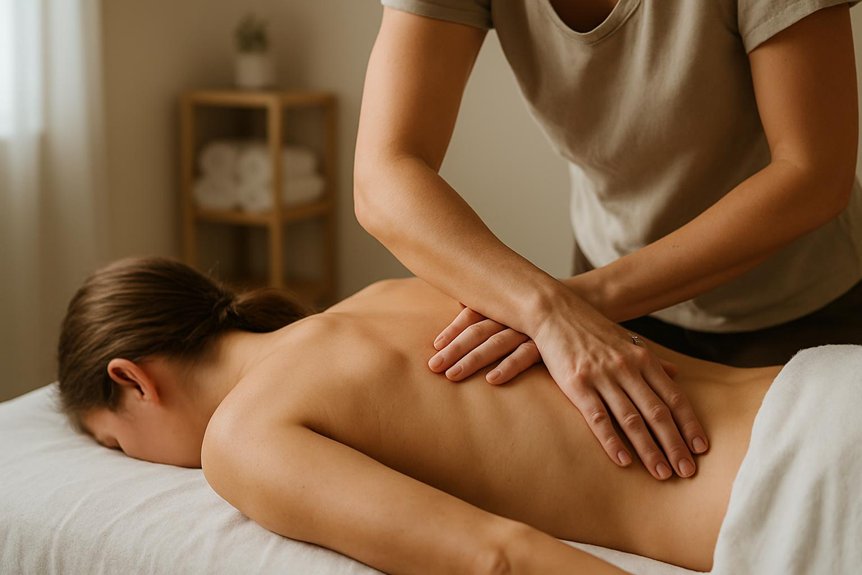
With deep tissue work, pressure is applied deliberately through slow, controlled strokes that follow the direction of the muscle fibres, allowing the therapist to assess tissue response and adjust depth safely.
At Spa & Massage clinics, the sequence typically begins with warming contact, then progressively deeper forearm or thumb strokes, pausing to invite steady breathing and consent checks.
Trigger point work is introduced when a taut band or tender nodule is located.
The therapist applies focused, sustained pressure for several seconds, then releases, repeating in small increments to encourage softening without sharp pain.
Communication is kept low and intimate—simple cues such as “scale it down” or “stay there” guide intensity.
Between holds, gentle flushing strokes restore circulation and calm the nervous system.
Soreness, Bruising and Red Flags After Deep Tissue
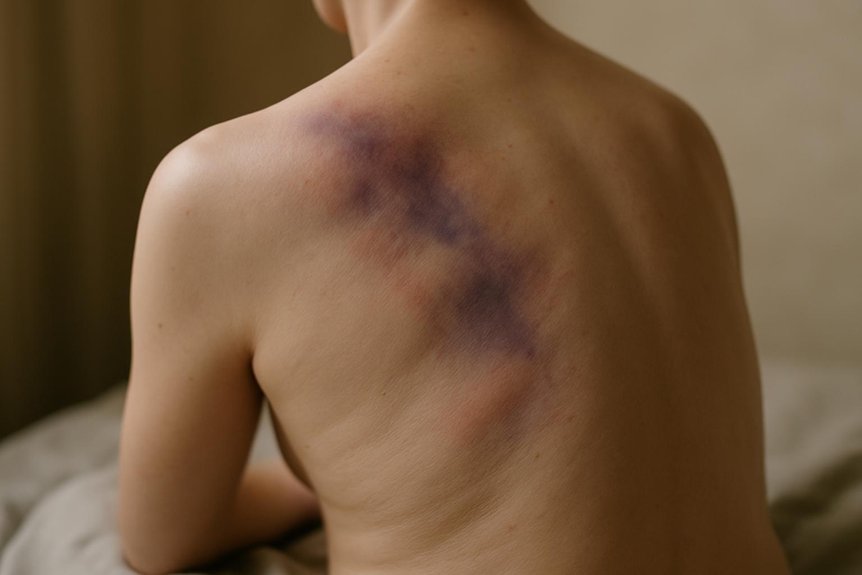
Although intensive tissue massage is designed to be therapeutic rather than injurious, short-lived post-treatment soreness can occur as tissues adapt to sustained pressure and trigger point work.
At Spa & Massage clinics, this is presented as expected tenderness for 24–72 hours, felt like a deep ache when moving or being touched. Mild, localised bruising may appear where capillaries are fragile or intensity was higher; it should be small and fade steadily.
Step-by-step safety check:
1) note pain level and whether it improves each day;
2) look for expanding bruises, marked swelling, or heat;
3) watch for numbness, tingling, weakness, dizziness, fever, shortness of breath, or severe headache. Any red flag warrants urgent medical advice and prompt contact with the therapist for review.
Deep Tissue Aftercare: Stretching, Water, Heat, Exercise
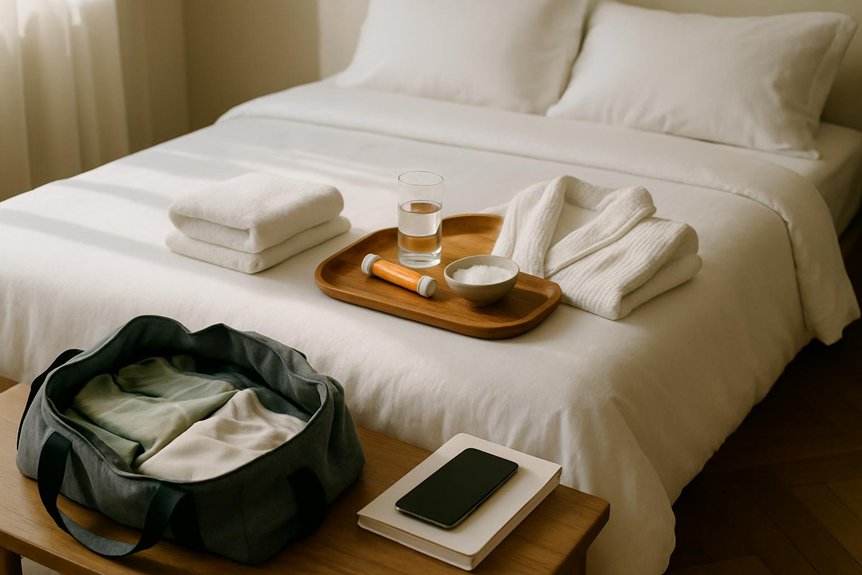
Once any expected tenderness has been checked for red flags, aftercare should focus on reducing stiffness and supporting tissue recovery through controlled stretching, hydration, temperature management, and sensible activity.
First, gentle stretching should begin within a few hours: slow neck, chest, hip, and calf holds for 20–30 seconds, staying under sharp pain and avoiding bouncing.
Second, water intake should increase gradually across the day; at Spa & Massage clinics, therapists recommend sipping regularly rather than flooding the stomach, and limiting alcohol.
Third, heat may be used after 12–24 hours if bruising is minimal: warm shower or heat pack 10–15 minutes; use cool compress sooner if inflamed.
Fourth, exercise should be light: walking and mobility, then resume training only when tenderness settles.
How Often to Book a Massage for Results?
Frequency is usually set by the goal, symptom severity, and post-treatment response rather than a fixed timetable.
Step 1: define the aim (pain reduction, training recovery, posture, stress release).
Step 2: start conservatively—many clients at Spa & Massage book every 1–2 weeks for 3–6 sessions to settle persistent tightness.
Step 3: reassess after each visit: soreness beyond 48 hours, bruising, or flare-ups suggests spacing sessions further apart and reducing pressure.
Step 4: once symptoms stabilise, taper to maintenance every 3–6 weeks, or around demanding events.
Step 5: pause and seek medical advice if there is numbness, sharp pain, fever, or unexplained swelling.
Therapists tailor depth and pacing to keep results comfortable and safe.
Conclusion
A deep tissue session should feel like a controlled reset, like slowly tightening a well-set screw. First, goals and contraindications are reviewed. Next, pressure is agreed, with continuous check-ins. Then, slow strokes and trigger-point work target specific restrictions. Afterward, mild tenderness can occur; hydration, gentle stretching, and heat may support recovery. If severe pain, widespread bruising, numbness, dizziness, or worsening symptoms appear, medical advice is indicated. Regular scheduling is based on response and function goals.