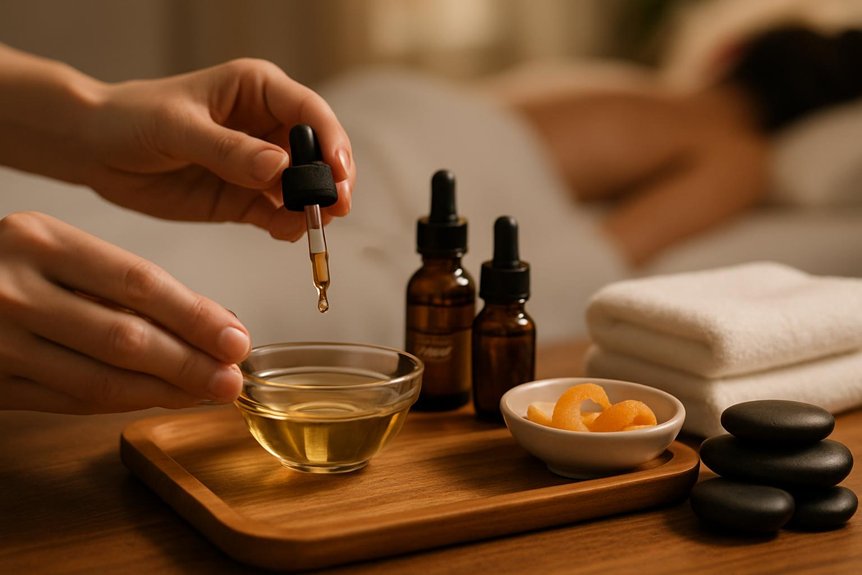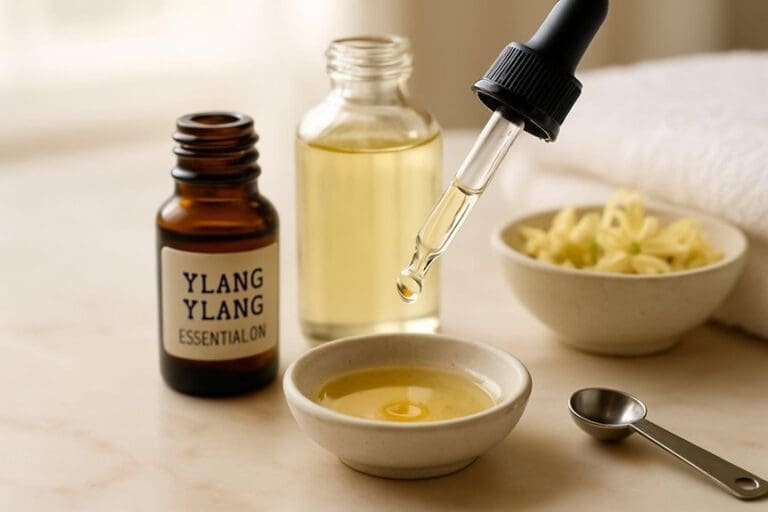
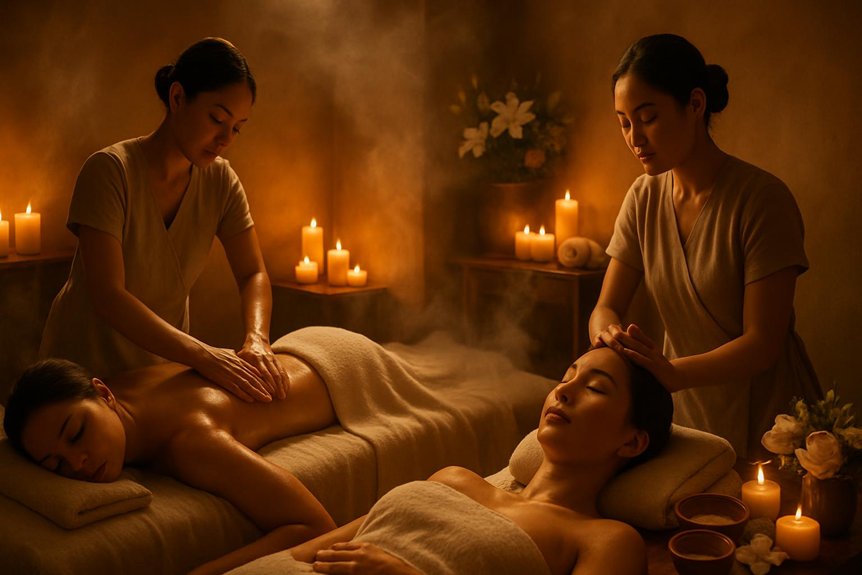
From a clinical perspective, neither Swedish nor essential oil massage is universally “better”; the choice depends on the client’s goals. Swedish massage, using structured strokes and variable pressure, is best for muscle relaxation and improved circulation. Aromatherapy massage combines gentle touch with essential oils, targeting emotional well-being and stress reduction. Evidence supports benefits for both, with the most effective option tailored to individual needs and sensitivities. For further guidance on selecting the right technique, additional information is provided below.
Understanding Swedish Massage
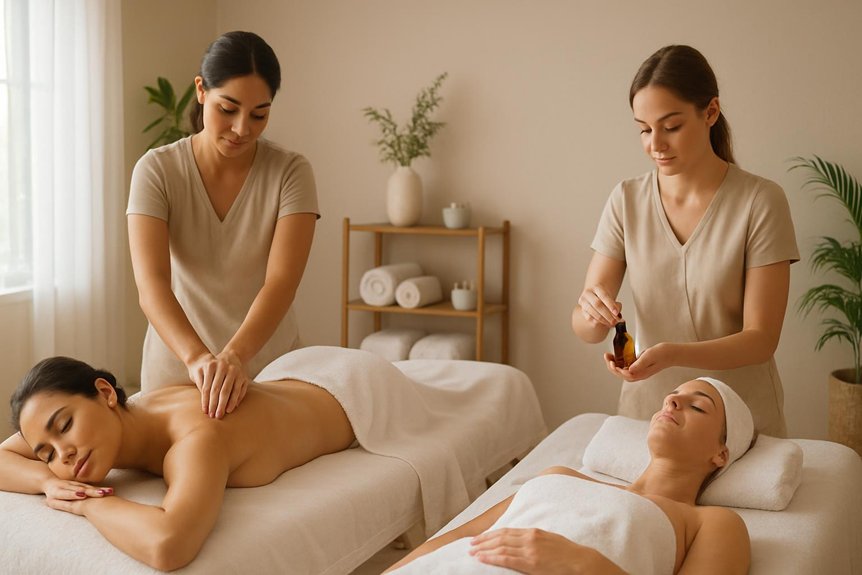
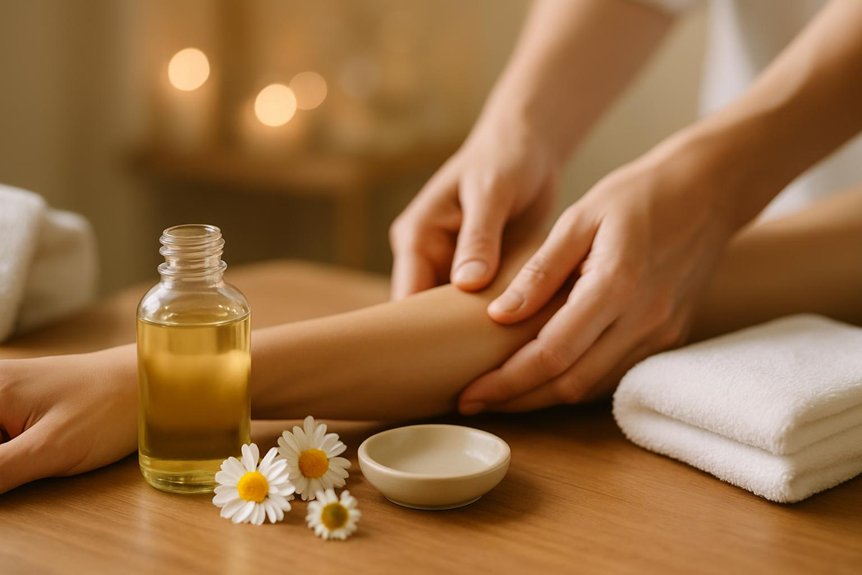
Swedish massage is a foundational therapeutic technique characterised by a combination of long, gliding strokes, kneading, friction, tapping, and gentle joint movements.
At Spa & Massage, this modality is implemented with clinical precision, focusing on promoting relaxation, reducing muscle tension, and enhancing circulatory function. The methodical application of pressure and movement is adapted to each client’s comfort, ensuring a tailored experience that fosters both physical ease and emotional well-being.
Evidence supports Swedish massage’s efficacy in alleviating stress, improving range of motion, and encouraging a profound sense of calm. Our therapists use quality, hypoallergenic oils to minimize friction and nourish the skin.
This creates an environment where clients can experience nurturing touch, facilitating both deep relaxation and a subtle, personal connection within a professional setting. While Swedish massage is excellent for general relaxation and muscle tension, some clients may benefit from deep tissue massage techniques when seeking to address chronic pain or deeper layers of muscle tension.
Exploring Aromatherapy Massage
It incorporates the clinical use of essential oils, selected for their documented calming and therapeutic effects.
At Spa & Massage clinics, therapists blend these oils with evidence-based techniques to promote both physical relaxation and emotional well-being.
This holistic approach is designed to address stress, enhance mood, and support overall wellness through targeted olfactory and tactile stimulation.
Benefits of Essential Oils
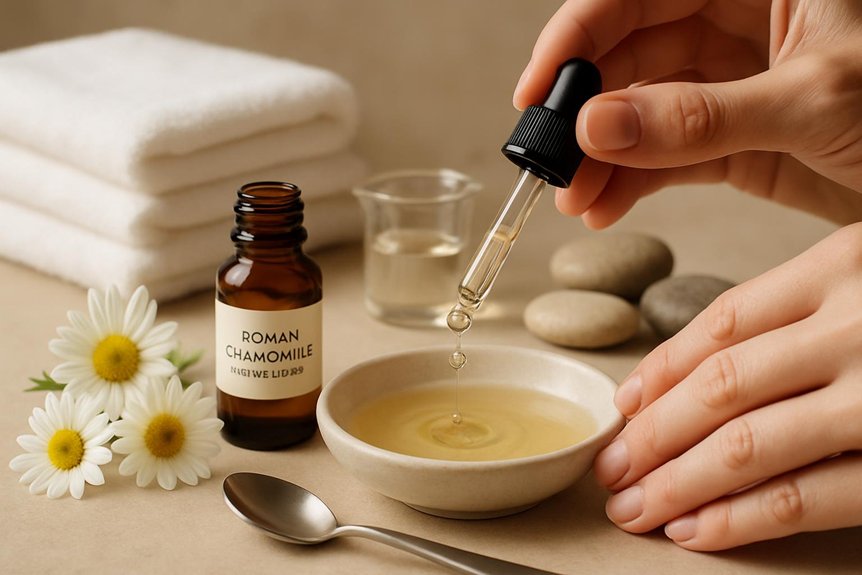
How do essential oils enhance the therapeutic effects of massage? Essential oils, selected for their chemical profiles and purity, can engage both physiological and psychological pathways during essential oil massage.
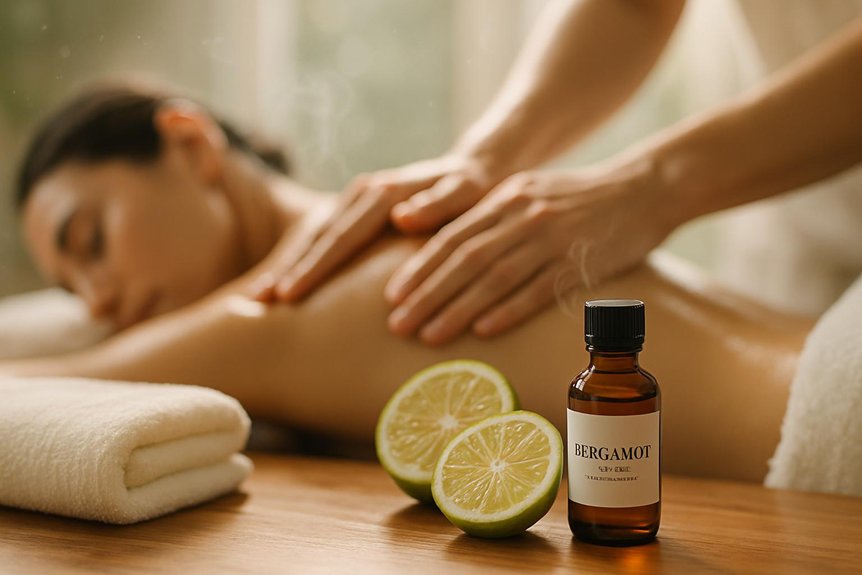
In Spa & Massage clinics, therapists carefully choose oils such as lavender, eucalyptus, or bergamot, each associated with specific outcomes—ranging from relaxation and stress reduction to improved respiratory function.
Scientific studies indicate that certain essential oils may modulate neurotransmitter activity, potentially lowering cortisol levels and influencing mood.
When integrated with expert massage techniques, these oils facilitate deeper muscle relaxation, ease tension, and may enhance circulation.
Clients often report heightened sensory awareness and emotional comfort, reflecting the synergistic effect of tactile therapy and olfactory stimulation.
Our approach prioritizes safety, personalisation, and evidence-based practice for supreme client benefit.
Holistic Relaxation Experience
What distinguishes a truly holistic relaxation experience is the integration of multi-sensory modalities that address both physical and psychological well-being. In essential oil massage, practiced at Spa & Massage clinics, the therapeutic application of essential oils combines with expert manual techniques to create a synergistic effect on mind and body.
Clinical evidence suggests that olfactory stimulation via carefully selected oils can modulate stress responses, enhance mood, and foster deeper emotional calm.
Simultaneously, the gentle, rhythmic movements applied by trained therapists facilitate muscular relaxation and circulatory improvement. This dual approach encourages the nervous system’s shift toward parasympathetic dominance, supporting profound states of rest.
Clients frequently report a sense of emotional connection, warmth, and tranquility—key markers of holistic relaxation as pursued in Spa & Massage’s therapeutic philosophy.
Key Differences Between Swedish and Aromatherapy Techniques
Swedish massage primarily utilizes structured movements such as effleurage, petrissage, and tapotement with moderate to firm pressure to target muscle tension and enhance circulation.
In contrast, essential oil massage at Spa & Massage incorporates gentler strokes combined with the therapeutic application of carefully selected essential oils tailored to individual needs.
The integration of these oils is a defining feature, aiming to promote relaxation and support emotional well-being alongside physical benefits.
Massage Movements and Pressure
While both aromatherapy and Swedish massage serve therapeutic purposes, their core techniques and application of pressure differ significantly. Swedish massage is characterized by systematic, flowing movements—such as effleurage, petrissage, friction, and tapotement—designed to manipulate superficial and deeper muscle layers.
Pressure in Swedish massage ranges from light to firm, tailored to individual comfort and therapeutic objectives. It effectively promotes circulation and reduces tension.
In contrast, essential oil massage at Spa & Massage integrates gentler, rhythmic strokes, prioritizing relaxation and sensory engagement. The pressure applied is typically lighter than in Swedish massage, allowing for absorption of oils and fostering a soothing environment.
Therapists at Spa & Massage assess client needs to determine the ideal intensity, ensuring every session provides both physiological benefit and a profound sense of personal connection and wellbeing.
Use of Essential Oils
Essential oil massage distinctly incorporates the therapeutic application of essential oils, setting it apart from the traditional Swedish technique.
In clinical practice at Spa & Massage, carefully selected essential oils—such as lavender for relaxation or eucalyptus for invigoration—are blended with carrier oils and applied directly to the skin during treatment. This approach leverages both the physiological effects of touch and the pharmacological properties of plant-based oils. These oils may enhance mood, reduce stress, and support emotional wellbeing via olfactory stimulation and skin absorption.
Swedish massage, by contrast, employs neutral oils or lotions purely to facilitate smooth, gliding strokes. Clients at Spa & Massage receive personalised consultations to determine the most suitable essential oil blend, ensuring a tailored, intimate experience aligned with their wellness goals and sensitivities.
Benefits of Swedish Massage at Spa & Massage
How can individuals seeking relaxation and physical wellness benefit from a targeted, manual therapy approach?
Swedish massage, as practiced at Spa & Massage, delivers systematic, evidence-based techniques to support both physical and emotional well-being. Through rhythmic effleurage, petrissage, and gentle friction, therapists enhance circulation, support lymphatic drainage, and reduce muscular tension.
Clinical research links these techniques to lowered stress hormone levels, improved sleep quality, and enhanced overall relaxation. Clients at Spa & Massage often report a profound sense of release and reconnection with their bodies, facilitated by the therapist’s skilled, attentive touch.
This form of massage is suitable for those desiring a gentle yet effective intervention, fostering relaxation and facilitating recovery without deep discomfort, making it a preferred choice for many seeking restorative self-care.
Advantages of Essential Oil Massage in Our Clinics
Beyond the physiological benefits of Swedish massage, the integration of therapeutic essential oils introduces an additional dimension to manual therapy at Spa & Massage clinics. Essential oil massage combines skilled touch with the targeted application of botanically derived oils, each selected for its unique pharmacological properties.
Clinical observations indicate that specific blends—such as lavender for relaxation or eucalyptus for respiratory support—may enhance the effects of massage by promoting calm, reducing perceived stress, and subtly influencing mood through olfactory pathways.
Spa & Massage therapists tailor these treatments with careful consideration of client sensitivities and preferences, creating a multisensory environment that fosters both physical and emotional comfort. This personalised approach enables clients to experience a profound sense of connection, while benefiting from evidence-based techniques rooted in holistic wellness.
Choosing the Right Massage for Your Needs
Determining which massage modality best suits an individual requires careful assessment of personal health goals, presenting symptoms, and therapeutic preferences. Clinically, Swedish massage is frequently recommended for those seeking general relaxation, improved circulation, and relief from muscle tension without the addition of essential oils.
In contrast, essential oil massage integrates the physiological benefits of touch with the targeted use of essential oils to address emotional wellbeing, stress reduction, and specific mood concerns.
At Spa & Massage, therapists conduct a thorough consultation to identify underlying conditions, desired outcomes, and sensitivities to oils or scents. Evidence suggests ideal results are achieved when treatment aligns with both physical needs and emotional states.
Personalised recommendations ensure each client’s experience fosters connection, comfort, and meaningful therapeutic benefit.
What to Expect During Your Session
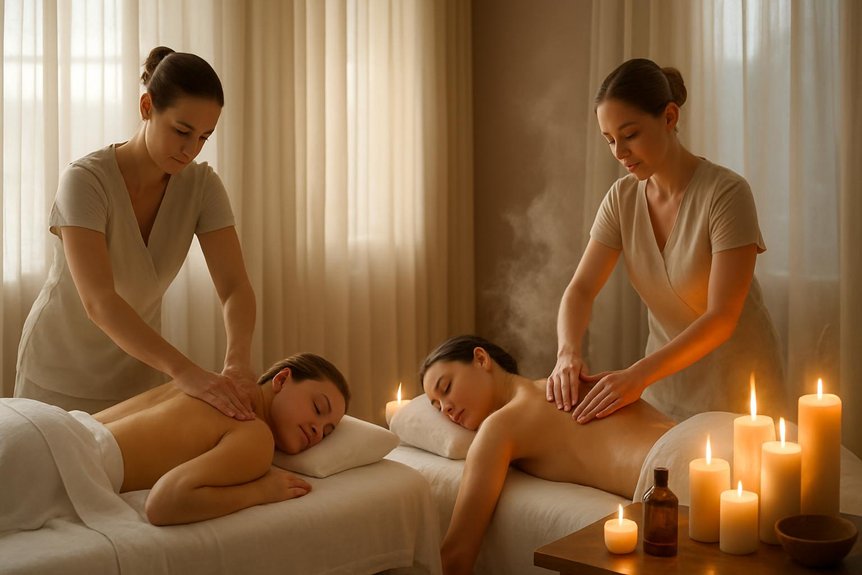
Upon arrival at Spa & Massage, clients undergo a structured intake process involving a detailed consultation to assess health history, current symptoms, and specific treatment goals. This step ensures that the therapist selects the most appropriate techniques and customizes pressure, focus areas, and—when relevant—the selection of aromatherapy oils.
Clients are guided to a private, tranquil treatment room, where the environment is calibrated for maximum comfort and relaxation.
During a Swedish massage, the therapist employs systematic, flowing strokes to improve circulation and release tension.
In essential oil massage, targeted essential oils are integrated, with careful attention to client preferences and contraindications.
Throughout the session, clear boundaries, professional draping, and responsive communication are maintained, fostering a sense of trust and an intimate therapeutic connection.
Recommendations From Our Expert Therapists
When selecting between aromatherapy and Swedish massage, Spa & Massage therapists recommend basing the decision on the client’s specific therapeutic objectives and health considerations.
For those seeking relaxation and general tension relief, Swedish massage—with its structured, rhythmic strokes—may be ideal.
Clients experiencing heightened stress, emotional imbalance, or sensitivity may benefit more from essential oil massage, where essential oils are carefully chosen to address individual emotional and physiological needs.
In clinical practice, therapists at Spa & Massage conduct detailed consultations to understand each client’s unique requirements, ensuring both safety and efficacy.
Evidence-based protocols guide oil selection, pressure application, and aftercare.
Ultimately, the recommendation is always personalised, aiming to enhance well-being while fostering trust and comfort within the therapeutic environment.
Conclusion
In the tapestry of therapeutic interventions, both Swedish and essential oil massages are distinct threads, woven to address individual needs. Clinical evidence and practitioner expertise at Spa & Massage reveal that Swedish massage excels in alleviating muscular tension, while essential oil massage offers a multisensory approach to emotional well-being. Ultimately, the choice is a calibrated balance—like tuning an instrument—guided by personal goals and physiological responses. With professional guidance, clients are empowered to select the modality that best resonates with their unique harmony.