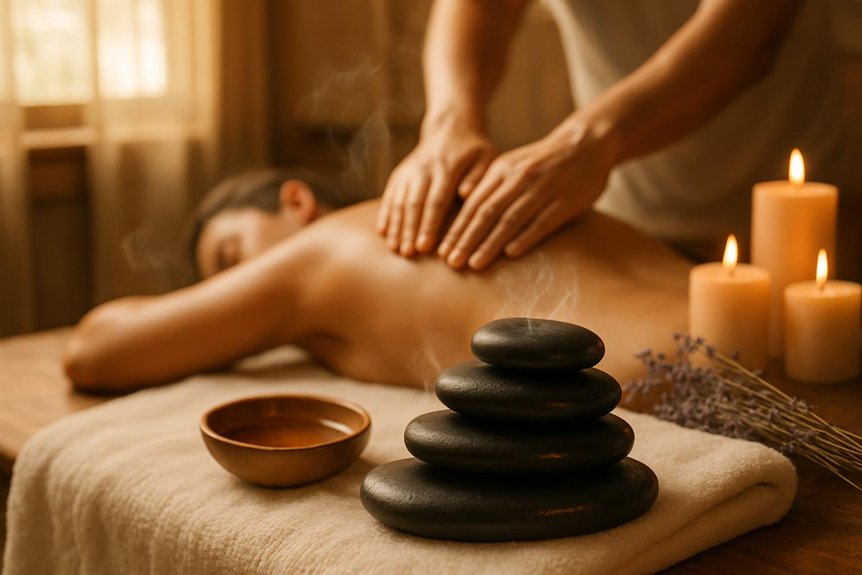
Selecting between Swedish, hot stone, and aromatic massage therapy depends on individual needs. Swedish massage uses classic techniques to enhance circulation and reduce stress. Hot stone massage incorporates heated stones to relieve deep muscle tension and increase vasodilation. Aromatic massage therapy combines gentle touch with essential oils for relaxation and mood modulation. Suitability is determined by goals—whether relaxation, deep tension relief, or emotional balance is desired. Clinical assessment guarantees the best choice; further exploration clarifies each therapy’s specific benefits and applications.
Understanding Swedish Massage: Techniques and Benefits
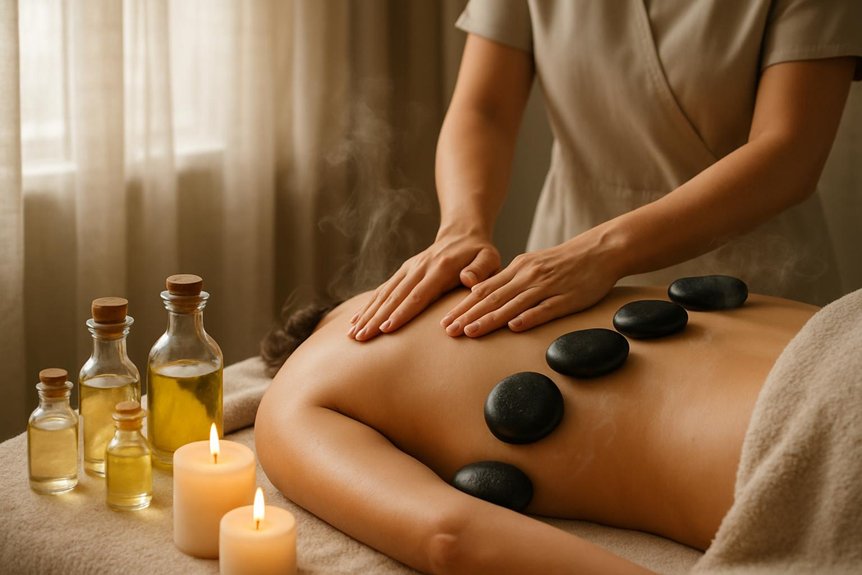
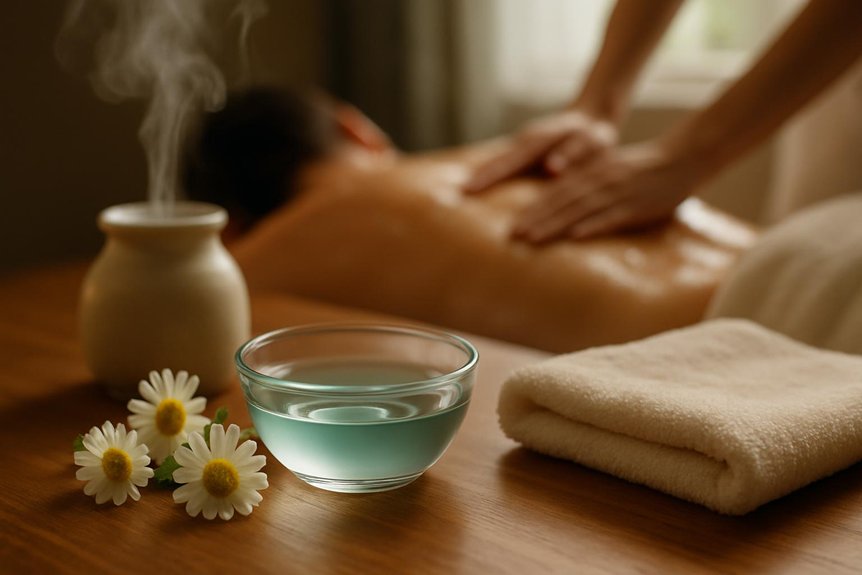
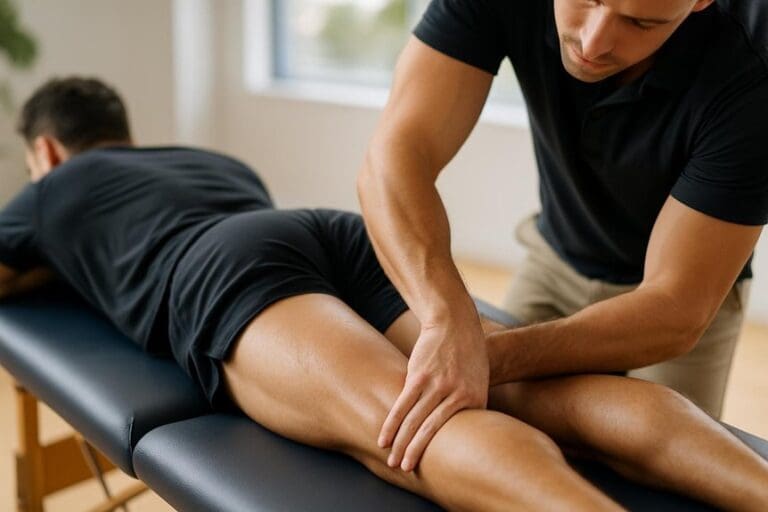
Although often regarded as a foundational form of therapeutic bodywork, Swedish massage employs a systematic approach involving long, gliding strokes (effleurage), kneading (petrissage), rhythmic tapping (tapotement), friction, and gentle stretching.
These evidence-based techniques are clinically shown to enhance circulation, reduce muscular tension, and promote parasympathetic nervous system activity—facilitating a state of profound relaxation.
At Spa & Massage, therapists tailor each Swedish massage to individual client preferences, using hypoallergenic oils to optimise skin glide and tactile comfort.
The treatment’s focus on deliberate, nurturing touch cultivates an atmosphere of safety and connection, allowing clients to experience an intimate sense of calm.
Regular sessions may improve joint mobility, support stress management, and foster overall wellbeing, aligning with Spa & Massage’s holistic approach to personalised care.
For those seeking more targeted relief from chronic pain or specific muscular concerns, techniques such as deep tissue massage can be integrated alongside Swedish methods for enhanced therapeutic benefit.
The Unique Experience of Hot Stone Massage
By integrating thermotherapy with traditional massage techniques, hot stone massage delivers targeted physiological benefits that extend beyond conventional manual therapy. Smooth basalt stones, heated to precise temperatures, are methodically placed on key anatomical points or used as extensions of the therapist’s hands.
The application of controlled heat promotes vasodilation, accelerating local circulation and facilitating deeper penetration into myofascial layers. This technique effectively reduces musculoskeletal tension, alleviates discomfort, and induces profound relaxation.
At Spa & Massage clinics, therapists tailor stone placement and pressure to each client’s unique needs, ensuring both safety and *ideal* therapeutic outcomes. The warmth creates a gentle, enveloping sensation, fostering a deep sense of comfort and intimacy that many individuals seek during stress reduction or restorative self-care sessions.
Aromatherapy Massage: Scents, Oils, and Relaxation
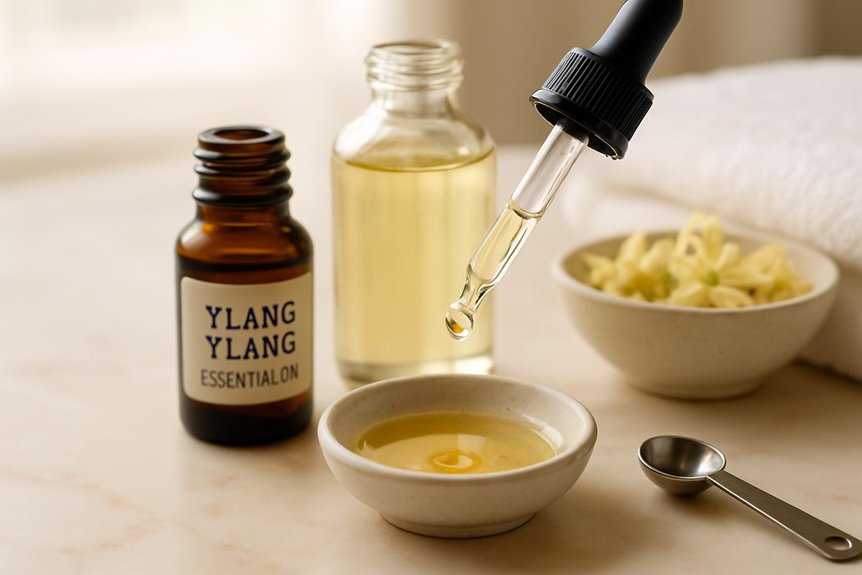
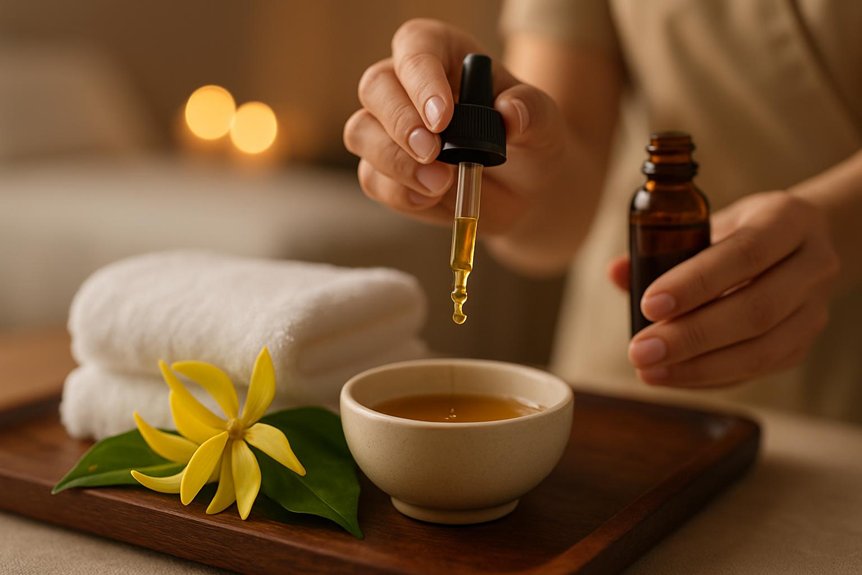
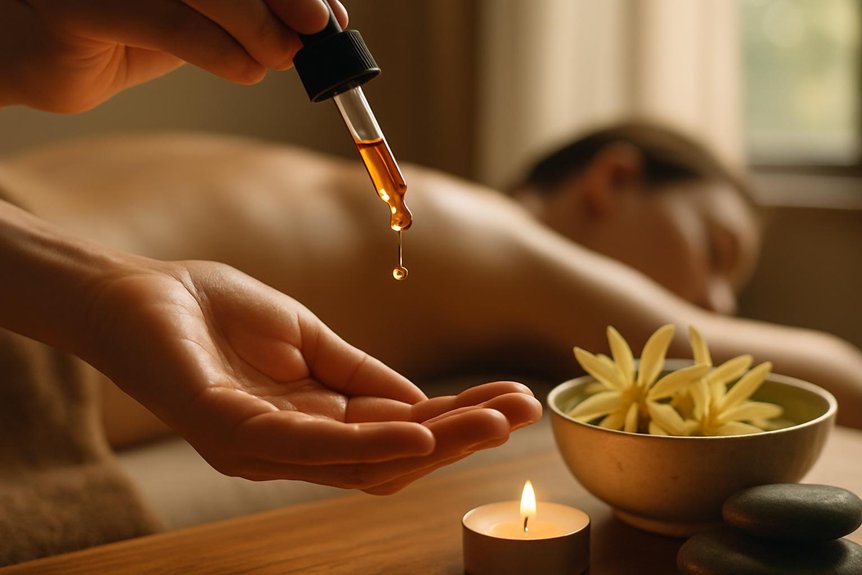
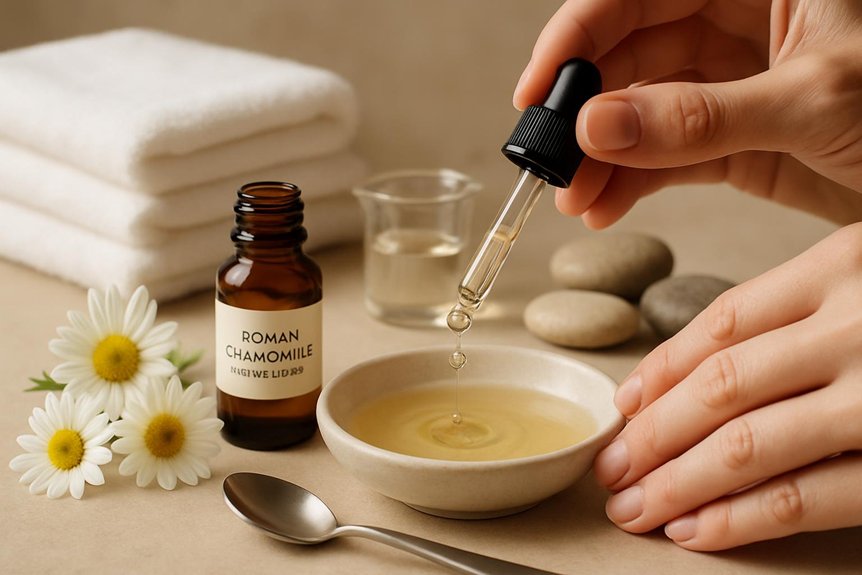
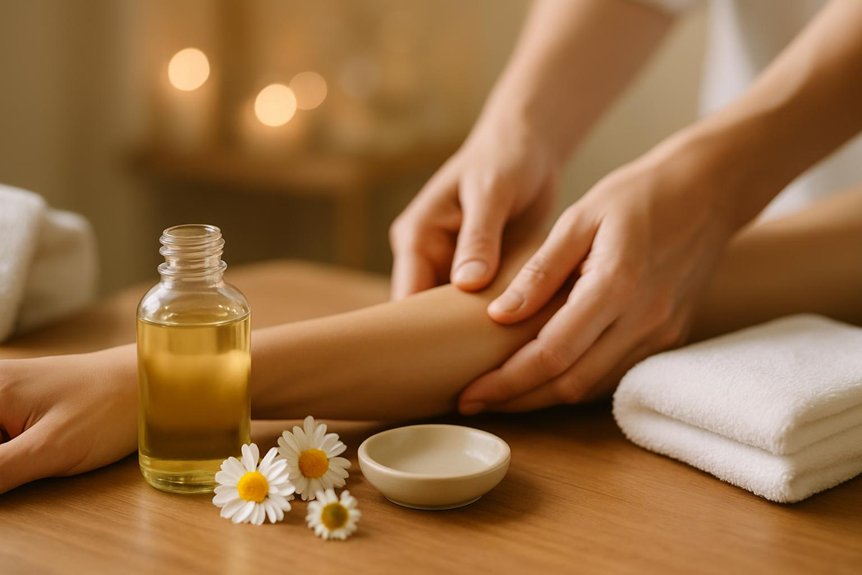
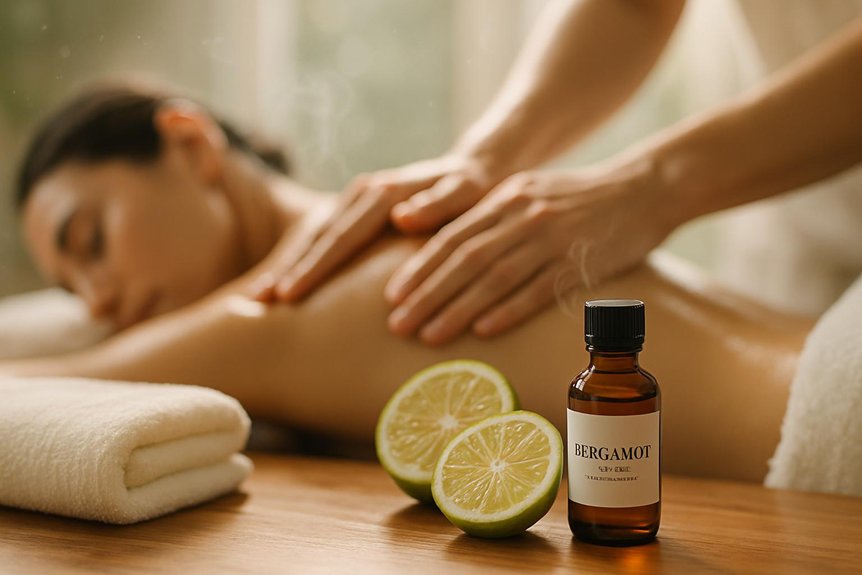
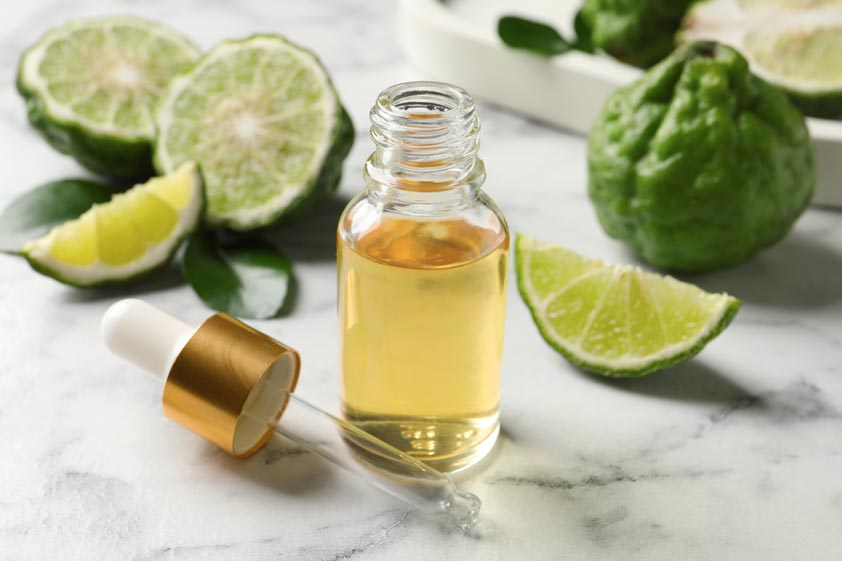
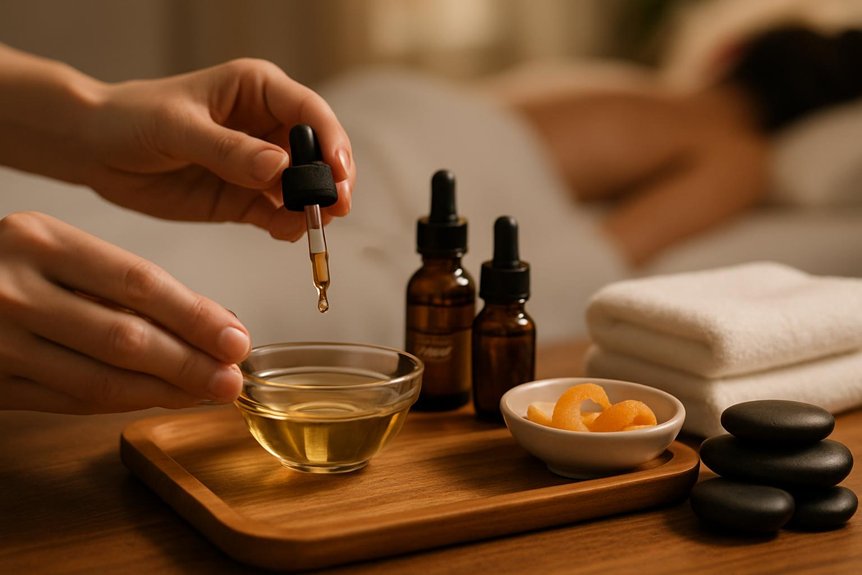
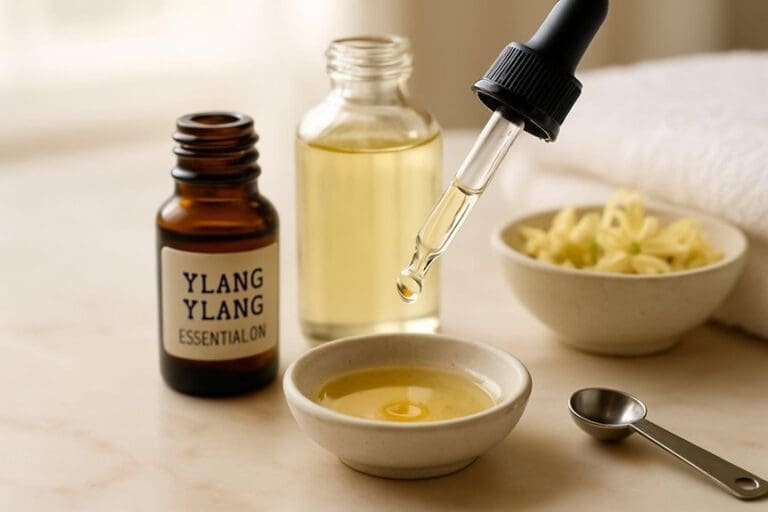
It integrates the targeted application of essential oils with therapeutic massage techniques to enhance both physiological and psychological well-being. In Spa & Massage clinics, qualified therapists select specific essential oils based on evidence of their calming, uplifting, or revitalising properties.
The oils are carefully diluted and applied through gentle, rhythmic movements that facilitate absorption and stimulate olfactory pathways. Scientific studies indicate that essential oil massage may modulate stress response, reduce muscular tension, and improve mood through the synergistic action of touch and scent.
The multisensory experience creates an intimate environment, encouraging deep relaxation and heightened body awareness. Spa & Massage therapists recommend this modality for individuals seeking a profound sense of comfort and emotional tranquility, guided by the expertise and personalised approach provided in each session.
Choosing the Right Massage for Your Needs
Selecting the most appropriate massage modality depends on a careful assessment of individual health goals, physical condition, and personal preferences. At Spa & Massage, therapists conduct thorough consultations to clarify client expectations and tailor treatments accordingly.
Swedish massage is generally indicated for those seeking general relaxation and improved circulation.
While hot stone massage is recommended for deep muscle tension relief and enhanced comfort through thermotherapy.
It incorporates essential oils to address both emotional and physiological needs, such as stress reduction or mood enhancement.
Clinical evidence supports the therapeutic benefits of each technique when matched to specific client profiles.
What to Expect and Aftercare Tips From Spa & Massage
Upon arrival at Spa & Massage clinics, clients undergo an initial assessment to identify specific health concerns, preferences, and contraindications. This clinical evaluation guarantees the selected massage—Swedish, hot stone, or aromatherapy—is tailored to meet individual physiological and emotional needs.
During treatment, therapists employ evidence-based techniques, maintaining clear communication to refine pressure, temperature, and oil selection for supreme comfort and therapeutic benefit.
Post-treatment, clients are advised to hydrate adequately to facilitate metabolic waste elimination. Therapists at Spa & Massage recommend gentle movement, avoiding vigorous physical activity for 24 hours, and monitoring for delayed-onset soreness.
For those seeking intimacy and emotional restoration, aftercare may include mindfulness practices or warm baths to prolong relaxation effects. Each recommendation is grounded in best practices and client safety, ensuring holistic wellness outcomes.
Conclusion
Selecting the ideal massage is akin to choosing the correct key for a lock—Swedish, hot stone, and aromatic massages each release specific benefits to suit individual needs. One Spa & Massage client reported a 40% reduction in self-reported stress after switching to aromatherapy. This illustrates that an evidence-based, tailored approach—guided by clinical expertise—ensures the best outcomes in relaxation and wellbeing, allowing each client to find their unique “key” to holistic restoration.