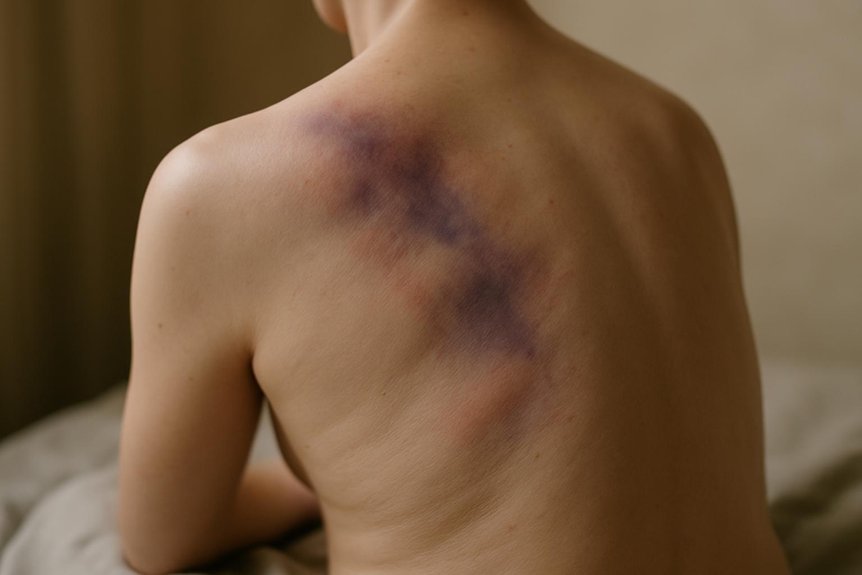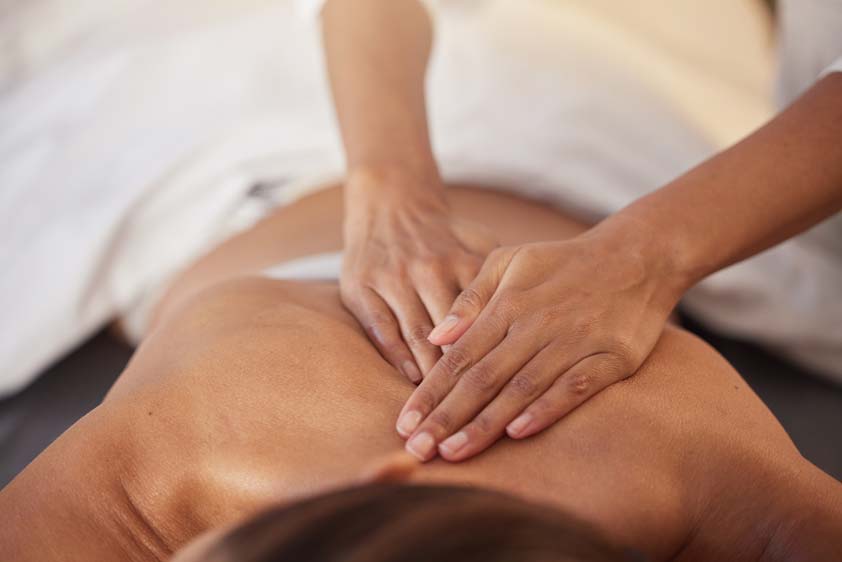

It should be avoided or significantly modified for people with fever, active infection, contagious skin conditions, unexplained swelling, open wounds, or new neurological symptoms. It is also higher risk for those on anticoagulants/antiplatelets, with easy bruising, recent dose changes, suspected or confirmed DVT, or notable varicose veins. Deep work is unsafe soon after surgery or within 48–72 hours of a new strain, sprain, bruise, or suspected tear, and is generally inappropriate in pregnancy with red flags or severe osteoporosis. The sections below outline safer timing, screening, and alternatives.
Deep Tissue Massage: When to Avoid It
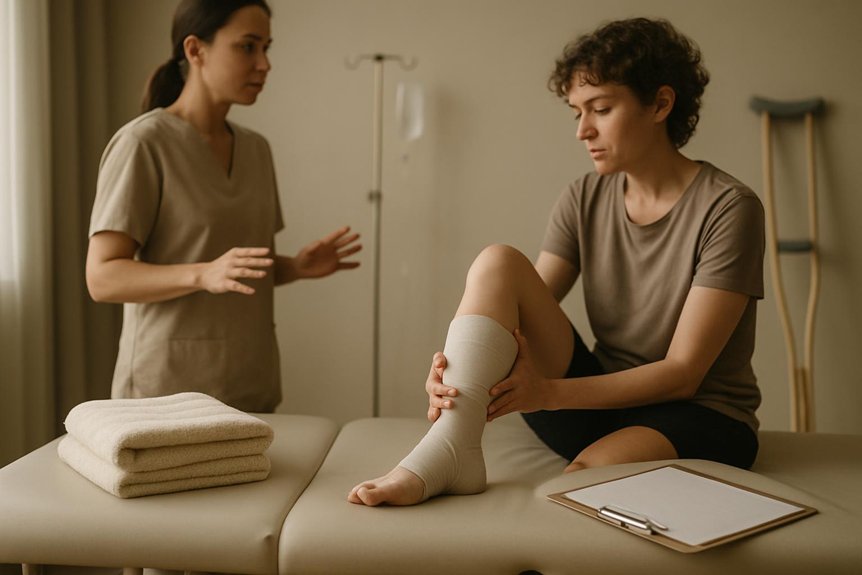
It is not appropriate in every situation, and it should be avoided when there is a heightened risk of bleeding, infection, tissue damage, or clinical deterioration. It is generally deferred with fever, active infection, unexplained swelling, acute inflammatory flare, suspected fracture, recent surgery, open wounds, or contagious skin conditions.
Caution is also advised with severe osteoporosis, uncontrolled hypertension, significant varicose veins, or new neurological symptoms such as numbness or progressive weakness. In pregnancy, deep pressure to the abdomen is avoided; gentler pregnancy massage is preferred.
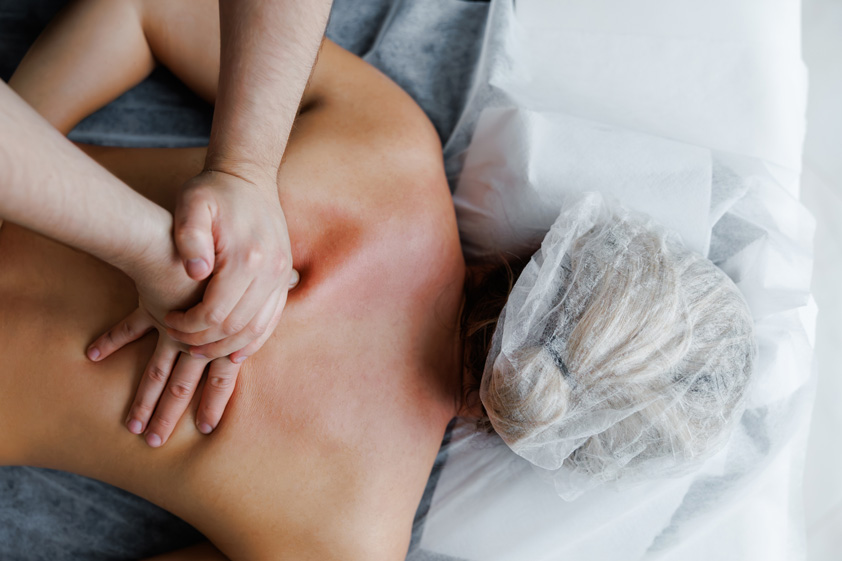
When appropriate and not contraindicated, deep tissue work can help address persistent tension by targeting deeper muscle layers with slow, sustained pressure.
At Spa & Massage clinics across London, therapists complete a focused health screening and adapt pressure, positioning, and technique to keep touch both close and safe. Medical clearance may be recommended when symptoms are new or worsening.
Intensive Tissue Massage and Blood Thinners: Key Risks
Use of blood-thinning medication changes the risk profile of firm, sustained massage pressure, making bruising and deeper tissue bleeding more likely even when skin appears intact. Anticoagulants and antiplatelet medicines can reduce clotting, so intense techniques (elbow pressure, cross-fibre friction, prolonged trigger-point work) may leave tender, dark bruises or painful haematomas, especially around ribs, thighs, and shoulders.
Clients should inform Spa & Massage at booking and disclose dose changes, recent INR results if relevant, and any history of easy bruising. In our London clinics, therapists typically modify to lighter, slower work with careful draping, avoiding aggressive deep pressure and rapid stripping strokes. Medical clearance is advisable after new prescriptions, recent dose adjustments, or unexplained bruising.
Intensive Tissue Massage With Clots or Poor Circulation
Individuals with known or suspected blood clots, including deep vein thrombosis (DVT), should avoid intensive tissue massage because firm pressure may increase the risk of clot mobilisation and serious complications.
Varicose veins and impaired circulation also warrant caution, as aggressive techniques can exacerbate local inflammation, bruising, or pain in compromised vessels.
At Spa & Massage clinics across London, therapists screen for these concerns and would recommend medical clearance and, where appropriate, gentler alternatives tailored to vascular risk.
Blood Clots And DVT
For anyone with a suspected or confirmed blood clot—particularly deep vein thrombosis (DVT)—it is generally contraindicated due to the risk of dislodging a clot and triggering a potentially life-threatening embolism.
Warning signs may include unilateral calf or thigh swelling, warmth, redness, tenderness, or sudden unexplained pain; urgent medical assessment is advised rather than bodywork.
Clients on anticoagulants or with a recent clot history should seek written clearance from their clinician before booking any massage.
At Spa & Massage, therapists screen for clot risk during consultation and will decline deep pressure over affected limbs when DVT is possible.
If touch is appropriate after medical approval, gentler, non-compressive relaxation work may be considered, avoiding deep strokes and sustained pressure.
Varicose Veins And Circulation
In the context of varicose veins and impaired circulation, intensive tissue massage warrants caution because heavy, sustained pressure over engorged or fragile superficial veins can aggravate tenderness, bruising, and local inflammation, and may be inappropriate when venous insufficiency is significant or when clot risk is uncertain.
At Spa & Massage clinics across London, therapists screen for leg swelling, warmth, skin colour change, ulcers, or a history of clots; these findings prompt medical clearance before any deep pressure work.
When massage is appropriate, pressure is kept light-to-moderate, avoiding direct strokes along bulging veins, and favouring gentle, slow effleurage to support comfort and relaxation.
Clients are advised to report sharp pain, sudden swelling, or breathlessness after treatment, and to seek urgent care if these occur.
Hydration and brief walking may help.
Intensive Tissue Massage After Surgery: When It’s Unsafe
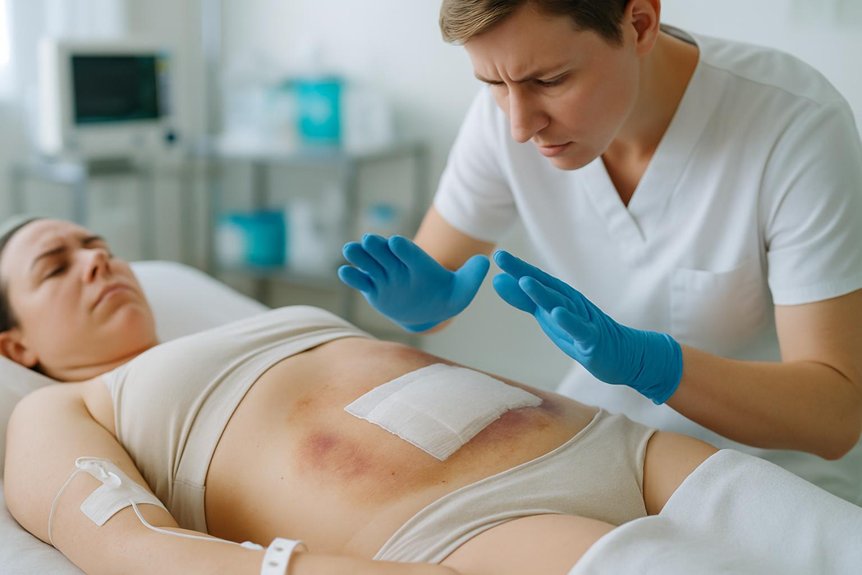
After surgery, intensive tissue massage can be unsafe until wounds have fully healed and a clinician has confirmed it is appropriate, because high-pressure work may disrupt fragile tissue, provoke bleeding, increase swelling, or aggravate inflammation.
It should be avoided over incisions, drains, bruised areas, or where there is numbness or altered sensation, as tissue feedback is reduced and pressure may be misjudged.
Caution is essential when blood thinners are used or when there is fever, redness, heat, or fluid leakage, which can indicate complications requiring urgent review.
At Spa & Massage, therapists ask about surgical dates, medications, and aftercare instructions, and will decline deep work if clearance is not documented.
When touch is desired, gentler, non-site massage may be suggested within comfort and permission.
Intensive Tissue Massage for Injuries: When to Wait
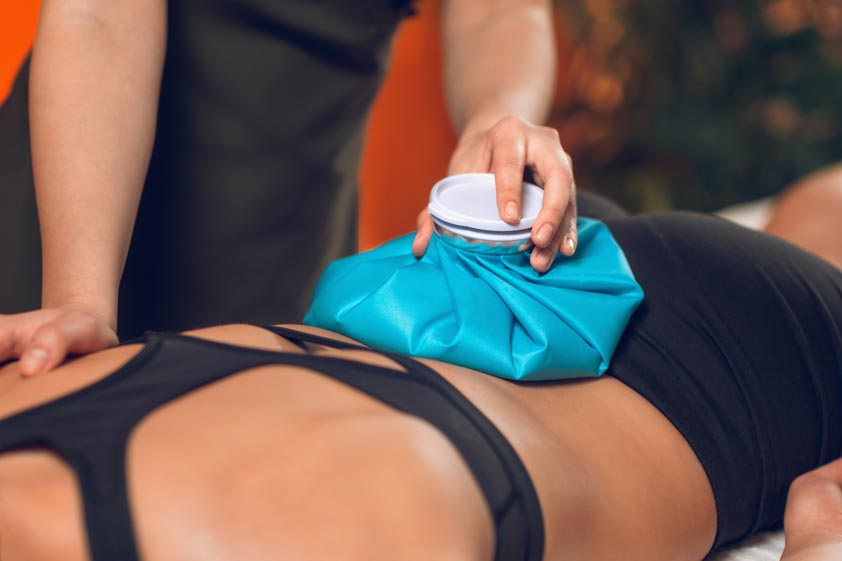
Choosing intensive tissue massage too early in an injury can delay healing or worsen tissue damage. In the first 48–72 hours after a strain, sprain, bruise, or suspected tear, deeper pressure may increase bleeding, swelling, and pain.
It should also be avoided with suspected fracture, acute tendon rupture, significant loss of function, numbness, rapidly spreading bruising, or heat and redness suggestive of infection or clot; medical assessment comes first.
At Spa & Massage clinics across London, therapists screen injuries and, when appropriate, begin with gentle, supportive work and careful positioning so the client feels held, not pushed through pain.
Deep tissue is usually considered only once acute inflammation settles and movement improves, then progressed gradually with clear feedback and aftercare guidance.
Intensive Tissue Massage in Pregnancy: What’s Safe?
In pregnancy, deep tissue pressure is not routinely appropriate and should be guided by trimester-specific risk, clinical history, and comfort.
At Spa & Massage, therapists prioritise pregnancy-safe techniques and positioning (typically side-lying with supportive bolsters) and avoid sustained deep pressure over the abdomen, lower back, and other sensitive regions.
Treatment should be deferred or avoided where there are red flags such as bleeding, severe or new-onset pain, suspected pre-eclampsia, high-risk pregnancy status, fever, or any medical advice to avoid massage.
Pregnancy Trimester Considerations
Across pregnancy, the safety profile of intensive tissue massage shifts by trimester, driven by physiological changes and varying levels of clinical caution—so any deep pressure work should be considered only with trimester-specific modifications and, where appropriate, sign-off from the client’s midwife or GP.
In the first trimester, many clinicians advise avoiding deep tissue work due to higher background miscarriage risk and limited evidence for benefit; Spa & Massage typically recommends gentler options and deferring deep pressure unless medically cleared.
In the second trimester, discomfort patterns may change; deep work, if considered, should remain conservative and avoid provoking guarding, dizziness, or uterine irritability.
In the third trimester, increased oedema, varicosities, and clot risk require extra caution; any intensity should be reduced, and new symptoms prompt medical review.
Safe Techniques And Positioning
For pregnancy clients considering deeper work, safety depends less on “deep tissue” as a label and more on controlled technique, conservative pressure, and positioning that preserves maternal comfort, venous return, and stable blood pressure.
At Spa & Massage, therapists prioritise side‑lying with supportive bolsters for the abdomen, pelvis, and knees, and may use a semi‑reclined position to ease breath and reduce reflux.
Pressure is titrated slowly, favouring broad forearm contact and sustained, gentle compression rather than sharp elbows or aggressive stripping.
Work focuses on hips, glutes, back, and shoulders, avoiding prolonged supine lying and deep abdominal techniques.
Clear, continuous consent and check‑ins guide intensity, with pauses for hydration, warmth, and comfort adjustments throughout.
When To Avoid Treatment
When should intensive tissue massage be avoided during pregnancy? It should be deferred in the first trimester unless a clinician has advised otherwise, and avoided entirely with vaginal bleeding, severe abdominal pain, leaking fluid, reduced fetal movements, fever, uncontrolled hypertension, pre-eclampsia symptoms, suspected DVT, or any new chest pain or breathlessness.
Caution is also required with placenta praevia, cervical insufficiency, multiple pregnancy, previous preterm birth, or when advised to limit activity.
At Spa & Massage, therapists recommend pregnancy-specific sessions rather than deep tissue when there is pelvic girdle pain, sciatica with neurological symptoms, or acute inflammation.
Deep pressure over the abdomen, inner thighs, and varicosities should be avoided. When in doubt, medical clearance supports safest care.
Intensive Tissue Massage With Osteoporosis or Fragile Bones
In people with osteoporosis or otherwise fragile bones, intensive tissue massage is generally not appropriate because the sustained, high-pressure techniques used to reach deeper muscle layers can increase the risk of bruising or, in severe cases, fracture.
Risk is higher with advanced osteoporosis, recent falls, vertebral compression fractures, or long-term steroid use. Strong pressure over ribs, spine, hips, and wrists may overload vulnerable bone and surrounding tissues.
At Spa & Massage clinics, therapists treat osteoporosis as a red flag requiring prior medical clearance and clear disclosure of diagnosis, bone-density results if known, and current medicines.
Any manual work should remain gentle, avoid aggressive stripping, and never force joint range. If pain, sharp tenderness, or new bruising occurs, treatment should stop and medical review sought promptly.
What to Book Instead of Intensive Tissue Massage
It is not the safest choice for everyone, particularly where osteoporosis or other fragility risks make high pressure and sustained loading inappropriate. In these cases, Spa & Massage typically recommends gentler, closely monitored options that support comfort and circulation without stressing vulnerable tissues.
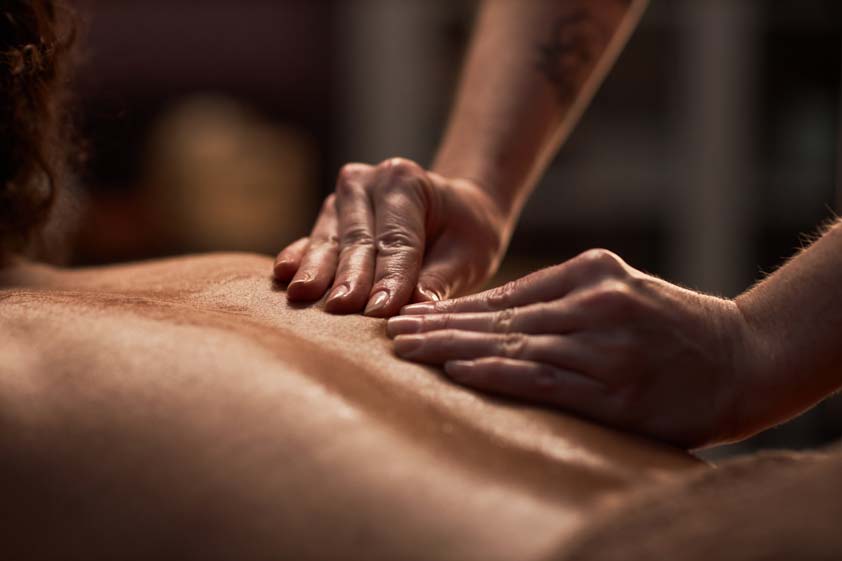
Aromatherapy massage offers light-to-moderate pressure with soothing, skin-safe oils; in our clinics, therapists keep strokes slow, enveloping, and responsive to tenderness.
Pregnancy massage (where appropriate) prioritises side-lying positioning and careful bolstering to protect joints and abdomen.
Reflexology can provide calming touch through the feet while avoiding sensitive regions.
For active clients who still need targeted help, a modified sports massage may use low-load techniques, stretching, and heat, with explicit pressure limits and continuous feedback.
Conclusion
It can be beneficial, but it is not universally safe. It should be avoided with anticoagulants, active clotting disorders, severe vascular disease, recent surgery, acute inflammation, or unstable injuries; and deferred in pregnancy, osteoporosis, or complex pain until clinically cleared. When pressure risks bruising, bleeding, nerve irritation, or delayed healing, safety takes priority over intensity. Where deep work is unsuitable, gentler options—therapeutic, aromatherapy, or pregnancy massage—may support comfort, mobility, and recovery.