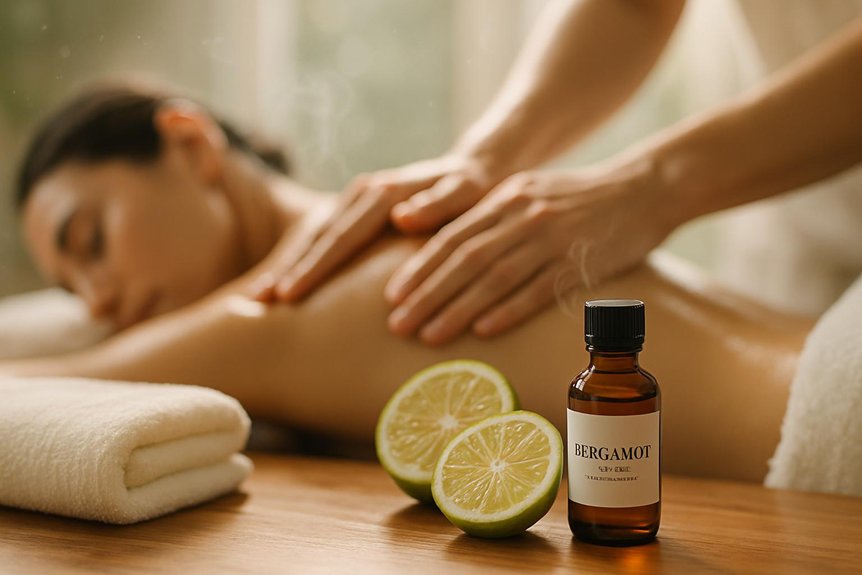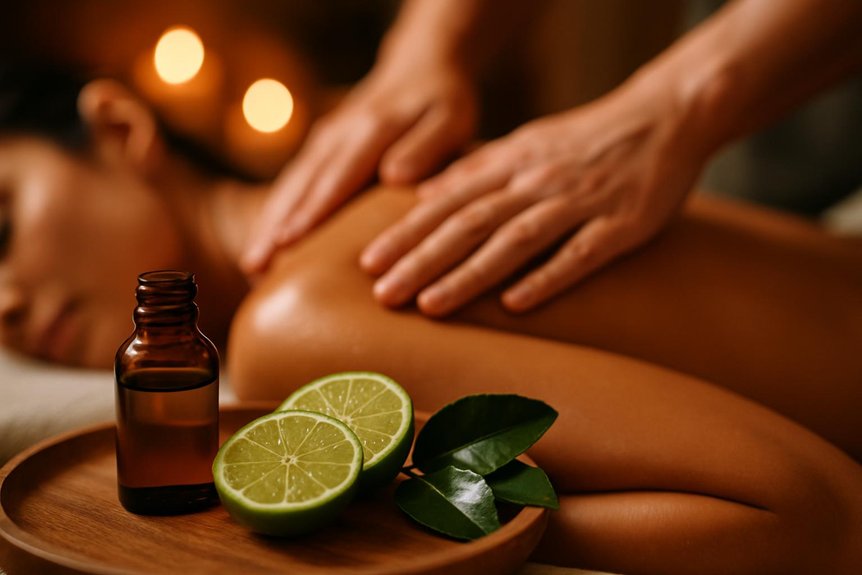
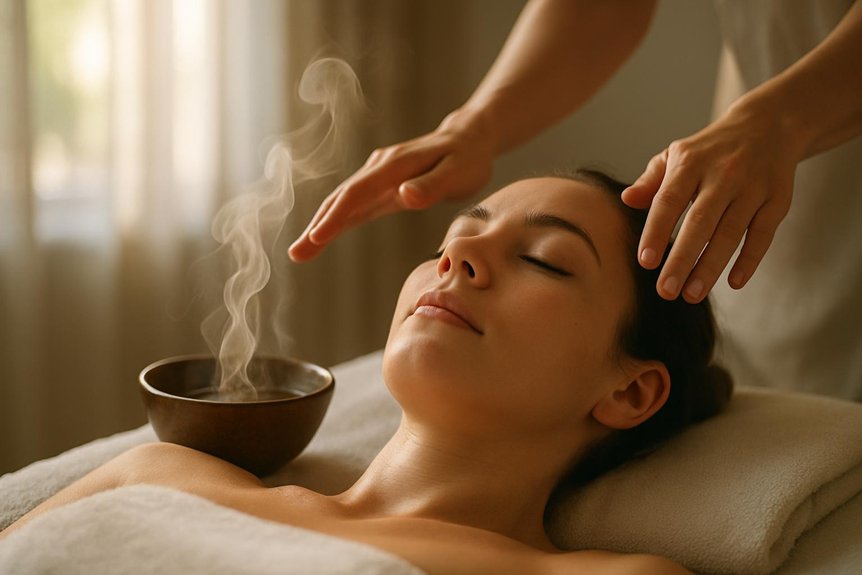
Deep inhalation during an aromatic massage increases exposure of the olfactory system to essential oil molecules, enhancing their absorption and therapeutic effects. Controlled, deep breathing activates the parasympathetic nervous system, promoting relaxation, regulating stress hormones, and deepening the mind-body connection. This technique optimizes both emotional and physiological benefits, supporting a state of calm and receptivity. Guidance from trained therapists further amplifies these effects, and further insight reveals how breathing techniques and session protocols maximize ongoing relaxation and well-being.
The Role of Breathing in Aromatic Massage
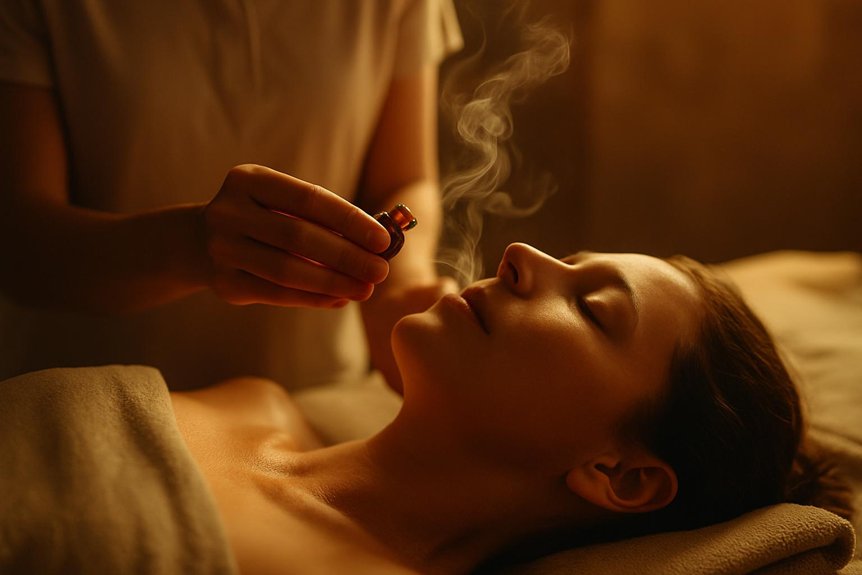
How does breathing influence the effectiveness of aromatherapy massage? Breathing serves as a critical mediator between the mind, body, and aromatic compounds used during treatment. Controlled, attentive breathing activates the parasympathetic nervous system, promoting relaxation and receptivity to therapeutic touch.
At Spa & Massage clinics, therapists guide clients to maintain steady, rhythmic breaths throughout the session. This practice not only encourages emotional openness but also helps regulate heart rate and reduce tension.
Deepening the overall sense of intimacy and presence. Scientific studies indicate that focused breathing can modulate stress hormones, fostering a safe environment for both physical and emotional release.
Consequently, integrating mindful breathing with skilled aromatic massage enhances the body’s natural healing processes and supports the creation of a nurturing, restorative experience. In addition, deep breathing allows for fuller absorption of the aromatic compounds released during an aromatic massage, increasing the therapeutic benefits felt by both body and mind.
How Deep Inhalation Enhances Essential Oil Absorption
When clients engage in deep inhalation during aromatic massage, the increased volume of air drawn into the lungs facilitates greater exposure of the olfactory system to volatile essential oil molecules.
This heightened exposure allows a larger concentration of aromatic compounds to reach the olfactory epithelium, where they are detected and transmitted as signals to the brain.
In Spa & Massage clinics, therapists encourage clients to synchronise breath with the rhythm of the massage, optimising both respiratory flow and essential oil absorption.
The expansive breath enhances the diffusion of therapeutic molecules not only into the nasal passages but also into the bloodstream via the rich vascular network in the lungs.
This process supports the body’s ability to attain the full therapeutic potential of the selected essential oils, deepening the overall relaxation response.
The Science Behind Scent and the Mind-Body Connection
Although scent is often perceived as a simple sensory experience, scientific research reveals that olfactory stimuli play a profound role in modulating the mind-body connection.
Inhalation of aromatic molecules activates the olfactory receptors, transmitting signals directly to the limbic system—the brain’s emotional and memory center. This neural pathway explains why certain essential oils, carefully selected and blended at Spa & Massage, can evoke calming, uplifting, or restorative responses during an aromatic massage.
Additionally, studies demonstrate that olfactory stimulation can influence heart rate, stress hormone levels, and overall emotional equilibrium.
The therapeutic environment at Spa & Massage is intentionally designed to enhance these effects, supporting clients in achieving deeper relaxation.
Therefore, scent becomes a subtle yet powerful mediator between emotional well-being and physical restoration.
Techniques for Effective Deep Breathing During Your Session
During aromatic massage at Spa & Massage clinics, therapists guide clients in establishing a steady breathing rhythm that supports relaxation and therapeutic effect.
Coordinating breath with massage movements can optimize both muscular release and the body’s response to essential oils.
Evidence suggests that mindful deep breathing may also enhance scent absorption, amplifying the physiological and psychological benefits of the session.
Finding Your Breathing Rhythm
One essential component of an effective aromatic massage is establishing a steady, relaxed breathing rhythm. At Spa & Massage, therapists guide clients to focus on the natural ebb and flow of their breath, encouraging inhalations that are slow, deep, and unforced.
Research underscores that consistent, rhythmic breathing helps regulate the nervous system, enhancing both relaxation and the therapeutic absorption of essential oils. By attuning to the body’s innate pace, clients create a foundation for ideal sensory receptivity and emotional release.
Therapists may offer gentle cues—such as counting or visualisation—to support this process. Emphasising breath awareness throughout the session allows for a deepening of trust and intimacy, facilitating a more profound connection between mind, body, and the restorative benefits of aromatherapy.
Coordinating Breath With Movements
Establishing a steady breathing rhythm forms the groundwork for further enhancing the aromatic massage experience through synchronising breath with the therapist’s movements.
At Spa & Massage, therapists encourage clients to inhale slowly during gentle effleurage strokes and exhale as deeper pressure is applied. This coordination increases parasympathetic nervous system activity, reinforcing relaxation and reducing muscular tension.
Evidence suggests that matching breath to touch supports greater physiological coherence, allowing tension to dissipate more naturally as the body feels safe and supported.
Therapists may guide clients to visualise inhaling calm and exhaling discomfort, deepening their engagement with the treatment.
These techniques foster a subtle intimacy between practitioner and client, ensuring the massage is both physically restorative and emotionally grounding.
This mindful synchronisation is integral to the Spa & Massage approach.
Enhancing Scent Absorption
Deep breathing can amplify the therapeutic effects of aromatic massage. Deep inhalation increases olfactory receptor activation, facilitating greater absorption of essential oil molecules into the body.
This enhanced uptake allows the limbic system—responsible for emotion and memory—to respond more profoundly to each scent.
At Spa & Massage clinics, therapists guide clients to synchronize deep, slow breaths with massage strokes, optimizing scent delivery and physiological relaxation.
Techniques such as diaphragmatic breathing and measured inhalation through the nose maximize exposure to aromatic compounds.
By holding the breath briefly at the peak of inhalation, clients further promote diffusion of therapeutic molecules.
This evidence-based approach deepens intimacy with the aromatic experience, fostering a more personalized and sensorial connection between client, therapist, and the carefully selected oils.
Benefits for Stress Relief and Relaxation
Why does deep breathing play an essential role during aromatic massage for stress relief and relaxation? Deep inhalation activates the parasympathetic nervous system, encouraging a physiological state of calm.
When clients at Spa & Massage breathe deeply, the olfactory system absorbs essential oil molecules more efficiently, enhancing their therapeutic effects. Scientific studies highlight that slow, deliberate breaths decrease cortisol levels and heart rate variability, directly combating stress.
This synchrony between breath and aroma intensifies relaxation, making each massage session more restorative. Our therapists observe that clients who engage in conscious breathing experience a deeper sense of tranquility and emotional release.
The intimate interplay of breath, scent, and skilled touch fosters profound relaxation, which is central to the holistic approach championed at Spa & Massage.
How Our Therapists Guide Breathing for Optimal Results
During aromatic massage sessions at Spa & Massage, therapists employ structured breathing cues to maximise therapeutic outcomes. Clients are gently guided to synchronise their breath with the rhythm of massage strokes, ensuring deeper inhalation as essential oils are applied.
This technique is rooted in evidence indicating that controlled, mindful breathing enhances olfactory absorption and optimises the nervous system’s relaxation response.
Therapists at Spa & Massage observe subtle cues—such as chest movement and breath cadence—to tailor their prompts, fostering a calm, safe atmosphere.
By encouraging slow, diaphragmatic breathing, they help clients fully experience the aromatic compounds’ benefits.
This attentive approach allows for a more profound sense of connection, supporting the body’s natural restorative processes while deepening the intimate, nurturing environment characteristic of Spa & Massage.
Tips for Continuing Aromatherapy Benefits After Your Massage
What strategies can clients employ to prolong the therapeutic effects of aromatic massage once they leave the clinic?
Spa & Massage recommends integrating mindful breathing and self-care rituals into daily routines. Clients are encouraged to practice deep, slow inhalations similar to those guided during their session, reinforcing relaxation and sensory recall of therapeutic essential oils.
Utilizing home diffusers with the same essential oils used in the clinic can enhance continuity, gently supporting mood and stress management between treatments. Hydration is also advised to assist the body’s natural detoxifying processes.
Finally, scheduling regular aromatic massages maintains cumulative benefits. Spa & Massage therapists provide tailored aftercare advice, empowering clients to create personal moments of calm and connection, consequently extending the nurturing effects of their in-clinic aromatherapy experience.
Conclusion
Embracing deep inhalation during an aromatic massage is more than a ritual—it is the bridge connecting scent to serenity, science to solace. By facilitating the swift absorption of essential oils, mindful breathing activates physiological pathways that promote relaxation, reduce stress, and enhance overall wellbeing. At Spa & Massage, therapists expertly guide this process, ensuring each breath deepens the therapeutic effects. Ultimately, inhaling deeply transforms a simple massage into a holistic journey toward balance and rejuvenation.