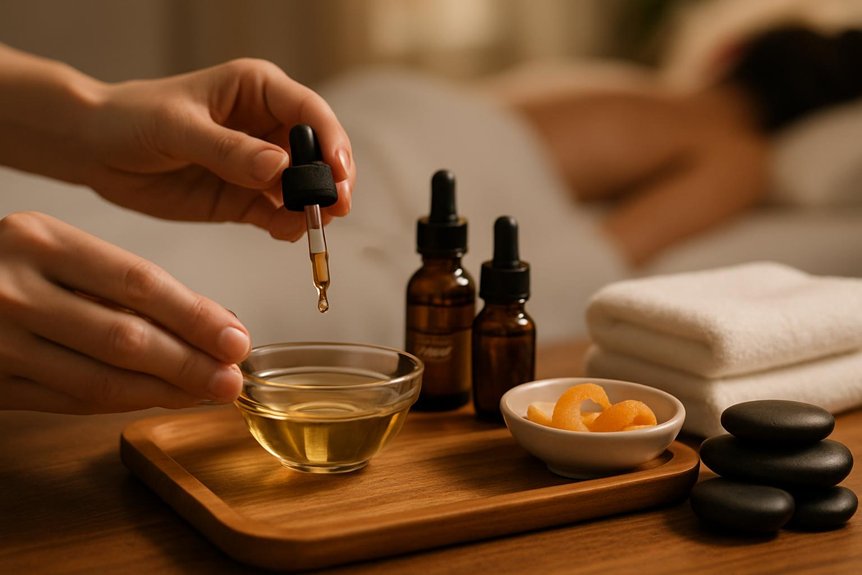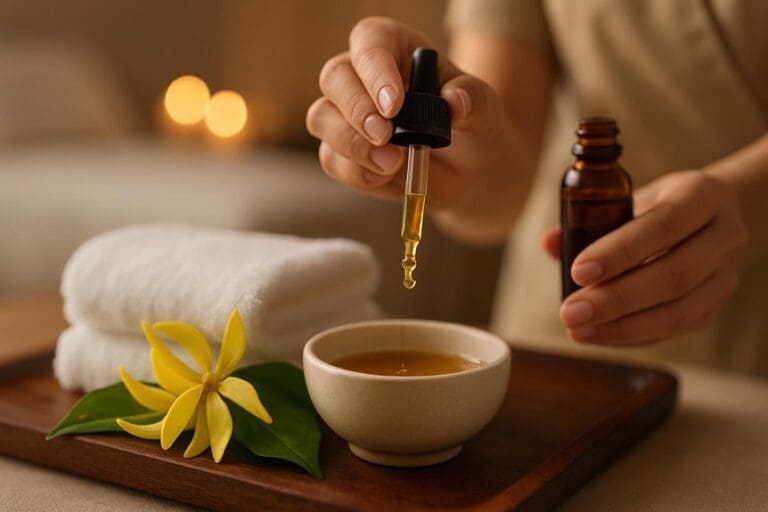
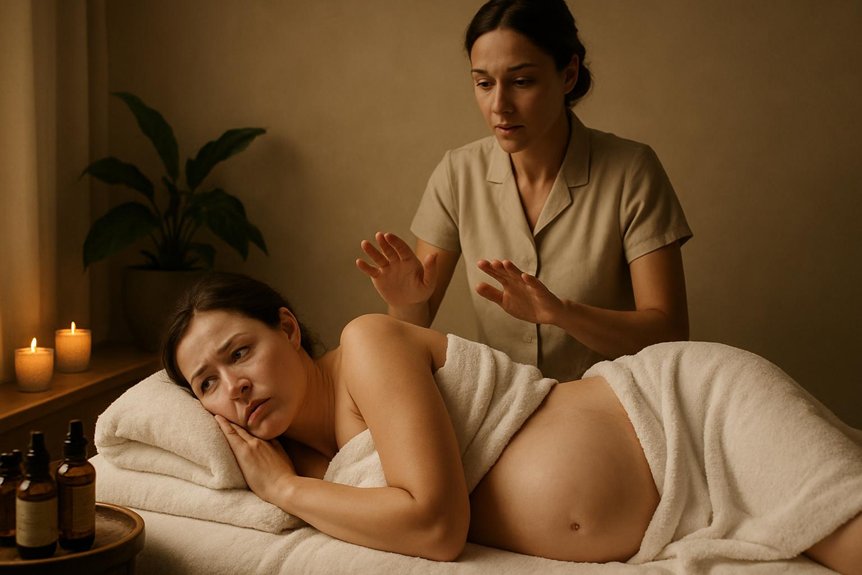
Aromatic massage during pregnancy poses risks due to increased skin permeability, altered maternal physiology, and the possibility of essential oils crossing the placental barrier. Certain oils may trigger uterine contractions or hypersensitivity reactions, and some are linked to potential fetal development concerns. Clinicians caution that even skin-safe oils can provoke unexpected systemic effects. Appropriate selection, dilution, and application techniques are critical for safety. More detailed information is available regarding safe practices and risk management for expectant mothers.
Understanding Aromatherapy Massage and Pregnancy
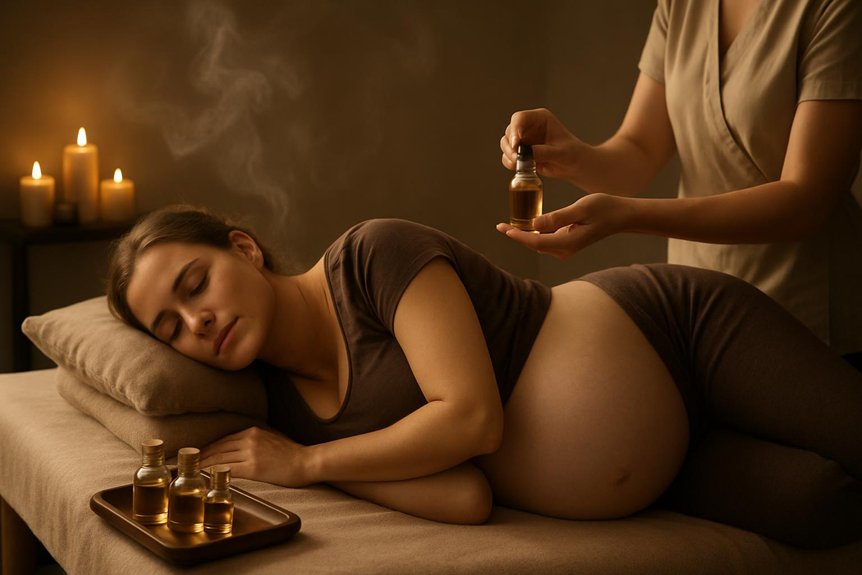
While aromatic massage is a popular complementary therapy, its application during pregnancy requires careful consideration due to altered maternal physiology and potential risks associated with essential oil absorption.
Pregnancy introduces significant changes in cardiovascular function, skin permeability, and metabolic processing, all of which can modify how essential oils are absorbed and distributed in maternal and fetal tissues.
At Spa & Massage, therapists are keenly aware of these physiological variations, tailoring each session to guarantee maternal comfort and safety.
Evidence suggests that certain essential oils may cross the placental barrier or provoke uterine activity, highlighting the importance of prudent selection and dilution.
Given these clinical concerns, an individualized approach to massage—incorporating gentle techniques and close monitoring—remains central to the Spa & Massage philosophy when supporting expectant mothers.
Many therapists also recommend learning aromatic massage tips to further enhance relaxation and healing while maintaining safety for pregnant clients.
Essential Oil Safety for Expectant Mothers
Selection of essential oils during pregnancy requires careful consideration, as certain compounds may pose teratogenic or sensitisation risks.
Evidence-based guidelines recommend only specific oils at appropriate dilution ratios, alongside strict adherence to topical application protocols.
At Spa & Massage, therapists are trained to assess individual risk factors and employ only pregnancy-safe essential oils in accordance with established safety standards.
Choosing Safe Essential Oils
How can expectant mothers guarantee the essential oils used during aromatic massage are both effective and safe?
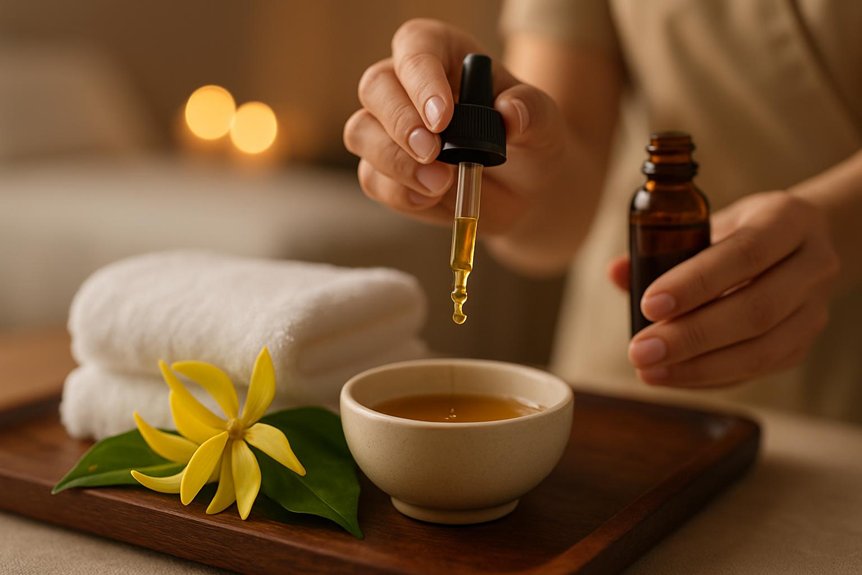
Clinical evidence highlights that not all essential oils are appropriate during pregnancy. Certain oils, such as clary sage, rosemary, and jasmine, can stimulate uterine contractions or provoke hypersensitivity reactions.
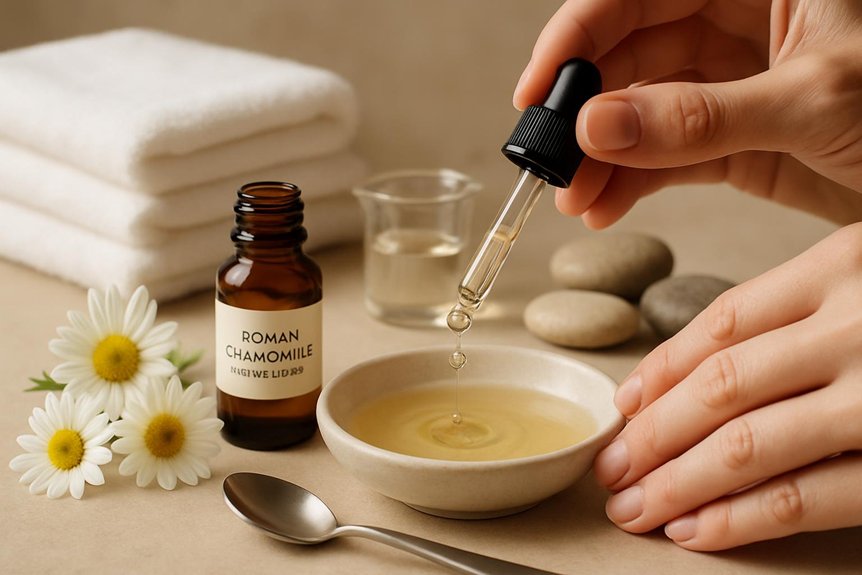
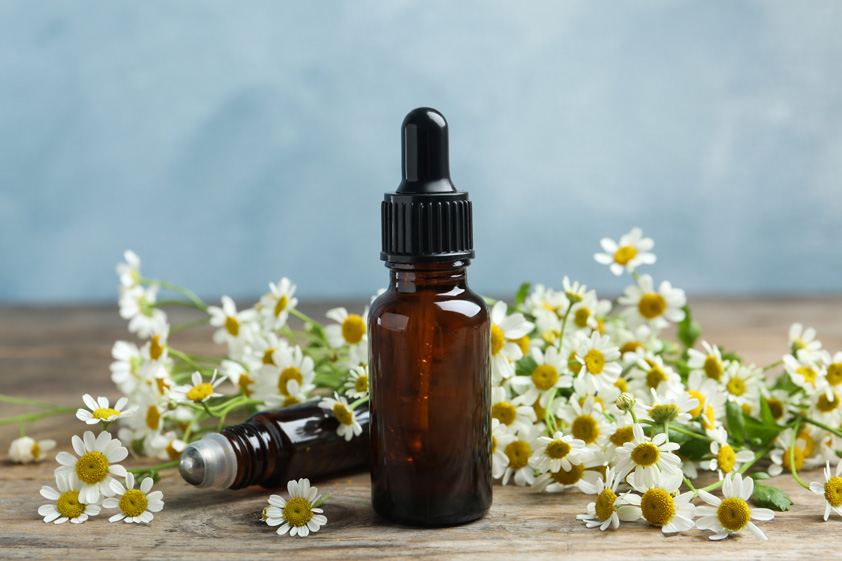
Spa & Massage therapists select oils with established safety records for pregnancy, prioritizing those that demonstrate low allergenic potential and minimal systemic absorption. Lavender and chamomile, for instance, are considered less likely to cause adverse effects when used judiciously.
Rigorous ingredient sourcing and transparency about oil composition are central to the Spa & Massage approach.
Expectant mothers are encouraged to communicate specific sensitivities and medical histories, ensuring a tailored, risk-mitigated aromatherapy experience consistent with clinical best practices.
Dilution and Application Guidelines
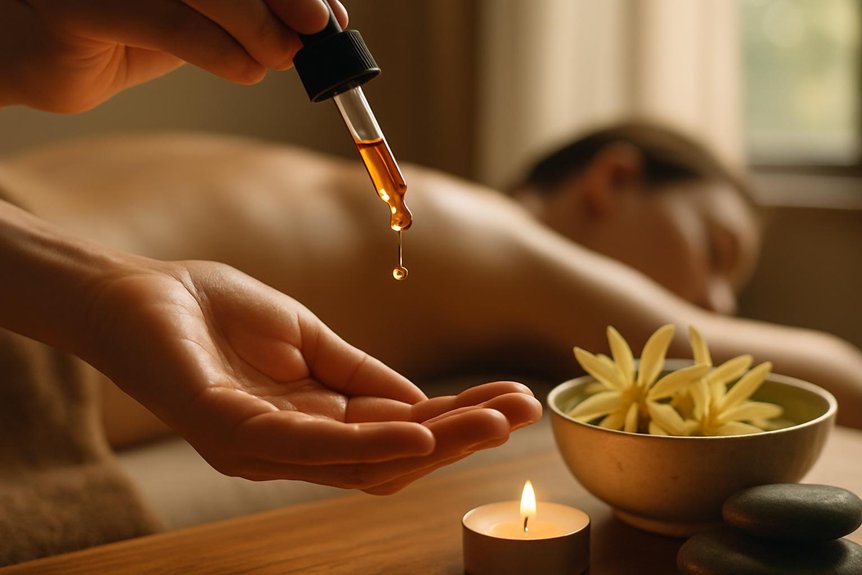
Selecting pregnancy-safe essential oils is only one component of reducing risk during aromatic massage. Proper dilution is equally critical. Essential oils are highly concentrated, and during pregnancy, skin permeability increases, heightening the risk of dermal irritation or systemic absorption.
At Spa & Massage, therapists adhere to clinical dilution guidelines, typically not exceeding a 1% essential oil concentration—approximately one drop per five millilitres of carrier oil. This conservative approach minimises potential adverse reactions while preserving therapeutic effects.
Application is restricted to external use, avoiding the abdomen and sensitive areas. Our therapists carefully observe for any skin changes or discomfort, adjusting protocols as needed.
These evidence-based practices guarantee both mother and baby experience the nurturing benefits of massage in a safe, intimate environment.
Potential Risks Associated With Aromatherapy During Pregnancy
While aromatic massage can offer relaxation and comfort during pregnancy, clinical evidence underscores several potential risks associated with essential oil use in this period. Certain essential oils, when absorbed transdermally, may cross the placental barrier and potentially impact fetal development.
Adverse reactions include skin sensitisation, allergic dermatitis, or respiratory irritation—risks heightened by physiological changes in pregnancy. Some oils possess emmenagogue or uterotonic effects, increasing the possibility of uterine contractions that could threaten pregnancy viability, particularly in the first trimester.
Additionally, altered maternal metabolism may amplify systemic absorption, further raising concerns.
At Spa & Massage, understanding these risks informs a cautious approach, emphasizing the importance of selecting appropriate oils, adhering to evidence-based dilution standards, and maintaining vigilant observation throughout each session to protect maternal and fetal well-being.
How Our Therapists Ensure Client Safety

Given the documented risks associated with aromatic massage during pregnancy, Spa & Massage implements stringent safety protocols to safeguard maternal and fetal health.
Therapists conduct thorough health assessments, including trimester-specific contraindications, prior to each session.
Only essential oils considered safe for pregnancy, and then at clinically appropriate dilutions, are utilized—if at all.
Direct abdominal application and inhalation of potent aromatics are strictly avoided.
Continuous monitoring for adverse reactions ensures immediate intervention if necessary.
Each therapist at Spa & Massage is trained in prenatal anatomy, risk management, and evidence-based techniques to minimize exposure to potentially teratogenic or allergenic substances.
This meticulous approach prioritizes client comfort and trust, while upholding the highest standards of perinatal care within a nurturing, attentive environment.
Alternatives to Aromatic Massage for Pregnant Clients
Although aromatic massage carries specific risks during pregnancy, alternative therapeutic modalities can offer similar benefits with reduced potential for adverse reactions.
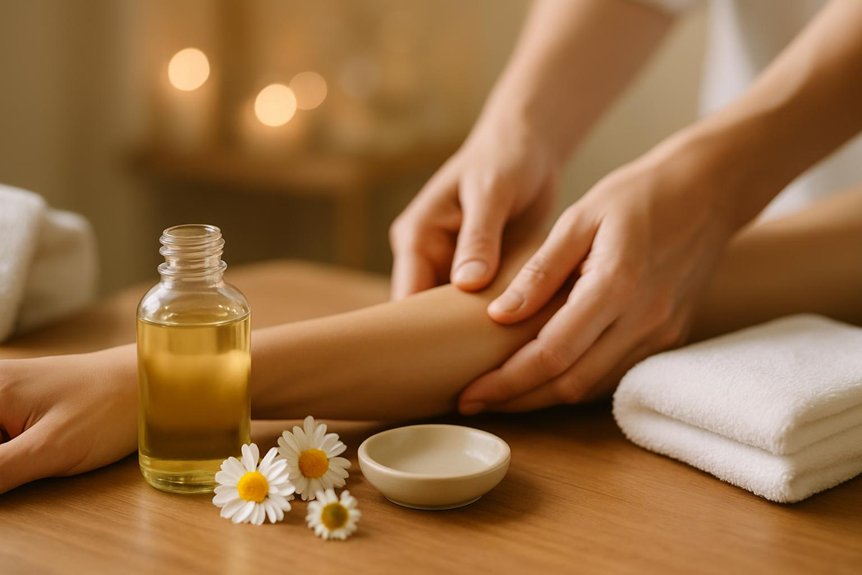
At Spa & Massage, therapists frequently recommend pregnancy massage using unscented, hypoallergenic oils to minimise the risk of skin sensitivity or allergic response. Techniques such as gentle Swedish massage and targeted myofascial release are employed to ease muscular tension, promote circulation, and support maternal wellbeing without introducing potentially contraindicated essential oils.
Reflexology, when performed by trained professionals, may also offer relief from common pregnancy discomforts.
Each approach is tailored to the client’s trimester and medical history, ensuring safety and efficacy.
Aftercare Recommendations for Pregnant Massage Clients
Following massage therapy during pregnancy, appropriate aftercare is essential to optimise therapeutic outcomes and mitigate potential adverse effects.
Spa & Massage therapists recommend pregnant clients rest quietly for at least 15 minutes post-session to allow circulatory and autonomic systems to stabilise. Hydration is encouraged to facilitate metabolic waste elimination mobilised during massage.
Clients should monitor for any delayed-onset symptoms—such as dizziness, localised discomfort, uterine tightening, or unusual fatigue—and promptly report concerns to their healthcare provider. Gentle movement and avoidance of strenuous activity are advised for the remainder of the day.
At Spa & Massage, aftercare guidance is tailored to the client’s trimester, clinical presentation, and treatment goals, ensuring a supportive, individualised experience. This risk-aware approach prioritises maternal and fetal wellbeing throughout the therapeutic process.
Conclusion
To sum up, while aromatic massage can be a balm for the stresses of pregnancy, it is not without its thorns. Clinical evidence underscores the importance of vigilant essential oil selection, meticulous technique adaptation, and risk mitigation to safeguard maternal-fetal health. By adhering to stringent protocols and prioritising safety, Spa & Massage ensures that expectant clients receive only the most appropriate, evidence-based care, thereby minimising potential hazards and supporting both maternal wellbeing and fetal development.