It can be covered by insurance if it is deemed medically necessary, often requiring a referral or prescription from a qualified healthcare professional. Coverage depends on the specific insurance policy, eligibility criteria, and whether the therapist is properly licensed. Documentation supporting medical necessity and adherence to insurer guidelines are essential for approval. Benefits, claim conditions, and submission procedures vary by insurer. By understanding these requirements, individuals can better navigate options and discover how to maximise potential coverage.
Understanding It and Its Benefits
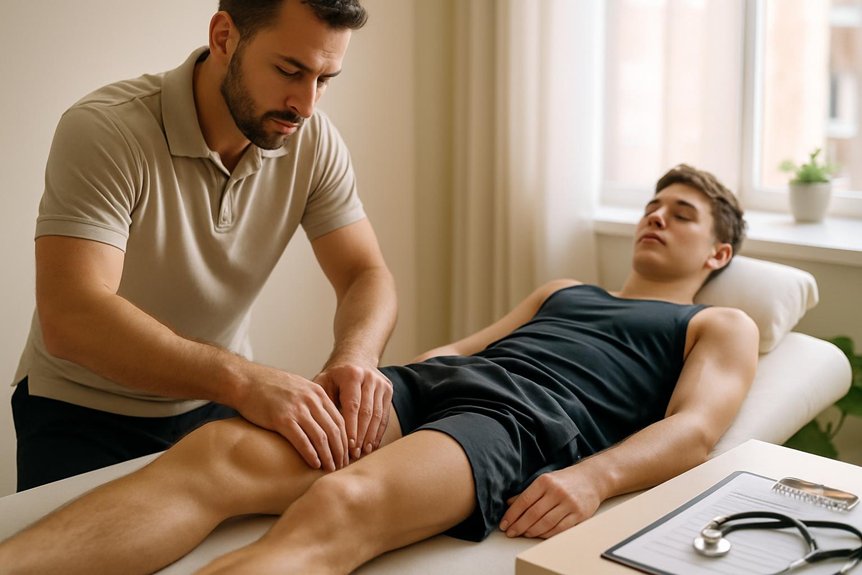
What distinguishes it from other modalities is its targeted approach to enhancing athletic performance, aiding recovery, and preventing injury.
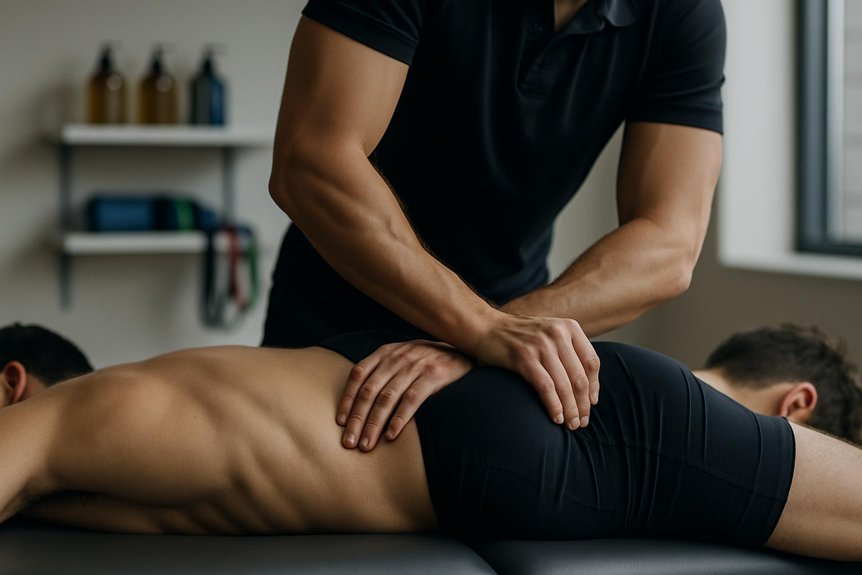
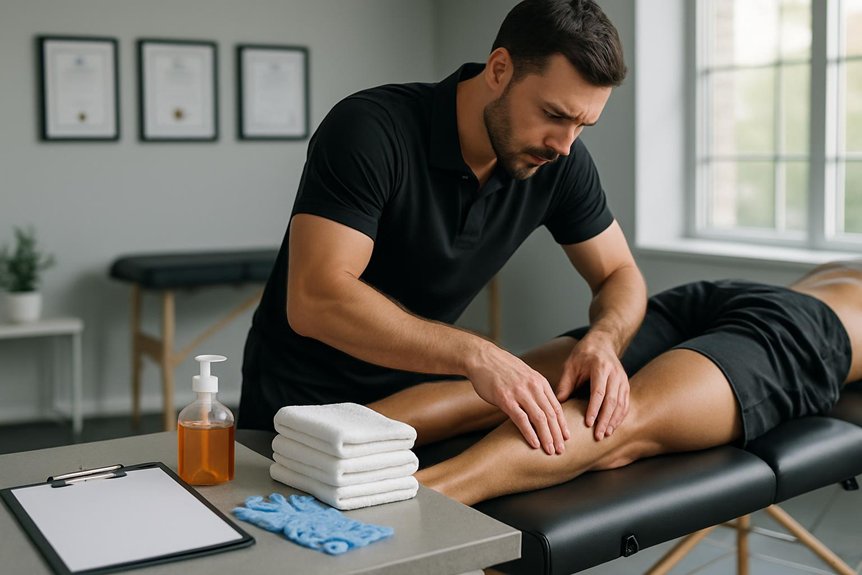
At Spa & Massage, therapists employ precise techniques—such as deep tissue manipulation, friction, and stretching—to address muscle tension, improve circulation, and accelerate healing. This methodical, evidence-based approach is grounded in anatomical knowledge and tailored to each individual’s training demands and physical condition.
Clients benefit from reduced muscle soreness, increased flexibility, and a lowered risk of soft-tissue injuries. Regular sessions can also foster mental clarity and relaxation, supporting overall wellbeing.
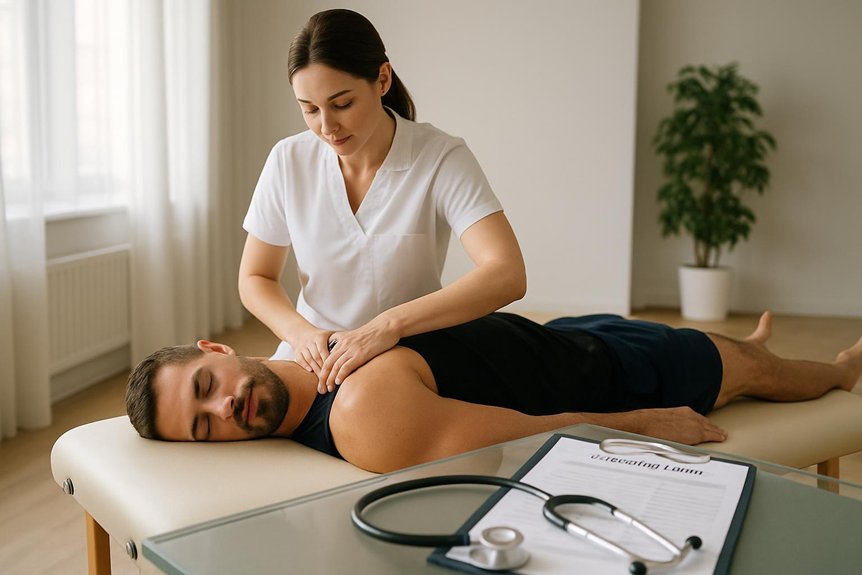
In line with best practices, Spa & Massage therapists conduct thorough assessments to guarantee treatments are both effective and safe, underscoring a commitment to compliance, client comfort, and ideal therapeutic outcomes. Performance massage offers athletes numerous benefits, including support for both physical recovery and mental wellness.
Types of Insurance That May Cover Sports Massage
Although insurance coverage for performance massage varies depending on individual policies and providers, several types of insurance may include provisions for therapeutic massage.
Private health insurance is the most common type, with some plans offering reimbursement for performance massage when deemed medically necessary.
In the UK, certain cash plans or health benefit schemes may also allow claims for massage therapy from registered practitioners.
Additionally, personal injury insurance, such as policies covering accidents or workplace injuries, may extend to therapeutic treatments like performance massage as part of rehabilitation.
At Spa & Massage, therapists are experienced in providing documentation clients may require for insurance claims.
However, clients are encouraged to verify their own policy details to guarantee that performance massage services qualify under their particular insurance arrangements.
Eligibility Criteria for Insurance Coverage
Eligibility for insurance coverage of performance massage depends on specific criteria set by each insurance provider and policy.
Generally, insurance companies require that the performance massage be deemed medically necessary, often supported by a referral or prescription from a qualified healthcare professional.
The massage must typically be performed by a licensed therapist whose credentials meet the standards recognised by insurers.
Some policies specify that the treatment address a diagnosed condition, such as injury rehabilitation or chronic pain management, rather than general well-being or relaxation.
At Spa & Massage, all therapists are fully qualified and experienced in providing performance massage for a variety of needs, ensuring compliance with the highest professional standards, which can facilitate claims when eligibility requirements are met.
Documentation and accurate record-keeping are essential for approval.
How to Check Your Policy for Performance Massage Benefits
When evaluating insurance coverage for performance massage, individuals should review their policy documents for specific inclusions related to therapeutic or remedial massage treatments.
It is essential to follow a structured verification process, which includes confirming whether performance massage is explicitly listed as a covered benefit and identifying any referral or provider requirements.
Spa & Massage recommends that clients contact their insurer directly with precise questions to ensure full compliance and accurate understanding of their benefits.
Key Policy Inclusions
How can individuals guarantee their insurance policy covers performance massage benefits? The answer lies in understanding the precise inclusions listed within the policy documentation. Policies may use terms such as “complementary therapies,” “rehabilitative services,” or “manual therapy,” each carrying specific definitions and coverage scopes.
At Spa & Massage, clients are encouraged to carefully review sections pertaining to allied health, physical therapy, or alternative treatments, as these are most likely to reference performance massage eligibility.
It is essential to confirm whether the policy requires treatment to be prescribed by a GP or performed by a licensed therapist, criteria our clinics meet.
Scrutiny of annual benefit limits, session caps, and excluded conditions ensures full compliance and avoids unexpected costs, fostering peace of mind for every client.
Steps for Verification
Before booking any performance massage treatment, it is critical for individuals to conduct a thorough review of their insurance policy documents to confirm coverage eligibility.
The first step involves locating the section detailing complementary or alternative therapies, where performance massage is often listed.
Next, individuals should check for any requirements, such as referrals from a GP or treatment by a qualified therapist—criteria met by practitioners at Spa & Massage clinics.
It is advisable to contact the insurance provider directly for clarification on specific benefits, allowable treatment frequencies, and claim procedures.
Documenting all communications and retaining written confirmation can help prevent misunderstandings.
This careful verification process guarantees that clients at Spa & Massage experience both peace of mind and seamless access to their entitled wellness benefits.
The Role of Referrals and Medical Necessity
Insurance providers often require a referral from a GP to authorise coverage for performance massage treatments.
Establishing medical necessity through appropriate documentation is essential to meet policy compliance standards.
Clients at Spa & Massage are advised to secure the necessary referral and evidence prior to booking, ensuring their treatment aligns with insurer requirements.
Importance of GP Referrals
Many individuals seeking performance massage for injury rehabilitation or persistent discomfort may require a General Practitioner (GP) referral to guarantee the treatment is both medically necessary and appropriate.
Insurance providers often rely on such referrals as evidence that performance massage is part of an approved care plan, rather than an elective or wellness service.
At Spa & Massage, therapists regularly collaborate with clients who have obtained GP referrals, ensuring treatments align with medical guidance while delivering the highest standard of care.
This approach not only strengthens the legitimacy of the massage therapy but also enhances the likelihood of insurance coverage.
Additionally, a GP referral supports a more tailored treatment plan, enabling therapists to address specific medical concerns and document progress in accordance with insurance requirements.
Proving Medical Necessity
To secure insurance coverage for performance massage, clear evidence of medical necessity must be established, typically through documentation such as GP referrals and extensive treatment notes.
Insurers require a detailed rationale that illustrates how performance massage contributes to the treatment of a diagnosed medical condition or supports injury recovery, rather than serving solely for relaxation or general wellness.
At Spa & Massage, therapists collaborate closely with clients’ healthcare providers, ensuring that all relevant clinical details, progress notes, and recommended treatment plans are accurately recorded.
This meticulous approach not only fulfils insurer requirements but also supports continuity of care and optimises therapeutic outcomes.
Clients are encouraged to maintain open communication with both their GP and their massage therapist, fostering a transparent process that validates the need for ongoing treatment.
Steps to Claim Performance Massage Treatments
Wondering how to navigate the process of claiming performance massage treatments? The first step involves obtaining a formal referral or recommendation from a qualified healthcare provider, as most insurers require documented medical necessity.
At Spa & Massage, clients often request supporting documentation from their therapist, detailing the type of treatment and observed benefits.
Next, verify that all receipts include the therapist’s credentials, clinic details, and the specific nature of the service received.
Submit these documents, along with any insurer-specific claim forms, directly to your insurance provider.
It is essential to follow each insurer’s guidelines precisely, retaining copies of all submissions for your records.
Spa & Massage recommends confirming coverage details in advance to avoid unexpected denials or delays during the claims process.
Tips From Spa & Massage for Maximising Your Coverage
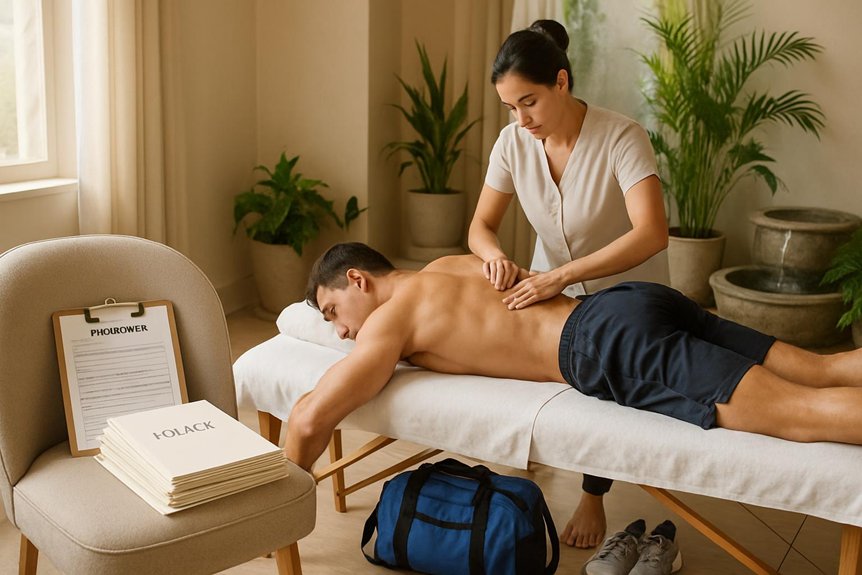
While steering through performance massage insurance coverage can seem complex, Spa & Massage emphasises several key practices to help clients secure the maximum benefit from their policies.
Clients are encouraged to confirm their insurer’s specific requirements for eligible treatments, including whether a GP referral or pre-authorisation is necessary.
Retaining detailed receipts, which therapists at Spa & Massage provide, is essential for seamless claims processing.
Clients should clarify with their insurer if their chosen therapist’s qualifications meet coverage criteria — Spa & Massage therapists are fully certified and experienced.
Transparency regarding session notes and treatment plans is crucial, as some insurers may request supporting documentation.
Finally, booking regular sessions and maintaining open communication with both the clinic and insurer helps maximise long-term benefits while ensuring compliance at every stage.
Conclusion
Managing insurance coverage for performance massage requires careful review of policy details, eligibility requirements, and proper documentation. For instance, a London marathon runner found her treatments reimbursed after securing a GP referral and choosing a registered therapist at Spa & Massage. This example shows that, with diligence and adherence to insurer guidelines, clients can maximise their benefits. By staying informed and proactive, individuals can effectively support their health and recovery while ensuring compliance with insurance protocols.