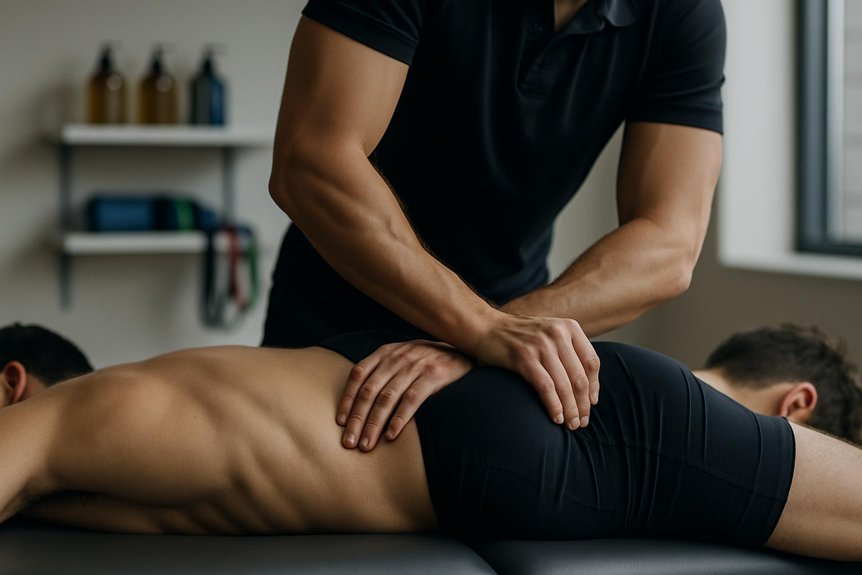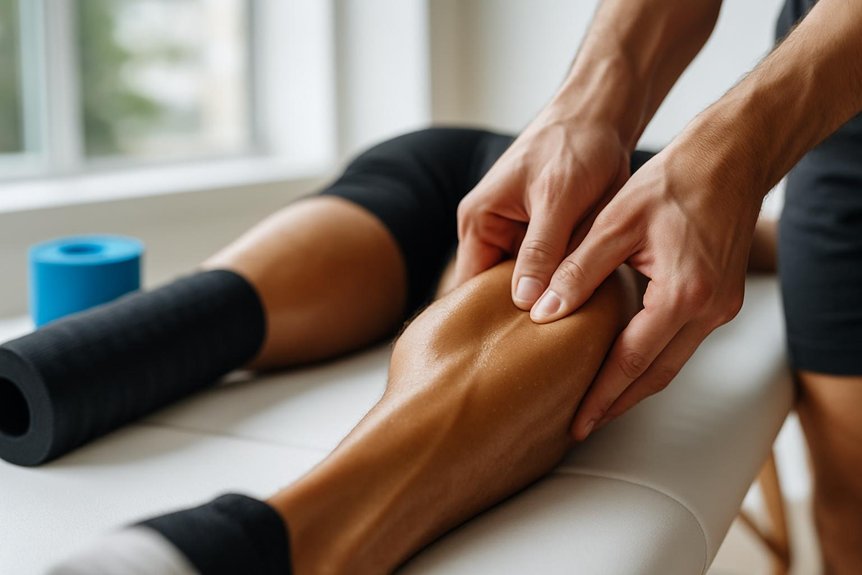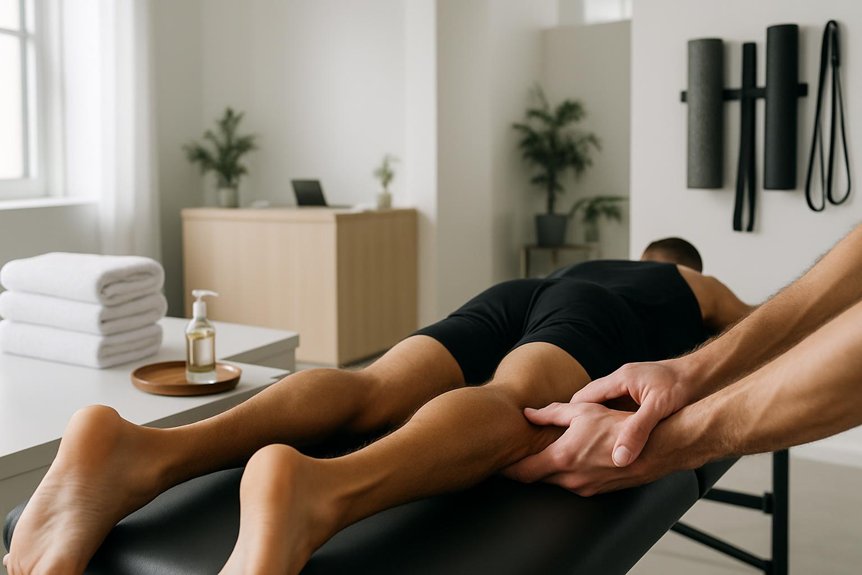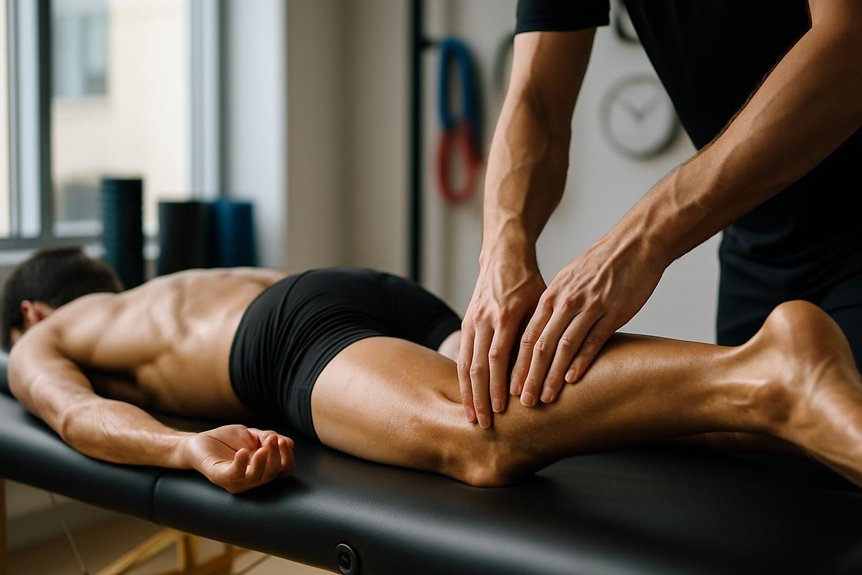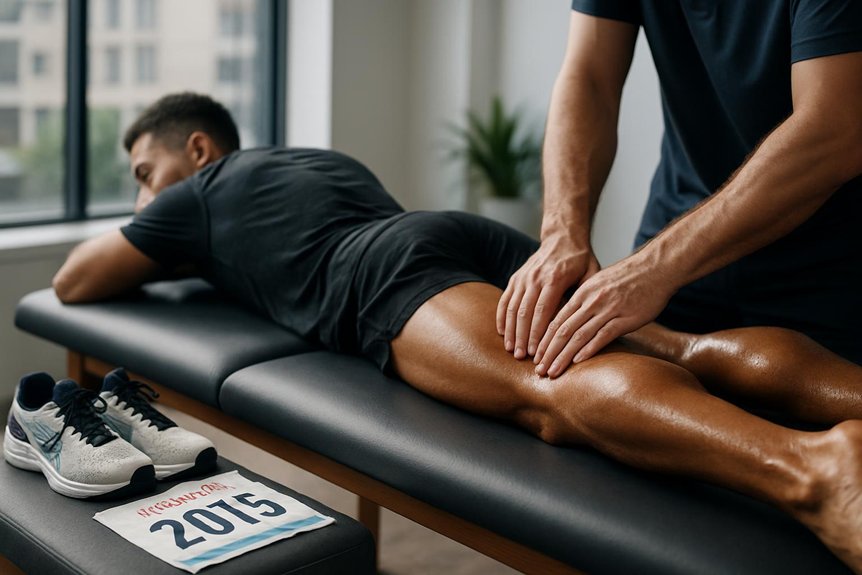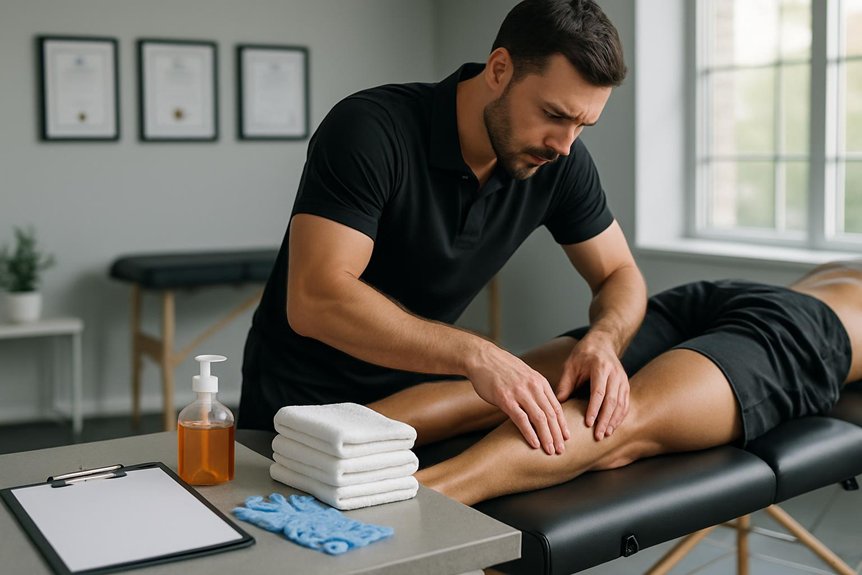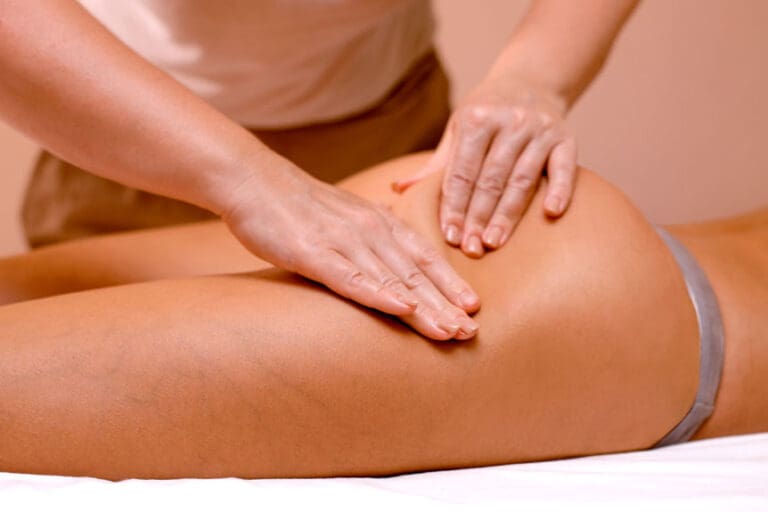
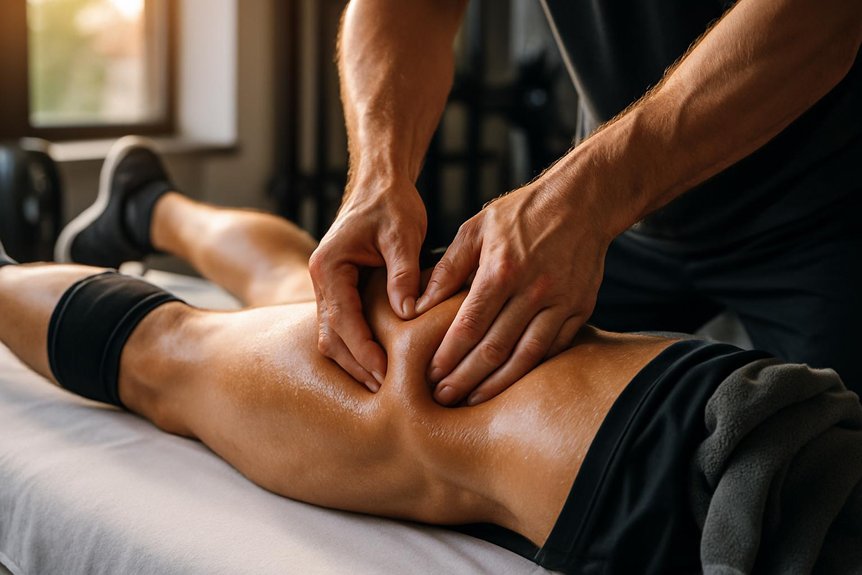
It offers significant benefits for those with active or physically demanding lifestyles. By using targeted deep tissue techniques, myofascial release, and dynamic stretching, it helps reduce muscle tension, improve flexibility, and enhance circulation. These methods aid in quicker recovery, address muscular imbalances, and assist in injury prevention. Anyone from athletes to sedentary workers with postural stress may find improvements in movement efficiency and recovery. Further exploration will reveal how sessions are tailored and what aftercare maximizes results.
Understanding Sports Massage: What Sets It Apart
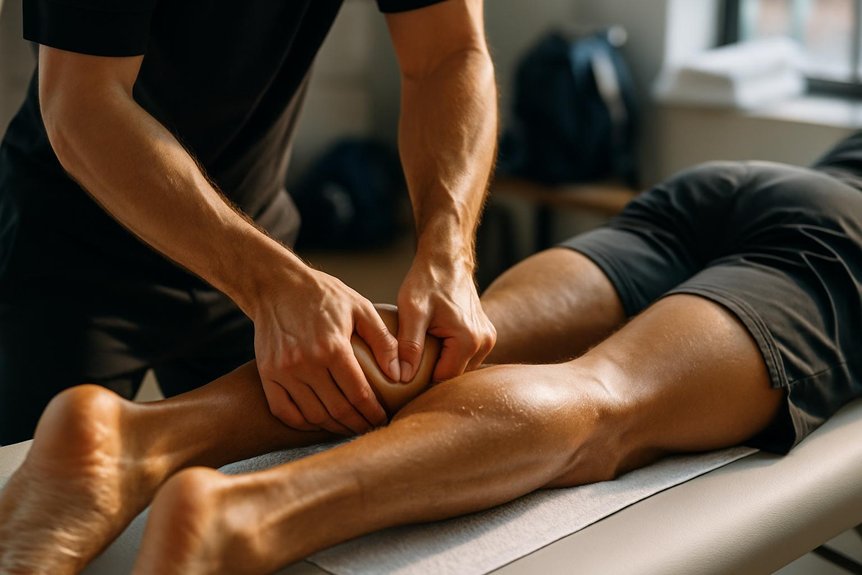
What distinguishes performance massage from other modalities is its targeted approach to the musculoskeletal system, focusing on enhancing athletic performance, aiding recovery, and preventing injury.
At Spa & Massage, therapists assess each client’s unique patterns of tension, mobility, and muscle imbalances. Techniques such as deep tissue manipulation, myofascial release, and rhythmic stretching are precisely selected to address specific muscle groups and connective tissues most impacted by physical activity.
This attention to anatomical detail allows practitioners to work with the body’s biomechanics, supporting ideal movement and resilience. Sessions are often tailored to the phases of training or competition, ensuring muscles remain supple yet strong.
This intimate, methodical touch goes beyond relaxation, fostering a deeper connection with one’s body and physical goals. In particular, therapists often incorporate the benefits and techniques of deep tissue massage to more effectively relieve chronic muscle tension and support optimal recovery for athletes.
Key Benefits of Performance Massage for Active Lifestyles
How does performance massage serve those leading active lifestyles? At Spa & Massage, therapists understand that consistent physical activity places unique demands on muscles, tendons, and fascia.
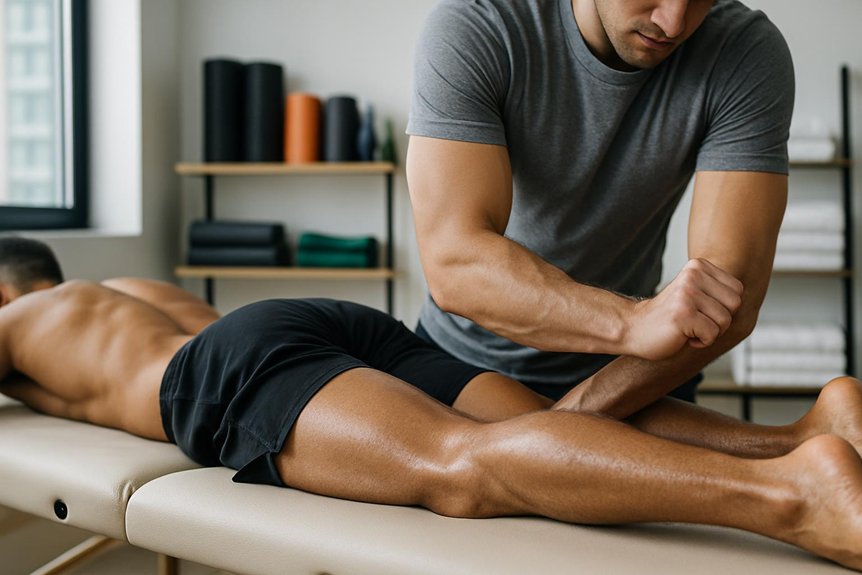
Performance massage targets these structures with specific techniques such as deep tissue manipulation and myofascial release, promoting increased circulation and efficient lymphatic drainage. This approach helps reduce muscular tension, dissolve knots, and restore suppleness, making each movement feel more fluid and responsive.
For clients who train regularly, performance massage enhances flexibility and range of motion, allowing for smoother *passages* between exertion and recovery.
How Athletic Massage Therapy Supports Injury Prevention and Recovery
Beyond enhancing flexibility and aiding active routines, athletic massage therapy plays a strategic role in both injury prevention and recovery.
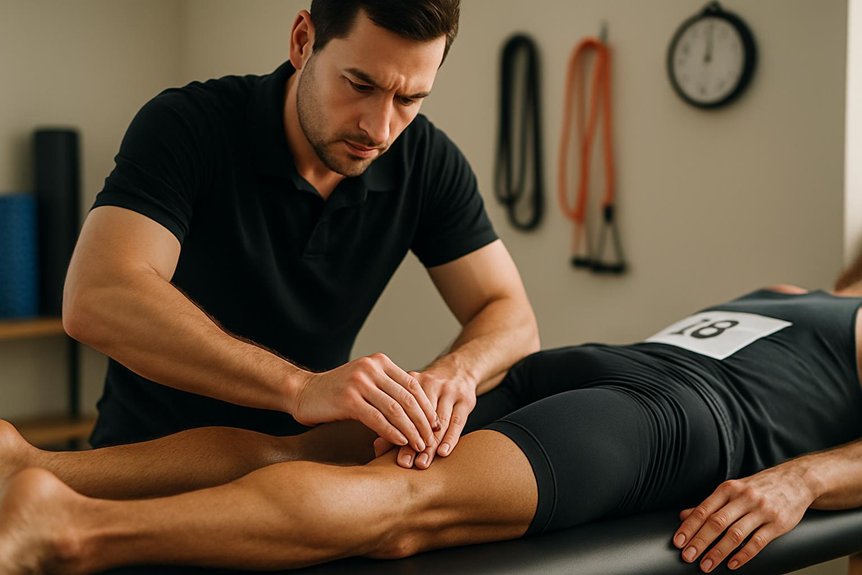
By utilising anatomically-targeted techniques—such as deep tissue pressure, myofascial release, and precise stretching—therapists at Spa & Massage help reduce muscle adhesions and promote healthy circulation. This hands-on approach addresses microtraumas, supporting the body’s natural repair mechanisms while minimising the risk of future strain.
Additionally, professional assessment allows therapists to identify areas of muscular imbalance or overuse, creating opportunities for early intervention before discomfort evolves into injury.
During recovery, athletic massage therapy works to alleviate inflammation, encourage lymphatic drainage, and restore prime tissue elasticity. This not only reduces downtime but also empowers clients to return to their chosen activities feeling restored, resilient, and intimately connected to their physical wellbeing.
Who Can Benefit From This Therapy?
Whether aiming to boost athletic performance or address chronic muscular tension, individuals from a broad spectrum of activity levels can gain measurable benefits from athletic massage therapy.
Athletes, weekend exercisers, and those with physically demanding occupations all stand to improve muscular function and flexibility through targeted manipulation of soft tissues.
At Spa & Massage, therapists expertly tailor techniques such as deep tissue work, myofascial release, and trigger point therapy to address specific anatomical concerns—be it repetitive strain, limited range of motion, or fatigue.
Even individuals leading more sedentary lifestyles may benefit, as athletic massage therapy can alleviate postural imbalances and promote circulation.
Each session is designed to foster a sense of physical renewal, inviting the body to recover, adapt, and perform at its natural best.
What to Expect During a Massage Session
During a massage session at Spa & Massage, clients experience a systematic approach that targets key muscle groups and connective tissues most impacted by physical activity. The therapist begins with a brief consultation, evaluating areas of tension or previous injury to tailor the treatment.
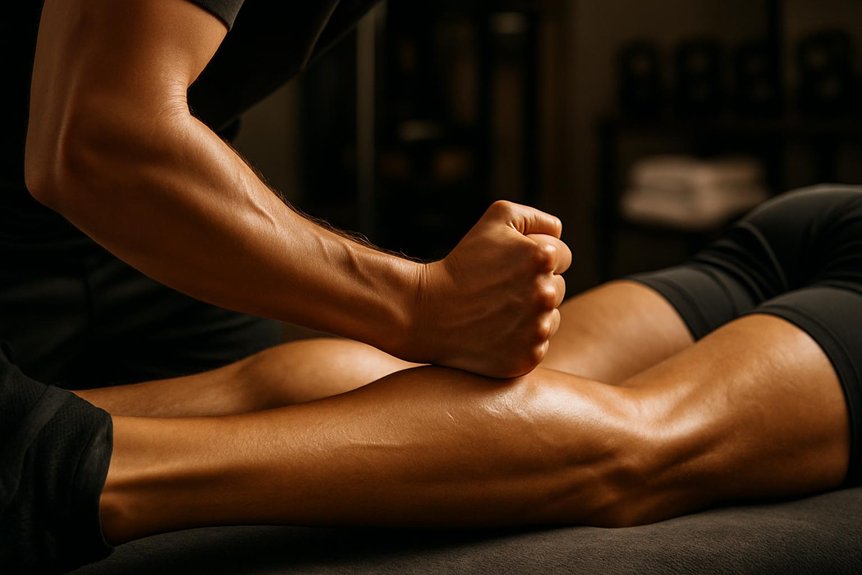
Using anatomically-guided techniques such as deep gliding strokes, kneading, compression, and targeted friction, the therapist works methodically to increase circulation, release adhesions, and restore mobility in muscle fibres and fascia.
Attention is paid to both superficial and deeper structures, responding intuitively to the body’s feedback. This hands-on engagement fosters a heightened sense of connection, enabling effective relief of strain and fatigue.
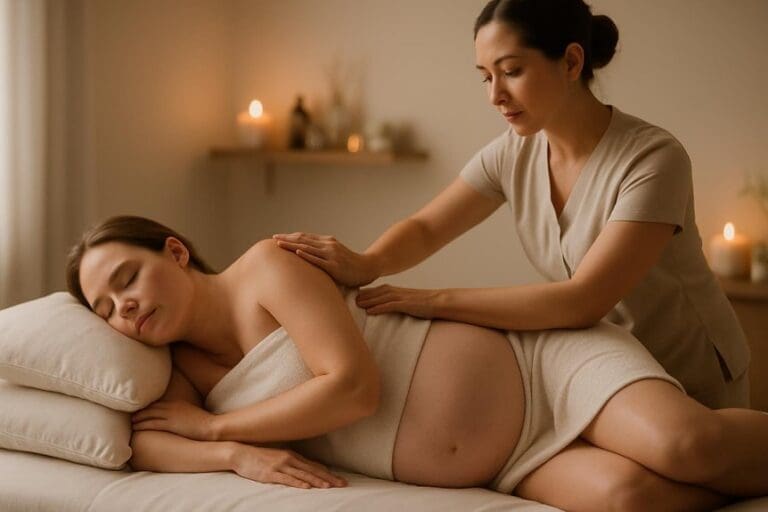
Each session is designed to support performance, prevent injury, and deliver personalised care within a tranquil, private setting.
Aftercare Tips for Maximising Performance Massage Results
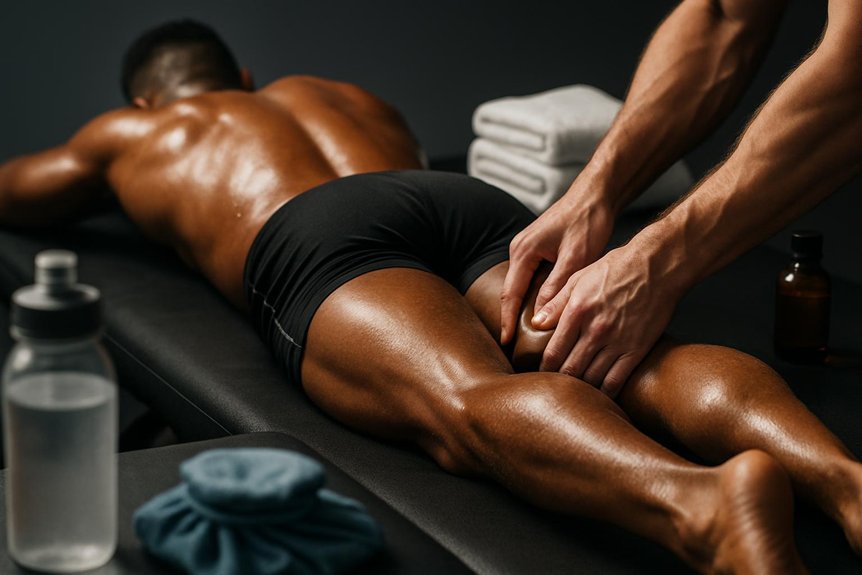
Ideal recovery and performance gains following a athletic massage therapy depend considerably on effective aftercare practices.
At Spa & Massage, therapists advise gentle movement post-session to facilitate circulation and optimise metabolic waste removal from muscle tissues. Hydration is essential; water aids in flushing out toxins released during massage, supporting tissue recovery.
Clients are encouraged to apply targeted stretches recommended by their therapist to enhance muscle elasticity and reduce residual tension.
Avoiding intense exercise for 24 hours allows microtrauma in muscle fibres to heal undisturbed, maximising physiological benefits.
Warm baths can soothe the nervous system and maintain suppleness.
In Spa & Massage clinics, aftercare guidance is always personalised, ensuring each client receives the tailored advice needed to nurture their body, prevent soreness, and achieve lasting massage results.
Conclusion
In conclusion, athletic massage therapy acts as both shield and remedy for the body’s intricate musculature, enhancing performance and accelerating recovery with each expertly applied technique. For athletes and everyday movers alike, its benefits extend beyond the treatment room—serving as a cornerstone for injury prevention, flexibility, and resilience. When delivered by skilled therapists with anatomical precision, performance massage becomes not merely a luxury, but a strategic tool for supporting ideal movement and long-term musculoskeletal health.