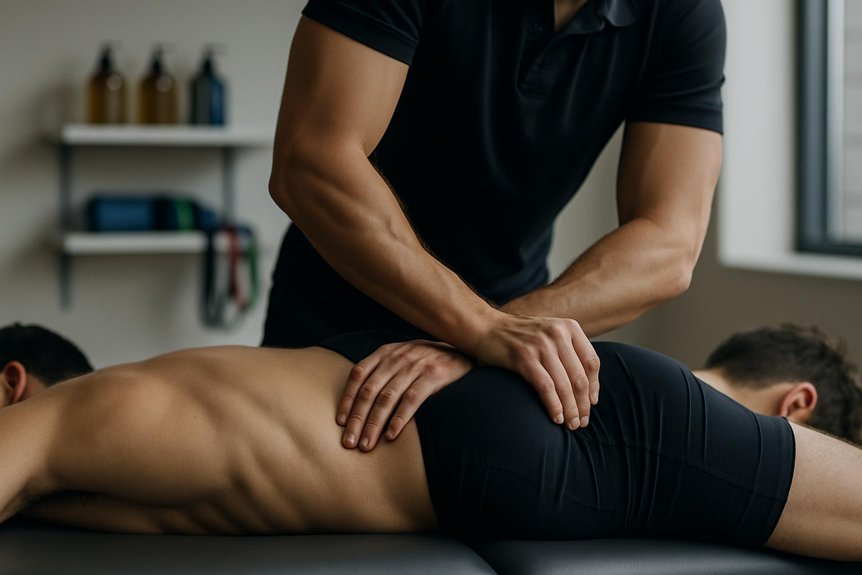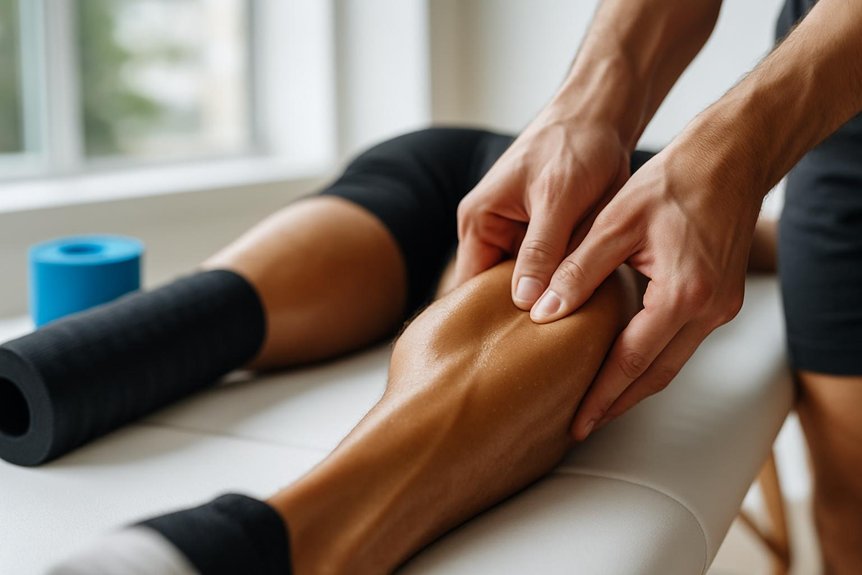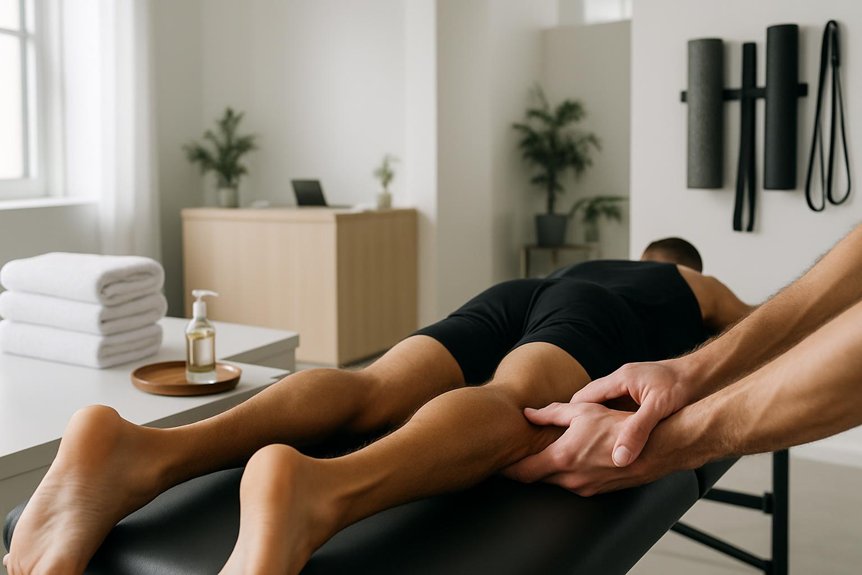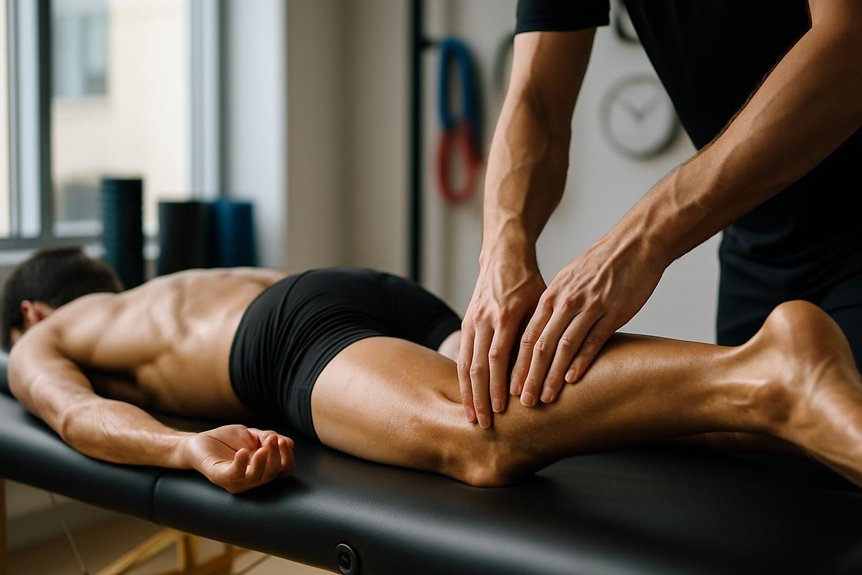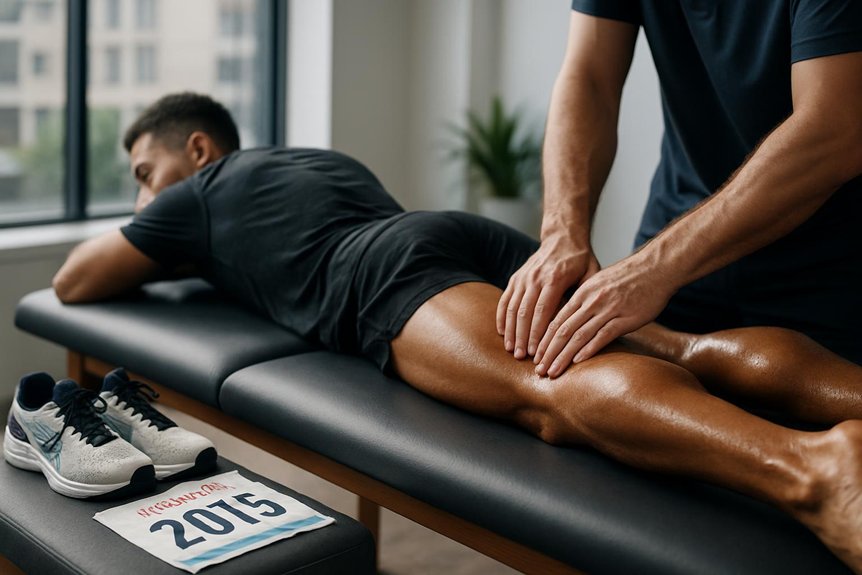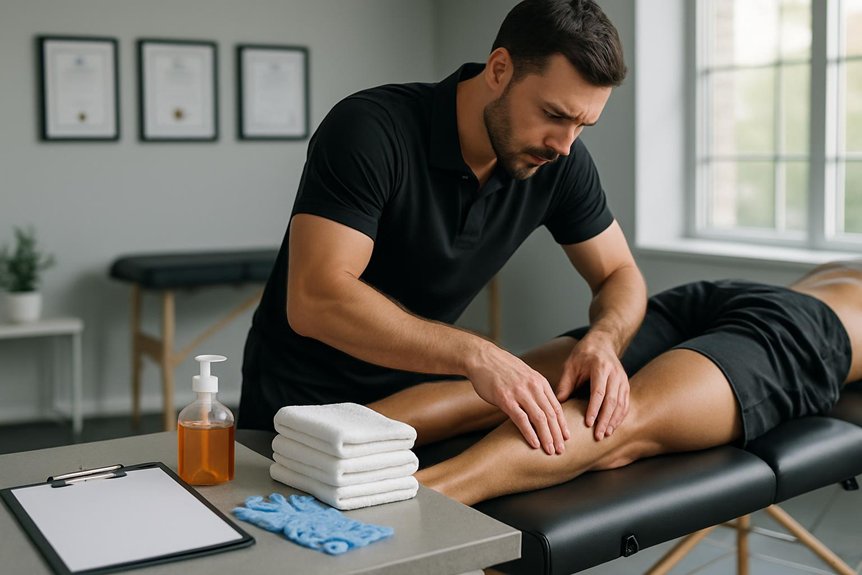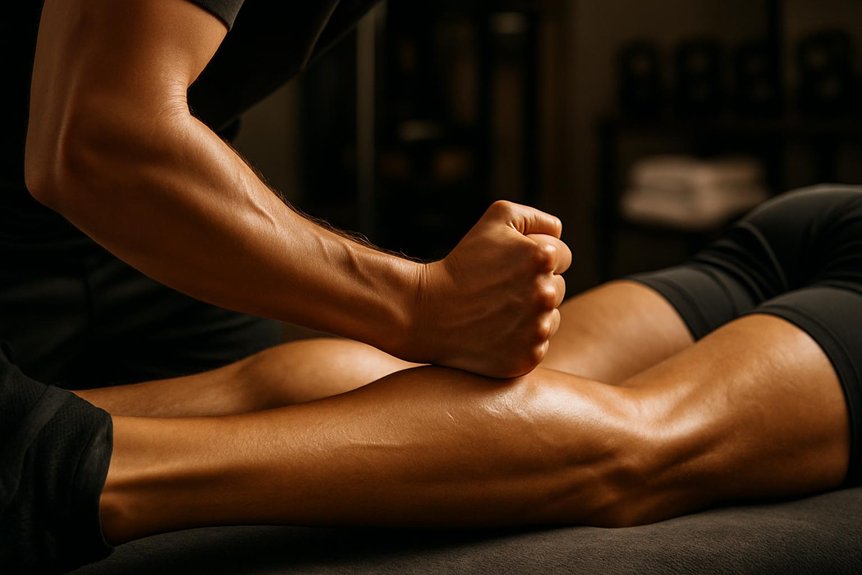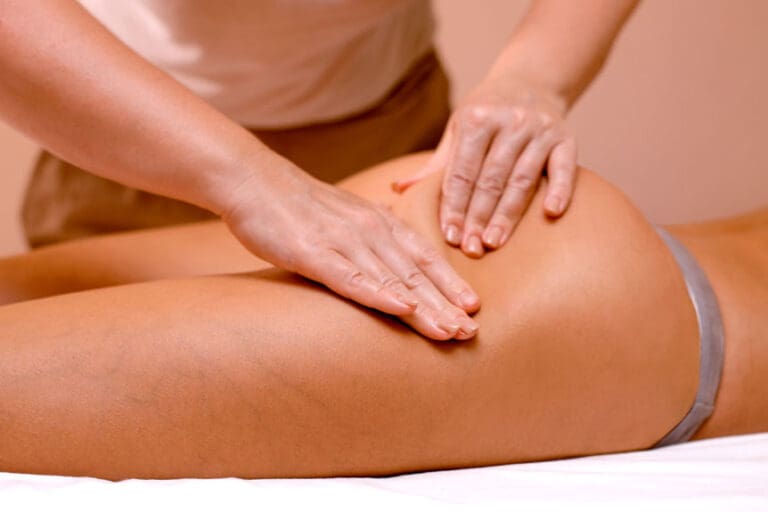
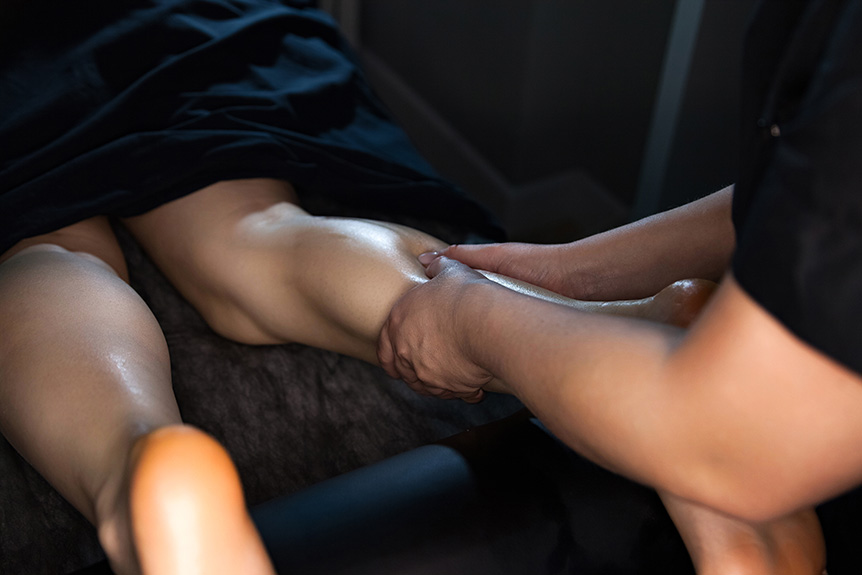
An athletic massage may involve deep, targeted pressure that creates a sensation of productive discomfort, often described as intense yet therapeutic. It should not elicit sharp, stabbing, or lingering pain. Therapists apply gradual pressure and use techniques to adapt to individual sensitivity, ensuring comfort and safety. Effective communication between client and therapist is essential in distinguishing beneficial discomfort from harmful pain. Those interested in how discomfort is minimized and managed during a session can find further details ahead.
Understanding the Sensations of Sports Massage
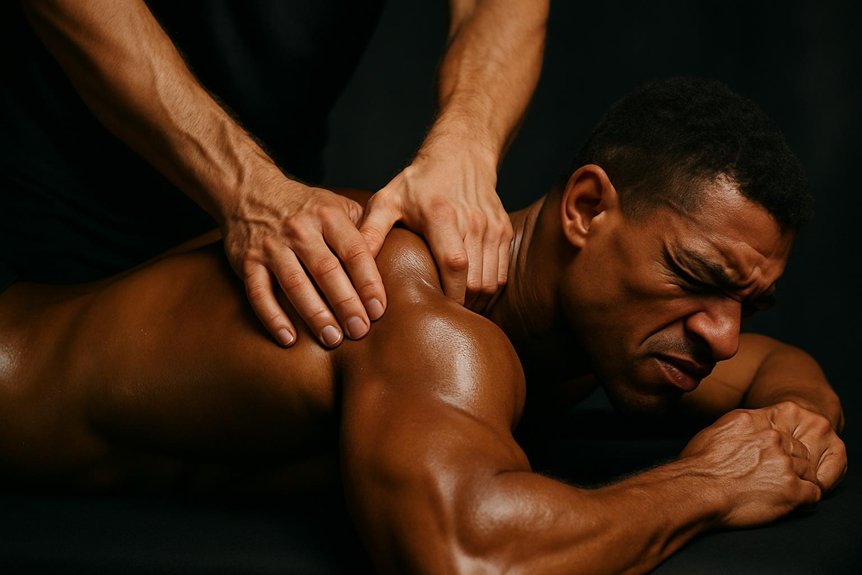
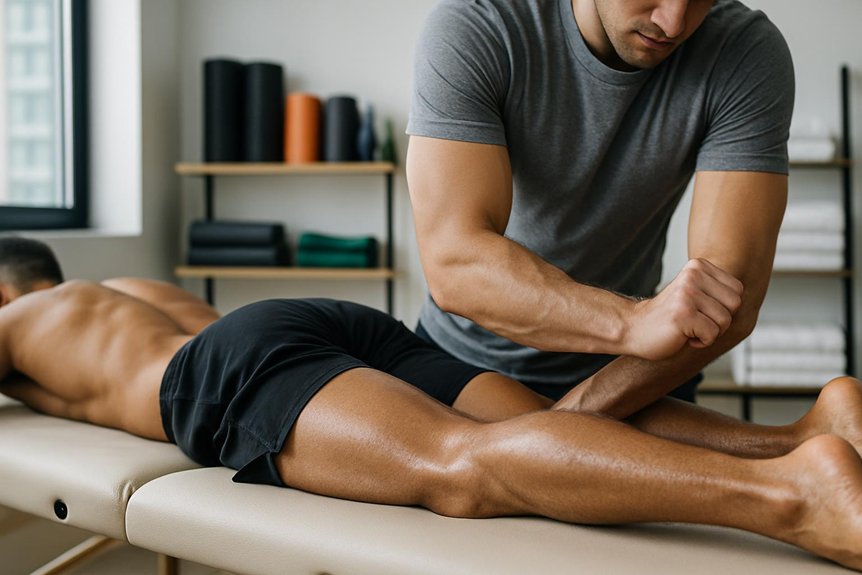
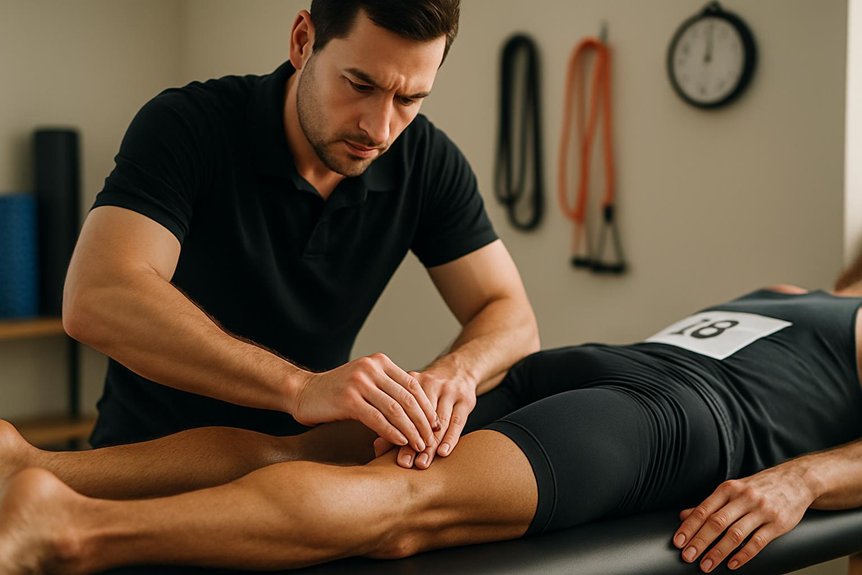
How does a it actually feel? During a session at Spa & Massage, individuals experience a carefully calculated blend of firm, deliberate pressure and rhythmic manipulation targeting specific muscle groups and connective tissues.
The sensation is often described as deeply therapeutic—intense yet purposeful—as skilled therapists work through layers of muscle fibres, fascia, and tendons. Clients may notice warmth, stretching, and focused compression in areas holding tension or post-exercise fatigue.
The experience is not simply about pressure; it is attentive, responsive, and tailored, with therapists constantly adjusting their technique to match the body’s feedback. The goal is to foster relaxation, promote circulation, and facilitate muscular recovery, all while maintaining a sense of trust and safety that encourages clients to fully surrender to the therapeutic touch. Deep tissue techniques are often incorporated into athletic massage, as deep tissue massage specifically targets deeper layers of muscle and connective tissue to relieve chronic tension and support athletic performance.
Differentiating Between Productive Discomfort and Pain
While the sensations of athletic massage at Spa & Massage can be intense, it is important to distinguish between productive discomfort and actual pain.
Productive discomfort typically feels like a deep, targeted pressure within the muscle belly or fascia, often accompanied by a sense of release as tension dissipates. This sensation is temporary and should not linger after the therapist moves to a new area.
In contrast, pain is sharp, stabbing, or causes breath-holding and muscle guarding. Pain may radiate or persist long after the pressure is removed, signaling that tissue may be at risk.
At Spa & Massage, therapists carefully monitor feedback, prioritizing your safety and comfort, so that every session nurtures your body while respecting its boundaries for a truly restorative experience.
Techniques Used by Our Therapists to Minimise Discomfort
To assure effective results without unnecessary discomfort, therapists at Spa & Massage employ a range of evidence-based techniques tailored to each client’s anatomy and needs. Each session begins with a precise assessment of musculoskeletal tension and individual pain thresholds.
Therapists apply gradual pressure, allowing tissues to adapt and respond without triggering pain receptors. Specific techniques, such as myofascial release and controlled deep tissue strokes, are used to target adhesions without causing trauma to surrounding structures.
In our clinics, hypoallergenic oils are selected to reduce friction and facilitate smooth, confident movements over sensitive areas. Attention is given to muscle temperature, with warming techniques used to increase pliability and minimise sensitivity.
This approach ensures the therapeutic benefits of athletic massage are delivered in a mindful, client-focused manner.
Communicating With Your Therapist for a Comfortable Experience
Open communication between client and therapist is essential for achieving both comfort and therapeutic effectiveness during a athletic massage.
At Spa & Massage, therapists encourage clients to express any sensations—whether pressure feels too intense or a particular area is sensitive.
The anatomical regions such as the iliotibial band or trapezius may be more tender; recognizing this allows therapists to adjust technique and pressure in real time.
Evidence demonstrates that client feedback helps prevent exceeding pain thresholds, thereby protecting soft tissue from unnecessary strain or microtrauma.
A respectful dialogue fosters trust, enabling therapists to tailor each session to the individual’s needs and preferences.
This collaborative approach ensures the experience remains restorative, supporting both muscular recovery and a sense of deep personal care.
Aftercare Tips for Easing Post-Massage Soreness
Effective communication during a athletic massage lays the groundwork for an ideal recovery process, yet post-treatment care plays an equally significant role in maximising benefits and minimising discomfort.
At Spa & Massage, therapists recommend gentle movement and targeted stretching following a session to maintain increased circulation and support tissue recovery.
Applying a cold compress to areas of heightened tenderness may reduce localised inflammation, while adequate hydration facilitates metabolic waste removal from muscle fibres.
Warm baths or showers can soothe residual tightness, promoting relaxation and flexibility.
Clients are encouraged to monitor their bodies, resting as needed and avoiding strenuous activity for 24 hours post-massage.
Should soreness persist beyond 48 hours, seeking guidance from a qualified practitioner ensures safe, tailored aftercare, in line with Spa & Massage’s client-centred approach.
Conclusion
A athletic massage, when expertly applied, should evoke sensations akin to the deliberate stretching of muscle fibres—intense yet controlled, never sharp or overwhelming. Evidence shows that productive discomfort, not pain, optimises tissue repair and mobility. At Spa & Massage, therapists precisely tailor pressure to individual thresholds, ensuring therapeutic benefit without unnecessary distress. Ultimately, informed communication and aftercare transform the athletic massage from a test of endurance into a catalyst for recovery, resilience, and peak performance.