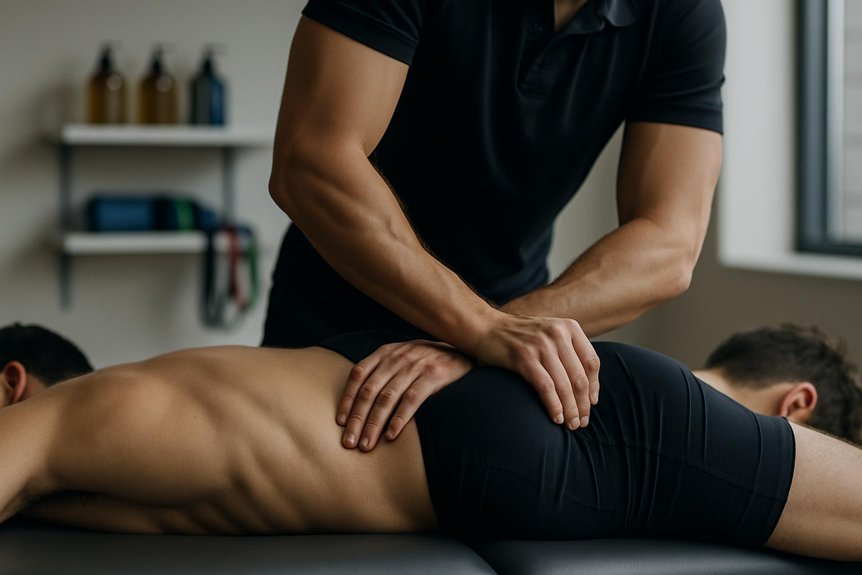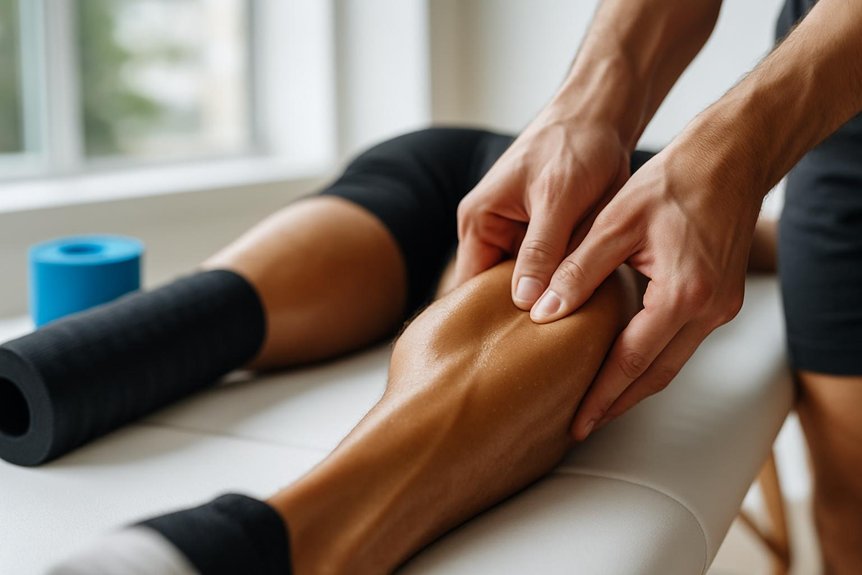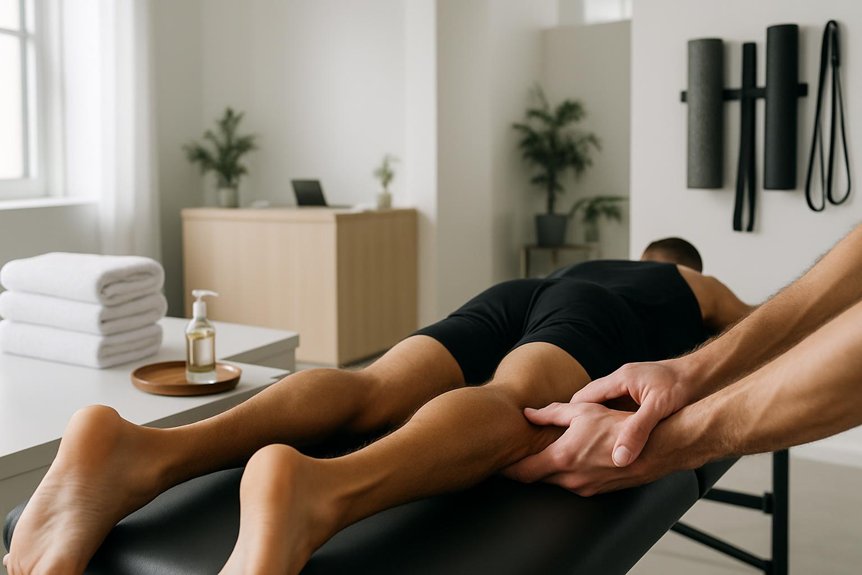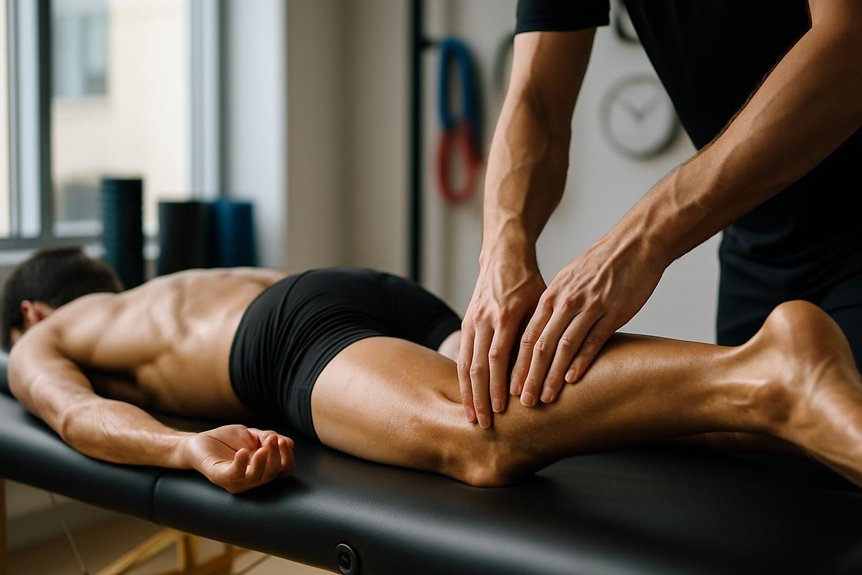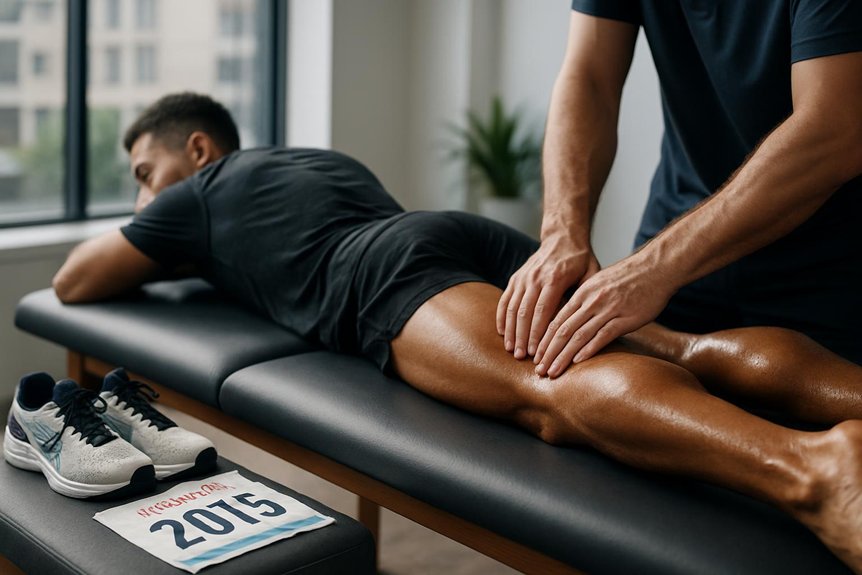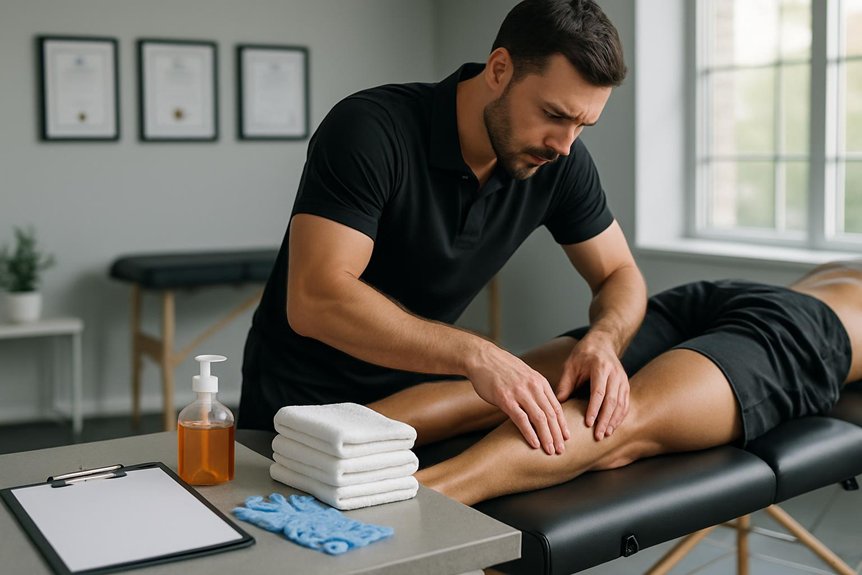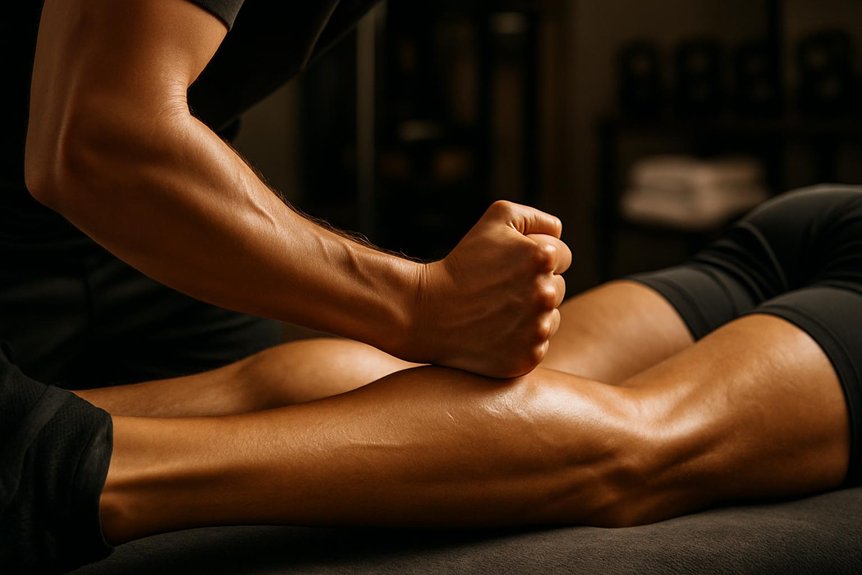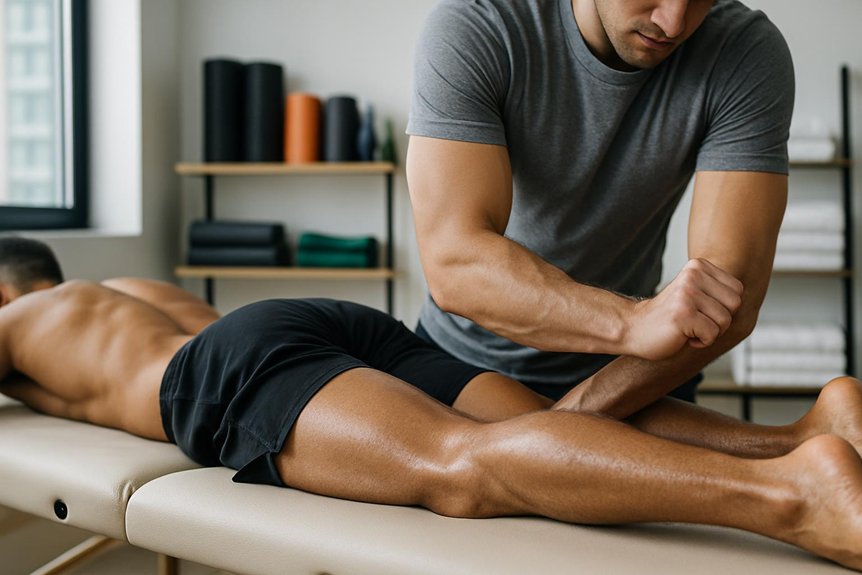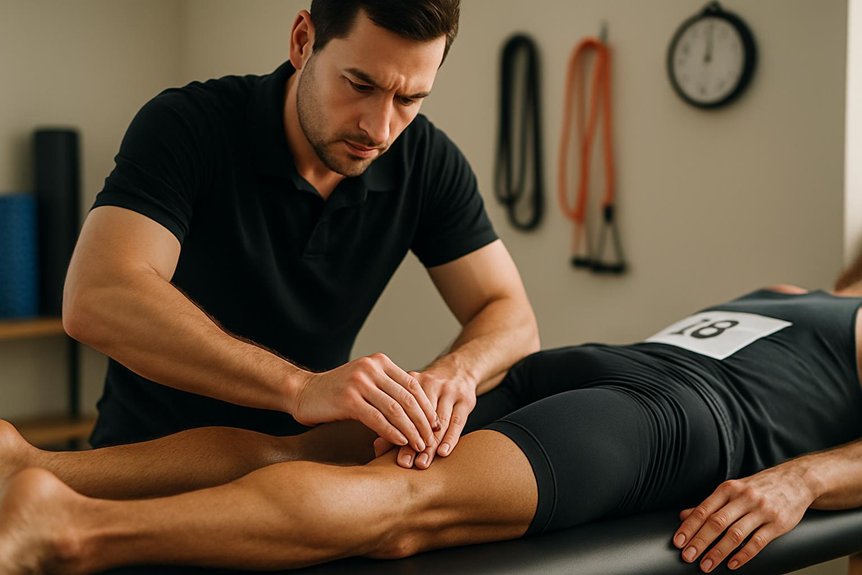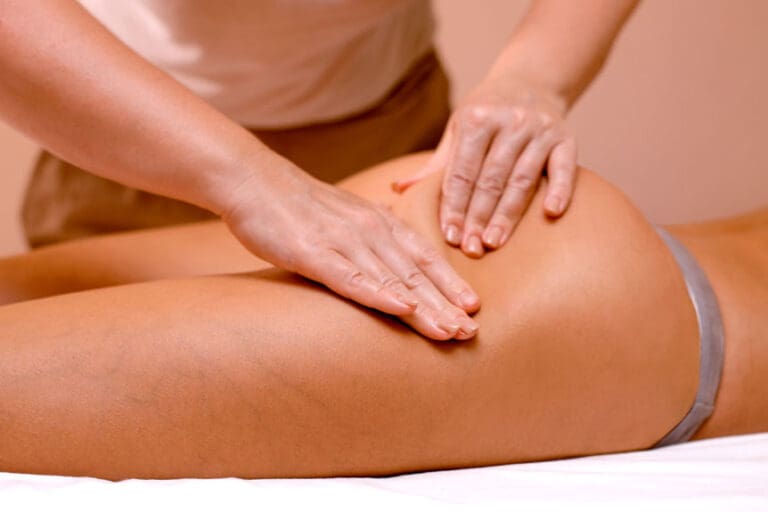
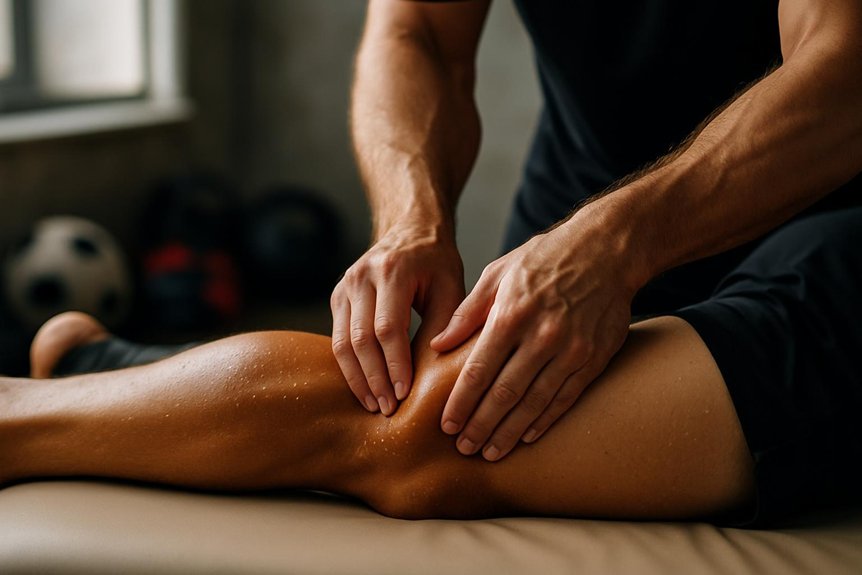
This are beneficial for improving musculoskeletal function, optimizing neuromuscular activation, and supporting tissue repair. They address myofascial adhesions, restore muscle tone, and enhance joint mobility, which reduces the risk of strains and overuse injuries. Techniques increase circulation, accelerate recovery by managing inflammation and metabolic byproducts, and promote proprioceptive and biomechanical alignment. By reducing muscle tension and fostering physiological and mental balance, athletic massages offer in-depth support for athletic health. Further insights await in the subsequent sections.
Enhancing Athletic Performance
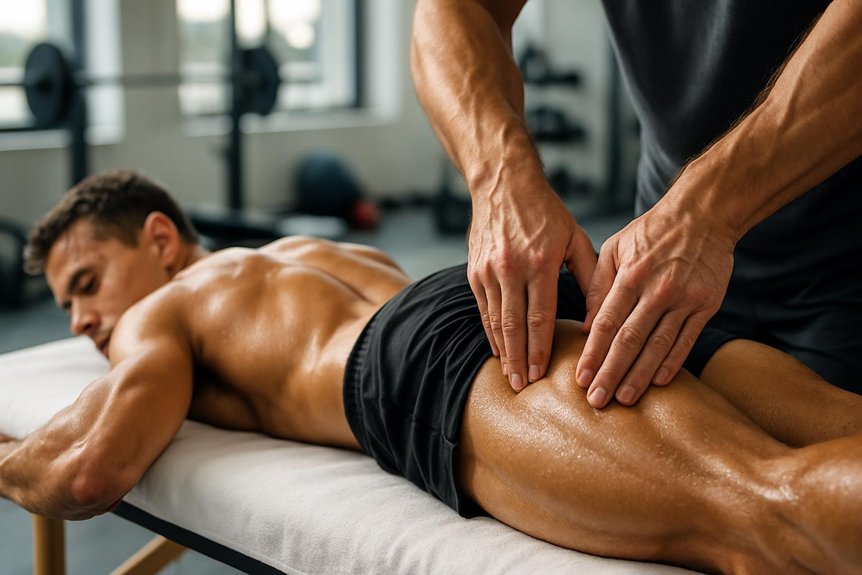
Athletic massage, as practiced by Spa & Massage, employs precise techniques that address myofascial adhesions, enhance muscle suppleness, and promote excellent joint mobility. By targeting specific muscle groups under repetitive strain, therapists help restore normal tissue tone, reduce neuromuscular tension, and improve proprioceptive awareness.
This intervention facilitates efficient neuromuscular firing patterns, encouraging biomechanical alignment and reducing compensatory movement patterns that can predispose athletes to injury.
Through the manipulation of soft tissues, circulation is enhanced, oxygenation is improved, and metabolic waste is more effectively cleared. Such physiological changes support the maintenance of tissue integrity during intense training regimens.
With consistent, anatomically informed sessions at Spa & Massage, athletes experience improved flexibility, power generation, and functional resilience, establishing a foundation for peak performance and sustained participation. In addition to these benefits, sports massage for athletes has been shown to contribute to faster recovery times and overall well-being.
Accelerating Recovery After Exercise
Post-exercise athletic massage plays a critical role in mitigating delayed onset muscle soreness by targeting myofascial tension and aiding metabolic waste removal.
By enhancing local blood flow and lymphatic drainage, this intervention optimizes tissue oxygenation and nutrient delivery, thereby accelerating physiological recovery.
At Spa & Massage clinics, therapists employ evidence-based techniques designed to reduce fatigue and lower the risk of overuse injuries.
Reducing Muscle Soreness
Following intense physical activity, skeletal muscle fibers undergo microtrauma that can trigger delayed onset muscle soreness (DOMS), often peaking within 24 to 72 hours.
Athletic massage, as practiced at Spa & Massage clinics, targets the affected musculature using specific techniques such as effleurage, petrissage, and friction. These methods work to reduce localized inflammation, minimize the formation of adhesions, and facilitate the dispersal of metabolic byproducts like lactic acid.
By addressing the underlying microtears, athletic massage interrupts the pain-spasm-pain cycle and assists in restoring ideal muscle tone. This intervention not only alleviates discomfort but also expedites tissue repair, supporting the body’s natural healing processes.
For individuals seeking to maintain peak performance and prevent injury, integrating athletic massage can serve as an essential preventative strategy.
Boosting Circulation Efficiency
As skeletal muscles undergo repetitive contraction during athletic exertion, the resulting metabolic activity places increased demand on the circulatory system for efficient nutrient delivery and waste removal.
Athletic massage, expertly administered at Spa & Massage clinics, applies specific techniques such as effleurage and petrissage to stimulate local blood flow and lymphatic drainage.
This targeted manipulation of soft tissues facilitates enhanced oxygen transport to myocytes, expedites the clearance of metabolic byproducts like lactic acid, and mitigates the risk of delayed-onset muscle soreness.
By optimizing capillary exchange and venous return, athletic massage supports tissue repair and reduces edema.
Our therapists recommend focused post-exercise sessions to help clients accelerate recovery, maintain vascular health, and prevent circulatory insufficiency—ensuring athletes and active individuals remain resilient, mobile, and connected to their physical well-being.
Preventing Sports-Related Injuries
Athletic massage plays a vital role in injury prevention by addressing muscle imbalances, enhancing joint range of motion, and identifying areas of excessive tension before they progress to strains or sprains.
Through targeted manual techniques, therapists at Spa & Massage work to restore musculoskeletal symmetry and optimize functional movement patterns.
Early detection and correction of abnormal tissue tension contribute greatly to reducing the risk of sports-related injuries.
Muscle Imbalance Correction
How can targeted intervention address the underlying causes of muscle imbalances and reduce the risk of sports-related injuries? Muscle imbalances—disproportionate strength or length between agonist and antagonist muscle groups—can disrupt biomechanics, overload connective tissues, and predispose athletes to strains or chronic overuse injuries. At Spa & Massage, therapists employ focused athletic massage techniques to detect and release myofascial adhesions, restore ideal muscle tone, and encourage symmetrical neuromuscular activation. Precise manipulation of soft tissues aids in rebalancing hypertonic and hypotonic muscles, promoting more efficient force transmission and joint stability. Consistent intervention not only alleviates discomfort but also supports proactive injury prevention by correcting dysfunctional movement patterns. Through skilled anatomical assessment and tailored treatment, Spa & Massage helps clients achieve muscular harmony, fostering resilience and confidence in their athletic pursuits.
Improved Joint Flexibility
While restricted joint flexibility can compromise athletic biomechanics and increase susceptibility to musculoskeletal injuries, targeted athletic massage interventions at Spa & Massage are designed to promote ideal range of motion and tissue pliability.
By employing advanced myofascial release techniques and focused manipulation of periarticular structures, therapists address fascial adhesions and hypertonic musculature that may impede joint mobility.
This anatomical precision enhances synovial fluid distribution and reduces excessive tensile stress on tendons and ligaments, supporting perfect kinematics during physical activity.
Consistent athletic massage sessions can facilitate elongation of muscle fibers and restoration of normal end-range motion, diminishing the risk of sprains, strains, or overuse injuries.
Clients benefit from improved proprioceptive awareness, fostering a sense of freedom and ease in movement that is both protective and empowering.
Early Tension Detection
By facilitating early detection of myofascial tension and subtle asymmetries within soft tissues, targeted athletic massage at Spa & Massage plays a pivotal role in proactive injury prevention.
Skilled therapists employ palpation and precise manual techniques to identify areas of hypertonicity, fascial adhesions, or compromised range of motion before symptoms escalate.
Early recognition of these biomechanical irregularities allows for timely intervention, supporting ideal muscular balance and neuromuscular function.
In clinical practice, such vigilance can reveal incipient strains or overuse patterns that, if left unaddressed, may predispose athletes to acute or chronic injuries.
Through tailored soft tissue manipulation, therapists not only alleviate tension but also educate clients about their own anatomical nuances, fostering body awareness essential for long-term movement integrity and intimate self-care.
Reducing Muscle Tension and Soreness
Through the strategic application of targeted manual techniques, athletic massage effectively alleviates muscle tension and post-exertional soreness by promoting myofascial release and enhancing localised circulation.
At Spa & Massage, therapists employ deep tissue manipulation, friction, and kneading to address hypertonic muscle fibres and trigger points. This facilitates ideal metabolic exchange and the removal of inflammatory byproducts.
This process interrupts nociceptive signalling, reducing discomfort and the risk of microtrauma accumulation.
Enhanced vascular perfusion expedites nutrient delivery and waste removal, accelerating muscle recovery and reducing delayed onset muscle soreness (DOMS).
By restoring physiological balance within muscular tissues, athletic massage supports the body’s natural repair mechanisms and mitigates the likelihood of overuse injuries.
The attentive, tailored approach at Spa & Massage ensures clients experience both relief and proactive care.
Supporting Flexibility and Range of Motion
How does targeted manual therapy contribute to enhanced flexibility and ideal joint range of motion?
At Spa & Massage, athletic massage employs precise techniques—such as myofascial release, passive stretching, and neuromuscular facilitation—to address fascial restrictions and muscular adhesions limiting mobility. By increasing tissue pliability and reducing excessive muscle tone, therapists help maintain optimal muscle length-tension relationships and joint alignment.
This approach supports synovial fluid distribution and joint capsule health, encouraging safe articulation and functional movement patterns. Regular sessions assist in preventing strain injuries by fortifying connective tissue resilience and proprioceptive awareness.
Clients notice improved hamstring extensibility, hip mobility, and shoulder girdle function—fundamentals for athletic longevity and everyday comfort.
Therapists at Spa & Massage tailor interventions to each body’s anatomical needs, fostering flexibility and injury resistance in a restorative environment.
Promoting Mental Focus and Relaxation
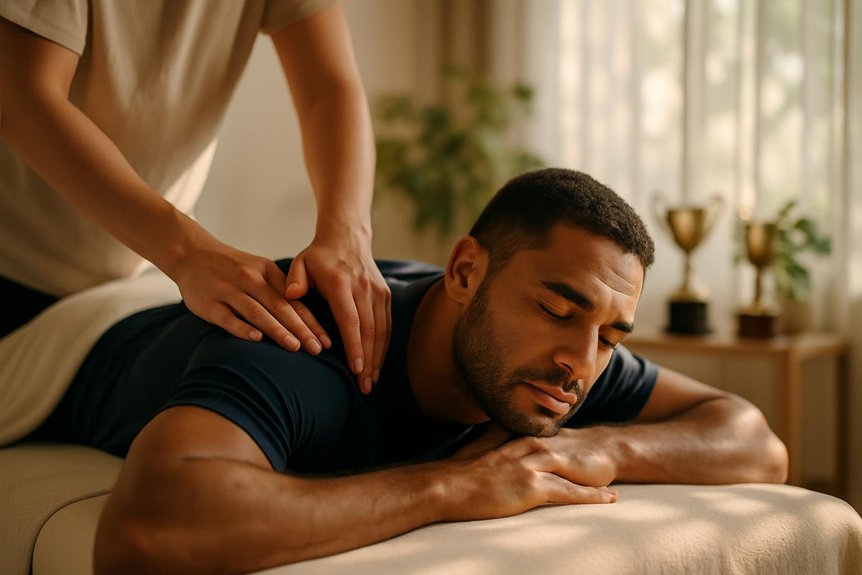
What mechanisms underlie the capacity for athletic massage to sharpen mental focus and induce relaxation? Athletic massage modulates the autonomic nervous system, shifting neural activity from sympathetic dominance to a more parasympathetic state. This shift reduces circulating catecholamines, lowering heart rate and blood pressure, while promoting the release of endorphins and serotonin. Muscle spindle and Golgi tendon organ stimulation through skilled manipulation further alleviates muscular tension, providing proprioceptive feedback that quiets mental distractions. In Spa & Massage clinics, therapists employ precise techniques—such as effleurage and myofascial release—tailored to reduce anxiety and foster a meditative state. This physiological calm enhances concentration and body awareness, which are essential for injury prevention and athletic recovery. Clients often report heightened clarity and a profound sense of tranquility after each session.
Conclusion
In summary, athletic massage functions as both armor and remedy for the active body, fortifying musculoskeletal resilience while soothing fatigued fibers. By targeting myofascial adhesions, enhancing circulatory dynamics, and modulating neuromuscular tone, this intervention optimizes tissue recovery and injury prevention. Whether for seasoned athletes or those pursuing daily vitality, athletic massage acts as a catalyst—helping the body navigate the demands of movement with greater efficiency, flexibility, and decreased risk of musculoskeletal dysfunction.