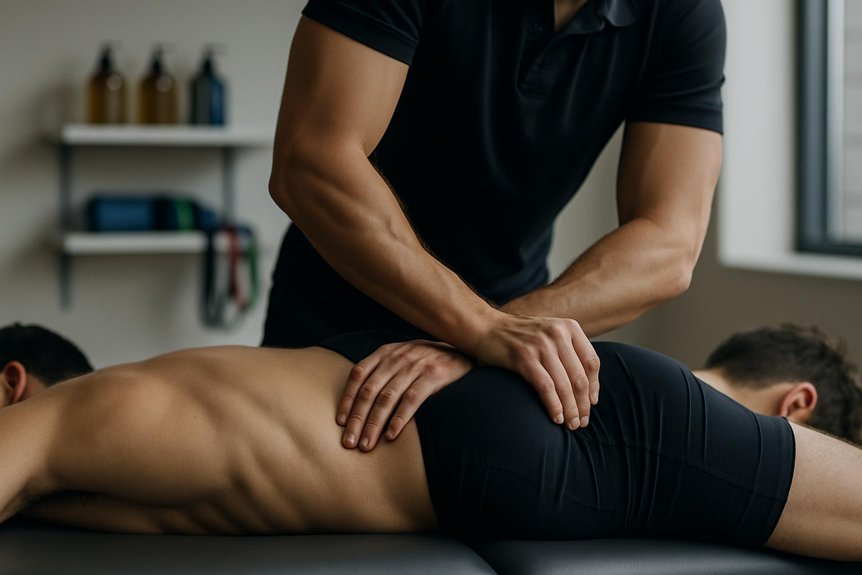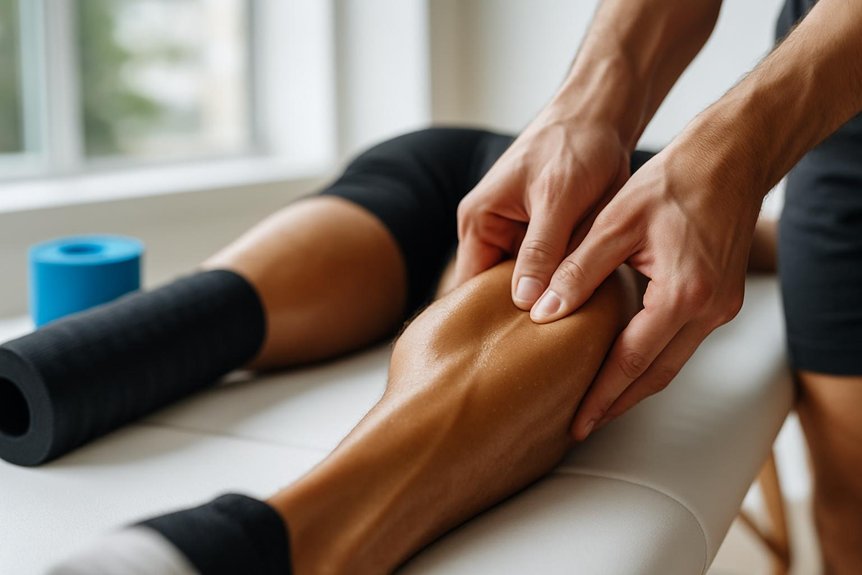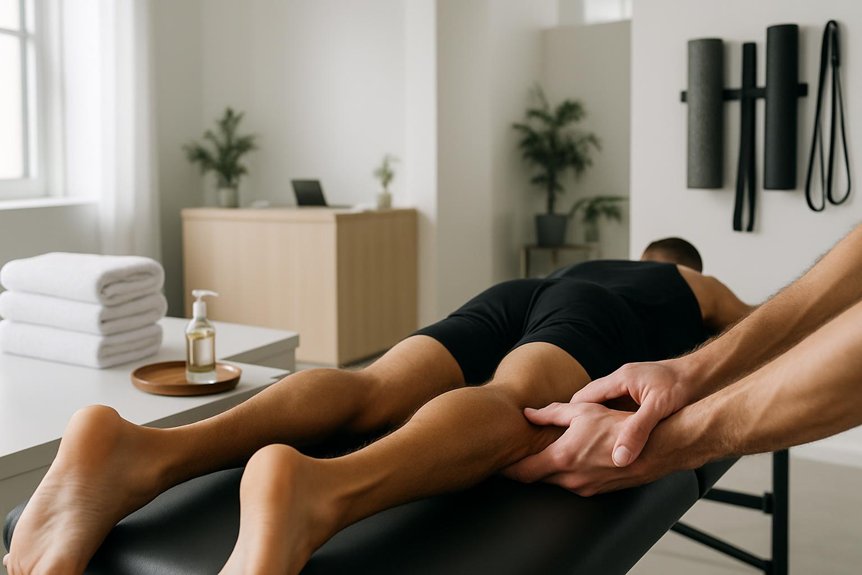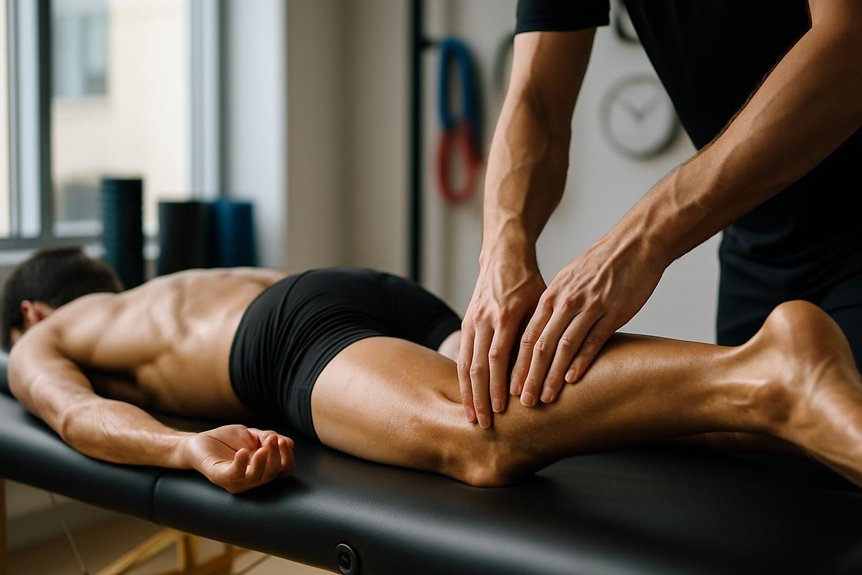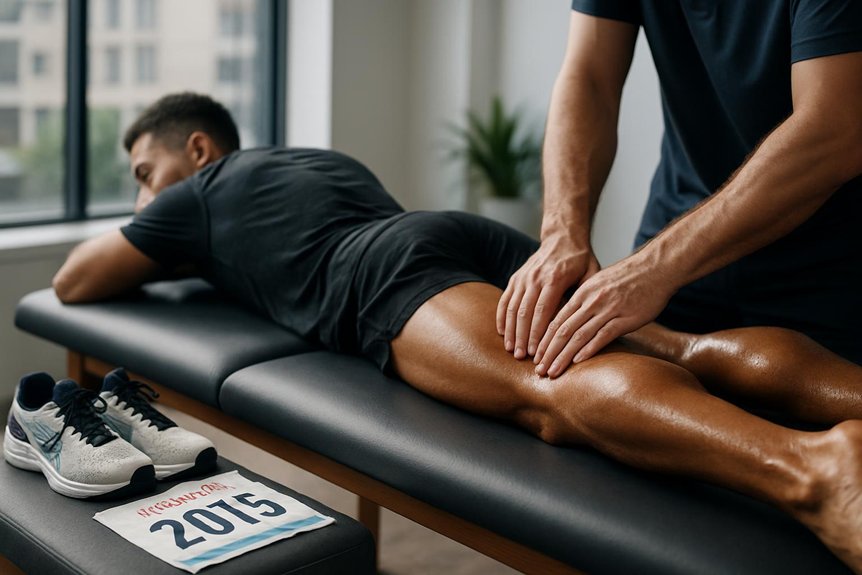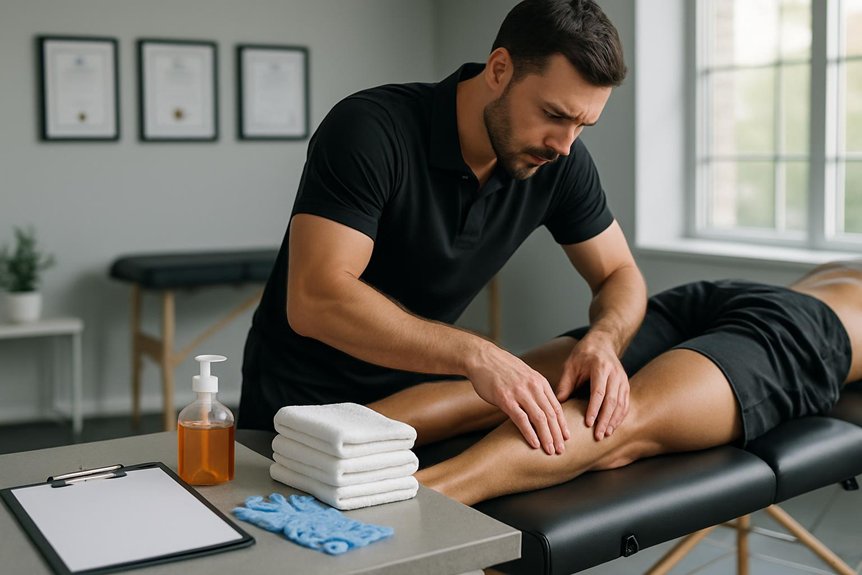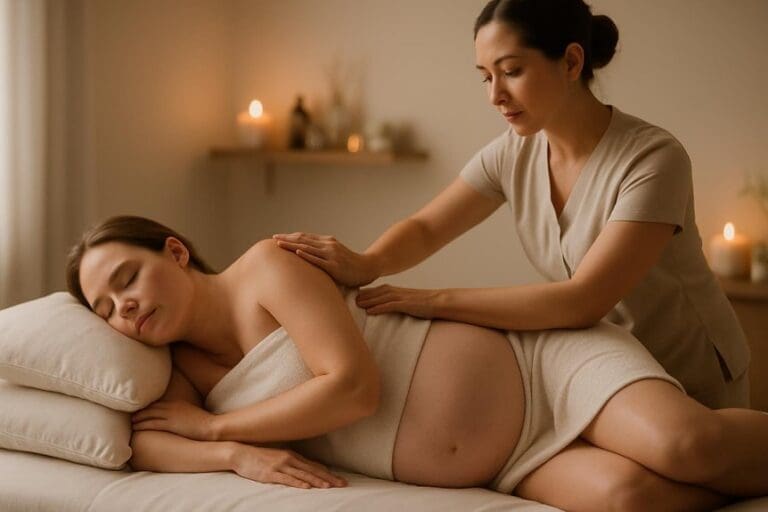
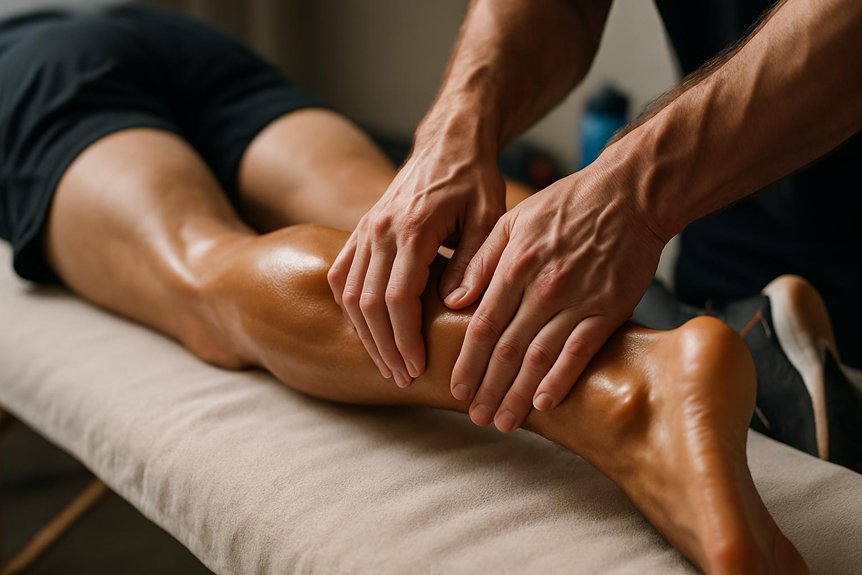
Athletic massages use specialized techniques to address muscle tension, support tissue repair, and enhance mobility in active individuals. By targeting soft tissue structures, they help prevent injuries, reduce post-exercise soreness, and speed up recovery times. Sessions improve flexibility, circulation, and overall athletic performance while supporting mental focus and relaxation. Ideal scheduling includes pre- and post-event treatments as well as routine maintenance. Further information provides a more detailed look at each aspect and benefit of athletic massage.
Understanding the Purpose of Athletic Massage
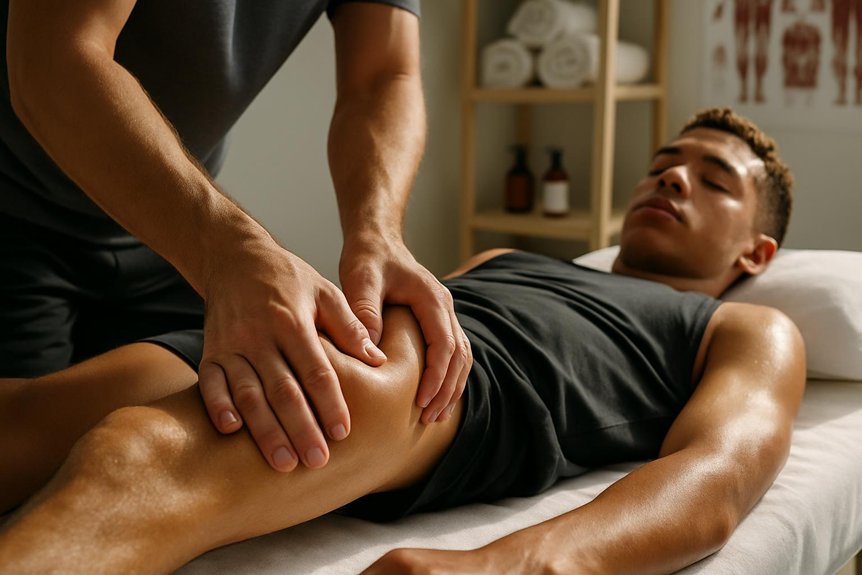
Why is it considered essential for both athletes and active individuals? Athletic massage serves a precise and critical function: it targets soft tissue structures to address the unique demands of intense physical activity.
At Spa & Massage clinics, therapists employ specialized techniques designed to address muscle tension, mobility restrictions, and the cumulative effects of repetitive motion. The underlying goal is to support peak musculoskeletal health, promote tissue repair, and facilitate efficient movement patterns.
It is not merely about relaxation; it is a systematic approach to evaluating and treating physical imbalances before they develop into more serious issues. In addition, athletes often experience benefits of athletic massage for athletes such as improved recovery, reduced injury risk, and enhanced overall performance.
Key Benefits for Athletes and Active Individuals
Following an understanding of athletic massage’s targeted approach, it becomes clear that this therapy offers a spectrum of measurable benefits tailored to the needs of athletes and active individuals. Enhanced muscle flexibility, improved circulation, and reduced post-exercise soreness are all commonly reported outcomes when athletic massage is integrated into a training regime.
At Spa & Massage, experienced therapists utilise advanced techniques to address muscle tension, relieve fatigue, and promote quicker recovery between sessions or competitions.
Many clients also notice a positive impact on mental focus and relaxation, which contributes to overall athletic performance.
Consistent treatment supports ideal muscle function, enabling clients to train harder, recover more efficiently, and maintain peak condition.
Such results are achieved through personalised care, attentive listening, and expert hands-on therapy in every session.
How Athletic Massage Supports Injury Prevention
By addressing muscular imbalances, areas of tension, and restricted range of motion, athletic massage plays a crucial role in injury prevention for athletes and physically active individuals.
At Spa & Massage, therapists tailor each session to detect subtle dysfunctions within muscle and connective tissue. Targeted techniques, such as myofascial release and precise deep tissue work, help lengthen shortened fibres and restore ideal alignment.
This focused approach enhances joint integrity and neuromuscular coordination, reducing the risk of strains and overuse injuries. Thorough palpation and communication enable therapists to identify early-warning signs—allowing interventions before minor issues become significant setbacks.
Clients often value the personalised care, noticing improved movement confidence and resilience. Regular athletic massage becomes an integral safeguard, supporting both short-term performance and long-term physical wellbeing.
Enhancing Recovery and Reducing Muscle Soreness
While injury prevention remains a key focus for active individuals, effective recovery is equally important in sustaining ideal performance. Athletic massages are recognised for their role in accelerating post-exercise recovery and alleviating muscle soreness.
Evidence suggests that targeted manual therapy aids in the removal of metabolic waste and enhances circulation, which supports tissue repair and reduces delayed onset muscle soreness (DOMS).
At Spa & Massage, therapists carefully assess each client’s needs, adapting pressure and technique to optimise recovery outcomes. Clients frequently report faster return to activity and a marked reduction in muscle tightness following sessions.
Techniques Used During Athletic Massage Sessions
During athletic massage sessions at Spa & Massage, therapists employ a combination of deep tissue manipulation, stretching, and mobilisation to address muscle tightness and promote flexibility.
Trigger point therapy is also integrated to target specific areas of tension and relieve discomfort. These evidence-based techniques are selected and adapted to meet each client’s individual needs, supporting ideal performance and recovery.
Deep Tissue Manipulation
How do athletic massage therapists achieve the targeted relief athletes and active individuals seek? Deep tissue manipulation is a specialised technique employed to address chronic tension, muscle adhesions, and areas of persistent discomfort.
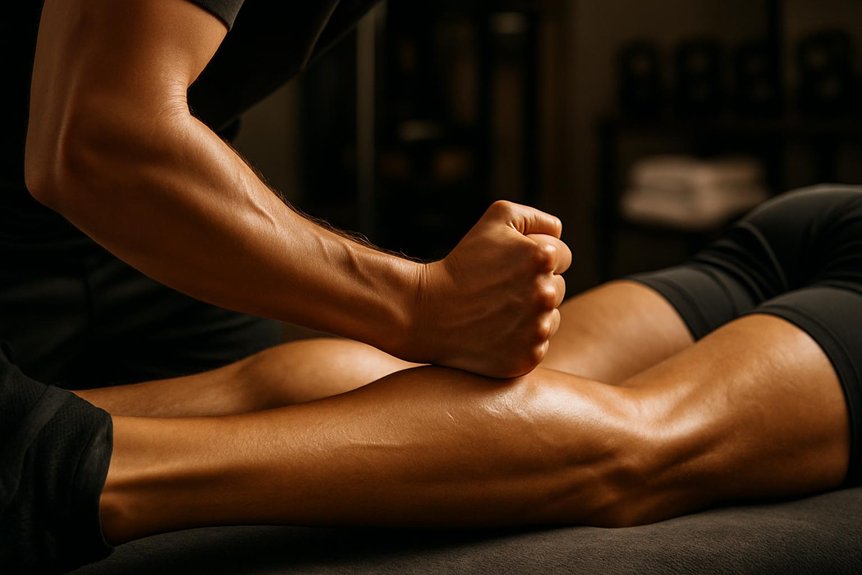
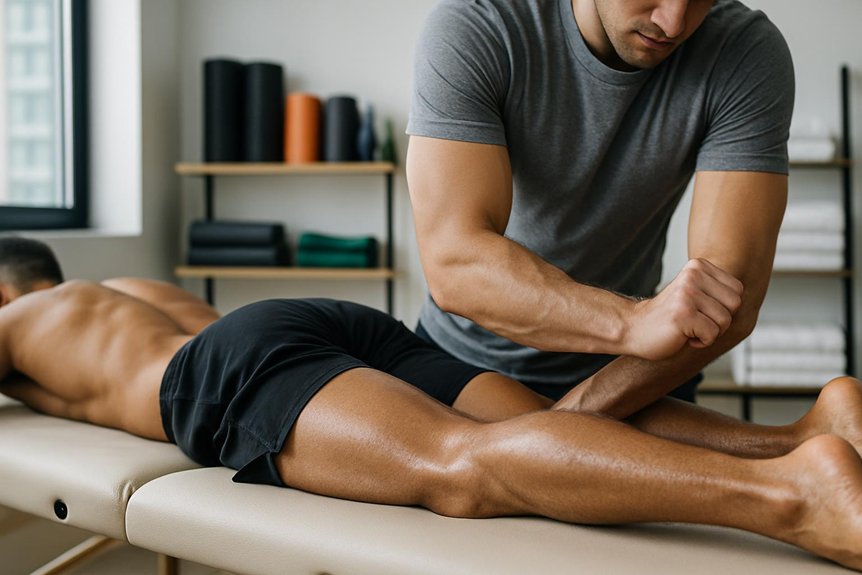
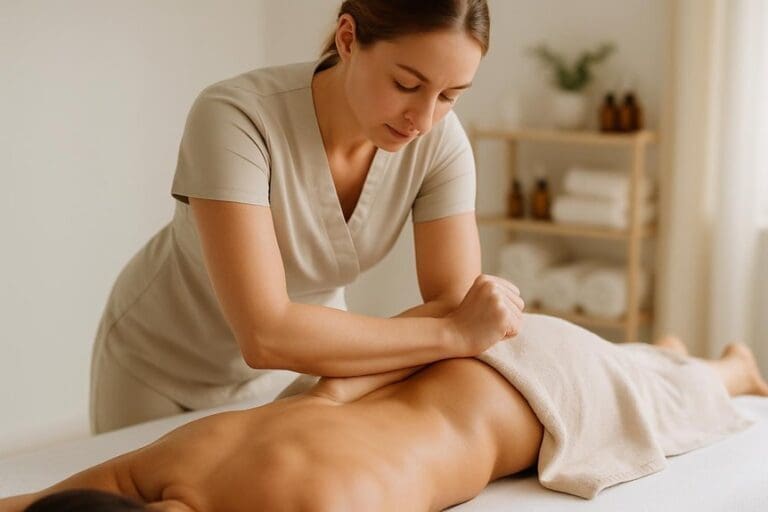
At Spa & Massage, therapists apply slow, deliberate pressure, often using elbows, knuckles, or forearms to reach deeper muscle layers and fascia. This method aims to disrupt restrictive patterns, enhance circulation, and accelerate tissue repair.
Clients frequently notice a reduction in pain and improved range of motion after sessions.
Precision and communication are central, as therapists continually adjust pressure based on feedback and individual tolerance. Deep tissue manipulation is tailored for each client, focusing on both effectiveness and client comfort—allowing for profound, restorative changes that support ongoing performance and well-being.
Stretching and Mobilisation
In addition to deep tissue manipulation, athletic massage therapists at Spa & Massage integrate targeted stretching and mobilisation techniques to further optimise musculoskeletal function. These methods focus on gently lengthening muscle fibres and improving joint range of motion, using both passive and assisted stretches tailored to the individual’s specific needs.
Mobilisation involves rhythmic, controlled movements that encourage greater flexibility and ease of movement in joints and soft tissues. This approach addresses restrictions that may limit performance or comfort, while promoting circulation and aiding recovery.
Clients often experience a tangible release of tension, allowing them to reconnect with their bodies’ natural fluidity. By combining stretching and mobilisation, therapists at Spa & Massage help clients achieve extensive muscular balance and support a more resilient, agile, and comfortable body.
Trigger Point Therapy
One essential technique employed in athletic massage at Spa & Massage is trigger point therapy, which targets hyperirritable nodules within muscle tissue known as trigger points. These areas can develop from overuse, injury, or chronic tension, often causing referred pain or restricted movement.
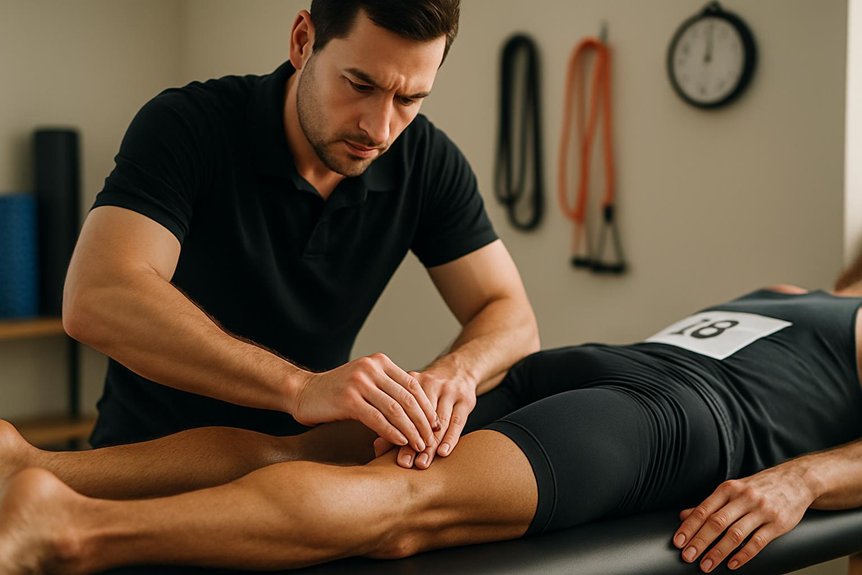
During a session, therapists at Spa & Massage apply precise, sustained pressure to these nodules, encouraging the release of tension and restoration of normal muscle function. Evidence suggests that trigger point therapy can reduce pain, increase range of motion, and accelerate recovery by enhancing blood flow and breaking pain-spasm cycles.
Clients frequently report profound relief and a sense of muscular release following treatment, making this technique an integral part of a personalised athletic massage experience designed for both prevention and recovery.
The Role of Sports Massage in Improving Flexibility
Because flexibility is fundamental to both athletic performance and injury prevention, athletic massage plays a critical role in supporting ideal range of motion.
At Spa & Massage, therapists employ advanced techniques—such as myofascial release and assisted stretching—to address muscle tightness and fascial restrictions. These targeted interventions promote elongation of muscle fibres, reduce adhesions, and encourage perfect tissue pliability.
Evidence suggests that regular athletic massage increases flexibility by improving circulation, reducing neuromuscular tension, and facilitating the removal of metabolic waste.
Clients often report enhanced ease of movement and reduced discomfort after sessions.
Each massage is tailored to the individual’s needs, ensuring a focused approach to specific flexibility goals.
Through skilled, attentive care, athletic massage fosters a sense of freedom and confidence in every movement.
When Is the Best Time to Book a Athletic Massage?
Determining the most suitable timing for a athletic massage depends on individual goals, whether preparing for an event, supporting post-event recovery, or maintaining long-term performance.
Spa & Massage therapists advise that pre-event sessions can help prime muscles, while post-event treatments focus on alleviating soreness and accelerating recovery.
For sustained benefits, many clients integrate athletic massage into their regular wellness routines.
Pre-Event Preparation Timing
When planning for an upcoming athletic event, the perfect timing of a athletic massage is essential to maximise performance and minimise the risk of injury.
Expert guidance from Spa & Massage therapists indicates that a pre-event athletic massage is best scheduled 24 to 48 hours before competition. This window allows for increased circulation, enhanced muscle flexibility, and reduction of residual tension, while giving the body time to recover from any minor soreness that may emerge post-treatment.
Techniques used in our clinics are adapted to invigorate muscles, stimulate blood flow, and support mental focus without inducing fatigue.
Clients are encouraged to communicate their goals and any areas of concern so the session can be tailored for ideal results, ensuring both readiness and confidence before event day.
Post-Event Recovery Benefits
Following a well-timed pre-event massage, attention naturally shifts to optimising recovery after physical exertion.
Post-event athletic massage, best scheduled within 24–48 hours after intense activity, targets muscle soreness, inflammation, and the build-up of metabolic waste.
At Spa & Massage, therapists utilise precise techniques—such as gentle effleurage and myofascial release—to encourage lymphatic drainage, reduce delayed onset muscle soreness, and restore flexibility.
This evidence-based approach accelerates tissue repair and supports the body’s natural healing processes.
Clients report enhanced relaxation, improved comfort, and a quicker return to daily routines.
For those seeking a sense of renewal after athletic performance, a professional post-event massage offers both physical restoration and emotional reassurance.
This is guided by Spa & Massage’s commitment to attentive, bespoke care.
Routine Maintenance Scheduling
While athletic performance places consistent demands on the body, establishing a prime schedule for athletic massage is essential for injury prevention and sustained mobility. Evidence suggests that regular sessions—every two to four weeks—can be most beneficial for most active individuals, supporting tissue recovery and muscular balance.
At Spa & Massage, therapists assess each client’s activity level, training intensity, and specific goals to recommend an ideal maintenance frequency.
Booking a massage before a period of increased training, or following competitions, helps minimise cumulative strain and promotes quicker recovery.
For those with recurring tension or minor niggles, monthly appointments can proactively address issues before they escalate.
Routine maintenance appointments at Spa & Massage ensure tailored support, reinforcing client wellbeing and enhancing performance longevity in a welcoming, restorative environment.
What to Expect During Your Athletic Massage at Spa & Massage
A athletic massage session at Spa & Massage is designed to address specific muscular concerns and promote ideal physical function.
Upon arrival, clients are welcomed into a tranquil space where their needs and goals are discussed confidentially with an experienced therapist.
Assessment of areas of tension or injury guides the selection of targeted techniques, such as deep tissue manipulation, myofascial release, and assisted stretching.
Therapists employ evidence-based methods to enhance circulation, reduce muscle tightness, and support recovery.
Communication remains open throughout, allowing for adjustments in pressure or focus to ensure maximum comfort and therapeutic benefit.
The environment is intentionally calming, supporting relaxation as well as optimal physiological outcomes.
Each session is tailored, reflecting Spa & Massage’s commitment to client-centered care and expert guidance.
Aftercare Tips and Recommendations From Our Therapists
Therapeutic benefits achieved during a athletic massage at Spa & Massage can be extended and optimized with appropriate aftercare. Therapists recommend clients hydrate well post-treatment to aid metabolic waste removal and support tissue recovery.
Gentle stretching and light movement are encouraged to maintain flexibility and reduce post-massage soreness. At Spa & Massage, clients often receive personalized advice tailored to their session, such as applying ice to sensitive areas or using specific self-massage techniques at home.
Avoiding intense physical exertion immediately after the treatment is emphasized to allow muscles to repair fully. Regular follow-up sessions, as suggested by the therapist, can further enhance long-term outcomes.
These evidence-based practices help foster a sense of connection—with one’s body and with individual wellness goals.
Conclusion
To conclude, athletic massage provides focused, evidence-supported advantages—easing muscle tightness, improving flexibility, and aiding both injury prevention and healing. With personalized sessions at Spa & Massage, clients receive care grounded in technical proficiency and a thorough knowledge of physical requirements. As more people incorporate athletic massage into their wellness practices, one must wonder: can peak performance and resilience genuinely be attained without this specialised aid for the body’s continual demands?