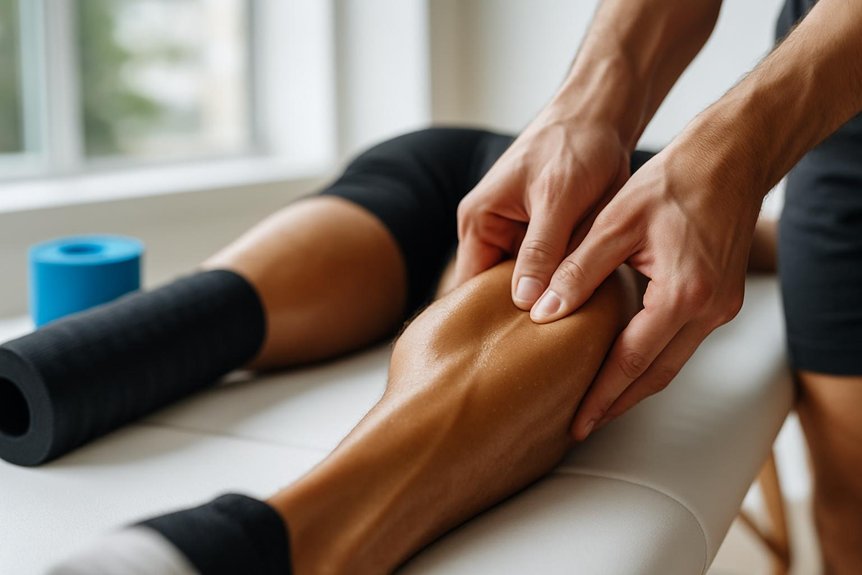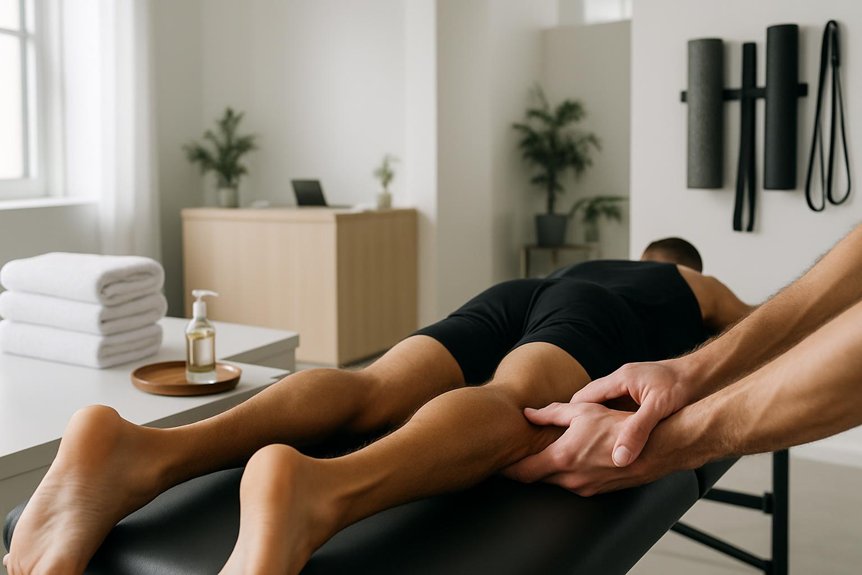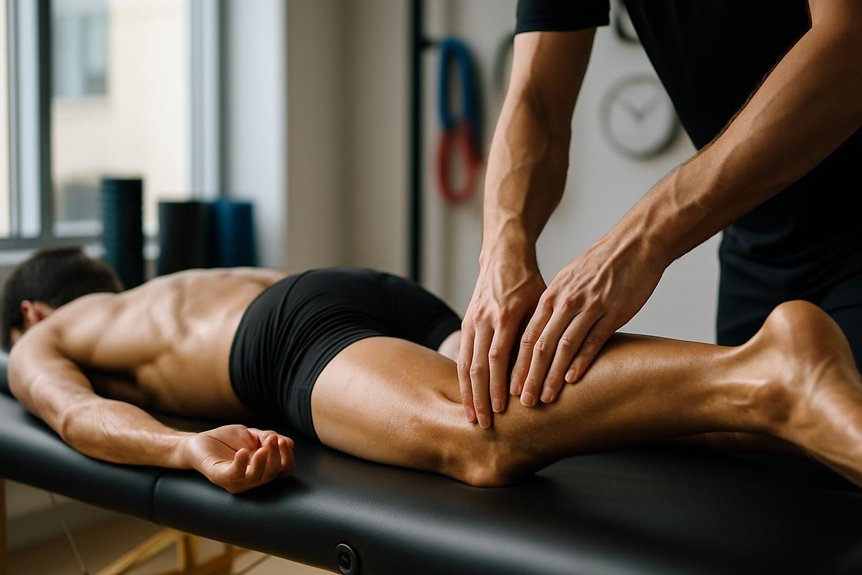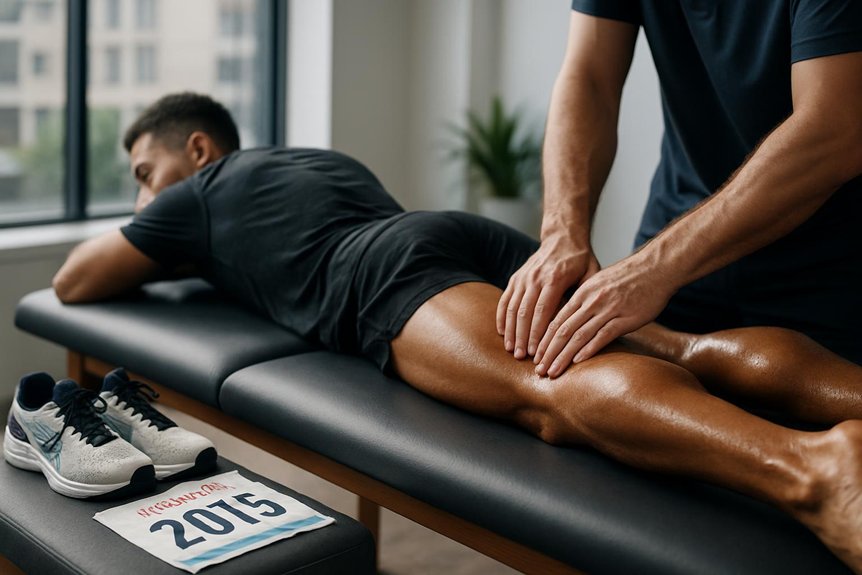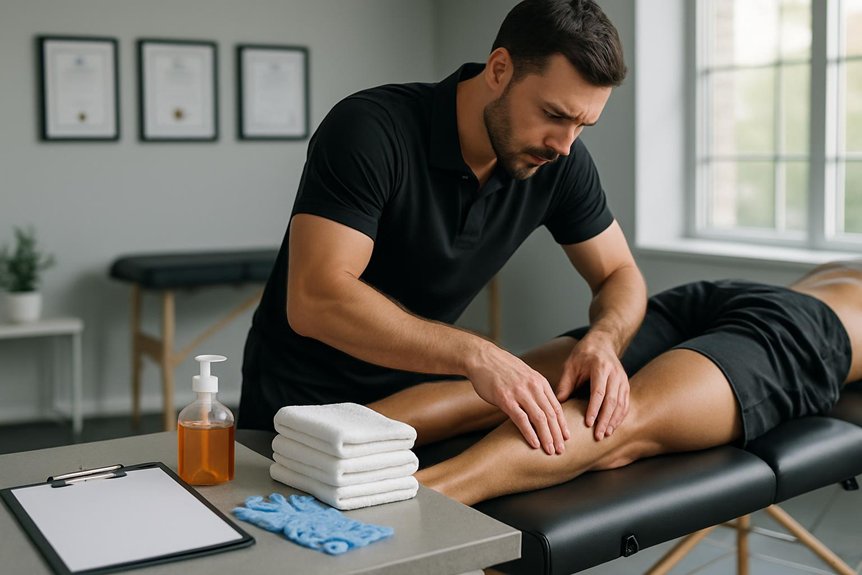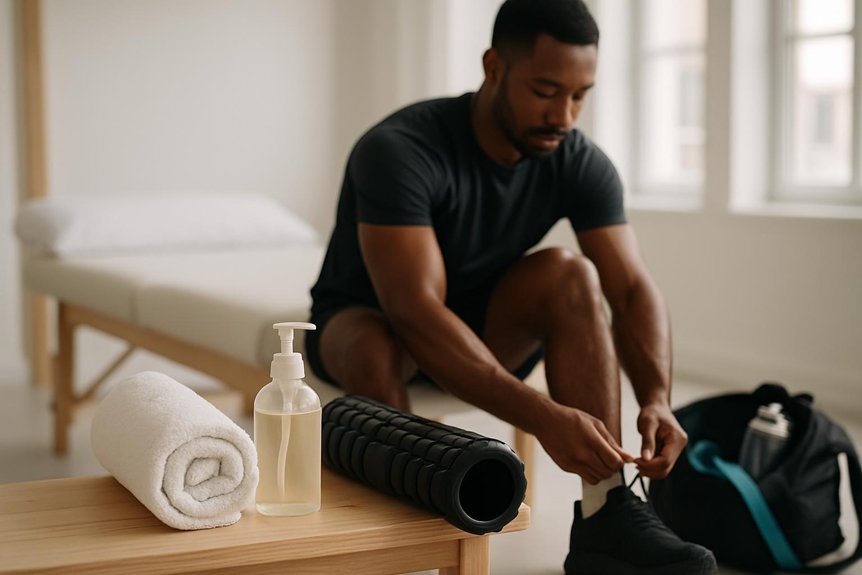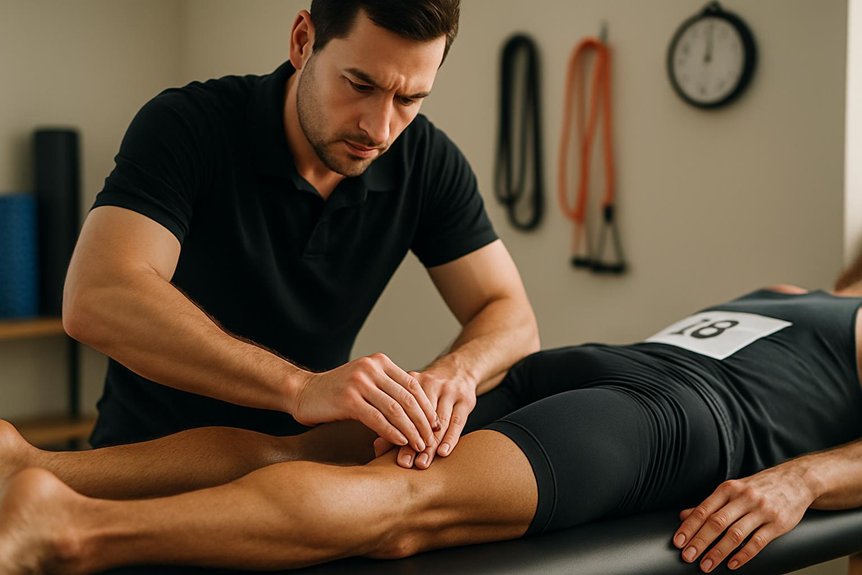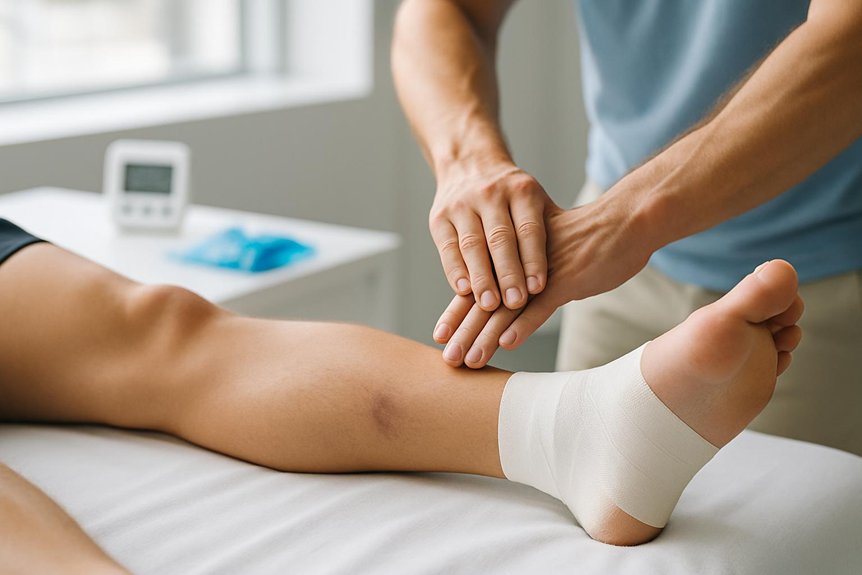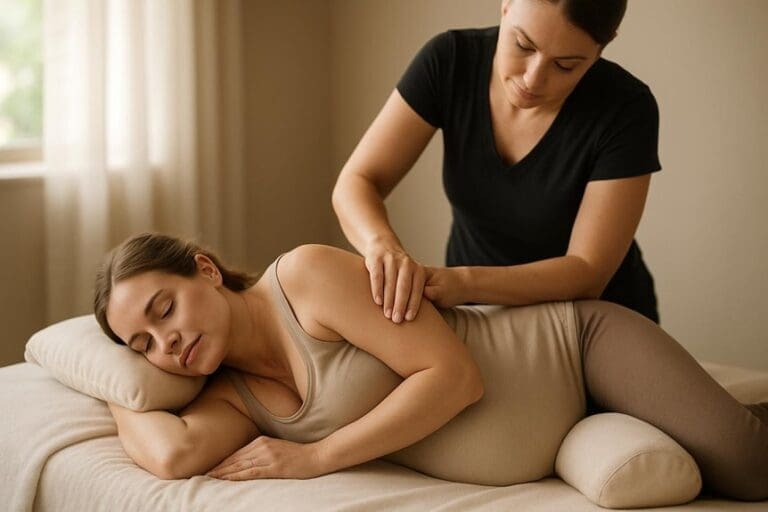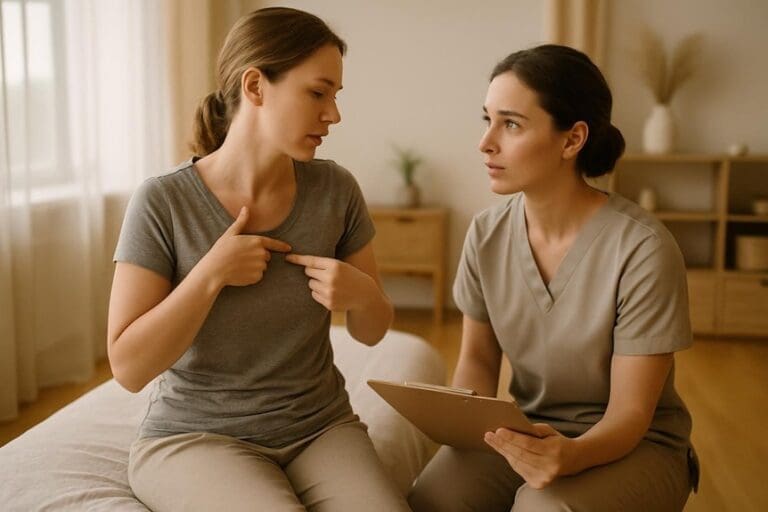
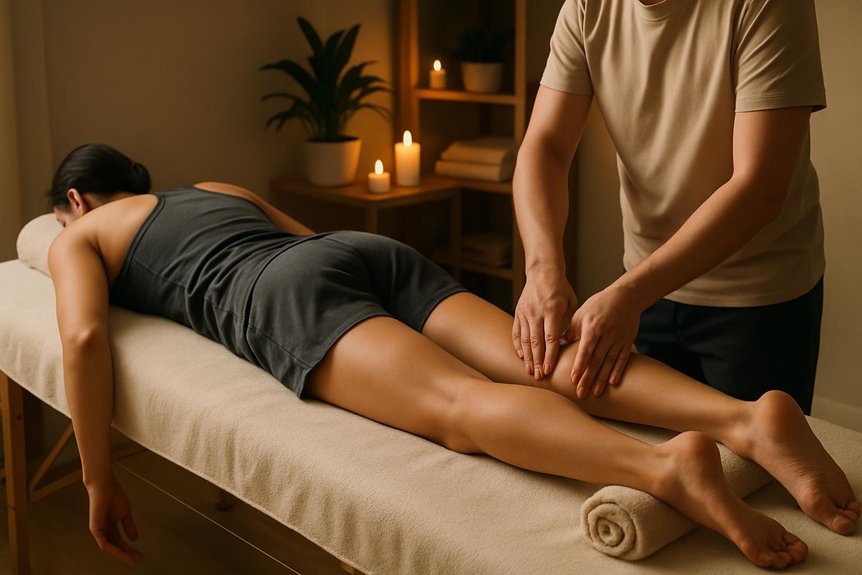
For a athletic massage, clients are advised to wear loose-fitting athletic attire such as shorts and a tank top or T-shirt to guarantee unrestricted access to major muscle groups while maintaining modesty. Restrictive clothing, underwire bras, or garments with zippers and embellishments should be avoided as they can hinder the therapist’s techniques. Therapists utilize professional draping for privacy and comfort. Additional guidance covers clothing considerations for specific injuries, aftercare practices, and preparation strategies for maximum results.
Understanding the Sports Massage Experience
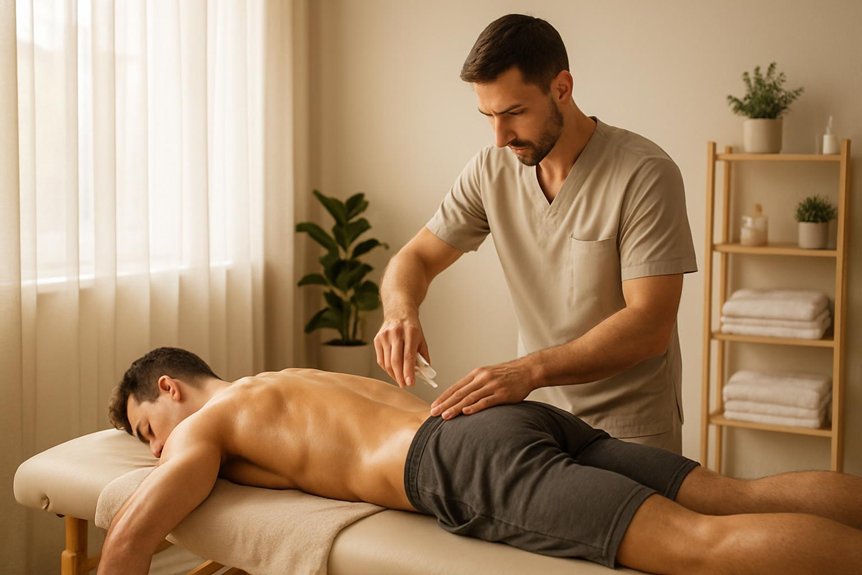
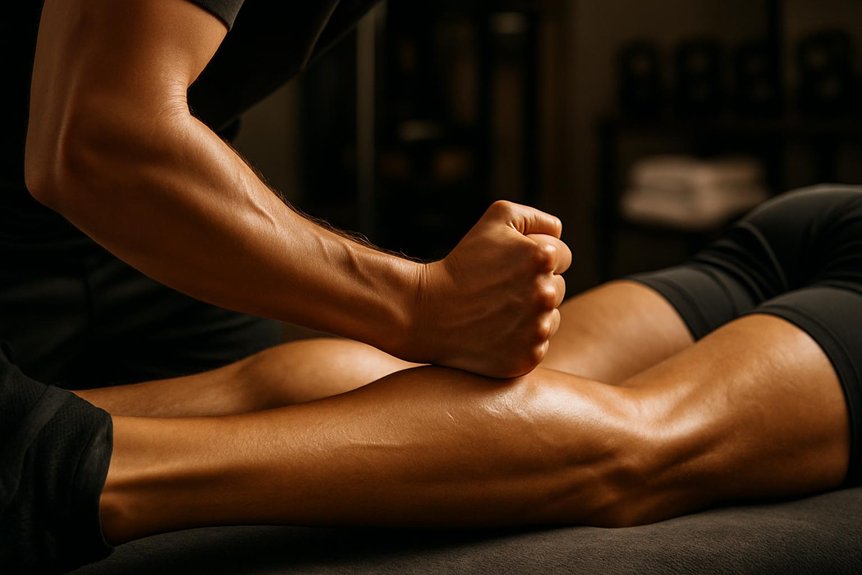
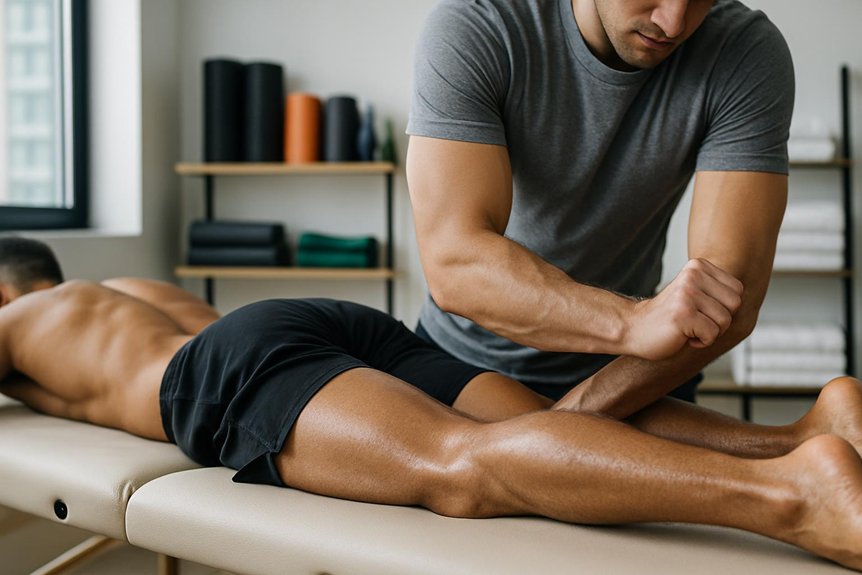
How does a athletic massage differ from other forms of therapeutic bodywork? It is uniquely structured to address the specific needs of physically active individuals, focusing on enhancing performance, accelerating recovery, and preventing injury. Techniques such as deep tissue manipulation, trigger point therapy, and myofascial release are frequently employed to target muscle groups under repetitive strain or acute stress. In Spa & Massage clinics, therapists begin with a detailed assessment of muscle condition, identifying areas of tension, imbalance, or restriction. Unlike general relaxation massages, athletic massage incorporates dynamic stretching, friction, and tailored pressure to improve mobility and reduce adhesions. This precise, outcome-driven approach fosters a deeper sense of connection between therapist and client, supporting ideal musculoskeletal health and personalised care. A key component used in athletic massage is deep tissue massage, which involves applying firm pressure and slow strokes to reach deeper layers of muscle and fascia, helping to relieve chronic muscle tension and encourage optimal recovery.
Typical Attire Recommended for Athletic Massage
When preparing for a athletic massage at Spa & Massage clinics, clients are advised to wear lightweight, comfortable attire that allows unobstructed access to the targeted muscle groups.
Loose-fitting shorts or athletic wear are particularly suitable, as these garments facilitate the therapist’s ability to work deeply into the thighs, calves, or gluteal regions without restriction.
For upper body focus, sleeveless tops or sports bras are recommended to enable access to the shoulders, back, and arms.
Spa & Massage therapists may provide towels or draping to ensure privacy and warmth throughout the session, adhering to professional standards.
What to Avoid Wearing During Your Session
To enhance both therapeutic outcomes and client comfort during a athletic massage, certain types of clothing should be deliberately avoided.
Tight-fitting garments, such as compression wear or restrictive undergarments, can impede circulation and limit a therapist’s access to key muscle groups.
Rough fabrics or items with zippers, buttons, or embellishments may cause skin irritation or discomfort during massage strokes.
Bulky clothing, including jeans or layered sportswear, interferes with the application of massage oils and the precision of manual techniques.
At Spa & Massage, clients are advised to refrain from wearing jewellery or accessories that can obstruct movement or distract from the intimate, focused environment.
Selecting simple, loose-fitting attire ensures both privacy and ideal results, allowing the therapist to deliver targeted, attentive care.
How Therapists at Spa & Massage Ensure Your Comfort
Although each client presents unique needs and preferences, therapists at Spa & Massage implement a rigorous protocol to uphold comfort throughout every athletic massage session. From the initial consultation, practitioners perform a thorough assessment, considering individual sensitivities, desired outcomes, and areas of concern.
During treatment, clients are discreetly draped with towels or sheets, exposing only the area being addressed—ensuring privacy and warmth. Therapists routinely check in regarding pressure levels, temperature, and body positioning, adapting techniques as needed for maximum relaxation.
The ambient environment of Spa & Massage clinics—soft lighting, gentle music, and climate control—enhances the sense of safety and intimacy. This meticulous approach underscores the clinic’s commitment to delivering tailored, respectful care, fostering a therapeutic experience where every client feels secure and valued.
Tips for Choosing the Right Clothing
Selecting appropriate attire for a athletic massage is essential for facilitating both therapeutic efficacy and personal comfort.
Loose-fitting athletic wear, such as shorts and a tank top or T-shirt, is strongly recommended, as it allows the therapist unobstructed access to major muscle groups while preserving modesty. Breathable fabrics help maintain a comfortable body temperature during the session.
At Spa & Massage, therapists advise clients to avoid restrictive clothing, underwire bras, or garments with zippers and buttons, as these can interfere with targeted techniques and manual manipulation. It is also advisable to remove jewelry before the session to prevent distraction or discomfort.
What to Expect in Terms of Draping and Privacy
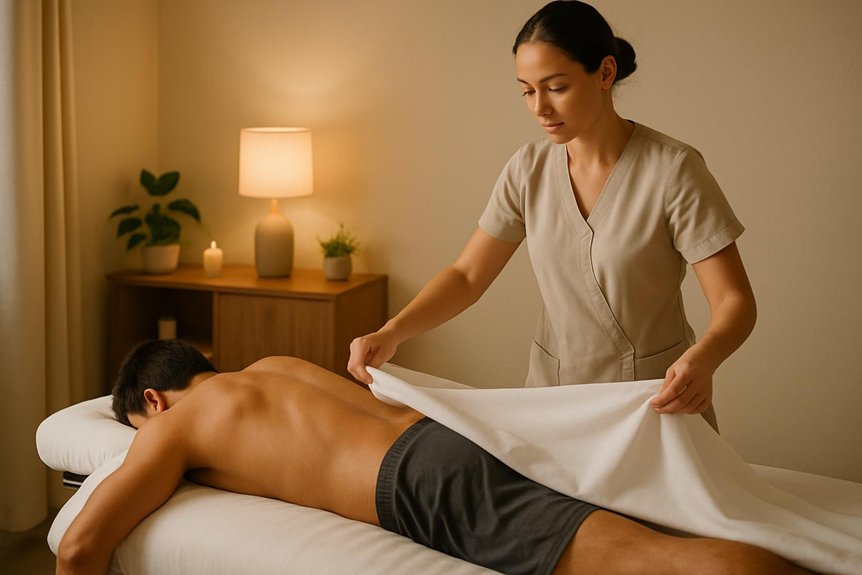
At Spa & Massage clinics, clients can expect professional draping techniques that guarantee only the area being treated is exposed, maintaining client modesty at all times.
Therapists are trained to respect personal boundaries and uphold privacy throughout the session.
Each treatment is conducted in a private room to create a secure and comfortable environment for every client.
Professional Draping Techniques
How do professional clinics uphold privacy and comfort during a athletic massage session? At Spa & Massage, therapists employ meticulous draping techniques to guarantee clients feel secure throughout their treatment. Only the specific area being worked on is exposed, while the rest of the body remains covered with high-quality linens or towels.
This approach maintains a sense of personal space and warmth, adding to the intimate, therapeutic atmosphere of the session. Therapists are trained to adjust draping discreetly, using smooth, practiced movements that never compromise modesty.
Attention to detail—such as tucking linens securely or layering towels—prevents accidental exposure and supports client relaxation. These professional practices foster a trusting environment, allowing individuals to focus fully on the restorative benefits of their athletic massage experience.
Respecting Client Modesty
A hallmark of athletic massage sessions at Spa & Massage is the unwavering respect for client modesty, achieved through strict adherence to professional standards of draping and privacy. Therapists employ precise draping techniques, utilizing clean, soft linens to guarantee only the area being treated is exposed at any given time, while the remainder of the body remains securely covered.
This method not only maintains the client’s sense of security but also fosters a trusting, intimate environment essential for effective therapeutic work. Clients are guided on what clothing to remove, and therapists always step out of the room during undressing and redressing.
These protocols ensure that clients can experience the restorative benefits of athletic massage with complete assurance of discretion and personal dignity.
Private Treatment Spaces
Within Spa & Massage clinics, private treatment spaces are meticulously designed to uphold the highest levels of privacy and professionalism throughout every athletic massage session.
Each room features soundproofing and discrete entry, ensuring a tranquil environment where clients can feel secure and undisturbed.
Therapists employ professional draping techniques, using high-quality linens to expose only the area being treated while preserving the client’s modesty and comfort.
Clients are encouraged to undress to their comfort level, typically to underwear, with careful explanation provided before the session begins.
Absolute respect for personal boundaries is maintained, and therapists step out as clients prepare.
This approach fosters a sense of intimacy and trust, allowing clients to fully relax and engage in the therapeutic benefits of their personalised athletic massage experience.
Special Considerations for Different Sports Injuries
Because each type of sports injury presents unique physiological challenges, tailored considerations are essential during a athletic massage session.
At Spa & Massage, therapists carefully assess the nature and location of each injury to determine ideal garment selection and exposure.
For muscular strains, minimal clothing over the affected area allows direct access, enabling precise deep tissue techniques without restriction.
Ligament injuries may necessitate looser attire to accommodate swelling or sensitive regions.
If addressing joint dysfunctions, such as in the knee or shoulder, clients may be advised to wear shorts or sleeveless tops, ensuring both modesty and therapeutic efficacy.
Throughout, therapists prioritize client comfort and dignity, communicating clearly about necessary garment adjustments.
This individualized approach reflects Spa & Massage’s commitment to personalised, attentive care for every injury profile.
Aftercare Clothing Choices for Post-Massage Comfort
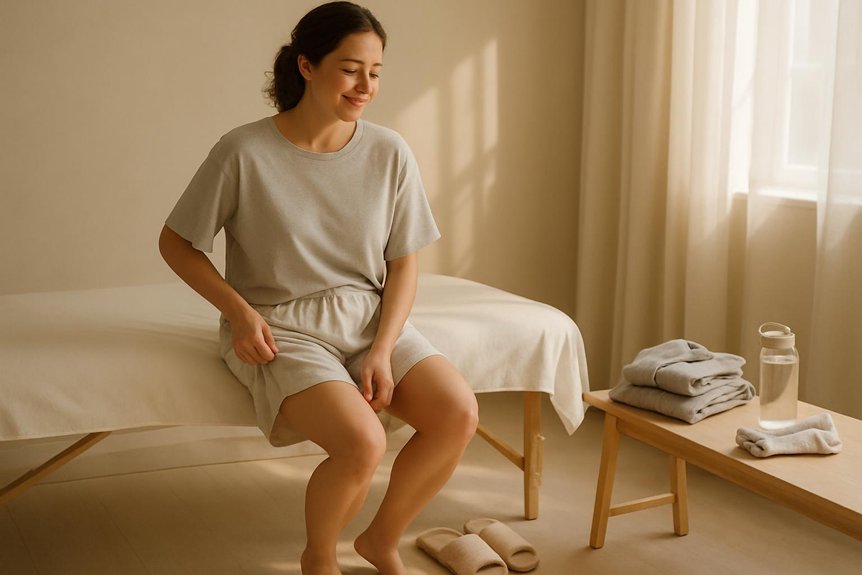
Following a athletic massage, ideal clothing selection plays a critical role in supporting recovery and prolonging therapeutic benefits. Loose, breathable garments are recommended to prevent friction against sensitized skin and to accommodate any residual massage oils, which may be left on the surface.
At Spa & Massage, therapists advise clients to choose soft cotton or moisture-wicking fabrics that facilitate airflow and temperature regulation. Avoiding restrictive or synthetic materials helps minimize irritation and allows the body to relax fully as it continues to process the effects of deep tissue manipulation.
Many clients find comfort in relaxed-fit trousers, oversized shirts, or athletic wear with gentle seams. Ultimately, prioritizing comfort and gentle contact enhances both the physical and emotional ease so essential during the post-massage healing phase.
Preparing for Your Athletic Massage Appointment at Spa & Massage
Comfortable clothing after a athletic massage supports ideal recovery, but preparation beforehand is equally significant for maximising therapeutic outcomes.
At Spa & Massage, clients are encouraged to arrive in loose, breathable attire that can be easily removed and put back on after treatment, minimising post-session discomfort. Proper hydration prior to the appointment aids in tissue pliability and optimises the therapist’s ability to manipulate muscles effectively.
Clients should avoid heavy meals, caffeine, and strenuous exercise immediately before their session to foster relaxation and reduce muscle tension. Personal items such as jewellery should be left at home to prevent interference with treatment zones.
Upon arrival, Spa & Massage therapists conduct thorough consultations, ensuring a tailored approach that addresses unique needs and fosters trust, comfort, and a sense of personal care.
Conclusion
Steering the attire for a athletic massage is much like selecting the best gear for peak performance—precision matters. At Spa & Massage, clients find that thoughtful clothing choices open the full benefit of expert techniques, ensuring both comfort and efficacy. Like a well-tuned instrument, when preparation aligns with professional guidance, the massage experience becomes seamless. Ultimately, the right attire sets the stage for recovery, relaxation, and revitalization, allowing every client to step confidently onto the path of improved well-being.