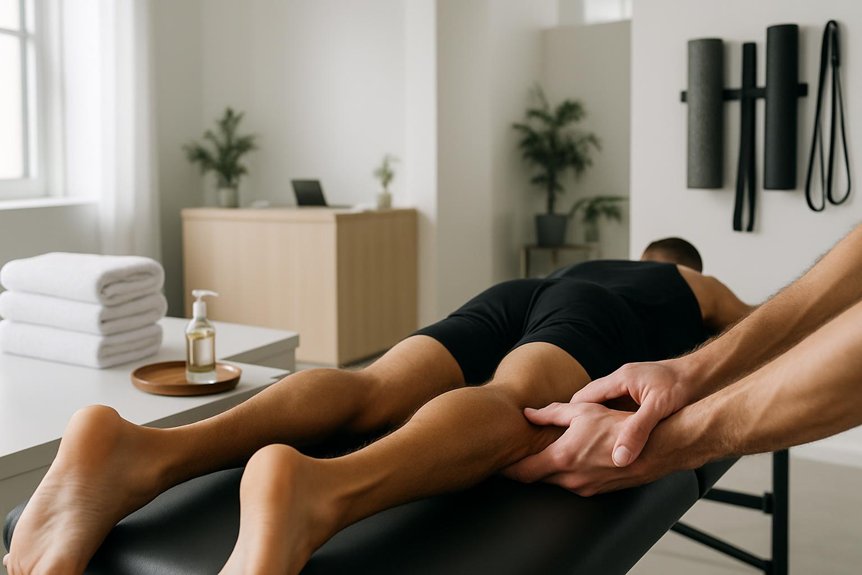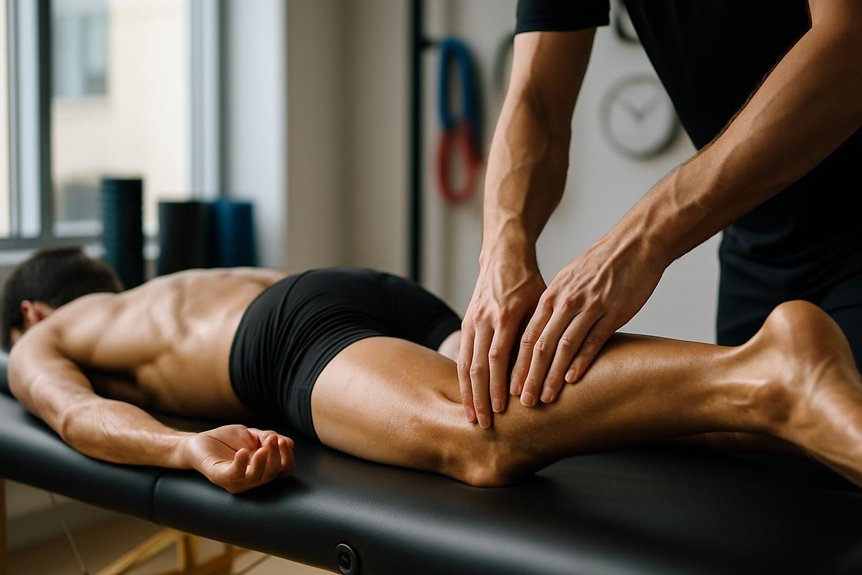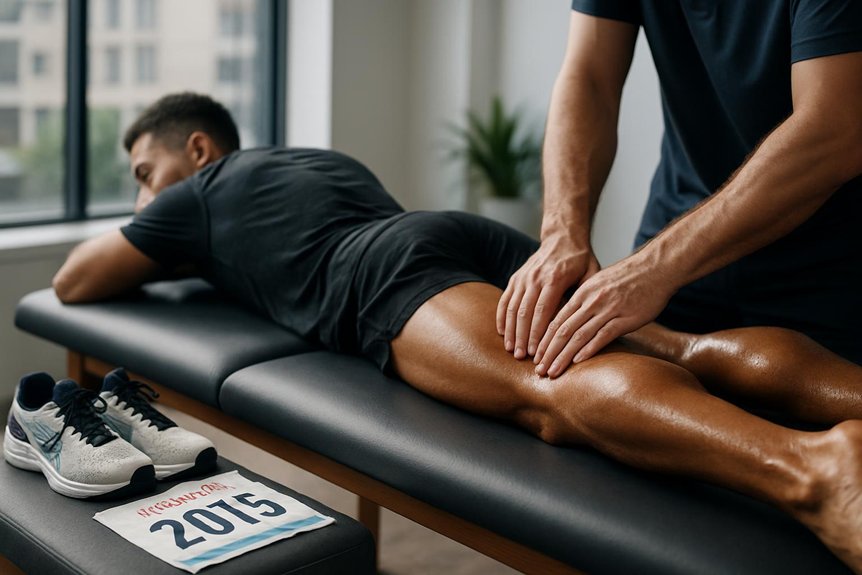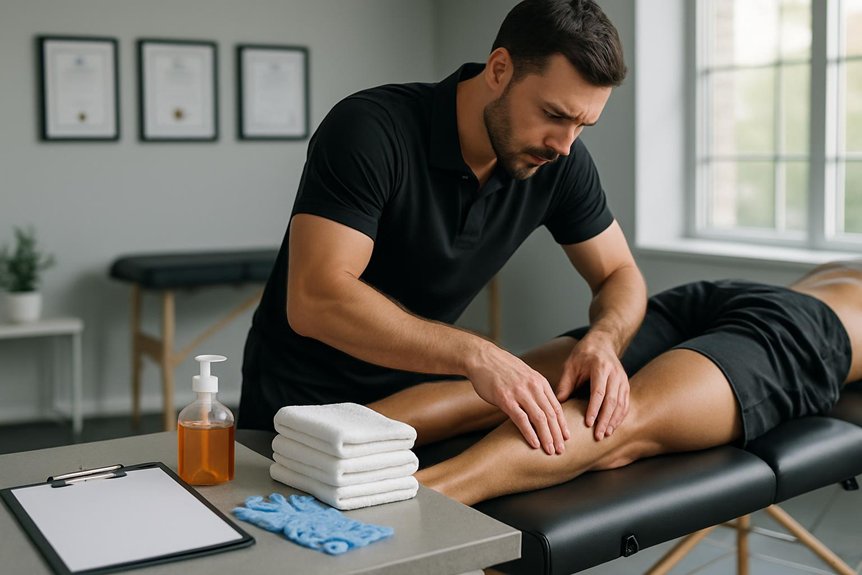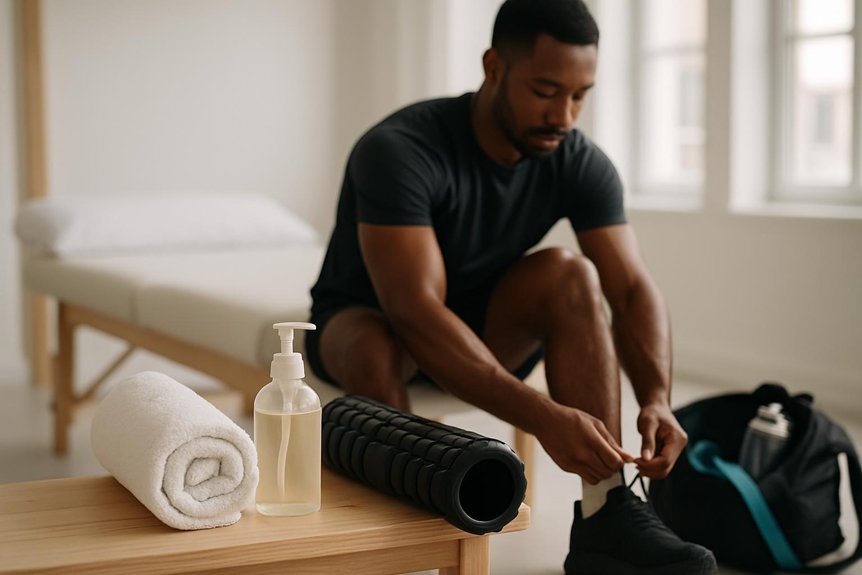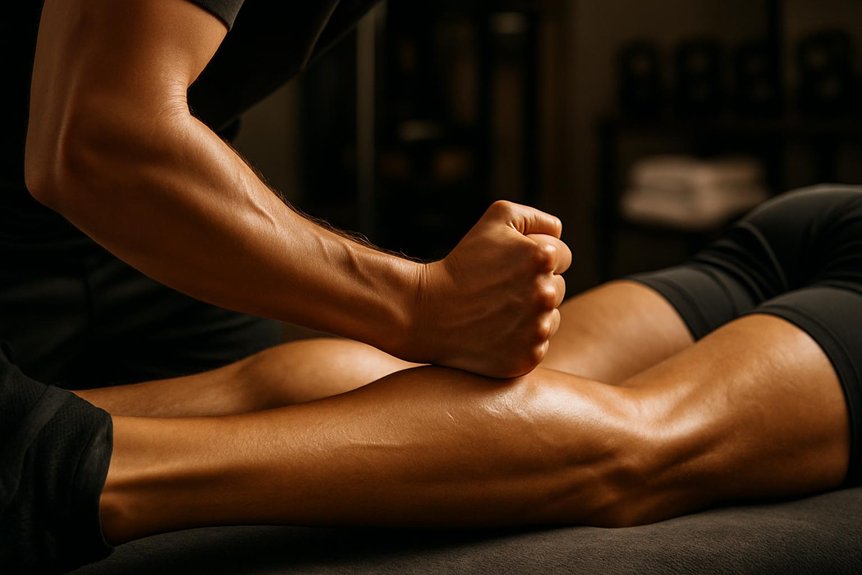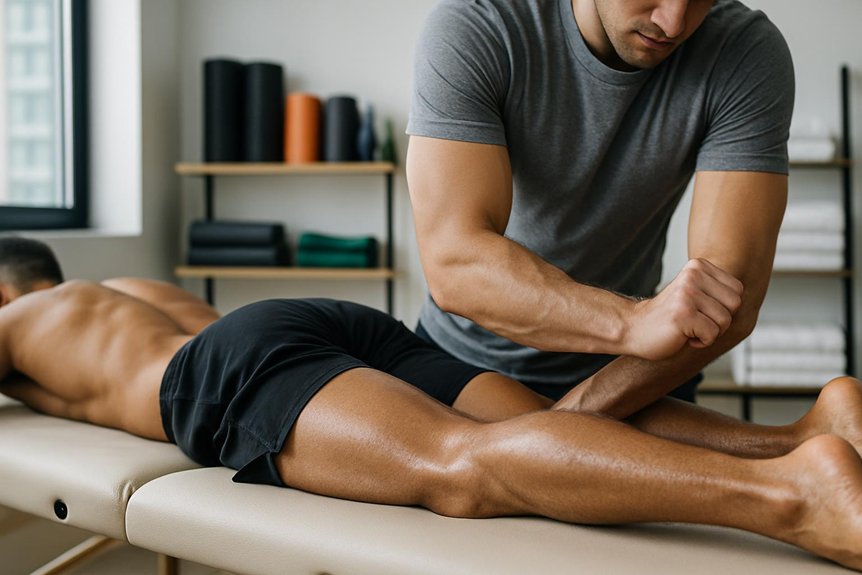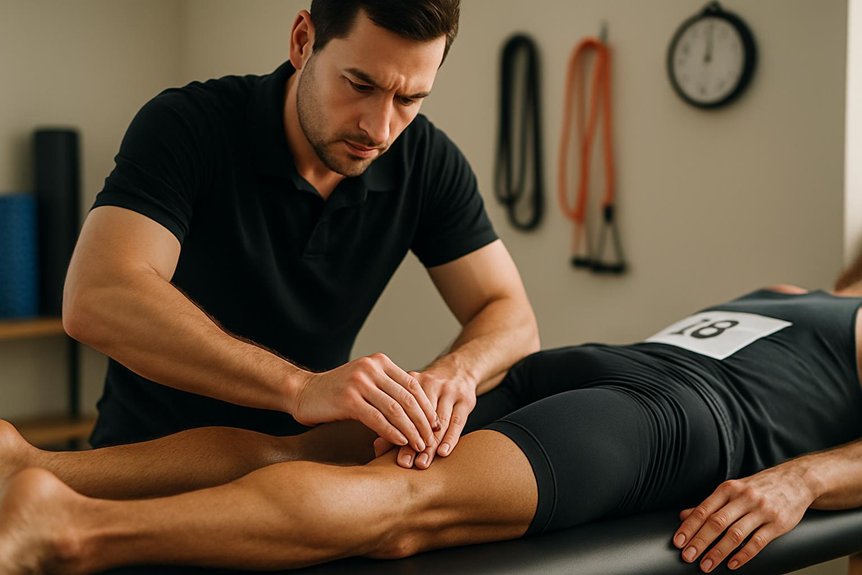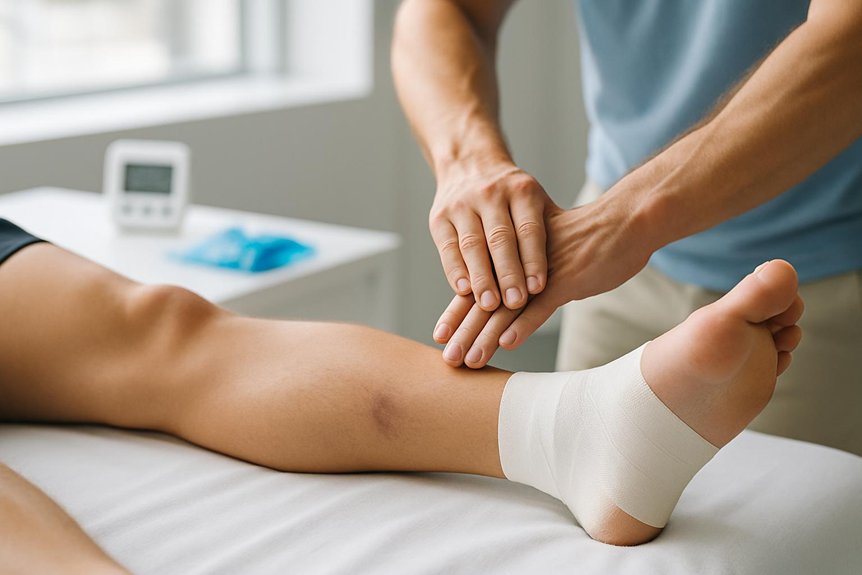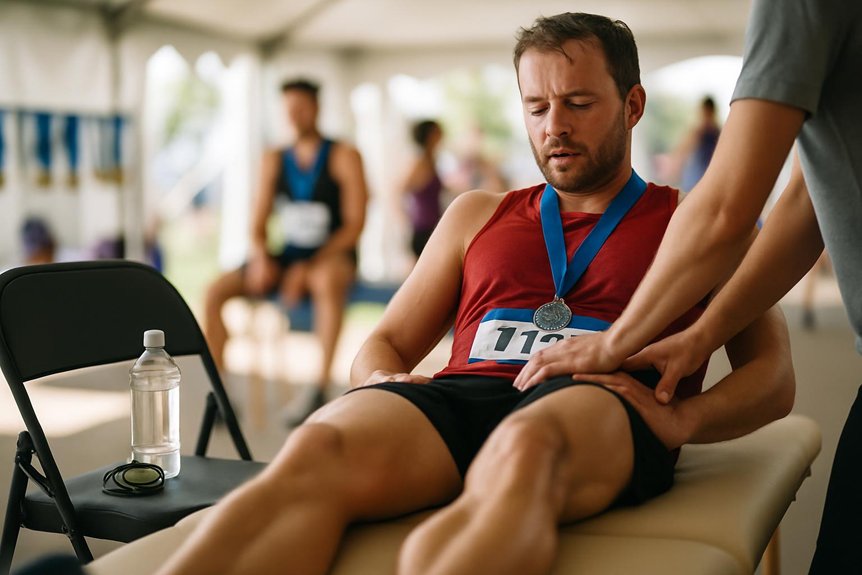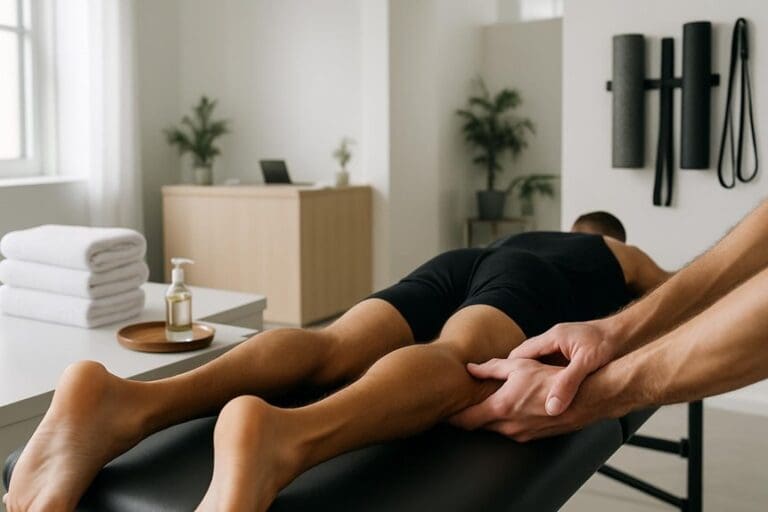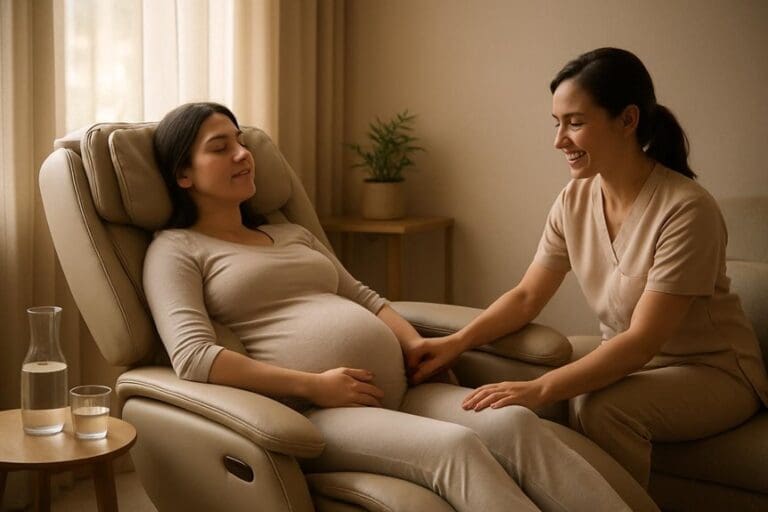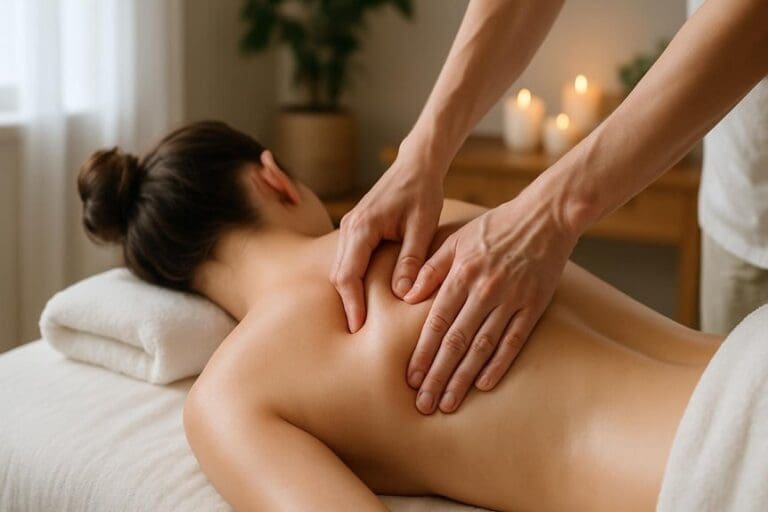
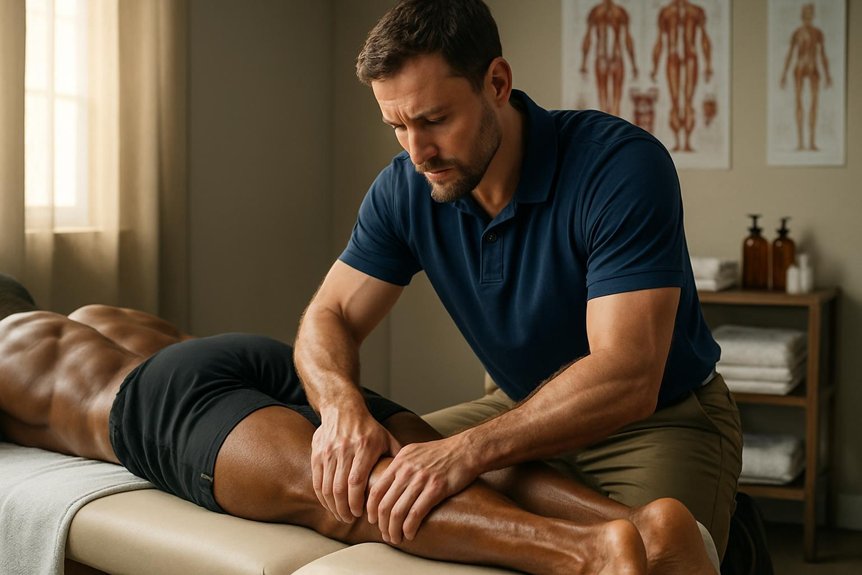
An athletic massage therapist specializes in evaluating and treating muscles, tendons, and connective tissues using precise manual techniques. They tailor sessions to address tension, improve range of motion, aid recovery, and prevent injuries. By observing movement, identifying problem areas, and applying methods like deep tissue work or myofascial release, therapists help restore balance and function. Clients also receive guidance on aftercare and preventative self-care practices. More details about their approach to optimizing musculoskeletal health follow below.
Understanding the Role of a Massage Therapist
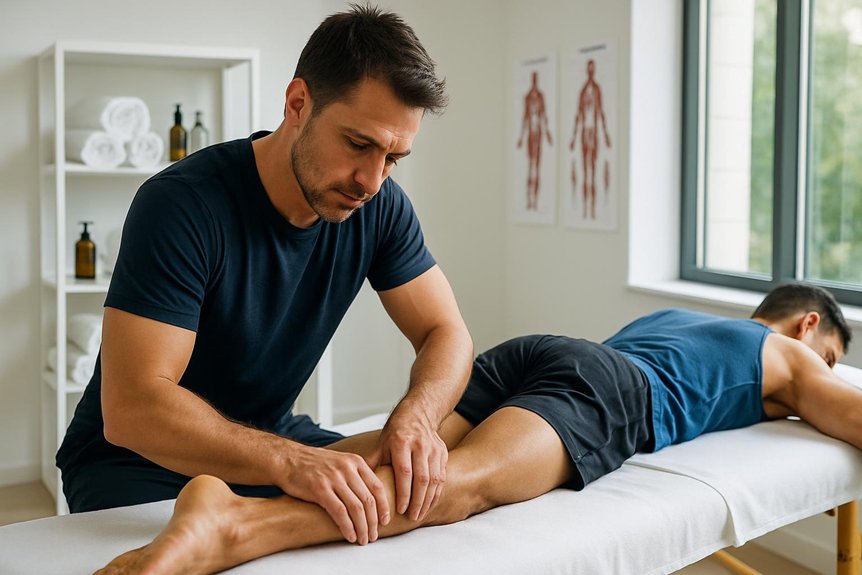
What does a massage therapist truly do? At Spa & Massage, this specialist carefully assesses the client’s musculoskeletal needs, focusing on muscles, tendons, and connective tissues most affected by activity or repetitive strain.
Their role is not just to deliver touch, but to observe posture, movement patterns, and areas of tension or restriction. Through methodical palpation and targeted manual techniques, they support recovery, enhance flexibility, and help prevent injury.
Each session is shaped by anatomical knowledge and the client’s unique goals—whether that’s preparing for an event, easing post-exercise soreness, or nurturing ongoing well-being.
In every interaction, the therapist’s presence is attentive and responsive, creating a safe space for the body to release, restore, and reconnect with itself.
Athletic massage therapists may also incorporate elements from aromatherapy massage to enhance relaxation and support healing, depending on the client’s needs.
Key Techniques Used in Sports Massage
How do targeted manual techniques in athletic massage facilitate ideal musculoskeletal function?
At Spa & Massage, therapists employ a thoughtful combination of methods including effleurage, petrissage, friction, and tapotement.
Effleurage, with its gentle, gliding strokes, warms tissues and prepares muscles for deeper work.
Petrissage follows, kneading and compressing muscle fibers to release tension and enhance lymphatic flow.
Friction techniques work more specifically, applying focused pressure to break down adhesions and promote tissue remodeling.
Tapotement delivers rhythmic percussion, stimulating circulation and awakening fatigued areas.
Each technique is carefully selected based on the client’s anatomy, activity level, and specific needs.
In our clinics, this personalized approach guarantees that every touch supports muscle recovery, increases flexibility, and fosters a sense of trust and deep relaxation within the therapeutic space.
How It Supports Athletic Performance
Optimising athletic performance requires careful attention to the musculoskeletal system’s condition and recovery. Through targeted manipulation of soft tissues, athletic massage enhances muscle elasticity, reduces fascial restrictions, and encourages healthy circulation.
At Spa & Massage, therapists focus on lengthening tight muscle fibres, flushing metabolic waste, and improving joint range of motion. This approach helps athletes recover between sessions, prepares the body for training, and supports injury prevention.
Regular athletic massage supports proprioceptive awareness—refining the body’s sense of movement and position—allowing athletes to move more efficiently.
Common Conditions Treated by Massage Therapists
A wide array of musculoskeletal conditions respond effectively to athletic massage therapy, particularly those linked to physical activity, overuse, or biomechanical imbalance. Common issues addressed include muscle strains, repetitive strain injuries, ligament sprains, and delayed onset muscle soreness.
Clients often seek relief for tight hamstrings, calf tension, lower back discomfort, or shoulder restrictions—areas that bear the brunt of modern movement and athletic demands. Tendonitis, IT band syndrome, and tension headaches also frequently benefit from targeted athletic massage techniques.
At Spa & Massage, therapists focus on the unique anatomy of each client, addressing adhesions, trigger points, and compensatory patterns that contribute to discomfort. This attentive approach helps restore mobility, relieve pain, and support the body’s natural recovery processes, fostering a sense of trust and renewal.
What to Expect During Your Massage Session
During an athletic massage session at Spa & Massage, clients can expect a personalised assessment process that identifies areas of muscular tension and specific needs. Therapists apply targeted techniques, such as deep tissue work and myofascial release, based on the client’s anatomy and goals.
After the session, clients receive tailored aftercare advice to optimise recovery and maintain mobility.
Personalised Assessment Process
How does an athletic massage session at Spa & Massage begin? Each experience starts with a personalised assessment, where the therapist invites the client to share details about their body, recent activities, and any areas of tension or discomfort. This initial conversation is unhurried, allowing the client to express concerns and goals in a confidential, supportive environment.
The therapist may observe posture, range of motion, and muscle tone, using gentle palpation to identify specific areas of muscular tightness or imbalance. This anatomically-informed evaluation informs the session’s focus, ensuring that hands-on techniques are precisely directed to where the body needs them most.
At Spa & Massage, this tailored approach fosters trust, encouraging clients to feel deeply understood and cared for throughout their athletic massage experience.
Techniques and Aftercare Advice
With insights gained from the initial assessment, the therapist selects techniques tailored to the client’s muscular needs and activity level.
In Spa & Massage clinics, therapists often combine deep tissue strokes, trigger point release, and myofascial techniques to address specific tension patterns.
Attention is paid to the direction of muscle fibers, joint mobility, and areas of previous strain, ensuring each movement serves a restorative purpose.
Warm, hypoallergenic oils may be used to facilitate smooth, comfortable pressure.
After the session, clients receive personalised aftercare advice.
This may include gentle stretching routines, hydration reminders, and guidance on recognising the body’s healing responses.
Spa & Massage therapists encourage clients to observe their body’s signals, rest as needed, and schedule follow-up treatments to optimise muscular recovery and overall wellbeing.
Aftercare and Recovery Advice From Our Therapists
Following each athletic massage session at Spa & Massage, therapists provide tailored aftercare advice to support ideal muscle recovery. Clients are guided on hydration and appropriate nutrition, effective stretching and mobility exercises, as well as the importance of rest and self-care strategies.
This thorough approach ensures sustained benefits and reduces the risk of injury between treatments.
Hydration and Nutritional Guidance
Recognising that ideal recovery extends beyond the massage table, Spa & Massage therapists emphasise the critical roles of hydration and nutrition after an athletic massage session.
During massage, metabolic waste products such as lactic acid are mobilised within the muscle tissue. Maintaining hydration assists the lymphatic system in efficiently flushing these by-products.
Clients are gently advised to increase water intake following their treatment, nurturing cellular repair and reducing soreness.
Nutritional guidance is tailored to support muscle recovery, recommending protein-rich foods and nutrient-dense options to restore energy reserves and promote tissue regeneration.
Stretching and Mobility Routines
Although massage therapy addresses acute muscle tension and aids immediate recovery, sustainable improvements in flexibility and joint function often depend on dedicated stretching and mobility routines.
At Spa & Massage, therapists guide clients through personalised stretches targeting areas of restriction, such as the hamstrings, hip flexors, or rotator cuff. These routines, grounded in anatomical precision, help lengthen muscle fibres, increase joint range of motion, and encourage mindful body awareness.
Gentle dynamic movements and static holds are commonly suggested, with attention given to breath and alignment for maximally effective results. Therapists may recommend integrating these routines into daily life, ensuring the benefits of each massage extend beyond the treatment room.
This tailored approach offers clients a nurturing pathway to lasting comfort, confidence, and ease within their own bodies.
Rest and Self-Care Practices
A crucial element in the recovery process, rest and intentional self-care allow the body’s tissues to repair and adapt after athletic massage therapy. Muscular fibers that have been manipulated require quiet time to recover, as cellular repair and metabolic waste removal peak during periods of stillness.
Spa & Massage therapists recommend clients hydrate thoroughly, prioritise adequate sleep, and allow at least 24 hours before returning to intense activity. Gentle self-massage, warm baths, and targeted breathing exercises help reduce muscle soreness and support circulation.
Clients are encouraged to listen to their bodies—honouring any signals of fatigue or discomfort. By integrating these restorative practices, individuals can extend the benefits of their massage and cultivate an intimate, ongoing relationship with their own recovery and wellbeing.
Conclusion
Like skilled sculptors shaping clay, athletic massage therapists mould and restore the body’s tissues, guiding clients back to balance and vigor. Their hands become instruments of renewal, easing tension and fostering resilience. At Spa & Massage, every tailored session symbolizes a bridge—connecting injury to healing, stiffness to flexibility, and effort to recovery. Through anatomical expertise and attentive care, these professionals empower clients to move forward, equipped for the next stride, leap, or challenge on their journey.