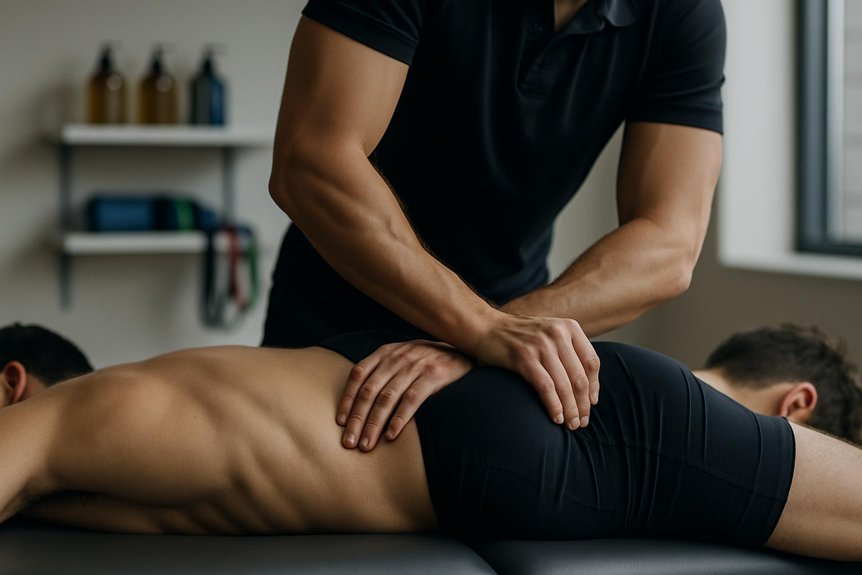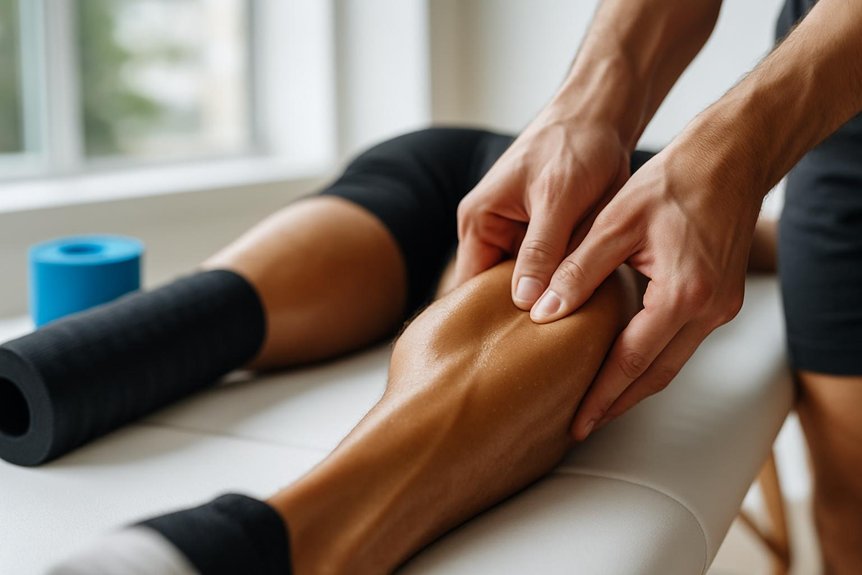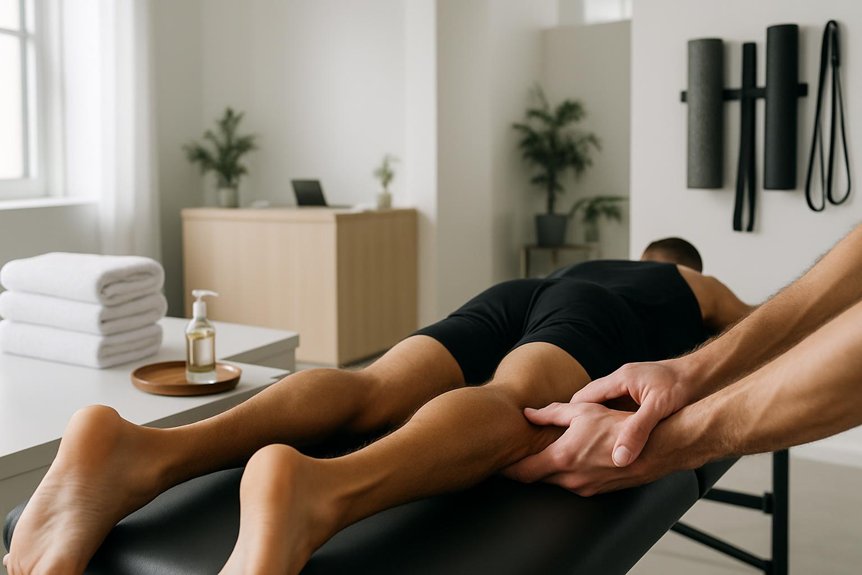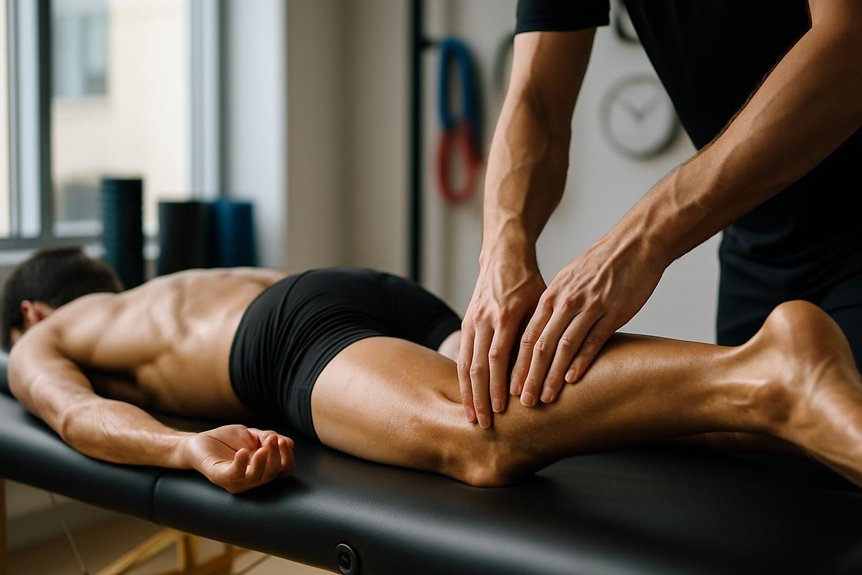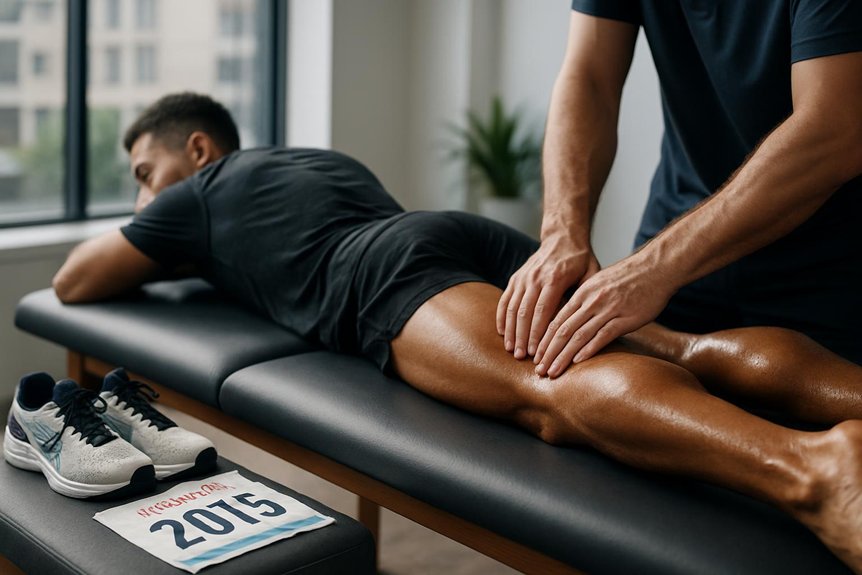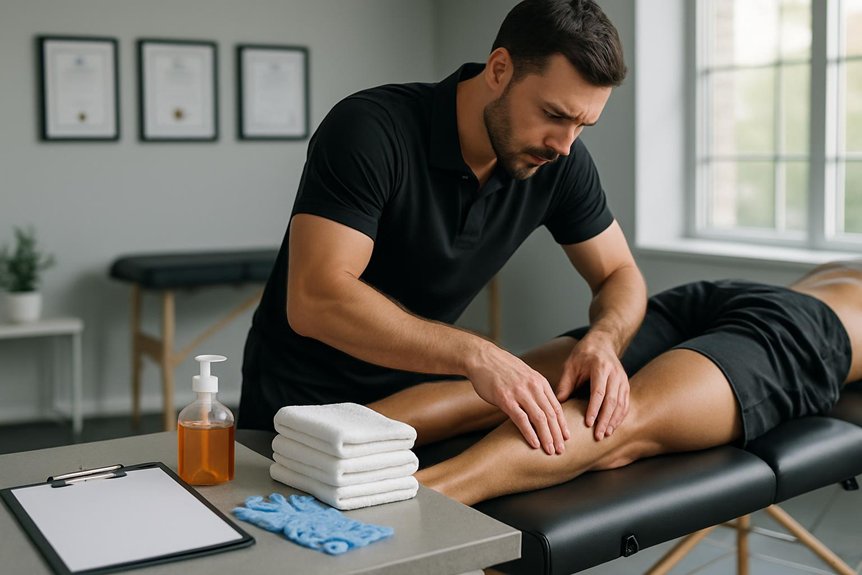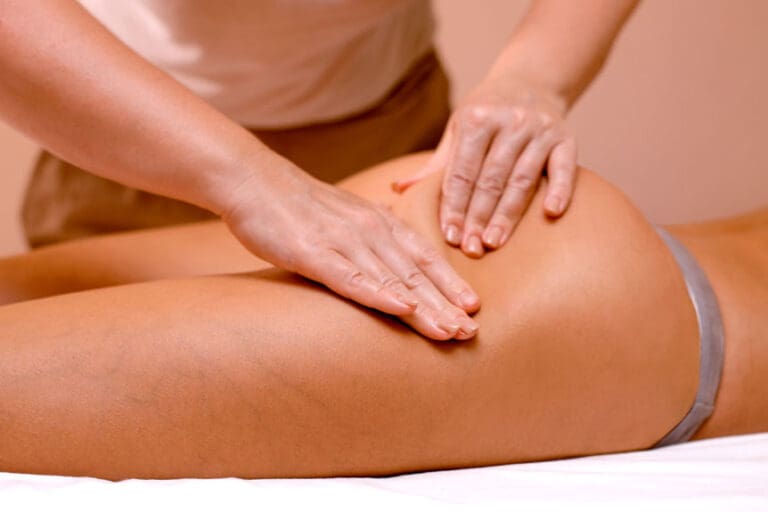
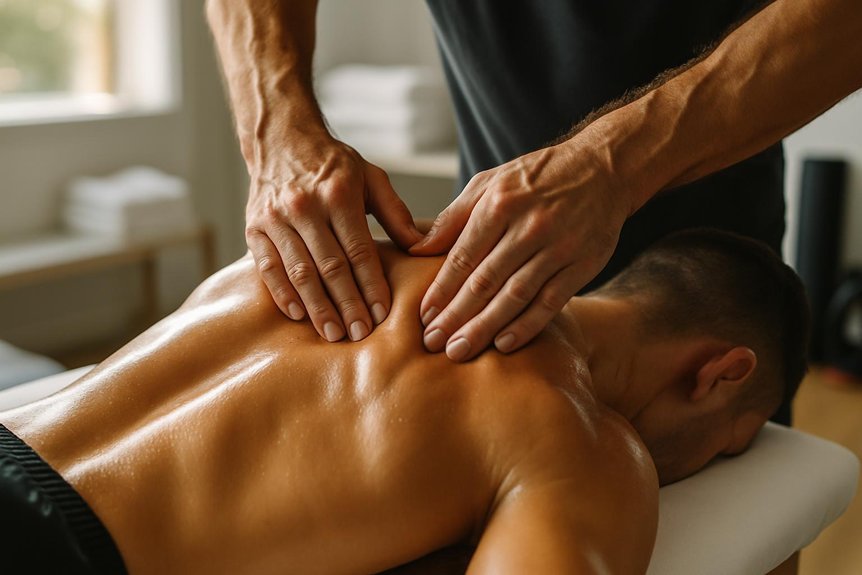
Deep tissue athletic massage is a clinical technique targeting deep muscle fascia and connective tissue to address myofascial adhesions, postural imbalances, and chronic muscular dysfunction. Therapists employ slow, anatomically precise strokes and sustained pressure to promote perfusion, restore biomechanical function, and reduce inflammation. Methods focus on myofascial release, cross-fibre friction, and careful palpation to resolve trigger points and restricted mobility. Further details outline key techniques, patient suitability, preparation, and post-session care for ideal outcomes.
Understanding Deep Tissue Athletic Massage
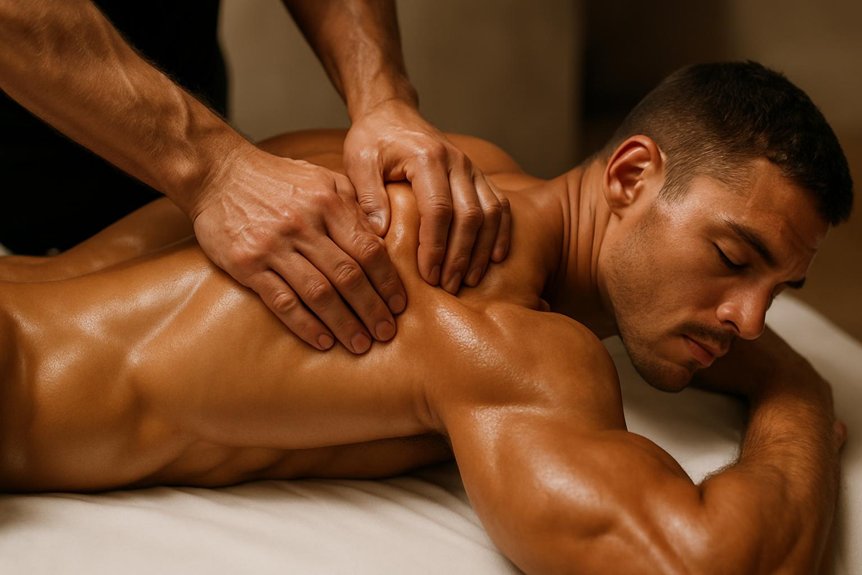
Deep tissue athletic massage is characterized by its targeted approach to the musculoskeletal system, focusing on the manipulation of deeper layers of muscle fascia and connective tissue.
Unlike general relaxation or Swedish massage, which primarily addresses superficial muscle tension, deep tissue sports massage addresses chronic muscle adhesions, myofascial restrictions, and patterns of overuse.
At Spa & Massage, therapists employ anatomical precision to distinguish between superficial and deep muscle fibers, evaluating regions of hypertonicity, trigger points, and restricted range of motion.
The intent is to facilitate ideal tissue perfusion, reduce localized inflammation, and restore biomechanical function.
This clinical application creates a therapeutic intimacy, allowing the client’s body to experience profound structural release and functional integration, far beyond surface relaxation.
A key advantage of deep tissue massage is its ability to reduce localized inflammation and support overall musculoskeletal health through specific and systematic techniques.
Key Techniques Used by Our Therapists
Building upon the distinct therapeutic objectives of deep tissue athletic massage, the effectiveness of treatment at Spa & Massage relies on the precise application of advanced manual techniques. Therapists utilise slow, deliberate strokes, targeting the deeper layers of myofascial tissue and muscle fibres.
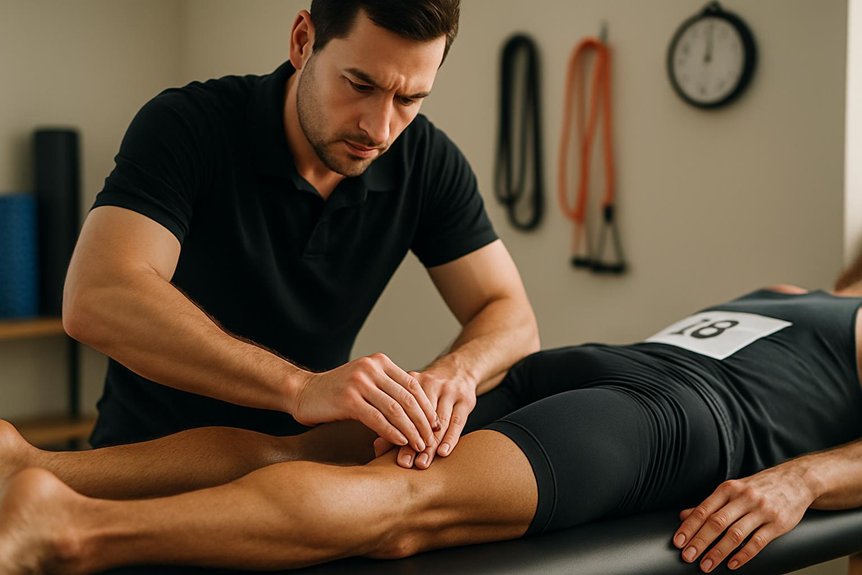
Techniques such as myofascial release, cross-fibre friction, and sustained deep pressure are employed to address chronic tension and adhesions within specific anatomical structures. Palpation is methodical, identifying trigger points and sites of restricted mobility.
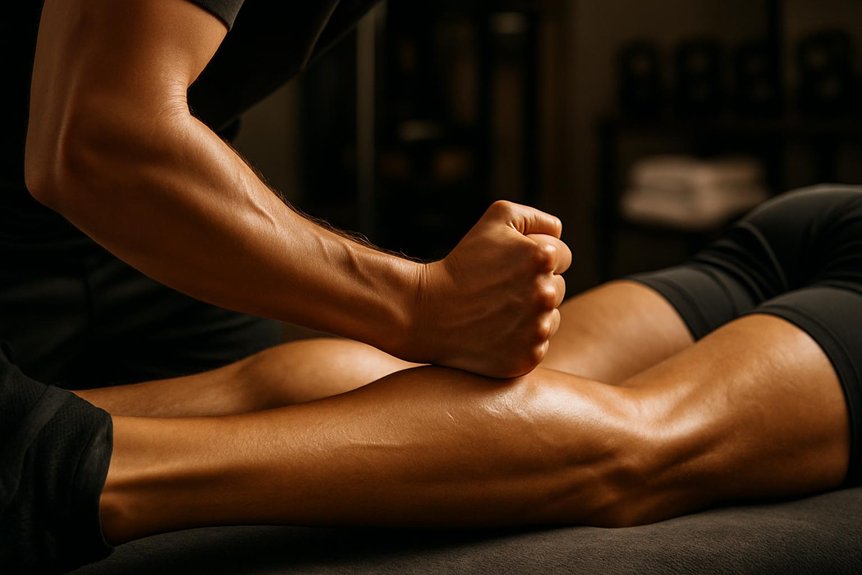
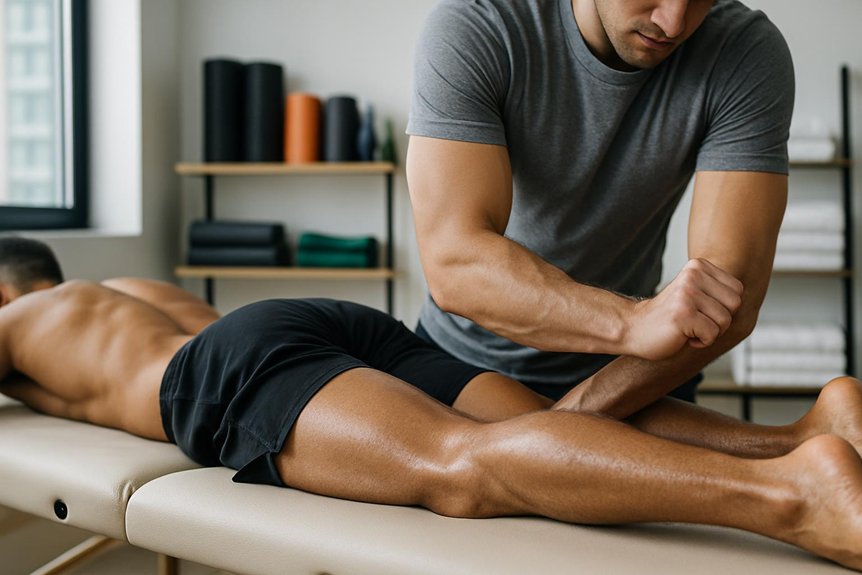
Elbows, forearms, and knuckles are commonly used to modulate pressure with care and accuracy, ensuring ideal penetration without compromising client comfort.
At Spa & Massage, therapists adjust technique depth and tempo according to individual tissue response, promoting neuromuscular relaxation and facilitating the restoration of musculoskeletal balance.
Who Can Benefit From Deep Tissue Athletic Massage
While deep tissue athletic massage is often associated with athletes, its clinical applications extend to a diverse population experiencing chronic musculoskeletal discomfort, postural imbalances, or restricted range of motion.
Individuals with sedentary occupations, repetitive strain from daily activities, or those recovering from minor soft tissue injuries can benefit markedly from targeted myofascial release and deep pressure techniques.
In Spa & Massage clinics, therapists employ precise palpation to address fascial adhesions and hypertonic muscle groups, enhancing tissue elasticity and neuromuscular function.
This approach appeals to those seeking a restorative experience, blending anatomical expertise with personalised care.
Deep tissue athletic massage serves as an effective intervention for anyone aiming to support musculoskeletal integrity, optimise biomechanical function, and reconnect with their body’s inherent capacity for resilience and ease.
Common Conditions Addressed in Our Clinics
Within Spa & Massage clinics, deep tissue athletic massage is frequently employed to address a spectrum of musculoskeletal conditions, including myofascial trigger points, chronic lower back pain, cervical tension syndromes, and repetitive strain injuries such as lateral epicondylitis and carpal tunnel syndrome.
This intervention targets adhesions within deep muscle layers and fascia, facilitating increased vascular perfusion and reducing hypertonicity. Therapists often encounter clients presenting with restricted range of motion in the shoulder girdle, chronic tension in the paraspinal musculature, or discomfort in the iliotibial band.
The approach at Spa & Massage is methodical and anatomically informed, focusing on restoring functional balance and neuromuscular integrity. Each session is tailored, addressing underlying soft tissue restrictions while encouraging relaxation and a sense of trust within the therapeutic relationship.
How to Prepare for Your Session
Prior to a deep tissue athletic massage, excellent pre-session hydration supports circulatory and musculoskeletal function.
Clients are advised to select unrestrictive attire, facilitating access to target muscle groups and ensuring procedural efficacy.
At Spa & Massage, these preparatory measures are integral to maximizing therapeutic outcomes and client comfort.
Pre-Session Hydration Tips
How does ideal hydration influence the efficacy of deep tissue athletic massage? Optimal hydration enhances circulatory efficiency, supporting nutrient exchange and waste removal within muscle fibers. When tissues are adequately hydrated, interstitial fluid balance is maintained, facilitating smoother manipulation of fascial planes and myofibril bundles during therapeutic intervention.
At Spa & Massage, therapists underscore the importance of consuming water in the hours preceding a session—ideally 500–700ml two hours prior. This practice primes the extracellular matrix and promotes pliability of connective tissue.
Dehydration, conversely, may induce myofascial rigidity and limit the therapist’s ability to achieve desired therapeutic depth. Clients are encouraged to avoid excessive caffeine or alcohol pre-session, as these substances can undermine tissue hydration and diminish the potential benefits of focused manual therapy.
Clothing and Comfort Choices
Although external attire is not directly manipulated during a deep tissue athletic massage, appropriate clothing selection facilitates both physiological access and patient comfort.
At Spa & Massage, clients are advised to wear loose, non-restrictive garments prior to their appointment, optimising undressing ease and reducing sympathetic arousal associated with restrictive attire. During the session, only the area being addressed—such as the quadriceps, hamstrings, or paraspinal muscles—is exposed, while the rest remains draped for privacy and warmth.
This approach supports both the therapist’s anatomical focus and the client’s psychological relaxation. For those desiring a heightened sense of security, communicating personal preferences regarding draping or coverage is encouraged.
Our practitioners at Spa & Massage prioritise an environment where each individual’s boundaries and comfort are respected throughout the treatment.
What to Expect During and After Treatment
During a deep tissue athletic massage at Spa & Massage, clients undergo targeted manipulation of musculoskeletal structures, with focus on deeper layers of muscle fascia and connective tissue.
Skilled therapists employ slow, deliberate strokes, often utilizing elbows, forearms, and knuckles to access and release chronic tension, adhesions, and trigger points within the affected muscle groups.
The experience is frequently described as intense yet profoundly relieving, with clients attuned to subtle shifts in tissue texture and muscular relaxation.
Post-treatment, transient erythema, localized soreness, or mild fatigue may occur as physiological responses to the release of metabolic byproducts and increased vascular perfusion.
Many individuals report a heightened sense of physical awareness and deep relaxation, reflective of the therapeutic precision and clinical expertise emphasized in Spa & Massage’s approach.
Aftercare Tips for Lasting Results
For ideal recovery following deep tissue athletic massage, clients are advised to prioritise adequate hydration and balanced nutrition to facilitate tissue repair and metabolic waste clearance.
Incorporating gentle movement and targeted stretching supports musculoskeletal adaptation and flexibility.
Spa & Massage therapists also provide evidence-based strategies for managing transient post-massage soreness to enhance overall therapeutic outcomes.
Hydration and Nutrition Essentials
Adequate hydration and balanced nutrition are critical components in supporting tissue repair and optimizing the therapeutic benefits of deep tissue athletic massage. Post-treatment, Spa & Massage therapists emphasize fluid intake to facilitate efficient metabolic waste removal from the interstitial spaces, minimizing post-massage soreness and aiding capillary function.
Water assists in the regulation of plasma volume, while electrolyte-rich fluids restore cellular equilibrium, especially following intensive myofascial manipulation. Nutritionally, a focus on lean proteins, complex carbohydrates, and micronutrients—such as magnesium and vitamin C—supports collagen synthesis and muscular recovery.
Our practitioners note that clients who prioritize nutrient-dense meals often experience reduced inflammation and enhanced muscular pliability. Through intentional hydration and thoughtful dietary choices, clients sustain the physiological gains achieved during their session, fostering enduring tissue health and resilience.
Gentle Movement and Stretching
Following deep tissue athletic massage, controlled reintroduction of gentle movement and targeted stretching is essential for maintaining myofascial elasticity and promoting ideal neuromuscular adaptation.
At Spa & Massage, therapists recommend progressive mobility exercises—such as passive range-of-motion movements and focused static stretches—to facilitate optimal circulation within recently manipulated muscle fibers and fascia. Engaging large muscle groups with mindful, slow articulation assists in reducing residual tension while supporting the structural realignment achieved during treatment.
Stretching the primary muscle compartments addressed in session, under careful guidance, prevents compensatory patterns and reinforces functional restoration. Clients are advised to listen closely to proprioceptive feedback, adjusting intensity to avoid overstimulation.
This approach, embedded in Spa & Massage aftercare philosophy, enhances tissue pliability, expedites metabolic waste clearance, and cultivates deeper somatic awareness for lasting therapeutic benefit.
Managing Post-Massage Soreness
How does one effectively navigate the transient discomfort that may arise after deep tissue athletic massage?
At Spa & Massage, practitioners recommend incremental hydration to facilitate metabolic waste removal from myofascial tissues. The application of warm compresses can promote vasodilation and mitigate post-treatment muscle tension.
Should localized soreness persist, gentle self-mobilization—such as passive range-of-motion exercises—may support lymphatic drainage and reduce residual inflammation.
Clients are advised to avoid strenuous activities immediately post-session to allow micro-tears within muscle fibers adequate time for repair.
Topical analgesics, as recommended by Spa & Massage therapists, may offer additional relief for sensitive areas.
Attentive aftercare, including adequate rest and mindful body awareness, ensures that the therapeutic effects of deep tissue athletic massage are maximized for both immediate and lasting musculoskeletal benefits.
Conclusion
Much like a sculptor chiseling away to reveal strength beneath stone, deep tissue athletic massage artfully addresses the body’s deeper muscular structures, restoring balance and functionality. Through targeted manipulation of fascia and muscle fibers, this treatment serves as both shield and salve—fortifying resilience while mending strain. At Spa & Massage, such clinical precision ensures that each session becomes a cornerstone in the architecture of musculoskeletal health, supporting clients’ pursuit of ideal movement and recovery.