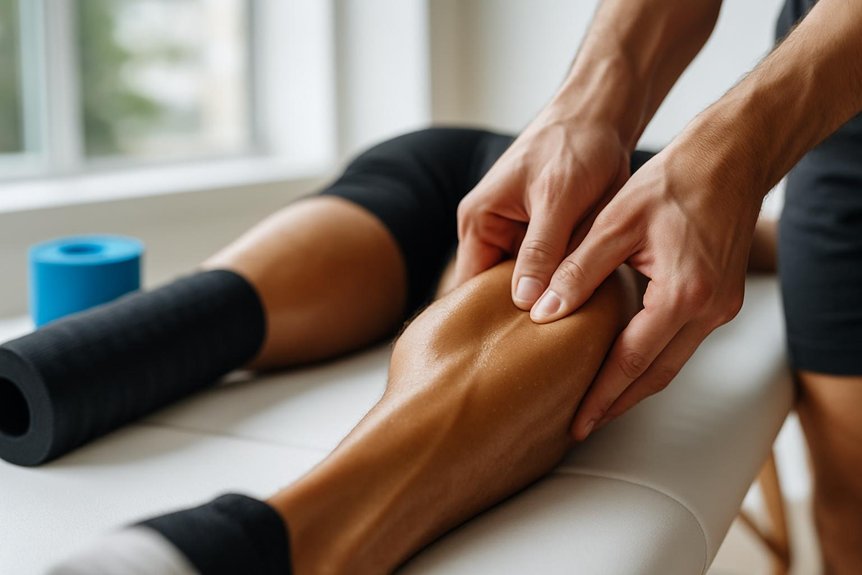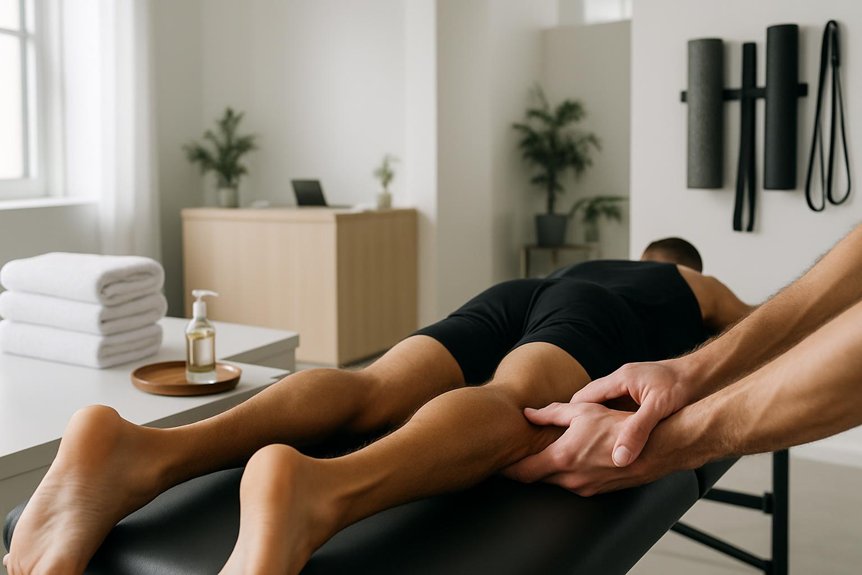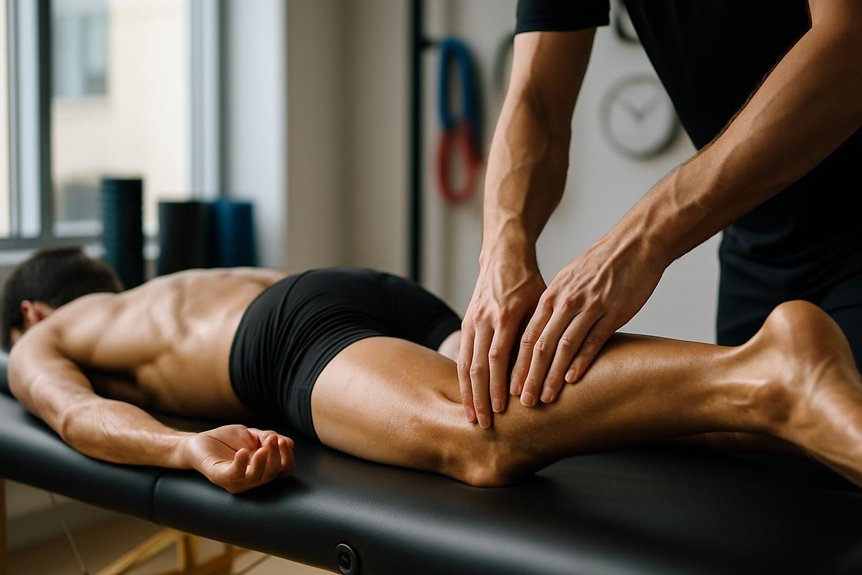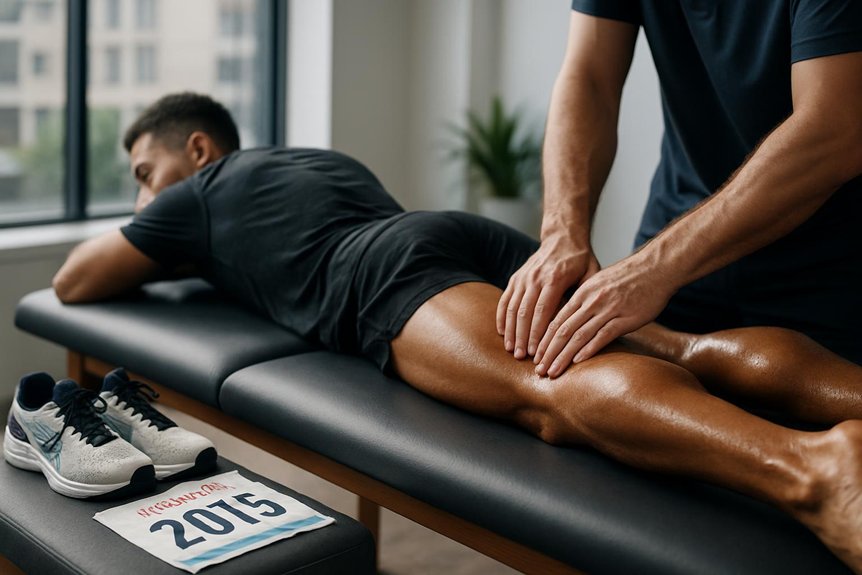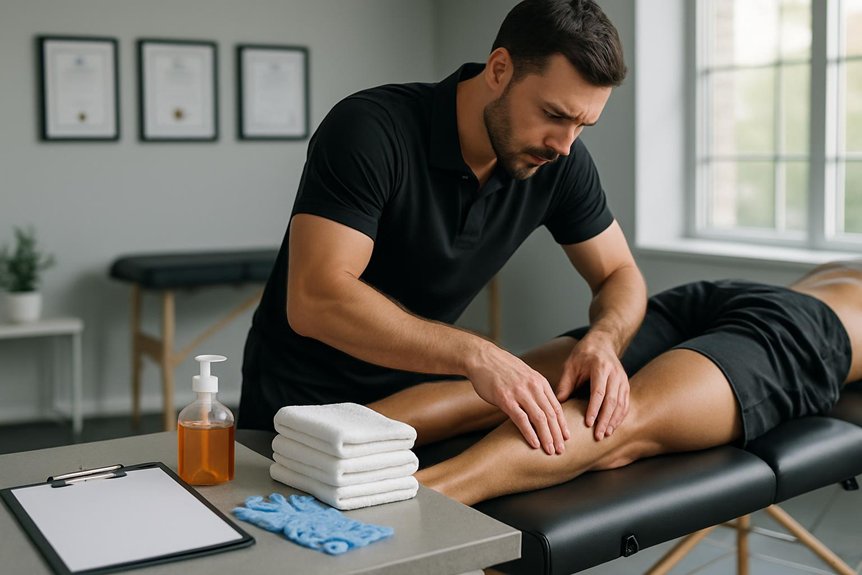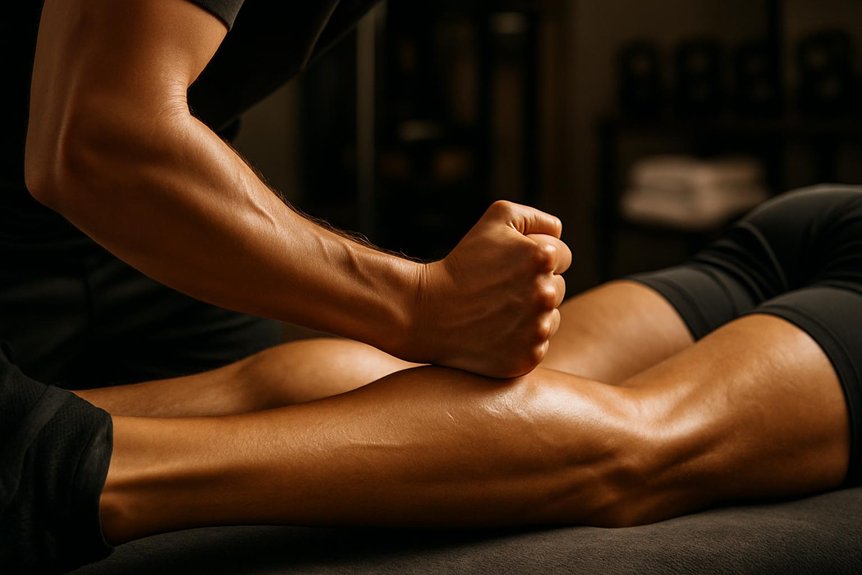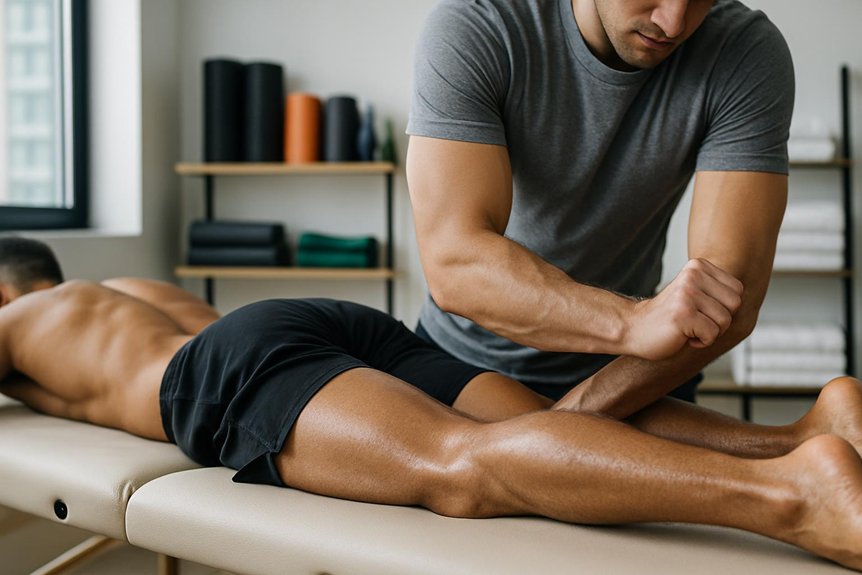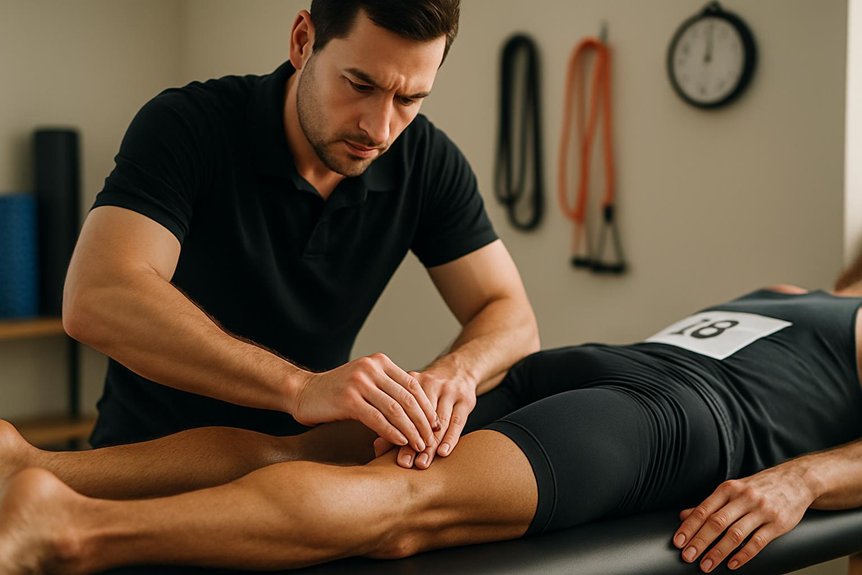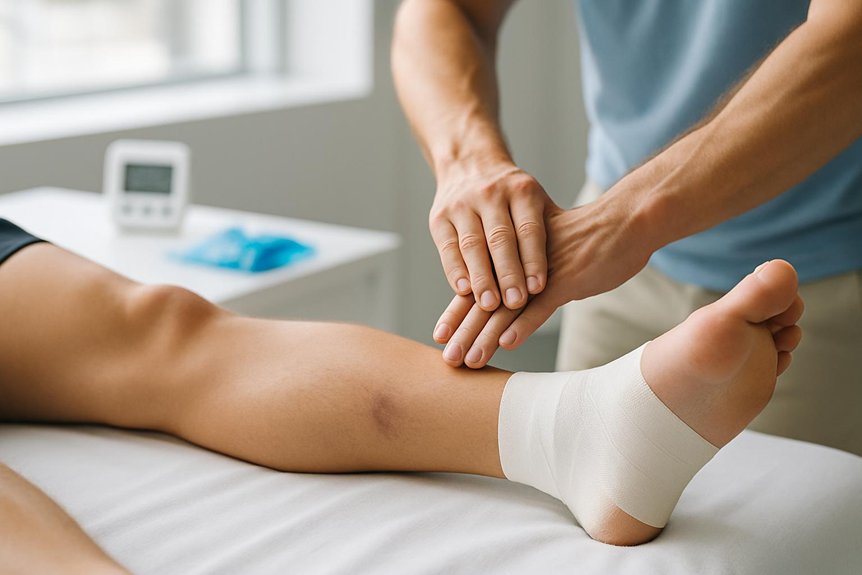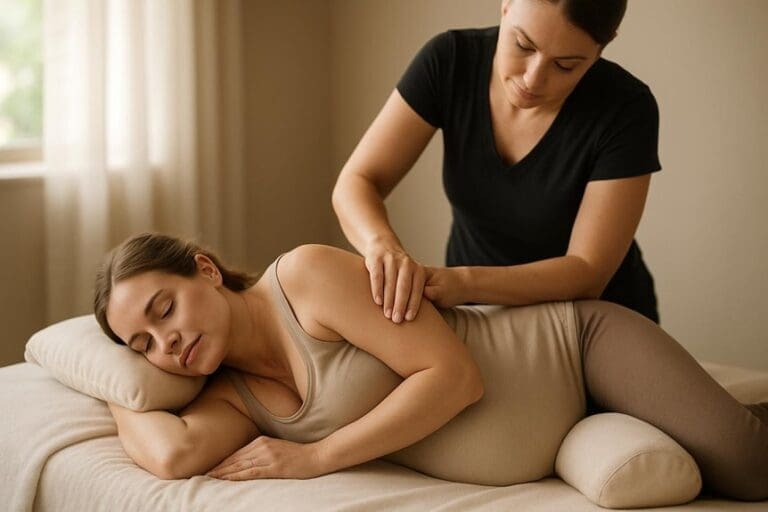

It is beneficial for enhancing muscle function, reducing injury risk, and speeding up recovery after exercise through anatomically targeted, client-focused techniques. It addresses tension, promotes circulation, and improves flexibility by applying methods such as deep tissue work and myofascial release. Athletes benefit from refined assessments that support joint health, muscle symmetry, and physical resilience. Individualized sessions offer both prevention and relief of discomfort, supporting long-term wellbeing. Explore further to understand its specific effects and how sessions are tailored.
Enhancing Athletic Performance
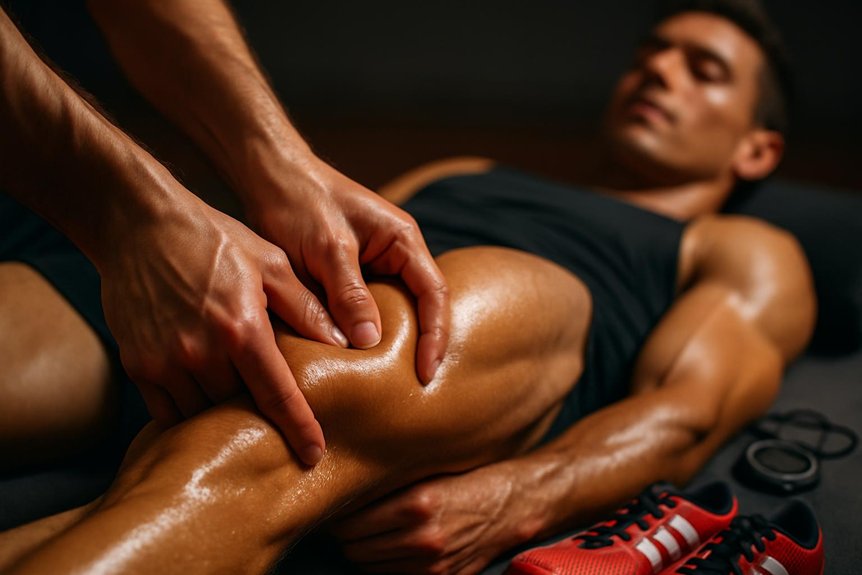
When athletes seek to optimise their physical performance, targeted sports massage can play a critical role in their training regimen.
At Spa & Massage, therapists use specialised techniques—like deep tissue manipulation, myofascial release, and trigger point therapy—to address specific muscle groups engaged during sport. These methods encourage increased blood flow, efficient removal of metabolic waste, and improved muscle elasticity.
Through precise, client-focused touch, therapists identify areas of tension or overuse and apply pressure that both soothes and invigorates.
This anatomically-informed approach can enhance recovery between training sessions, support neuromuscular coordination, and foster a sense of readiness before competition.
Many clients report sharper body awareness and greater ease of movement after a session, empowering them to perform with confidence and connection.
In addition, incorporating aromatherapy massage principles—such as the use of essential oils—can further deepen relaxation and promote healing, offering athletes a more holistic approach to body care.
Preventing Sports Injuries
Although athletic pursuits inherently carry a risk of injury, targeted athletic massage can markedly reduce this risk by addressing imbalances and restrictions before they develop into problems.
At Spa & Massage, therapists use detailed anatomical knowledge to assess each client’s unique movement patterns and muscular tension. Techniques such as myofascial release, trigger point therapy, and deep tissue manipulation are applied to areas where excessive tightness, adhesions, or asymmetry threaten joint stability and tissue health.
By increasing flexibility and improving circulation, massage helps maintain ideal muscle length and elasticity—crucial for preventing strains and overuse injuries. Clients benefit from a bespoke approach, as each session is tailored to their activity level, goals, and history.
This proactive care fosters a sense of security, supporting both physical resilience and confidence.
Speeding Up Recovery After Exercise
Following intense physical activity, the body initiates a cascade of repair processes to restore muscle fibres, clear metabolic waste, and reduce inflammation.
It accelerates these natural mechanisms by enhancing local circulation and lymphatic drainage, supporting the swift removal of lactic acid and cellular debris. In Spa & Massage clinics, therapists employ targeted effleurage and petrissage techniques, focusing on areas of fatigue to stimulate oxygen delivery and nutrient uptake at the tissue level.
This hands-on approach encourages healthy cell turnover and helps clients return to movement with greater ease.
Many individuals find that receiving athletic massage soon after exercise fosters a nurturing sense of renewal, making recovery not just a physical process but also an intimate opportunity for self-care and restoration.
Reducing Muscle Tension and Soreness
Muscle tension and post-exercise soreness are frequent concerns for individuals engaging in regular physical activity.
It addresses these issues through targeted techniques that focus on manipulating specific muscle groups, fascia, and connective tissues.
At Spa & Massage clinics, therapists use a combination of deep tissue strokes, myofascial release, and gentle stretching tailored to each client’s unique needs.
This approach encourages the release of muscular knots, enhances local circulation, and assists in flushing metabolic byproducts such as lactic acid from the tissues.
As muscles become more pliable under skilled hands, discomfort eases and a sense of bodily relief emerges.
Clients often report a tangible softening of tension and a reduction in soreness—a direct result of the careful, attentive touch employed in every session.
Supporting Long-Term Physical Wellbeing
By systematically addressing biomechanical imbalances and promoting tissue resilience, it plays a preventive role in safeguarding long-term physical wellbeing. Skilled therapists at Spa & Massage employ targeted techniques—such as myofascial release and deep tissue manipulation—to encourage ideal joint function and maintain muscular symmetry.
Regular sessions can help clients remain attuned to subtle shifts in posture or movement patterns, allowing early intervention before discomfort escalates into injury. The hands-on approach not only enhances circulation and flexibility but also supports the body’s natural healing mechanisms, reducing the cumulative impact of repetitive strain.
In our clinics, therapists tailor each session to the individual’s needs, fostering a sense of trust and continuity. This client-centered care builds a foundation for enduring strength, agility, and comfort in daily life.
Conclusion
It acts as a finely-tuned compass, guiding the body toward balance and resilience. Through anatomically-targeted techniques, therapists at Spa & Massage address specific muscle needs, supporting clients at every level of activity. Whether aiming to prevent injury, enhance recovery, or simply ease everyday discomfort, this hands-on therapy is tailored to each individual. Ultimately, it is not just for athletes—it’s an essential tool for anyone seeking to chart a healthier, more mobile course in life.