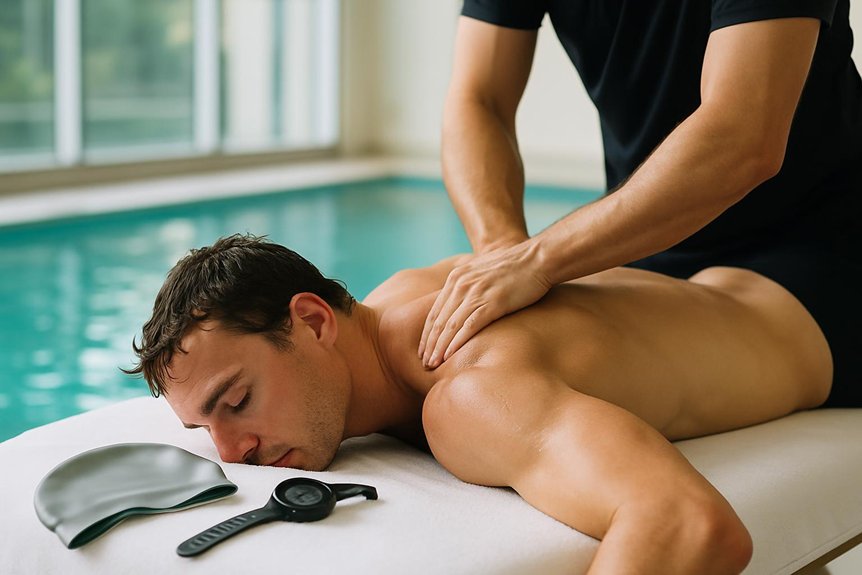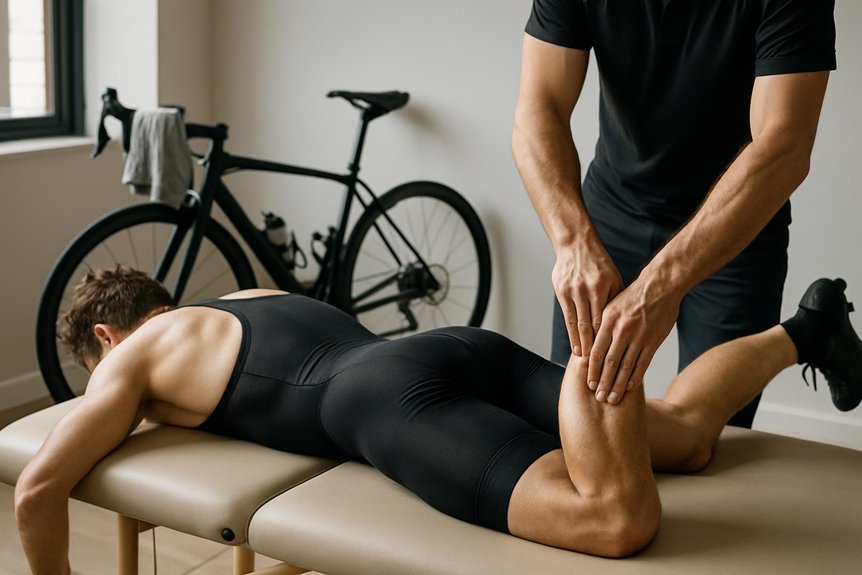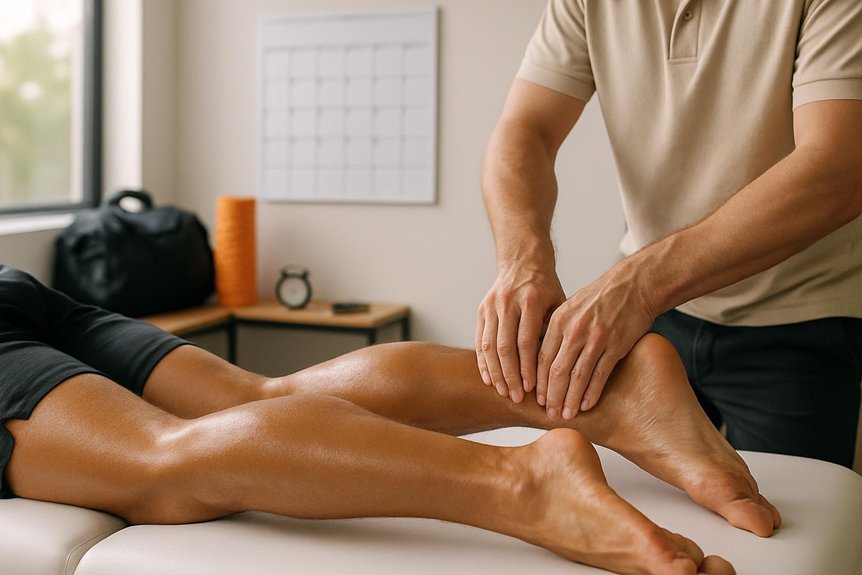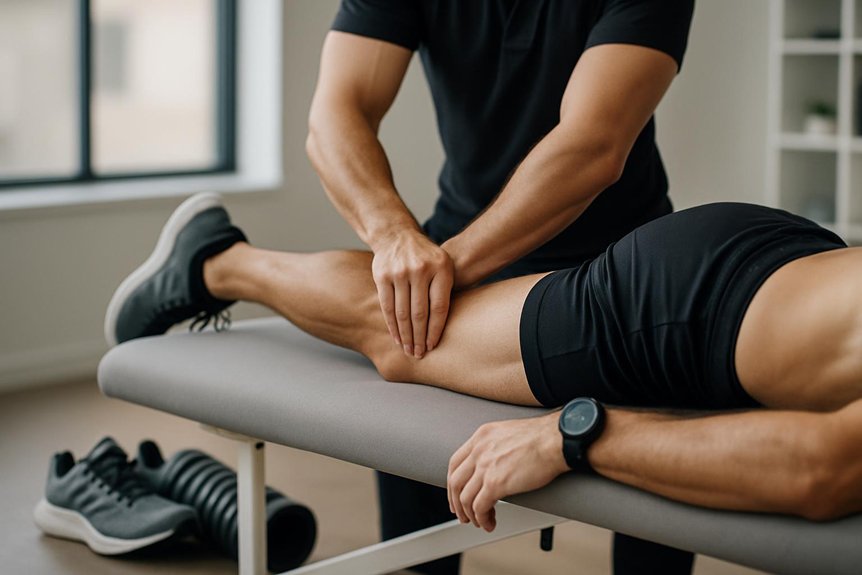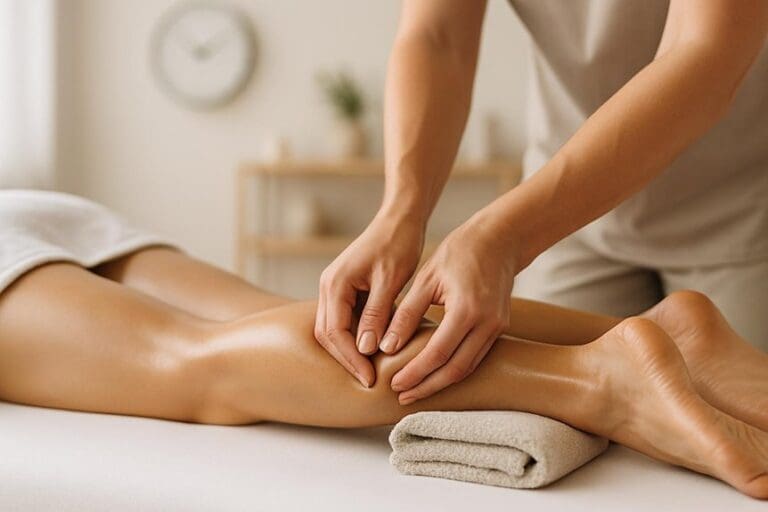
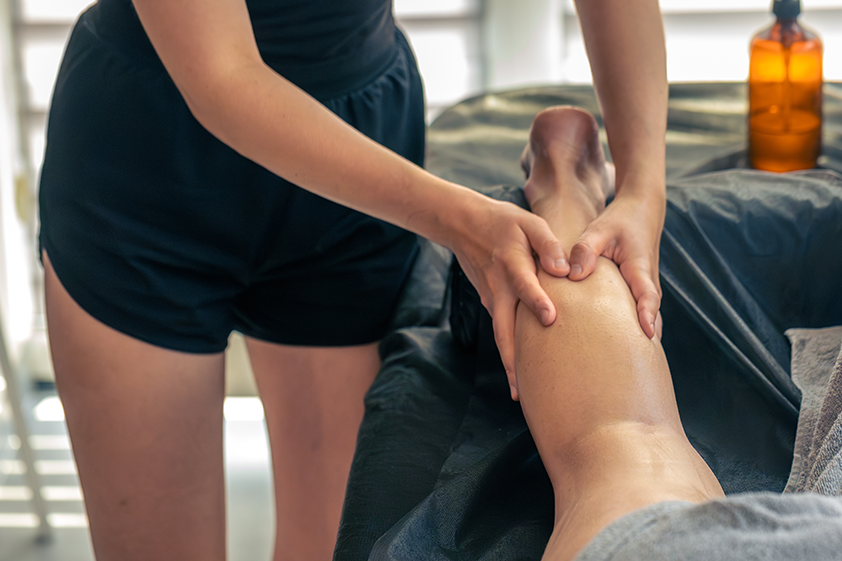
Athletic massages often cause discomfort because therapists apply sustained, deep pressure to manipulate myofascial adhesions, hypertonic muscles, and trigger points. Techniques such as deep friction and myofascial release target dense connective tissue and taut muscle bands, eliciting sensations of aching or tenderness as part of tissue recovery. This discomfort signals the engagement of nociceptors and is typically considered therapeutic if tolerable and short-lived. Discover the anatomical reasons and strategies for managing this sensation in detail below.
Understanding the Purpose of Sports Massage
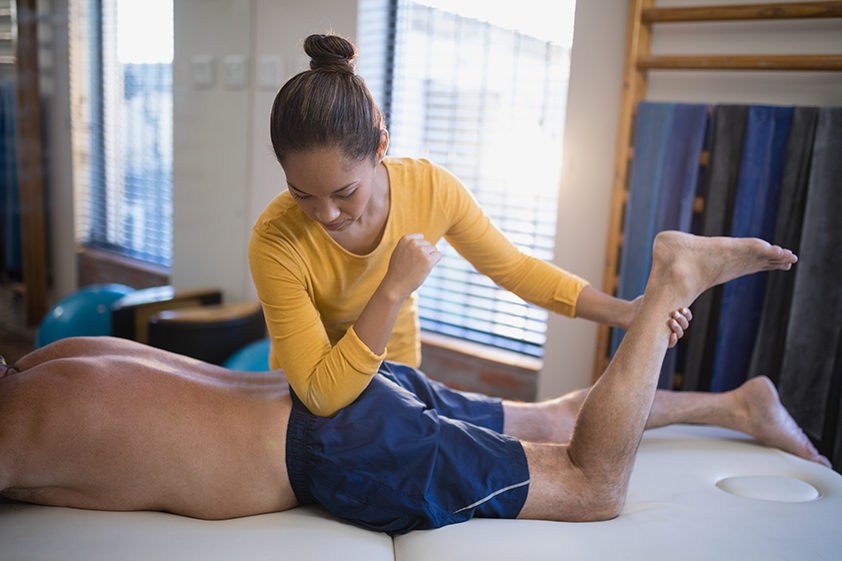
Frequently, individuals may wonder why athletic massage is distinct from other therapeutic modalities. It targets musculoskeletal structures under specific mechanical stress, aiming to enhance tissue pliability, accelerate recovery, and optimize functional performance.
Practitioners at Spa & Massage employ advanced techniques—such as deep effleurage, friction, and myofascial release—focused on muscle bellies, tendinous junctions, and fascial planes. This modality is anatomically precise, addressing adhesions, trigger points, and microtrauma that accumulate from repetitive or intense physical activity.
The therapeutic intent lies in promoting increased circulation, facilitating metabolic waste removal, and supporting the restoration of tissue integrity. At Spa & Massage is carefully adapted to the client’s physiological state, with a nuanced understanding of muscle tone, joint mobility, and individual recovery cycles, fostering intimacy between therapist and client. In fact, athletic massage benefits for athletes include injury prevention, improved flexibility, and enhanced performance, making it a preferred choice for those engaged in regular physical activity.
Common Reasons for Discomfort During Treatment
Discomfort during athletic massage frequently arises from the targeted manipulation of myofascial adhesions, hypertonic muscle fibers, and localized trigger points.
Application of sustained deep pressure is often necessary to address chronic tension and facilitate neuromuscular release.
These therapeutic interventions, commonly practiced by Spa & Massage therapists, are designed to restore functional mobility but can temporarily provoke pain due to underlying tissue sensitivity.
Muscle Tension and Knots
Why does athletic massage often result in discomfort? One primary factor is the presence of muscle tension and myofascial trigger points, commonly referred to as “knots.” These hyperirritable areas form within taut bands of muscle fibers, frequently arising from repetitive strain, overuse, or postural imbalances.
During a athletic massage at Spa & Massage, therapists systematically identify and address these localized zones of tightness. Manual pressure and friction techniques are applied to disrupt adhesions, promote circulation, and restore ideal muscle function.
This targeted manipulation can activate nociceptors within the muscle, leading to a sensation of tenderness as the tissue releases. Understanding the anatomical basis of these knots allows for a more therapeutic, effective session, supporting recovery and enhancing the body’s natural healing processes.
Deep Pressure Application
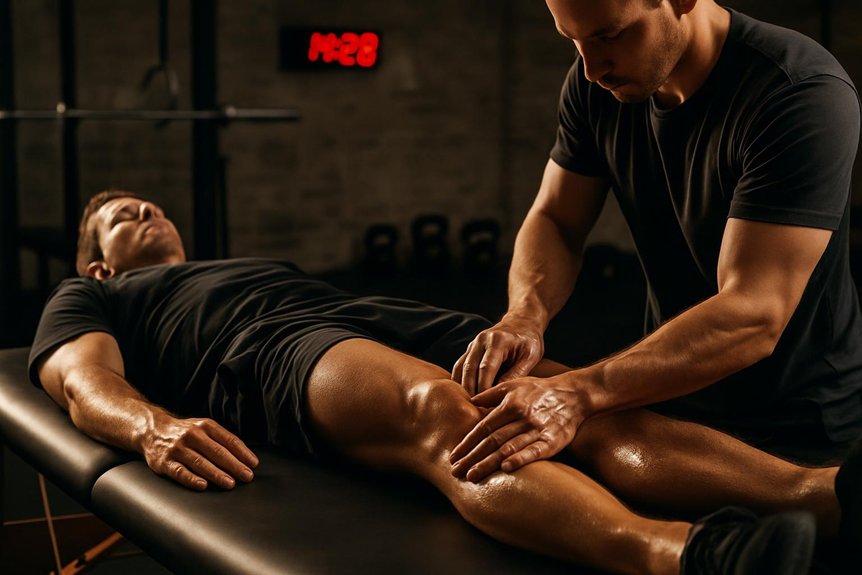
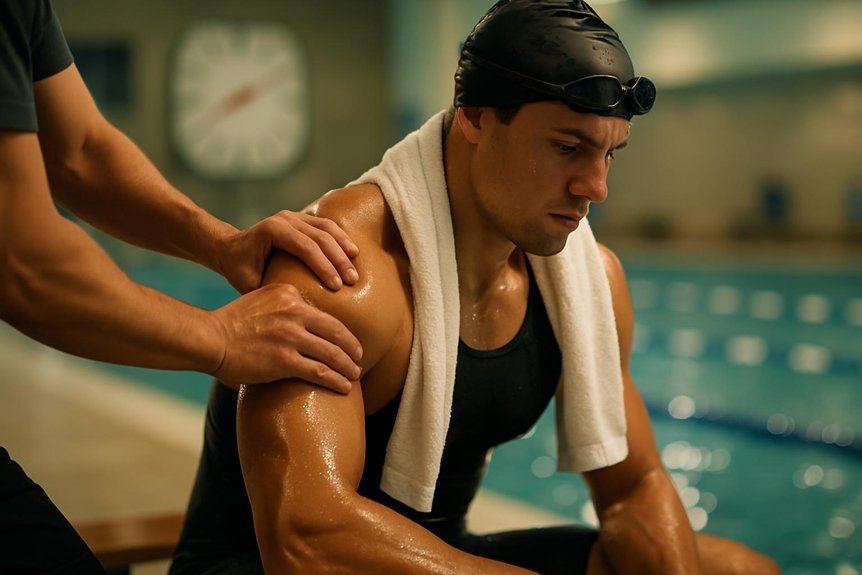
When therapists at Spa & Massage administer athletic massage, deep pressure is strategically applied to access underlying muscle layers and connective tissues such as fascia, tendons, and ligaments.
This targeted application is designed to disrupt adhesions, elongate restricted fibers, and mobilize tissues that may be contributing to discomfort or impaired mobility.
The sensation experienced during deep pressure often stems from the deliberate engagement of sensitive mechanoreceptors and nociceptors embedded within these structures.
While this method can elicit intense physical feedback, it is essential for facilitating the release of chronic tension and restoring ideal tissue pliability.
The therapists at Spa & Massage calibrate pressure in response to each client’s anatomical feedback, fostering both therapeutic efficacy and a sense of trust, safety, and profound bodily connection throughout the session.
Trigger Point Release
In addition to deep pressure techniques, athletic massage frequently incorporates focused trigger point release to address localized areas of hyperirritable muscle tissue known as myofascial trigger points.
These nodules often develop within taut bands of skeletal muscle fibers, causing referred pain and restricting mobility.
During treatment, therapists apply sustained, precise pressure directly onto the trigger point, often using the thumb, elbow, or knuckles.
This targeted compression can provoke discomfort or a deep aching sensation, reflecting the release of muscle tension and facilitation of local blood flow.
At Spa & Massage, therapists carefully assess tissue response, adjusting intensity to balance therapeutic effectiveness with client tolerance.
The process is designed to restore normal muscle function, alleviate chronic pain, and enhance overall range of motion, supporting lasting recovery and wellbeing.
Techniques Used by Therapists That May Cause Pain
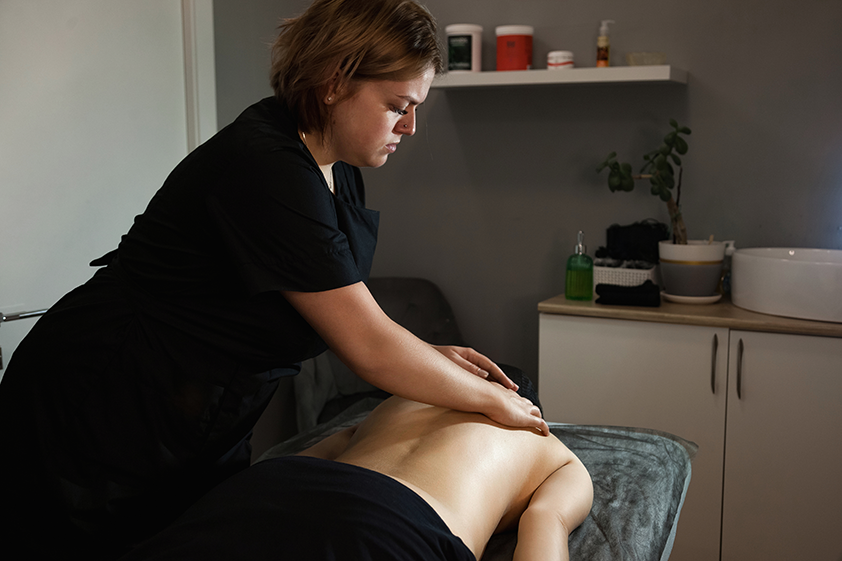
Often, clients report discomfort during athletic massage due to specific manual techniques targeting deeper muscle layers and connective tissues.
Therapists at Spa & Massage employ methods such as deep transverse friction, myofascial release, and sustained compression, all designed to access dense fascia and break down adhesions.
These approaches deliberately apply focused pressure along muscle fibers, tendons, and ligaments, stimulating circulation and encouraging tissue repair.
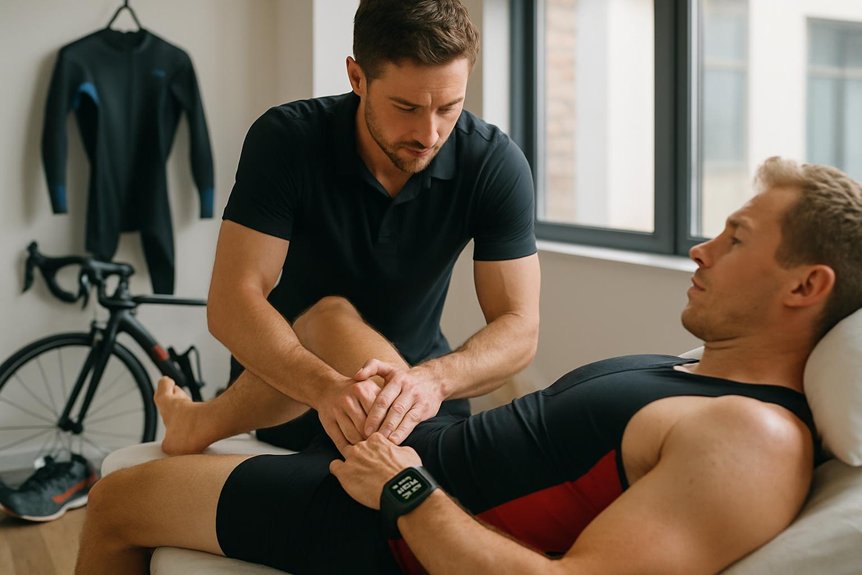
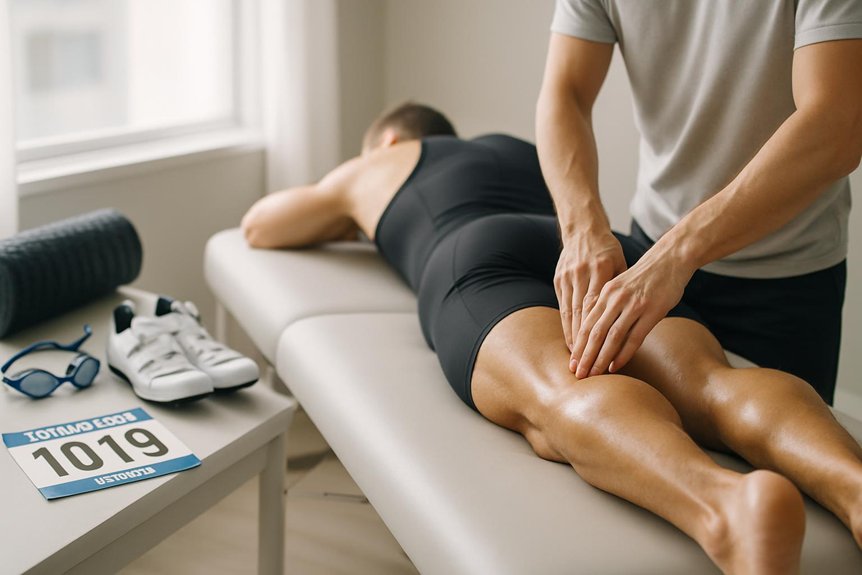
Using their forearms, elbows, or knuckles, therapists manipulate anatomical structures like the iliotibial band, quadriceps, and calf muscles, eliciting sensations that may be intense but purposeful.
Clients often notice that this calculated discomfort is integral to the therapeutic process, ultimately fostering increased mobility, reduced muscular tension, and improved performance.
The expert hands at Spa & Massage ensure each technique is tailored for maximal benefit and safety.
The Role of Muscle Tension and Trigger Points
Due to persistent muscular overload or biomechanical stress, localized muscle tension and the formation of myofascial trigger points frequently underlie the discomfort experienced during athletic massage.
These hyperirritable nodules, often embedded within taut bands of skeletal muscle, can restrict circulation and impair neuromuscular function. When a skilled therapist palpates these areas, as done at Spa & Massage clinics, the application of targeted pressure may provoke a sharp or aching sensation.
This reaction stems from the release of accumulated metabolic waste and the mechanical disruption of abnormal muscle fiber contraction. Addressing these trigger points is vital for restoring tissue pliability and promoting ideal musculoskeletal health.
The expertise of Spa & Massage therapists ensures that each intervention is both purposeful and attuned to the recipient’s unique physical needs.
How Much Pain Is Normal During an Athletic Massage?
While the presence of muscle tension and trigger points can elicit discomfort during targeted therapeutic intervention, the degree of pain experienced throughout an athletic massage should remain within a tolerable threshold.
In clinical practice at Spa & Massage, the sensation is often described as “therapeutic discomfort” rather than sharp or intolerable pain.
Pressure applied to myofascial structures, particularly over areas of hypertonicity or adhesion, may provoke a deep ache or mild tenderness. However, the sensation should always feel manageable.
Communication with the therapist is essential, ensuring that nociceptive signals do not exceed an individual’s comfort boundary.
Pain should subside when pressure is released, never lingering or radiating.
Respect for the body’s feedback is central, facilitating both effective soft tissue release and a sense of trust and safety.
Tips to Manage and Minimise Discomfort
Effective management of discomfort during athletic massage hinges on a combination of preparatory strategies, real-time communication, and evidence-based aftercare.
Prior to treatment, hydration supports ideal tissue pliability, while gentle stretching primes muscle fibers and fascia for deeper manipulation. During the session, clients are encouraged to articulate sensations along specific muscle groups to facilitate adaptive pressure adjustments by the therapist.
At Spa & Massage, practitioners use incremental techniques, systematically warming tissues before targeting trigger points or adhesions.
Post-massage, application of cold compresses or gentle movement aids in reducing inflammation and supporting microtrauma recovery.
Our therapists recommend self-care modalities such as Epsom salt baths and targeted stretching to enhance comfort between sessions.
This holistic approach ensures therapeutic gains are maximized while discomfort remains manageable and transient.
Conclusion
Coincidentally, the very areas where discomfort is felt during an athletic massage often align with regions of heightened muscle tension, fascial restriction, or myofascial trigger points—precisely the anatomical structures most in need of intervention. This overlap is no accident; it reflects the therapeutic intent of targeted manual techniques. When managed by skilled therapists, this transient discomfort frequently coincides with long-term improvements in tissue pliability, neuromuscular function, and overall musculoskeletal health, underscoring athletic massage’s rehabilitative value.