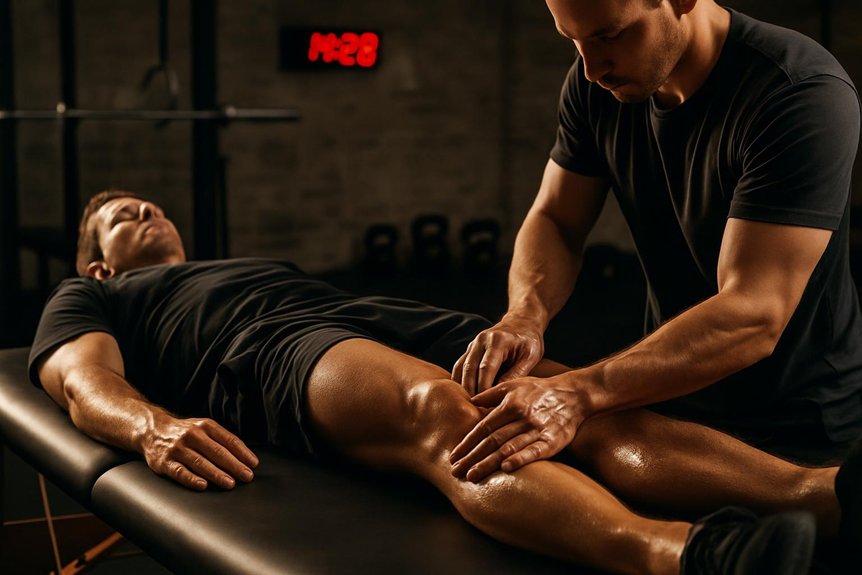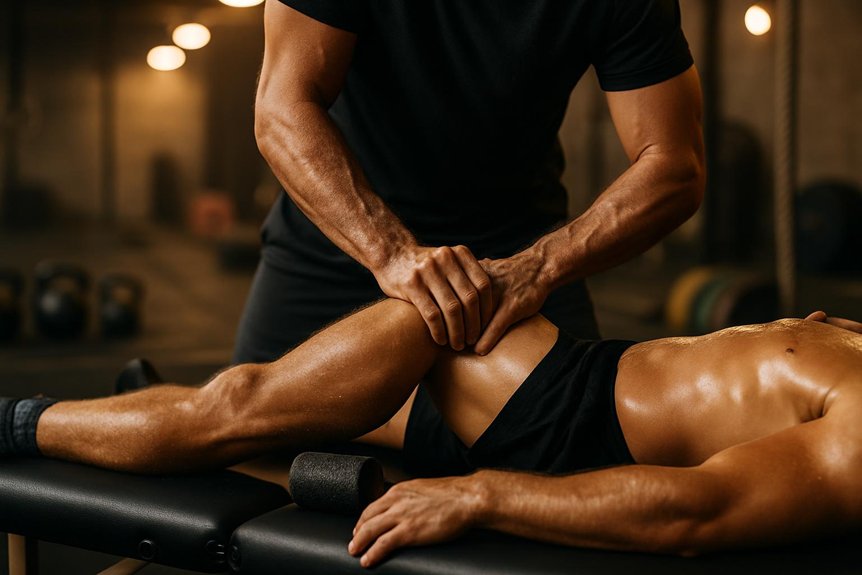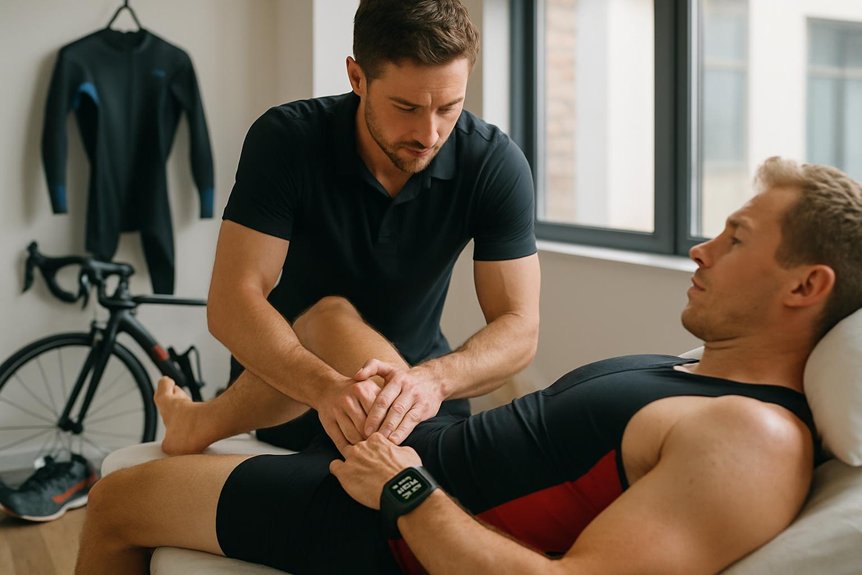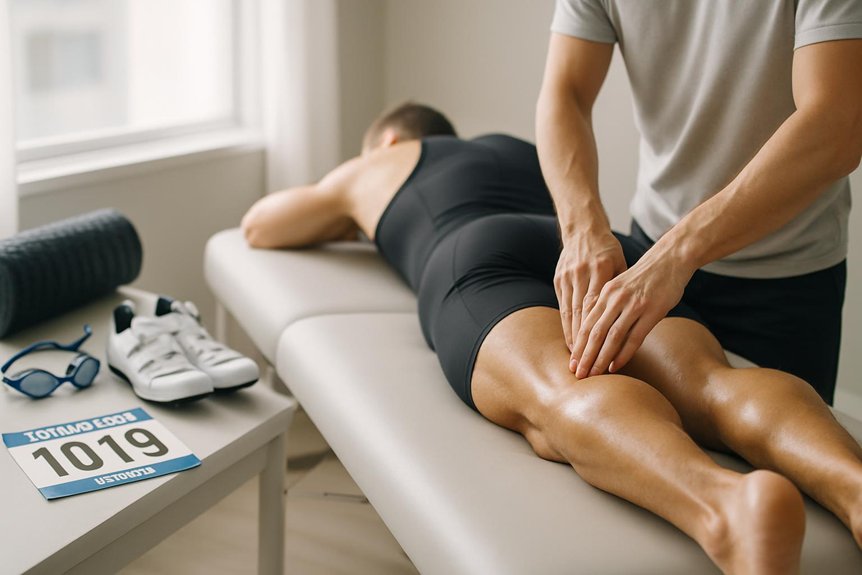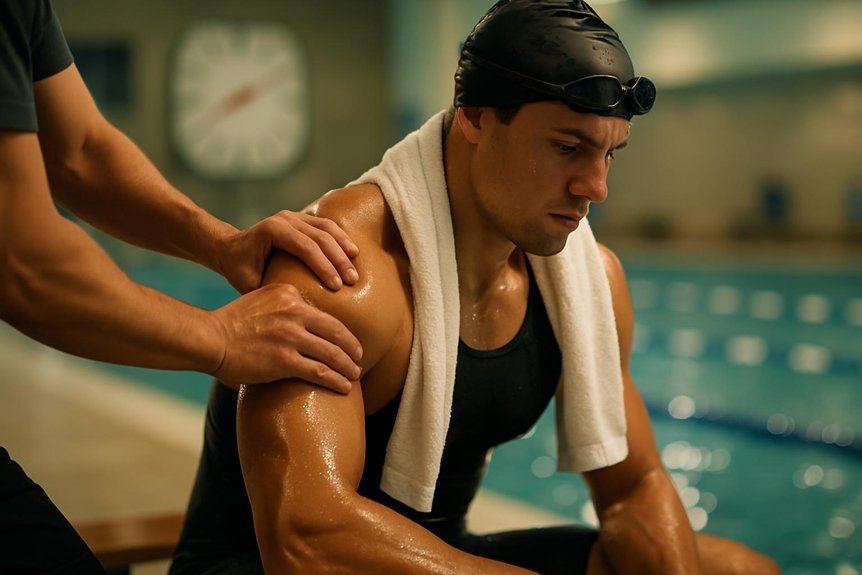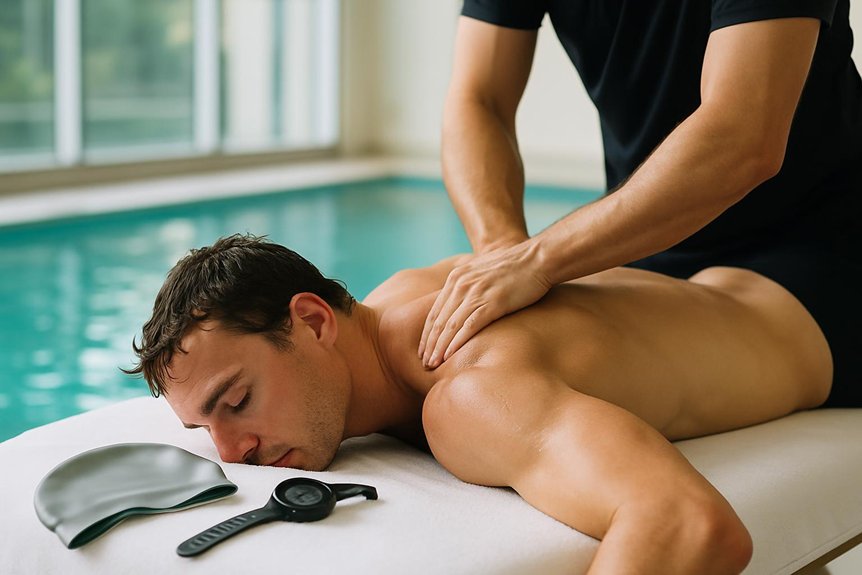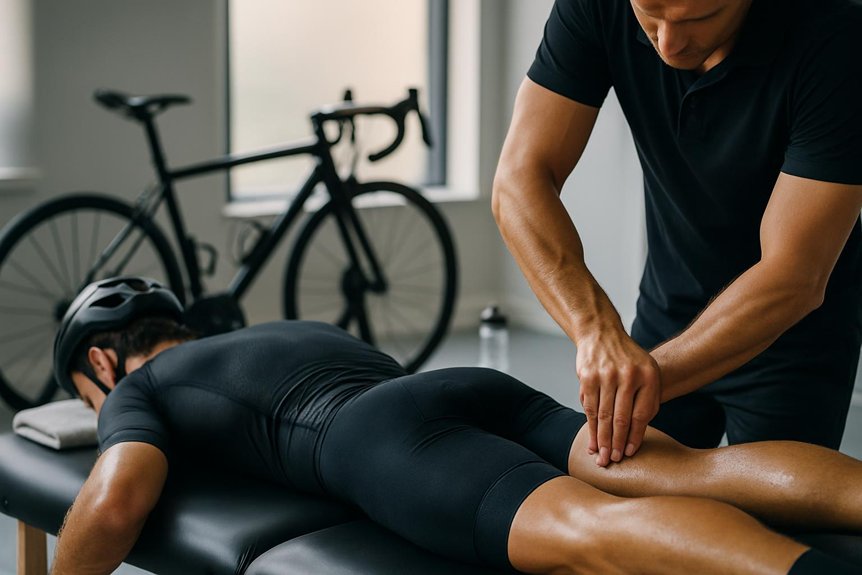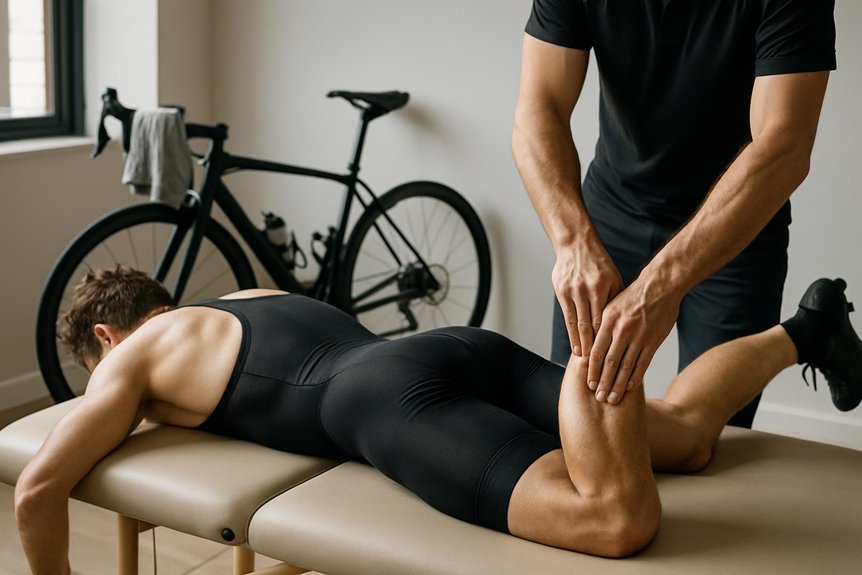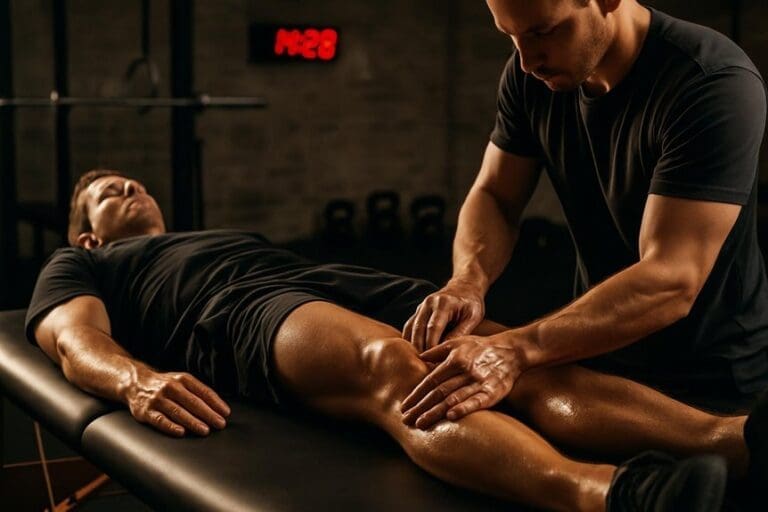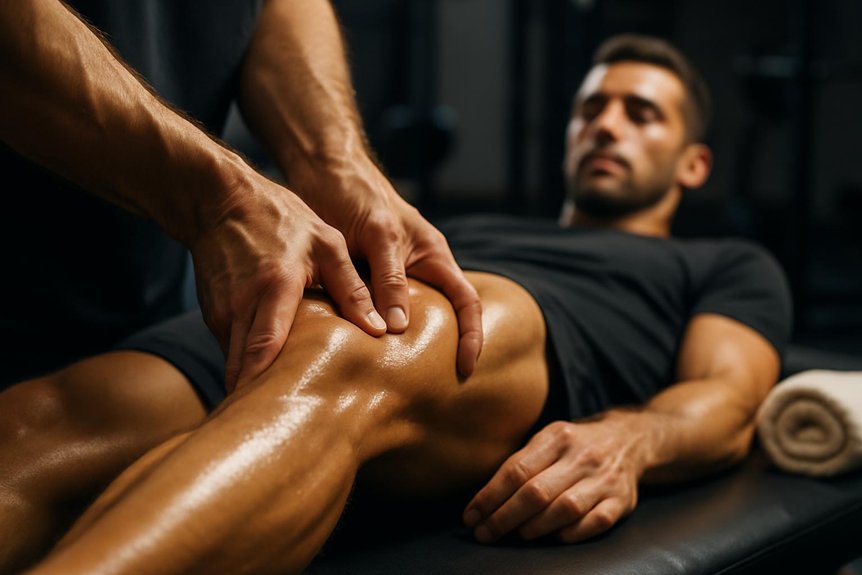
Athletic massages are highly beneficial for athletes and active individuals. They accelerate muscle recovery, reduce soreness, and improve flexibility through targeted, evidence-based manual techniques. Regular sessions help prevent injuries by addressing muscle imbalances, promoting joint health, and enhancing circulation for faster healing. Professional therapists personalize each session to align with individual training needs and physical goals, ensuring ideal outcomes. Exploring further will uncover the specific techniques, timing, and aftercare that maximize these therapeutic advantages.
Understanding Sports Massage and Its Purpose
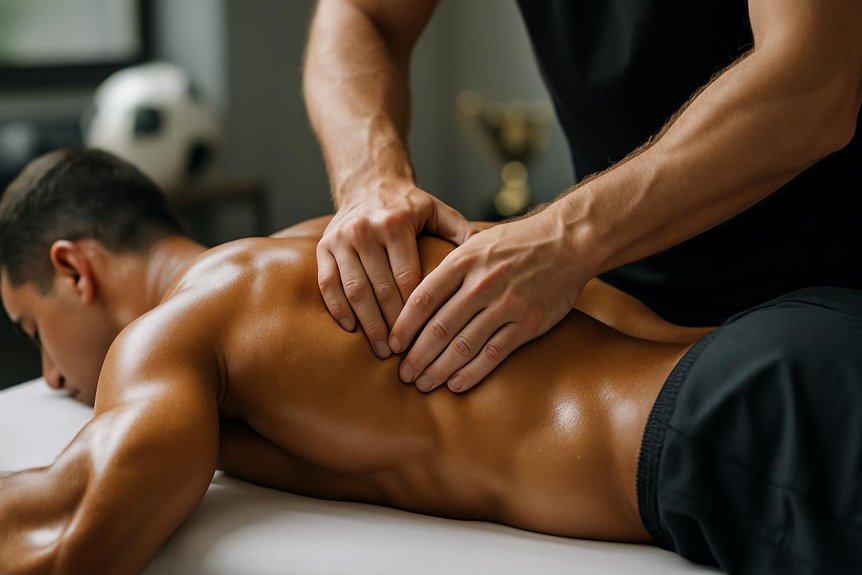
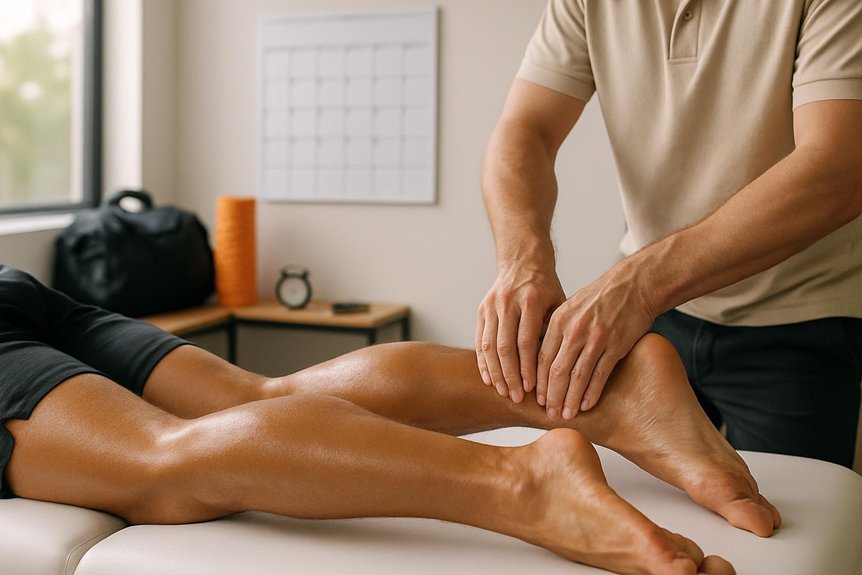
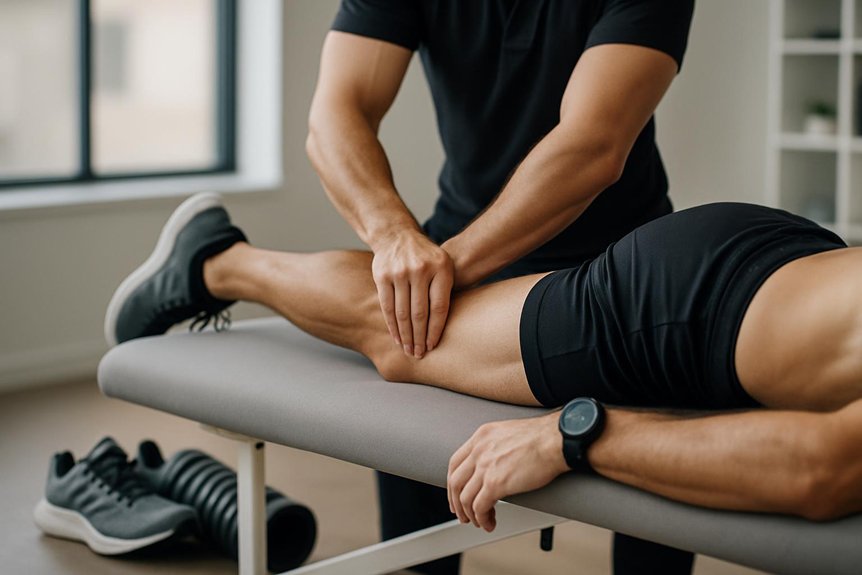
At Spa & Massage, it is defined by its targeted, functional approach, specifically designed to address the unique physical demands placed on the body by regular exercise and athletic activity. Unlike relaxation or general deep tissue techniques, it employs a blend of advanced manual therapies—such as myofascial release, trigger point therapy, and assisted stretching—tailored to the client’s specific performance goals or recovery needs.
Therapists assess muscular imbalances and movement patterns, developing bespoke sessions that focus on injury prevention, tissue health, and peak biomechanics. This personalised, evidence-based process ensures that each treatment is both restorative and purposeful, supporting individuals who seek to nurture their bodies with the same care as their ambitions.
In addition, one of the benefits of athletic massage is its ability to enhance athletic performance and reduce the risk of injury for individuals engaged in regular physical activity.
Key Benefits for Athletes and Active Individuals
It offers significant advantages for those engaged in regular physical activity, including enhanced muscle recovery, targeted injury prevention techniques, and improved athletic performance.
At Spa & Massage, therapists apply evidence-based methods to address muscle fatigue, support musculoskeletal health, and optimise training outcomes. This approach is designed to help clients maintain peak condition and minimise the risk of setbacks associated with intense exercise routines.
Enhanced Muscle Recovery
For athletes and active individuals, effective muscle recovery is essential for ideal performance and injury prevention. As practised by experienced therapists at Spa & Massage, is designed to accelerate this recovery process.
Techniques such as deep tissue manipulation and targeted myofascial release are used to increase local circulation, facilitating the removal of metabolic waste and reducing post-exercise muscle soreness. Evidence indicates that these methods can shorten recovery time and restore muscle pliability.
Clients at Spa & Massage often report decreased stiffness and a quicker return to training following regular sessions. The therapists’ expert touch ensures that muscle fibres are gently realigned, supporting perfect function.
For those invested in ongoing physical activity, professional athletic massage offers a trusted, hands-on approach to enhanced muscle recovery.
Injury Prevention Techniques
While athletic activities inevitably place stress on the body, proactive injury prevention is a cornerstone of sustainable performance. At Spa & Massage, therapists apply athletic massage techniques specifically designed to identify and address areas of tension or imbalance before they develop into injuries.
Evidence indicates that targeted soft tissue manipulation can improve joint mobility, reduce muscle stiffness, and enhance proprioceptive awareness—key factors in minimizing injury risk for athletes and active individuals.
Regular sessions enable early detection of muscle adhesions or dysfunction, allowing for timely intervention and tailored advice. Therapists at Spa & Massage often recommend individualized aftercare routines, including stretching and hydration strategies, to complement in-clinic treatments.
This holistic, preventive approach nurtures the body’s resilience, empowering clients to pursue their activities with greater confidence and comfort.
Improved Athletic Performance
Building on proactive strategies to prevent injury, consistent athletic massage is also recognised for its role in optimising athletic performance.
At Spa & Massage, therapists apply targeted techniques designed to enhance muscle flexibility, support circulation, and promote more efficient recovery between training sessions.
Evidence shows that these interventions not only reduce residual muscle fatigue but also improve range of motion—key factors for athletes seeking to achieve personal bests.
By addressing muscle imbalances and releasing tension, athletic massage helps facilitate neuromuscular coordination, which can translate to more fluid, powerful movement patterns.
Many clients report heightened body awareness and improved performance outcomes as a result of regular sessions.
This tailored approach is integral to Spa & Massage’s philosophy of supporting each individual’s unique athletic journey.
How It Supports Injury Prevention
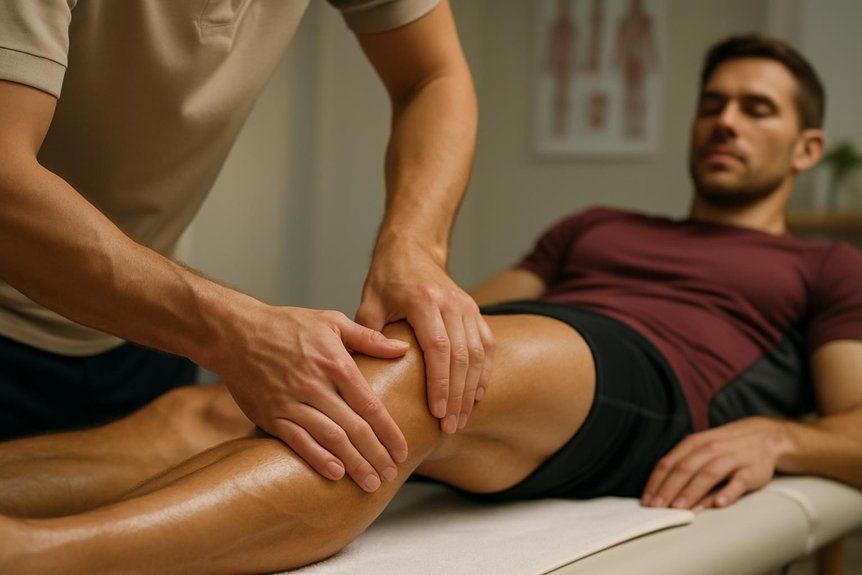
It plays a crucial role in injury prevention by addressing muscular imbalances, reducing tension, and enhancing tissue flexibility. At Spa & Massage, therapists utilise targeted techniques to identify areas of restriction or overuse, helping clients maintain ideal muscular alignment.
By focusing on soft tissue manipulation, therapists support healthy blood flow and promote joint mobility, both of which are essential in minimising strain during physical activity. Regular sessions enable early detection of minor issues—such as adhesions or tightness—before they develop into significant injuries.
Each treatment is tailored to the individual, drawing on clinical expertise and a deep understanding of functional movement. Clients benefit from a proactive approach, fostering resilience and confidence in their bodies, and helping them remain active and injury-free over time.
Enhancing Recovery and Reducing Muscle Soreness
How does targeted manual therapy accelerate the body’s natural healing processes after intense physical activity?
At Spa & Massage, experienced therapists apply precise techniques in athletic massage to stimulate circulation and encourage the efficient removal of metabolic waste, such as lactic acid, from muscle tissue. This approach reduces inflammation and supports the rapid delivery of oxygen and nutrients, expediting tissue repair.
Clients frequently report decreased muscle soreness and a quicker return to training following tailored athletic massage sessions.
Evidence suggests that this hands-on methodology positively influences both acute and delayed-onset muscle soreness (DOMS), making recovery less arduous.
In our clinics, therapists select suitable oils and adjust pressure to client comfort, ensuring an experience that is restorative yet effective, always attuned to individual recovery needs and personal well-being.
Improving Flexibility and Range of Motion
It has been shown to reduce muscle tightness and support joint mobility, both of which are essential for ideal flexibility and range of motion.
At Spa & Massage, therapists employ targeted techniques designed to address restrictions in soft tissue and promote smoother, pain-free movement.
Evidence indicates that regular sessions can help clients maintain better flexibility, contributing to improved performance and daily comfort.
Reducing Muscle Tightness
When addressing muscle tightness, targeted massage techniques play a pivotal role in improving flexibility and expanding range of motion. At Spa & Massage, therapists employ deep tissue and athletic massage modalities, applying sustained pressure and precise manipulations to specific muscle groups.
This approach helps relieve areas of chronic tightness, encouraging muscle fibers to release and lengthen. Evidence suggests that regular athletic massage can decrease neuromuscular tension, aiding in the reduction of adhesions and trigger points that limit movement.
Clients often notice a tangible softening of taut bands and improved suppleness following treatment. By focusing on individual needs, our therapists create a tailored experience, nurturing the body’s capacity to move freely.
Proper aftercare—such as gentle stretching—complements these benefits, supporting lasting relief and well-being.
Supporting Joint Mobility
Alleviating muscle tightness naturally enhances the body’s ability to support joint mobility. As practised by Spa & Massage therapists, targets myofascial restrictions and adherent soft tissues that often limit flexibility.
By employing techniques such as deep tissue manipulation and passive stretching, therapists help reduce stiffness and restore ideal muscle length. This approach results in greater ease of movement and improved joint articulation, allowing clients to experience a fuller, more comfortable range of motion.
Regular sessions at Spa & Massage are tailored to each client’s individual needs, facilitating ongoing improvements in flexibility—especially important for those with active lifestyles or recovering from injury.
Evidence shows that consistent athletic massage interventions contribute to better joint health, decreased injury risk, and enhanced physical performance over time.
Techniques Used by Our Professional Therapists
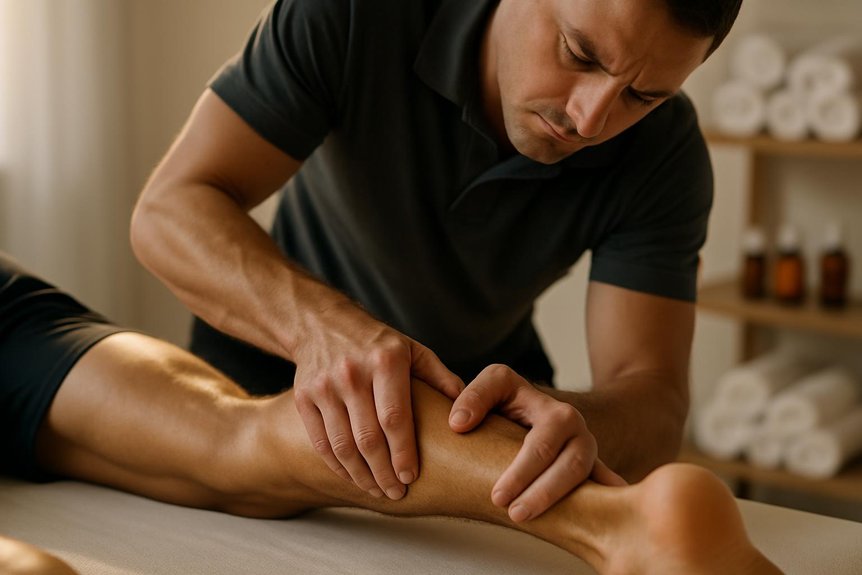
Drawing upon a deep understanding of musculoskeletal anatomy and movement, the professional therapists at Spa & Massage employ a range of advanced techniques designed to optimise the effects of athletic massage. Techniques such as myofascial release, trigger point therapy, and deep tissue manipulation are expertly applied to target specific muscle groups and address soft tissue restrictions.
Rhythmic compressions and stretching further enhance circulation and flexibility, supporting the body’s natural recovery processes. Therapists carefully assess muscle tone and tension, adapting their approach to meet each individual’s unique needs.
Personalising Your Athletic Massage Experience
Tailoring an athletic massage to individual needs is fundamental to achieving peak results. At Spa & Massage, therapists begin each session with a detailed consultation, evaluating activity level, injury history, and specific goals.
This client-focused approach ensures techniques and pressure are calibrated precisely, whether targeting chronic tension, enhancing muscle flexibility, or supporting recovery after training.
Therapists may recommend the use of specialized oils to address inflammation or promote relaxation, always considering personal sensitivities and preferences.
Adjustments are made in real time, responding to feedback, so every client receives maximum benefit.
Evidence indicates that a personalised massage plan improves outcomes, maximising comfort and efficacy.
Through this attentive process, Spa & Massage cultivates a sense of trust, enabling clients to feel truly understood and cared for.
When to Schedule an Athletic Massage for Best Results
Ideal timing is key to maximising the benefits of an athletic massage, as the body’s needs vary depending on training cycles, competition schedules, and recovery demands.
At Spa & Massage, therapists recommend scheduling massages based on individual training intensity and personal goals. Pre-event massages, ideally 24–48 hours before a major athletic event, can help prepare muscles and reduce injury risk.
Post-event sessions, within 24–72 hours after exertion, focus on promoting recovery, reducing soreness, and enhancing circulation.
For those in consistent training, regular maintenance massages—every 1–2 weeks—support muscle health and flexibility.
Personal consultation with an experienced therapist ensures timing aligns with each client’s unique regimen, fostering favorable performance and well-being while respecting the body’s rhythms and sensitivities.
Aftercare Tips Recommended by Our Team
Following an athletic massage, appropriate aftercare is essential to optimise recovery, enhance the treatment’s effectiveness, and minimise potential discomfort.
At Spa & Massage, therapists advise clients to stay well-hydrated, promoting the elimination of metabolic waste released during the session. Gentle stretching is recommended to maintain flexibility and encourage circulation.
Clients are cautioned to avoid strenuous activity for at least 24 hours, allowing muscles to adapt and repair.
Applying a warm compress may ease residual tension, while cold packs can reduce inflammation if minor soreness occurs.
Light, nutritious meals and adequate rest further support the body’s healing process.
Should any unusual discomfort persist, clients are encouraged to consult their therapist.
Through these tailored aftercare measures, clients maximise the long-term benefits of their athletic massage experience.
Conclusion
In summary, athletic massage at Spa & Massage serves as a gentle key, releasing the body’s natural ability to rejuvenate and adapt. By addressing muscle tension and supporting mobility, these tailored sessions quietly guide clients toward ideal performance and comfort. Evidence supports its role in reducing discomfort, encouraging flexibility, and nurturing long-term resilience. For those seeking to maintain an active lifestyle, integrating athletic massage is akin to planting seeds for enduring physical well-being and recovery.