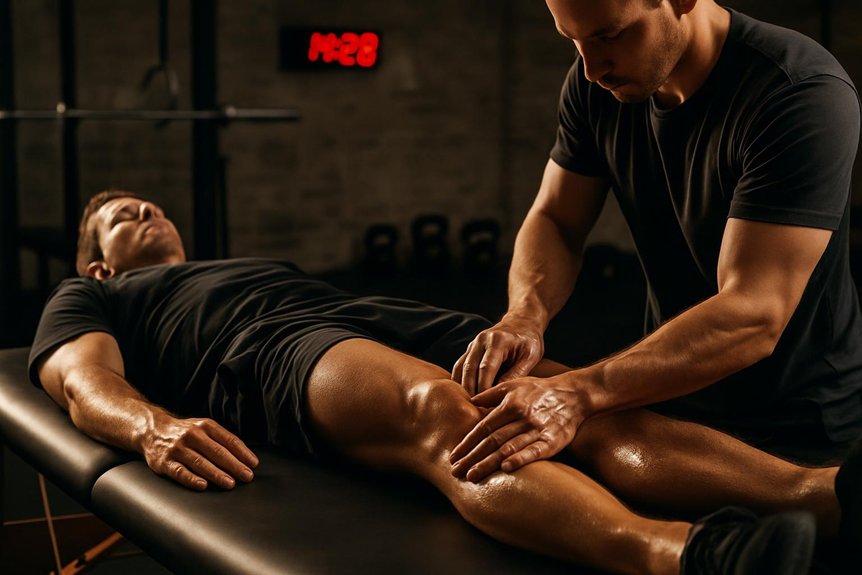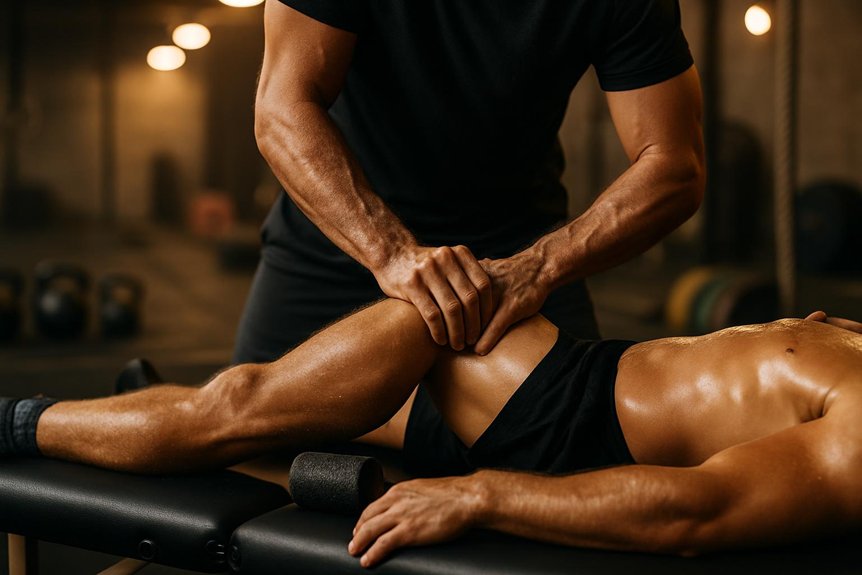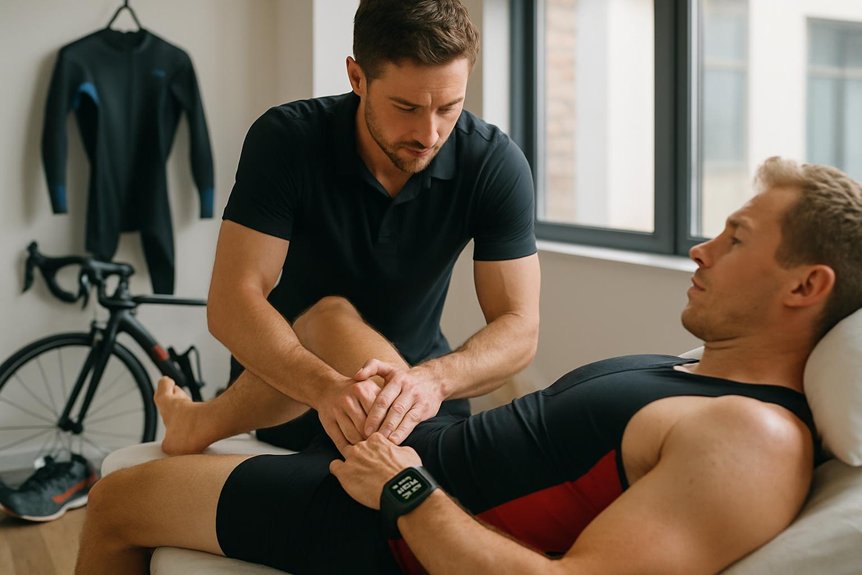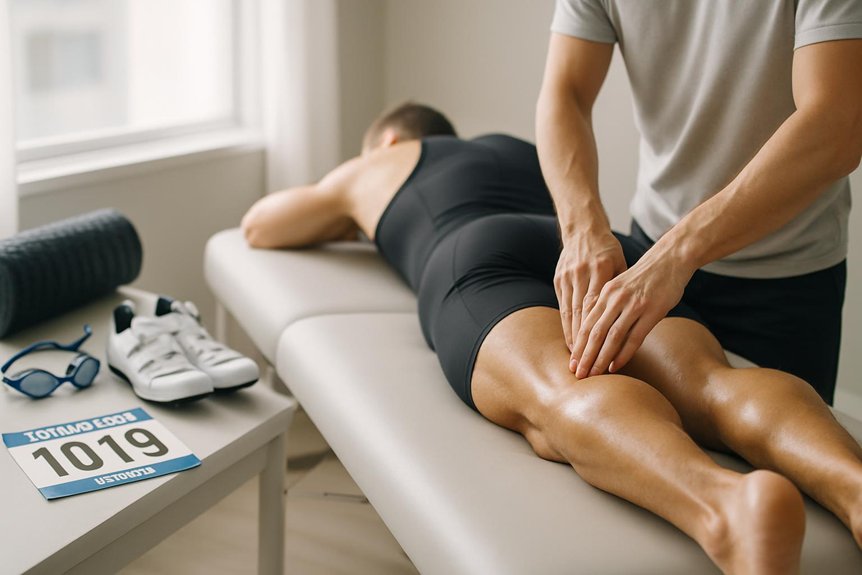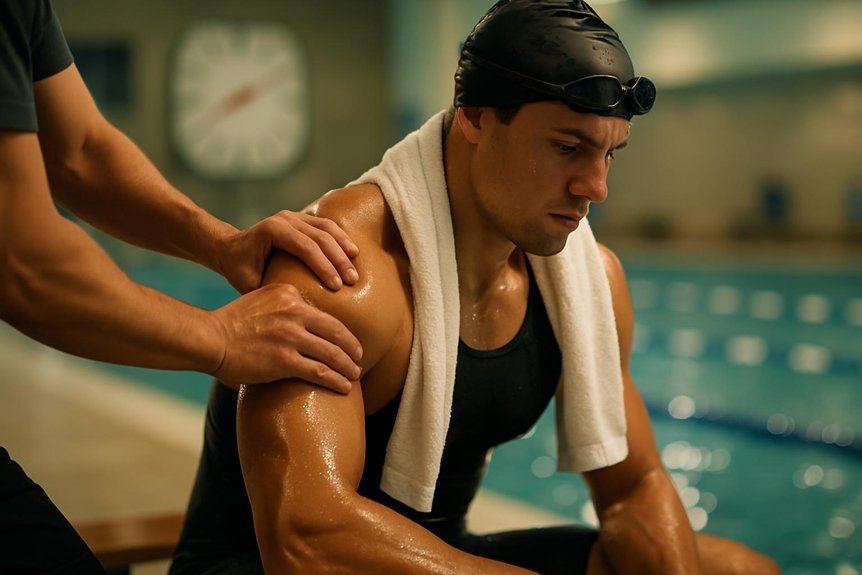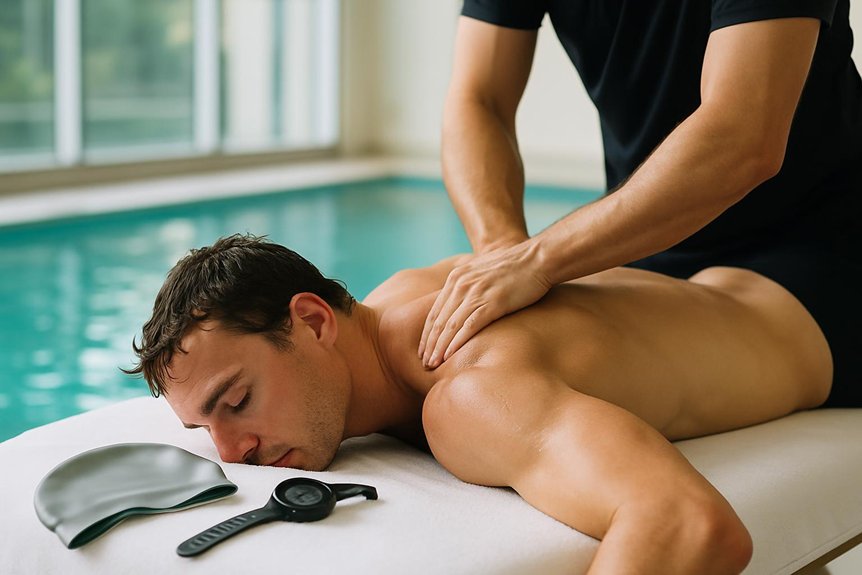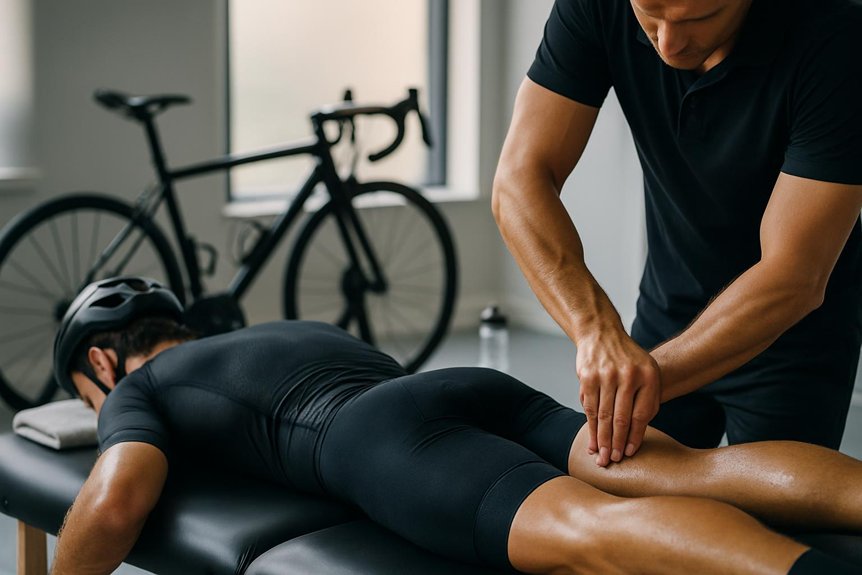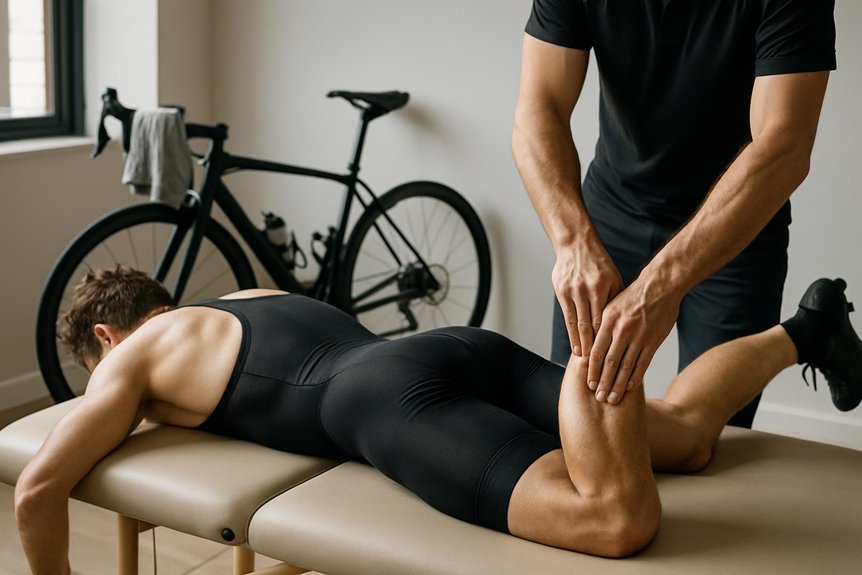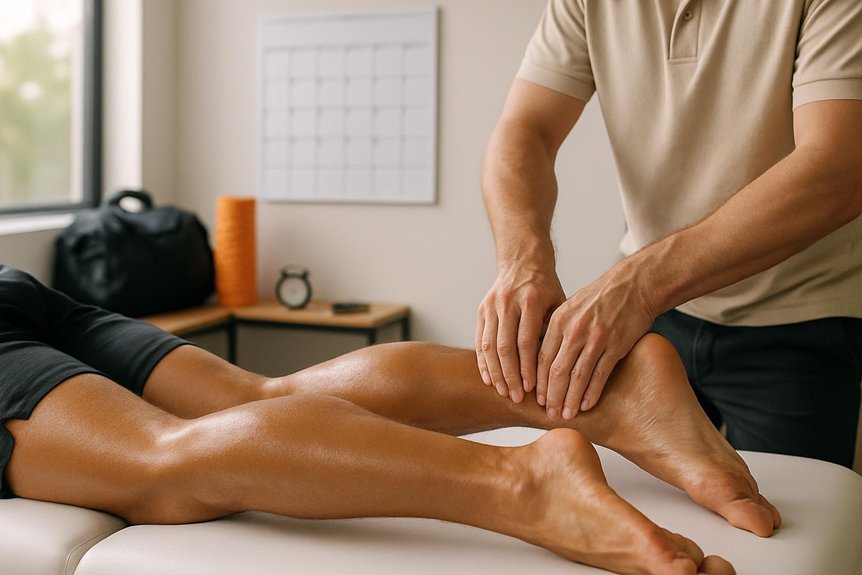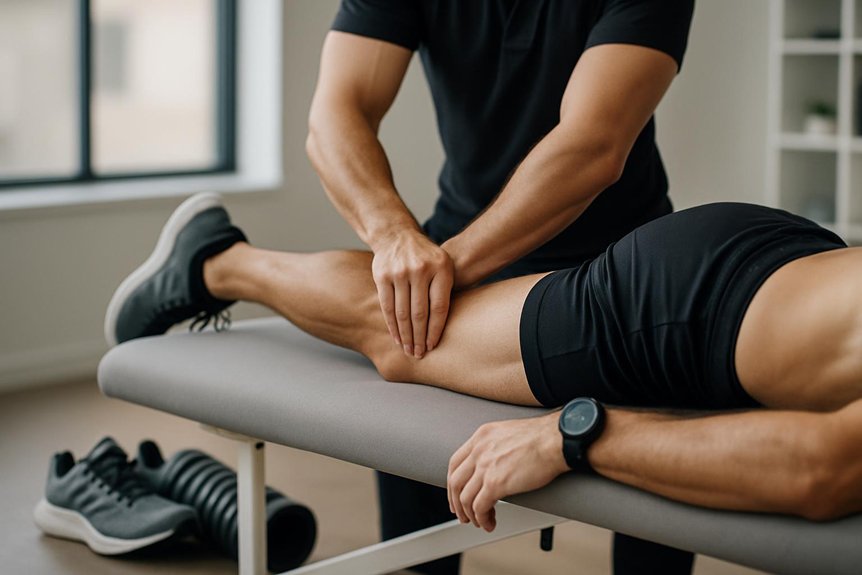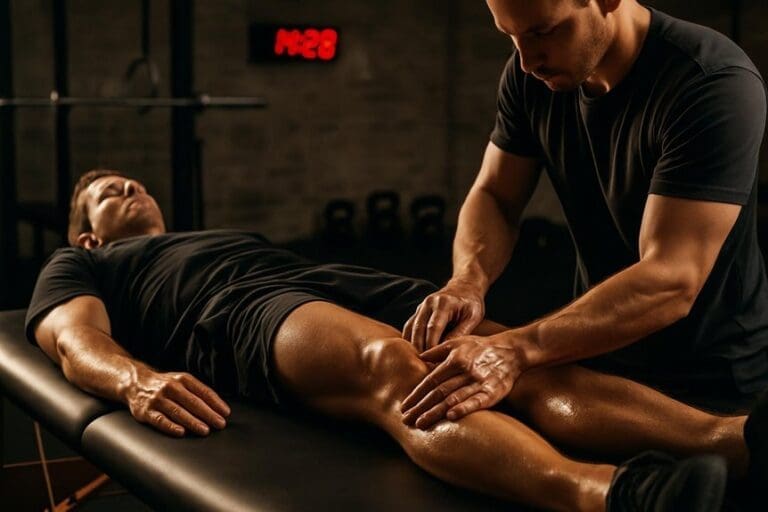
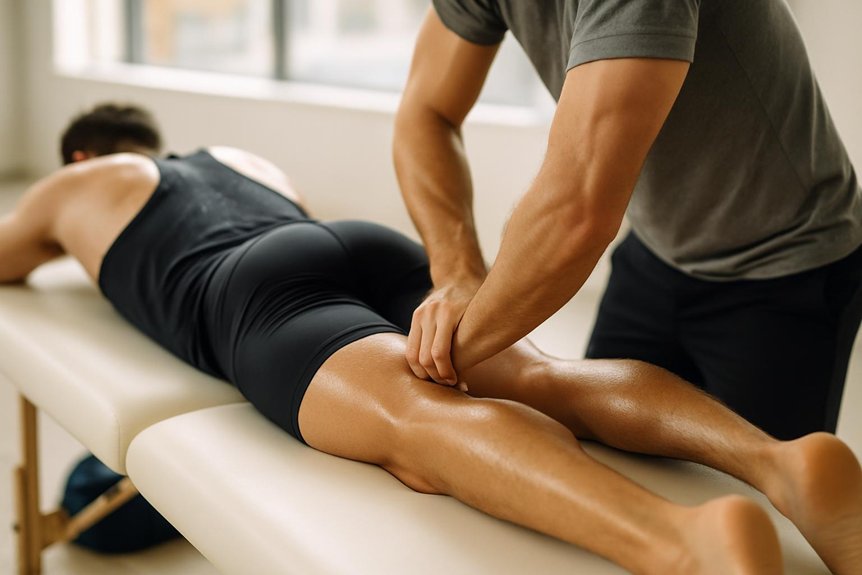
It is a targeted, technique-driven manual therapy that assesses and treats soft-tissue strain from exercise, repetitive movement, or daily load. It focuses on muscles and fascia using calibrated pressure, pacing, and specific techniques to reduce protective tightness, ease trigger points, and restore comfortable range of motion. It is for athletes and recreational exercisers aiming to improve recovery and training consistency, and for non-athletes with overuse-related stiffness from work or posture. Further details clarify timing, session flow, and aftercare.
What Is It, and What Does It Help With?
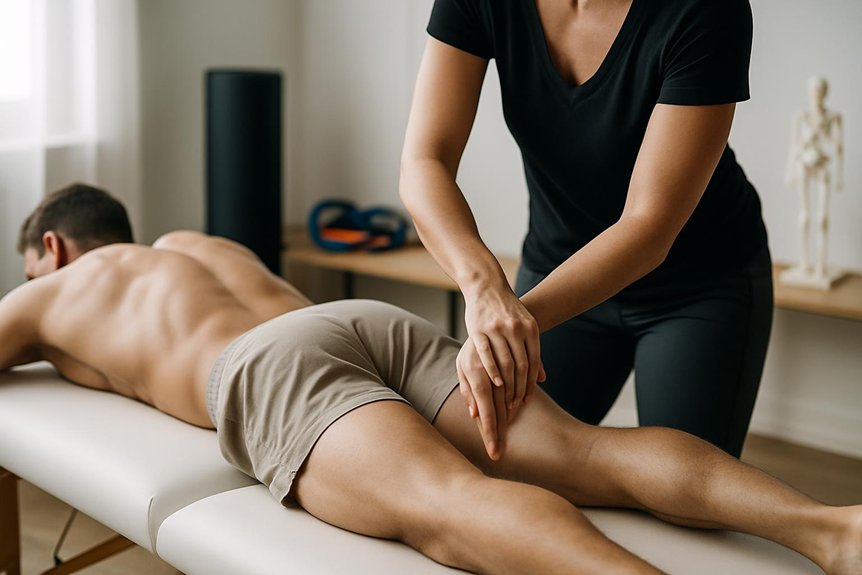
At its core, it is a targeted, technique-driven form of manual therapy designed to assess and treat soft-tissue strain from exercise, repetitive movement, or day-to-day physical demands. It helps by reducing muscle tone, easing trigger points, supporting circulation, and restoring comfortable range of motion in overworked areas such as calves, hips, lower back, shoulders, and forearms. For many active people, it can also support faster-feeling recovery and improved training consistency through sports massage benefits.
In Spa & Massage clinics, therapists combine palpation-led assessment with specific strokes—compression, stripping, friction, and controlled stretching—then adjust pressure and pace to the client’s tolerance. Many clients use it to manage post-training tightness, desk-related tension, niggling aches, and recovery between sessions. The aim is not simply relief, but a steadier, more confident relationship with the body, where movement feels safer, smoother, and intimately grounded again.
Athletic Massage vs Deep Tissue: What’s the Difference?
Athletic massage and deep tissue massage can feel similar, but they differ in goals and treatment focus: athletic massage targets performance, recovery, and sport-related strain, while deep tissue prioritises persistent muscular tension and pain patterns.
Pressure may be firm in both, yet athletic massage typically varies intensity and pacing around movement and function, whereas deep tissue is more consistently slow and sustained.
At Spa & Massage clinics across London, therapists select techniques and expected results accordingly—such as compression, stretching, and mobilisation for functional change in athletic massage versus deeper myofascial and trigger-point work aimed at longer-lasting tension relief.
Goals And Treatment Focus
In clinical terms, the key difference between athletic massage and deep tissue massage lies in their primary goals and treatment focus. It is geared toward supporting performance and recovery around training, competition, or workload changes, with goals such as maintaining movement efficiency, reducing post-exercise soreness, and addressing sport-specific strain patterns. Deep tissue massage is typically chosen to relieve persistent tension and discomfort linked to daily stress, postural overload, or long-standing tightness, prioritising comfort and functional ease.
At Spa & Massage clinics across London, therapists begin with a brief, private consultation to clarify activity levels, pain triggers, and desired outcomes, then set measurable aims for the session. This guarantees each treatment feels personal, respectful, and purpose-led.
Pressure, Techniques, And Results
From a hands-on perspective, athletic massage typically uses variable pressure and fast-to-slow techniques—such as dynamic compression, stretching, and targeted friction—to address tissue readiness, movement quality, and post-training recovery. Pressure is adjusted moment to moment, often working around joints and along fascial lines to change tone without leaving clients feeling “worked over” for days.
Deep tissue massage usually applies steadier, sustained pressure with slower strokes to soften persistent tightness and tenderness, especially in the neck, shoulders, back, and hips. Results differ: athletic massage tends to deliver immediate ease, better range, and a grounded sense of readiness; deep tissue often brings longer-lasting release, with possible next-day soreness.
In Spa & Massage clinics, therapists blend both styles when assessment suggests it, using clear feedback to keep pressure intimate, safe, and effective.
Is It Right for You (Even If You’re Not an Athlete)?
It can be appropriate for non-athletes when everyday aches and stiffness are linked to overuse, reduced mobility, or persistent muscle tension, and the treatment plan targets specific tissues rather than offering general relaxation.
In Spa & Massage clinics across London, therapists commonly address desk-work posture strain by evaluating movement patterns and applying technique-driven methods (such as targeted pressure, stretching, and myofascial work) to restore range of motion and reduce discomfort.
It can also support training goals and recovery for recreational exercisers by focusing on load-tolerant tissues and post-session aftercare recommendations that help clients return to activity more comfortably.
Everyday Aches And Stiffness
Over time, desk work, commuting, repetitive lifting, or long periods of inactivity can create the same predictable muscle tightness and movement restrictions seen in active training, which is why athletic massage is often appropriate for non-athletes with everyday aches and stiffness.
At Spa & Massage clinics across London, therapists assess tenderness, tone, and range of motion, then apply focused deep pressure, slow myofascial work, and trigger-point techniques to reduce guarding and restore glide between tissues. Sessions are paced with the client’s breath, keeping intensity therapeutic rather than overwhelming.
Many clients report easier movement and less soreness after targeted work to calves, hips, shoulders, and lower back. Aftercare typically includes hydration, gentle walking, and simple mobility drills to help changes last.
Desk Work Posture Strain
In many London offices, prolonged sitting, screen use, and limited movement gradually load the neck, upper back, hip flexors, and forearms, often presenting as headaches, shoulder “knots,” or low-back tightness rather than a clear injury.
It can suit desk-based clients by addressing overactive tissues and restoring comfortable range without needing to “train” to qualify. At Spa & Massage, therapists assess posture habits and palpate tone, then use slow deep-tissue strokes, targeted trigger-point work, and myofascial release along the upper traps, pecs, forearm flexors, and hip flexors.
Gentle joint mobilisations and assisted stretching may follow to rebalance the shoulder girdle and pelvis. Aftercare is simple: hydration, short walk breaks, and brief desk mobility to help changes settle and stay.
Training Goals And Recovery
Desk-related tension and training-related fatigue often sit on the same continuum of load and recovery, and both respond well to targeted soft-tissue work. It can suit non-athletes with clear goals—building strength, running a first 5K, or simply moving without soreness.
At Spa & Massage, therapists assess training volume, sleep, and pain patterns, then choose techniques accordingly: slow deep-tissue strokes to reduce tone, myofascial work to improve glide, and specific trigger-point pressure to ease referred tightness. For recovery, lighter flushing and assisted stretching may support circulation and range between sessions.
Many clients schedule treatments around heavier weeks or before deloads, pairing massage with hydration, gentle mobility, and a calm evening routine to help the body settle and feel held.
When to Book Athletic Massage: Training, Pain, Recovery
At key points in a training cycle—before hard sessions, after intense blocks, or when early warning signs appear—athletic massage is typically booked to optimise tissue readiness, manage load-related discomfort, and support recovery. In evidence-informed practice, the aim is to influence tone, glide, and sensitivity rather than “break up” tissue.
Many clients book 24–72 hours post-session to reduce perceived soreness and restore comfortable range, especially in calves, quads, glutes, and upper back. Others schedule 48 hours before a key workout to downshift protective tightness without leaving them tender.
When pain is sharp, escalating, or linked to swelling, night pain, or neurological symptoms, massage is deferred and medical assessment advised. In Spa & Massage clinics, therapists adapt pressure, pacing, and targeted techniques to the client’s training load and comfort.
What Happens at Your Athletic Massage Session at Spa & Massage?
Booking timing sets the context; the session itself focuses on evaluating current symptoms, training load, and functional goals before selecting techniques to match.
At Spa & Massage’s London clinics, the therapist begins with brief consent-led intake, then observes posture, movement, and tenderness to identify likely tissue drivers. Pressure is agreed and adjusted continuously, aiming for therapeutic intensity without guarding.
Techniques may include slow deep-tissue strokes, myofascial release, targeted trigger-point work, and assisted stretching to improve range and neuromuscular control.
Work is local and precise, yet connected to surrounding chains (hips, glutes, calves, shoulders) to reduce compensatory strain.
Warm towels, careful draping, and calm pacing support privacy and a grounded, intimate sense of safety throughout.
Athletic Massage Aftercare and How Often to Book
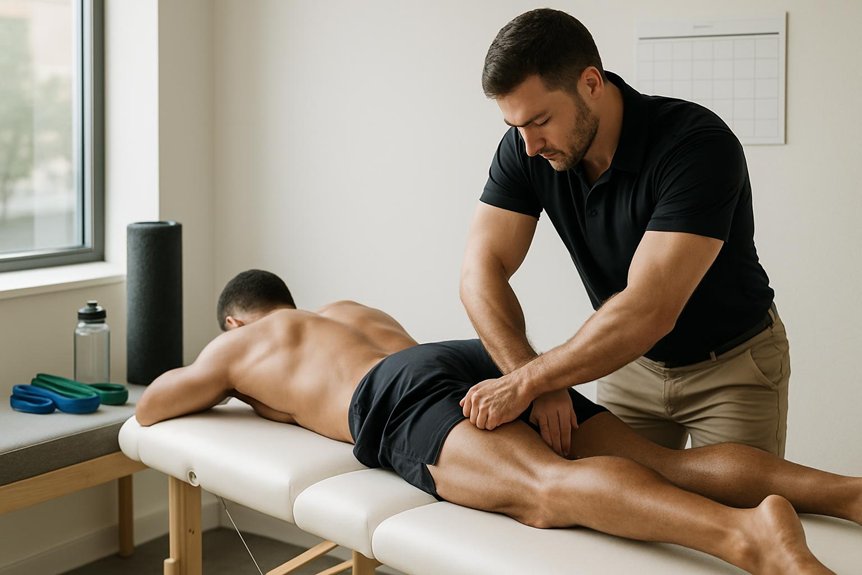
Often, the results of athletic massage depend as much on what happens in the 24–72 hours afterwards as on the hands-on work itself, so aftercare and session frequency should be matched to training load, symptom severity, and recovery capacity.
Spa & Massage therapists typically advise gentle movement, warm showers, and light stretching to keep tissues supple; vigorous training is best reduced for 12–24 hours after deep, slow work.
Hydration and protein-rich meals support repair, while a brief walk can ease post-treatment soreness.
If tenderness appears, alternating warmth and short cool packs may help.
For frequency, many clients book every 2–4 weeks for maintenance, weekly during heavy blocks, and 2–6 sessions closer together for acute flare-ups, then taper.
Conclusion
Athletic massage supports active bodies by improving tissue quality, easing tension, and restoring mobility through targeted, goal-led techniques. It can suit athletes and non-athletes alike, especially when training load, desk posture, or persistent niggles create strain. At Spa & Massage clinics, therapists assess movement, then tailor pressure and methods to the areas that need it most. With appropriate aftercare and sensible scheduling, it can function like routine servicing for the musculoskeletal system, helping recovery stay on track.