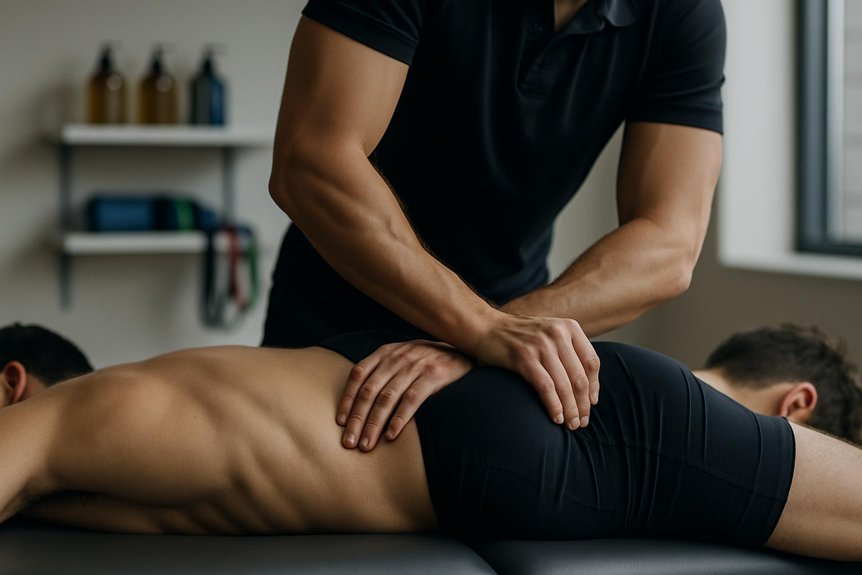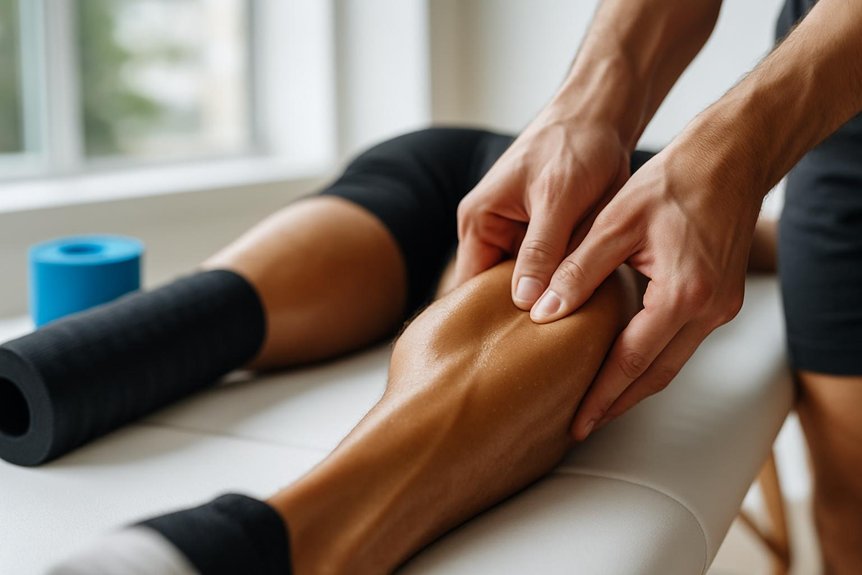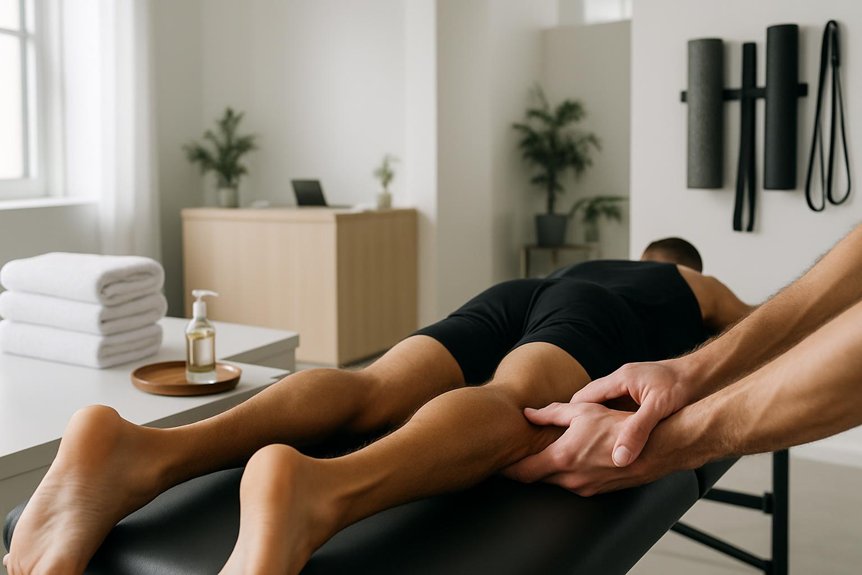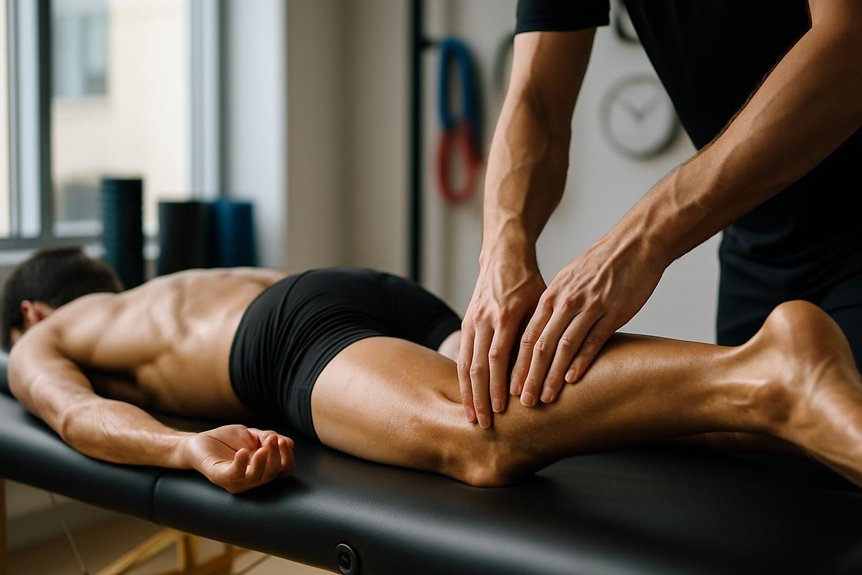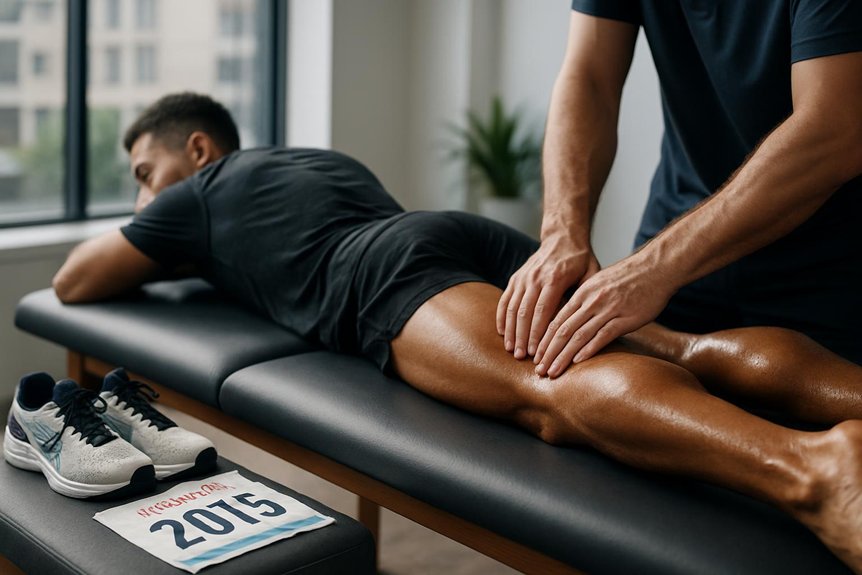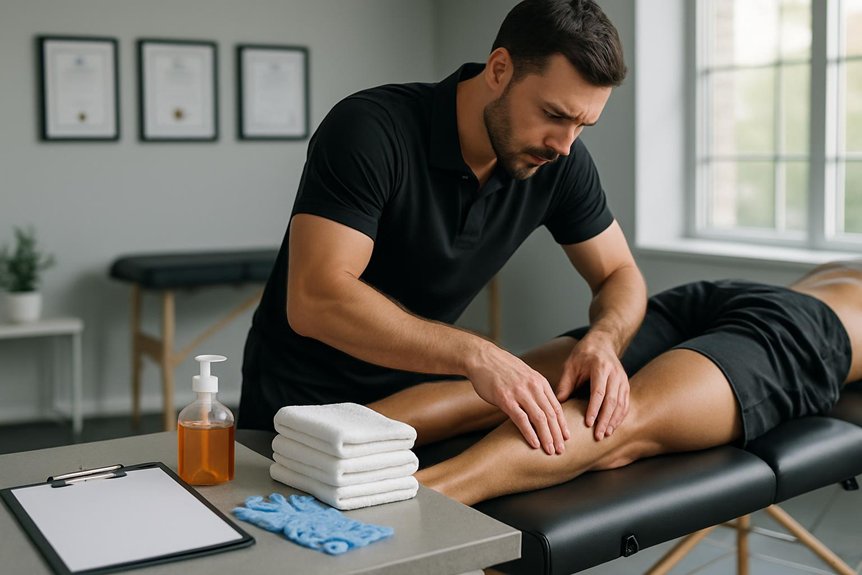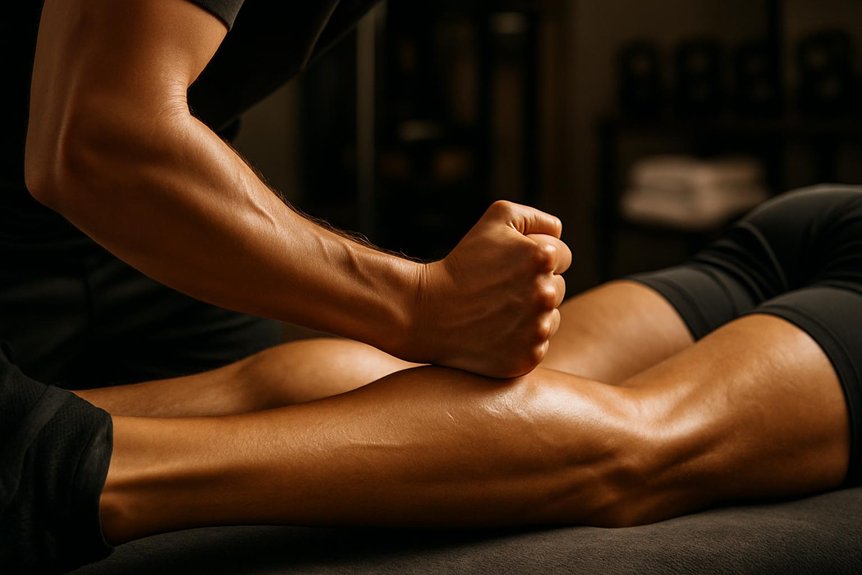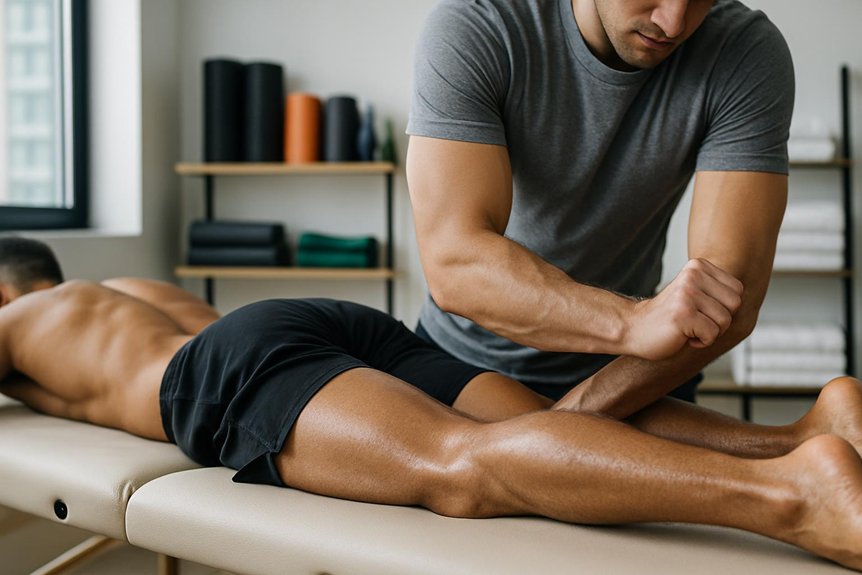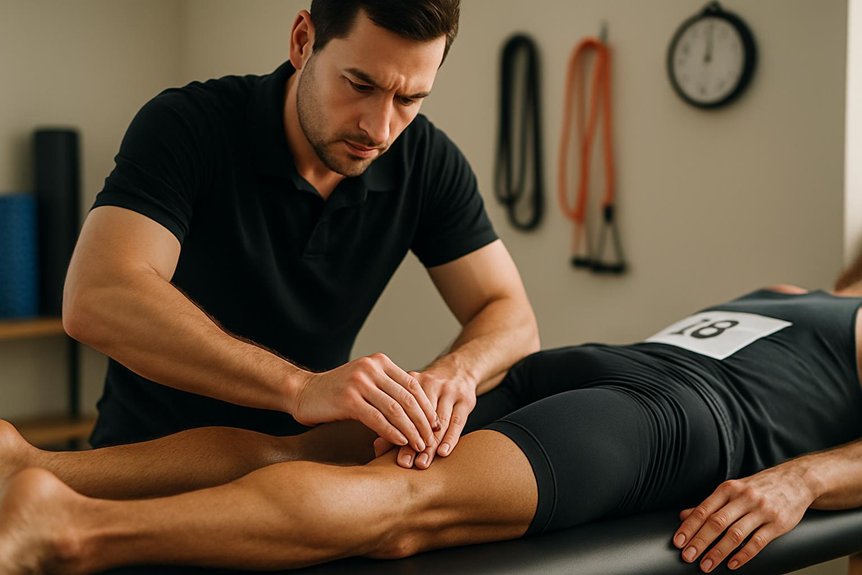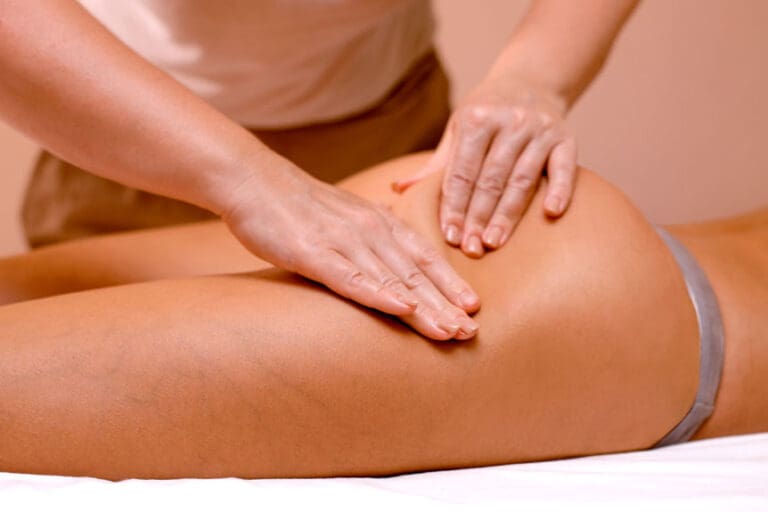
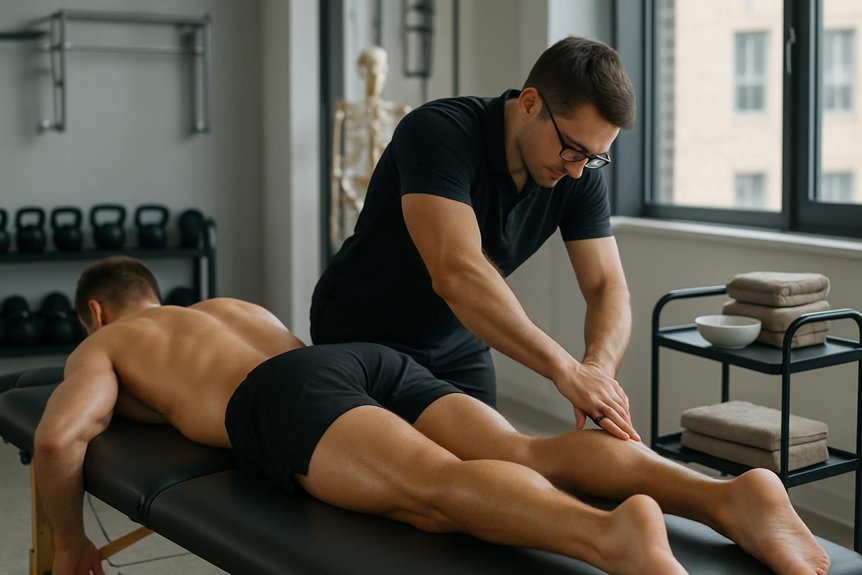
An athletic massage usually starts with a brief consult about training load, sore areas, and any injuries, followed by an assessment of tissue tone and range of motion. Treatment uses firm, targeted pressure with deep tissue strokes, myofascial release, trigger point work, and assisted stretching, adjusted to stay productive and controlled. Local tenderness and “good pain” can occur, with warmth or softening as tissues release. Mild soreness may peak at 24–48 hours; warning signs are covered next.
Do You Need an Athletic Massage (and When)?
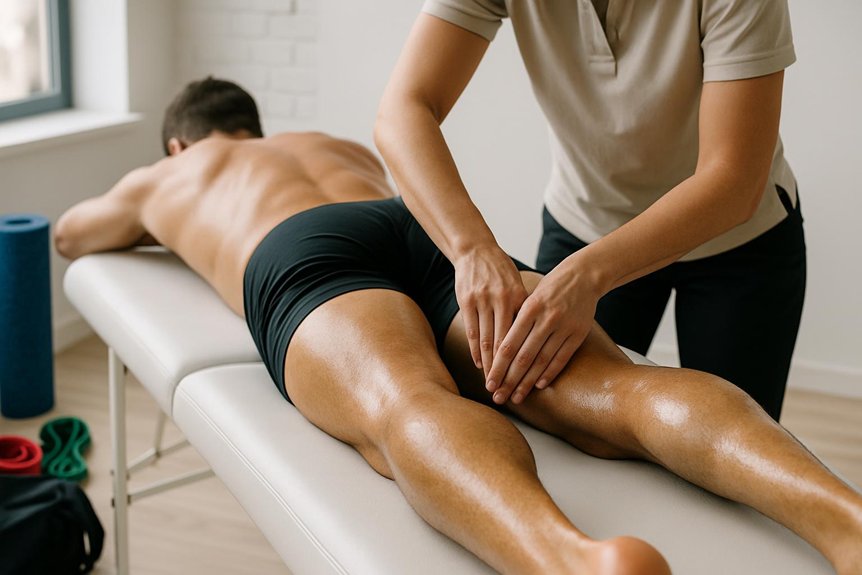
Recognising when soft tissue stress is starting to limit performance is the clearest indicator that an athletic massage may be needed. Typical signs include persistent tightness, reduced range of motion, asymmetrical pulling, heaviness on warm-up, or a “stuck” feeling that lingers after training. When these cues appear, early intervention can help restore tissue glide and reduce compensatory loading.
Athletes may also benefit during high-volume blocks, after long travel, or when returning from minor strains once acute pain has settled. It can also support recovery and readiness by promoting circulation and helping manage post-training soreness. At Spa & Massage clinics across London, therapists assess movement, palpate key structures, and tailor pressure to tolerance, keeping communication close and respectful. If symptoms include sharp pain, swelling, numbness, or night pain, a medical assessment is advised before massage.
How to Prepare for Your Sports Massage
Before arriving for an athletic massage, a few simple preparations help the session run smoothly and make the treatment more effective.
A client should hydrate well, eat lightly 60–90 minutes beforehand, and avoid alcohol or heavy training immediately prior.
Clean, loose clothing is recommended; many athletes wear shorts and a sports bra or vest to allow discreet access while maintaining comfort and modesty.
Arriving 5–10 minutes early supports a calm nervous system and unhurried settling in.
At Spa & Massage clinics across London, therapists encourage clients to note any areas of soreness and bring relevant braces or orthotics.
Skin should be free of strong fragrance; in-clinic oils are selected to suit sensitive skin.
A warm shower beforehand can soften tissue and increase relaxation.
Jewelry is best removed.
What We’ll Ask in Your Athletic Massage Consult?
Arriving hydrated and with any relevant supports makes it easier for the therapist to complete a focused, efficient consult.
At Spa & Massage clinics across London, the consult begins with current training load, competition dates, and the specific movement or activity that triggers symptoms. They will ask about pain location, quality, intensity, onset, and what eases or aggravates it, plus any swelling, numbness, or loss of strength.
Medical history is checked: recent injuries, surgeries, medications, conditions, and any advice from a GP or physio.
Clients are also asked about sleep, stress, hydration, and recovery routines.
Consent and comfort are prioritised, including boundaries, preferred draping, and pressure tolerance, so the session feels safe, discreet, and closely attuned.
Athletic Massage Techniques We Use (and Why)
Athletic massage at Spa & Massage clinics is built around a small set of evidence-informed, outcome-led techniques chosen to match the client’s sport, symptoms, and tolerance.
Therapists often combine targeted deep tissue strokes to address stubborn myofascial restrictions with slower myofascial release to improve glide between tissue layers.
Trigger point therapy may be used to down-regulate hyperirritable knots linked to referred pain patterns, supporting cleaner movement and steadier strength.
Where appropriate, assisted stretching and muscle energy techniques help restore range while keeping control with the client’s breath and effort.
For post-event legs or heavy training blocks, rhythmic flushing strokes support circulation and recovery planning.
Each method is selected to protect sensitive structures and respect boundaries, maintaining confident, close, professional care throughout.
What Does an Athletic Massage Feel Like?
An athletic massage typically feels like firm, targeted pressure that shifts with the athlete’s tolerance and training demands.
Localised tender spots are common, often followed by a clear sense of softening or release as the tissue responds.
Mild post-treatment soreness or fatigue may occur, and in Spa & Massage clinics therapists frame this as a normal recovery response with practical guidance to support performance and mobility.
Pressure And Sensation
In most sessions, the pressure feels firm and targeted, shifting between broad compression and precise, focused strokes along specific muscles and tendons.
Sensation is typically a “productive” intensity rather than sharp pain, with clear boundaries set by the client’s comfort. Breathing may deepen as the nervous system settles, and the body often feels warmer as circulation increases.
At Spa & Massage clinics across London, therapists modulate depth with forearm, knuckle, and palm techniques, keeping contact steady and professional to help athletes feel secure and held.
The skin may feel lightly stretched, and muscles may respond with gradual softening and improved range during movement checks. Many clients notice a grounded, calm heaviness afterward, paired with a sense of reset and readiness for training.
Tender Spots And Release
Firm, targeted pressure often reveals specific tender points—small, localised areas of heightened sensitivity within a muscle or tendon—once the tissue has warmed and begun to soften.
In an athletic massage, these may feel sharp, intense, or “good pain,” but they should remain tolerable and controlled.
At Spa & Massage clinics, therapists monitor breathing, facial tension, and verbal cues, adjusting depth so the athlete feels safely held rather than overwhelmed.
When a tender spot is sustained with slow compression, or eased with short, precise strokes, a release is often felt as softening, spreading warmth, or a sudden drop in discomfort.
Some notice a subtle pulse or referral sensation nearby.
The aim is improved glide and length without forcing range or bruising.
Aftereffects And Recovery
Often, the hours after an athletic massage bring a mix of looseness and mild, workout-like tenderness, particularly around areas that were treated more deeply. This response is typical as tissues rehydrate and the nervous system settles, and it should feel safe, not sharp or alarming.
At Spa & Massage clinics across London, therapists advise steady hydration, light movement, and warm showers to support circulation and reduce stiffness. Training may feel smoother the next day, though intense sessions are often best delayed 12–24 hours if deep work was performed.
Mild bruising can occur in sensitive areas; persistent pain, numbness, or swelling warrants follow-up. Many clients find a calm, grounded closeness to their body, with easier breathing and more comfortable range of motion.
After Your Athletic Massage: Soreness, Recovery, Timing
Mild post-massage soreness can occur after athletic massage, particularly following deeper work on tight or overused muscle groups, and it typically settles within 24–48 hours.
At Spa & Massage clinics across London, therapists provide clear aftercare guidance—hydration, gentle mobility, and load management—to support recovery and reduce next-day stiffness. Session timing is individual and should reflect training intensity, symptoms, and competition schedules, with the next appointment planned to complement performance rather than disrupt it.
Post-Massage Soreness Explained
After an athletic massage, temporary muscle soreness can occur as soft tissues respond to deeper pressure, targeted stretching, and the release of local tension points. This response is usually mild to moderate, felt as tenderness, heaviness, or a “worked” sensation in specific muscle groups rather than sharp pain.
It may appear within hours and peak around 24–48 hours, especially after intensive training or when adhesions are addressed. At Spa & Massage clinics across London, therapists assess training load and tissue tone to keep pressure productive and controlled, helping athletes feel safe and held throughout.
Soreness often reflects increased local circulation and neuromuscular recalibration, not injury. Worsening pain, bruising, numbness, or joint pain warrants prompt professional review and further assessment.
Recovery Tips And Aftercare
In the 24–48 hours following an athletic massage, recovery is best supported by simple, structured aftercare: adequate hydration, gentle mobility, and an appropriate adjustment to training load.
At Spa & Massage, therapists encourage steady water intake and light, frequent movement—easy walking, relaxed cycling, or mobility drills—to keep tissues warm and fluid.
If tenderness appears, it is typically managed with comfortable heat, calm breathing, and unhurried sleep.
A short Epsom-salt bath may feel soothing; vigorous stretching, heavy lifting, and high-impact intervals are usually delayed until the body feels settled.
Protein-forward meals and electrolyte balance support repair, especially after deep work.
Many clients prefer a warm shower before bed and a brief self-check of range of motion on waking.
Persistent sharp pain, swelling, or numbness warrants clinical review.
Timing Your Next Session
Once initial soreness has settled and normal movement feels comfortable, the next consideration is when to schedule a follow-up athletic massage to match training demands and tissue response.
For heavy training blocks, many athletes benefit from sessions every 1–2 weeks; for maintenance, every 3–6 weeks may be sufficient. Pre-event work is typically booked 2–4 days before competition to support readiness without provoking tenderness. Post-event recovery is often most useful 24–72 hours after, once acute swelling has eased.
At Spa & Massage clinics across London, therapists adjust timing based on soreness level, sleep quality, range of motion, and upcoming sessions.
If pain increases, bruising spreads, or strength drops, a longer gap and medical advice are recommended.
Conclusion
Oddly, the “relaxing” part of an athletic massage may be the moment it finds what training has politely ignored. After a brief consult, firm, precise techniques target restricted tissue, restore range, and support performance without theatrics. Discomfort can occur, yet it should stay controlled and purposeful—more signal than suffering. Mild soreness afterward is common, not alarming, and recovery improves with hydration, light movement, and timing sessions around workloads. Prevention often feels like repair.