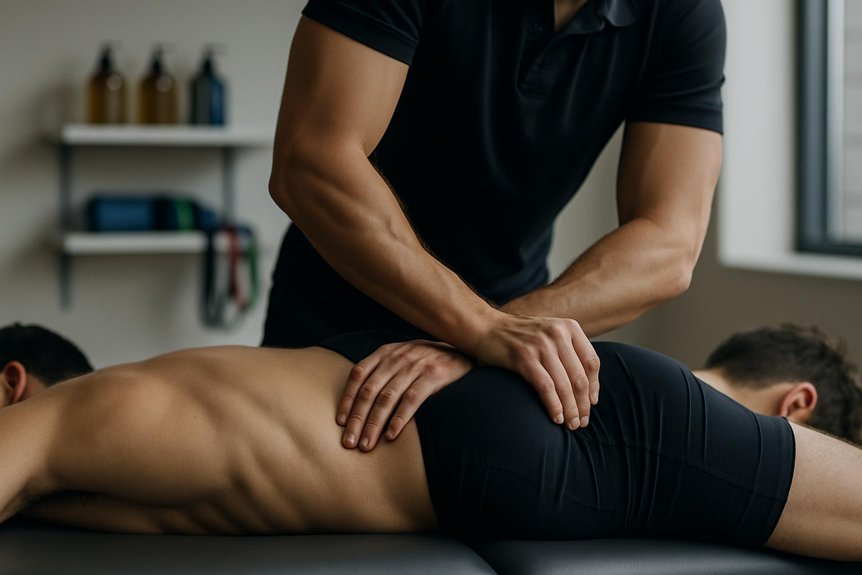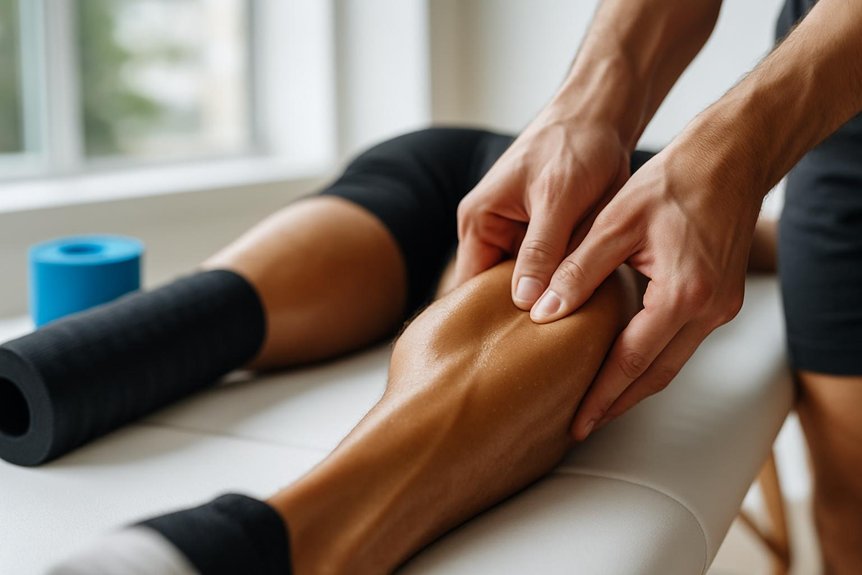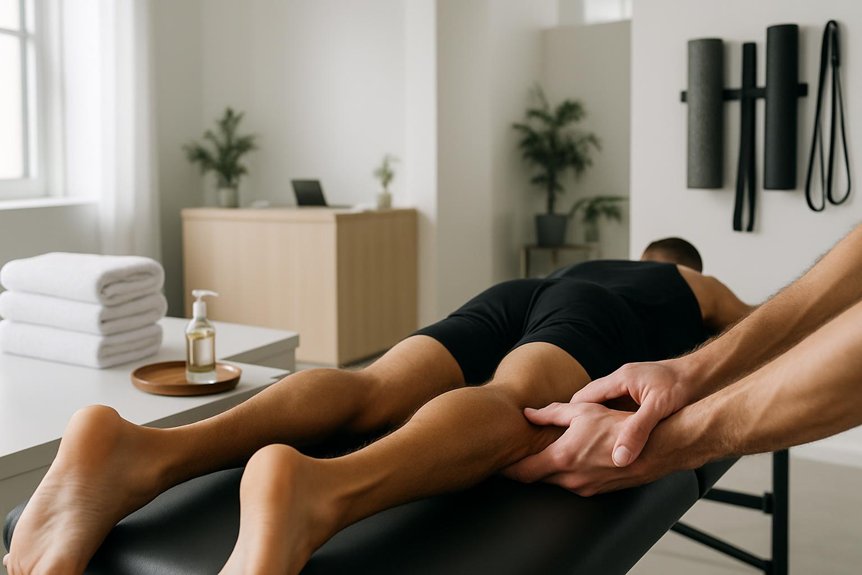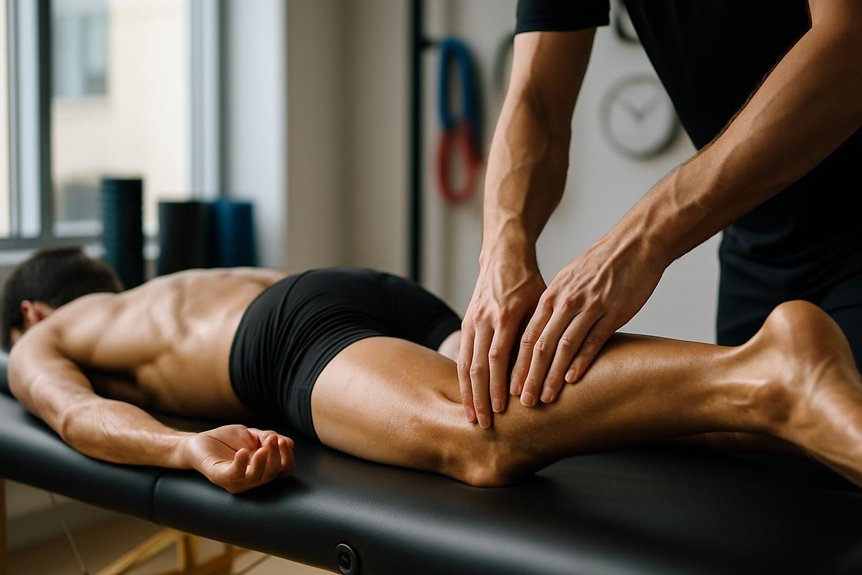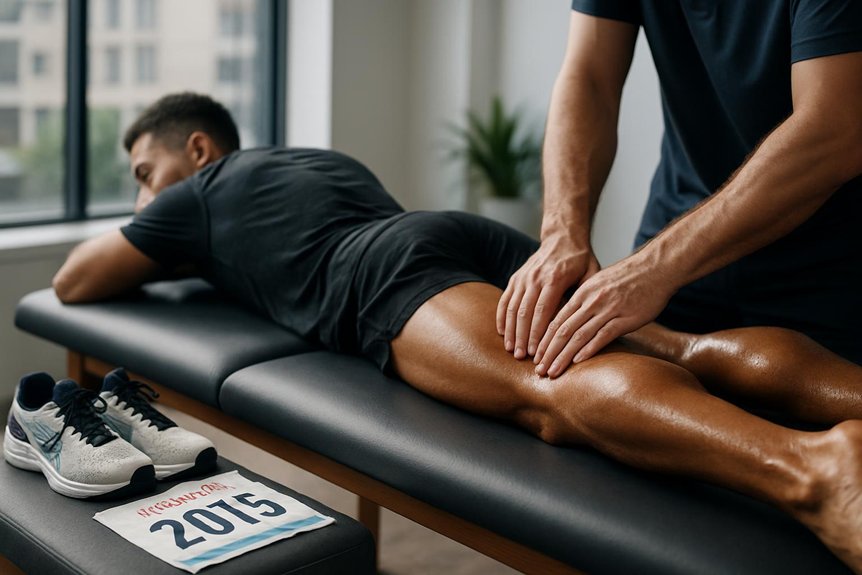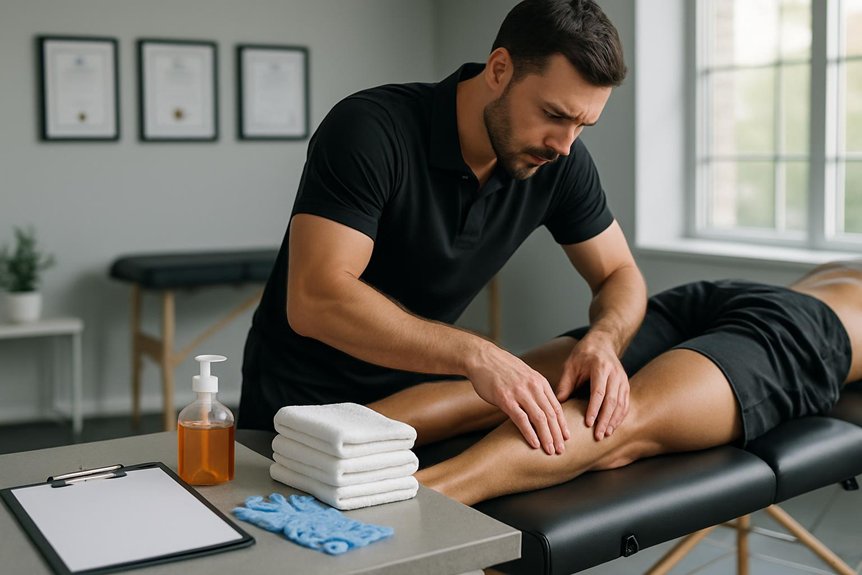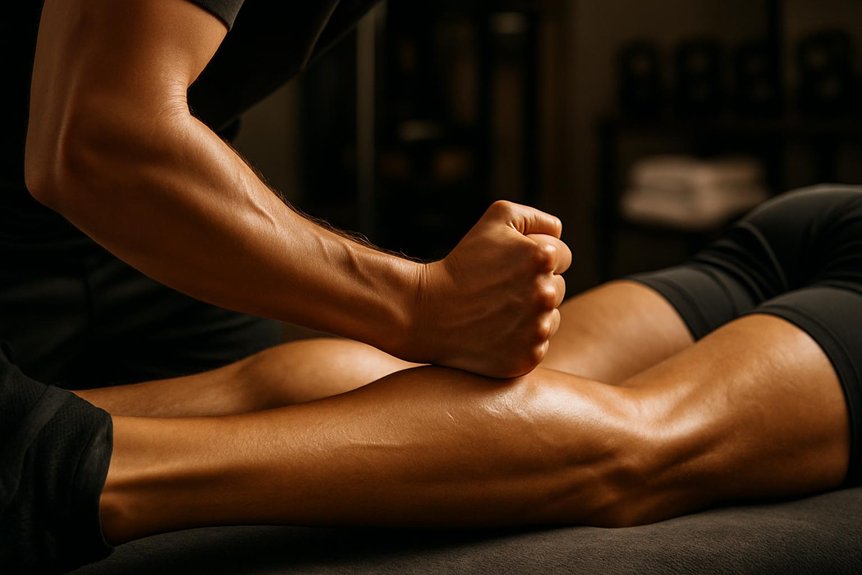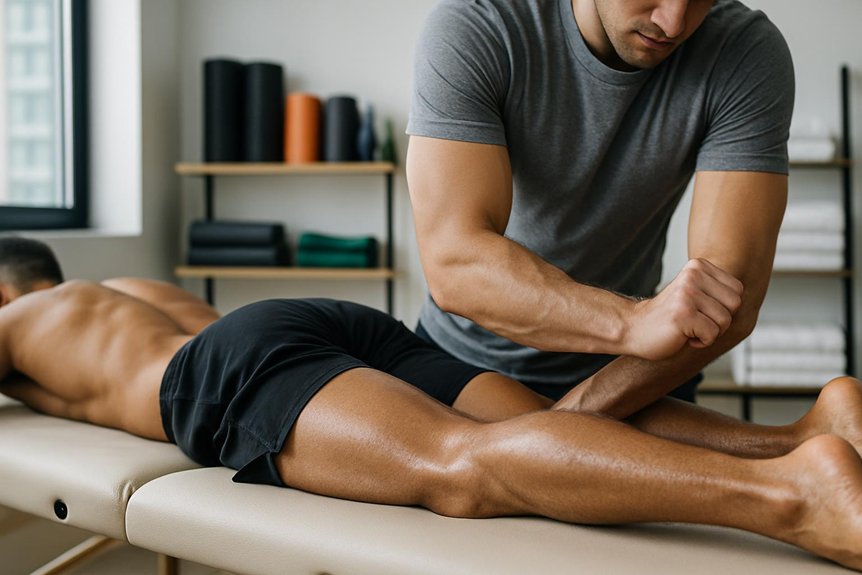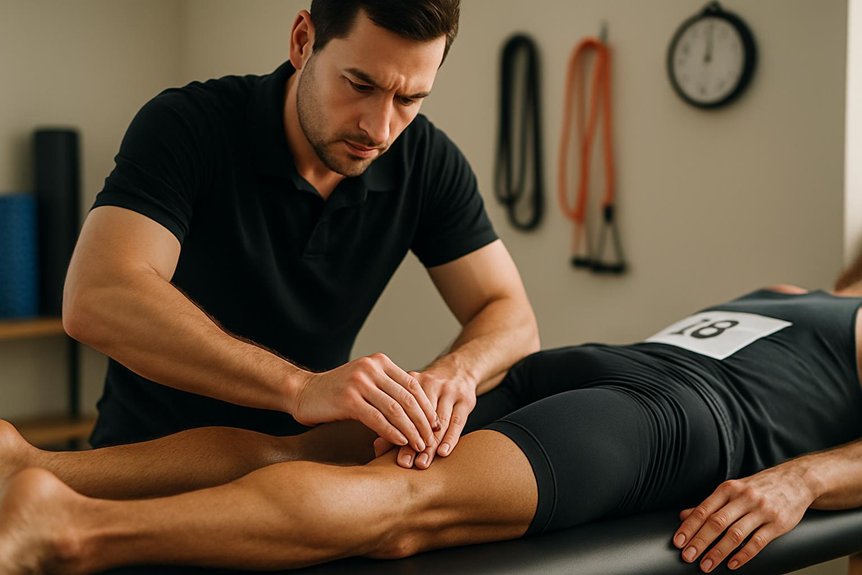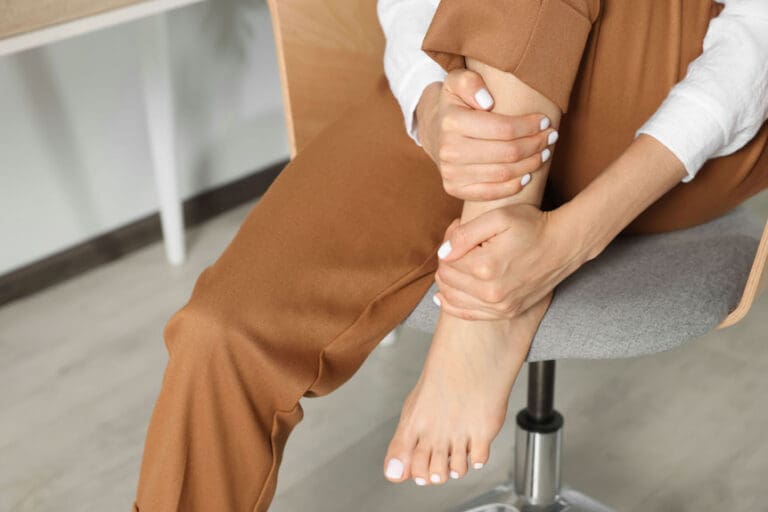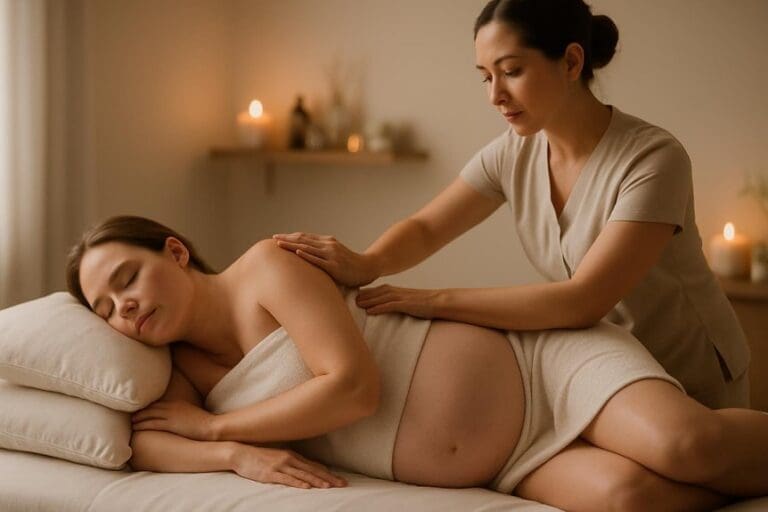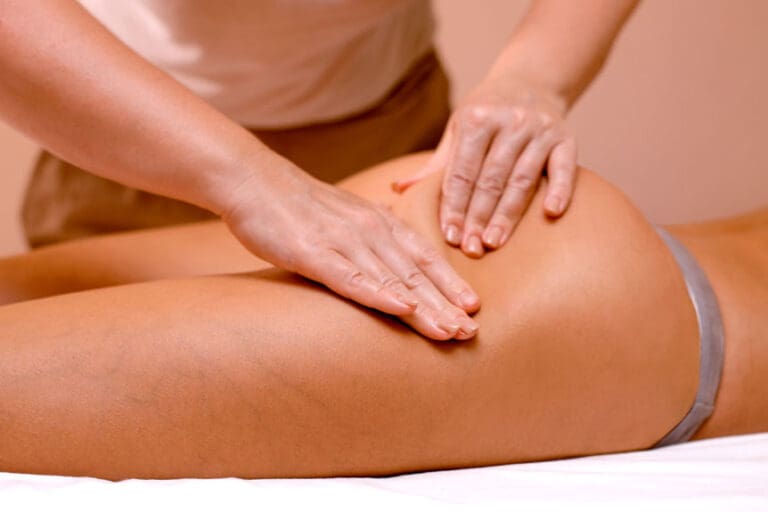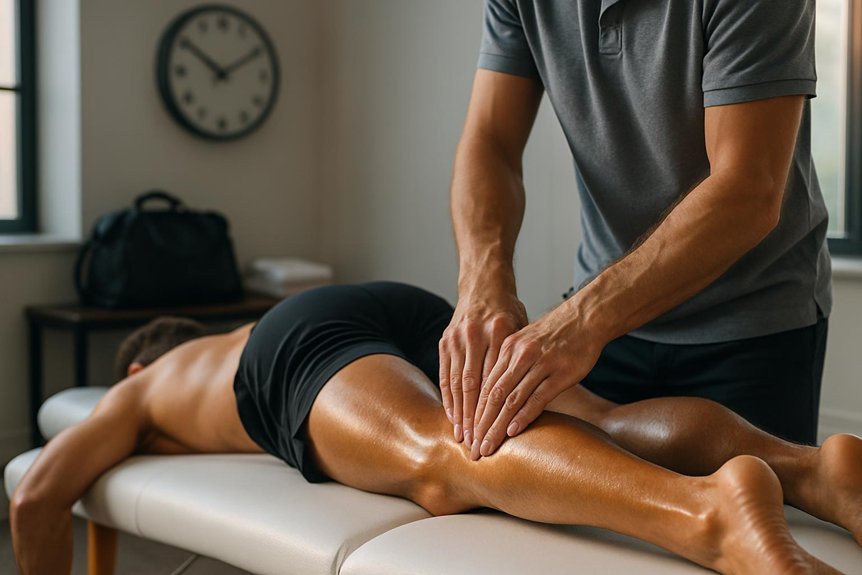
The best time for an athletic massage depends on the goal. For competition, most athletes book 48–72 hours beforehand for recovery and readiness, or 24–48 hours for light priming; those who get sore easily may need a week, while brief same‑day work (6–24 hours) can aid body awareness. After training, moderate sessions can suit the same day, but next‑day is often better after heavy workouts. Timing, pressure, and safety factors are explained next.
Sports Massage Timing: A Quick Guide
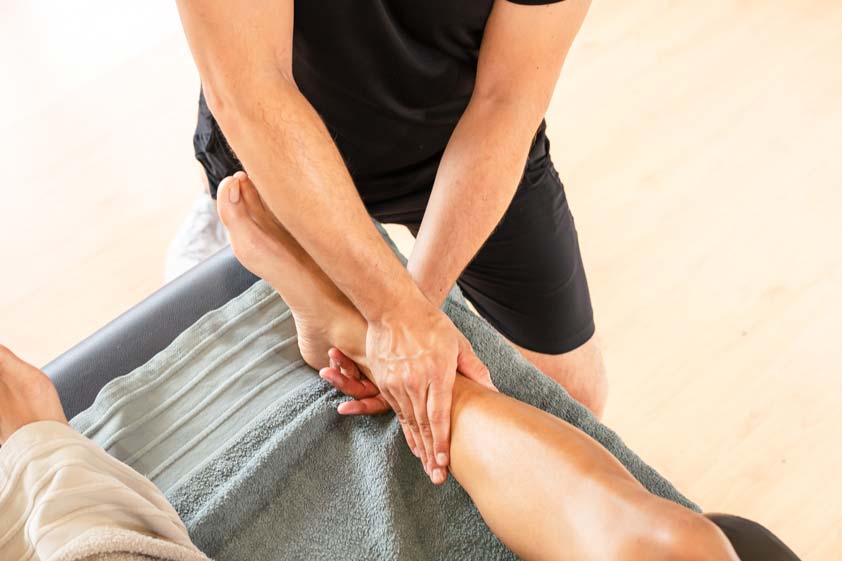
Before training, after training, or in the days around competition, the “best” time for an athletic massage depends on the client’s goal—performance priming, recovery, or injury-risk reduction—and on current training load, soreness, and upcoming sessions.
At Spa & Massage clinics across London, therapists first assess tenderness, range of motion, and fatigue to match pressure and technique to what the body can comfortably receive.
For heavy training blocks, many clients benefit from shorter, more frequent sessions to ease tightness without leaving them depleted.
When soreness is high, a gentler recovery-focused treatment can support circulation and reduce protective guarding.
When training is light, deeper work can address persistent knots and movement restrictions.
Clients are advised to hydrate, move gently, and monitor response for 24 hours.
It can provide benefits for athletes when timed appropriately around training and recovery needs.
Before an Event: When to Book Athletic Massage
Before an event, the most effective athletic massage timing depends on the client’s goal: light, performance-priming work is typically scheduled 24–48 hours ahead, while a slightly firmer session is better placed earlier in the week to allow full recovery.
Evidence-informed practice suggests avoiding intense deep tissue work in the final 24 hours, as post-treatment soreness can reduce comfort and readiness.
At Spa & Massage, therapists tailor pre-event intensity to the sport, training load, and previous response to treatment, prioritising mobility, circulation, and nervous system readiness.
Optimal Pre-Event Timing
In the days leading up to a race, match, or heavy training session, pre-event athletic massage is most effective when it is timed to support performance without leaving the muscles feeling tender or fatigued.
For most clients, Spa & Massage recommends booking 48–72 hours before competition to allow recovery while maintaining a sense of lightness and readiness.
If travel, nerves, or disrupted sleep are expected, scheduling 3–5 days ahead can stabilise movement quality and confidence.
When there is a history of post-treatment soreness, a full week provides extra buffer.
For same-day needs, a brief session 6–24 hours prior may help athletes feel connected to their body without risking tightness.
Across London clinics, therapists align timing with training load, symptoms, and goals.
Pre-Event Massage Intensity
How deep should a pre-event athletic massage go to enhance performance without triggering soreness? Evidence supports keeping pressure light-to-moderate, prioritising warming strokes, rhythmic compression, and gentle mobilisation rather than sustained deep tissue work.
The aim is to increase circulation, reduce perceived stiffness, and sharpen body awareness without creating microtrauma that can dull power or irritate tender spots.
At Spa & Massage clinics across London, therapists tailor intensity to the event and the client’s nervous system: brisk, confident pressure for athletes who respond well, and softer, calming touch for those who tighten under stress.
Any “good pain” is avoided; sensation should feel supportive, close, and reassuring. If a trigger point is addressed, it is brief, graded, and immediately followed by flushing strokes.
After Training: Same-Day or Next-Day Massage?
After a training session, the best timing for an athletic massage depends on the workout’s intensity, the athlete’s immediate goals (rapid recovery vs. addressing a developing issue), and current soreness levels.
Same-day work often suits moderate sessions, when tissues feel warm and responsive and the aim is to downshift the nervous system, restore range, and leave the body feeling safely held. At Spa & Massage, therapists typically use measured pressure, slow strokes, and targeted release rather than aggressive deep work immediately post‑exercise.
Next-day massage can be preferable after heavy lifting, long runs, or hard intervals, when delayed-onset soreness peaks and swelling has settled enough to assess.
It allows a more precise plan—calming tender areas, supporting circulation, and addressing protective tension without overwhelming sensitive muscle.
How Often to Get This Massage (by Goal)
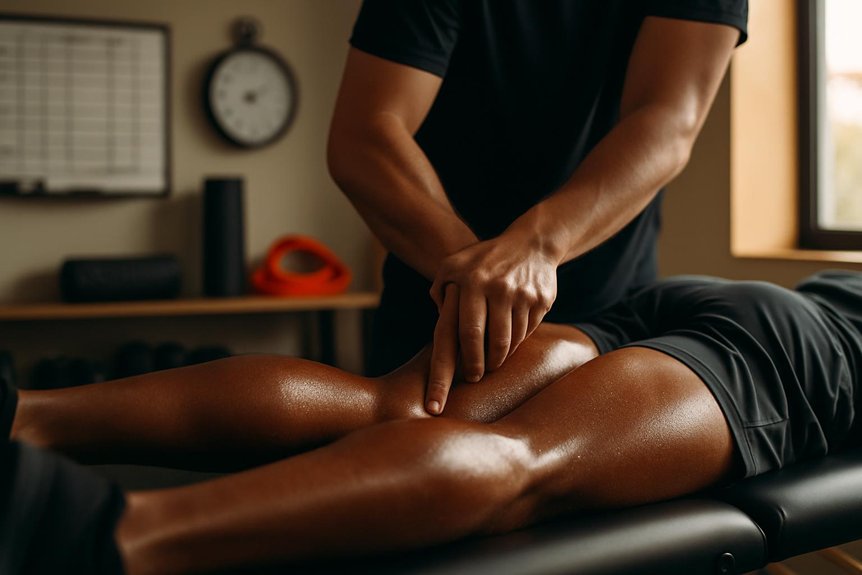
Often, the most effective sports-massage schedule depends less on a fixed rule and more on the client’s goal—maintenance, performance, recovery, or injury management—alongside training load, current symptoms, and how the body responds to hands-on work.
For maintenance, many clients at Spa & Massage book every 3–6 weeks to keep tissues supple and stress low. For performance during heavy blocks, weekly or fortnightly sessions can help manage tightness and restore range of motion.
For recovery after events or travel, 1–2 sessions within the week can ease soreness and calm the nervous system.
For injury management, frequency is typically higher at first (often weekly), then tapered as symptoms settle and strength work takes over, always guided by reassessment and comfort.
Injury Timing: When Is It Safe
In the first 24–72 hours following an injury, athletic massage is typically not appropriate over the affected area, because early-phase inflammation and tissue bleeding can be aggravated by pressure.
After this window, timing becomes safer when swelling is settling, pain is stable, and normal movement is gradually returning.
Evidence-informed practice supports beginning with gentle, pain-free work around (not on) the injury to reduce protective guarding, support circulation, and help clients feel more at ease in their bodies.
As tenderness decreases, a therapist can progress to targeted techniques that address compensations in nearby muscles and restore comfortable range of motion.
At Spa & Massage clinics across London, therapists assess bruising, heat, and function, then tailor pressure and positioning so the client feels held, not challenged.
When to Avoid this Massage (Choose Gentler Work)
Even when post-injury inflammation has settled and movement is improving, athletic massage is not always the best next step; there are clear situations where deep, targeted work can increase irritation or slow recovery. It should be avoided with fever, active infection, new swelling, unexplained bruising, suspected fracture, clot risk, unmanaged nerve symptoms, or severe, sharp pain.
Flare-ups of tendinopathy, fresh DOMS, and high stress or poor sleep may also respond better to lighter touch. At Spa & Massage clinics across London, therapists screen these red flags, then choose gentler options: soothing aromatherapy, calming lymphatic-style strokes, or carefully paced deep tissue that stays within a “good pain” range. The goal is safety, comfort, and steady progress, without leaving the body feeling guarded or raw.
Conclusion
Timing an athletic massage is most effective when it matches the client’s training phase: lighter work 24–48 hours pre‑event, deeper techniques 24–72 hours post‑session, and regular maintenance during high load blocks. Evidence supports this targeted approach; a meta-analysis reported massage can reduce delayed-onset muscle soreness by around 13% versus control, helping clients stay consistent without blunting readiness. When pain, swelling, or acute injury is present, clinicians typically prioritise gentler, medically guided care.