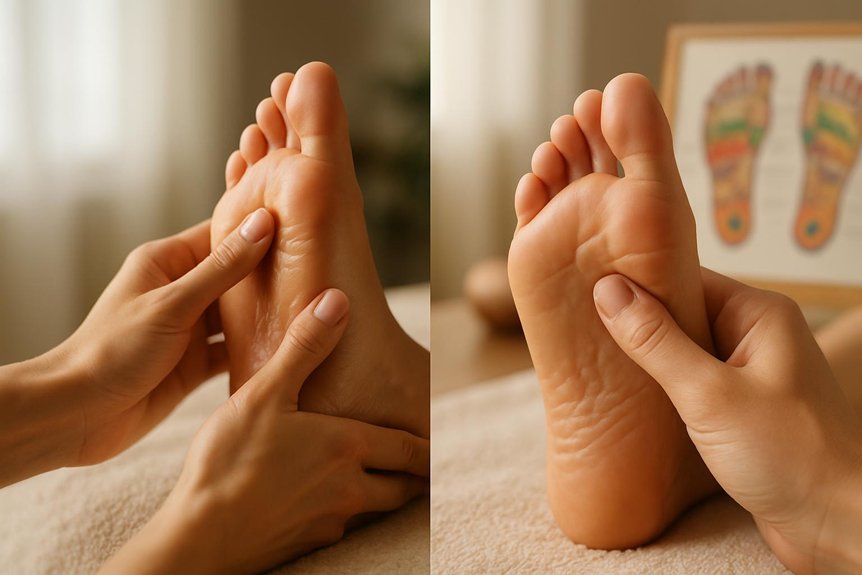
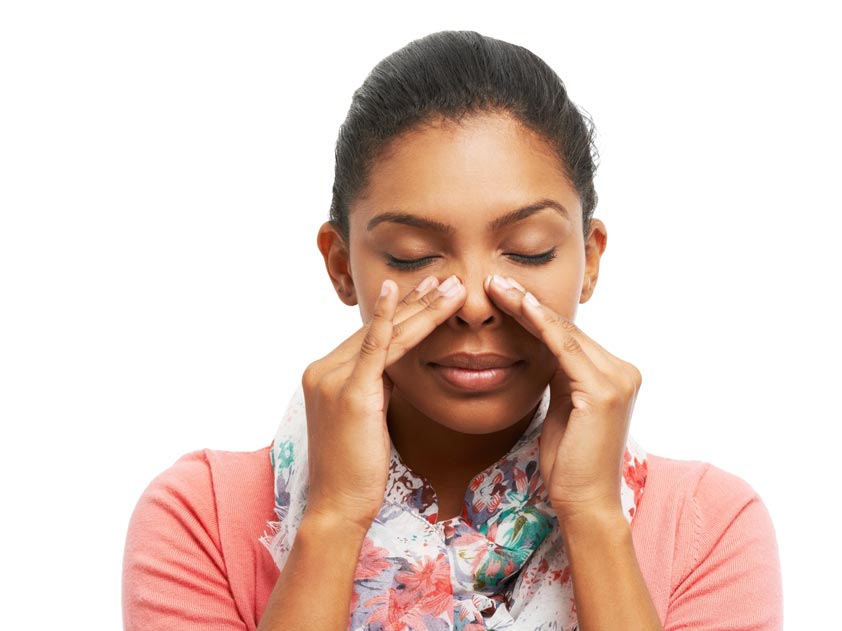
It may help reduce the perceived intensity of sinus pressure by promoting relaxation and easing facial tension, using measured, comfortably tender pressure on toe tips and related hand areas. It is best positioned as supportive comfort care rather than a cure, and it should not replace assessment for infection or complications. Referral to a GP is advised for severe or one-sided pain, fever, thick green/bloody discharge, facial swelling, or symptoms lasting over 10 days. More practical guidance follows.
Can It Help Sinus Pressure Safely?
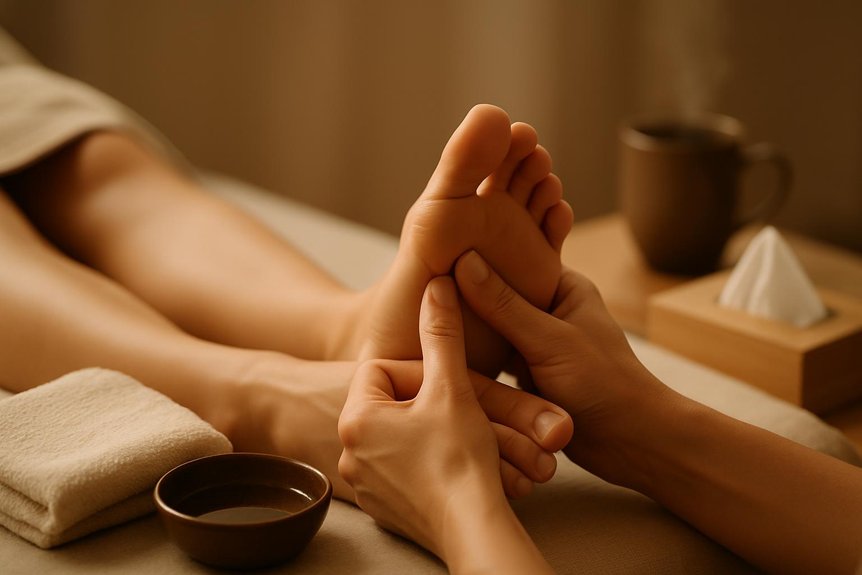
When approached correctly, can it provide a safe, supportive option for managing sinus pressure? In many cases, it may, when used as a comfort-focused modality rather than a cure. It applies measured pressure to specific areas of the feet thought to correspond with the face and sinus region, aiming to encourage relaxation and perceived drainage.
At Spa & Massage, therapists keep pressure moderate, monitor sensitivity, and adjust pace to the client’s breathing, helping the body settle. Many clients report reduced facial tightness, easier nasal breathing, and improved rest after sessions, though responses vary. Clean technique, clear consent, and hydration advice support safety.
It can complement gentle self-care and other wellness routines, especially during seasonal congestion, without overstating outcomes. This aligns with the idea of healing power in zone therapy as a supportive wellness approach.
When Sinus Pressure Needs a GP, Not Reflexology
Sometimes, sinus pressure signals an underlying infection or complication that warrants GP assessment rather than zone therapy. Clinical review is advised if pain is severe or one-sided, symptoms persist beyond 10 days, or there is fever, thick green or bloody discharge, facial swelling, tooth pain, or worsening after initial improvement.
Urgent care is appropriate with vision changes, a stiff neck, confusion, marked drowsiness, or severe headache, as these may indicate rare but serious spread. People who are pregnant, immunocompromised, or have asthma or chronic sinusitis may also benefit from early medical input.
At Spa & Massage, therapists screen for these red flags and may defer treatment, recommending GP review before any massage session for safe, appropriate care.
How It May Ease Sinus Pressure Symptoms
In clinical practice, it is used as a supportive, non-invasive modality that may help reduce the perceived intensity of sinus pressure by downshifting stress responses and promoting relaxation. By settling the autonomic nervous system, some clients notice softer facial tightness, less headache-like pressure, and easier breathing, particularly when symptoms are stress-amplified rather than infection-driven.
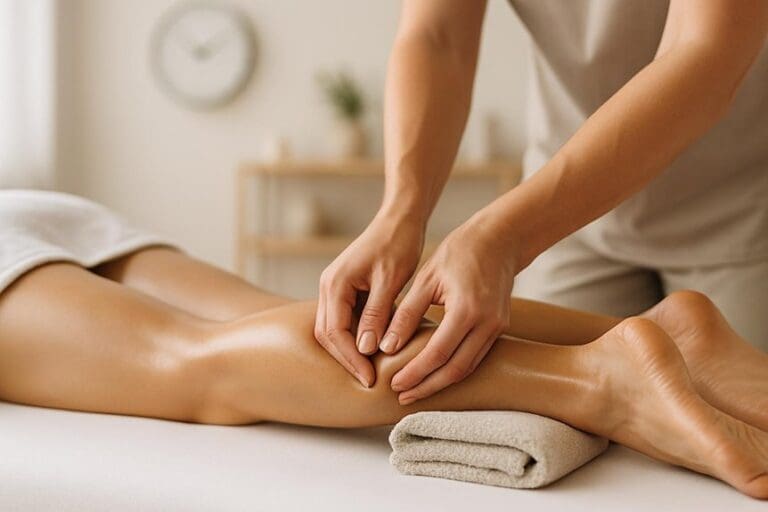
At Spa & Massage clinics across London, therapists apply steady, reassuring touch and paced pressure that can support circulation and lymphatic flow indirectly, while also easing jaw, neck, and shoulder guarding that often accompanies congestion. Benefits are typically subtle, cumulative, and variable, and it should be framed as comfort care alongside hydration, rest, and appropriate medical advice.
A calmer body may make the pressure feel more manageable and personal.
Reflex Therapy Points for Sinus Pressure Relief
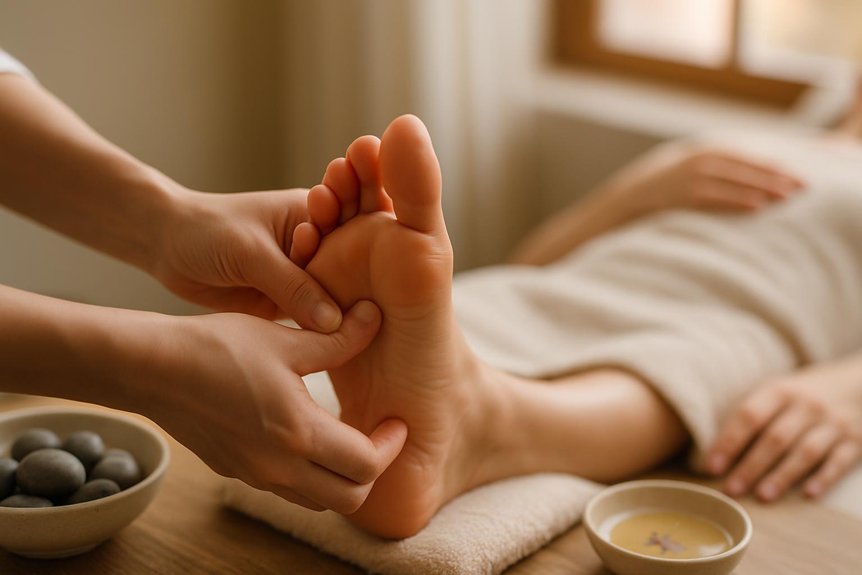
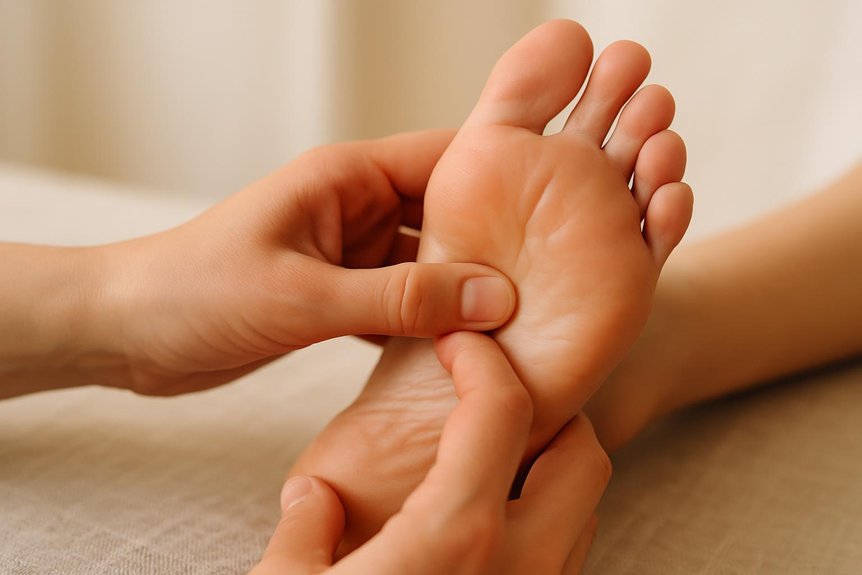
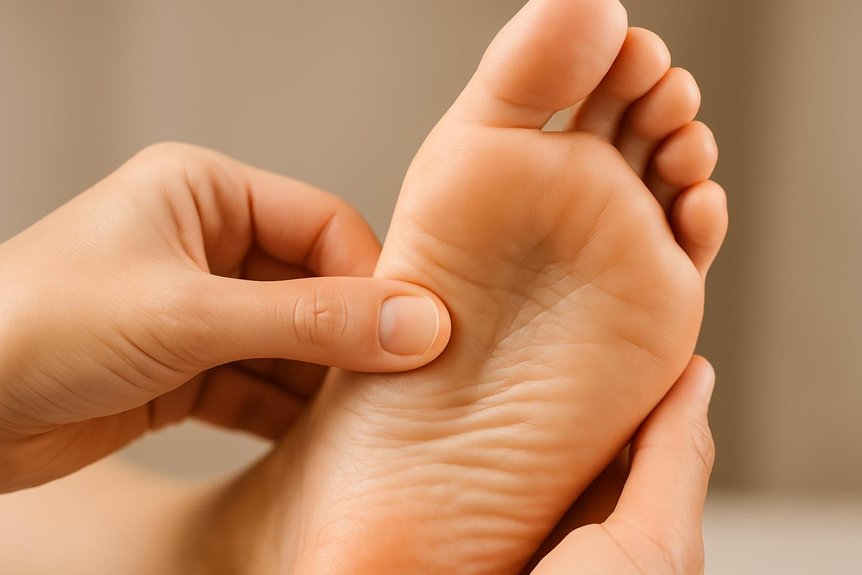
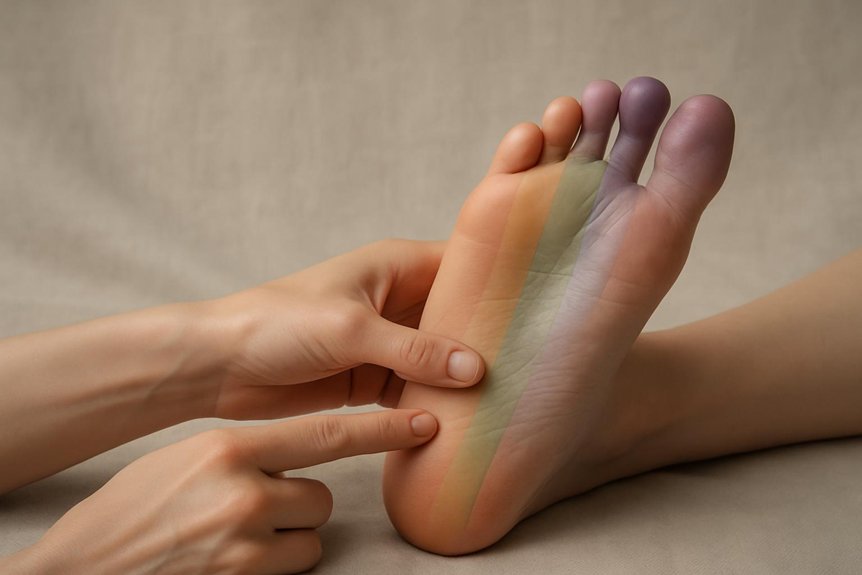
For targeted comfort, reflex therapy for sinus pressure typically focuses on foot and hand zones that correspond to the face and upper respiratory region—most conspicuously the tips and pads of the toes (head/sinus area), the base of the toes (neck/throat), and the inner edge of the big toe (nasal line).
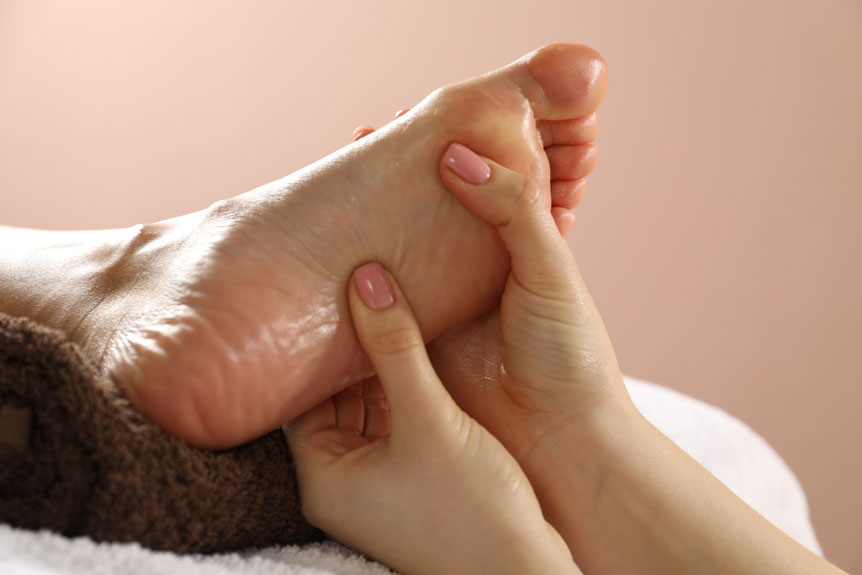
A gentle, sustained press and small circular movements are commonly used, staying within a “comfortably tender” range to encourage settling rather than irritation.
Additional options include the webbing between thumb and index finger (head/face), the pads of the fingers, and the thenar area (upper chest/diaphragm).
At Spa & Massage clinics, therapists may suggest slow nasal breathing while working these points. It is not a substitute for medical care, especially with fever, severe pain, or persistent symptoms.
What to Expect in a Sinus Zone Therapy Session at Spa & Massage
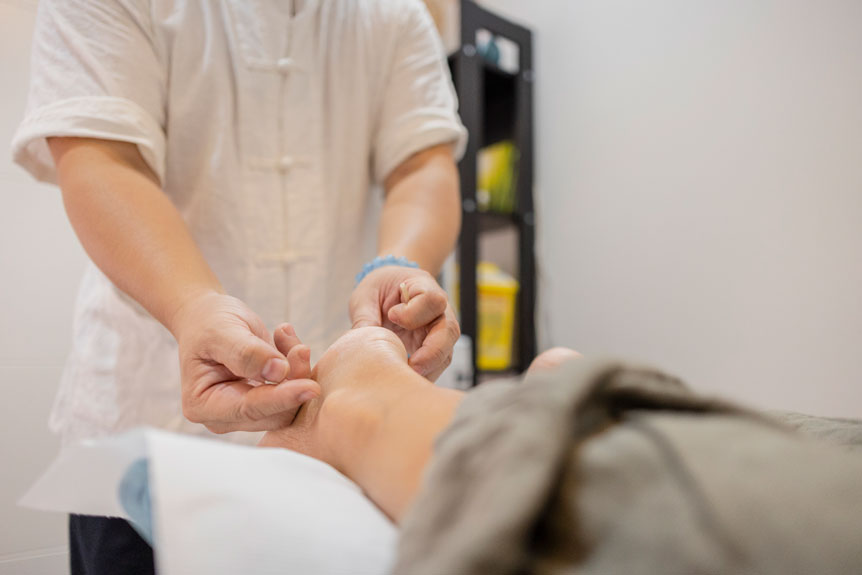
Typically, a sinus-focused zone therapy session at Spa & Massage begins with a brief intake to review symptoms, relevant health history, and any contraindications (such as fever, acute infection, or severe facial pain) before a therapist selects a modality and pressure level tailored to comfort.
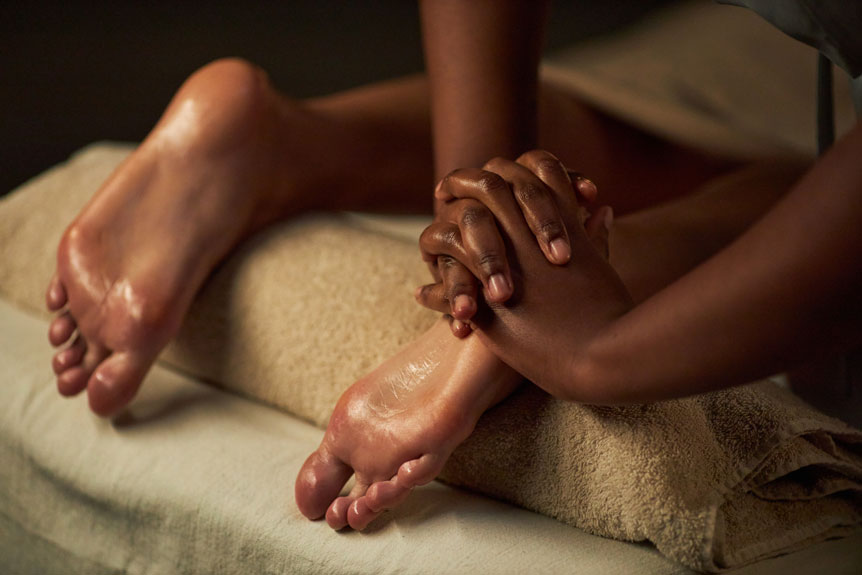
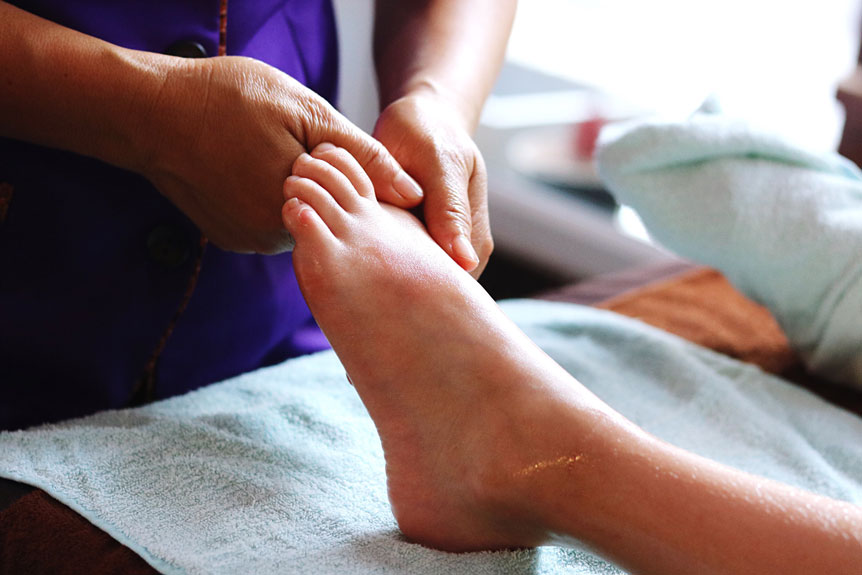
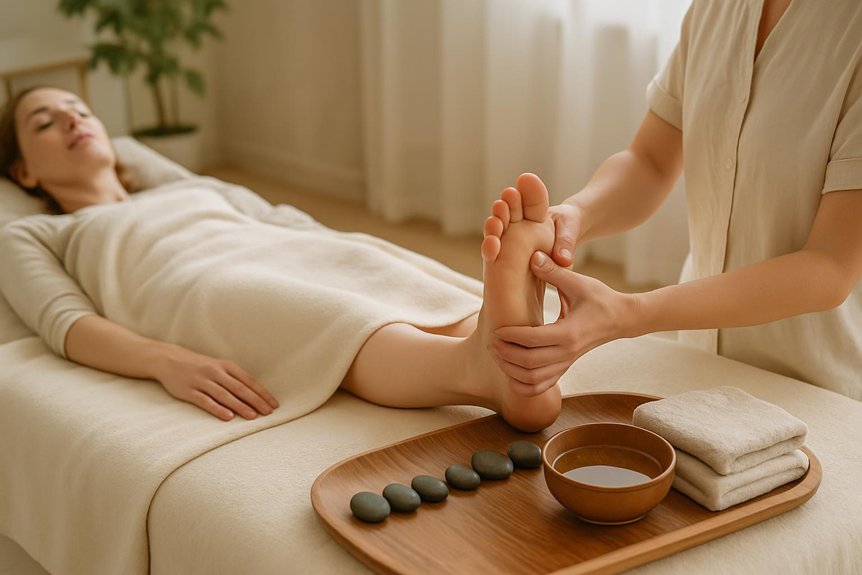
The client is positioned warmly and discreetly, with draping that preserves privacy. After cleansing the feet, the therapist applies measured thumb-walking and static pressure to reflex areas linked to the sinuses, head, and lymphatic pathways, pausing to titrate intensity based on feedback.
Some clients notice transient tenderness, warmth, or increased nasal discharge; these responses are not guaranteed and are monitored.
Sessions often conclude with gentle grounding strokes, hydration guidance, and advice to seek medical care if symptoms worsen or persist.
Conclusion
It may offer a gentle adjunct for individuals experiencing sinus pressure, primarily by supporting relaxation and perceived ease of congestion. While proposed mechanisms remain under investigation, clients commonly report reduced facial heaviness and improved comfort following targeted foot techniques. It is best positioned as a low-risk, non-pharmacological option alongside usual care, rather than a substitute for medical assessment. Persisting, severe, or atypical symptoms warrant timely GP review, to exclude less accommodating causes.