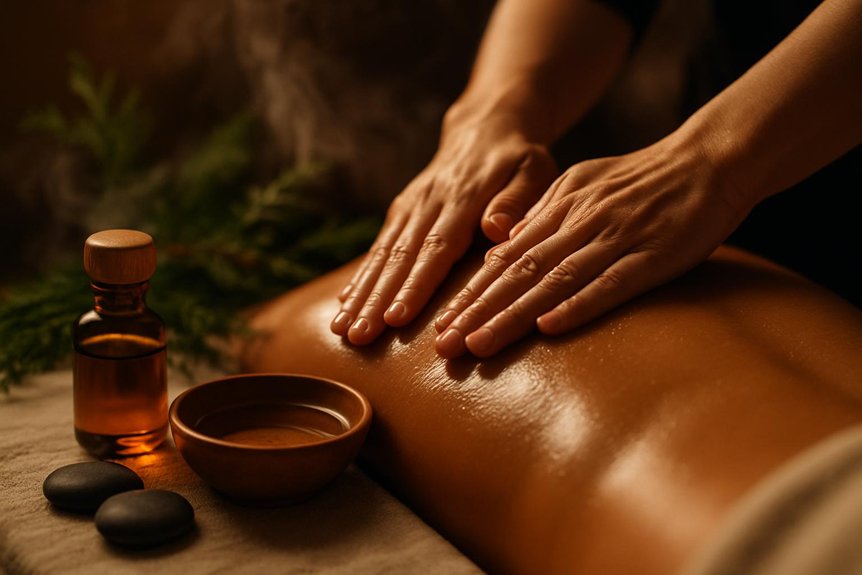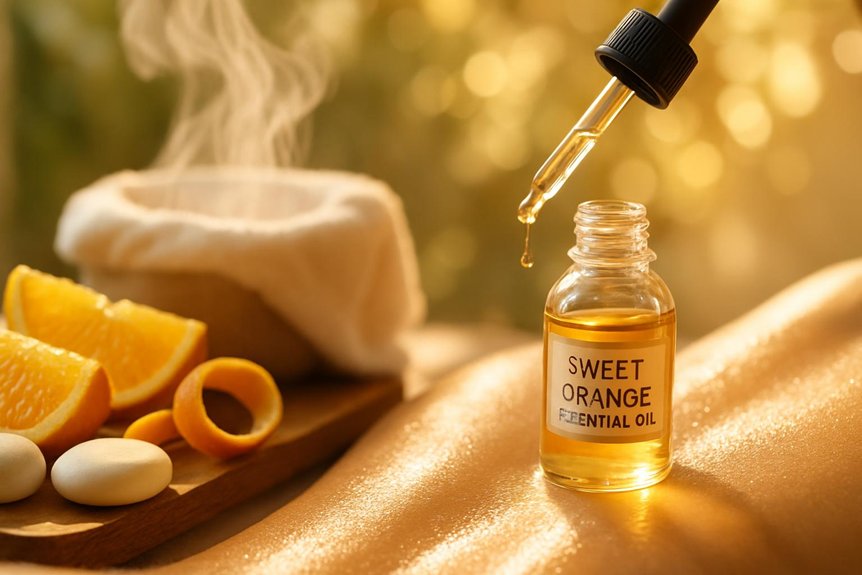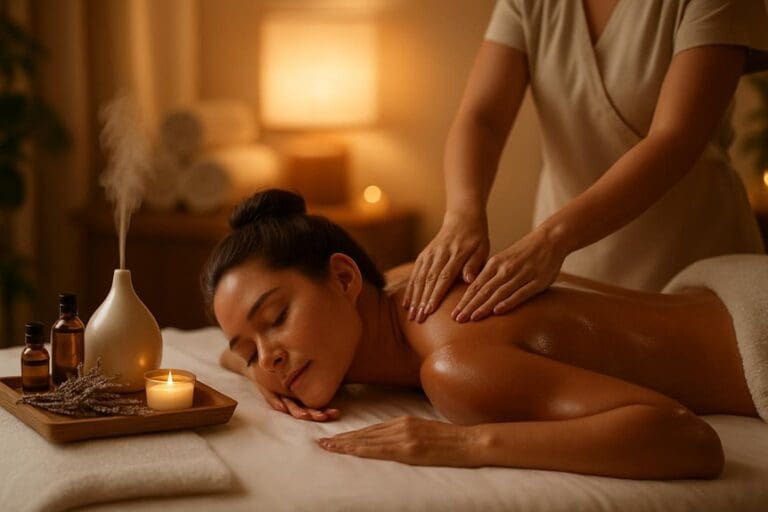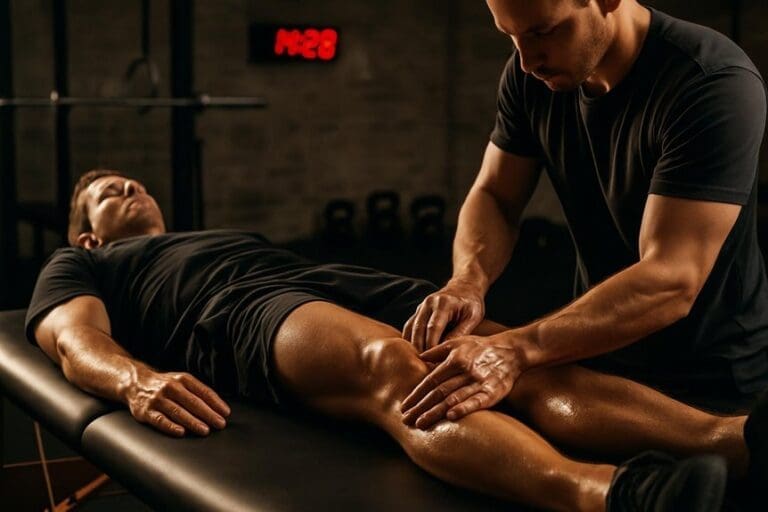
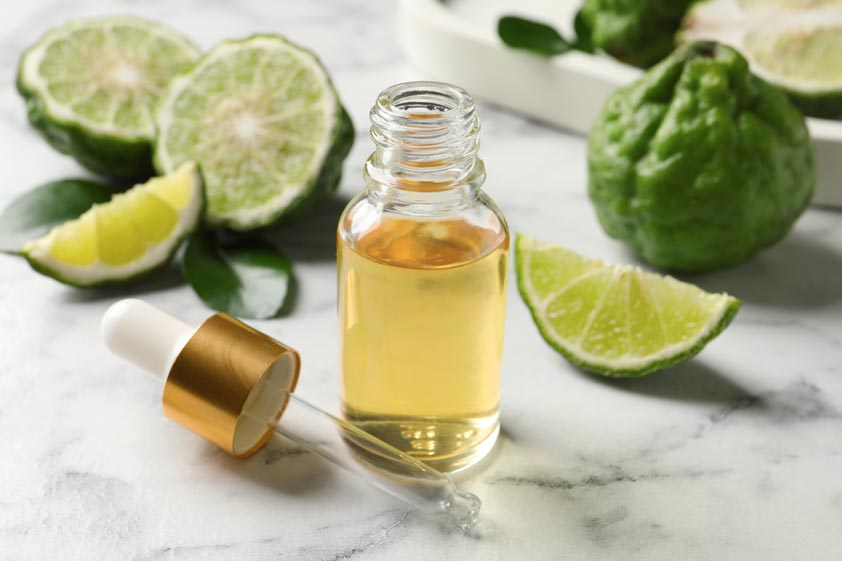
For aromatic massage, bergamot essential oil is typically diluted to 0.5–1% for most adults (about 6 drops per 30 mL carrier), with 2% (12 drops/30 mL) only when tolerance is known; 3% is best reserved for small, short-use areas after careful screening. Using FCF (bergapten‑free) bergamot helps reduce phototoxicity risk, and clients should avoid UV exposure for 12–24 hours. More practical blending steps and skin-type carrier options follow.
Check Bergamot Oil Safety (Phototoxicity First)
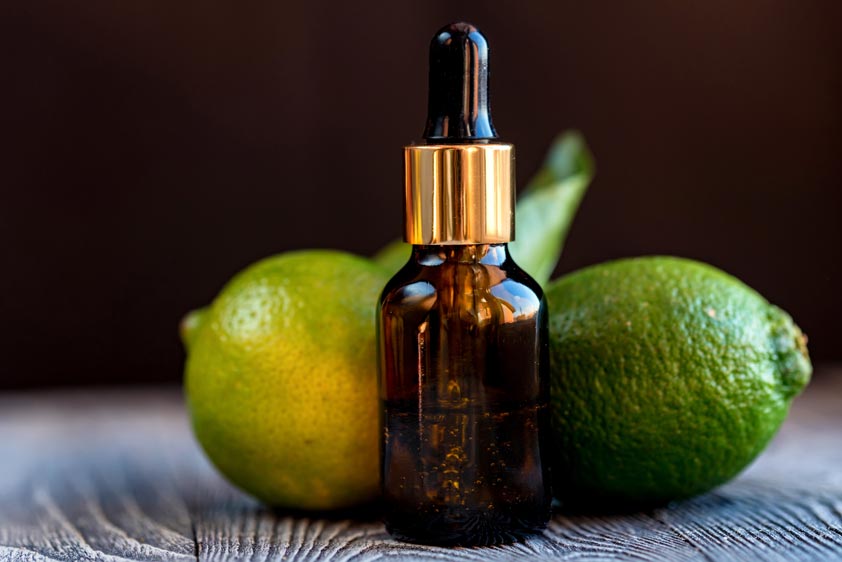
Before measuring any dilution, bergamot essential oil safety should be checked—especially phototoxicity, which is the best‑documented risk for topical use.
Bergamot may contain furocoumarins (notably bergapten) that can increase UV sensitivity and raise the chance of darkening or burning on sun‑exposed skin; “FCF/bergapten‑free” bergamot reduces this concern.
A client‑centred intake should ask about planned sunbeds, holidays, outdoor commutes, and recent peels or retinoids, then guide timing so skin stays protected.
Patch testing and conservative use matter for reactive, eczema‑prone, or pregnancy‑related sensitivity.
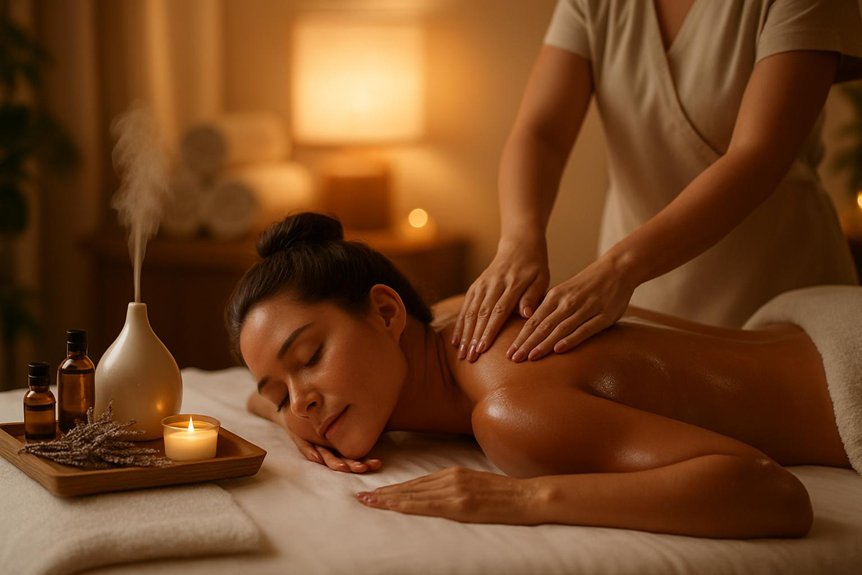
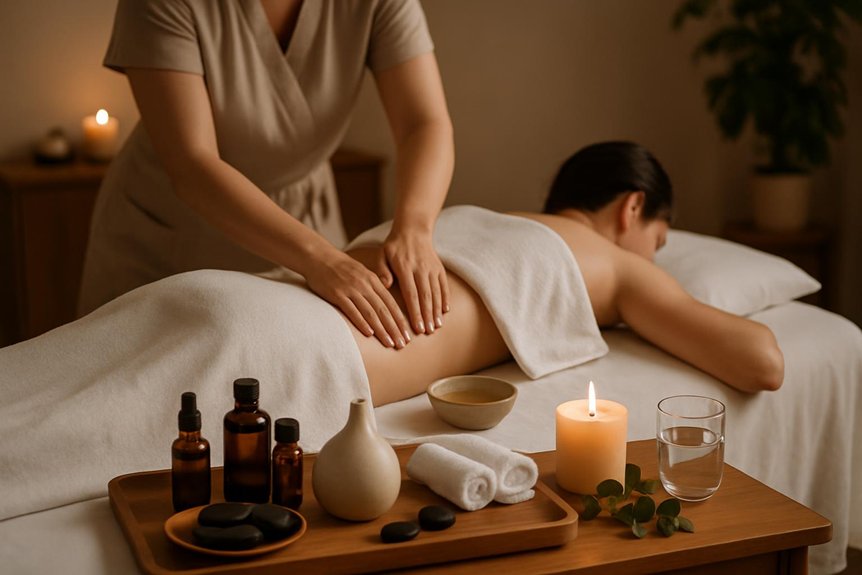
In Spa & Massage clinics, therapists select quality oils, confirm any allergies, and prioritise comfort, consent, and aftercare guidance.
For added relaxation, aromatherapy massage techniques can support a calm, healing experience when used thoughtfully.
If irritation occurs, stop and rinse well.
Use Safe Bergamot Massage Dilution (1–3%) + Drop Guide
Once phototoxicity and skin sensitivity have been considered, the next step is choosing a topical dilution that supports relaxation without increasing the risk of irritation.
For full-body aromatic massage, Spa & Massage therapists typically keep bergamot at 1% for most clients, rising to 2% when a stronger scent is desired and skin tolerance is known; 3% is reserved for short, localised areas and only with careful screening.
As a practical drop guide (assuming ~20 drops per mL): 1% equals 6 drops per 30 mL carrier; 2% equals 12 drops; 3% equals 18 drops.
For 10 mL, use 2, 4, or 6 drops.
Blends are kept consistent across sessions to maintain comfort and trust.
Choose a Carrier Oil for Bergamot Massage by Skin Type
With bergamot diluted to an appropriate percentage, carrier oil selection becomes the main factor influencing glide, absorption, and skin tolerance during aromatic massage. In Spa & Massage clinics, therapists match carriers to the client’s skin and the kind of closeness desired.
For dry or mature skin, richer oils such as sweet almond or avocado help reduce drag and leave a protective, comforting veil. For oily or acne‑prone skin, lighter options like grapeseed or fractionated coconut tend to absorb faster and feel less occlusive.
For sensitive or reactive skin, jojoba (a wax ester) or sunflower are often well tolerated; patch testing remains prudent, especially with fragrance sensitivity. During pregnancy or when eczema is flaring, therapists prioritise simple, fragrance‑free carriers and stop if warmth, itching, or redness develops.
Make a Bergamot Massage Blend (Step-by-Step Recipe)
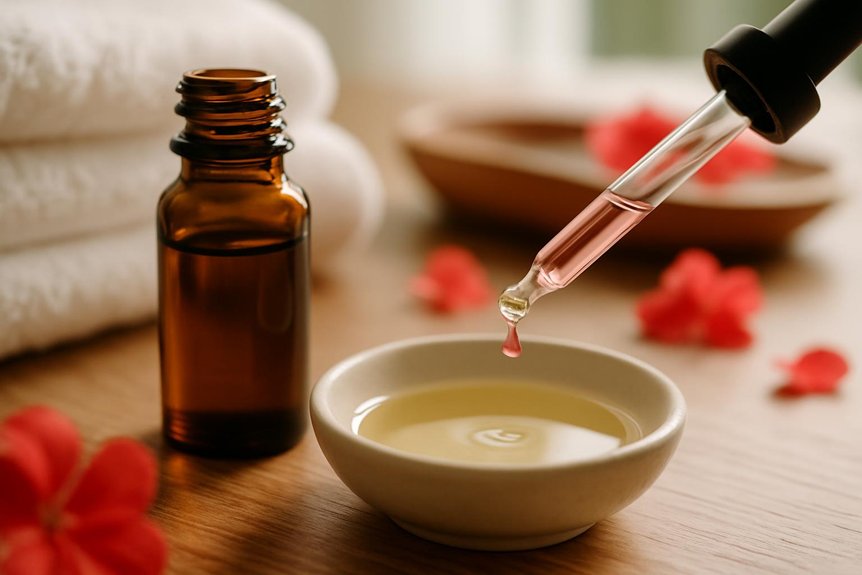
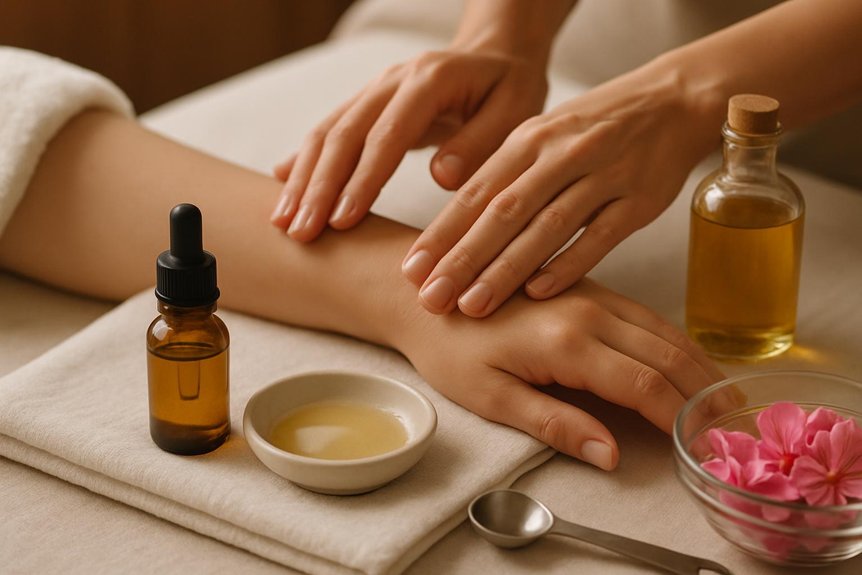
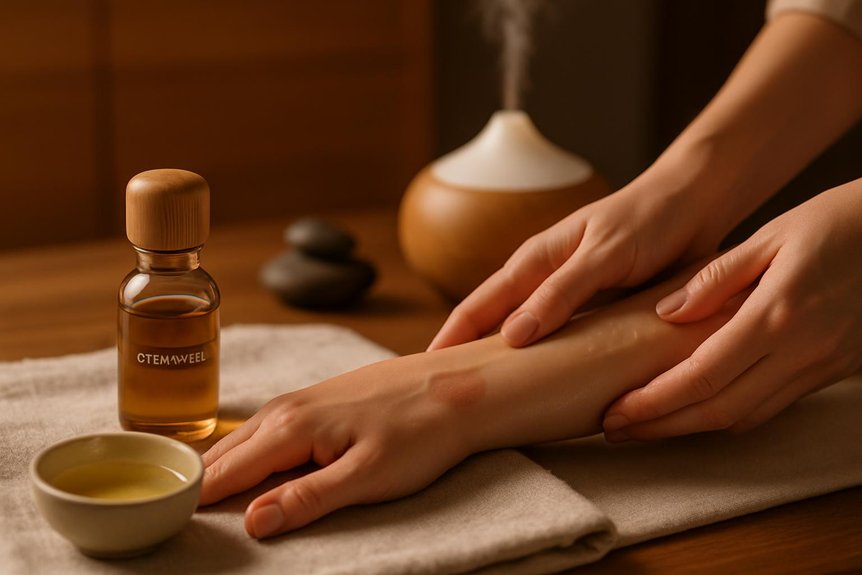
For a simple, skin‑safe aromatherapy option, a bergamot massage blend can be prepared by measuring the essential oil in drops, diluting it into a suitable carrier, and mixing thoroughly to achieve an even, predictable concentration.
In Spa & Massage clinics, therapists commonly use a 1% dilution for full‑body relaxation: add 3 drops of bergamot essential oil to 15 ml carrier oil (or 6 drops to 30 ml).
For a more enveloping, close‑contact massage, a 2% blend may suit healthy adult skin: 6 drops per 15 ml (or 12 per 30 ml).
Pour the carrier into a clean glass bottle, add drops, cap, then roll and invert for 30 seconds.
Label with date and dilution for consistency.
Avoid Common Dilution Mistakes and Aftercare Tips
Why do bergamot massage blends sometimes irritate skin or feel unexpectedly strong? Most problems come from mismeasuring drops, forgetting total dilution across blended oils, or applying neat oil to “hot spots” like the neck, inner arms, or freshly shaved skin.
In Spa & Massage clinics, therapists keep bergamot at 0.5–1% for most adults and choose bergapten-free (FCF) bergamot when sun exposure is likely, because phototoxicity risk increases with some citrus oils.
Another mistake is mixing into water or lotions without a solubiliser, causing uneven dosing on the skin.
Aftercare matters: advise clients to avoid UV for 12–24 hours, hydrate, and patch-test new blends.
If redness, stinging, or headache occurs, stop, dilute with carrier oil, and rinse gently.
Conclusion
Diluting bergamot for aromatic massage is best approached with a little extra care, as its bright scent can come with an “unwelcome surprise” in sunlight. London therapists typically keep blends within 1–3%, select a carrier matched to skin needs, and measure precisely for consistency. Patch testing and proper storage further reduce the chance of skin “disagreement.” With thoughtful ratios, clear aftercare, and phototoxicity awareness, clients can enjoy bergamot’s uplifting character with confidence.