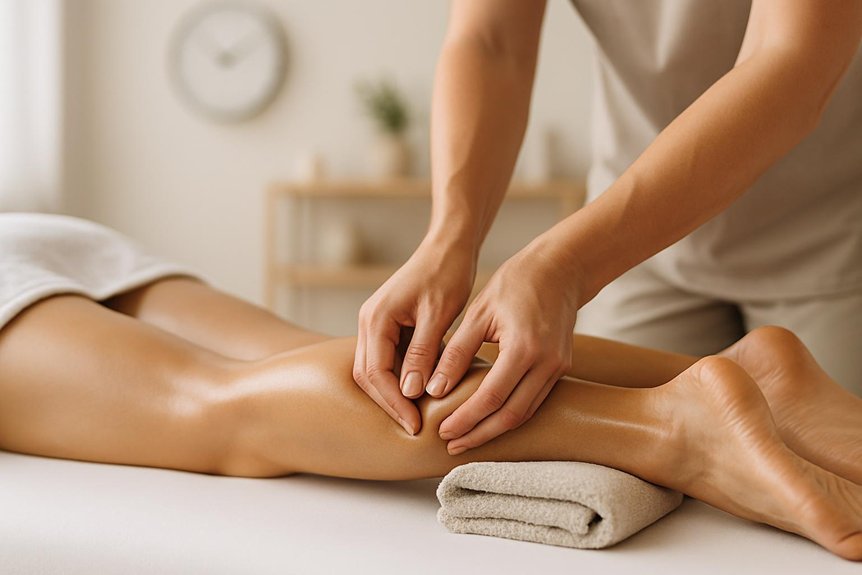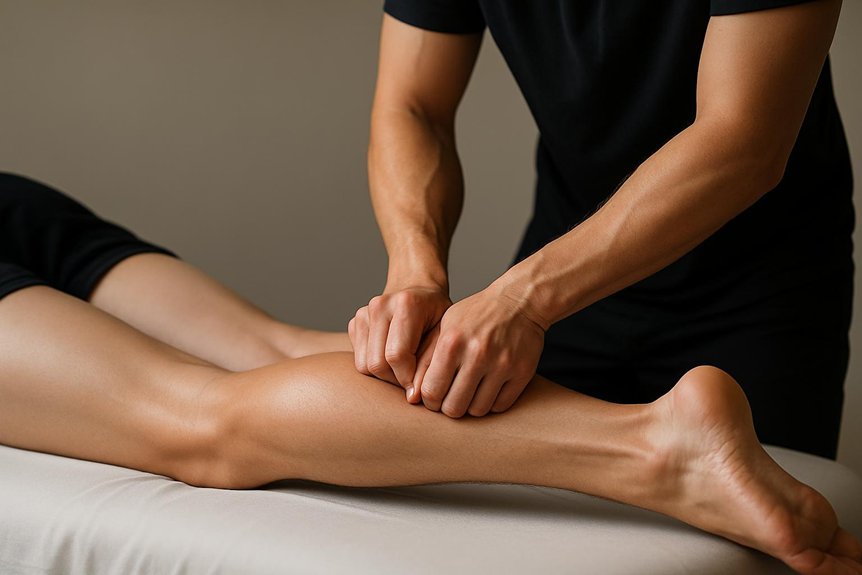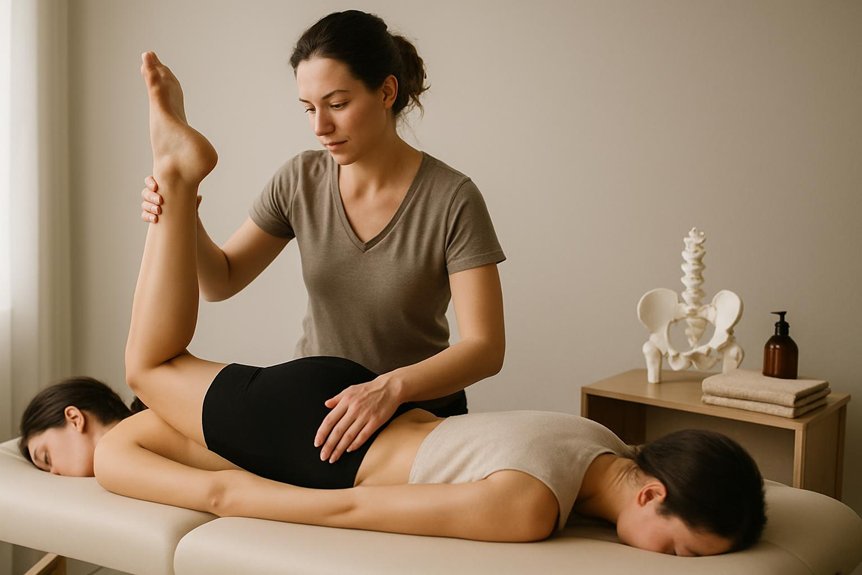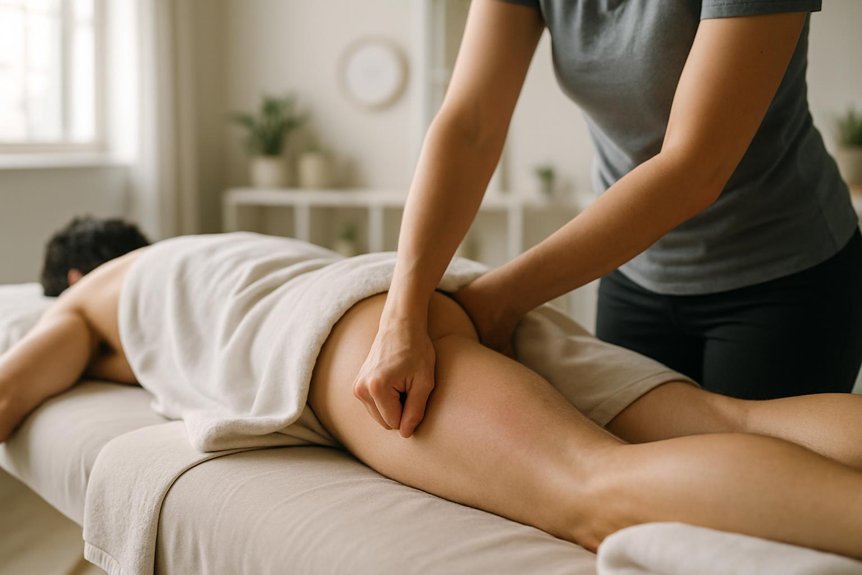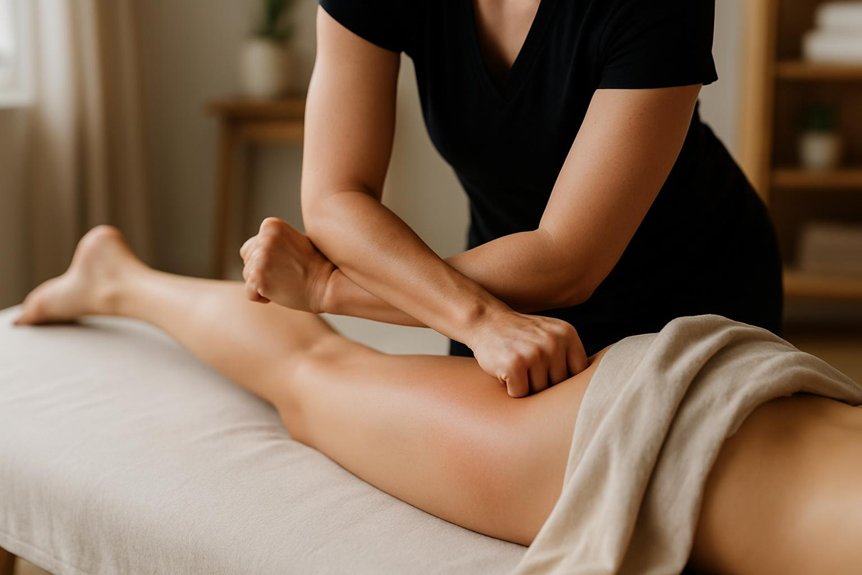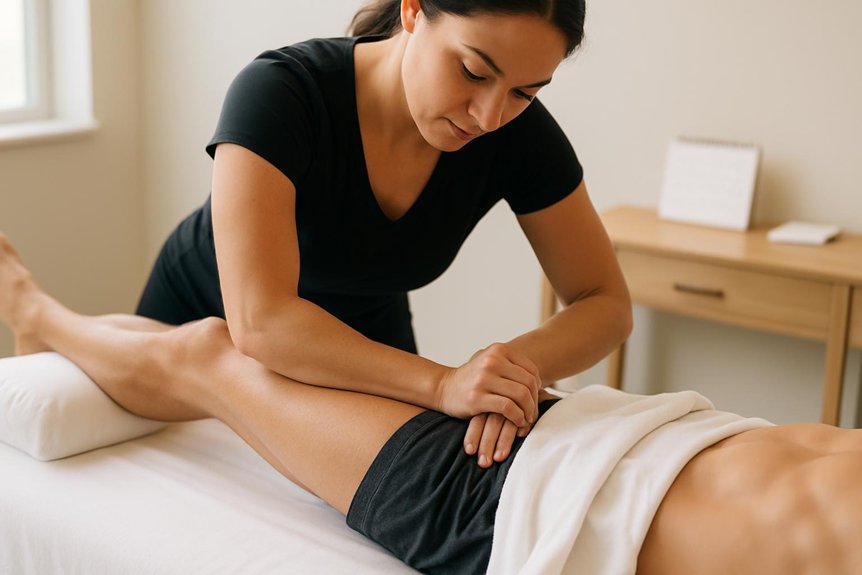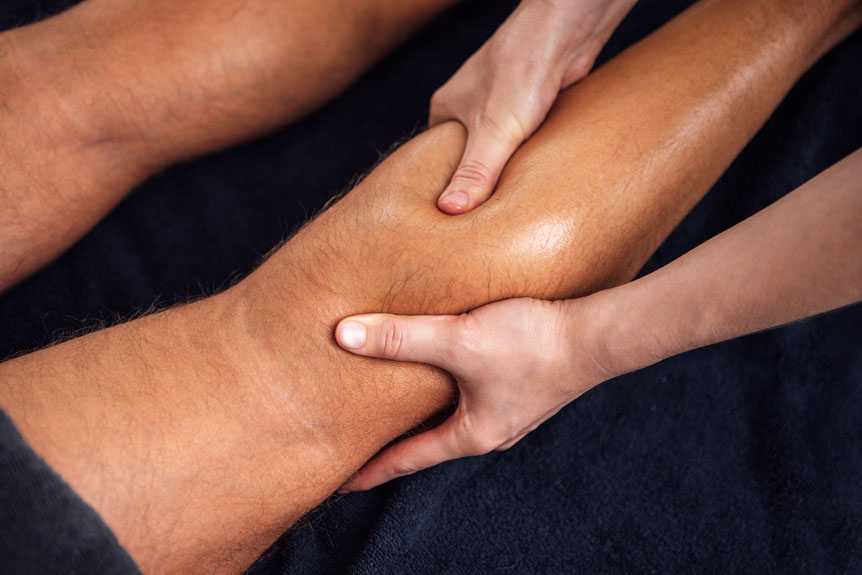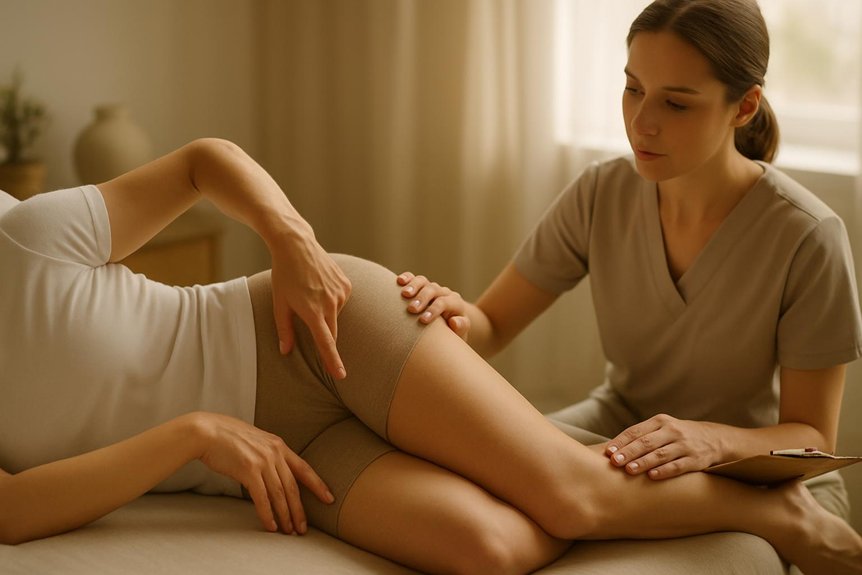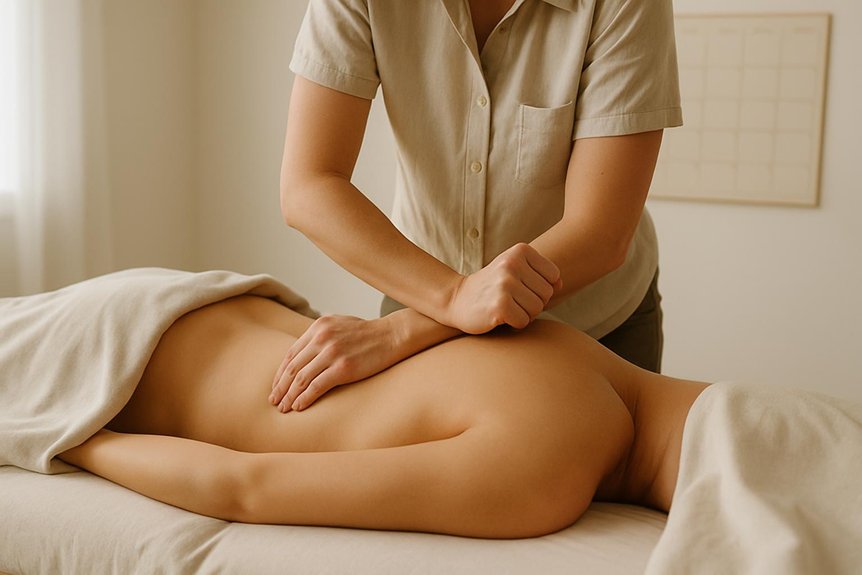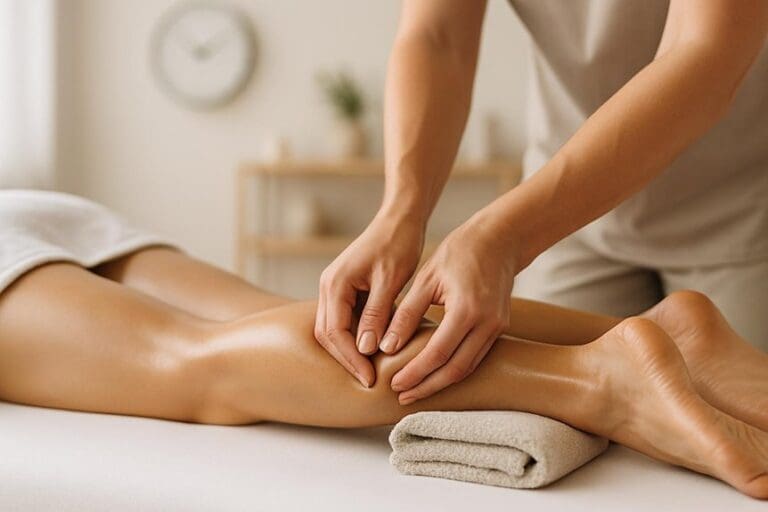
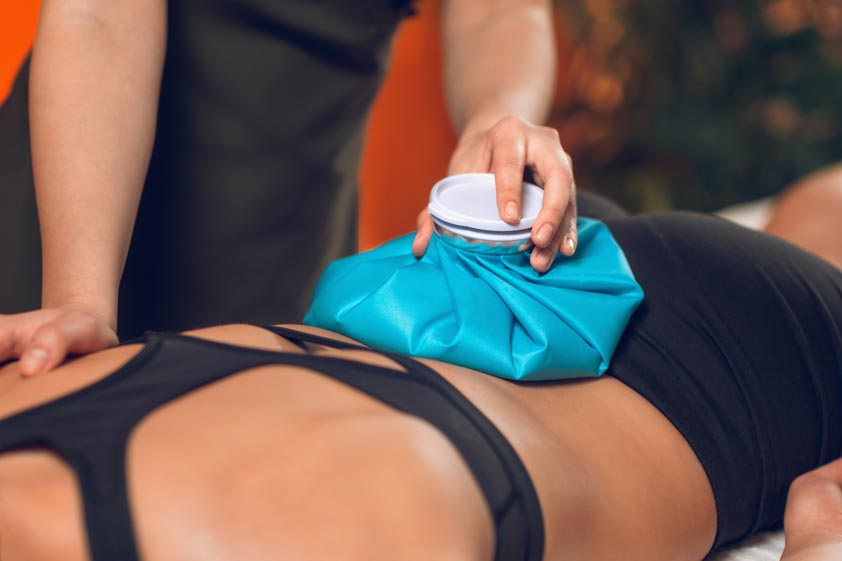
Ice is usually the better first choice after an intensive tissue massage when there is sharp tenderness, a bruised feeling, or visible swelling within the first 6–24 hours. Apply cold with a cloth barrier for 10–15 minutes, repeating every 2–3 hours as needed, and stop if numbness, burning, or mottling occurs. Gentle heat is typically more helpful after 24–48 hours for lingering stiffness or dull aching, used 15–20 minutes. Further guidance can clarify timing and precautions.
Heat or Ice After Intensive Tissue Massage: Which to Choose?
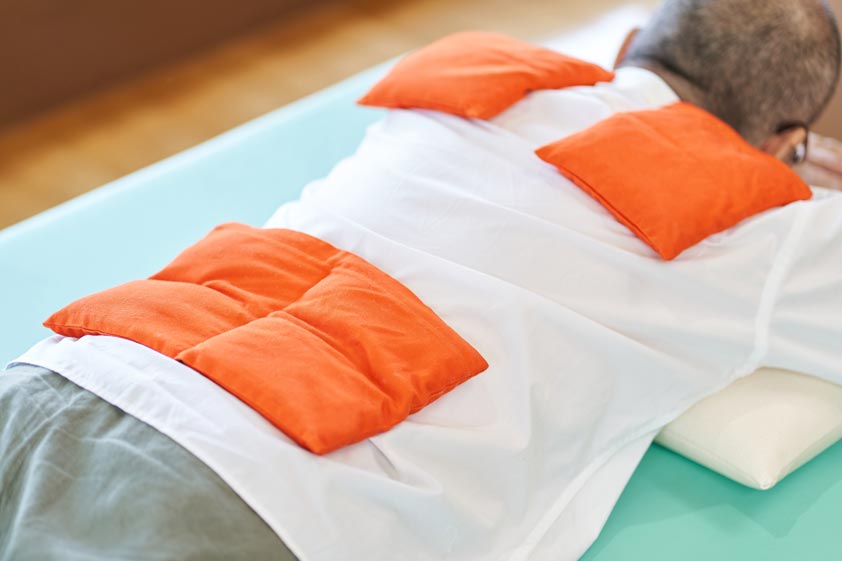
When should heat be used, and when is ice the better choice after an intensive tissue massage? Spa & Massage therapists guide clients by symptoms and timing. Ice is preferred for fresh tenderness, sharp “hot” soreness, or visible swelling, as brief cooling can reduce pain and limit inflammatory fluid shift in superficial tissues.
Heat is preferred for residual stiffness, dull aching, or guarded muscles, as warmth increases local blood flow and tissue extensibility, supporting comfortable movement and relaxation.
Because deep tissue work targets deeper muscle layers and connective tissue, deep tissue techniques can sometimes leave the area feeling tender for a day or two.
After strong deep tissue or sports work, some clients benefit from starting with ice for the first few hours, then shifting to gentle heat later the same day.
In all cases, applications should be comfortable, time-limited, and stopped if numbness, burning, or worsening pain occurs.
Ice vs Heat After Deep Tissue Massage: Quick Checklist
A quick checklist can help patients decide between ice and heat after intensive tissue massage by matching the aftercare choice to symptoms such as acute soreness, swelling, or stiffness.
It should also clarify timing (for example, when to use ice in the first 24–48 hours versus when gentle heat may be appropriate later) and essential safety steps, including skin protection, session length, and when to avoid either modality.
At Spa & Massage clinics across London, therapists routinely provide these evidence-based aftercare instructions so clients can recover comfortably and reduce the risk of irritation or rebound pain.
Choose Ice Or Heat
Choose ice or heat based on the dominant post‑massage response: inflammation and sharp, localised tenderness favour cold, while residual stiffness and muscle guarding favour warmth.
After deep tissue work, cold can help quiet reactive swelling and numb pinpoint soreness in an overworked spot, such as a trigger point release. Warmth is better when the area feels tight, dull, or “held,” supporting circulation and easier movement without adding pressure.
Spa & Massage therapists suggest choosing cold for fresh irritation, visible puffiness, or a hot-to-touch patch, and choosing heat for broad achiness, reduced range, or a sense of bracing. When both are present, treat the most uncomfortable symptom first, then reassess how the tissue feels with gentle, attentive self‑check.
Timing And Safety Tips
After a deep tissue session, timing and basic safety parameters largely determine whether ice or heat supports recovery or prolongs irritation.
For the first 6–24 hours, Spa & Massage therapists typically suggest ice for focal tenderness, swelling, or a “bruised” feeling: 10–15 minutes, with a cloth barrier, repeated every 2–3 hours.
Heat is usually better after 24 hours, or sooner only if there is stiffness without heat, redness, or throbbing; use warm (not hot) packs for 15–20 minutes.
Skin should be checked every few minutes; stop if numbness, burning, mottling, or increasing pain appears.
Avoid heat over fresh bruising, varicose veins, or inflammation; avoid ice with Raynaud’s, cold urticaria, or impaired sensation.
Why You Feel Sore After Intensive Tissue Massage
Feeling sore following an intensive tissue massage is common and typically reflects a short-term inflammatory response to sustained pressure applied to deeper muscle layers and fascia.
Microtrauma to overworked fibres and connective tissue can trigger local sensitivity, similar to delayed onset muscle soreness, particularly after treating adhesions or long-held tension. Increased circulation and fluid shifts may also heighten tenderness as tissues rehydrate and remodel.
At Spa & Massage clinics across London, therapists modulate depth, pace, and breath cues to keep pressure therapeutic rather than overwhelming. Soreness is more likely when clients are dehydrated, stressed, or returning after long gaps between sessions.
Typical sensations include ache, heaviness, or bruised tenderness that peaks within 24–48 hours and eases over several days.
When Should You Ice After Intensive Tissue Massage?
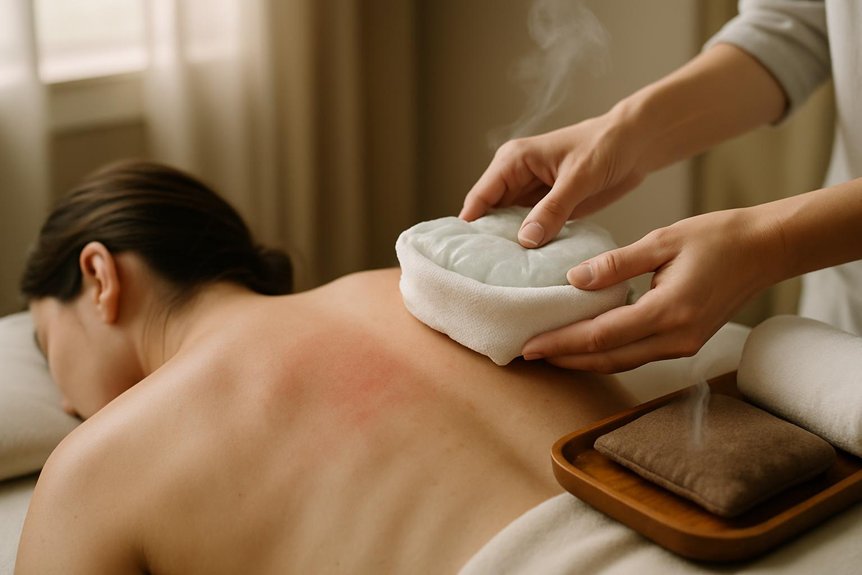
Icing after an intensive tissue massage is most appropriate when a client develops signs of acute inflammation—localised swelling, heat, sharp tenderness, or a noticeable flare in pain—rather than typical “worked-muscle” soreness.
In Spa & Massage clinics, therapists generally advise using cold within the first 12–24 hours after treatment when these symptoms are present, as this timeframe is most consistent with limiting post-treatment inflammatory response.
Safe practice involves short applications (about 10–15 minutes) with a barrier such as a thin towel, repeated as needed while monitoring skin sensation and avoiding prolonged direct contact.
Signs You Should Ice
Choose ice when post‑massage symptoms suggest an acute, inflammatory response rather than simple muscular fatigue. Clear signs include sharp, localised pain; increasing tenderness with warmth; visible swelling; new redness; or a “hot” sensation at one spot after deep pressure.
Ice is also appropriate when bruising appears or when movement feels more painful than before the session, especially around a joint or tendon. If the area throbs, feels tight from fluid build‑up, or becomes more sensitive to light touch, cooling can help limit secondary tissue irritation.
At Spa & Massage clinics across London, therapists flag these patterns and advise clients to monitor symmetry, skin colour, and pain direction. Numbness, spreading pins‑and‑needles, or escalating pain warrants medical assessment.
Best Icing Timeframe
Within the first 2–6 hours after an intensive tissue massage, cold application is typically most useful when an area shows early signs of localised irritation (e.g., developing swelling, heat, or sharp tenderness), because this window aligns with the initial inflammatory phase when cooling can help limit secondary tissue response.
From 6–24 hours, icing may still be appropriate after activity or if tenderness “flares” with touch, though benefits generally diminish as swelling settles.
After 24–48 hours, cold tends to be less relevant unless discomfort is clearly reactive and localized; at that stage, clinicians often reassess for over-treatment or strain.
At Spa & Massage, therapists encourage clients to match timing to symptoms, keeping self-care gentle and attuned to how the body feels hour by hour.
Safe Icing Methods
When post‑massage soreness is sharply localised or accompanied by warmth or mild swelling, cold therapy can be a useful, low-risk option provided it is applied correctly.
Spa & Massage therapists advise using a soft cold pack or ice wrapped in a thin towel, never directly on skin, to reduce irritation and cold injury.
Apply for 10–15 minutes, then allow at least 45 minutes before repeating; two to three rounds is usually sufficient.
Keep pressure light and avoid icing over numb areas or where circulation is reduced.
Stop if pain increases, skin becomes very pale, blotchy, or intensely burning.
Extra caution is needed with Raynaud’s, diabetes-related neuropathy, or pregnancy; clients should check with their clinician if unsure.
When Does Heat Help After Intensive Tissue Massage?
Heat is often most beneficial after an intensive tissue massage once the initial post-treatment tenderness has settled and the goal shifts from calming irritation to improving tissue pliability and circulation.
It can help when stiffness, guarded muscles, or a “tight” feeling persists without sharp pain, notable swelling, or heat in the skin. Gentle warmth promotes vasodilation, supporting oxygen delivery and metabolic waste clearance, and may reduce protective muscle spasm around treated trigger points.
Many clients also find heat comforting when the nervous system remains keyed-up, making it easier to relax into slower breathing and a sense of closeness with their own body.
At Spa & Massage clinics across London, therapists commonly suggest warmth after sessions focused on chronic tension, postural strain, or restricted mobility, especially in the neck, shoulders, hips, and lower back.
How Long to Ice or Heat After Intensive Tissue Massage
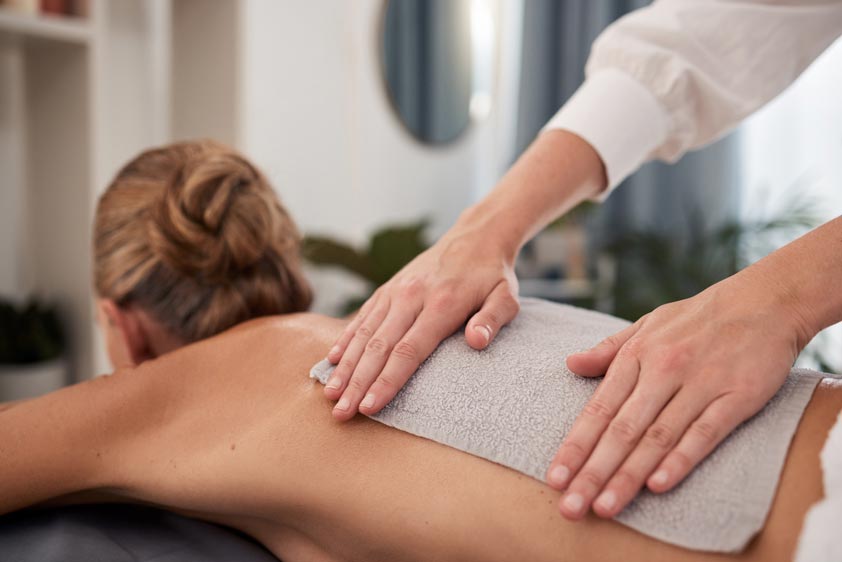
A practical rule is to use short, repeated applications rather than prolonged exposure: ice is typically applied for 10–15 minutes at a time (with a cloth barrier), up to every 2–3 hours for the first 24 hours if there is soreness or mild localised inflammation, while gentle heat is usually used for 15–20 minutes at a time once tenderness has eased—often from 24 hours onward—repeating 1–3 times daily to support relaxation and mobility.
At Spa & Massage, therapists suggest matching duration to sensation: treatment should feel comfortably cool or warmly soothing, never numbing or burning. If discomfort rises during an application, it should be stopped and the skin checked.
A calm, settling response is the goal—reduced ache, easier range, softer guarding. For lingering tightness beyond 48–72 hours, clients are encouraged to book a follow-up assessment or sports massage.
What to Avoid After Intensive Tissue Massage (First 24 Hours)
Short, well-timed ice or heat can settle post-treatment soreness, but the first 24 hours after an intensive tissue massage also require avoiding common behaviours that can amplify inflammation, bruising, or muscle guarding.
Clients should avoid strenuous training, heavy lifting, or long runs, as microtrauma needs time to recover.
Alcohol and excess caffeine can worsen dehydration and heighten tenderness; Spa & Massage therapists instead recommend water and a balanced meal.
Very hot baths, saunas, and steam rooms may increase vasodilation and bruising in sensitive areas.
Aggressive self-massage, foam rolling, or deep stretching can re-irritate treated tissues; gentle range-of-motion is safer.
Prolonged sitting should be broken up with short walks and supported posture to keep circulation calm and comfortable throughout the day.
When Post-Massage Pain Means You Should Contact Your Therapist
When does post-massage soreness stop being “normal” and become a reason to get clinical input? Typical deep tissue tenderness peaks within 24–48 hours and eases over 2–3 days.
Contact the therapist if pain is sharp, worsening, or limits walking, breathing, or sleep; if there is new numbness, tingling, weakness, or radiating pain; or if swelling, heat, redness, severe bruising, fever, or nausea appears. These signs can indicate irritation, nerve involvement, or an inflammatory response needing adjustment.
At Spa & Massage, therapists invite clients to check in promptly so pressure, techniques, and aftercare can be personalised.
If symptoms are severe or accompanied by chest pain, shortness of breath, or fainting, urgent medical care is appropriate.
Conclusion
After deep tissue work, the body is like a well-used path being repaired: some stones must be cooled, others warmed. Ice suits fresh, localised irritation—tender spots, mild swelling, or sharp, post-treatment flare—by narrowing vessels and reducing inflammatory signalling. Heat suits stiffness and guarded muscle tone, improving circulation and tissue extensibility. Duration and timing matter; excess can worsen symptoms. If pain escalates, new weakness or numbness appears, or swelling persists, clinical review is warranted.