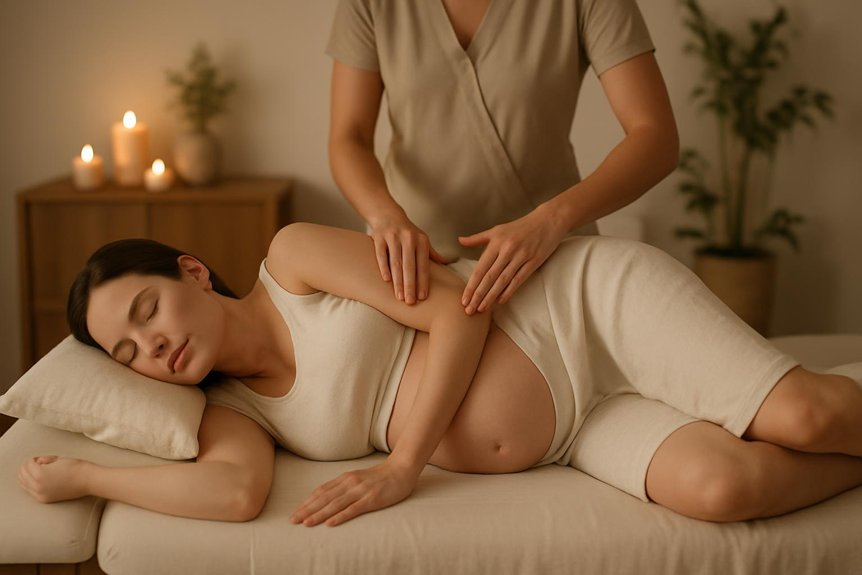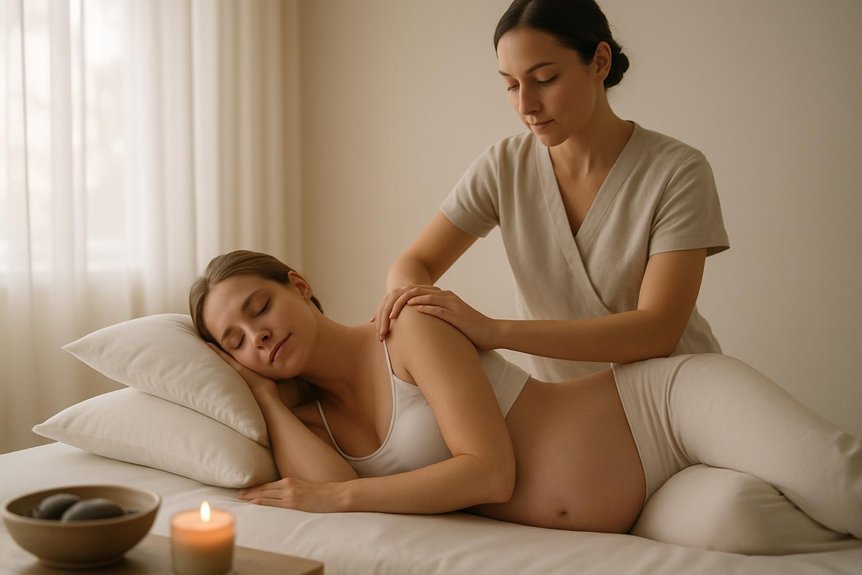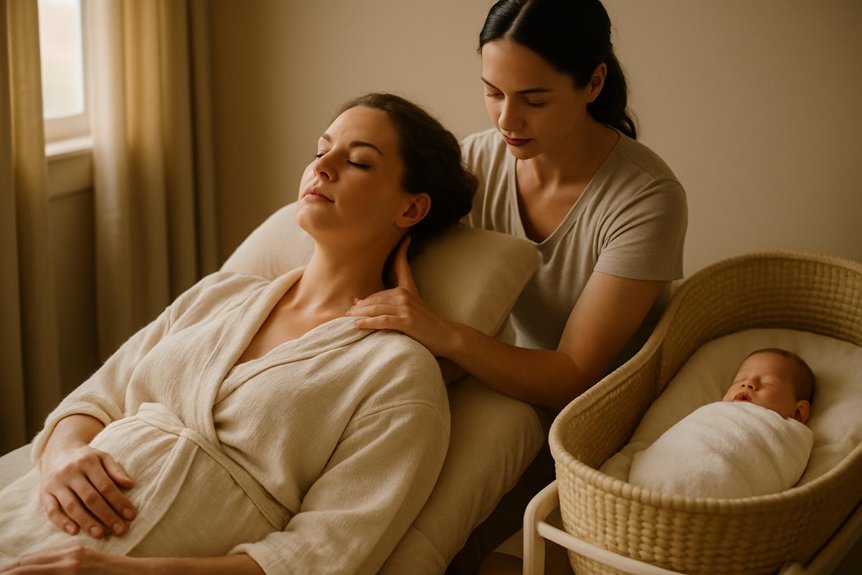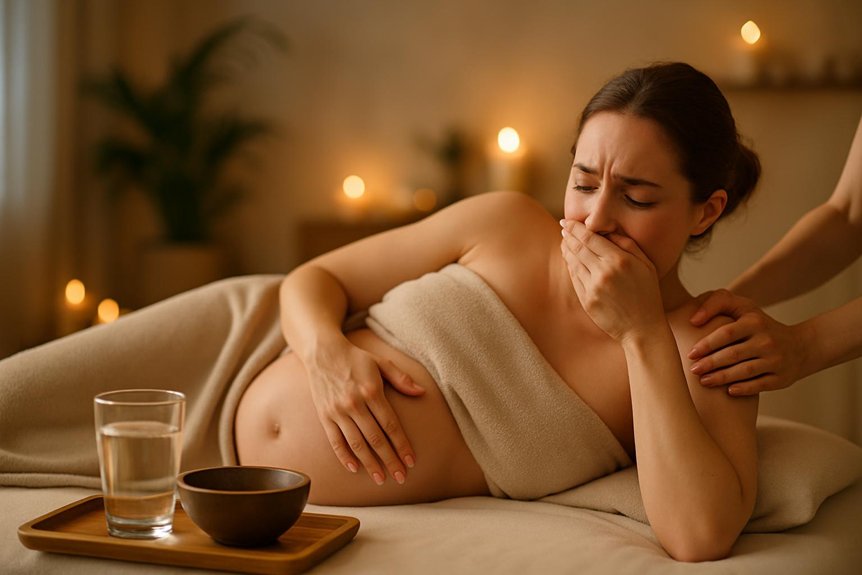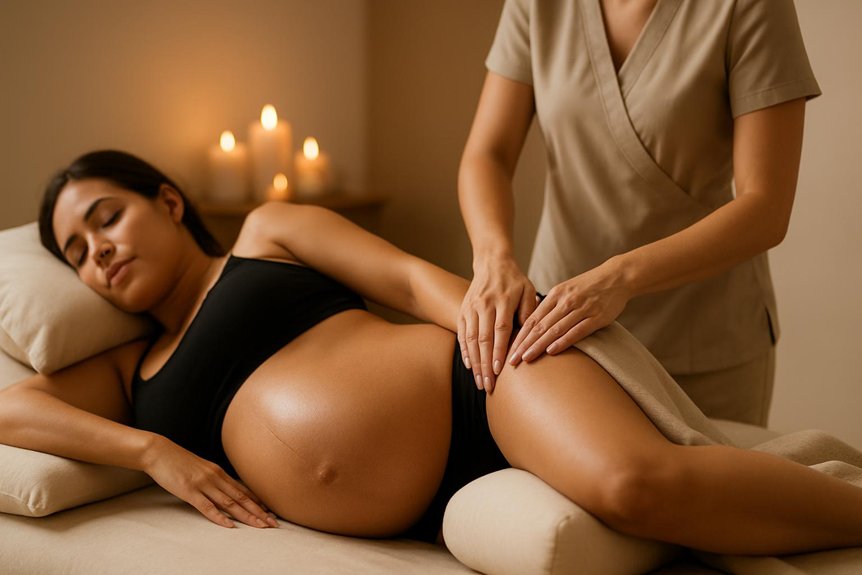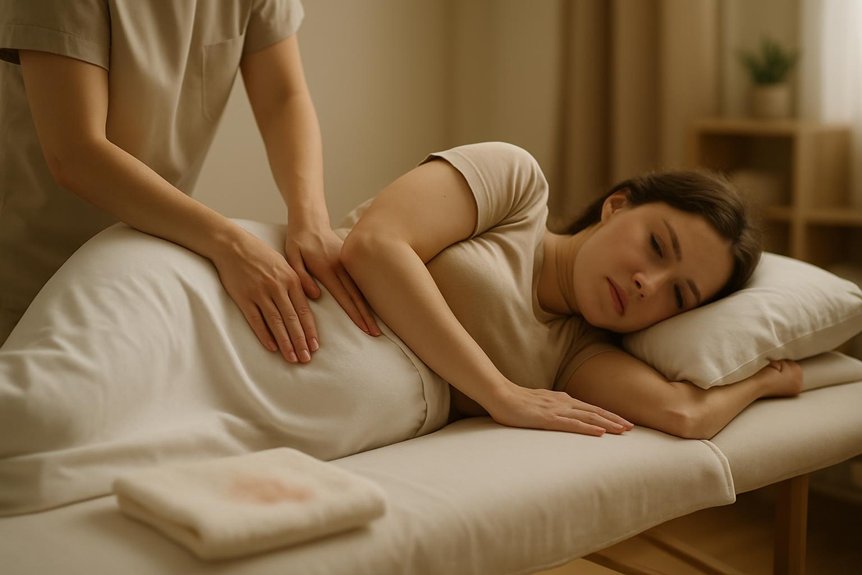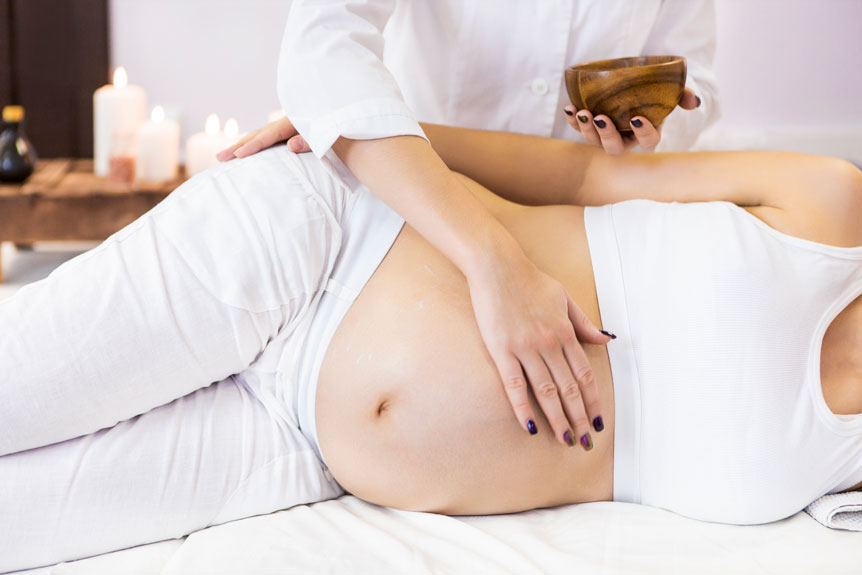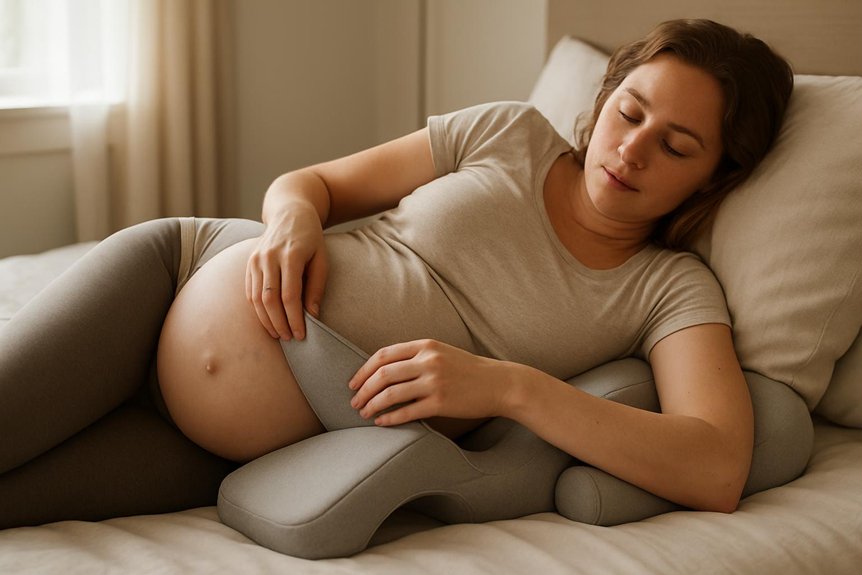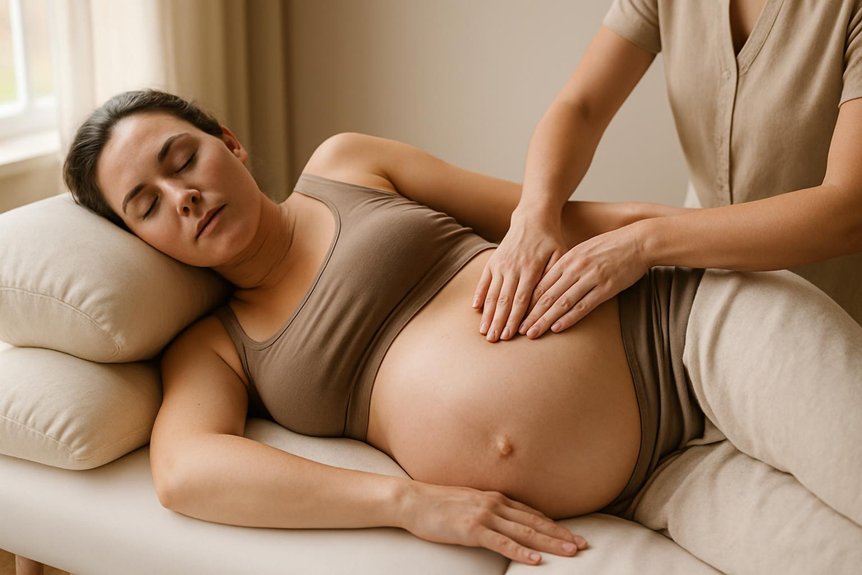

Peppermint essential oil is not a default choice for prenatal massage because evidence in pregnancy is limited and menthol can irritate skin or airways. Many therapists prefer fragrance-free carrier oils, especially in the first trimester or high‑risk pregnancies. If used, it should be only with explicit consent, careful screening (e.g., migraine, asthma, nausea), and very low dilution (0.25–0.5%; 1–2 drops per 20 ml), avoiding face, chest, and abdomen. Further guidance covers safer options and warning signs.
Is Peppermint Oil Safe for Prenatal Massage?
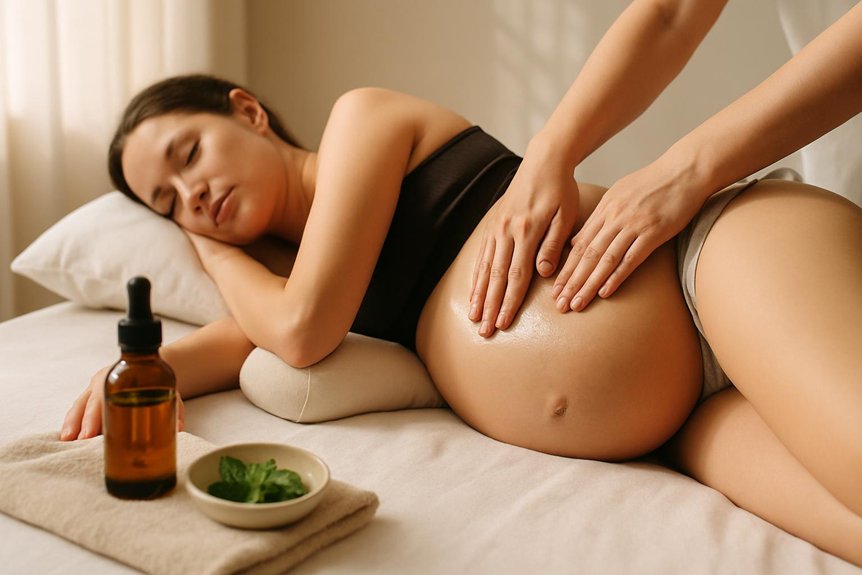
In prenatal massage, peppermint essential oil is generally approached with caution rather than used routinely, because its high menthol content can be irritating, strongly stimulating, and more likely to provoke nausea or headaches in scent-sensitive clients.
From a clinical perspective, safety depends on individual tolerance, dilution, and the aim of the session; evidence in pregnancy is limited, so a conservative approach is preferred.
As part of the broader benefits of pregnancy massage, therapists often keep scent choices minimal to support relaxation and overall comfort.
At Spa & Massage clinics across London, therapists typically prioritise unscented carrier oils and grounding aromatherapy options, keeping the experience close, calm, and nurturing.
If peppermint is requested, it is considered only in very low dilution, after informed discussion, and with the client’s comfort leading each step. Ongoing feedback guides adjustments throughout.
When Should Peppermint Oil Be Avoided in Prenatal Massage?
Although peppermint essential oil is sometimes requested for its “cooling” feel, it should be avoided in prenatal massage when there is scent sensitivity or nausea, a history of migraines or headaches, asthma or other reactive airways, broken or irritated skin, or any prior adverse reaction to mentholated products; extra caution is also warranted in the first trimester and whenever there is a high‑risk or medically complicated pregnancy unless a midwife or obstetric clinician has advised otherwise.
At Spa & Massage, therapists treat pregnancy as a time for gentleness: if a client feels light‑headed, “too cold,” or overstimulated by aroma, the oil is removed and the session continues fragrance‑free.
Peppermint is also avoided around the face and chest to prevent airway irritation.
Clear consent, patch‑testing when unsure, and clinician collaboration support safer, more soothing care.
How to Dilute Peppermint Oil for Prenatal Massage?
For prenatal massage, peppermint essential oil—if used at all—should be diluted to a very low concentration and applied sparingly, because menthol can feel overpowering and is more likely to irritate sensitive skin or trigger nausea and headaches.
A cautious dilution is 0.25–0.5%: add 1–2 drops of peppermint essential oil to 20 ml of unscented carrier oil (such as grapeseed or sweet almond).
Mix thoroughly, then patch-test a small area and wait 24 hours before broader use.
Keep application to small, comfort-focused zones (for example, upper back or temples), avoiding abdomen and broken skin, and stop immediately if warmth, stinging, dizziness, or queasiness appears.
In Spa & Massage clinics, therapists typically prefer gentler aromatherapy options and can tailor blends to the client’s comfort and consent.
Peppermint Oil by Trimester: What Changes?
Across the three trimesters, the risk–benefit balance of peppermint essential oil in prenatal massage can shift as nausea patterns, skin sensitivity, circulatory changes, and overall comfort needs evolve, so Spa & Massage therapists treat it as an optional, low-priority oil and reassess its suitability at each stage with the client’s consent.
In the first trimester, when precaution is highest and scent sensitivity is common, therapists typically avoid peppermint or use fragrance-free carrier oils only.
In the second trimester, if there is no history of sensitivity, they may consider a very low dilution, patch testing first, and keeping application local and brief.
In the third trimester, increased skin reactivity and swelling prompt extra caution; therapists prioritise neutral blends, avoid heat, and stop immediately if tingling, headache, or uterine tightness is reported.
Does Peppermint Oil Help Symptoms in Prenatal Massage?
Peppermint oil is sometimes used in prenatal massage to support nausea or morning sickness, mild headache or sinus discomfort, and to promote a sense of energy, focus, and comfort, but evidence in pregnant populations is limited and responses vary.
At Spa & Massage clinics across London, therapists consider trimester, symptom pattern, skin sensitivity, and scent tolerance, using only very low dilutions when appropriate and avoiding use if symptoms worsen.
The sections below outline what is known about these potential benefits, practical ways it may be incorporated into massage, and when a gentler, unscented approach is preferable.
Nausea And Morning Sickness
How well peppermint oil eases nausea and morning sickness during prenatal massage depends on the route of use and individual sensitivity. Evidence for aromatherapy in pregnancy suggests some people find peppermint’s scent settling, yet results are mixed and not universal. In Spa & Massage clinics, therapists prioritise gentle, comfort-led care and may offer a very light, well-diluted aroma option rather than direct abdominal application.
Because pregnancy can heighten smell sensitivity, peppermint may feel soothing for some and overpowering for others. A cautious approach is to trial briefly, keep ventilation good, and stop at the first sign of dizziness, heartburn, or aversion. Anyone with reflux, asthma, or migraine triggers should be especially careful. Midwife or GP advice is sensible when symptoms are persistent.
Headache And Sinus Relief
Easing head pressure and blocked sinuses in pregnancy often calls for conservative, low‑risk measures, and peppermint oil is sometimes considered because menthol can create a cooling sensation and a subjective feeling of clearer breathing. Evidence for treating pregnancy headaches or sinus congestion is limited, so it should be viewed as comfort care, not a cure, and never used neat on skin.
At Spa & Massage clinics, therapists typically avoid strong essential oils in pregnancy and, if peppermint is requested, use very low dilution in a carrier oil, keeping it away from the face, eyes, and mucous membranes. Gentle neck, scalp, and upper‑back work, paired with slow breathing, often supports relaxation and may ease tension‑type headache.
Any severe, sudden, or persistent headache warrants prompt midwife or GP review.
Energy, Focus, And Comfort
In the context of prenatal massage, some clients look to a light menthol aroma for a brief lift in alertness, reduced nausea-related discomfort, or a greater sense of comfort during treatment. Evidence suggests peppermint’s scent may feel invigorating and can ease queasiness for some, but responses vary and strong concentrations may feel overwhelming.
At Spa & Massage clinics, therapists keep aromatherapy subtle and optional, prioritising breathable comfort, hydration, and positioning support to reduce fatigue. If peppermint is considered, it is typically highly diluted, used away from the face, and stopped if dizziness, tingling, or uterine cramping is noticed.
Clients are encouraged to share trimester, sensitivities, reflux, or asthma so the blend and pressure can be adapted for calm focus and closeness.
What If You Have Sensitive Skin or Nausea?
When pregnancy brings heightened sensitivity—whether through reactive skin or waves of nausea—peppermint oil can become more likely to irritate than to help. Skin may sting, flush, or itch, and the strong aroma can worsen queasiness or trigger headaches. Because essential oils can cause irritation even when diluted, a patch test and conservative dilution are prudent, and any burning sensation should prompt immediate removal with a carrier oil and gentle cleansing.
At Spa & Massage clinics across London, therapists screen for scent aversions, migraines, eczema, asthma, and hyperemesis, then adjust the session to keep breathing easy and touch soothing. Ventilation, minimal aroma, and careful draping help preserve comfort and intimacy while prioritising safety. If symptoms persist, medical advice is recommended promptly.
Safer Alternatives to Peppermint Oil in Prenatal Massage
For many pregnant clients, especially those prone to nausea, headaches, or skin reactivity, a fragrance-free carrier oil (such as grapeseed or sweet almond) is often the safest starting point for massage, because comfort and skin tolerance can be assessed without introducing potentially sensitising volatile compounds.
When a gentle aroma is desired, Spa & Massage typically favours low-sensitiser options used at very low dilution and only with explicit consent. Lavender (true lavender) is commonly requested for relaxation and sleep support; mandarin or sweet orange may feel soothing for queasiness without the sharpness of mint.
For clients who want a “cooling” sensation, a chilled compress or lighter pressure can provide relief without essential oils. Patch testing, ventilation, and stopping immediately if irritation occurs keep care tender and safe.
How Our Therapists Choose Oils for Prenatal Massage

From the first consultation onward, Spa & Massage therapists select prenatal massage oils by prioritising maternal comfort and foetal safety: they review gestational stage, medical history (e.g., migraine, asthma, hypertension), skin sensitivity, and scent tolerance, then default to a simple, fragrance-free carrier oil unless a suitably mild essential oil can be justified at very low dilution with explicit consent and the option to stop immediately if any irritation, nausea, dizziness, or headache arises.
In Spa & Massage clinics across London, selection also considers room temperature, hydration, and how easily the oil allows steady, supportive strokes without tugging delicate skin. Patch awareness is maintained by using minimal product, avoiding blending “just because,” and documenting the exact oil and dilution for consistency at each visit. Clients are invited to breathe in the scent first, so the experience stays soothing and personal.
When to Skip Oils and Call Your Midwife
In certain situations, prenatal massage should proceed without oils—or not at all—until a midwife has advised it is safe. This includes vaginal bleeding, severe abdominal pain, reduced fetal movements, leaking fluid, fever, persistent vomiting, sudden swelling, severe headache, visual changes, chest pain, breathlessness, or signs of preterm labour. New onset hypertension, suspected pre-eclampsia, clotting disorders, or a history of thrombosis also warrant urgent clinical guidance.
At Spa & Massage, therapists will switch to a dry, light-touch approach, or pause treatment, if the client feels faint, unusually unwell, or reacts to a scent. Any new rash, wheeze, or dizziness after peppermint oil should prompt immediate washing off and contact with the midwife. Safety comes before comfort always.
Conclusion
Peppermint oil in prenatal massage is best treated like a strong winter wind: invigorating in the right moment, unsettling if it blows too hard. Evidence and professional guidance remain cautious, so suitability depends on trimester, dilution, and individual factors such as reflux, migraines, nausea, or reactive skin. When used, low concentrations and brief exposure are prioritised. Often, gentler oils offer the same comfort with less risk. When symptoms change, the safest course is to pause and seek midwife advice.